Saint-Malo
Saint-Malo, France
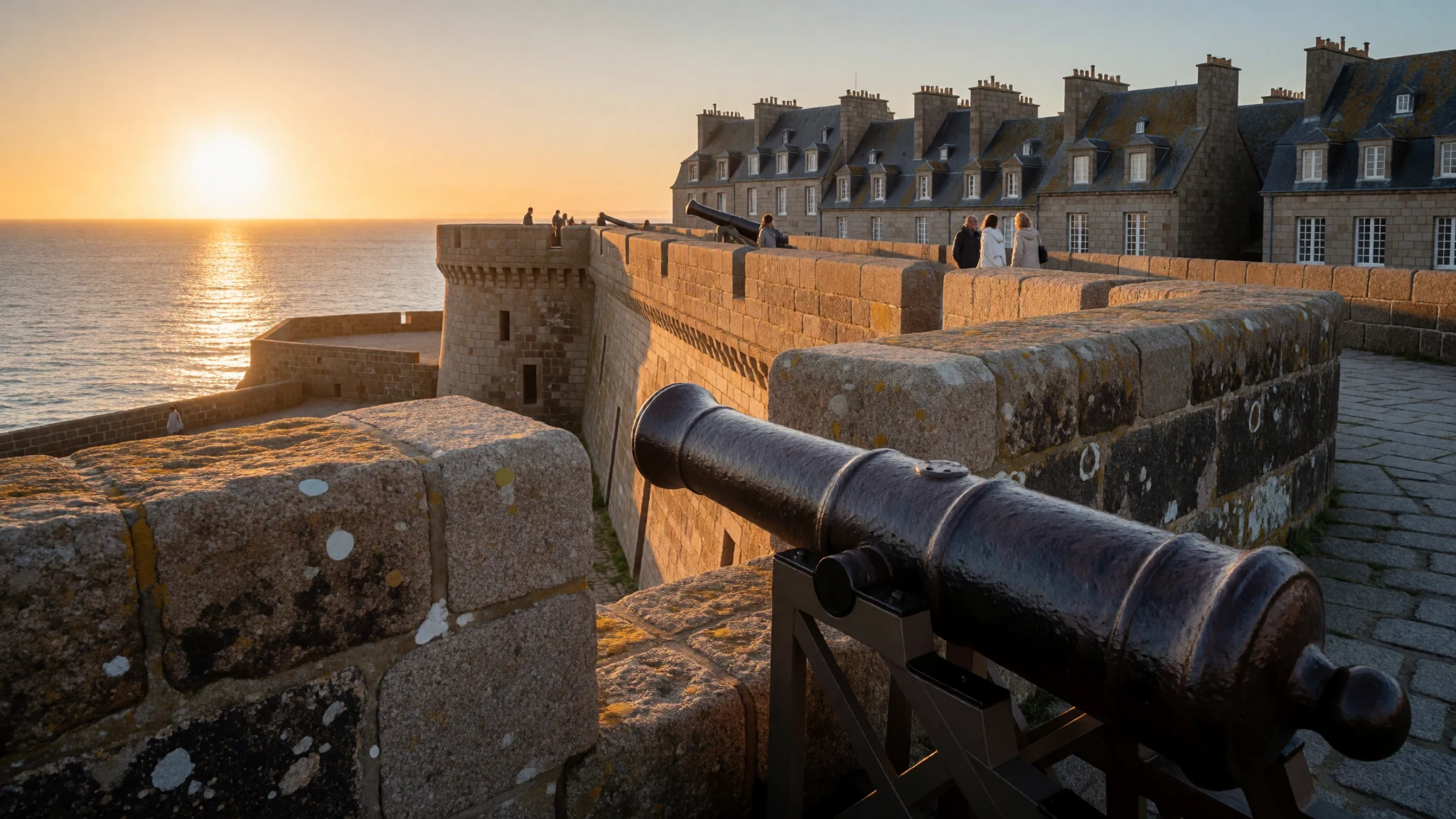
Saint-Malo is a granite-walled former corsair port in Brittany, where huge tides, a walkable rampart circuit and buttery galettes make a short stay easy.
The place
Saint-Malo sits on the Channel coast of Brittany, in the Ille-et-Vilaine department, a port town of 47,439 people at an elevation of just 8 metres. Its heart is the walled old town, known locally as intramuros, which began as a rocky granite island and is now joined to the shore by a broad causeway built up from an old sandbar. Around that core the modern town spread across the mainland, and in 1967 neighbouring Paramé and Saint-Servan were folded into it. The name therefore covers three quite different districts: the stone-walled centre, a seaside quarter of long beaches to the east, and a quieter harbour-side area to the south. The sea is the main character here. The tidal range can reach 14 metres, so a beach can be a vast expanse of sand in the morning and under water by evening, and the small fort islets just offshore become walkable, then cut off again. Ferries link the town with Jersey, Guernsey and the English south coast, so many visitors arrive by sea, and summer weekends fill the lanes of the old town with day-trippers. Much of the stonework looks centuries old but was rebuilt after wartime bombing, which is worth knowing before hunting for untouched medieval streets. Beyond the walls, the Rance estuary, the beaches and the Emerald Coast give the town a wider setting for days out.
Its story
Saint-Malo takes its name from Malo, a monk who crossed from Wales in the sixth century. The first settlement stood at Aleth, in what is now the Saint-Servan district, before the community shifted onto the island rock in the Middle Ages. Earlier, a Roman-era fort at Aleth had watched the Rance estuary for raiders, and Britons leaving unrest across the Channel helped turn the region into Brittany. Once settled on its island, the town grew rich on Atlantic trade and, just as much, on licensed raiding. Its privateers, the corsairs, preyed on English shipping and came home with money that paid for tall granite houses. Jacques Cartier sailed from here towards the St Lawrence, and the town's sailors left a mark far to the south, in the French name given to the Falkland Islands. Independence was a habit. Between 1590 and 1594 the town ran itself as a republic, and its saying, not French, not Breton, but Malouin, is still repeated with some pride. When national navies grew strong enough to outgun the corsairs, the golden age faded. In 1944 Allied bombing damaged the walled town badly, and it was afterwards rebuilt with great care, so the streets and ramparts seen today are largely a postwar restoration. The seafaring story continues in the Route du Rhum, a solo yacht race that leaves for Guadeloupe every fourth November.
What to see
- The ramparts — Intramuros
The ramparts form a rough D-shape around the old town, dotted with towers, and can be walked all the way round at any hour without a ticket. The views alternate between slate roofs inside and beaches, islets and open Channel outside. Early morning and the hour before sunset are the calmest times for the circuit.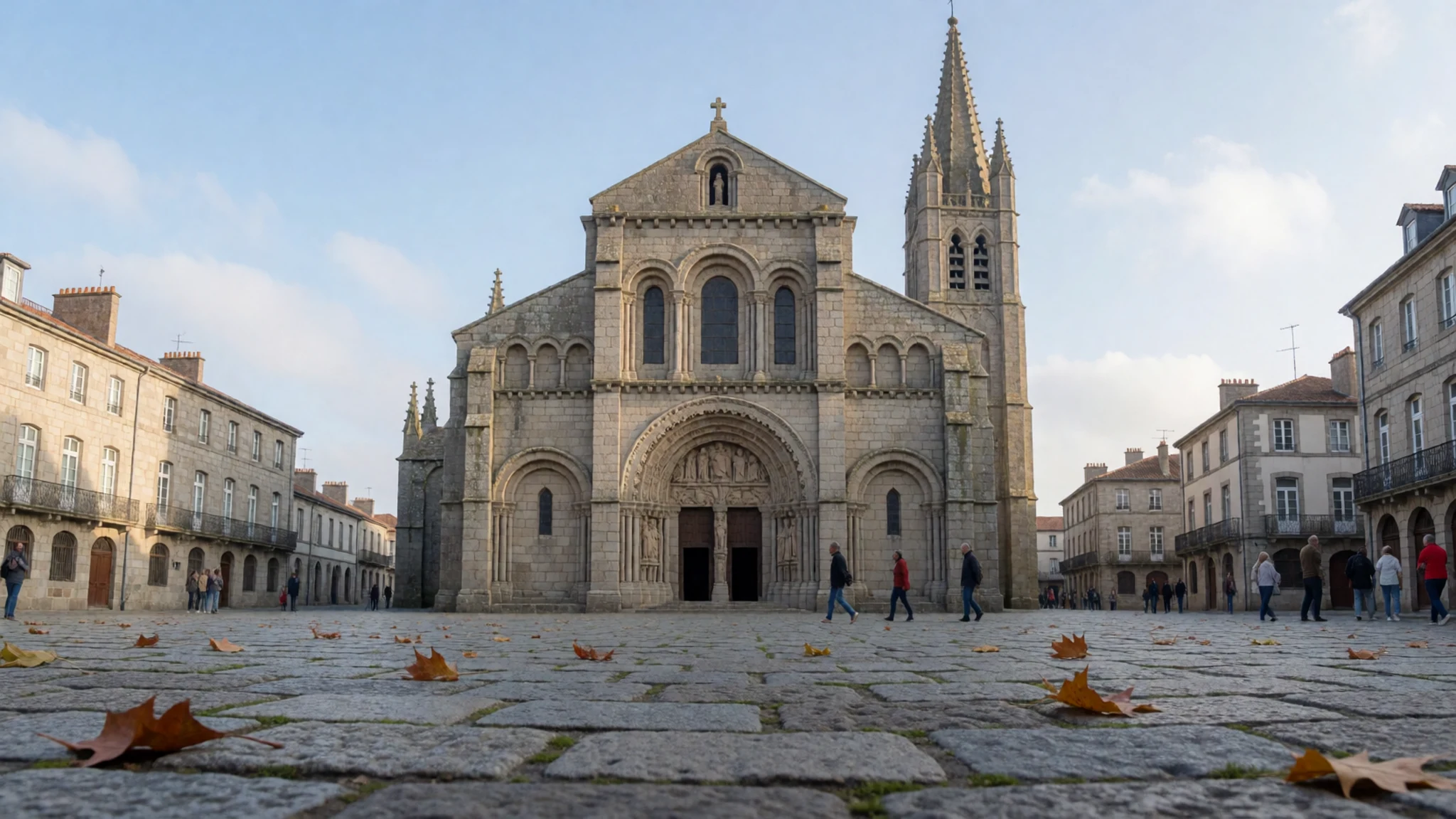
- Cathédrale Saint-Vincent — Intramuros
Saint-Vincent Cathedral stands at the centre of the walled town, a mix of Romanesque and Gothic work from the twelfth century that replaced the older church at Aleth. The interior is cool and quiet, a useful pause between the ramparts and the crêperies. Parts were rebuilt after the war, so some stonework is newer than it looks.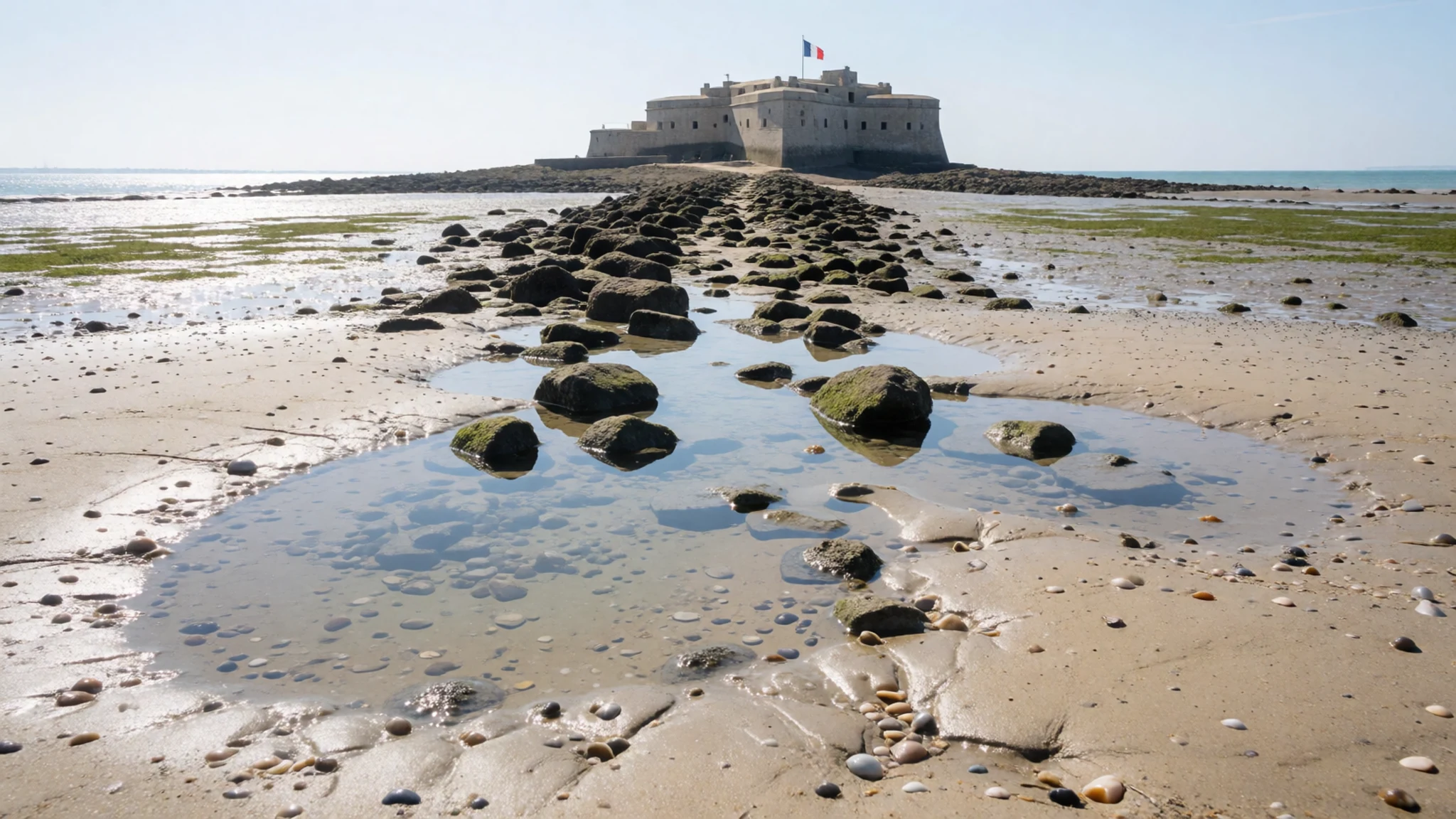
- Fort National — Beach below the northern walls
Fort National is a granite fortress on a tidal islet just off the beach below the walls, designed in the late seventeenth century to a plan by Vauban, the French military engineer. Walking out depends on the tide and on the flag flying, so check the tide table and the signs first, and never set off late.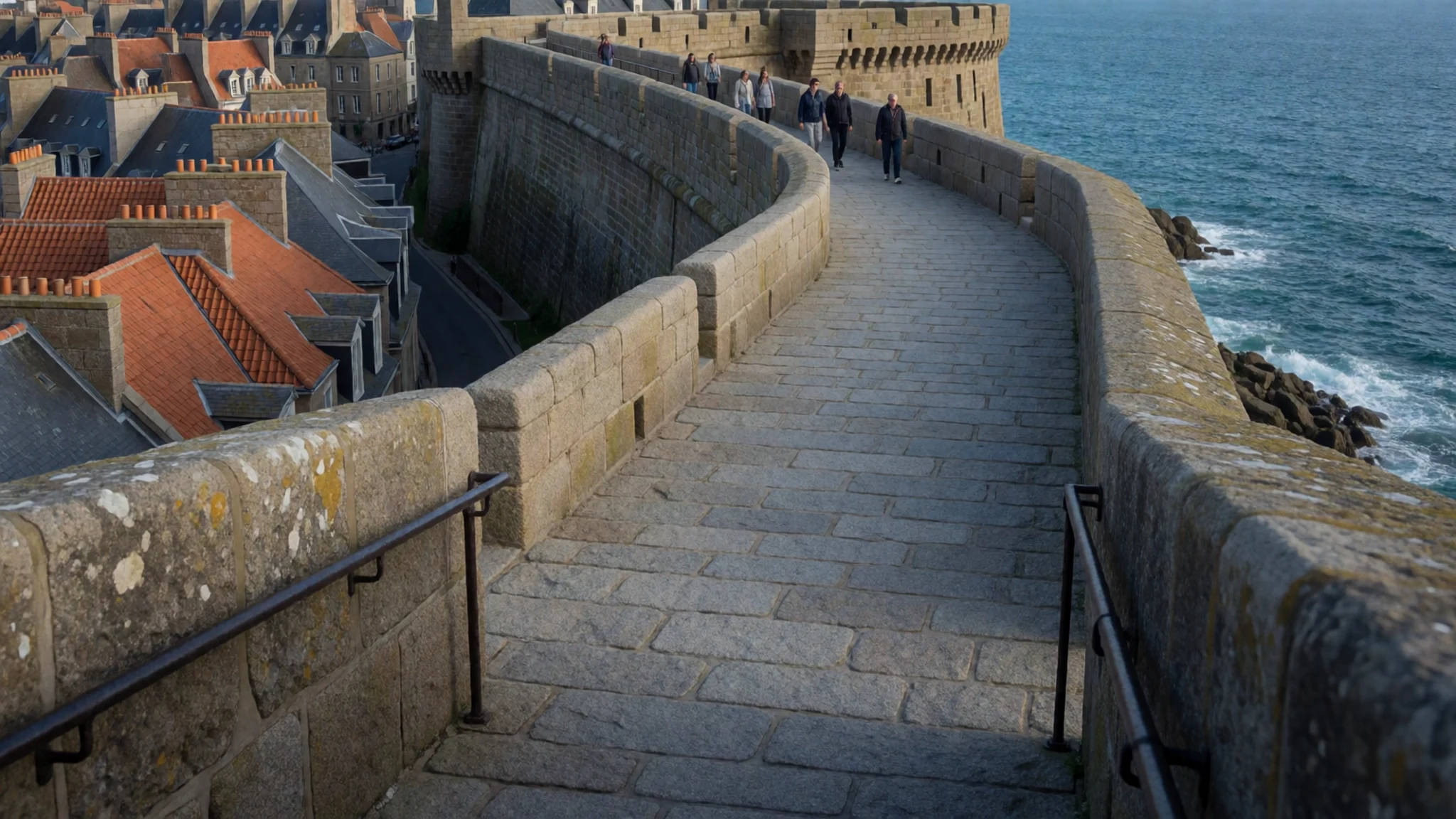
- Grand Bé and Petit Bé — Bon-Secours beach
Grand Bé is a small tidal islet on the Bon-Secours side of town, with fort remains and, at its seaward tip, the grave of the writer Chateaubriand, a leading Romantic figure now better known to many through a steak. A causeway continues to Petit Bé, a partly restored fort. Return well before the water comes back.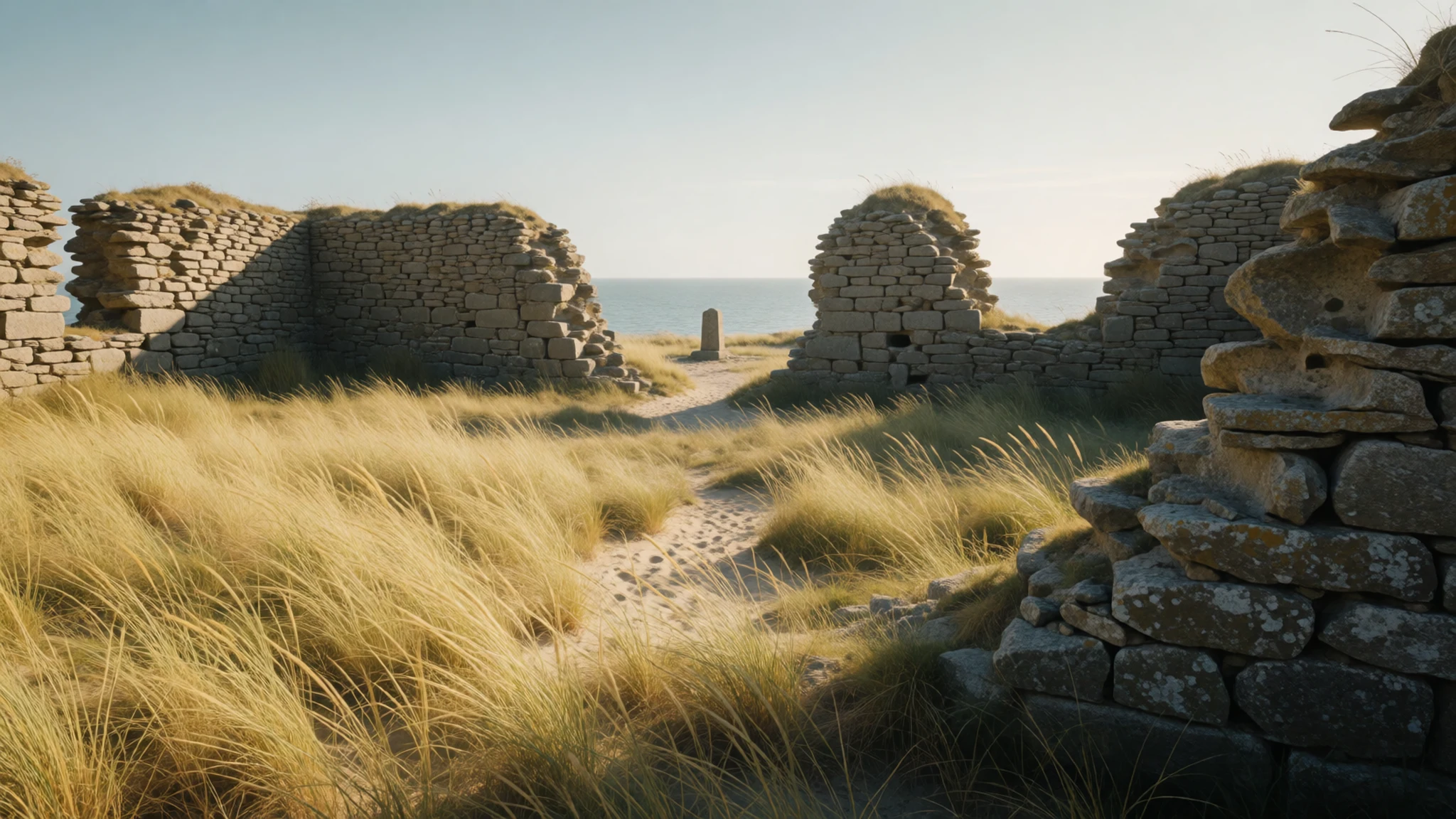
- Rance Tidal Power Station — Rance estuary
South of the old town, the Rance Tidal Power Station uses the estuary's strong tides to turn its turbines, and has fed electricity into the grid for decades. The barrage carries a road across the river mouth, so it pairs well with a wander through Saint-Servan and a look at the estuary boats.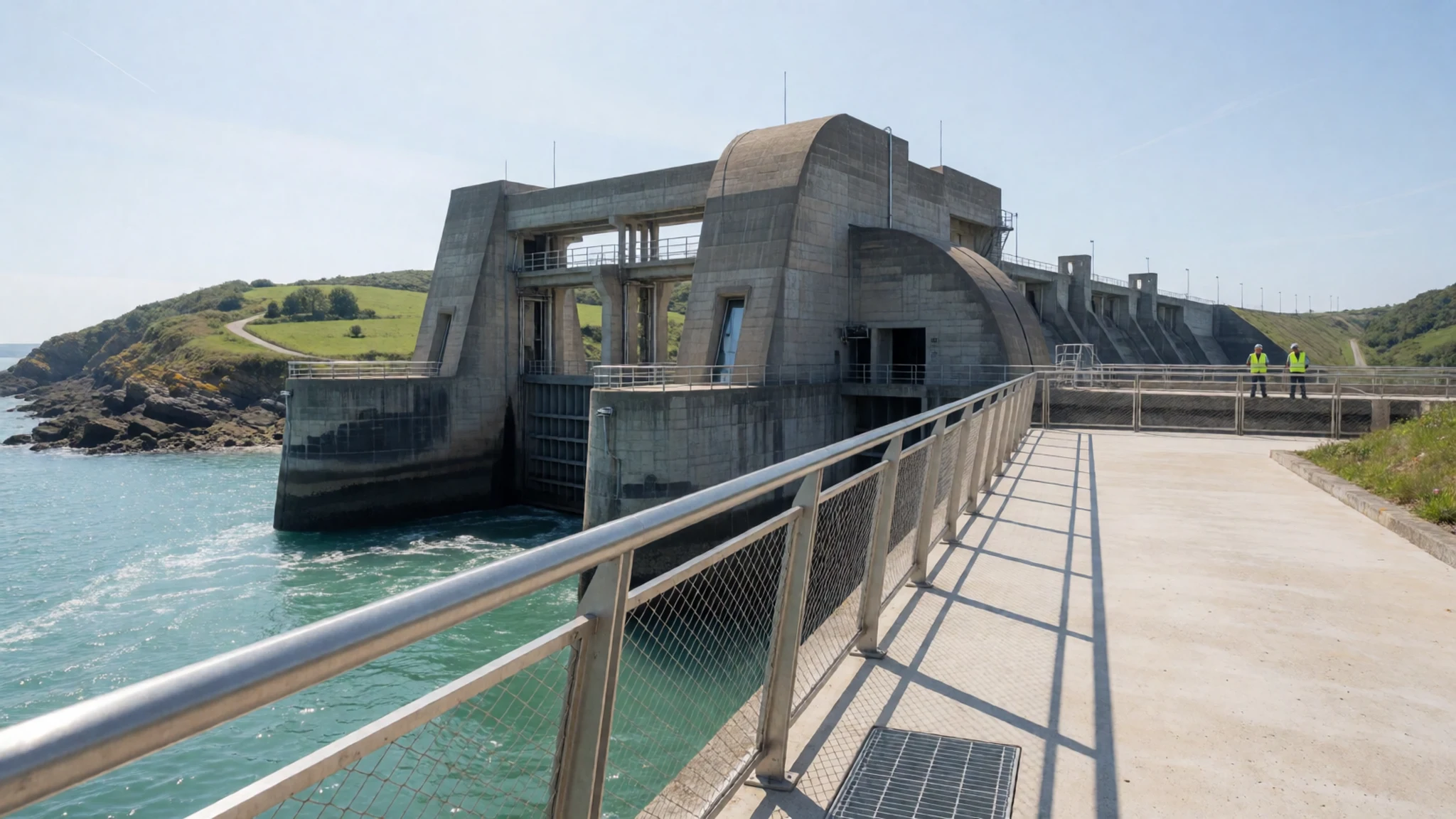
Culture
Saint-Malo has a strong sense of being its own place. Locals have long called themselves Malouins before anything else, a habit rooted in the days of the short-lived republic and the corsair fleet, and the town still treats the sea as both livelihood and identity. Breton and Gallo, the region's older languages, appear on signs and in music, though French is what people speak day to day. Brittany's wider traditions show up in summer festivals, with pipes, folk dancing and, further afield, religious processions called pardons. Table culture matters: a crêperie lunch with cider served in a small bowl is a standard ritual, and meals are unhurried, with many kitchens closing between lunch and dinner service. Sailing runs through local life, from small dinghies in the bay to the Route du Rhum, which draws crowds to the harbour when it starts every four years in November. Walking out on the tidal flats is popular, but the sea moves faster than it looks, and locals treat tide times as plain common sense rather than optional advice. Shops outside the tourist core often keep shorter hours on Sundays and public holidays, so plan errands accordingly. In the cathedral, keep voices low and avoid flash photography during services, and on the ramparts at night remember that people live right behind the walls.
What to wear
Traditional Breton dress varied from village to village, but its signature pieces were the starched white lace coiffe, a headdress of fine cotton or linen lace that differed by locality, and black wool or velvet garments trimmed with embroidery and ribbon. Men wore short jackets, waistcoats and wide-brimmed hats. These outfits now appear mainly at festivals, pardons and folk dance performances, not in daily life. The best-known everyday descendant is the striped Breton shirt, the marinière, a navy-and-white knit cotton top with roots in sailors' work clothes, alongside the oilskin jackets of fishing crews. Today people in Saint-Malo dress for wind and changeable weather: layers, a windproof or waterproof jacket, jeans, trainers or boat shoes, and a marinière is entirely at home here. The climate is oceanic and mild, with average temperatures of about 6.1 °C in January and 17.8 °C in August, though the sea breeze makes evenings feel cooler. Visitors should pack a light waterproof and a sweater even in summer, plus sunglasses and a hat for bright beach days. Shoes with real grip matter more than smart ones, since the granite ramparts, wet sand and seaweed-covered causeways to the islets are slippery. There is no strict dress code, but cover bare shoulders and knees when stepping into the cathedral, and avoid wet swimwear inside it.
What to eat
- Galettes — Any crêperie inside the old walls or on the streets behind the harbour
Savoury buckwheat pancakes folded around ham, egg and cheese, or seafood. Saint-Malo's galettes lean towards the sea, with scallops, smoked fish or mussels common as fillings. A galette with a bowl of dry cider makes the standard local lunch.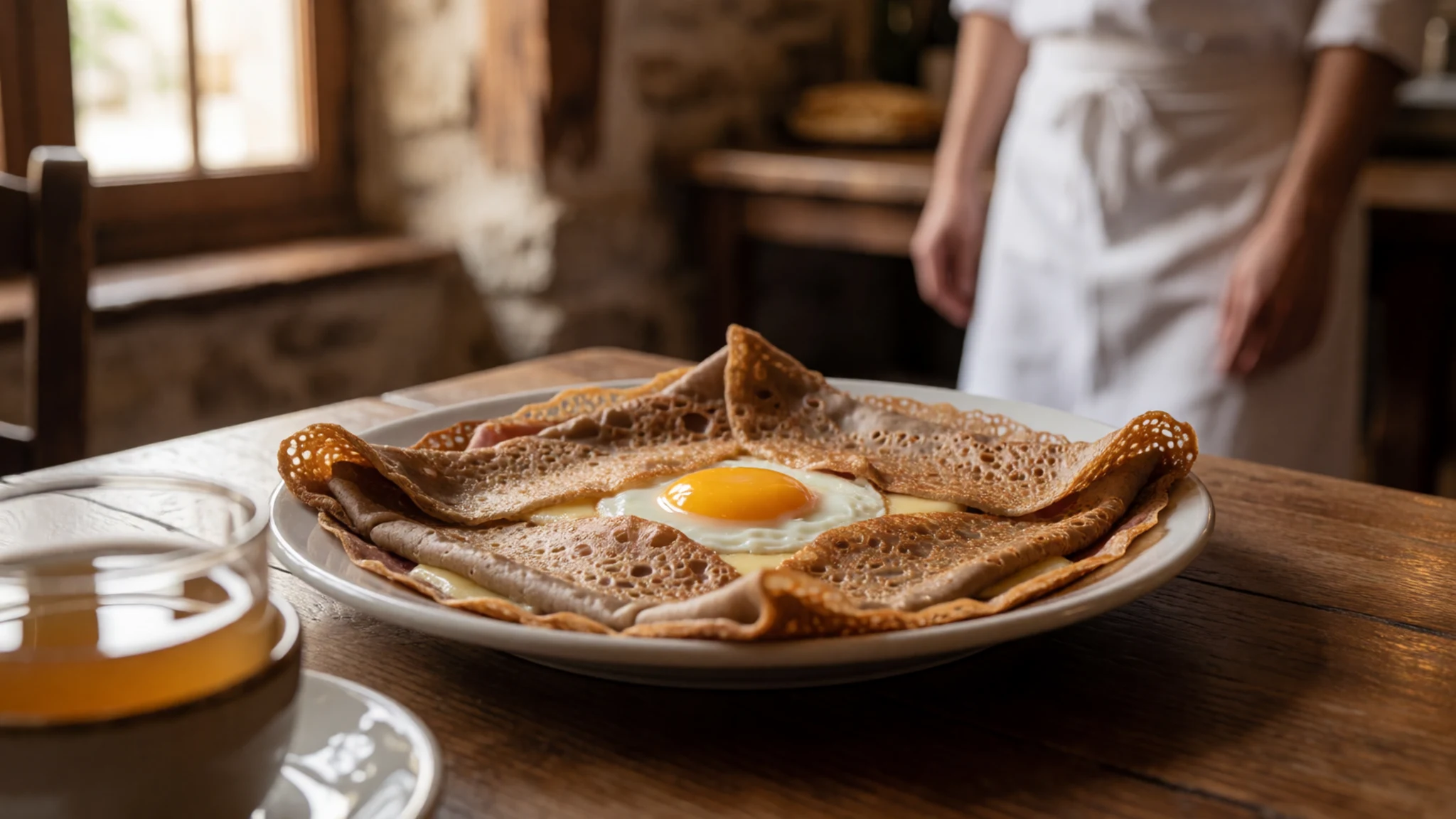
- Sweet crêpes — Crêperies and takeaway hatches in intramuros
Thin wheat pancakes served with salted-butter caramel, apple, chocolate or just sugar. They are the usual end to a crêperie meal and also sold from small takeaway counters for eating on the ramparts or the beach.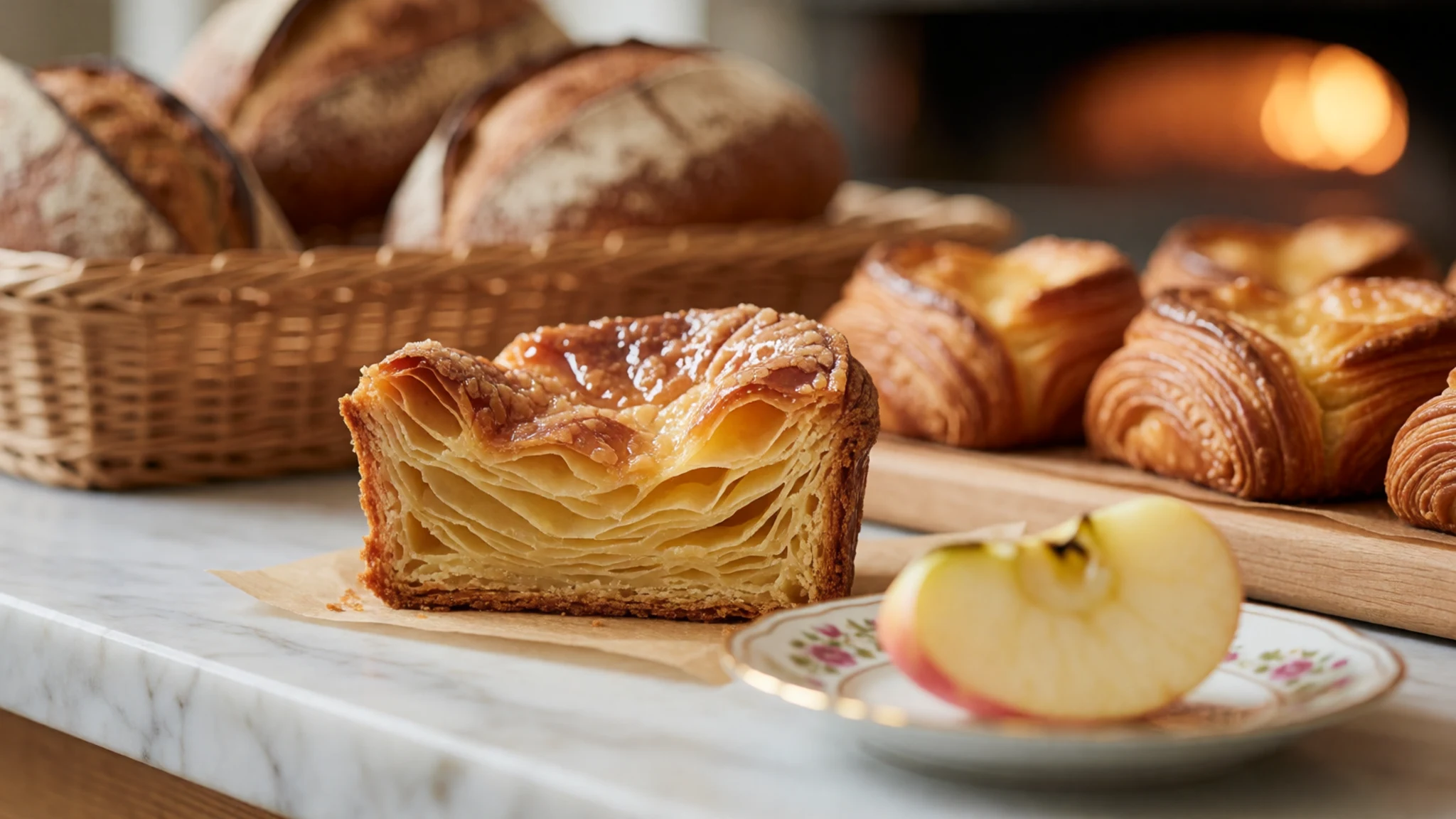
- Kouign-amann — Local bakeries and pâtisseries in the old town and Saint-Servan
A dense, caramelised Breton cake of layered dough, butter and sugar, best eaten warm so the edges are crisp and the centre soft. Versions with apple are common. It is rich enough that one slice is usually plenty to share. - Oysters from nearby Cancale — Seafood counters and brasseries near the Grande Porte, or the oyster stalls at Cancale
Cancale, a short drive along the coast, is the best-known source of oysters in the area, and they appear on menus across Saint-Malo, served raw with lemon and rye bread. Buying a dozen and eating them near the water is a simple pleasure. - Mussels (moules) — Brasseries and harbour-side restaurants
Mussels are harvested locally and usually come steamed in white wine, shallots or cream, with chips on the side. They are an easy, filling dish on a cool evening, when the old town's terraces fill with diners. - Cider and chouchen — Crêperies, pubs in intramuros and bars around the harbour
Brittany is apple country, not wine country, so cider is the default drink, served dry or sweet in small bowls. Chouchen, a honey mead, is stronger and sweeter, usually tried in small glasses. Breton beer and Calvados are also widely available.
Plan it
Best time. May to September for mild weather, long days and the best chance of beach and rampart walks; July and August are the busiest, when ferries and day-trippers fill the old town. Winter stays mild thanks to the sea but is wet and windy, which suits storm-watching and quiet streets.
How long. 2–3
Getting there. The nearest airport with scheduled flights is Rennes, about 75 km south, and Paris Charles de Gaulle offers wider European and long-haul links. By rail, fast direct services run from Paris Montparnasse in a little under ninety minutes, and Rennes has an hourly connection of about an hour. Saint-Malo station is about 1.5 km east of the old town, a walk or short bus ride away. Ferries from Poole, Portsmouth, Guernsey and Jersey dock at the Gare Maritime, close to the walls; check the operators' sites for current sailing days.
Budget. mid
Tips
- Check the tide table before walking out to any islet or fort, and turn back well before the water returns.
- Walk the ramparts early in the morning or around sunset, when day-trippers have thinned out.
- Book summer weekend rooms and ferry crossings well ahead, as the town fills quickly.
- Carry a waterproof layer even in summer, since the weather changes fast on this coast.
- For opening times and local notices, check the official site at http://www.ville-saint-malo.fr.
Etiquette
- Keep voices low in the cathedral and avoid flash photography during services.
- Respect tide warnings, flags and barriers on causeways and beaches.
- Keep noise down on the ramparts at night, since people live right behind the walls.
Nearby
Sources
- Wikidata Q163108 (CC0)
- Wikipedia — Saint-Malo (rev 1382028073) (CC BY-SA 4.0)
- Wikivoyage — Saint-Malo (rev 5386528) (CC BY-SA 4.0)