Raipur
Raipur, India
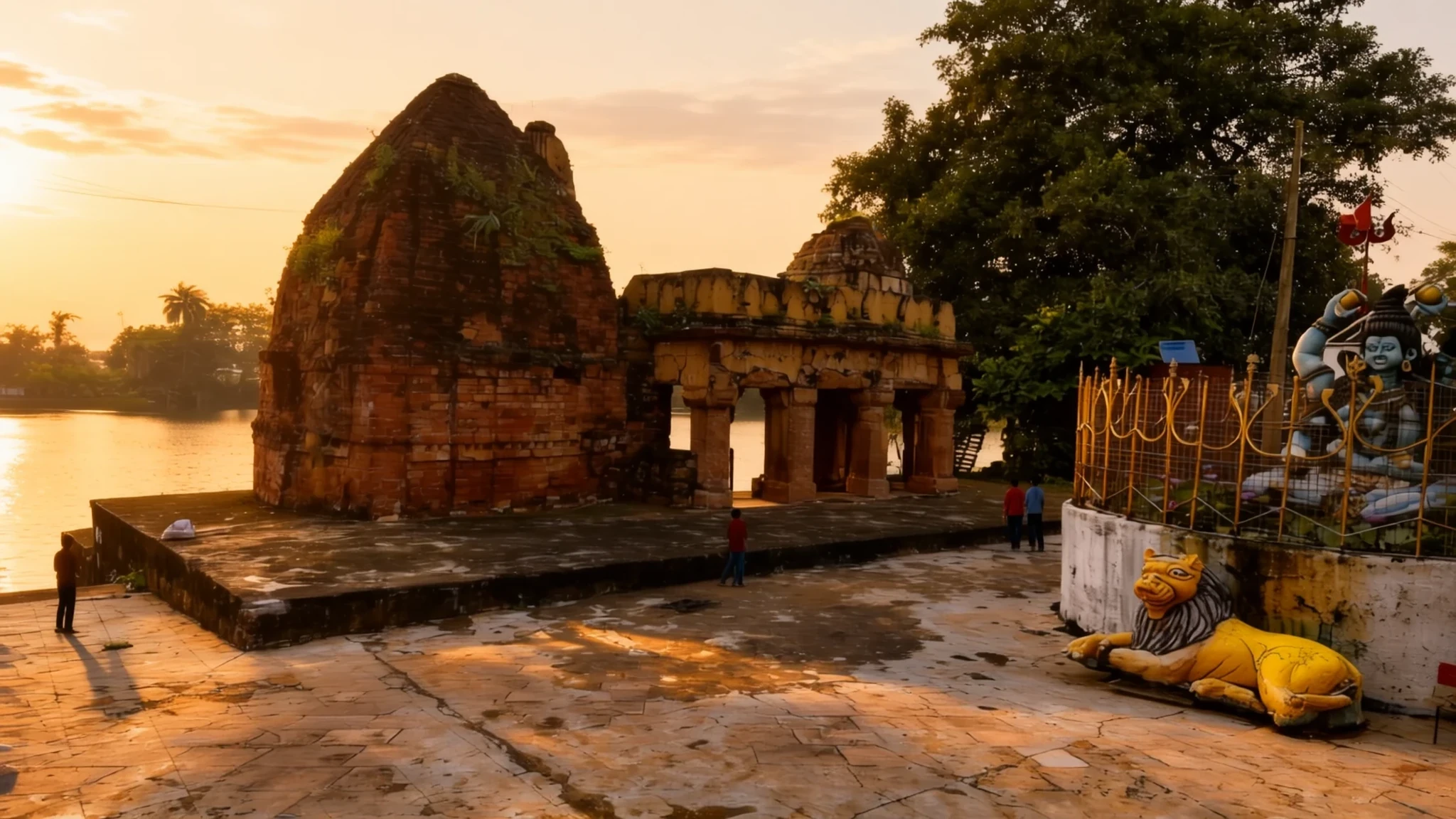
Raipur is a bustling Central Indian commercial powerhouse that pairs booming steel and rice markets with quiet lakeside temples and tribal heritage museums.
The place
Raipur sits near the centre of a wide, fertile basin often called the rice bowl of India, where countless local strains of grain fill the surrounding flatlands. To the east, the Mahanadi River carves its path past the urban fringe, while the southern approach meets thick woodlands. On the north-west horizon, the Maikal Hills rise gently before the land climbs northward to merge with the Chota Nagpur Plateau. As the administrative heart and capital city of Chhattisgarh, Raipur bridges heavy industry and quiet pilgrimage traditions. It functions as a major commercial hub for trade across Central India, driven by steel rolling mills, sponge iron plants, and hundreds of rice milling operations. Away from the manufacturing zones and bustling transport arteries, the city slows down around urban water bodies and neighbourhood chowpatys where evening crowds gather to share street snacks. Urban green spaces like Mahaveer Park and Urja Park offer shaded respite from the central heat, while wide arterial roads link modern shopping malls with municipal landmarks and Victorian-era civic architecture.
Its story
Long before modern industrial corridors shaped the landscape, the broader district and surrounding plain formed the ancient region known as Dakshina Kosala. Early administrative hegemony shifted through several dynasties, including the Mauryas and later the Guptas, whose 6th-century inscriptions near Arang testify to regional dominion. By the 7th century, Buddhist monasteries and kingdoms flourished across the wider terrain, documented in historical accounts by travellers such as Xuanzang. Control later passed to local lineages and branches of ruling families who patronised temple construction across sites like Sirpur before giving way to the Sharabpuriyas. By the early 9th century, the Kalachuris established their authority across the territory, with the Ratnapur branch governing until the 13th century. A subsequent branch centred around Raipur rose to prominence, expanding territorial influence by subduing local fortified strongholds. According to regional etymology, this consolidation of eighteen fortified outposts lent its name to Chhattisgarh, signifying the land of thirty-six forts. By the 18th century, the Kalachuris held undisputed sway over the entire regional expanse, laying the historical foundations for the vibrant cultural identity that endures across the state today.
What to see
- Mahant Ghasi Das Memorial Museum
Housed in a well-kept building displaying regional history, this museum holds an extensive collection of stone carvings, archaeological finds, and upper-floor galleries dedicated to the traditional crafts, weapons, and daily artifacts of local tribal communities.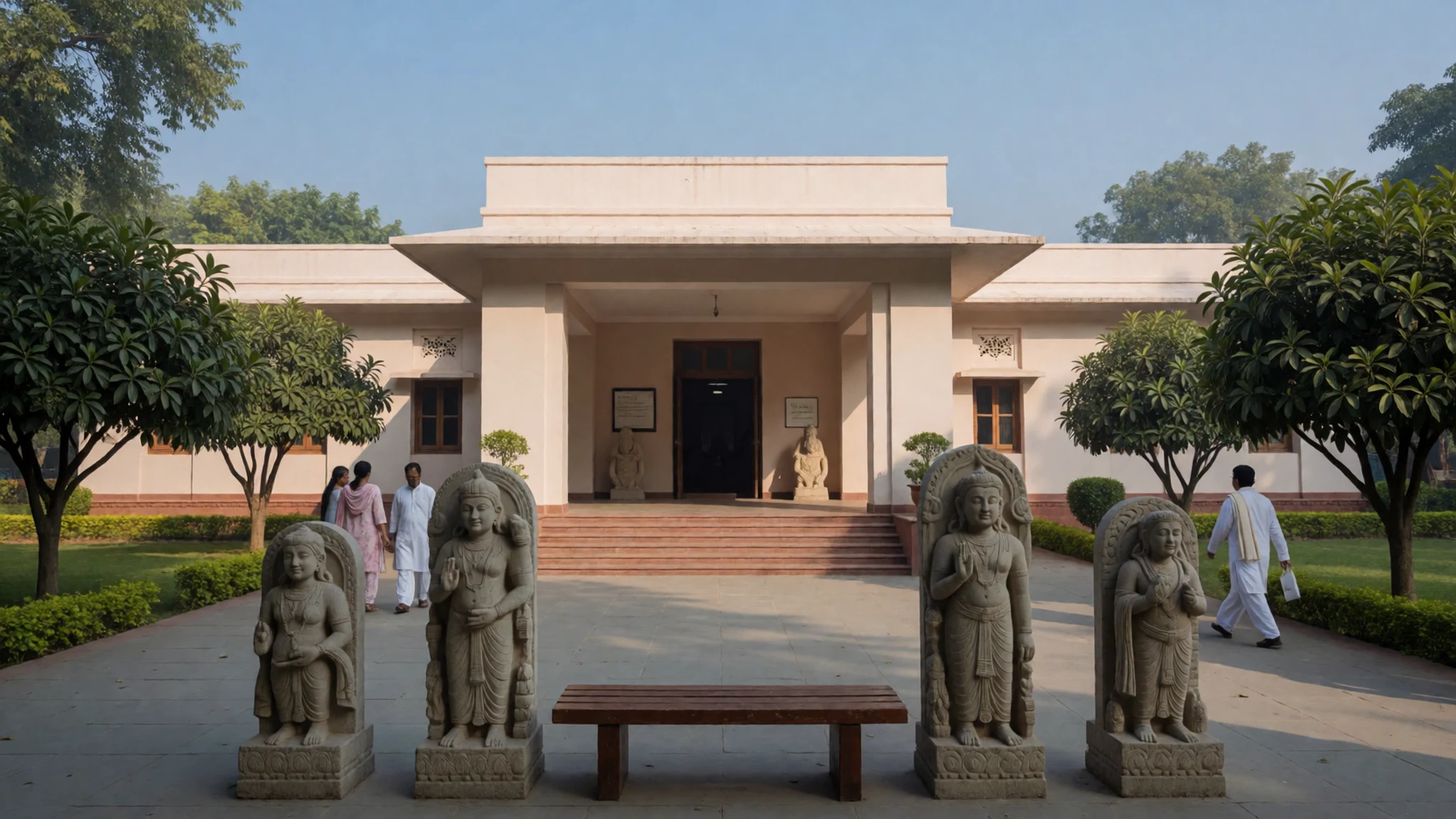
- Vivekananda Sarovar
Built around a large municipal lake, this waterfront features a prominent central statue honouring the influential 19th-century monk Swami Vivekananda, who spent formative years of his youth living nearby. The surrounding promenade is a popular spot for quiet evening walks.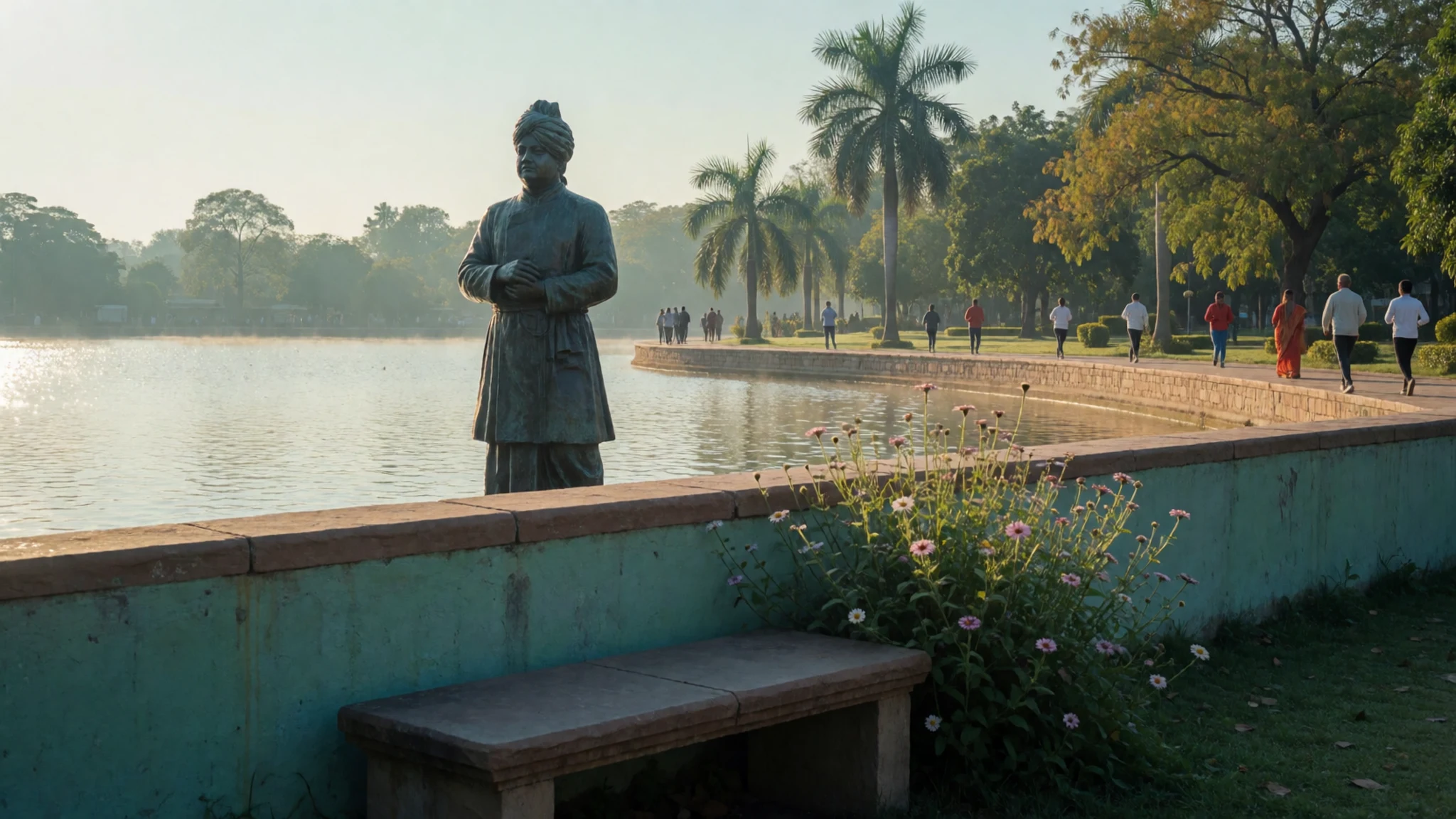
- Sri Ram Mandir
Located along the busy VIP Road corridor, this spacious modern temple complex draws steady streams of devotees with its tall shrines, clean marble courtyards, and well-maintained spiritual environment dedicated to Hindu deities.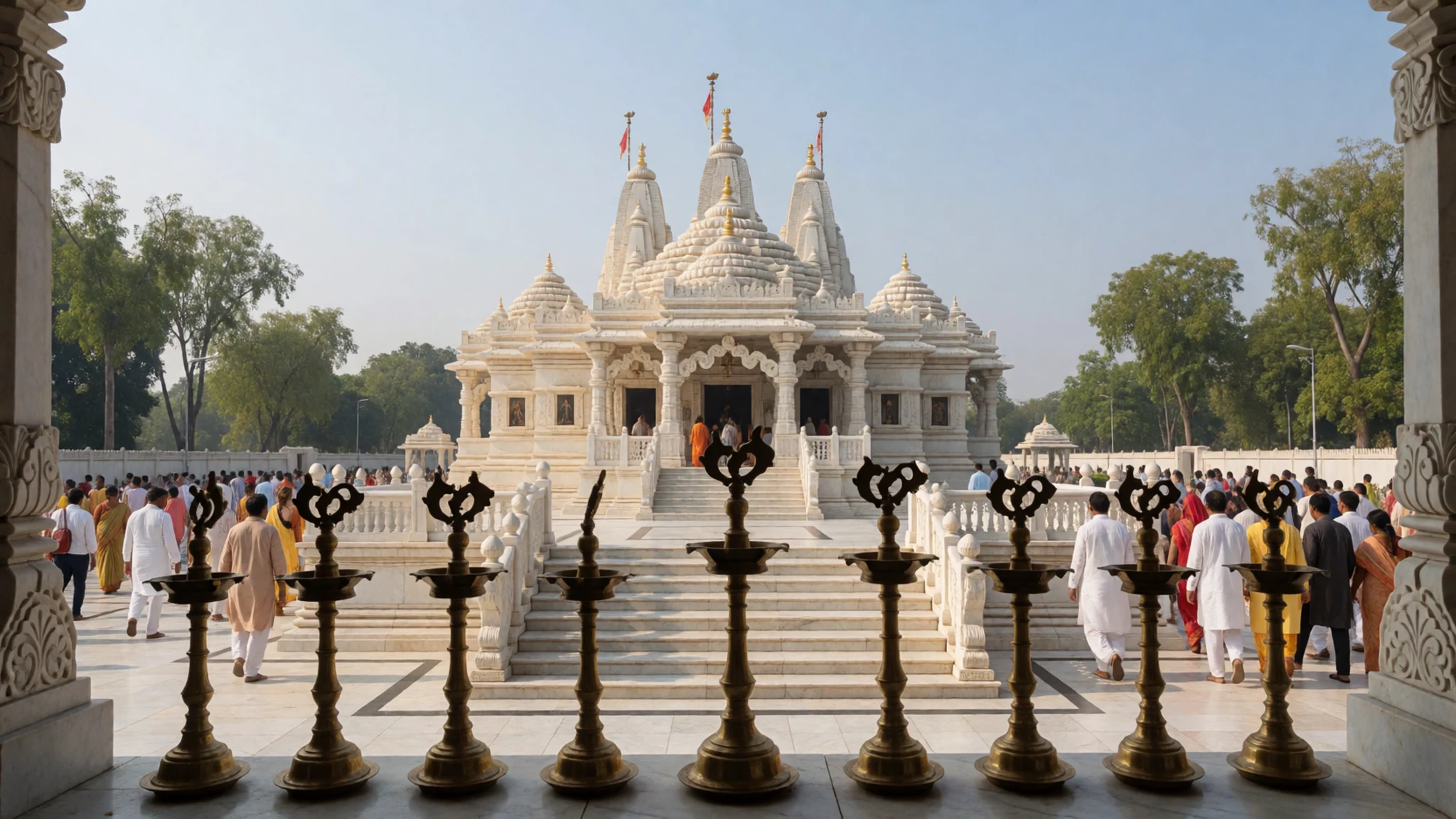
- Mahaveer Park
A peaceful urban green space providing shaded walking paths, manicured lawns, and quiet seating areas away from the heavy traffic of the surrounding commercial districts.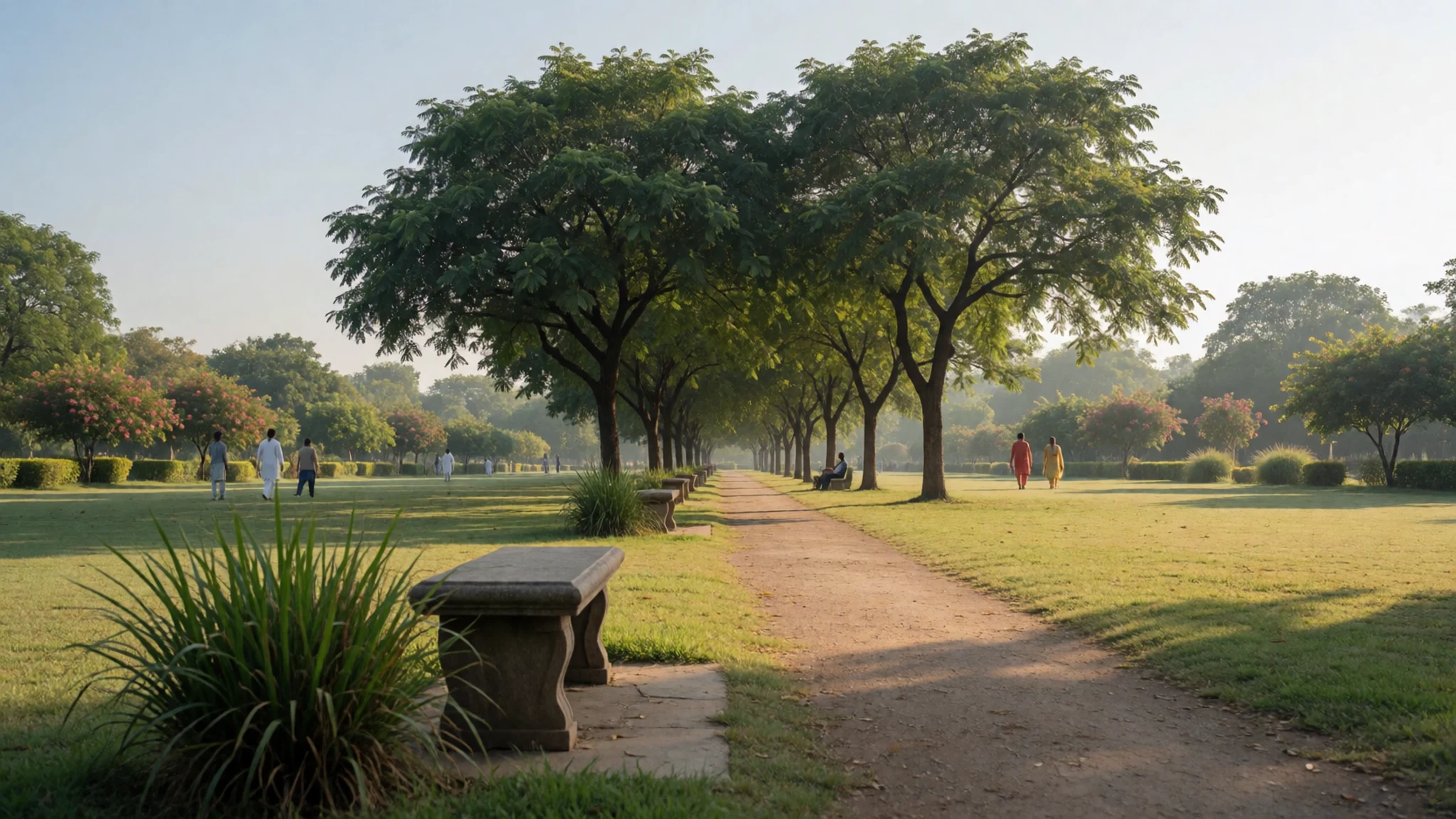
- Pandri Market
A bustling wholesale and retail hub where local traders from across the state gather. It is the premier destination in the city to purchase garments, textiles, and everyday fabrics at straightforward local prices.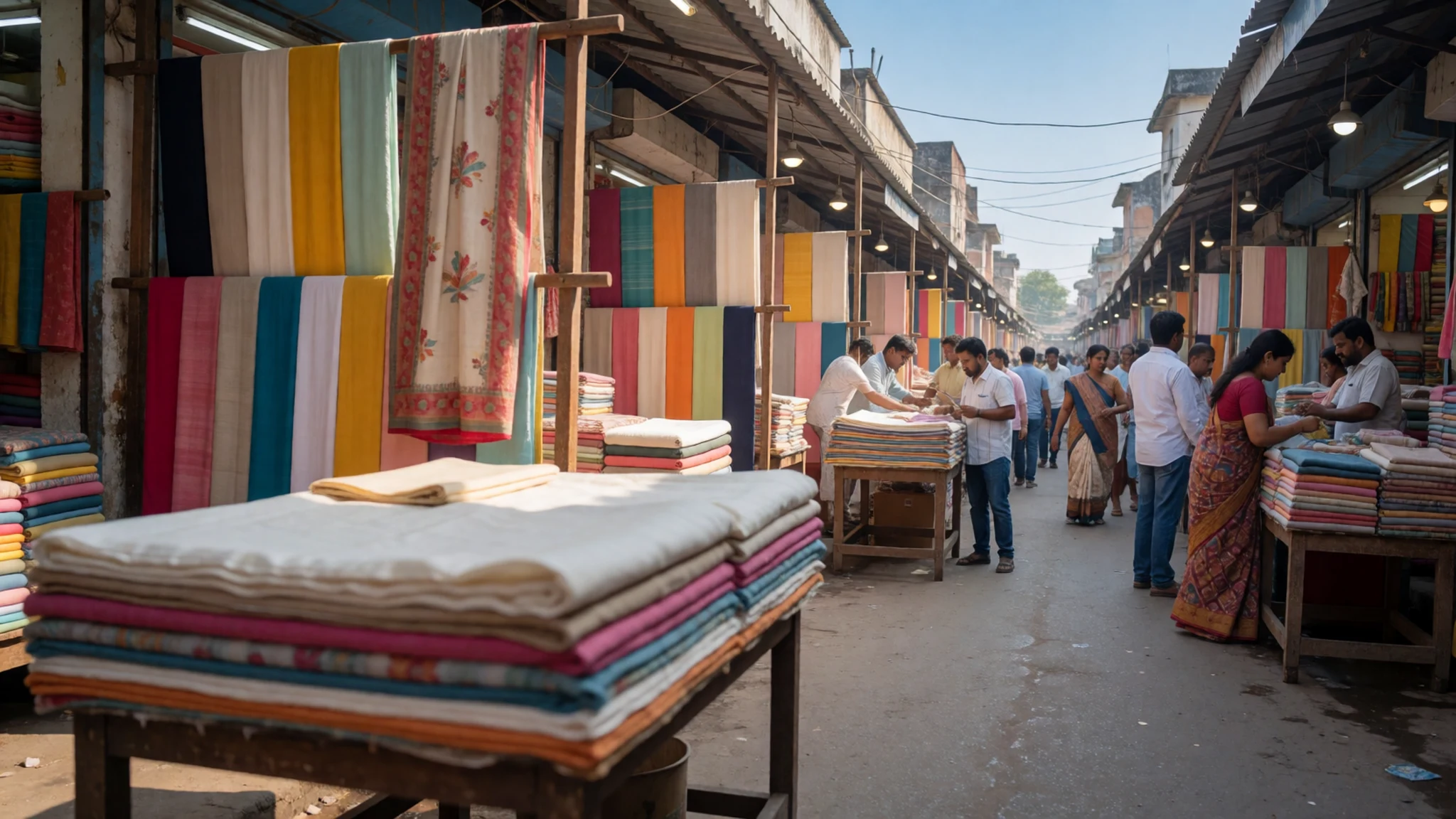
Culture
The cultural fabric of Raipur is shaped by a blend of long-standing Chhattisgarh traditions and the fast-paced life of a growing administrative capital. Festivals such as Pola, where farmers worship working cattle, and Hareli mark the agricultural calendar with traditional sports and ritual foods, connecting urban residents to their rural roots in the surrounding rice plains. Music and dance, particularly Panthi and Pandavani storytelling performances, celebrate regional folklore with energetic rhythms and devotional storytelling. Visitors will find local residents welcoming, warm, and proud of their emerging state identity. Dress codes in public spaces remain modest, leaning towards traditional Indian attire or conservative Western wear. When entering temples, homes, or community prayer spaces, always remove your footwear at the designated threshold.
What to wear
Traditional dress across Chhattisgarh reflects both the climate and the practical demands of rural work. Women traditionally wear Lugada sarees paired with a distinctive blouse, often woven from sturdy cottons well-suited to warm weather. Men traditionally wear simple dhotis and kurtas, though rural elders often add gamchas—checked cotton cloths draped over the shoulder or wrapped as turbans to ward off the sun. In modern Raipur, everyday wear for urban professionals and younger generations has shifted towards contemporary Indian garments like salwar kameez and kurtis for women, and trousers and shirts for men. Visitors should dress modestly, keeping shoulders and knees covered when exploring local neighbourhoods, markets, or religious shrines. Lightweight, breathable cotton fabrics are essential for managing the regional heat, paired with comfortable slip-on footwear that can be easily removed when entering temples.
What to eat
- Desi Ghee Tikki — Phool Chowk
Crispy potato patties fried in pure clarified butter until golden and crunchy, served hot with tangy tamarind chutneys. Best enjoyed from the bustling food stalls around Phool Chowk.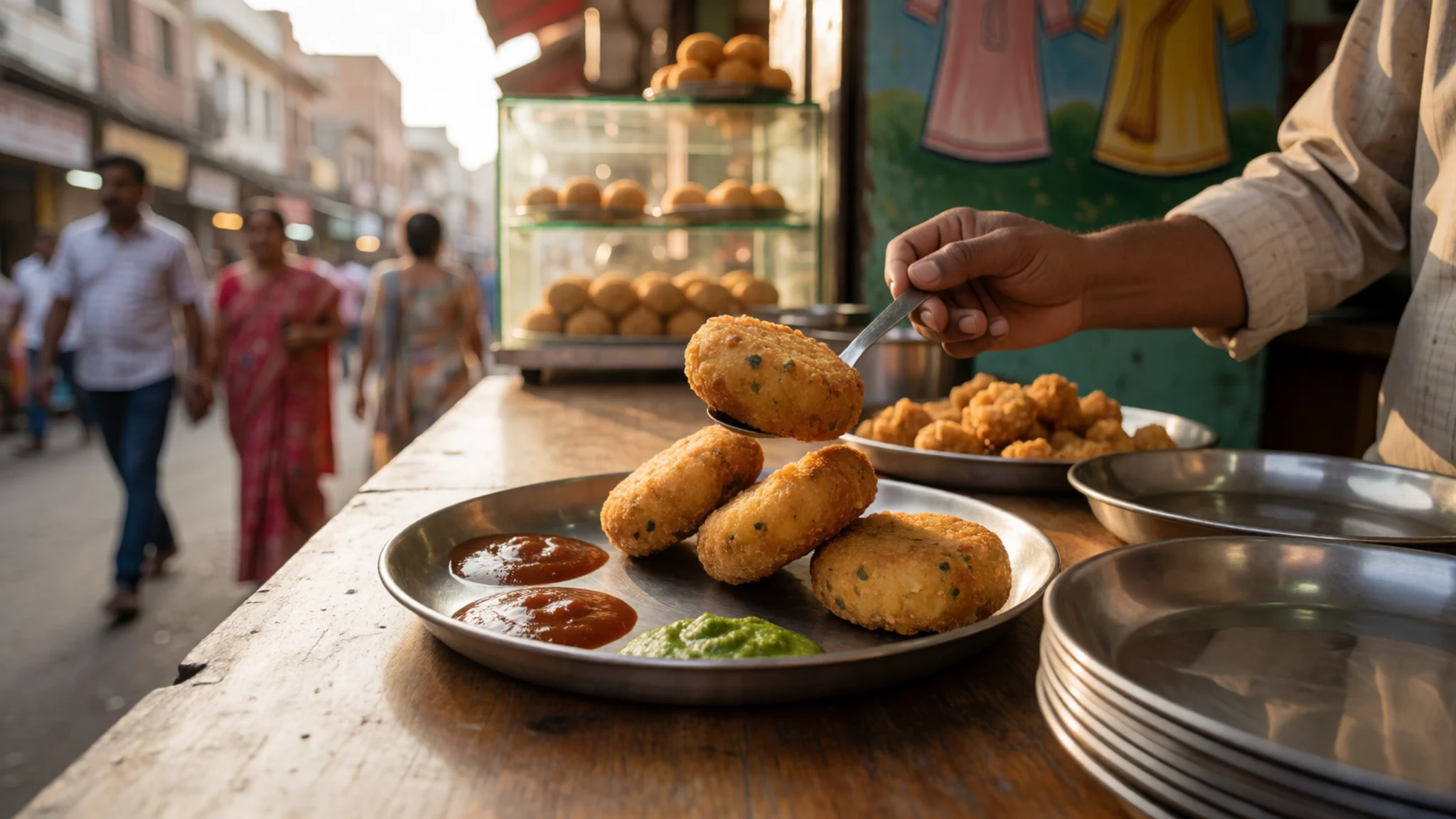
- Wada and Imarti — Sadar Bazaar & Ashram
A classic pairing of savoury, lentil-based fried fritters served alongside sweet, syrupy, pretzel-shaped imarti pastries. A favourite breakfast combination found across traditional eateries.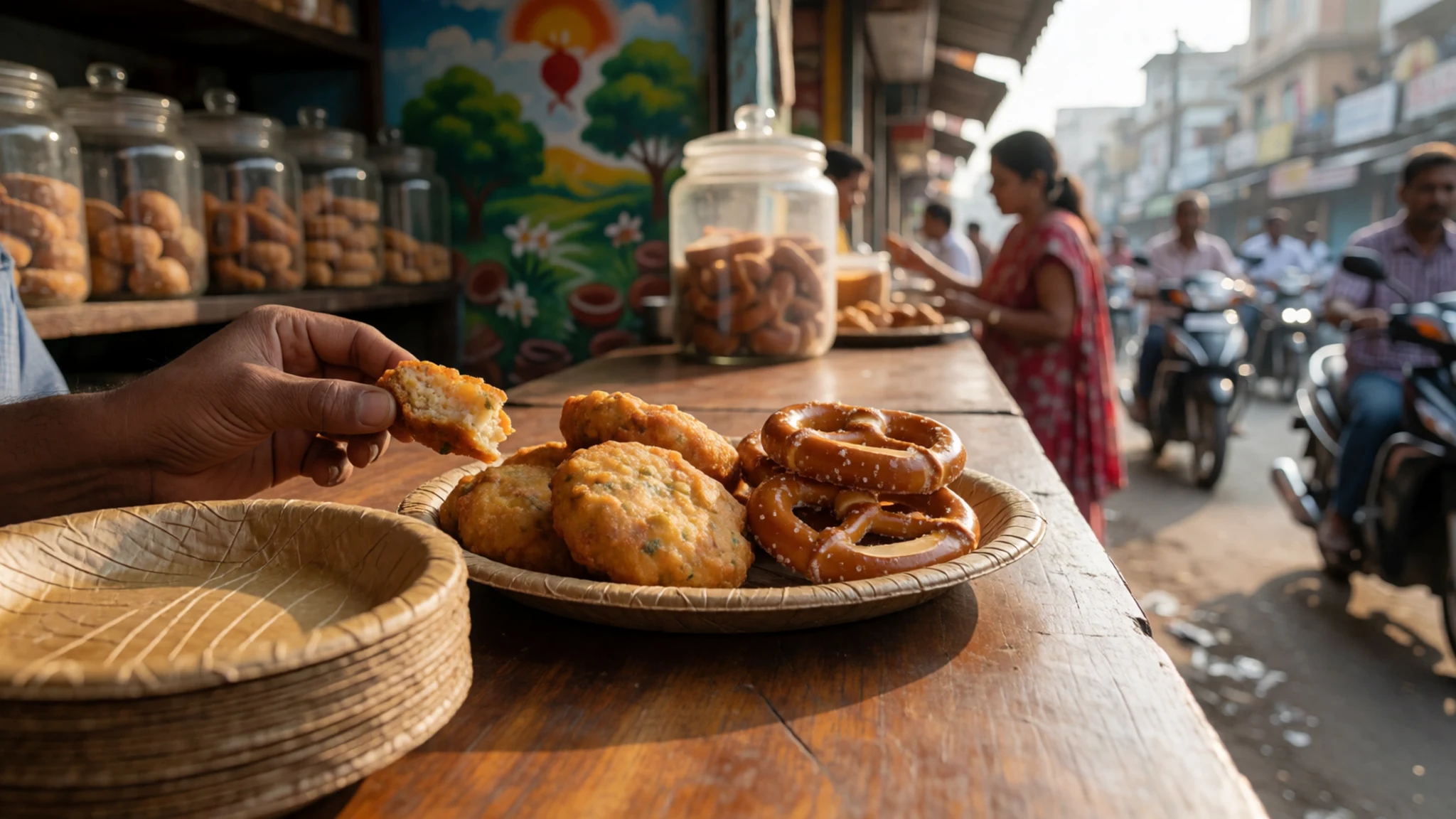
- Kachori — Saurashtra Mishtaan and Sahu Nashta
Flaky, deep-fried pastry shells stuffed with spiced lentil or potato fillings, served piping hot with spicy green chutney. Popular morning snacks at neighbourhood sweet shops. - Balushahi — Ramji Halwai, Ramsagar Para
A traditional ring-shaped sweet pastry with a flaky exterior and a sugary, syrup-soaked interior. A rich local speciality crafted by legacy confectioners. - Chowpaty Street Food — Marine Drive Chowpatty and NIT Raipur Chowpatty
A lively evening gathering of mobile food carts and open-air stalls serving spicy street snacks, regional chaats, and fusion quick bites along the city's popular food strips.
Plan it
Best time. October to February offers the most pleasant weather for exploring, as daytime temperatures drop from the intense summer heat. March through June brings very high temperatures, while the monsoon months from July to September bring heavy rainfall.
How long. 2–3
Getting there. Arrive via Swami Vivekananda Airport, located just outside the city with domestic flight connections, or take an express train to Raipur Junction railway station on the major Mumbai–Howrah rail line.
Budget. mid
Tips
- Carry cash for small street vendors, auto-rickshaws, and temple donations, though digital payments are widely accepted in shops.
- Drink bottled or filtered water and avoid ice from unverified street stalls.
- Start your sightseeing early in the morning to beat the midday sun and traffic congestion.
- Use local auto-rickshaws for short urban hops and agree on fares before setting off if the meter is not used.
Etiquette
- Remove your shoes before entering temples, shrines, and private homes.
- Ask permission before photographing local residents, particularly in traditional rural or tribal markets.
- Dress modestly in public areas, keeping shoulders and knees covered.
Nearby
Sources
- Wikidata Q372773 (CC0)
- Wikipedia (rev 1379707401) (CC BY-SA 4.0)
- Wikivoyage (rev 5314335) (CC BY-SA 4.0)