Agra
Agra, India
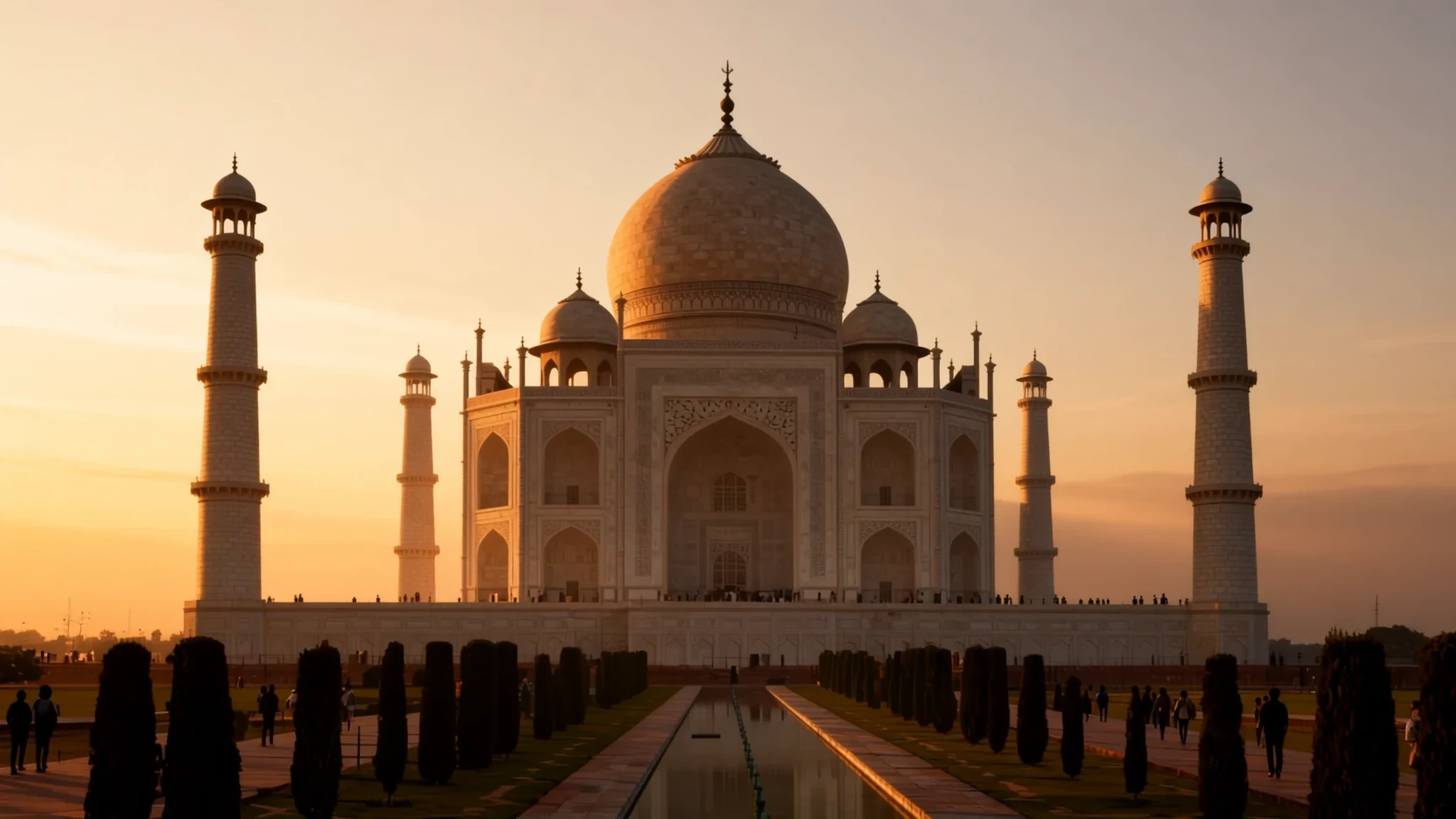
Go for the Taj Mahal and the Mughal fortress, then stay for the bazaars, the chaat and the cooler months when the city is at its most comfortable.
The place
Agra is a river city on the Yamuna in Uttar Pradesh, a few hundred kilometres from the capital, Delhi, and close enough to make a practical day trip from it. The city has roughly 1.6 million people, and the streets around the old quarter are busy, crowded and loud for most of the day. It sits at about 171 metres above sea level, on flat plain that gets hot and dusty by late spring.
Most visitors come for the Taj Mahal and the Agra Fort, two monuments of the Mughal period that dominate the itinerary. The city also rewards time away from them. Bazaars in the old quarter sell brassware, leather, marble inlay work and sweets, the lanes around Sadar Bazaar are good for walking, and the eateries serve Mughlai food alongside the local Braj cooking. Industry is visible too, with footwear and leather workshops on the outskirts.
The weather shapes everything. Winters are mild and the best time to be outdoors, with clear mornings and pleasant afternoons. Summers are hot and dry, and by midday the marble becomes uncomfortably bright. The monsoon follows from July to September, bringing humidity and the heaviest rain, so those months are quieter for sightseeing.
Expect crowds at the big sites, especially on weekends and public holidays, and touts near the gates. Days here are long, and planning around the cooler hours makes them far more enjoyable.
Its story
The city's past falls into two strands. The older settlement lay on the eastern, or left, bank of the Yamuna and reaches back into the legends of Krishna and the Mahabharata, though little of it survives beyond a few foundations. Its significance grew when Sikandar Lodi, the Afghan ruler of the Delhi Sultanate, rebuilt it and made it the seat of government. Before that, chroniclers describe a modest village, and the site was battered by Mahmud of Ghazni.
The city most visitors picture belongs to the Mughals. Akbar founded the modern town on the right bank of the river, and it became the capital of the empire under Babur, Humayun, Akbar, Jahangir and Shah Jahan. Under them Agra became a hub of scholarship, craftsmanship, trade and faith. Fortifications, palaces and tombs went up along the water, and the gardens and mausoleums of the region reflect the same ambition.
The Taj Mahal is the monument that made the city famous. Shah Jahan commissioned it as a tomb for his wife, Mumtaz Mahal, and it stands as a product of that court. Its making was a huge undertaking that drew artisans from across the empire, and the marble, carving and inlay still define the city's image abroad.
As Mughal power weakened, Agra passed first to the Marathas and later to the East India Company. After Independence the city turned toward industry, with footwear, leather and other manufacturing, while tourism grew into one of its most important livelihoods.
What to see
- The Taj Mahal — Taj Ganj, south bank of the Yamuna
The white marble mausoleum that Shah Jahan built for Mumtaz Mahal, and the reason most people come to Agra. Its surface shifts colour through the day, pale at noon and warm gold near sunset. Arrive as it opens to beat the heat and the tour groups, and expect queues at the main gate. Take time for the main tomb, the mosque and the views across the reflecting pool.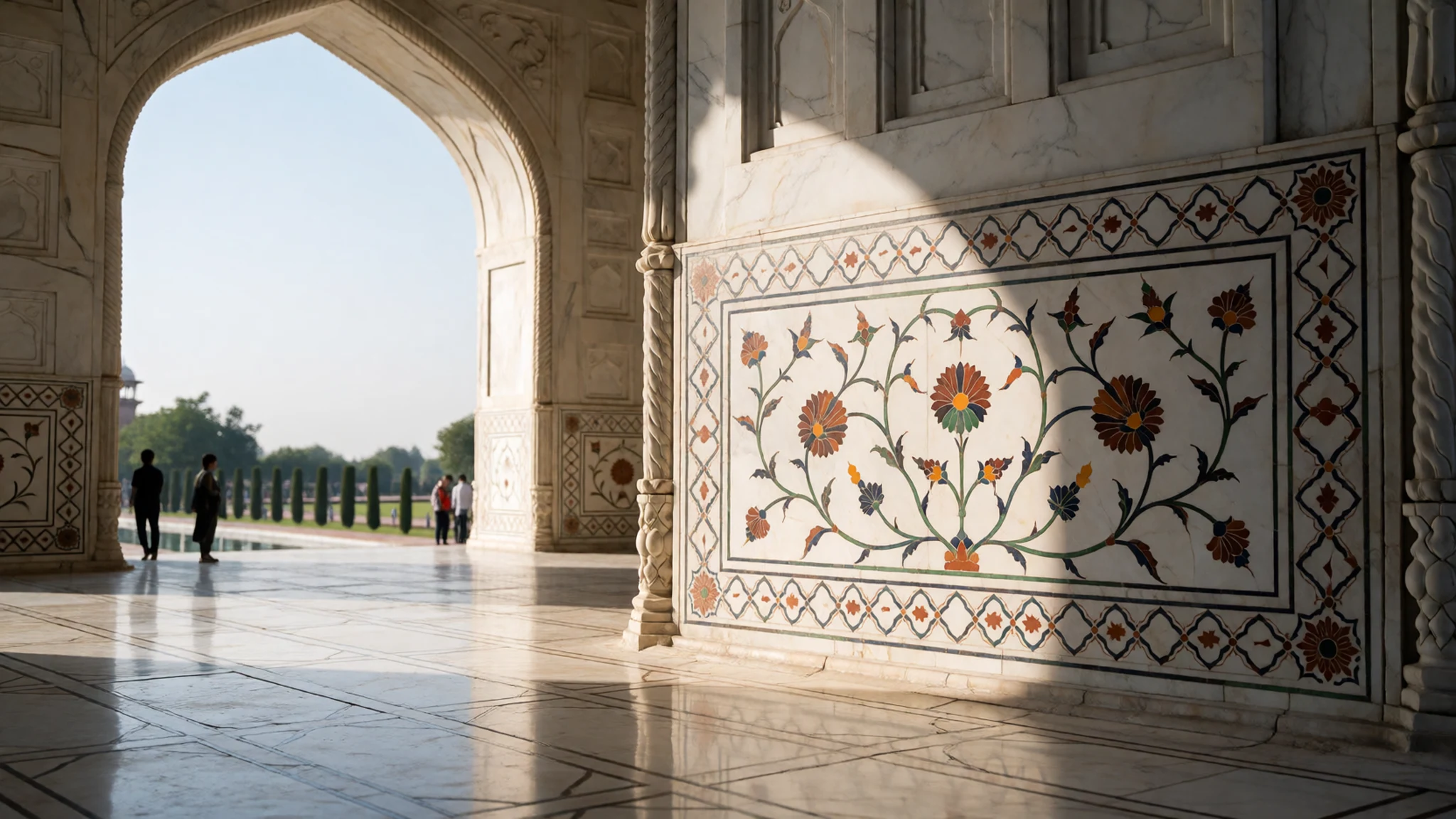
- Agra Fort — Riverside, east of the city centre
A red sandstone fortress on the riverbank, extended by successive Mughal emperors and used as a royal residence. Its walls run a long way, and inside you will find palaces, courtyards and mosques. Go in the morning, wear sun protection, and allow a few hours. The views across the river towards the Taj are one of the best reasons to climb up.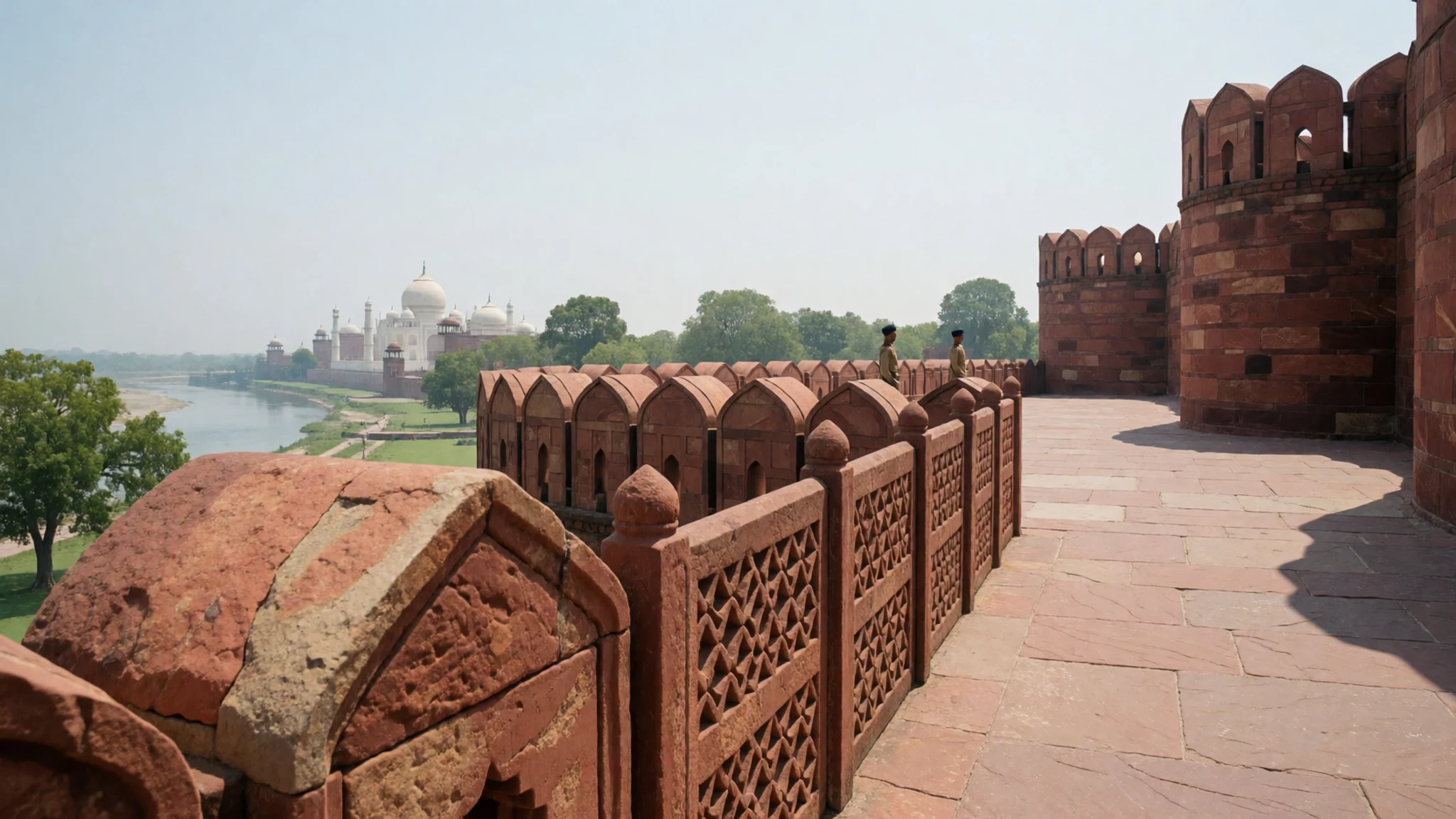
- Tomb of Itmad-ud-Daulah — East bank of the Yamuna
Often called the Baby Taj, this tomb sits across the river from the Taj Mahal. It is smaller and more intricately decorated, with marble panels set with coloured stone. It is a quieter visit than the Taj, and the gardens suit a relaxed hour. Early morning and late afternoon are the calmest times to go.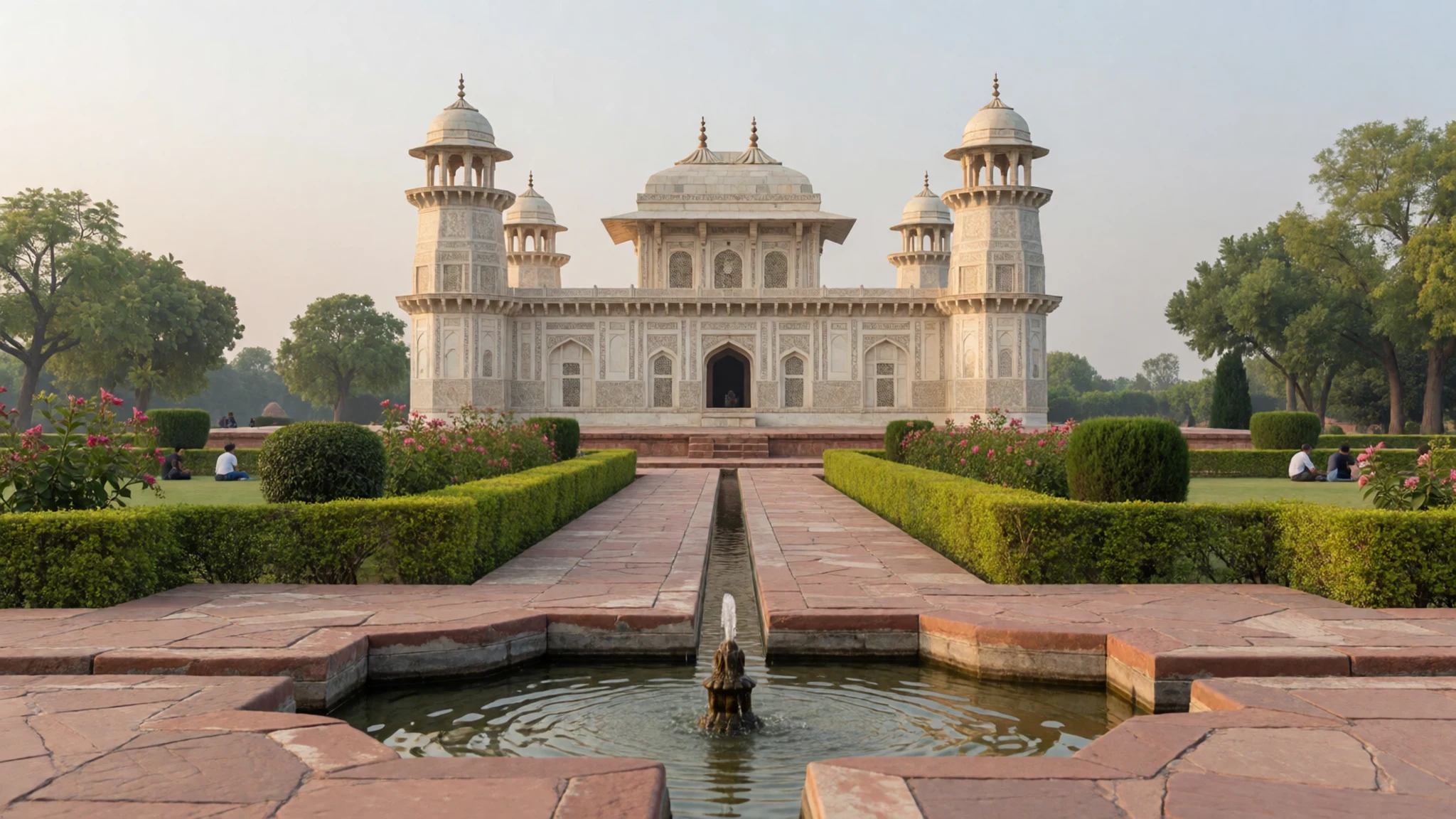
- Akbar's Tomb at Sikandra — Sikandra, north-west of the city
Akbar's mausoleum stands in a large garden outside the city centre. It is built of red sandstone with white marble on its upper levels, and it shows the formal layout of Mughal garden design. Allow a good part of the day, since the journey out takes time. The site is calm compared with the Taj, and the gateway is worth a look.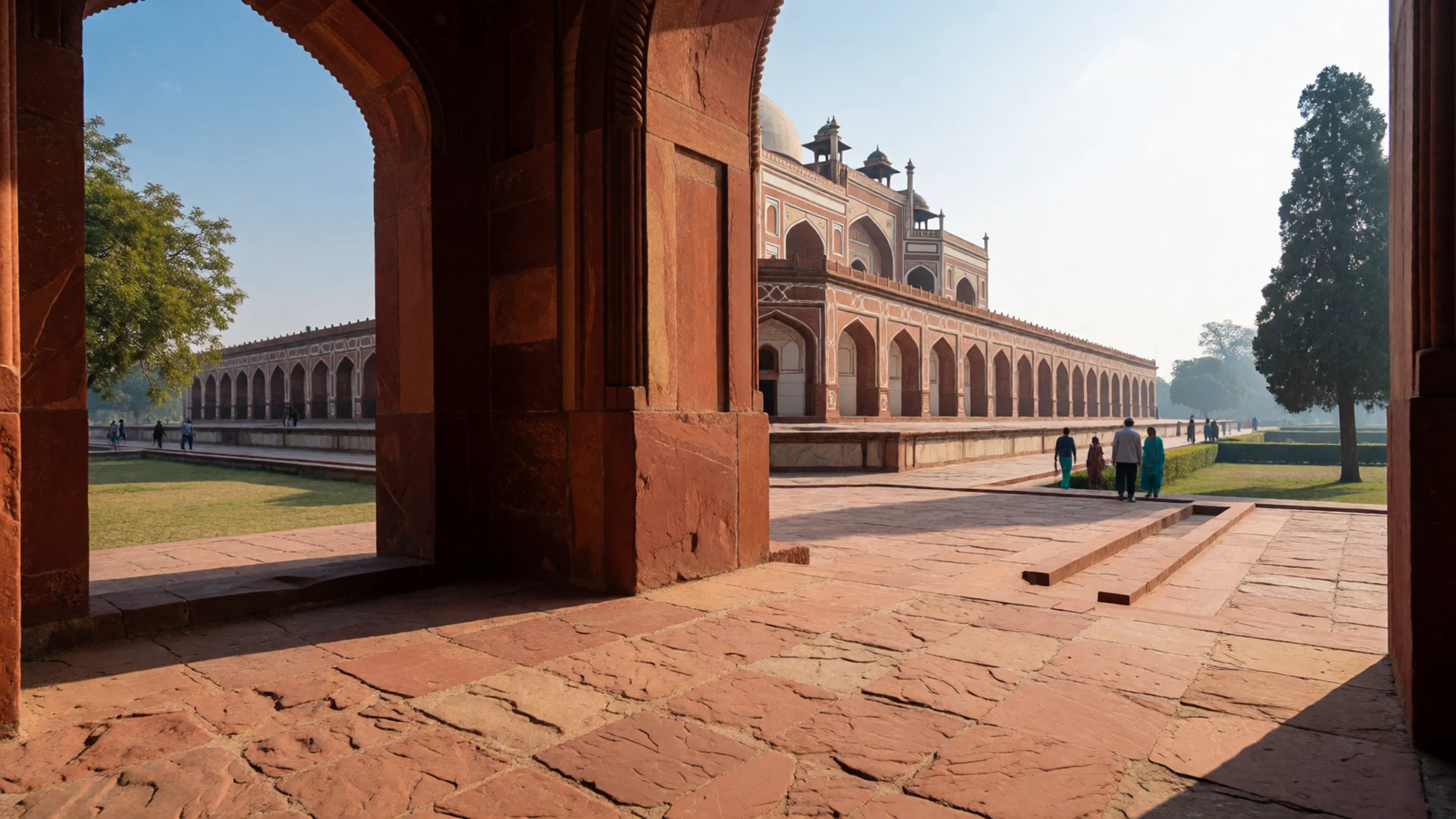
- The old city bazaars — Sadar Bazaar and Belanganj
Walking the old city gives a feel for everyday Agra. Sadar Bazaar and Belanganj are known for chaat, sweets and street food, and the lanes are dense with shops selling brassware, leather and spices. Go with a guide if you want the history, and carry small notes for purchases. Mornings are busiest with locals shopping.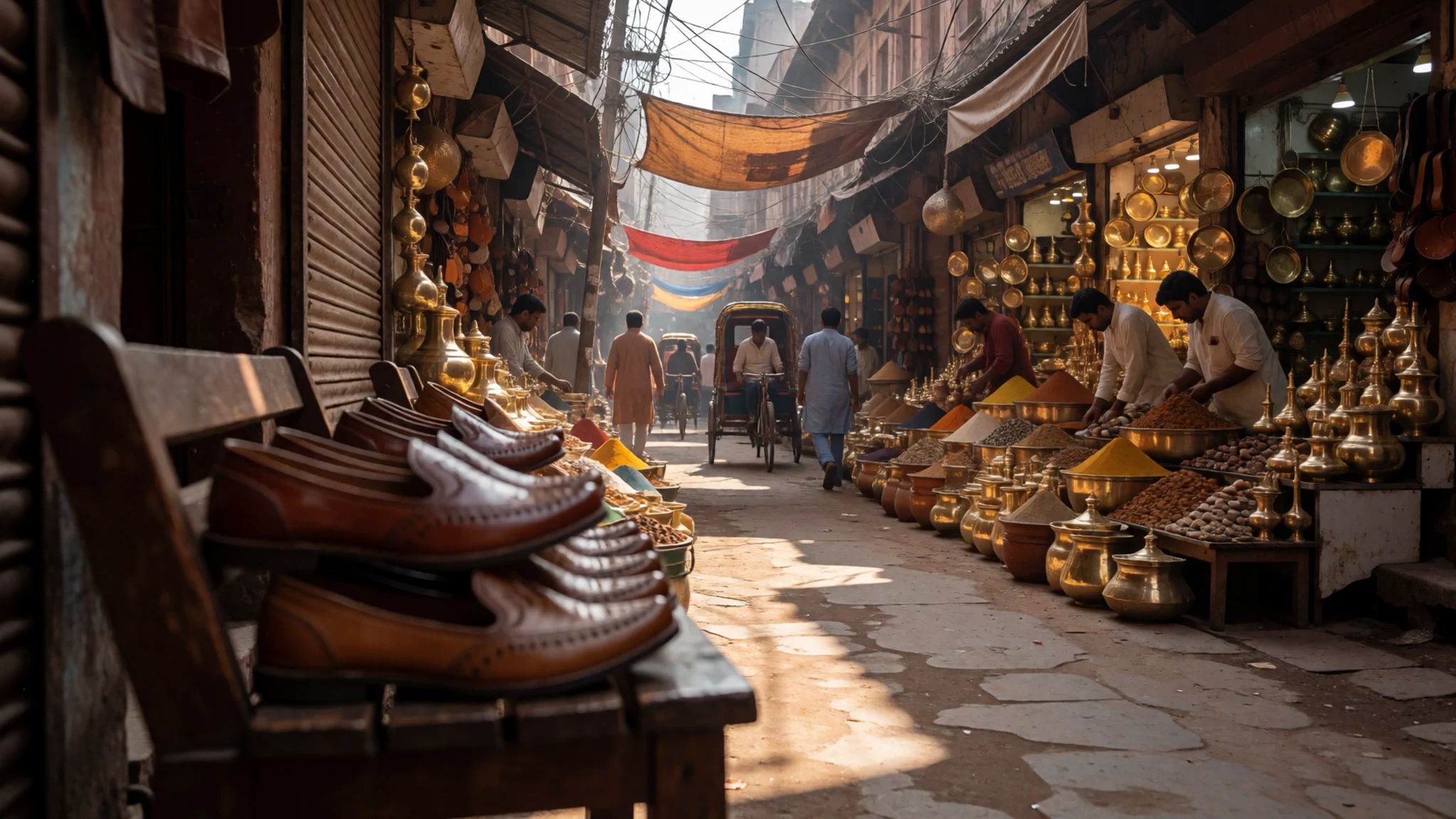
Culture
Agra's everyday life draws on the Braj region, and its local speech is Braj Bhasha, though Hindi and Urdu are widely understood. The city's Muslim and Hindu communities have lived side by side for centuries, and that shows in the food, the crafts and the calendar. Among Muslims in Agra, non-vegetarian cooking is a common part of home life, while many Hindu households follow vegetarian diets, so menus vary widely from one kitchen to the next.
Festivals bring the city together. Taj Mahotsav, a cultural festival and craft fair started in 1992, is held in a large field at Shilpgram near the eastern gate of the Taj Mahal. It gives artisans a chance to sell their work directly to visitors and draws both Indian and foreign crowds. Many of the crafts on sale, such as marble inlay and leather goods, are made by families who have worked in the trade for generations.
Visitors are often approached by guides, touts and cart drivers, who are persistent but usually good-humoured. A polite refusal works better than arguing. Ask before photographing people, especially women and families at the tombs, and dress modestly when you visit religious sites. Remove your shoes before entering any mosque or tomb prayer area where asked, and use the shoe covers provided at the Taj Mahal rather than walking on the marble in socks.
What to wear
Agra's traditional dress is much the same as across northern India. Women wear the salwar kameez or the sari, and men wear a kurta with pyjama or a long tunic over trousers. Fabrics range from everyday cotton to silk, with zari, the gold and silver thread, used for weddings and festivals. Many older households still favour block-printed cottons and light woollen shawls in the cooler months.
What people wear now is mostly Western-style clothing in offices and colleges, with jeans, shirts and kurtis common. Women in the old city often wear a salwar kameez or a long kurti, and many men wear shirts with trousers. At weddings and festivals, bright colours and embroidered outfits come out. Footwear is practical, and leather shoes from local workshops are common.
For a visit, dress for heat and sun in spring and summer with loose cotton, a hat and sunscreen. Shoulders and knees should be covered at mosques, shrines and temples. Choose footwear you can slip off easily, since you will remove shoes at several sites and walk long distances on stone that heats up quickly. Cooler months call for a light layer for early mornings.
What to eat
- Petha — Long-established sweet shops across the old city
Ash gourd sugar sweet, cut into translucent pieces and sold in many flavours, from plain to saffron or rose. Buy it sealed in a box from a long-established sweet shop, because freshness varies a lot. It keeps well, which makes it a dependable gift to take home.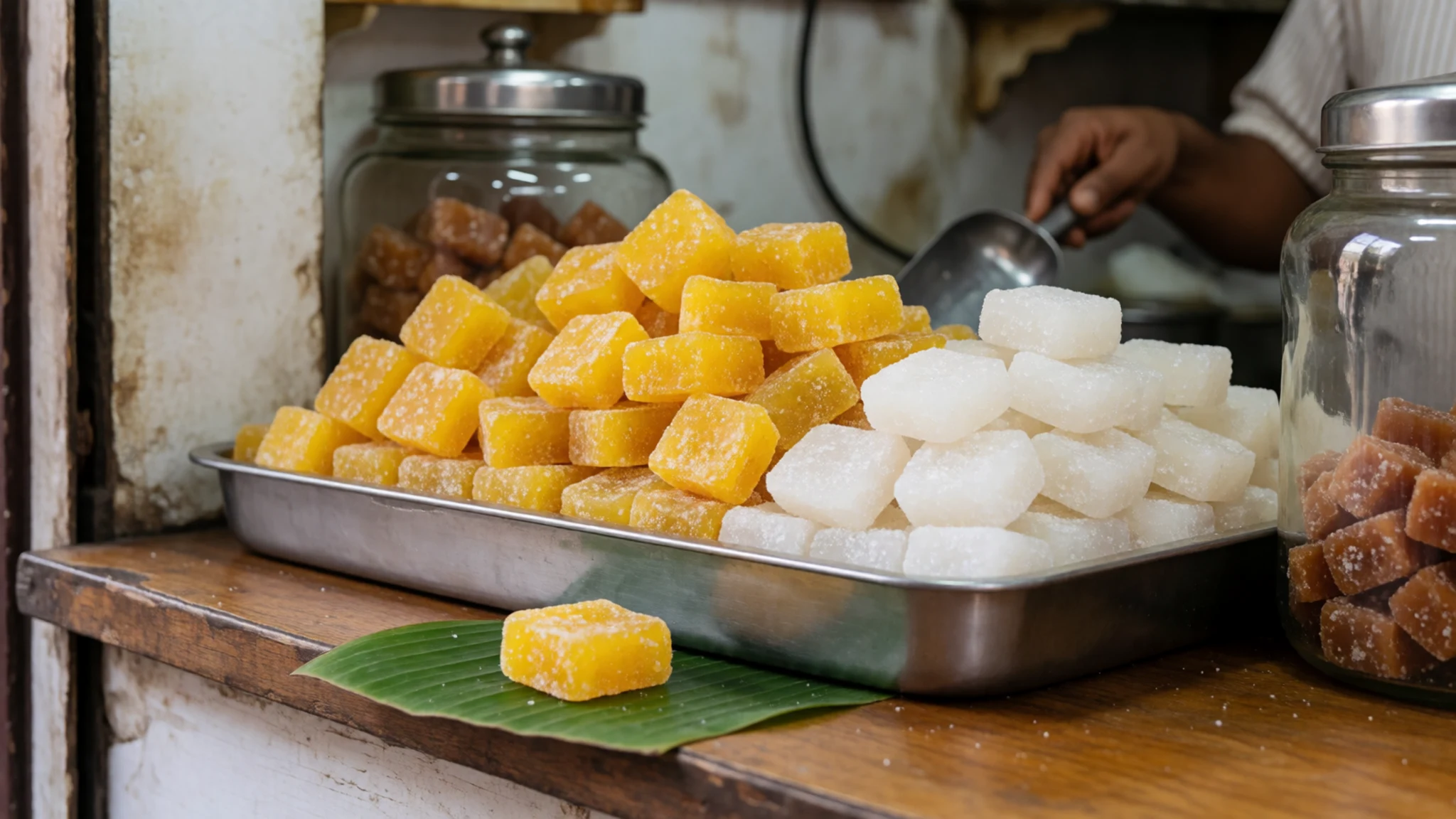
- Dalmoth — Snack shops and bazaar stalls in the old city
A dry, spicy snack of fried lentils mixed with nuts and raisins. It is sold loose at bazaar shops and packed for travel, and it makes a sturdy snack for the train. Its heat builds slowly, so taste a small pinch first.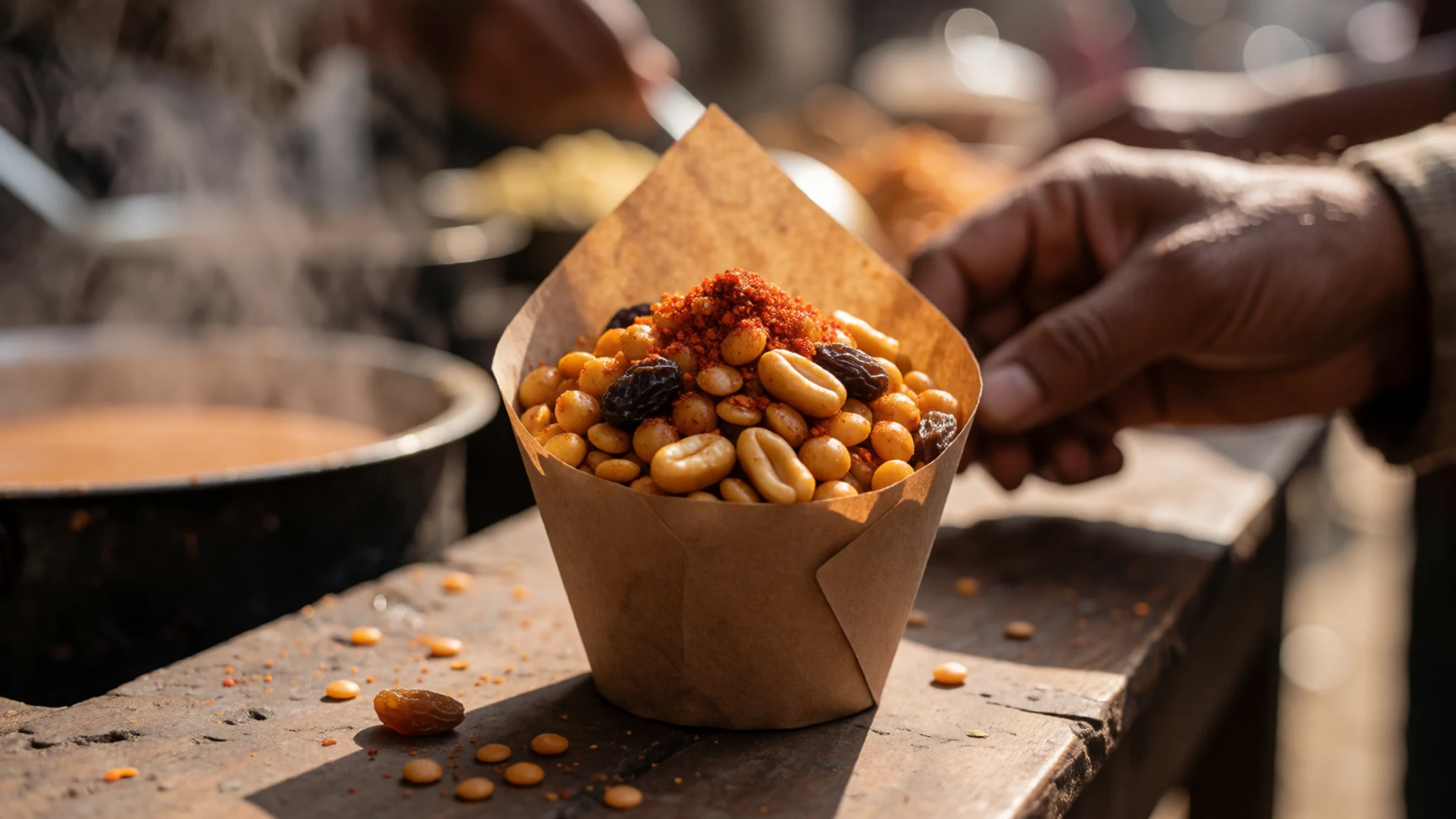
- Bedai with jalebi — Breakfast stalls in the old city, in the morning
A puffed, deep-fried bread stuffed with a spiced filling, served with a potato curry and yoghurt. Breakfast stalls in the old city serve it early, often alongside jalebi, a syrup-soaked sweet that makes a good contrast. - Dahi bhalla — Stalls around Sadar Bazaar
Dahi aloo tikki: crisp fried potato patties soaked in yoghurt and finished with tamarind and green chutney. The stalls around Sadar Bazaar are the classic place for it, and the patties are fried to order. Eat it standing at the cart, as most people do. - Chaat — Stalls near Double Phatak in Sikandra, and Belanganj
Chaat covers a whole family of tangy, spicy street snacks, from papri and dahi bhalla to golgappe filled with spiced water. Crowds gather at the stalls near Double Phatak in Sikandra, where mangores are the draw. Go at a busy hour, when the oil and chutneys are freshest.
Plan it
Best time. Mid-October to February, when the weather is cool and dry and mild winters suit walking outdoors. Avoid the hot, dry late spring and summer, and the humid monsoon months. Late December and early January can bring fog that slows trains.
How long. 2–3
Getting there. Delhi airport (DEL) is the closest major hub to Agra, and many destinations have direct flights into it. Agra sits on the main Delhi–Mumbai and Delhi–Chennai rail lines, so the usual last leg is a train or road transfer from Delhi, and it works well as a day trip from there.
Budget. mid
Tips
- Start at the Taj Mahal as it opens, before the heat and the tour groups arrive
- Check the official Agra district site, agra.nic.in, for current visiting arrangements before you travel
- Expect fog and slow trains in late December and early January, and travel by day if you can
- Carry water and sun protection, since summer heat is intense
- Keep small notes for shops and auto-rickshaws, and agree fares before you get in
Etiquette
- Remove shoes at mosques and tomb prayer areas where asked
- Ask before photographing people, especially women
- Dress modestly at religious sites
Nearby
Sources
- Wikidata Q42941 (CC0)
- Wikipedia, Agra (rev 1382464357) (CC BY-SA 4.0)
- Wikivoyage, Agra (rev 5379275) (CC BY-SA 4.0)
- Aks The Reflection Taj Mahal, Antrix3 (CC BY-SA 4.0)
- Taj Mahal, Agra, India, Yann (CC BY-SA 4.0)
- Jaswant Singh-ki-Chattri, DeepanjanGhosh (CC BY-SA 4.0)
- Tomb of Itmaduddaulah, Royroydeb (CC BY-SA 4.0)
- Tomb of Akbar the Great, Pushkar1912 (CC BY-SA 4.0)
- Guru ka Tal, Wikijib (CC BY-SA 4.0)
- Mariam's Tomb, Sikandra, Sauravmitra (CC BY 3.0)
- Town and port at Agra, Sears, Robert (1810-1892) (Public domain)


