Khajuraho
Khajuraho, India
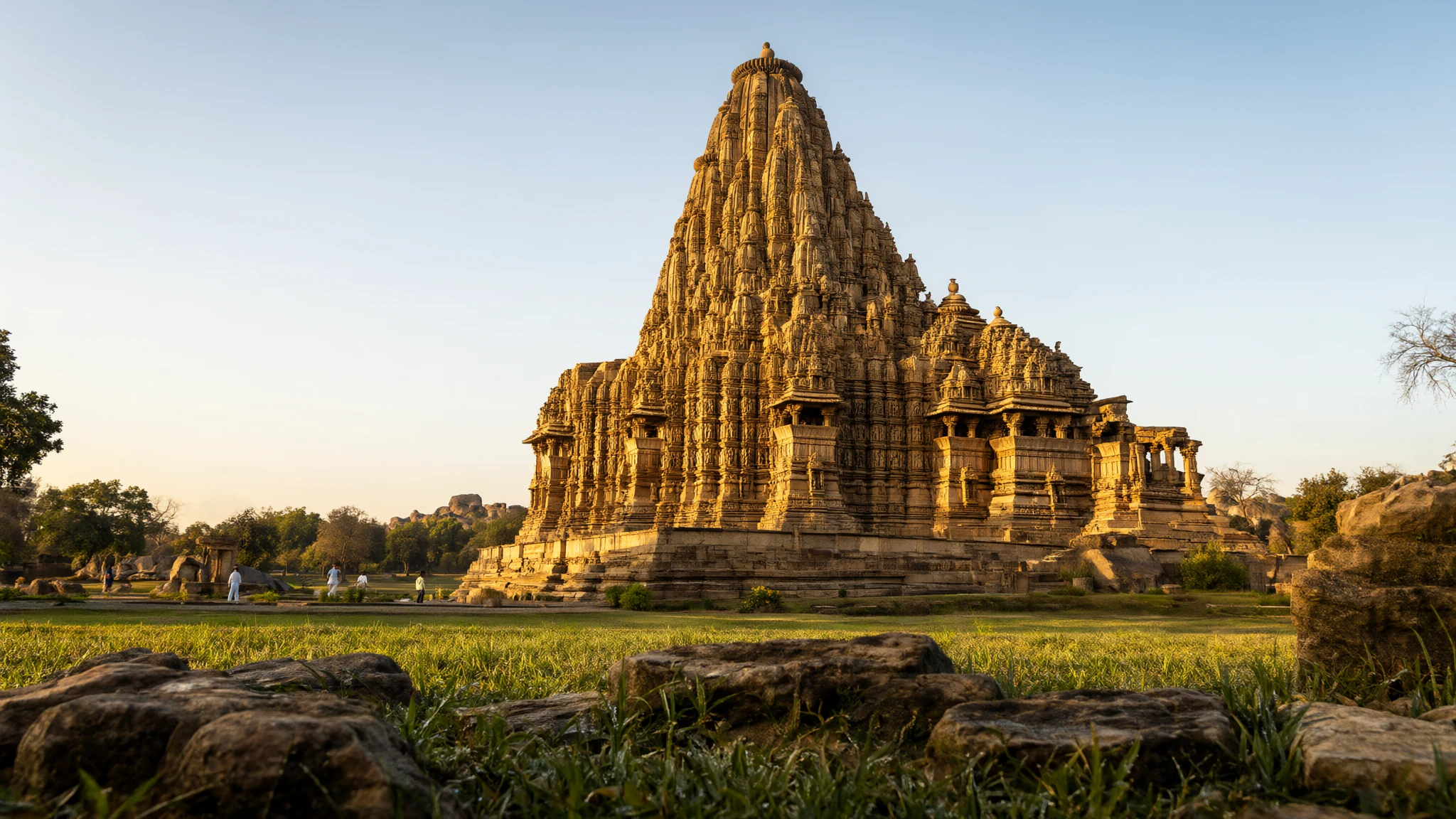
Visit Khajuraho to walk among the world's finest medieval stone temples, renowned for their soaring Nagara spires and extraordinary sculptural artistry.
The place
Khajuraho rests quietly in the northern reaches of Madhya Pradesh, far from the frantic hum of India's megalopolises. Set within Chhatarpur district, this small town is surrounded by flat agricultural lands and low rocky outcrops that give way suddenly to clusters of honey-coloured sandstone temples. The monuments are divided geographically, though the famous Western Group forms the beating heart of the site, rising from neatly kept lawns where visitors wander between soaring sanctums. These buildings represent a peak of North Indian temple architecture, defined by curved shikhara towers that climb toward the sky in layered tiers. While the temples are internationally celebrated for the sensual sculptures wrapping their exterior walls, the vast majority of the stone carvings depict daily life, celestial musicians, royal processions, and mythical beasts. The surrounding town retains a relaxed, provincial rhythm, serving as a peaceful base for travellers exploring the stone enclosures. Bougainvillea spills over dusty lanes, and small cafes look out over the temple compound walls. Despite its global fame, Khajuraho maintains an unhurried atmosphere that invites long, contemplative afternoons spent studying the chiselled panels under the warm Indian sun.
Its story
The creation of Khajuraho is tied to the rise of the Chandela dynasty, who ruled the region of Bundelkhand during the medieval era. From humble beginnings, these kings established their power and chose this area as a major cultural centre, commissioning ambitious religious monuments across their territory. Architectural patronage reached its zenith under rulers such as Yashovarman and Dhanga, whose reigns saw the erection of some of the complex's most enduring shrines. Later kings, including Vidyadhara, oversaw the construction of the massive Kandariya Mahadeva temple, which pushed medieval stonecraft to its absolute limits. Historical records indicate that the site once held dozens of active shrines, serving a thriving community of worshippers, scholars, and ascetics. As political fortunes shifted and dynasties waned, the temples were gradually abandoned by active congregations. The jungle reclaimed the stone enclosures, hiding the elaborate facades beneath thick vegetation and overgrowth for centuries. This silence was broken when British engineers rediscovered the overgrown ruins, bringing the complex back into scholarly and public view. Subsequent archaeological work cleared the debris, revealing intricate friezes that had been protected by the forest canopy for generations.
What to see
- Kandariya Mahadev Temple
The largest and most famous surviving shrine, decorated with a staggering density of sculpted figures that represent the absolute pinnacle of medieval Indian art.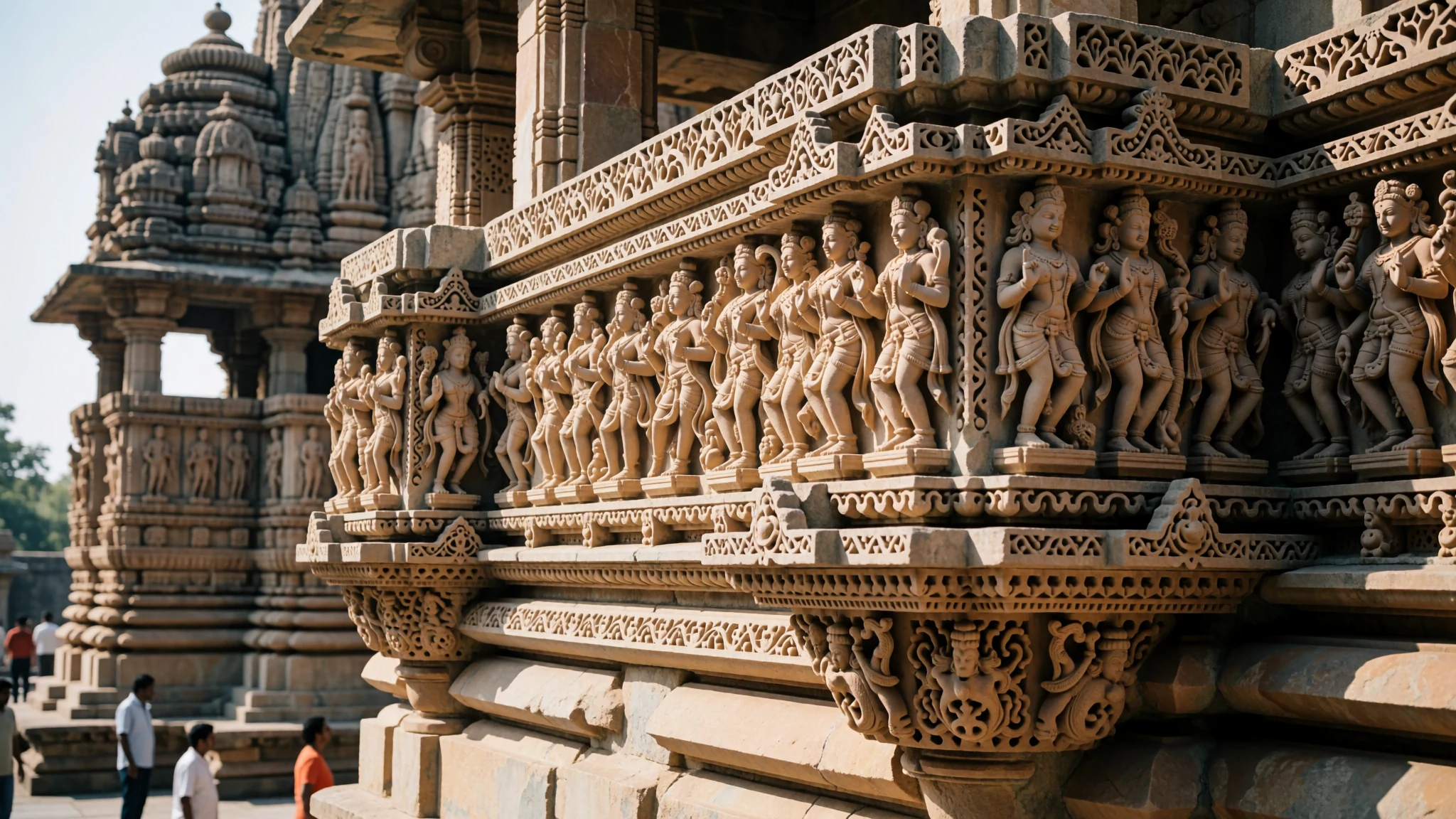
- Chaunsat Yogini
Built entirely from coarse granite, this austere enclosure is the oldest surviving temple at the site, dedicated to sixty-four esoteric female deities.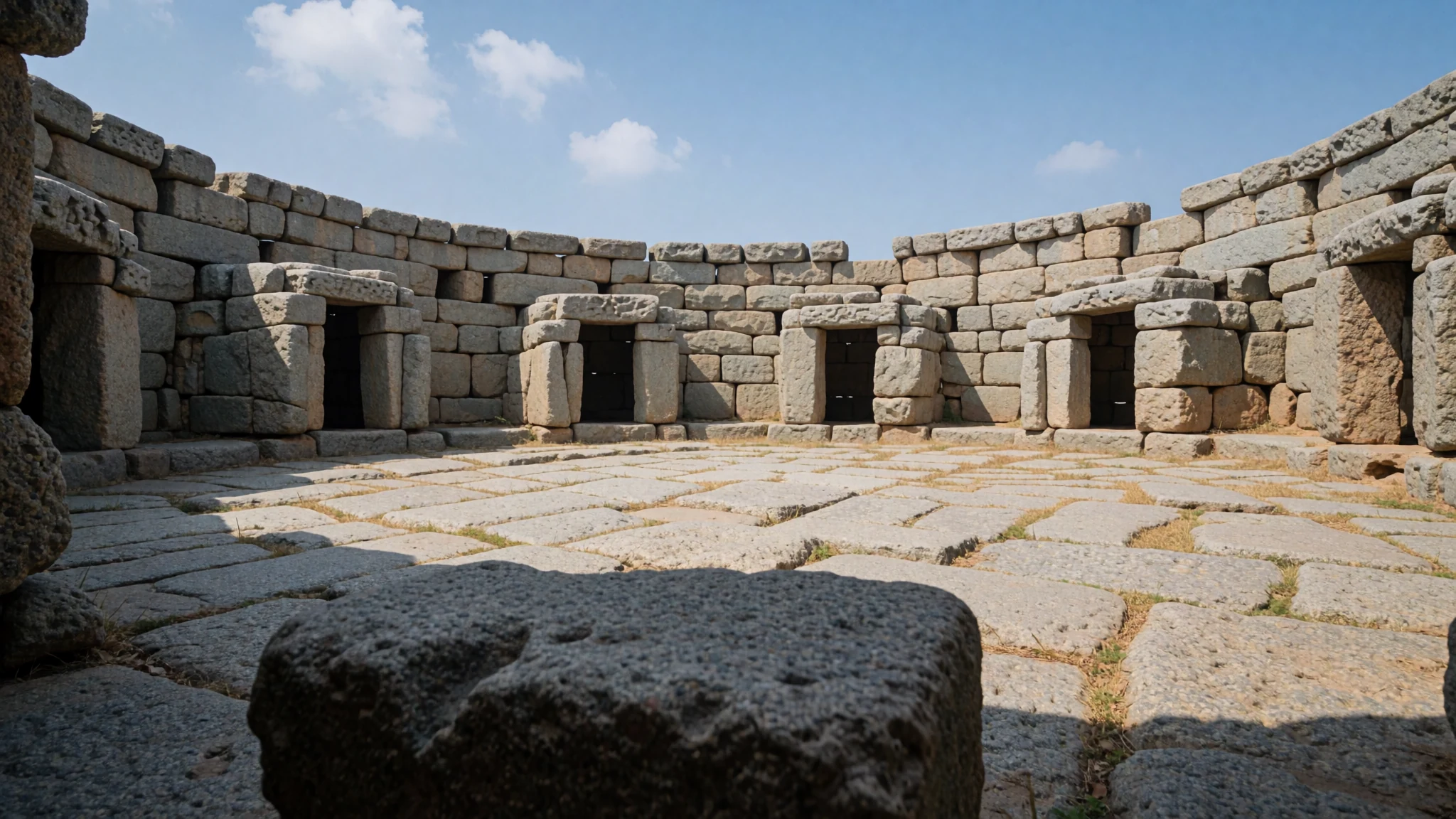
- Lakshmana Temple
An exceptionally well-preserved Vaishnavite shrine commissioned by the Chandela rulers, featuring an entrance lintel carved with the Hindu divine triad.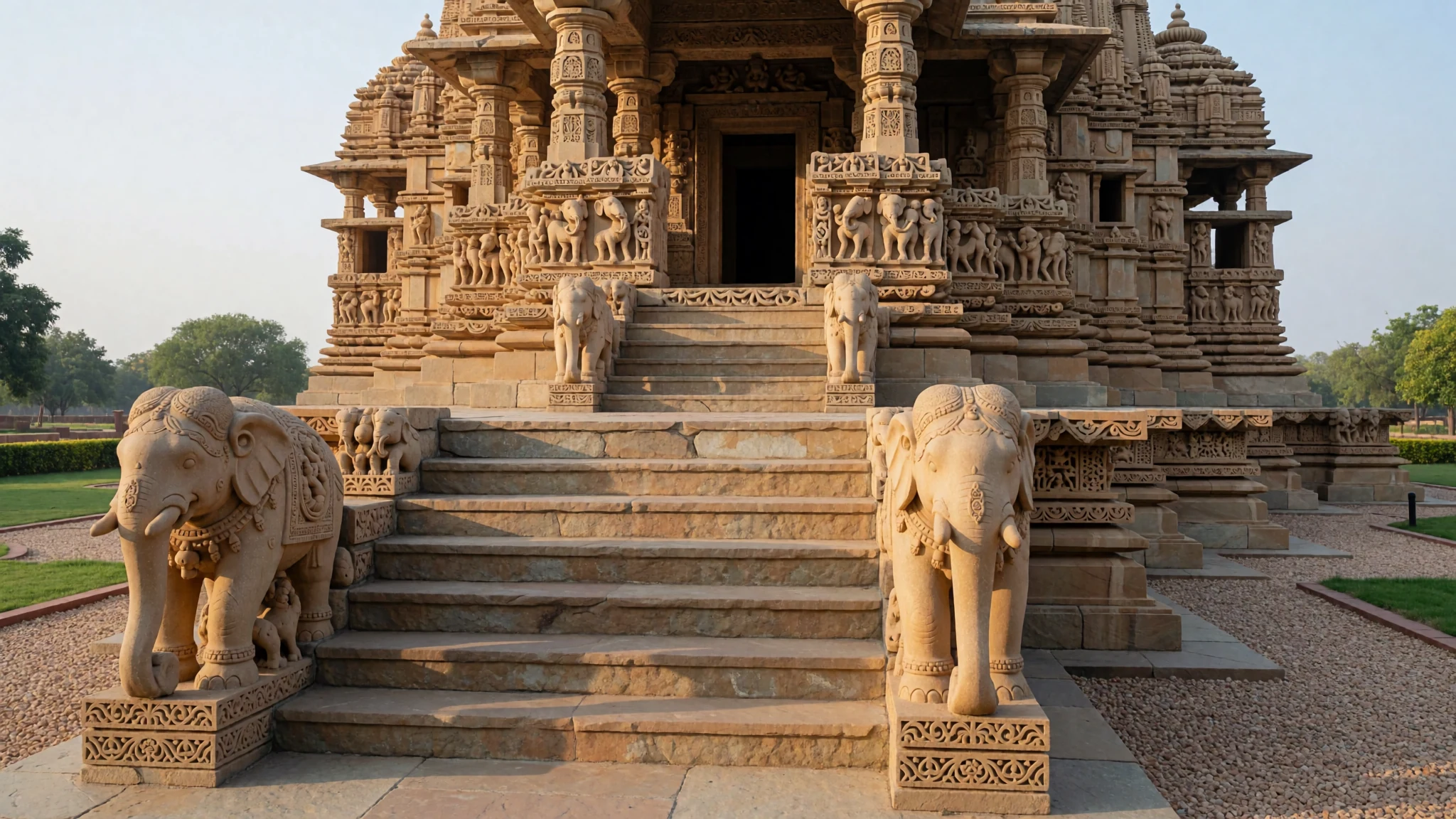
- Ghantai Temple
A ruined Jain sanctuary notable for its elegant carved pillars decorated with chain-and-bell motifs and delicate friezes depicting sacred dreams.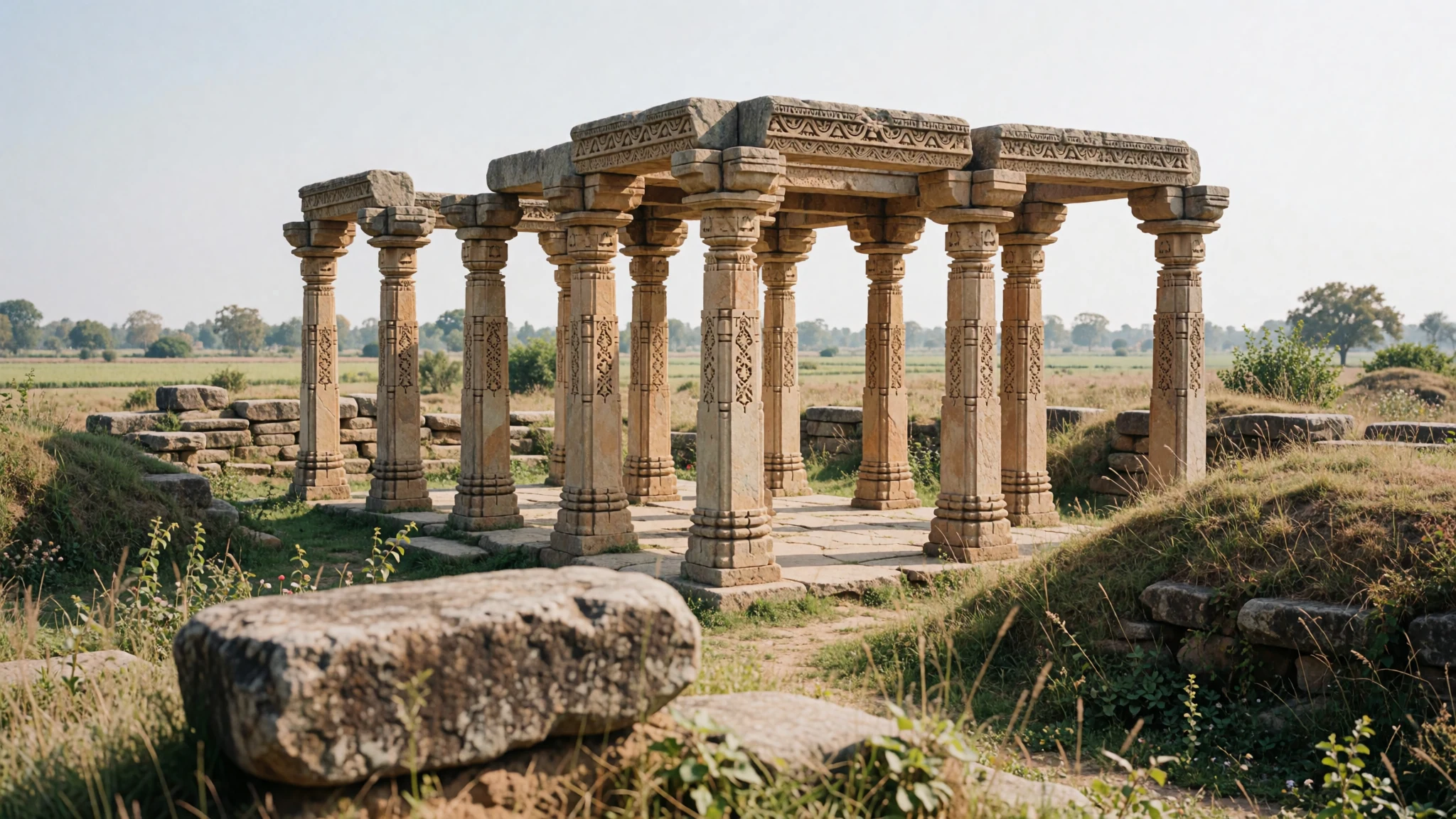
- Chitragupta Temple
A west-facing sanctuary dedicated to the celestial recordkeeper of human deeds, featuring elaborate royal court scenes and deity processions.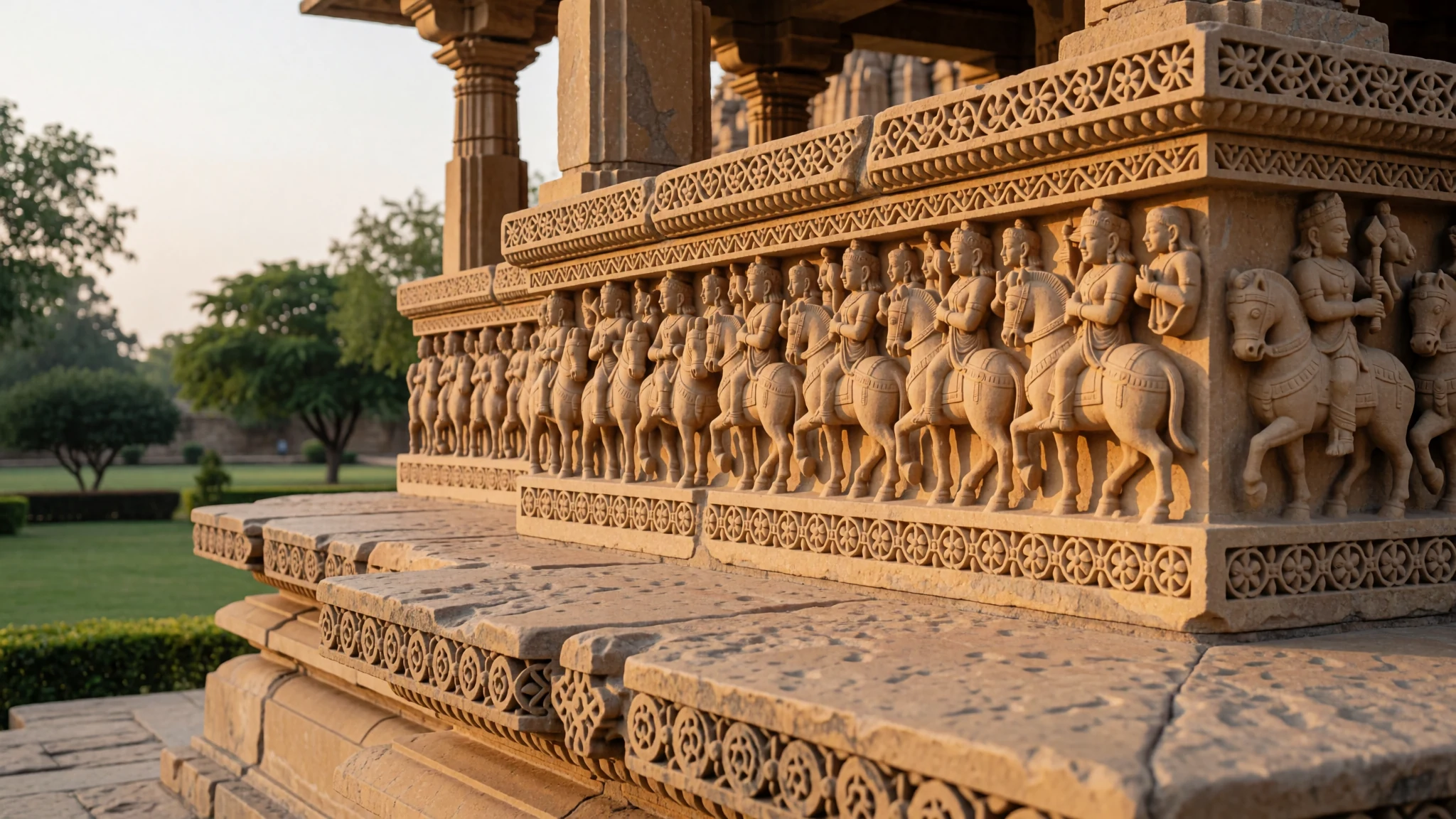
Culture
Khajuraho reflects a historical legacy of pluralism, where Hindu and Jain traditions flourished side by side under the same royal patronage. Ancient stone inscriptions and temple iconography demonstrate an era of remarkable religious tolerance and intellectual exchange between different faiths in the region. Local society remains deeply traditional, rooted in agricultural cycles and temple festivals that punctuate the calendar. Visitors will encounter a welcoming local community accustomed to travellers from across the globe, yet grounded in conservative central Indian social norms. Always dress modestly, covering shoulders and knees when exploring temple grounds or moving through residential neighbourhoods. Remove your shoes before stepping onto the raised stone platforms of any active shrine.
What to wear
Traditional dress across rural Madhya Pradesh typically involves vibrant cotton sarees or flowing kurtas for women, while men frequently wear simple shirts paired with trousers or traditional dhotis. Modern daily wear in town blends practical cotton garments with standard casual attire, though modesty remains standard practice outside tourist compounds. Visitors should choose loose-fitting, breathable clothing made from natural fibres like cotton or linen to cope with the regional heat. Long skirts, trousers, and shirts that cover the shoulders are essential for respectful site visits. Comfortable slip-on footwear is particularly useful, as shoes must be removed repeatedly when entering stone sanctuary interiors and temple platforms.
What to eat
- Aloo Tamatar — Agrawal Veg Restaurant, near the Jain Temple road
A comforting, spiced potato and tomato curry, often served piping hot with flatbreads at straightforward local eateries near the temple lanes.
- Boondi Raita — Agrawal Veg Restaurant, near the Western group of temples
Cooling whipped yoghurt folded with tiny, crisp gram flour pearls and seasoned with roasted cumin, offering a refreshing contrast to spiced dishes.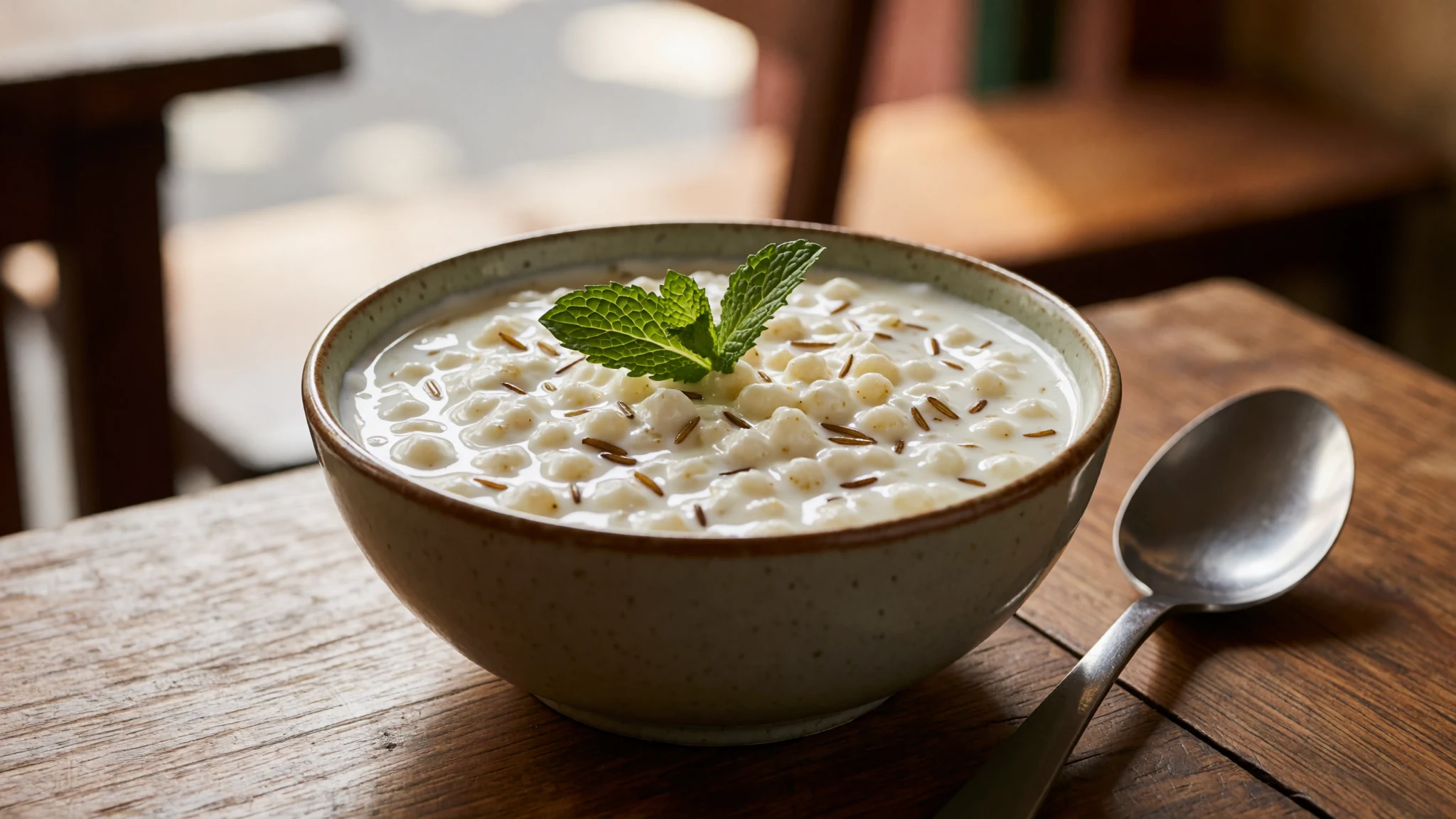
- Aloo Paratha — Lassi Corner and Universal Paratha Shop, Jain Temples road
Whole wheat flatbread stuffed with spiced mashed potatoes, griddled crisp with ghee or oil, enjoyed fresh from roadside breakfast stalls.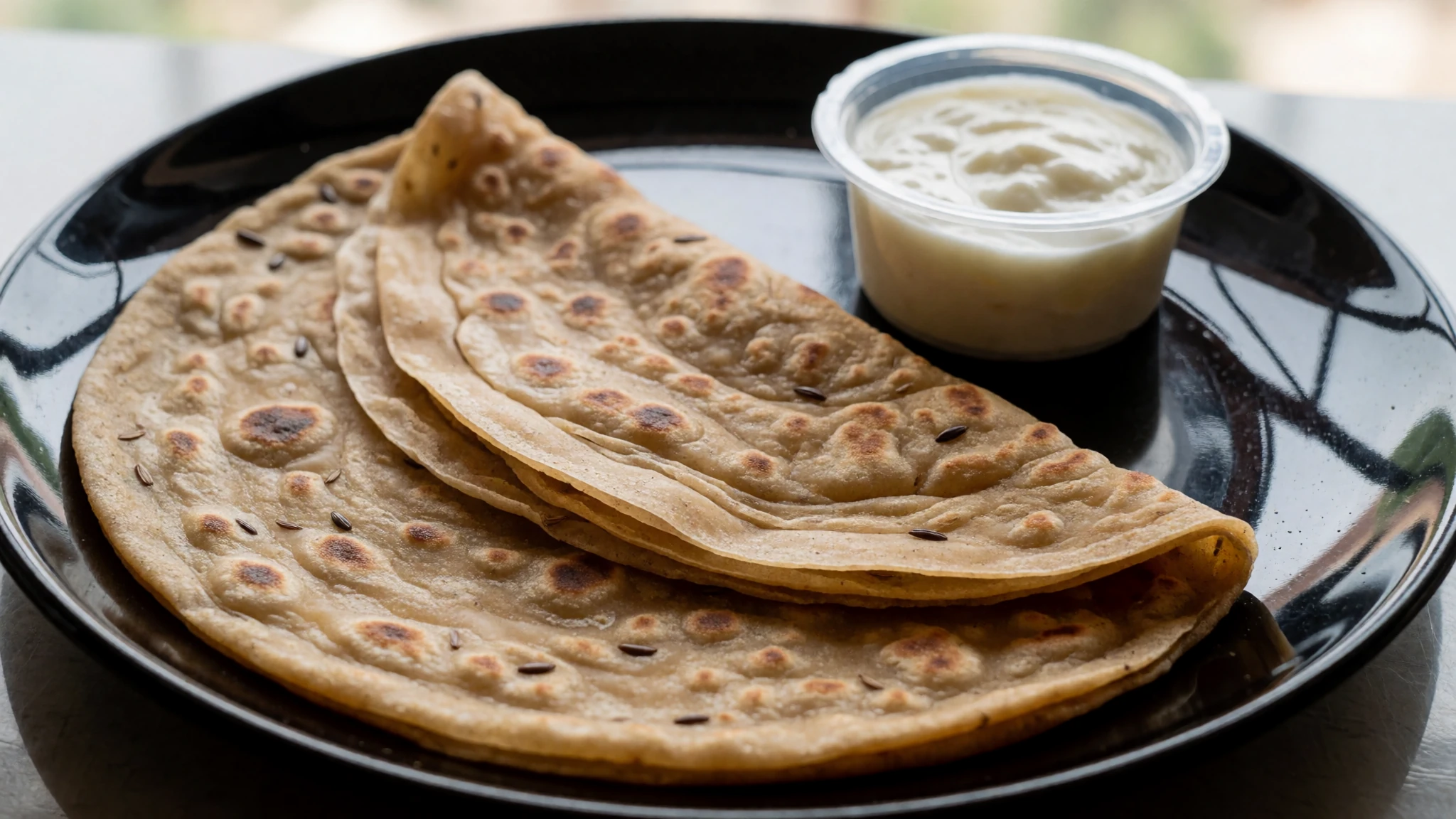
- Sweet Lassi — Lassi Corner, in front of Bella Italia
A rich, chilled yoghurt drink churned with sugar and sometimes topped with a layer of cream, perfect for hot afternoons in the market. - Pure Vegetarian Thali — Shivam Restaurant and local cafes
A balanced platter featuring lentils, seasonal vegetables, rice, and fresh breads, representing everyday home-style cooking in the region.
Plan it
Best time. September to March offers the most comfortable weather for exploring the open-air temple grounds, while the hot summer months bring intense heat and the monsoon brings heavy rain from June to September.
How long. 2–3
Getting there. Arrive via Khajuraho railway station with direct connections from major hubs like Delhi, or travel by road from Jhansi or Gwalior.
Budget. mid
Tips
- Visit the Western Group early in the morning before tour groups arrive and temperatures peak.
- Book train tickets online in advance through official channels or authorized platforms.
- Buy Western Group entry tickets online in advance, as there is no cashier on site, and carry cash for small vendors and local transport where card machines may fail.
- Drink plenty of bottled water and protect yourself from the sun during midday explorations.
Etiquette
- Always remove footwear before walking onto temple platforms or entering sanctuaries.
- Dress modestly with shoulders and knees covered throughout the town and temple zones.
Nearby
Sources
- Wikidata Q167298 (CC0)
- Wikipedia (rev 1370757952) (CC BY-SA 4.0)
- Wikivoyage (rev 5407046) (CC BY-SA 4.0)
- Photo 01 (CC BY 3.0)
