Jaipur
Jaipur, India
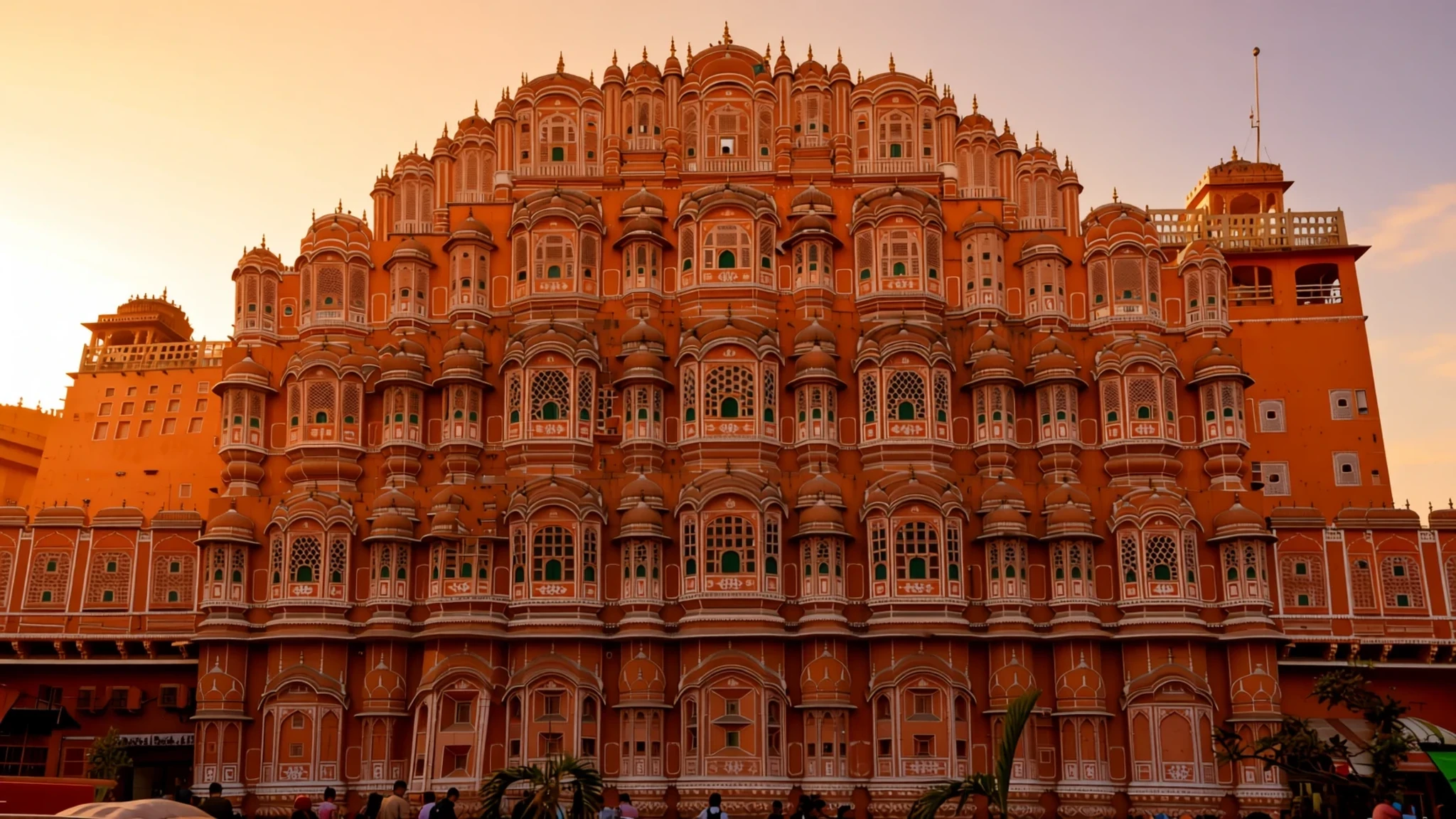
Jaipur entices travellers with grid-planned historic avenues, grand hill fortresses, pink terracotta façades, and a rich legacy of royal Rajasthani craftsmanship.
The place
Jaipur sits in the eastern plains of Rajasthan, backed by the rugged ridge of the Aravalli Hills. Unlike older historic settlements across northern India that grew organically along tortuous lanes, Jaipur was laid out systematically on a geometric grid divided into distinct rectangular blocks. Wide avenues slice through the walled old quarter, where the buildings display the distinctive dusty rose tint that earned the city its famous moniker. High stone gates control entry through the old defenses, opening into bustling bazaars where trades from block-printing to silverwork remain organized by specific quarters.
The urban landscape presents a striking contrast between past royal ambition and energetic contemporary life. Crowded thoroughfares bustle with motor rickshaws, bicycles, and wandering livestock alongside historic archways and painted masonry. Outside the historic city wall, modern neighbourhoods spread across the plain, accommodating commercial hubs and modern residential districts. Rising above the urban expanse to the north and east, massive fortifications crest the surrounding hills, looking down over urban lakes and leafy palace gardens. The dry climate gives the atmosphere a crisp brightness during the winter months, when clear light illuminates the detailed stucco lattice work and terracotta plaster that line the avenues.
Its story
Jaipur was established in 1727 by Maharaja Sawai Jai Singh II, the Kachhwaha Rajput ruler who moved his royal seat down from the hill fortress of Amer. Facing population growth and water shortages in the old hill stronghold, the ruler commissioned the urban planning of a brand new capital on the nearby plains. Guided by traditional treatises on architecture and city design, the layout incorporated classical geometric principles to create structured sectors for residential, royal, and commercial activities.
The distinctive pink shade that defines the historical core arrived much later in the city history. In 1876, the ruling maharaja ordered the entire walled settlement repainted in warm terracotta hues to mark a visit by the Prince of Wales, adopting a colour traditionally associated with hospitality in regional customs. Local regulations subsequently maintained this unified aesthetic, preserving the pale salmon tone across the principal bazaars and civic buildings. Over the nineteenth and twentieth centuries, Jaipur developed into an important regional centre for traditional crafts, metalwork, and stone carving. Following national independence, the city assumed the role of state capital, balancing its preserved urban heritage with steady industrial growth and suburban expansion across the surrounding countryside.
What to see
- Amber Fort
Amber Fort stands on a hilltop north of Jaipur, overlooking the waters of Maota Lake. Built from yellow and pink sandstone, the fort complex blends Rajput and Mughal architectural styles across expansive courtyards, painted gateways, and intricate mirror halls. Visitors can walk up the sloping ramparts or take local shuttles to explore the inner royal apartments.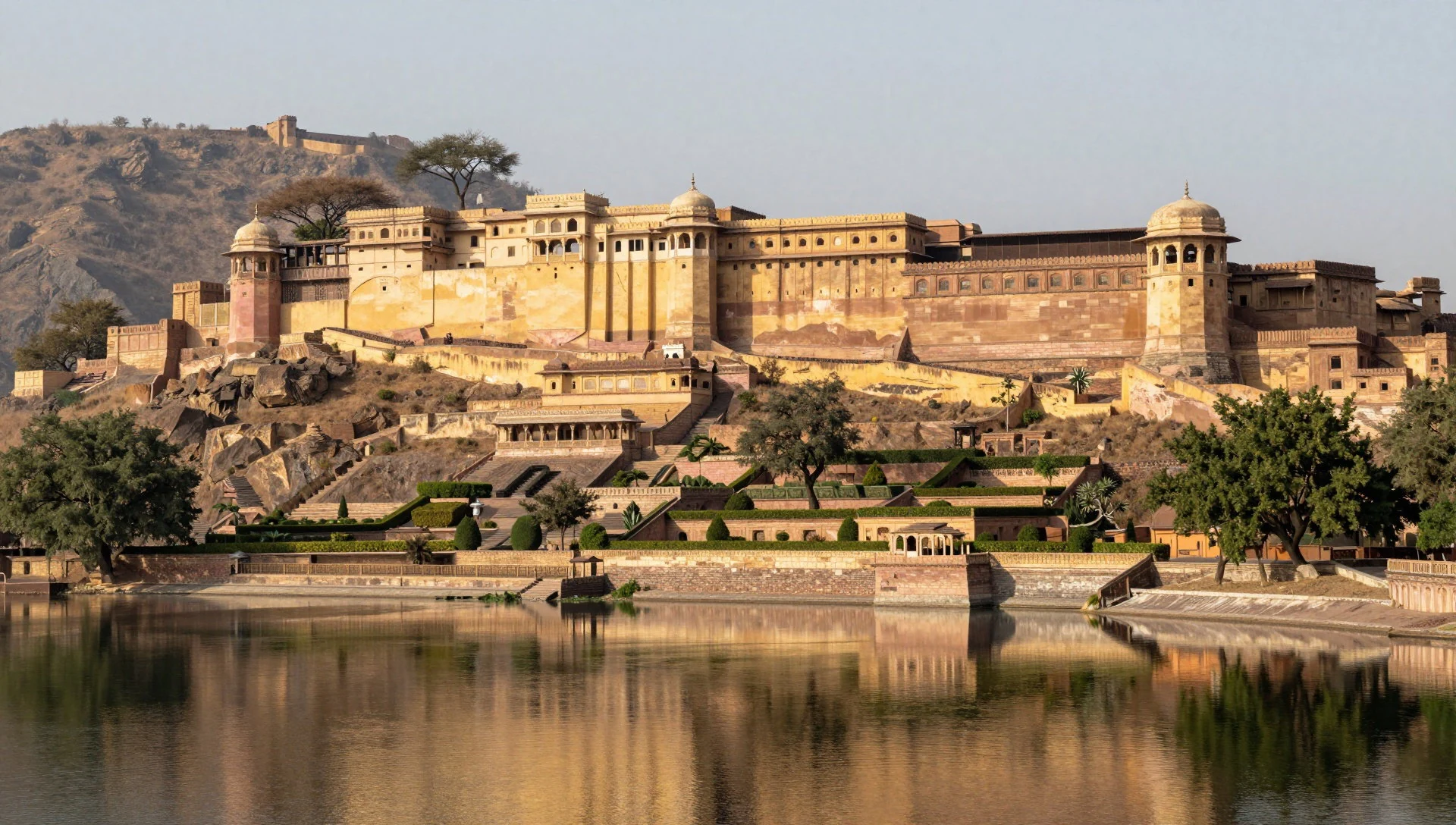
- Hawa Mahal
Hawa Mahal, or the Palace of Winds, forms a five-storey screen of pink sandstone in the heart of the old city. Constructed in 1799 with hundreds of small screened windows, it allowed royal women to observe street pageants without being seen from below. The airy façade lets cool breezes filter through the internal chambers.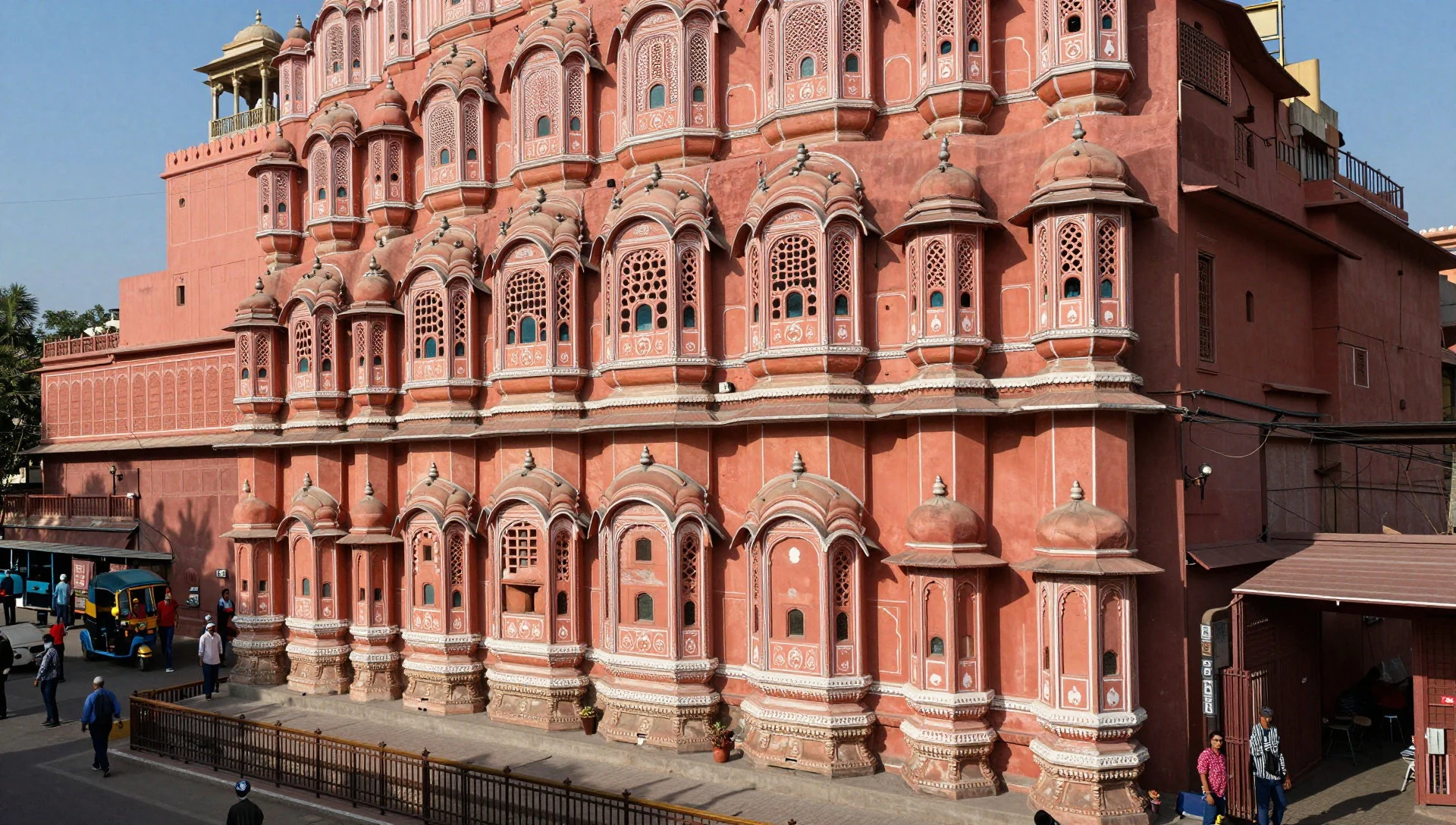
- Jantar Mantar
Jantar Mantar is an open-air astronomical observatory situated near the central palace complex. Constructed in the early eighteenth century, the site features massive stone and marble instruments designed to measure time, track celestial bodies, and predict eclipses. The geometric structures function as accurate instruments while creating a striking architectural landscape.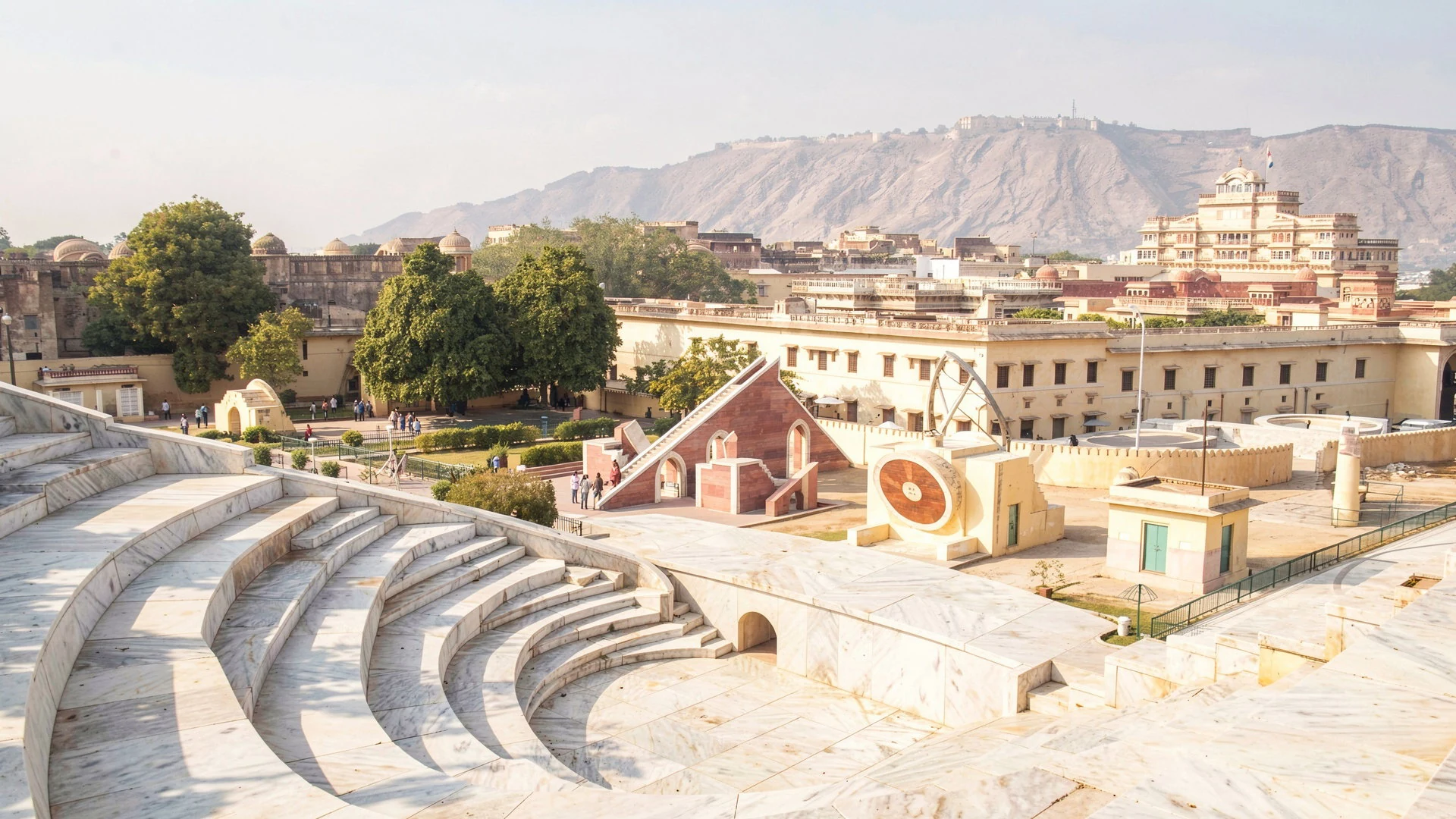
- City Palace
City Palace occupies a central sector within the walled city, serving as a royal residence and museum complex. The architecture combines regional Rajasthani motifs with imperial Mughal design, encasing grand courtyards, decorative doorways, and textile galleries. Portions of the complex remain the private residence of the former royal family while public halls display historical armor and royal attire.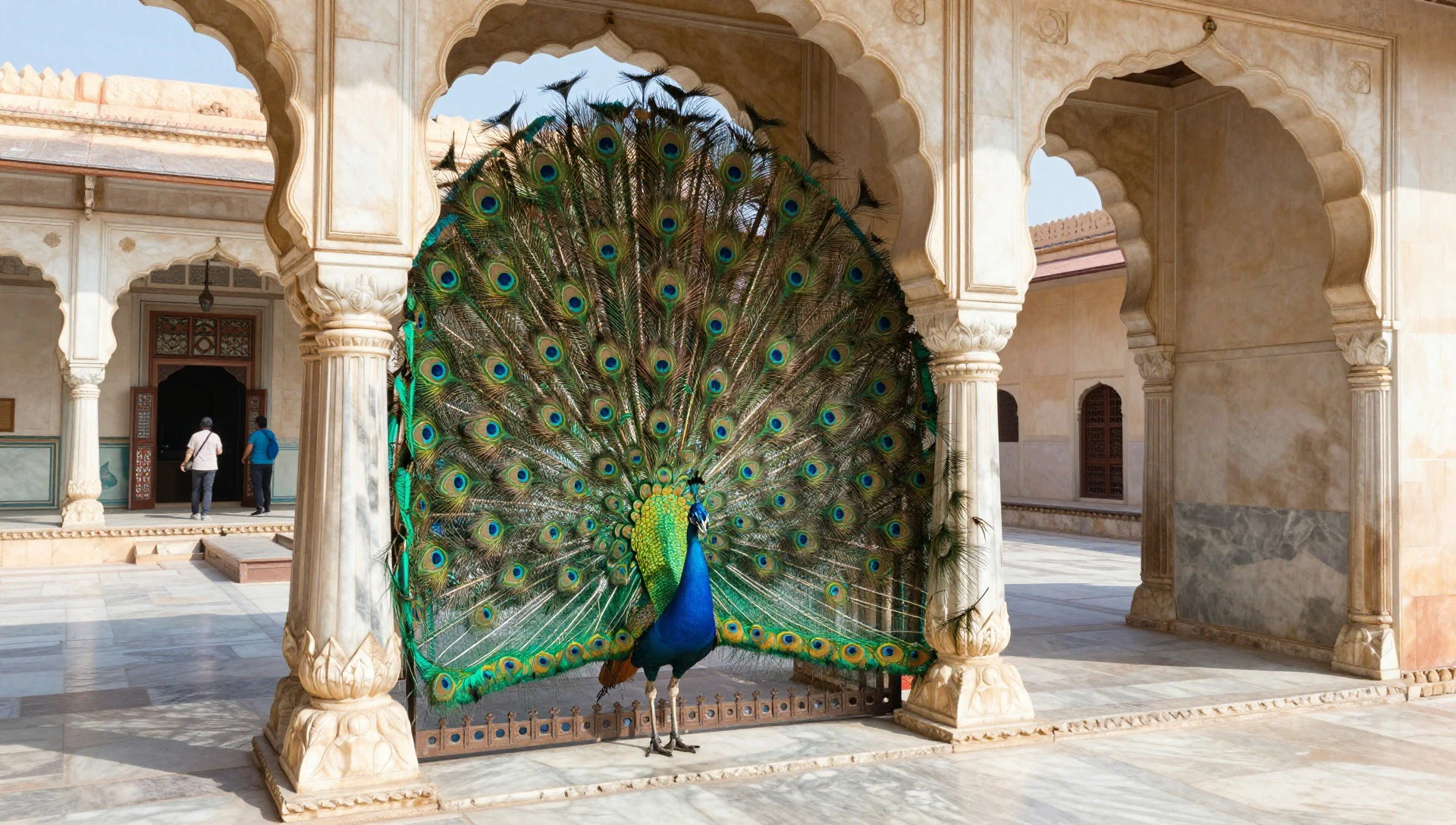
- Nahargarh Fort
Nahargarh Fort perches on the edge of the Aravalli Hills, providing expansive panoramic views across the entire Jaipur basin. Built as a defensive stronghold, the ridge fort features interconnected suites built for royal retreats and long stone ramparts that trace the cliffside. The elevated position makes it a popular spot for viewing sunset over the city grid below.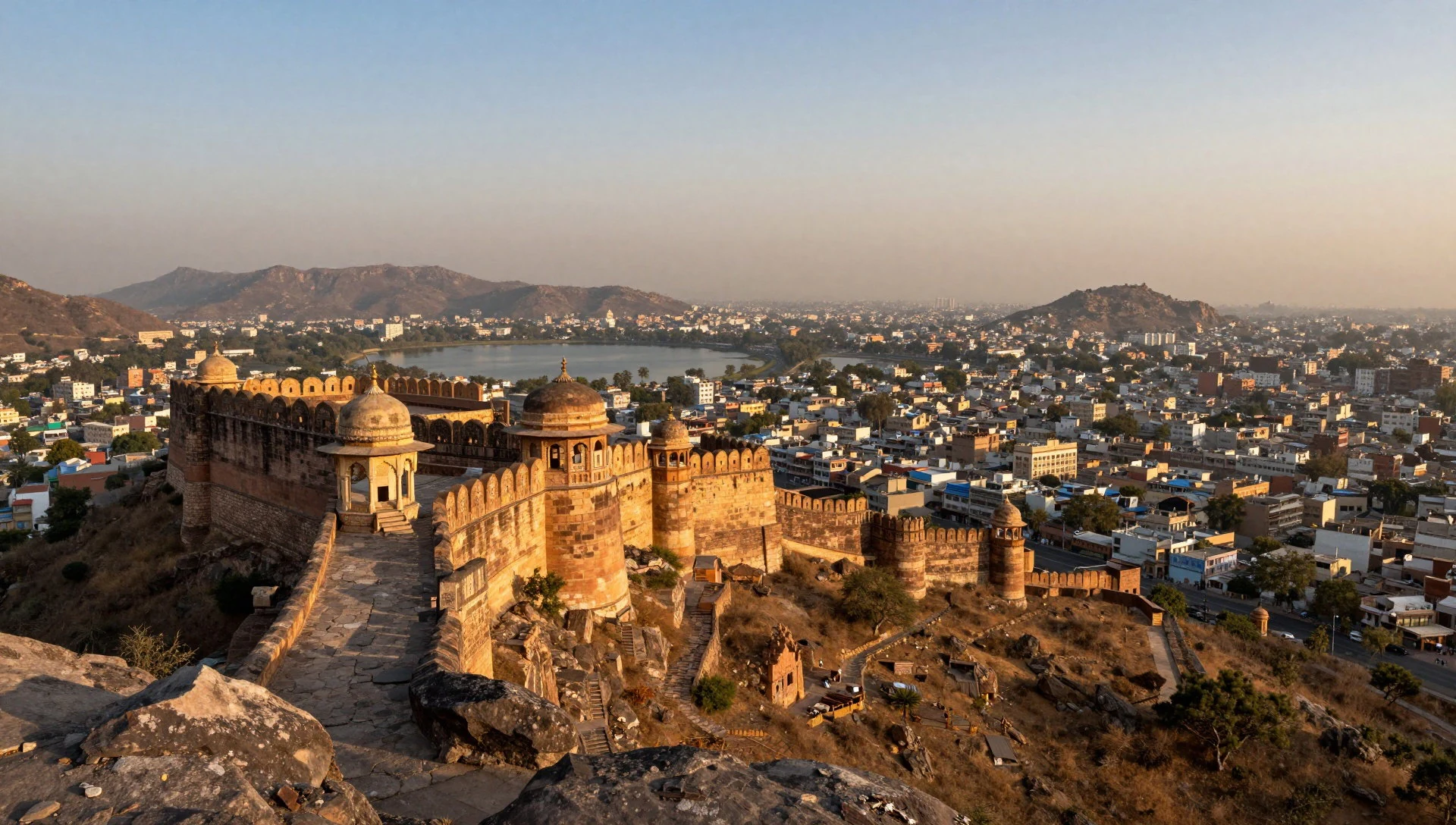
Culture
Jaipur maintains a rich cultural heritage rooted in royal patronage and centuries-old artisan traditions. The city is celebrated throughout India for its specialized craft guilds, particularly hand-block printed textiles using natural vegetable dyes, precious stone cutting, enamel jewelry, and blue glazed pottery. Craftspeople often work in hereditary family workshops tucked into the historic quarters, passing down techniques developed during the founding era of the capital. Performing arts remain vibrant, with traditional Rajasthani folk music and dance featured during seasonal festivals and cultural gatherings across the city.
Religious life plays an active role in daily routines, visible in the steady stream of worshippers visiting neighborhood shrines, morning prayers along temple courtyards, and communal celebrations. The local calendar is marked by grand public processions during major regional festivals, when decorated elephants, folk musicians, and traditional dancers pass along the broad pink avenues. Culinary customs emphasize rich vegetarian cooking, where ghee, legumes, and aromatic spices feature prominently in family meals and festive banquets. Always remove footwear before entering temple precincts and cover shoulders and knees when visiting active places of worship.
What to wear
Jaipur is renowned for vibrant traditional textiles, notably hand-block printed cottons using leheriya wave-dyeing and bandhani tie-dye techniques. Women traditionally wear bright ghagra choli sets or flowing sarees in vivid shades of saffron, pink, and red, paired with intricate silver or lac jewelry during weddings and religious festivals. Men often wear cotton dhotis or pyjamas with knee-length kurtas, topped with colourful bandhani turbans styled in distinctive regional folds to denote community affiliation.
In everyday urban life, contemporary clothing dominates the streets. Younger residents and office workers typically wear jeans, shirts, and casual western attire, though light cotton kurtas remain popular for day-to-day comfort in the intense heat. During formal events, tailored Nehru jackets or silk sherwanis are widely worn alongside traditional drapes.
For visitors, loose, breathable cotton or linen clothing is essential to handle the dry heat. Modest attire covering shoulders and knees is necessary when visiting temples, mosques, and palace sanctuaries. Sturdy, comfortable slip-on shoes or sandals are recommended for navigating dusty stone ramparts at hill forts and stepping easily out of footwear at sacred sites.
What to eat
- Dal Baati Churma — traditional thali dining halls in the central bazaars
Dal Baati Churma is the signature Rajasthani dish, comprising baked wheat balls dipped in ghee, served alongside a spicy mixed lentil curry and a sweet crumbled wheat dessert. Find it served in traditional thali dining halls and heritage eateries throughout the central bazaars.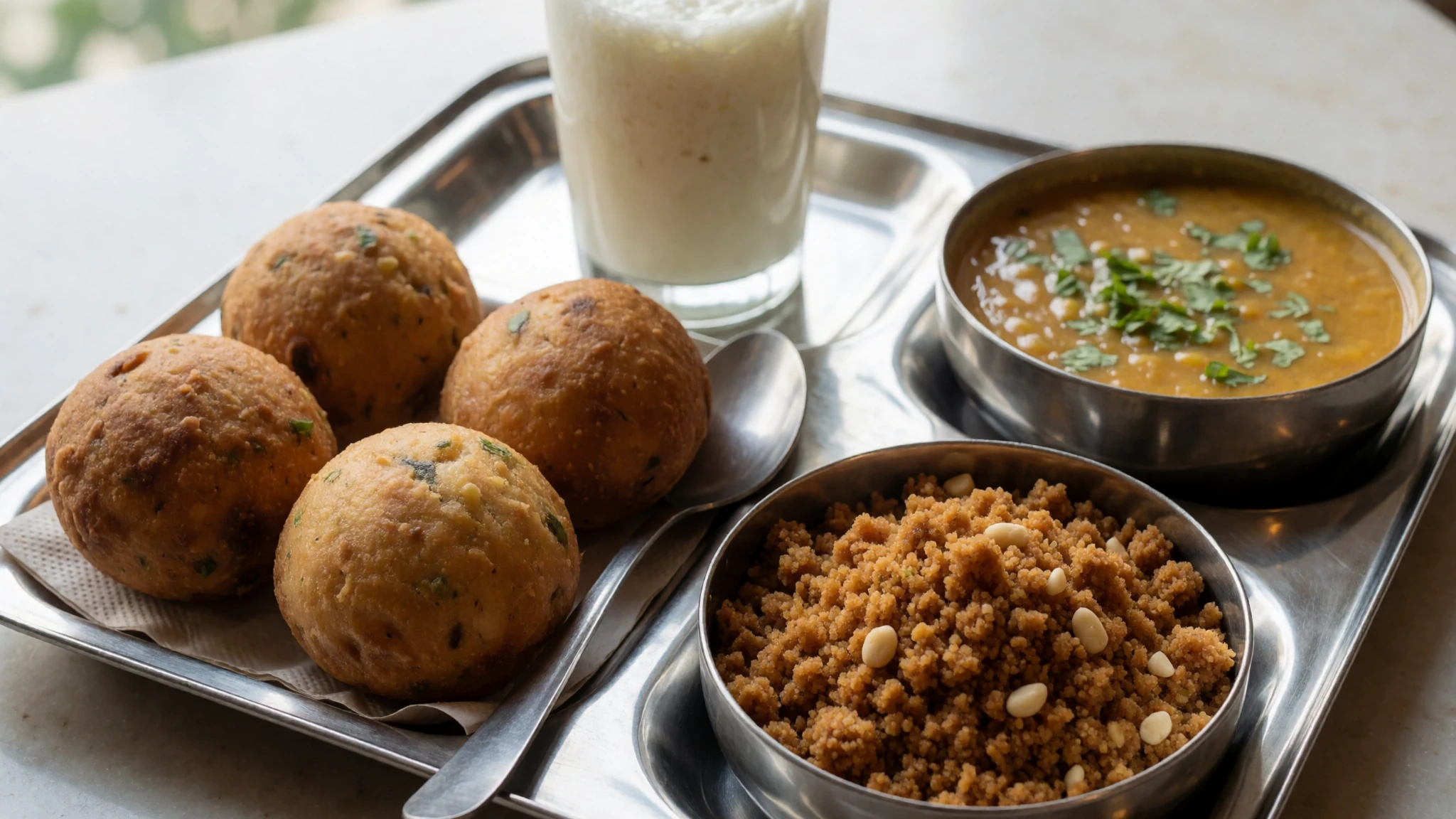
- Pyaaz Kachori — morning snack stalls across the old city markets
Pyaaz Kachori is a crispy, deep-fried pastry stuffed with a spiced onion filling, seasoned with fennel and coriander seeds. Best eaten hot with sweet tamarind and spicy mint chutneys, it is available from morning snack stalls across the old city markets.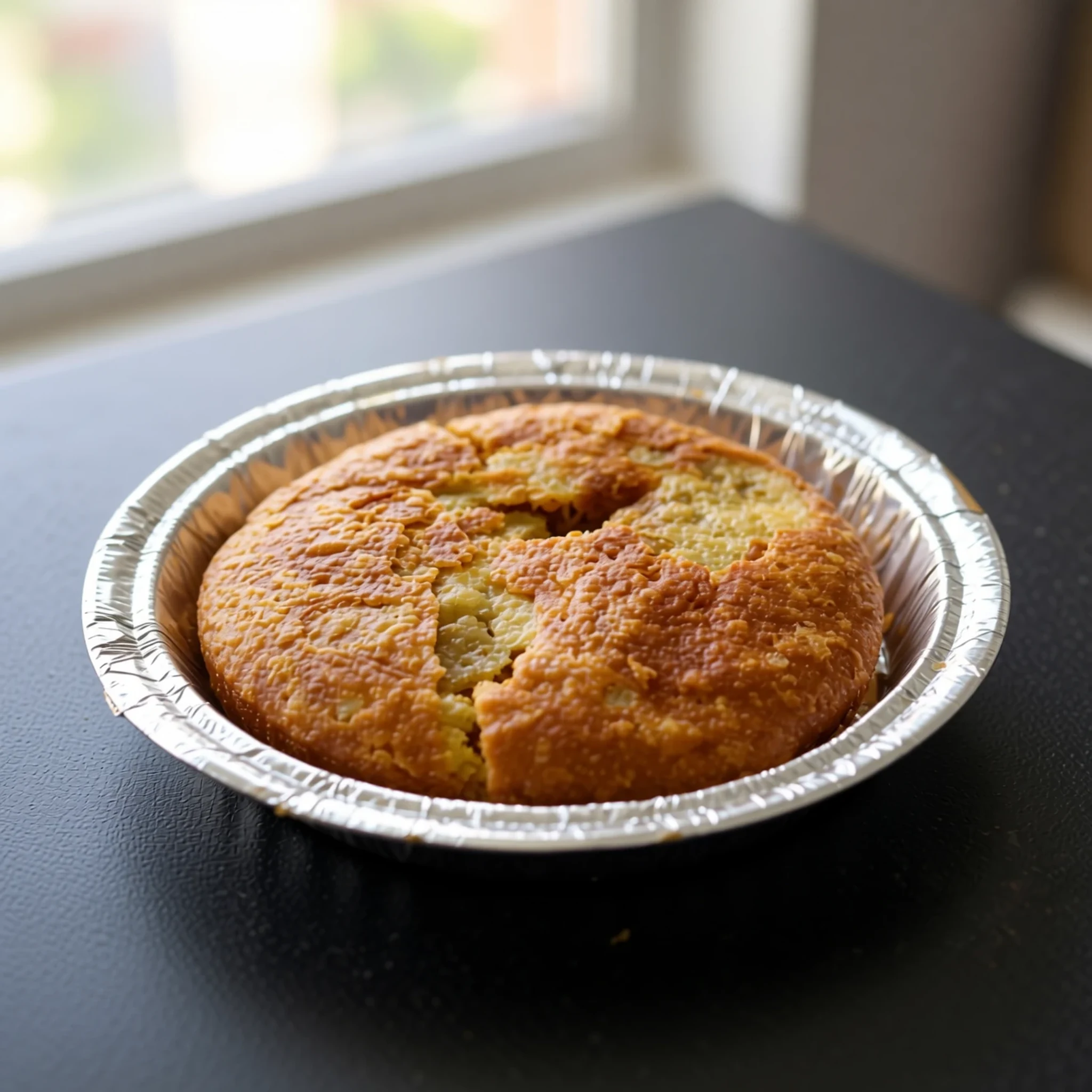
- Ghevar — sweet shops along Johari Bazaar
Ghevar is a traditional disc-shaped Rajasthani sweet made from soaked flour batter fried in ghee, then soaked in sugar syrup and topped with rabri, saffron, and sliced nuts. Look for fresh trays at sweet shops along Johari Bazaar during the spring Gangaur Festival in March or April. - Laal Maas — traditional meat restaurants near the historic city gates
Laal Maas is a fiery mutton curry cooked with garlic, yoghurt, and a generous quantity of local Mathania red chillies. Originally prepared for royal hunting banquets, this intense specialty is found at traditional meat restaurants near the historic city gates. - Gatte ki Sabzi — family-run eateries and vegetarian restaurants across the city centre
Gatte ki Sabzi features steamed gram-flour dumplings cooked in a tangy, spiced yoghurt gravy flavoured with cumin and asafoetida. It is a comforting staple of regional home cooking available at family-run eateries and vegetarian restaurants across the city centre.
Plan it
Best time. December to February offers dry, sunny days and comfortable cool nights; March to June is extremely hot, while July to September brings monsoon rains and high humidity.
How long. 2–3
Getting there. Jaipur International Airport connects to major Indian cities and international hubs; daily express trains run regularly from Delhi, Agra, and Mumbai to Jaipur Junction.
Budget. mid
Tips
- Visit hill forts like Amber and Nahargarh early in the morning to avoid midday heat and heavy tour crowds
- Carry small cash notes for auto-rickshaw fares and street market shopping in the bazaars
- Check official monument websites for combined entry passes covering multiple city sights
- Stay well hydrated with bottled water during summer months when temperatures rise sharply
Etiquette
- Remove shoes and cover your head where requested before entering religious sites
- Ask permission before taking close-up photographs of local market vendors and street performers
- Dress modestly with covered shoulders and trousers or long skirts when visiting temples and active shrines
Nearby
Sources
- Wikidata Q66485 (CC0)
- Wikipedia (rev 1382268020) (CC BY-SA 4.0)
- Wikivoyage (rev 5405620) (CC BY-SA 4.0)
- East facade of Hawa Mahal (CC BY-SA 4.0)
- View of Jaipur city from Nahargarh Fort (CC BY-SA 4.0)
- Amber Palace (CC BY-SA 4.0)
- Birla Mandir Jaipur (CC BY-SA 4.0)
- Albert Hall Jaipur (CC BY-SA 4.0)
- Jantar Mantar at Jaipur (Public domain)
- World Trade Park Jaipur (CC BY 3.0)
- Nahargarh Fort (CC BY-SA 4.0)


