Amritsar
Amritsar, India
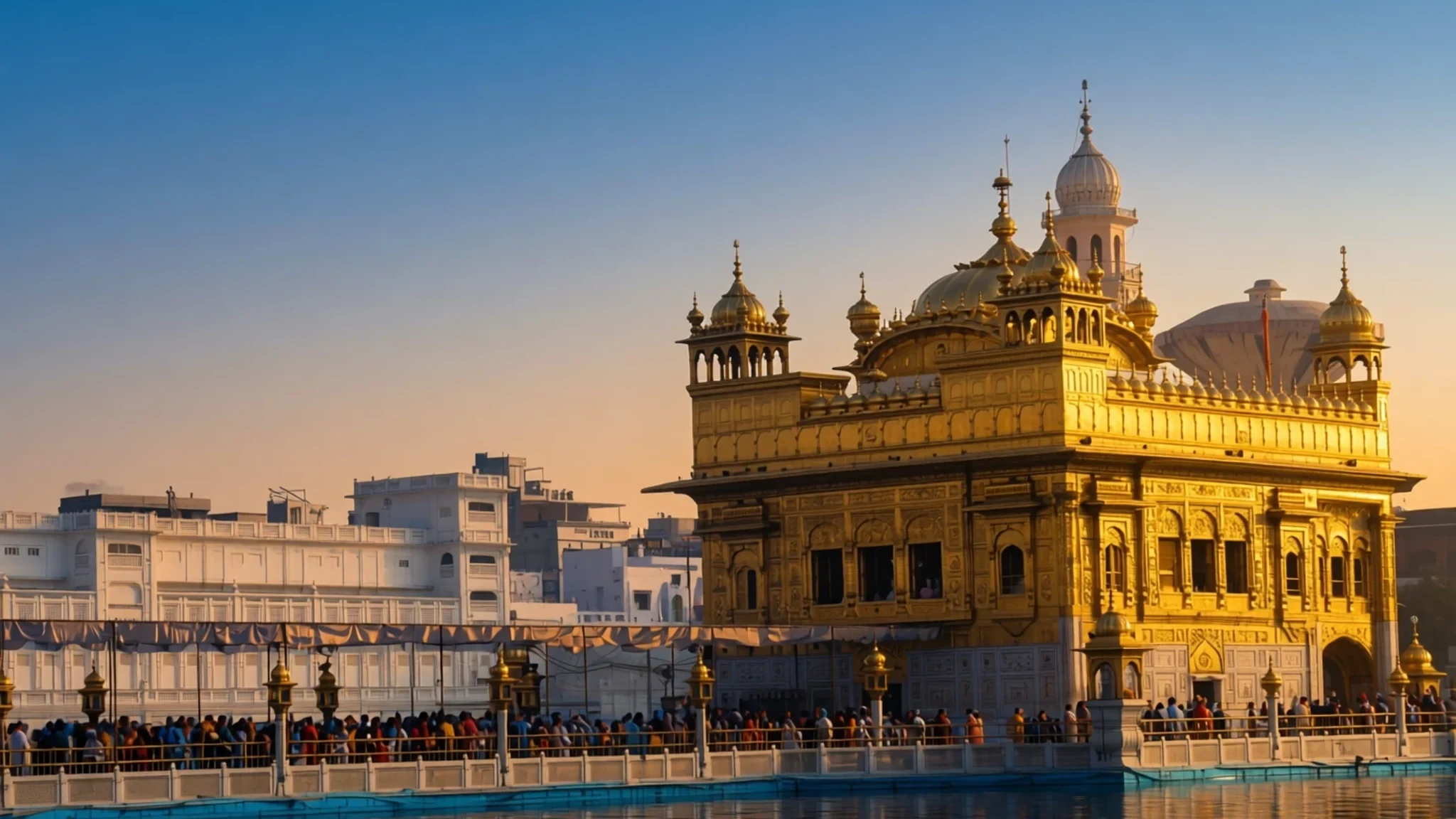
Amritsar is home to the Golden Temple, Sikhism's holiest site, and a busy old city that rewards two or three unhurried days.
The place
Amritsar sits in the Majha region of north-western Punjab, about 28 km from the India–Pakistan border. The city has roughly 1.2 million people within its municipal limits, and the metropolitan area around it is larger still. It stands at about 234 metres above sea level on the flat Punjab plain, so the land is level and the sky feels very wide.
For most visitors the city means one place: the Golden Temple, set in a sacred pool at the heart of the old city. The lanes around it are dense with shops selling bangles, fabric, sweets and steel kitchenware, and with pilgrims who come in family groups and linger for hours. Beyond the temple, the city is a working commercial centre, and its markets are busiest in the morning.
Amritsar works well as a base for two or three days. Walk the old city early, when the temple is at its calmest, then spend the afternoon at the colonial-era sites and the gardens to the north of the centre. Traffic, rickshaws and weekend crowds are a constant. Summers are hot and winters are cool, so plan your days around the season rather than the calendar.
Its story
Sikh tradition credits Ram Das, the fourth Sikh guru, with founding the town in 1574. The site was reportedly chosen on the advice of his predecessor, Amar Das, who asked him to find land for a new settlement and to dig a sacred pool at its centre. Ram Das completed the pool first, built his guru's residence beside it, and invited merchants and craftsmen from across India to settle there.
The town was first called Ramdaspur after its founder. Under his successors the settlement grew through donations and the unpaid labour of volunteers, and the pool became the focus of a temple complex. The gurdwara that now stands in the water took shape in this period, and the name Amritsar, meaning pool of nectar, came to be used for the whole town.
The city's modern history is shaped by 1919. On that day British Indian Army soldiers opened fire on an unarmed crowd in Jallianwala Bagh, a walled garden in the city, and the killings became a turning point in the independence movement. Later, under the Sikh ruler Maharaja Ranjit Singh, Ram Bagh garden was turned into a summer palace. The brick and lime Gobindgarh Fort, built in 1760, shows the military side of that era, and today it is being developed into a site with museums and performances.
What to see
- Golden Temple (Harmandir Sahib) — Old city, at the centre of the sacred pool
The Golden Temple is the reason most people come to Amritsar. It stands in the middle of a large sacred pool, reached by a causeway, and its gilded upper storeys are reflected in the water. The complex is open to people of every faith, and its community kitchen feeds anyone who arrives. Allow at least two hours, arrive early for quieter light, and expect long queues at the entrance on busy days.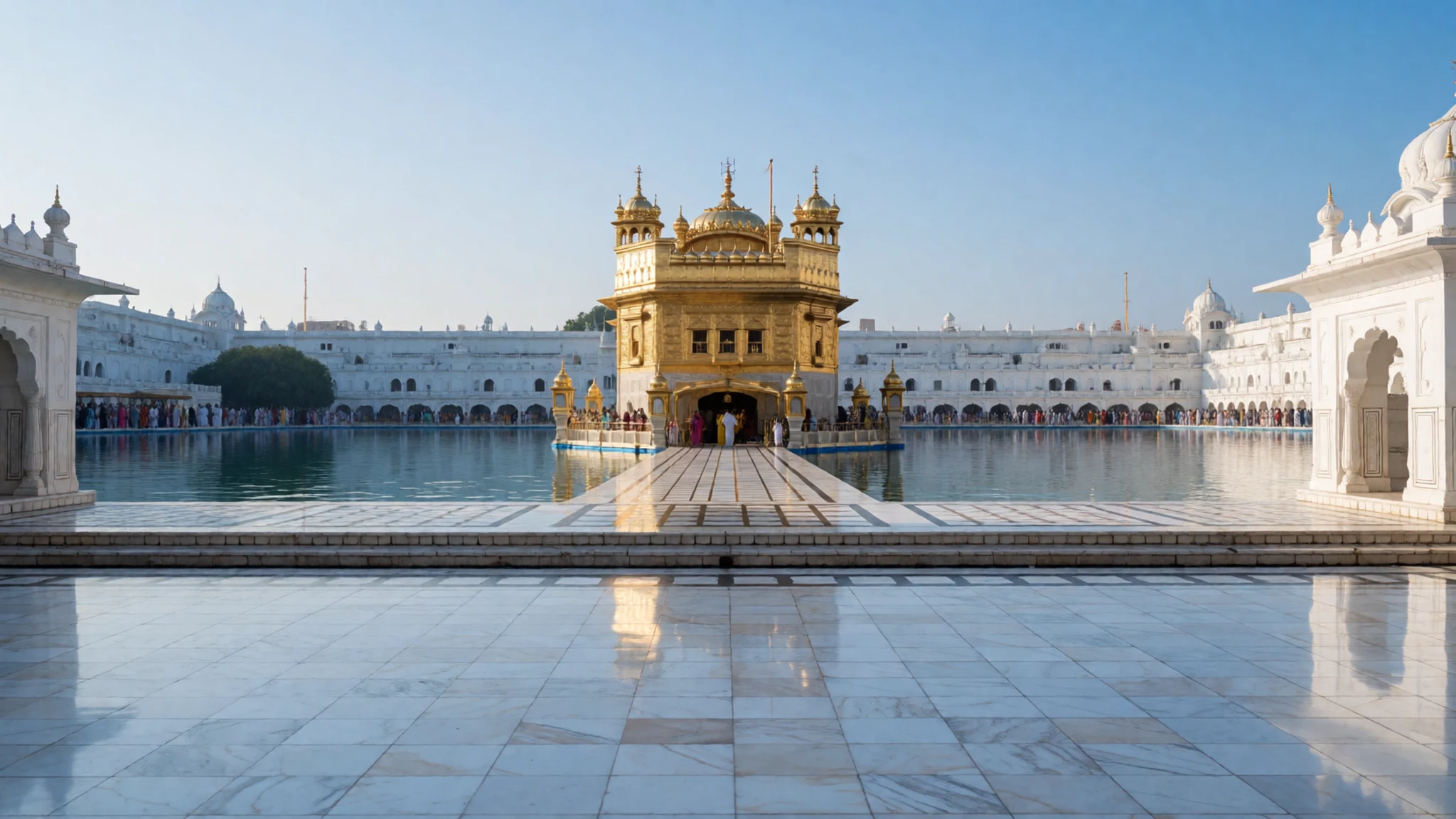
- Jallianwala Bagh — Central Amritsar
Jallianwala Bagh is a walled public garden where, in 1919, British Indian Army soldiers opened fire on an unarmed gathering of men, women and children. Today it is a memorial park with a red stone obelisk and walls still marked by the shooting. Give it an hour. The atmosphere is quiet and sombre, so keep voices low and leave food and drink outside.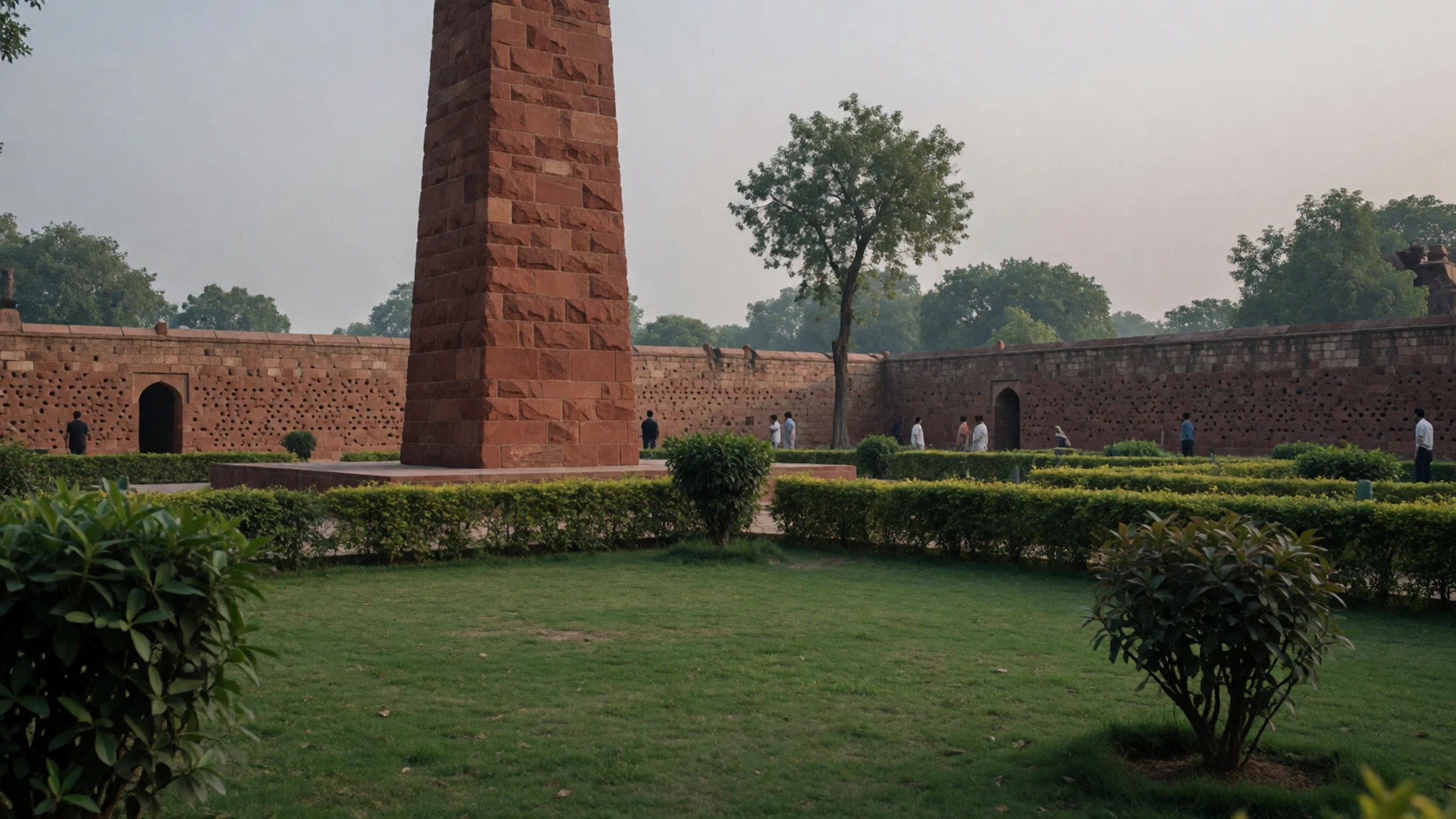
- Gobindgarh Fort — Inside the city, reached by taxi or auto
Built of brick and lime in 1760 by Gujjar Singh Bhangi, Gobindgarh Fort was once armed with 25 cannons. It is being turned into a tourist site with several museums and performances, so check what is open before you go. Walking the walls gives a useful view over the surrounding rooftops, and the fort is a good half-day stop away from the crowds at the temple.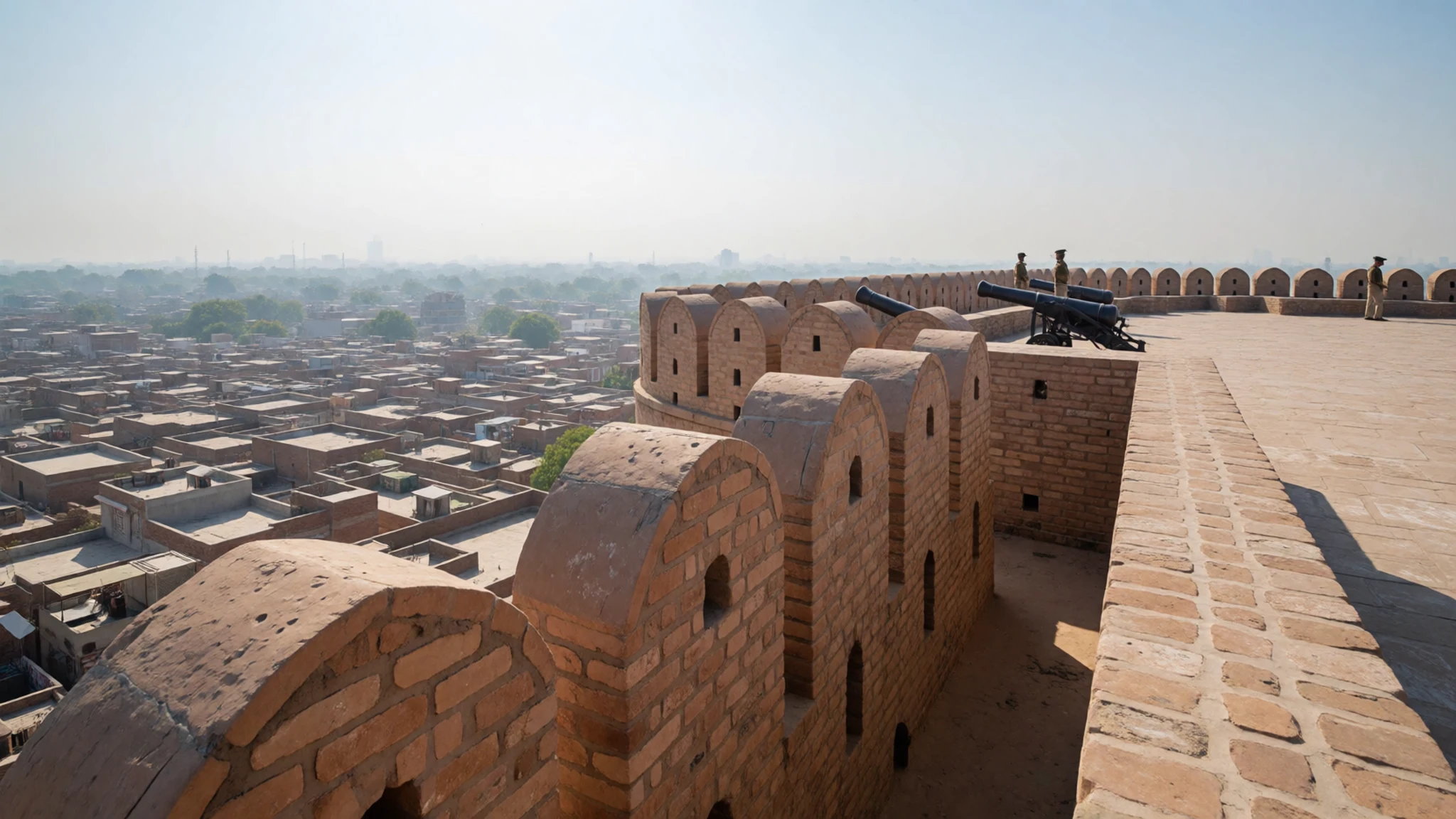
- Ram Bagh and the Summer Palace — Ram Bagh gardens, within the city
Ram Bagh is a garden laid out as a tribute to Guru Ram Das, the city's founder, and it was once the summer palace of Maharaja Ranjit Singh. The palace is now a museum with oil paintings, miniatures, coins and weapons from the Sikh period. Shady trees make it a pleasant retreat in the middle of the day, and an unhurried hour is enough to see the collection.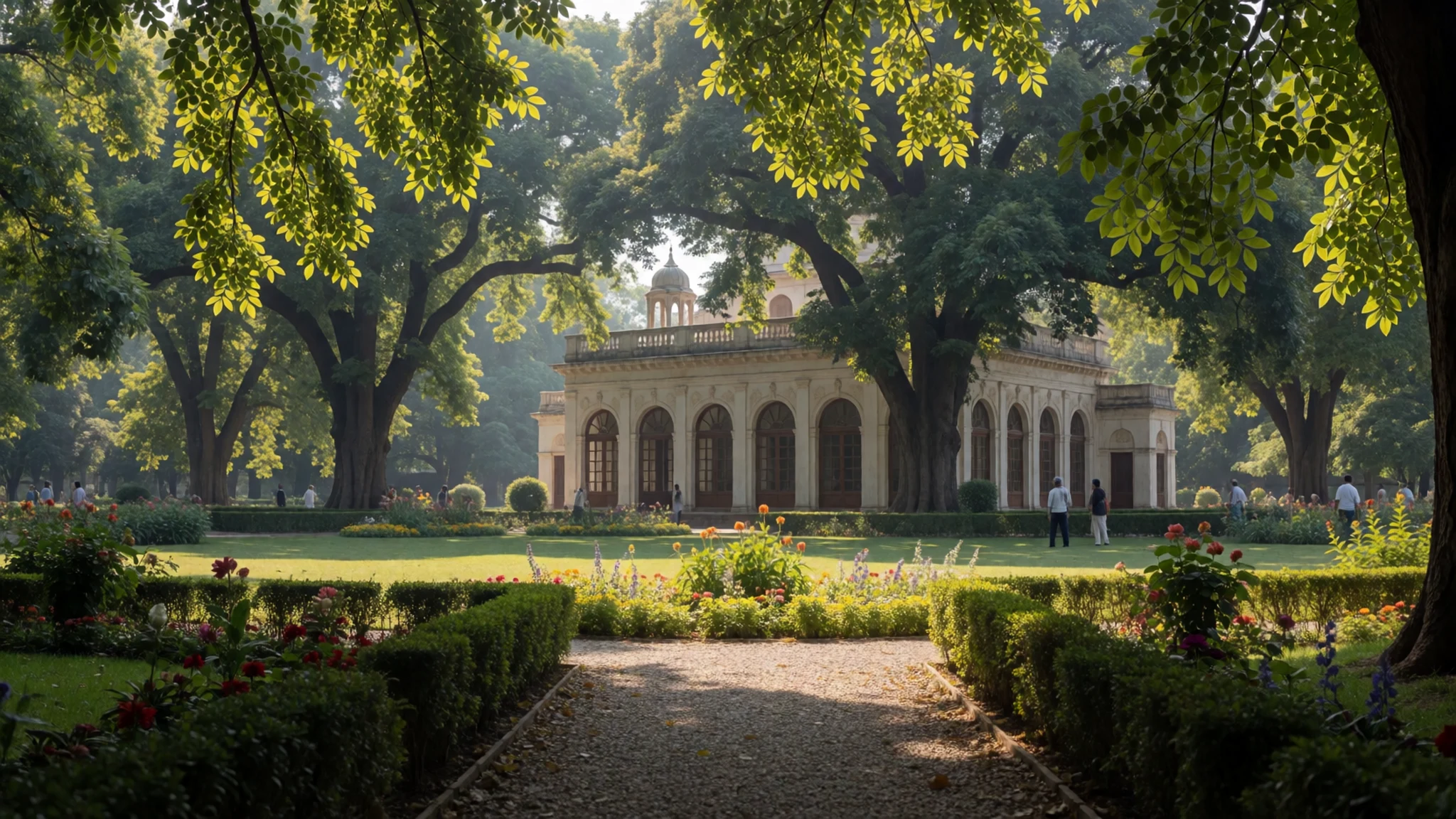
- Netaji statue — Central Amritsar
The statue commemorates Subhas Chandra Bose, known as Netaji, who led the Indian National Army and formed the Provisional Government of Azad Hind in exile. It makes a short photo stop when you are walking between the older sights. Photographs from the street side are fine, but do not climb the plinth.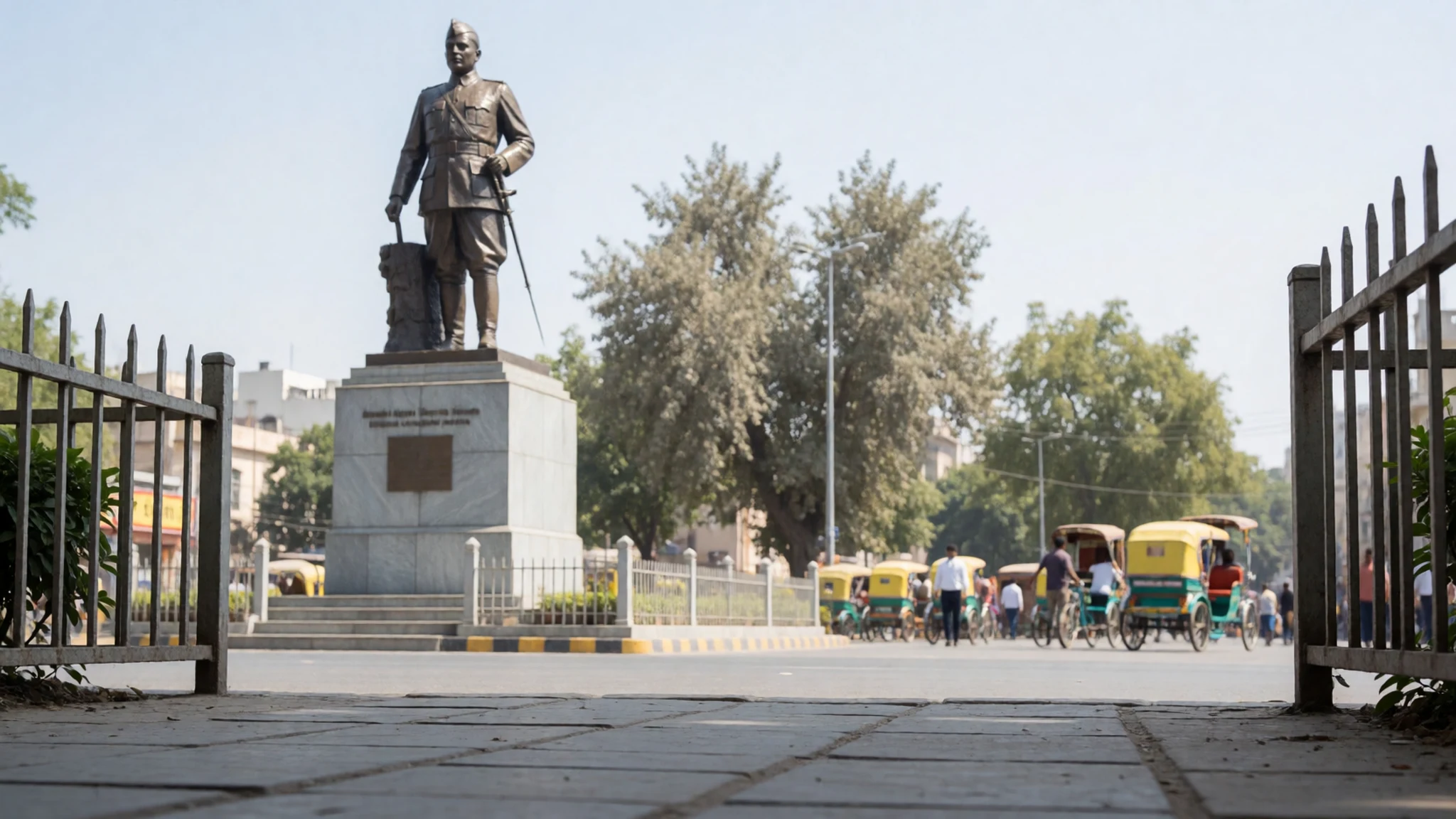
Culture
Amritsar's identity is shaped by Sikhism, and the Golden Temple is a living place of worship rather than a museum piece. Visitors are expected to behave as they would in any gurdwara. Heads must be covered anywhere inside the complex, with a headscarf or a cloth tied over the hair, and loose scarves are handed out free at the entrances, so you need not buy one in advance. Shoes and socks come off before the approach, and feet are washed at the taps before you go in. A cloakroom near the entrance holds footwear.
Inside the complex, photography is not allowed in the sanctum, though the outer walkway around the pool is open to cameras. Lighting up, drinking alcohol and spitting are all out of place in the complex and within sight of the temple, and the busy street outside is not the place for a cigarette. Queues for the sanctum and the langar move steadily because volunteers run them, so join in patiently. Modesty applies to clothing too, and shoulders and knees should be covered.
At Jallianwala Bagh, behave as you would at any memorial, and keep conversation low. Before you reach the temple gate, cover your head and put your phone away, because photographing people inside the sanctum is the fastest way to cause offence.
What to wear
Traditional dress in Punjab centres on the salwar kameez, a long tunic worn over loose trousers and finished with a dupatta, a long scarf draped over the shoulders. Cotton and silk are common. The phulkari embroidery of the region, with bright silk thread worked in geometric patterns on cloth, is a textile tradition people still treasure for weddings and festivals. Many Sikh men wear the turban, tied in a range of colours, and many women wear the dupatta for modesty as well as the sun.
In Amritsar today you will see a mix. Older residents and many pilgrims wear traditional salwar kameez and turbans, while younger people wear jeans, kurtas and western shirts, often with a scarf for the heat. Smart casual is the norm in the city's shops and restaurants.
For a visitor, pack light cotton or linen that covers shoulders and knees. Breathable fabric matters more than anything in the hotter months. A scarf is essential, both for the sun and for covering your head inside the Golden Temple. Choose shoes that slip on and off easily, because you will remove them often and walk on warm stone and pavement.
What to eat
- Langar at the Golden Temple — The Golden Temple community kitchen
Langar is the free communal meal served at the Golden Temple, open to anyone who comes. Pick up a plate and spoon near the entrance, follow the queue, and sit on the floor with everyone else. The dal and roti are plain and filling. Return your plate at the marked point, and eat without rushing.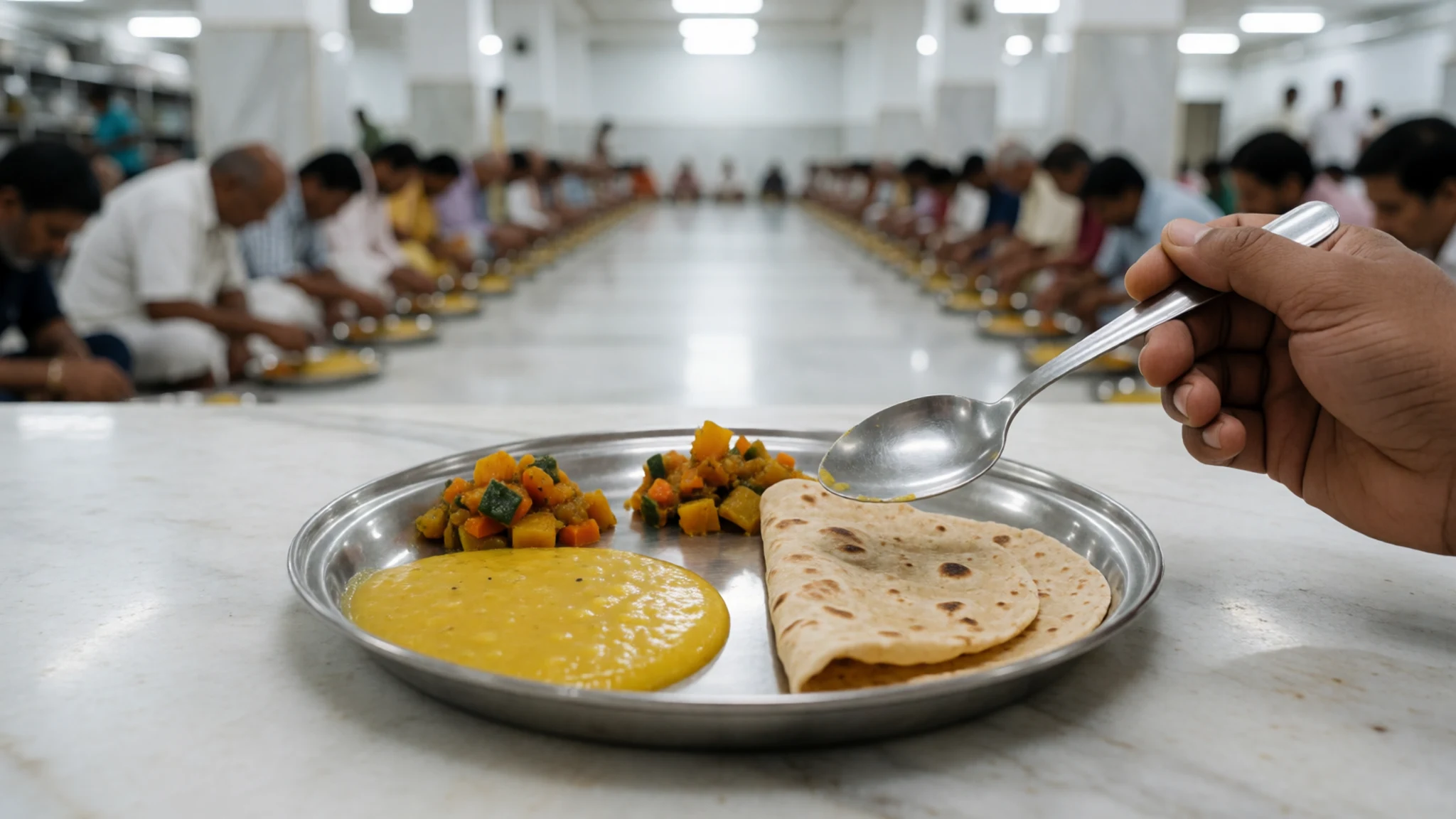
- Dal makhani — Family-run Punjabi dhabas on the main roads
Dal makhani is slow-cooked black lentils finished with butter and cream, and Punjabi kitchens do it well. Look for it at family-run dhabas, where it simmers for hours and comes with naan or steamed rice. It is best eaten hot on a cool evening, and a glass of lassi helps balance its richness.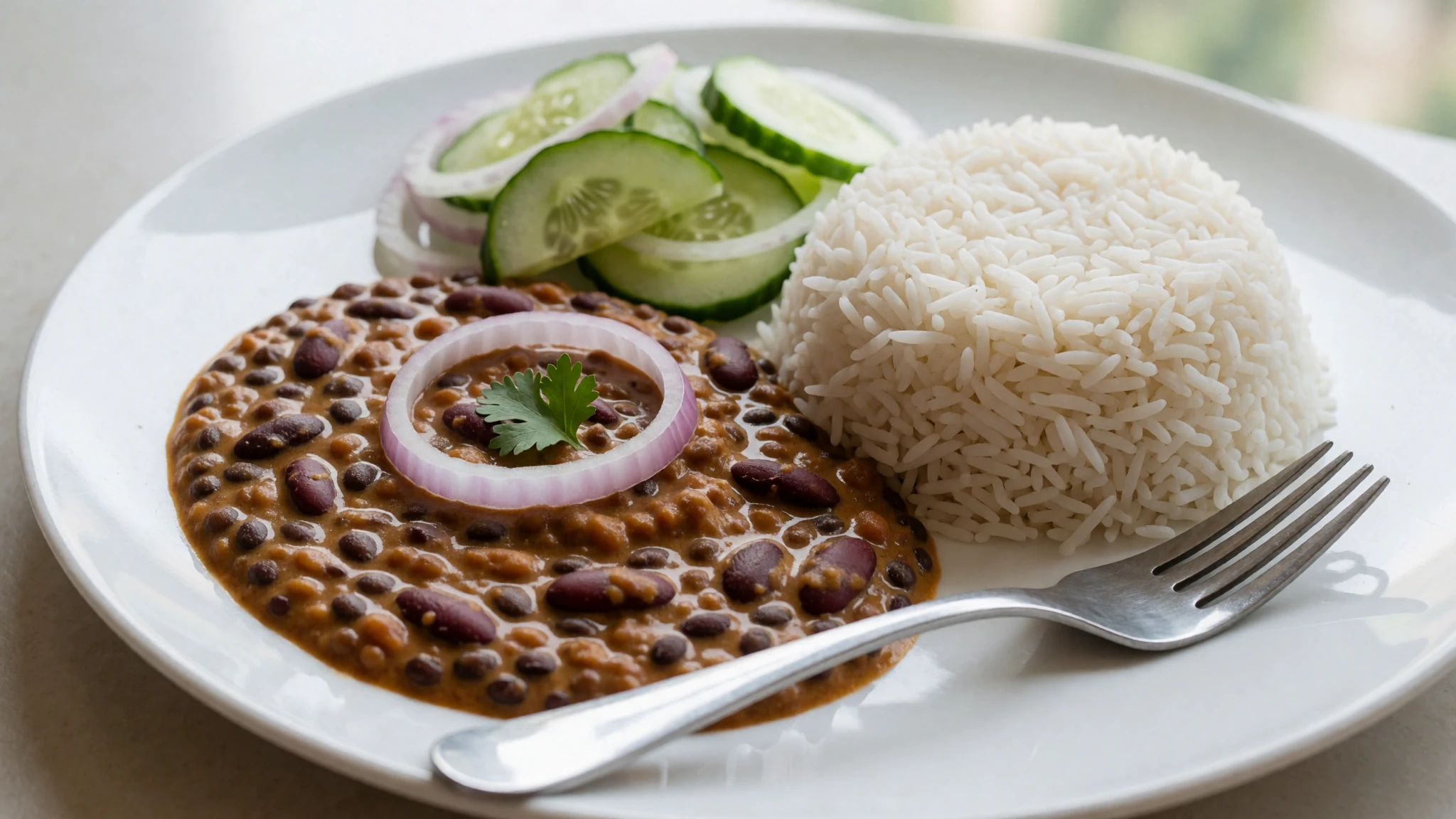
- Butter chicken with naan — A long-running family restaurant in the city centre
Butter chicken is the dish many visitors come back for: tender chicken in a tomato and cream sauce, scooped up with fresh naan. Family restaurants serve it mild or hot, and some are alcohol-free, so ask if that matters to you. Expect a queue at weekends, when the room fills quickly.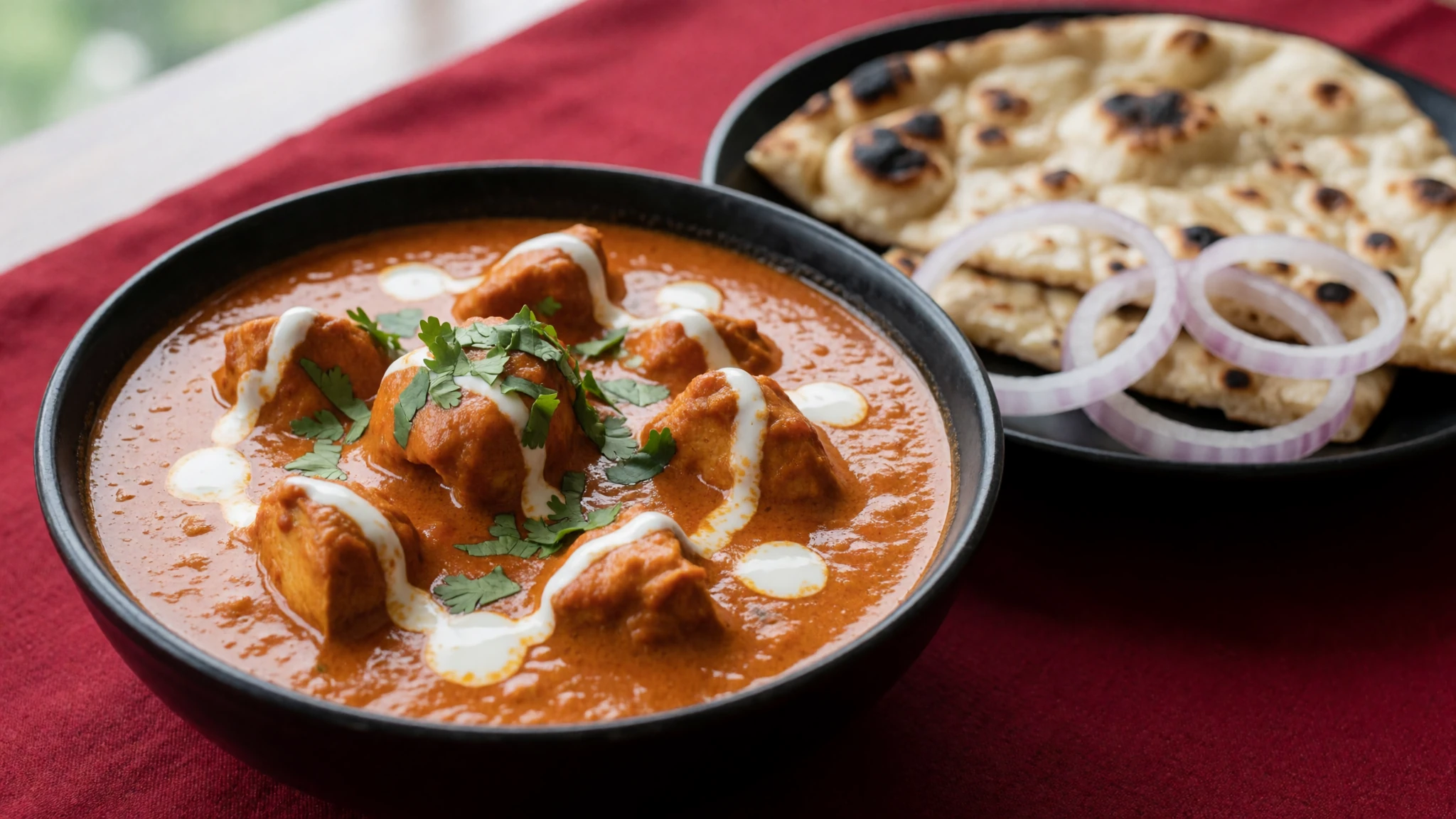
- Lassi — Dhabas and sweet shops across the old city
Lassi is a thick yoghurt drink, sweet or salted, and a good way to settle a heavy meal. Dhabas and sweet shops make it fresh, sometimes topped with cream or a sprinkle of dry fruit. Ask for it less sweet if you prefer. It is worth trying at least once. - Fried fish — Small stalls near the old city, including a tiny long-standing shop
Fried fish in spiced batter is a local speciality worth seeking out. Small stalls near the old city serve it hot from the pan, with onion and lemon. Moolchand Fish Shop is a tiny, long-standing place with a loyal following. Expect a crowd, and be ready to eat standing up.
Plan it
Best time. October to March is the most comfortable window, with cooler days and clearer air. April to June is very hot, and the monsoon months bring humid spells, so plan outdoor sightseeing for early morning and late afternoon if you travel then.
How long. 2–3
Getting there. Most flights to Amritsar connect through New Delhi, which is about 1 hour away by air. The cheapest last leg from the airport is a local bus to the main road, then a rickshaw or auto into the city. Trains connect Amritsar with Delhi and other Indian cities.
Budget. low
Tips
- Start at the Golden Temple in the early morning, when crowds are thinner and the light is good.
- Book hotels early for weekends and festival dates, because the city fills up.
- Carry cash for small stalls and dhabas, since cards are less reliable in the lanes.
- Drink bottled or filtered water, and carry a scarf for the sun and for the sanctum.
- Expect heavy traffic; a pre-booked cab or your hotel's arranged rickshaw saves time.
- Check opening arrangements for the fort and museums on the official site, https://www.amritsarcorp.com/, before you go.
Etiquette
- Cover your head and remove your shoes before entering the Golden Temple complex.
- Do not photograph inside the sanctum; stay on the outer walkways.
- Do not smoke or drink near the temple.
Nearby
Sources
- Wikidata Q48403 (CC0)
- Wikipedia (rev 1381232371) (CC BY-SA 4.0)
- Wikivoyage (rev 5388916) (CC BY-SA 4.0)
- Amritsar.jpg (Traveltoindia23) (CC BY-SA 4.0)
- Golden Temple Amritsar Gurudwara (cropped) (Shubhashish) (CC BY-SA 4.0)
- Maharaja Ranjit Singh statue, Amritsar (Chinmaykp25) (CC BY-SA 4.0)
- Obelisk at Jallianwala Bagh (shankar s.) (CC BY 2.5)
- Bhagwan Valmiki Tirath Sthal (Harvinder Chandigarh) (CC BY-SA 4.0)
- Summer Palace of Maharaja Ranjit Singh (Harvinder Chandigarh) (CC BY-SA 4.0)
- Zamzama, Gobindgarh Fort (Gobindgarh) (CC BY-SA 4.0)
- Partition Museum, Amritsar (Vengolis) (CC BY-SA 4.0)


