Alappuzha
Alappuzha, India
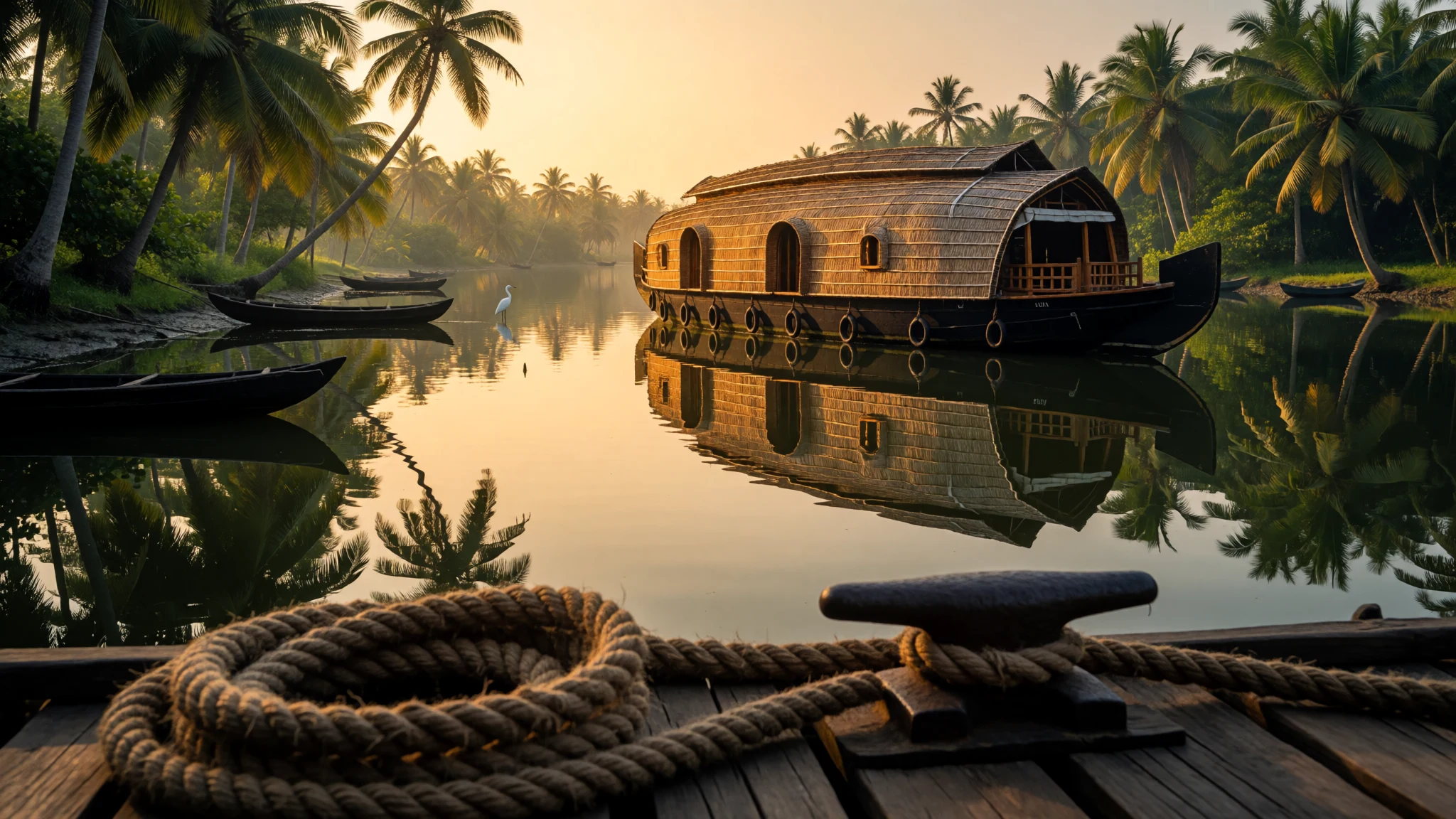
Experience the serene rhythm of India's backwaters, where traditional houseboats glide through emerald canals and paddy fields bloom below sea level.
The place
Alappuzha, often called Alleppey, is a coastal town in Kerala where the land and water blur into one. It sits on the Laccadive Sea and is defined by a complex network of lagoons, rivers, and canals that weave through the landscape. The town is a primary gateway to the backwaters, a region of immense natural beauty and ecological importance. The geography is largely a sandy strip, interrupted by fresh water and brackish lagoons, making it a haven for migrant birds like cormorants and ducks.
Life here moves at a slower pace, dictated by the tides and the monsoon. One of the most striking features is the Kuttanad region, known as the rice bowl of Kerala. It is a rare place globally where farming is conducted below sea level, creating a surreal landscape of floating greenery and shimmering water. The town itself remains a hub for the coir industry, processing coconut husks into fibre and mats, a trade that has sustained the local economy for generations. While the centre can be busy with markets and tourists, the surrounding waterways offer a profound silence, broken only by the dip of an oar. The air is humid and heavy with the scent of salt and damp earth, and the landscape is dominated by the towering presence of coconut palms that line every bank.
Its story
Alappuzha has long been a crossroads of trade and faith. Mentioned in the 1st century AD by Pliny the Elder, it served as a vital link for the spice trade, attracting Dutch and Portuguese merchants who built warehouses for pepper and ginger. The town's infrastructure was significantly shaped under Raja Kesavadas, who commissioned the canals that now define the city's layout. Over time, the British influence grew, though the town's status as a primary commercial hub eventually declined.
The spiritual history of Alappuzha is equally layered. Christianity established a presence here very early, with traditions linking the area to St Thomas. The Portuguese later solidified this influence, leaving behind architectural legacies like St Andrew's Basilica. Simultaneously, the region flourished under the Chera Empire, leaving a mark on the local temples and martial arts traditions. Local lore speaks of Lord Ayyappa learning martial arts at a Kalari in the district, adding a layer of myth to the physical landscape. From the ancient Sangam era to the era of the Travancore kings, the town has evolved from a strategic port to a tranquil sanctuary, always remaining dependent on the water that both sustains its agriculture and connects it to the wider world.
What to see
- Kuttanad — Kuttanad region
The 'granary of Kerala', this region is famous for its unique below-sea-level farming. Visitors can see vast expanses of paddy fields interspersed with narrow canals, offering a glimpse into the agricultural ingenuity of the region.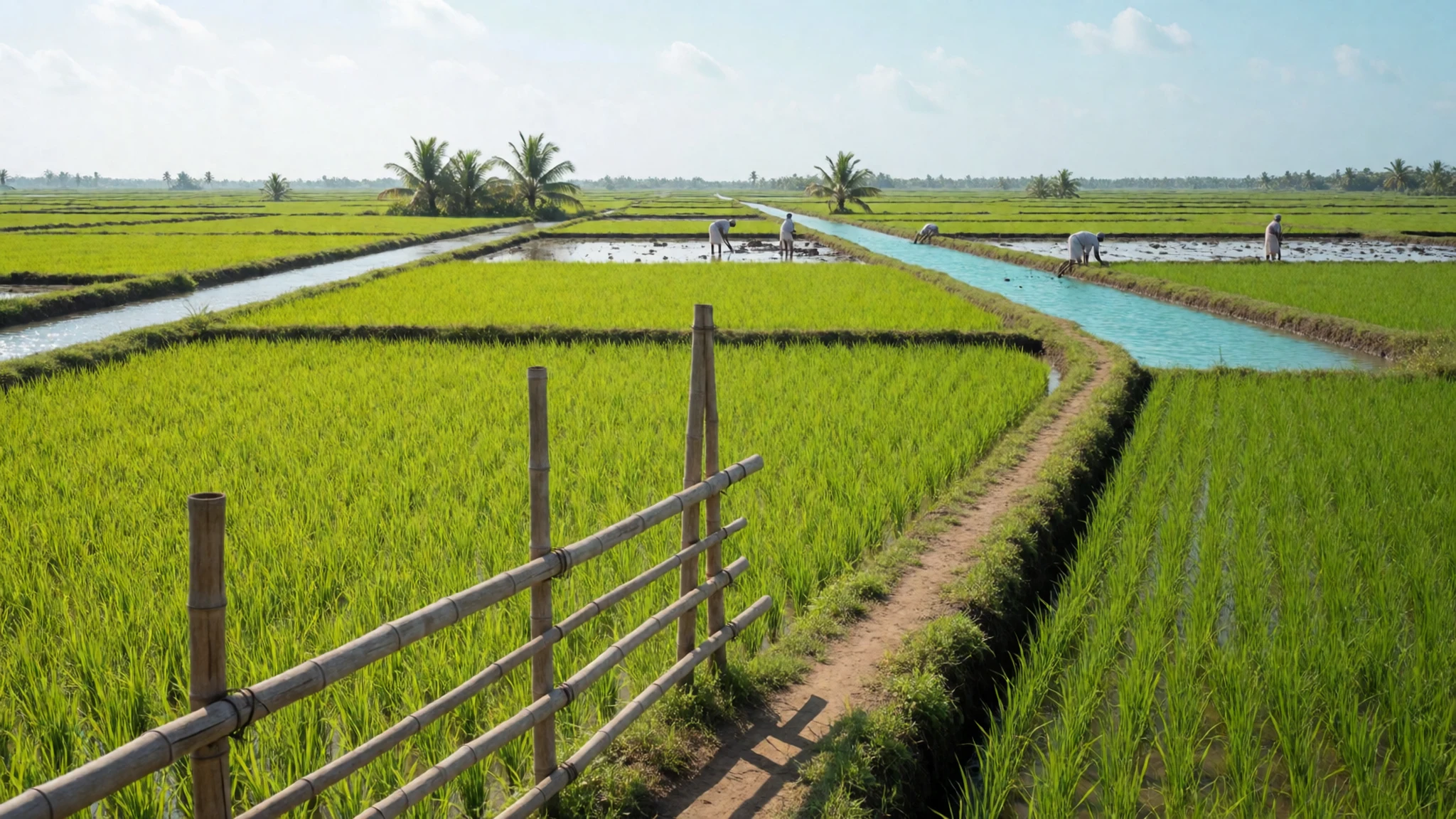
- Alappuzha Beach — Coastal edge
A long stretch of sandy coast on the Laccadive Sea. It is a popular spot for evening walks and watching the local fishing community work, especially during the post-monsoon 'Chakara' when fish and prawns are abundant.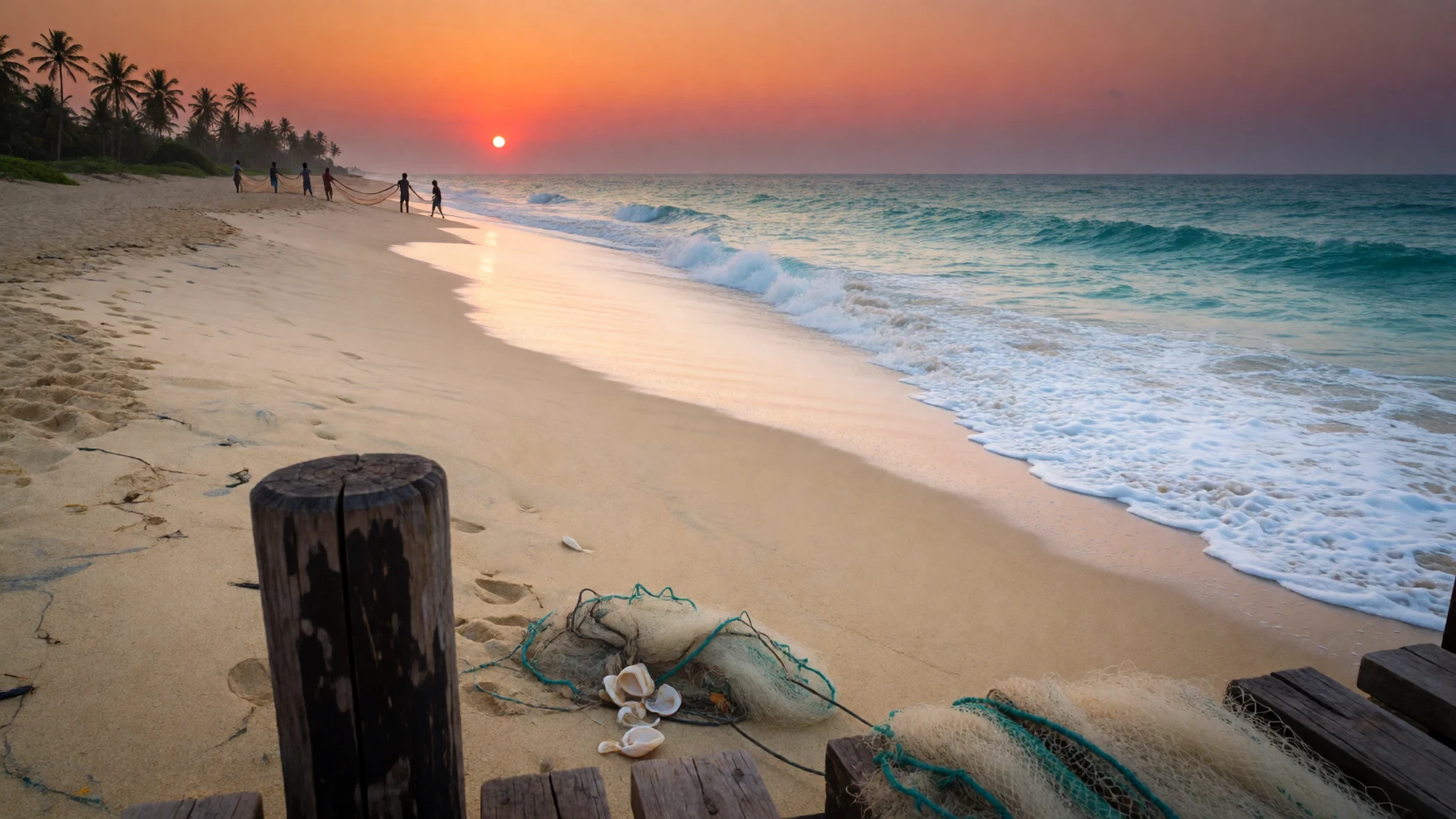
- Backwater Canals — Town waterways
The network of National Waterway 3 provides the quintessential Alappuzha experience. Navigating these canals by boat reveals village life, coir making, and the dense palm groves that characterise the Kerala landscape.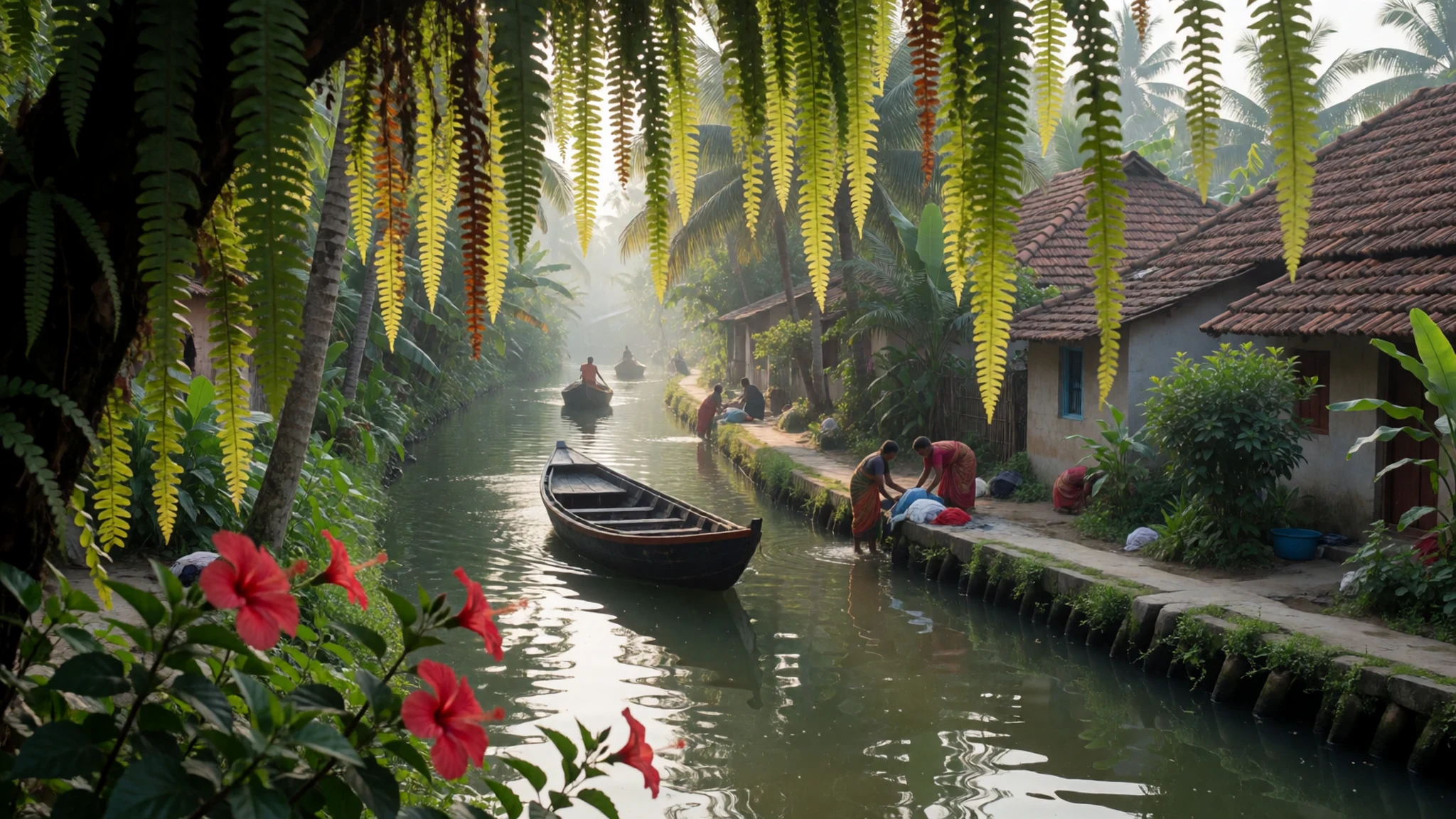
- St Andrew's Basilica — Town centre
A historic church reflecting the Portuguese influence in the region. Its architecture and presence serve as a testament to the early spread of Catholicism in South India and the town's colonial past.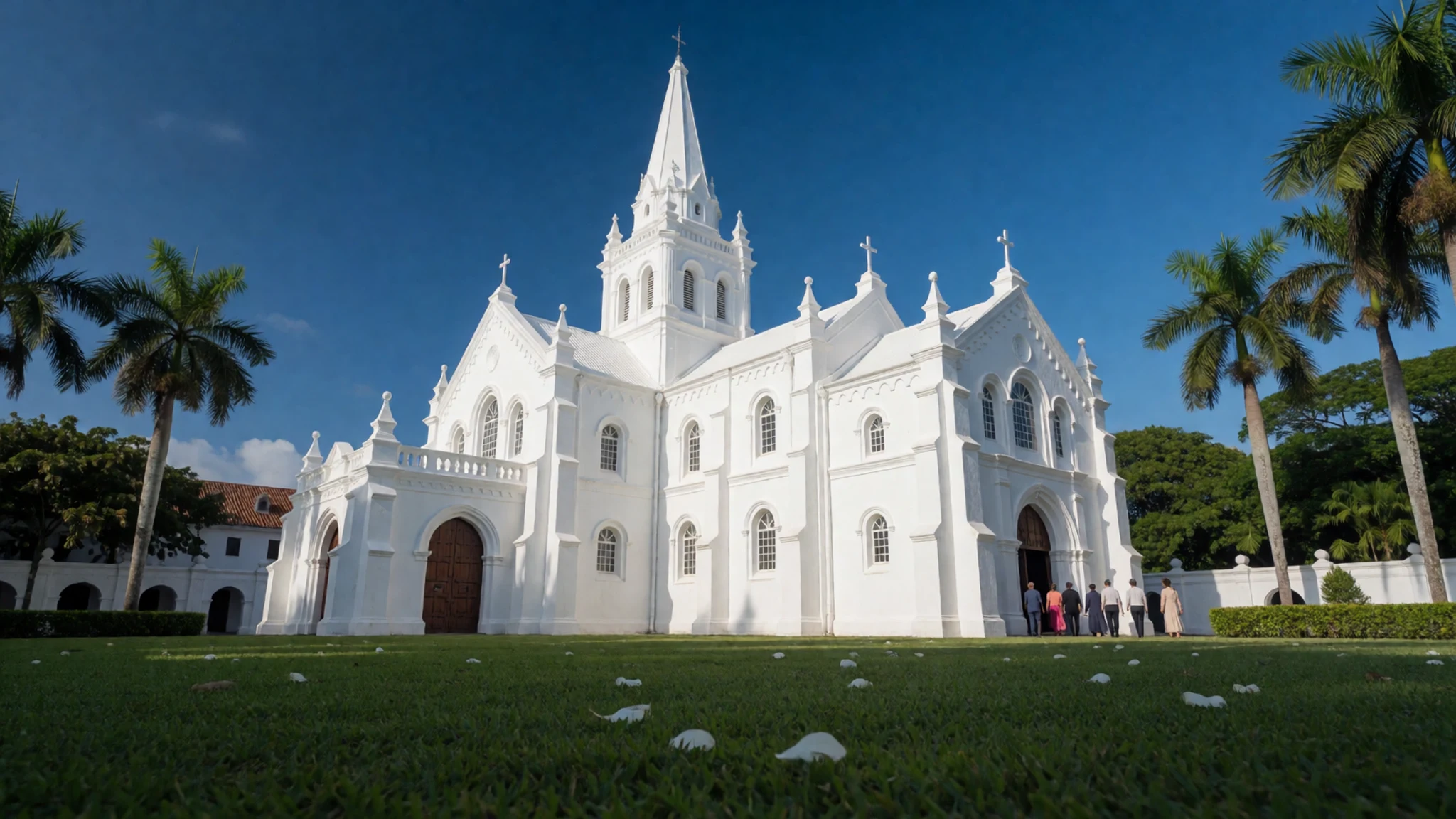
- Coir Manufacturing Units — Various riverside workshops
Witness the traditional process of extracting fibre from coconut husks. These small-scale industries are the backbone of the local economy and showcase the town's enduring craft heritage.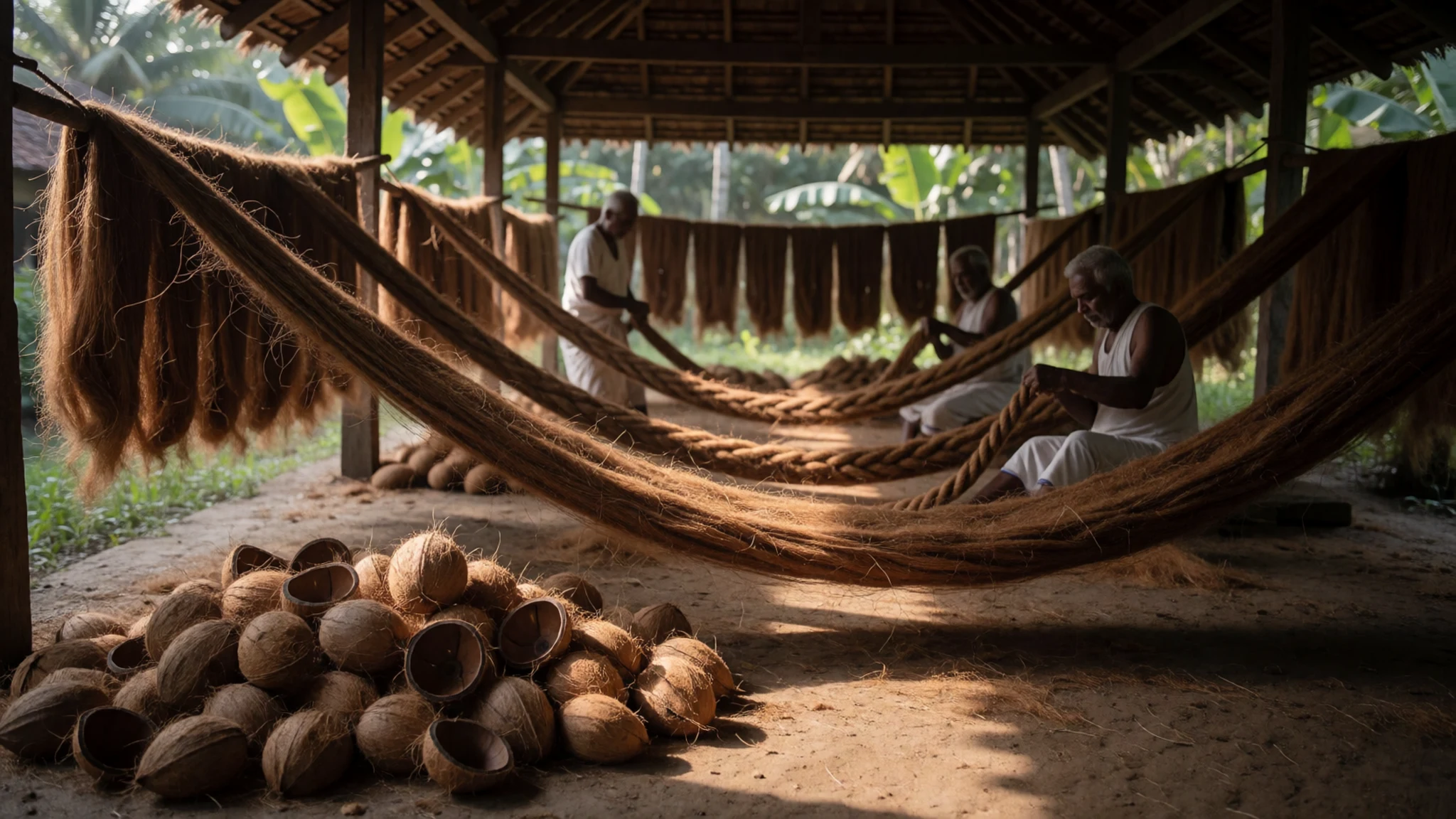
Culture
Culture in Alappuzha is deeply intertwined with the rhythm of the water and the coconut tree. The community is known for its warmth and a relaxed approach to time. A highlight of the local calendar is the Onam festival, during which the town becomes a focal point for the Nehru Trophy Boat Race. These races are a spectacle of strength and synchronisation, featuring massive 'snake boats' manned by dozens of rowers. The local identity is also shaped by a history of religious plurality, where Hindu temples, Christian churches, and mosques coexist closely.
The coir industry is not just a business but a cultural marker, with many families having worked the husks for generations. There is a strong pride in the agrarian lifestyle of Kuttanad, where the struggle against the water's edge has fostered a resilient and resourceful community. When visiting, remember that modesty is valued, and dressing conservatively helps you blend in. Please ensure you dress modestly and cover your shoulders when visiting local temples and churches.
What to wear
Traditional dress in Alappuzha is defined by the lightweight, breathable fabrics needed for the humid tropical climate. The Mundu, a white cotton garment wrapped around the waist, is the standard attire for men. For women, the Kerala Saree, characterised by its off-white colour and gold border (Kasavu), is worn for special occasions and festivals. These textiles are chosen for their ability to keep the wearer cool in the intense Kerala heat.
In daily life, modern clothing is common; men often wear shirts with mundus or trousers, while women wear salwar kameez or sarees. For visitors, the key is comfort and modesty. Loose-fitting cotton clothing is essential to handle the humidity. When visiting religious sites, both men and women should ensure their shoulders and knees are covered. Footwear should be practical; sturdy sandals are best for the sandy soil and damp walkways, and you should be prepared to remove your shoes frequently before entering homes or places of worship.
What to eat
- Karimeen Pollichathu — Houseboats and riverside eateries
Pearl spot fish marinated in spices, wrapped in a banana leaf, and grilled. It is a backwater speciality best found in houseboat kitchens.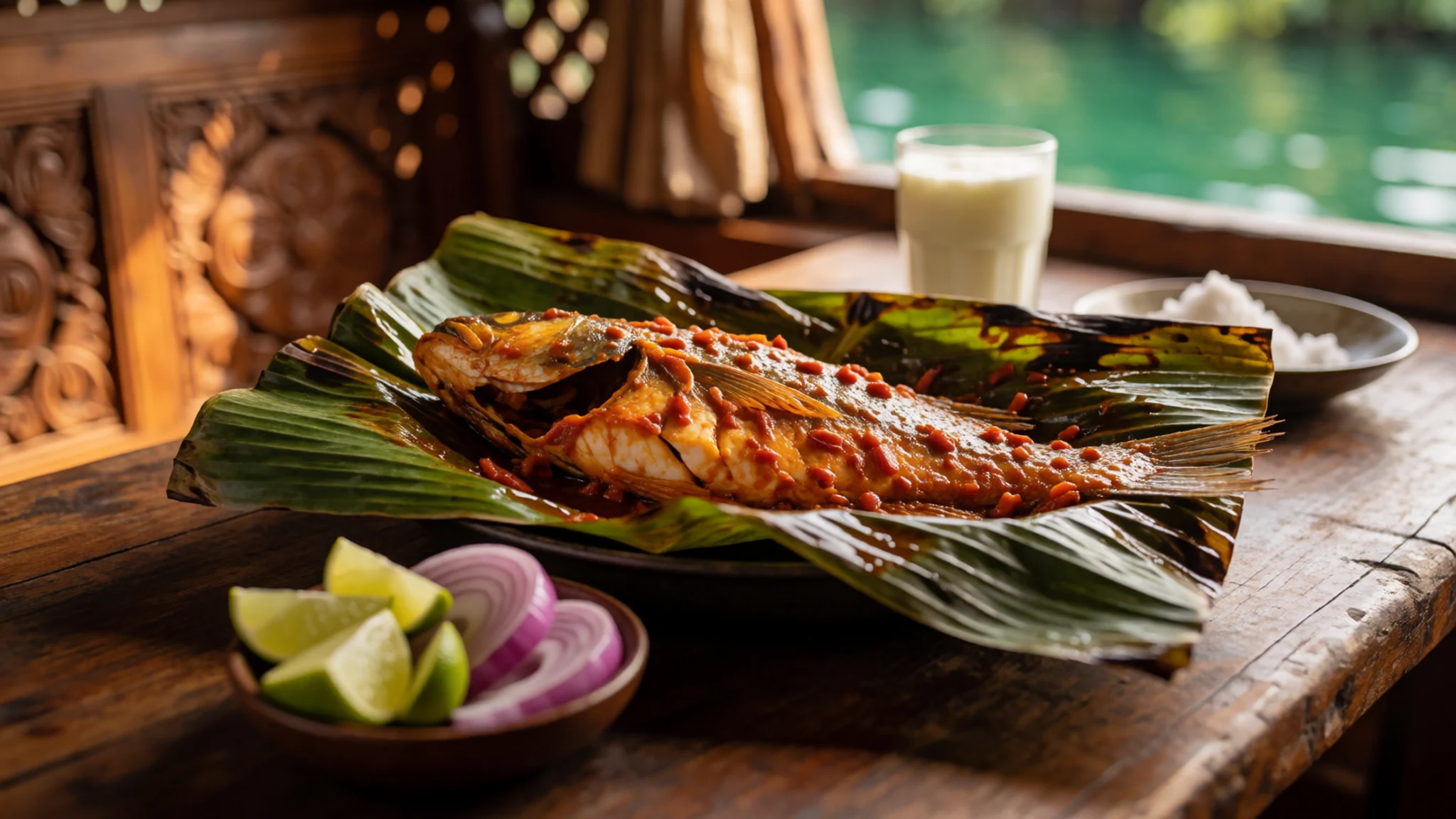
- Kerala Prawn Curry — Local seafood restaurants
Fresh prawns cooked in a tangy coconut-based gravy with tamarind and curry leaves. Found throughout the town's seafood restaurants.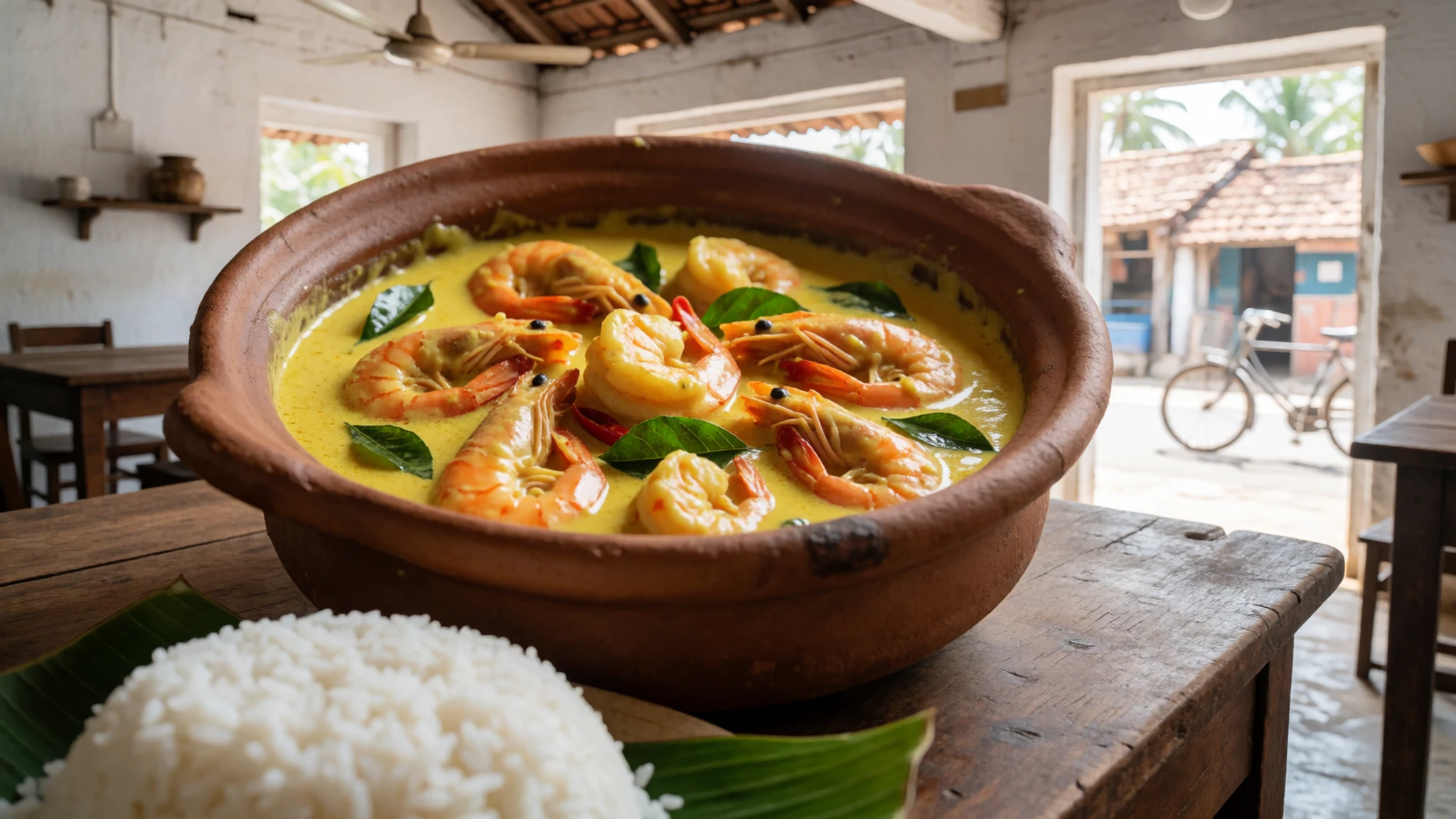
- Appam with Stew — Morning eateries and homestays
Lacy, fermented rice pancakes served with a creamy coconut milk vegetable or chicken stew, typically enjoyed for breakfast. - Toddy — Local toddy shops
A potent, fermented coconut sap drink. It is usually paired with spicy accompaniment like fish fry or beef ullukkari. - Puttu and Kadala Curry — Street food stalls
Steamed rice flour cylinders with coconut, served with a spicy black chickpea curry. A staple breakfast found at street stalls.
Plan it
Best time. December to February is ideal, as the weather is coolest and driest. The monsoon months from June to September bring the heaviest rain which, while lush, can make travel difficult.
How long. 2–3
Getting there. Fly into Cochin International Airport (COK), then take a taxi or train to Alappuzha (about 78 km). Local trains from Kochi are a frequent and affordable option.
Budget. mid
Tips
- Book houseboats in advance during the peak winter season
- Carry insect repellent for the backwaters
- Start your canal tours early in the morning to avoid the midday heat
- Keep cash for small vendors and coir workshops
- Use a guide to better understand the Kuttanad farming system
Etiquette
- Remove shoes before entering any home or temple
- Dress modestly, especially when visiting rural villages
- Avoid using plastic bottles near the fragile backwater ecosystems
Sources
- Wikidata Q585026 (CC0)
- Wikipedia (CC BY-SA 4.0)
- Wikivoyage (CC BY-SA 4.0)
Wildlife
- Duck (bird)
The mallard is the classic wild duck, a sociable paddler that likes to gather in flocks. Ducks of this kind are among the migrants sheltering in Alappuzha's freshwater and brackish lagoons, though I cannot say exactly where or when. Elsewhere it lives in wetlands, eating plants that grow in water and little creatures. Watch quietly from a distance, ideally with a guide, and never feed it.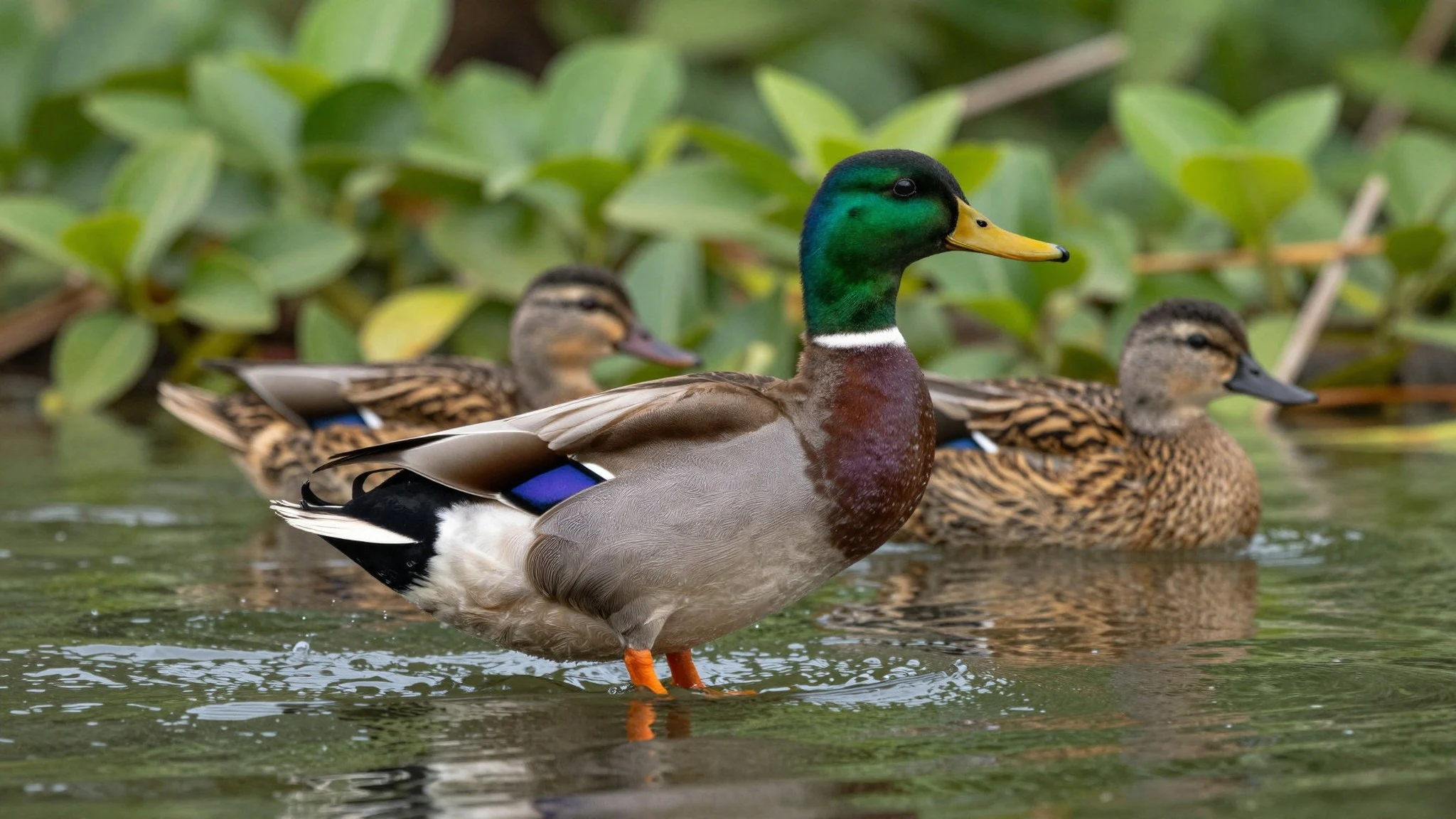
- Cormorant (animal)
Picture a big waterbird with a different name in every country: the great cormorant, a seabird found across much of the world. Around Alappuzha it arrives as a migrant, drawn to the lagoons of fresh and brackish water along the sandy coast. The notes do not say when or at what time of day, so a local guide is your best help. Stay well back, be quiet, and never feed it. - Cormorant (bird)
Picture a big waterbird with a different name in every country: the great cormorant, a seabird found across much of the world. Around Alappuzha it arrives as a migrant, drawn to the lagoons of fresh and brackish water along the sandy coast. The notes do not say when or at what time of day, so a local guide is your best help. Stay well back, be quiet, and never feed it.