Varanasi
Varanasi, India
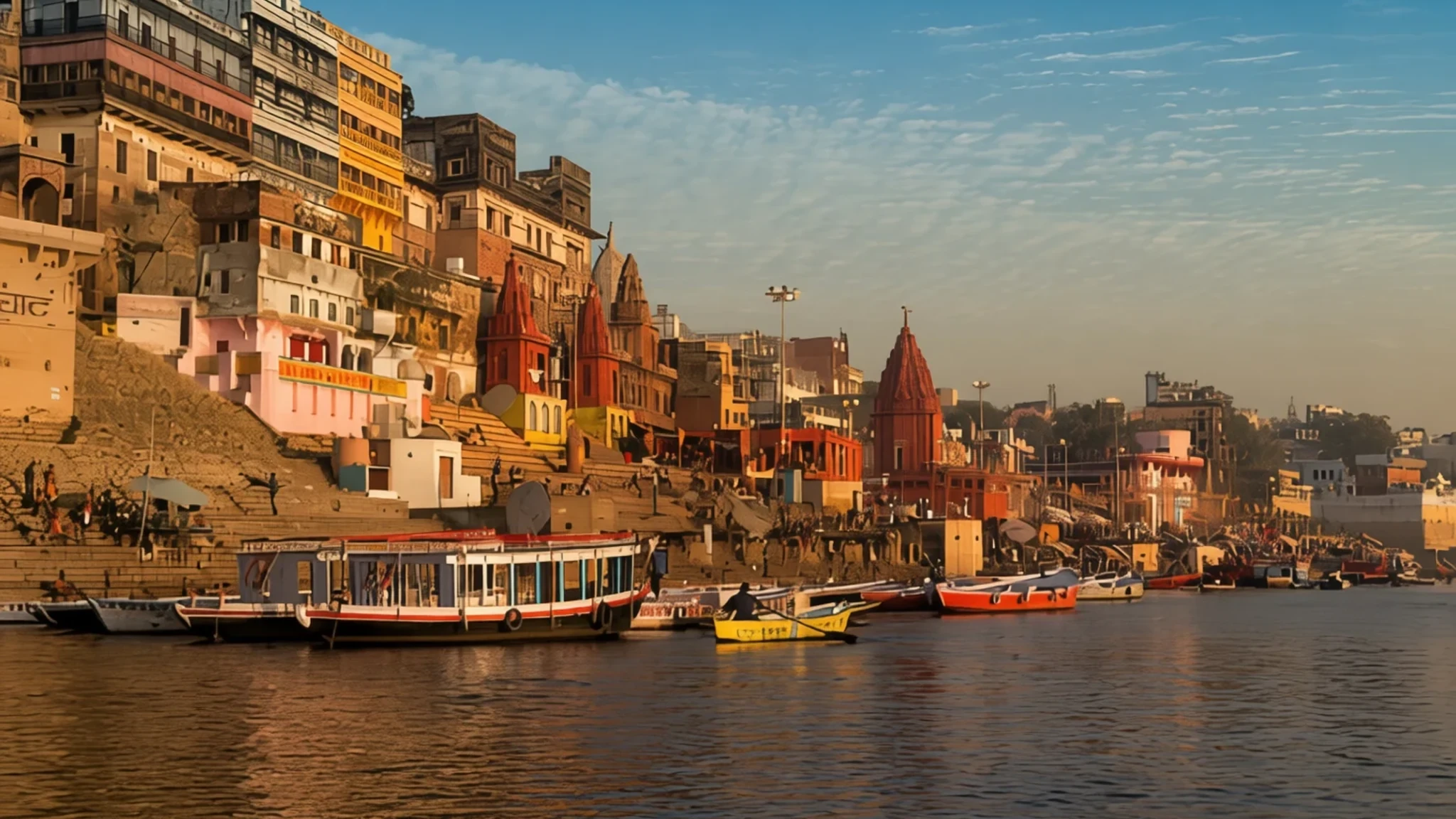
Varanasi offers an unfiltered encounter with India's ancient river rituals, labyrinthine alleys, and centuries-old textile traditions along the sacred Ganges.
The place
Varanasi occupies a primary position in Hindu traditions of pilgrimage, transition, and mourning. Situated on the left bank of the great river in northern India, this urban settlement sits within the alluvial plains of the region. It lies about 121 km downstream of Prayagraj, where the Yamuna joins the Ganges at a major pilgrimage confluence, and serves as a vital focal point for spiritual journeys. The community is anchored by tiers of stone steps leading directly down to the water, where daily rites, ablutions, and memorials take place continuously from dawn until late into the evening hours.
The layout is defined by a maze of narrow pedestrian pathways, known locally as gully lanes, which wind between ancient brick buildings, shrines, and small courtyards. Vehicles cannot penetrate these tight residential quarters, leaving the paths to pedestrians, bicycles, and roaming cattle. Alongside its religious significance, the settlement has long maintained a reputation for master craftsmanship. Artisans produce intricate silk textiles, hand-knotted carpets, and brassware, working in workshops handed down through generations. The sound of ringing temple bells, the chanting of priests, and the scent of burning wood mingle constantly in the humid air, creating an intense sensory environment that has drawn seekers, poets, and travellers for millennia.
Its story
According to traditional narratives recorded in sacred texts, Varanasi was established directly by Shiva, one of the principal deities in the Hindu pantheon. Legend tells that during a cosmic dispute, Shiva severed one of Brahma's heads and carried it with him as a penance for his actions. When he finally reached the soil of this sacred settlement, the attached head slipped from his hand and vanished into the earth, sanctifying the ground permanently and marking the site as a liberation point from the cycle of rebirth.
Historical records place the origins of the community deep in antiquity, making it one of the longest continually occupied urban centres on earth. In the early periods, it served as the capital of a prominent regional kingdom before emerging as a major intellectual hub for philosophy, art, and religion. In the fifth century BCE, nearby Sarnath witnessed early philosophical discourses that shaped eastern thought. Later, during the medieval period, the region became a crucible for the Bhakti movement, nurturing influential poet-saints whose vernacular compositions transformed Indian literature and spiritual expression. Successive empires—from ancient dynasties to Mughal rulers—left architectural and cultural layers across the urban fabric, blending sacred Hindu traditions with rich Islamic artisanal techniques that persist in local workshops today.
What to see
- Dashashwamedh Ghat — Main riverfront
Serving as the primary riverfront stone steps of the city, this location draws huge evening crowds for the elaborate daily prayer ceremony. Priests line up with brass lamps, incense, and bells, performing synchronized choreography while crowds gather on boats and steps to watch the spectacle.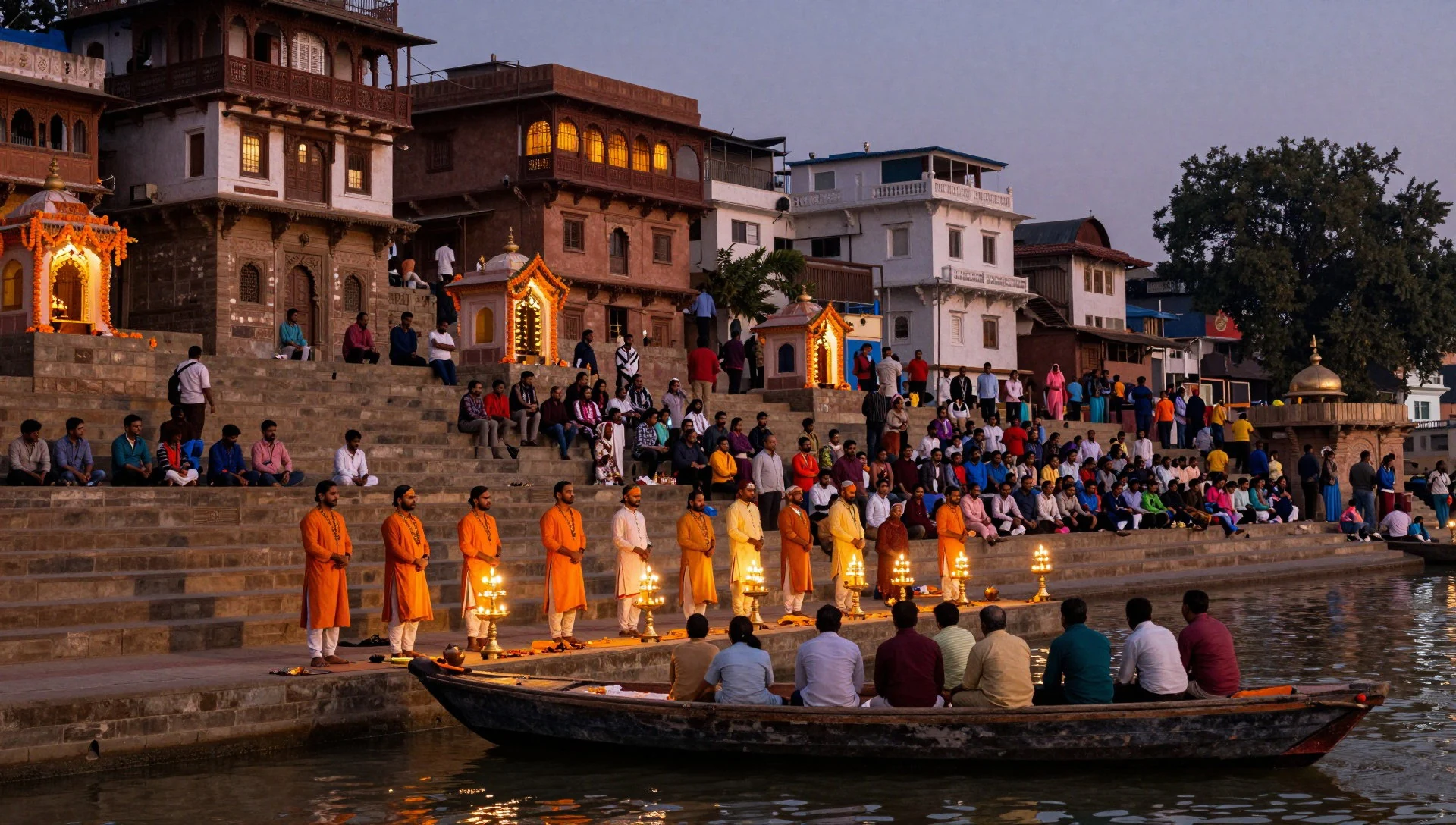
- Manikarnika Ghat — Central riverfront
This primary riverside cremation ground operates continuously day and night, embodying core philosophical concepts of destruction and renewal. Fires burn constantly as families perform final rites for their departed loved ones, creating an intense, solemn atmosphere for visitors to observe respectfully from a distance.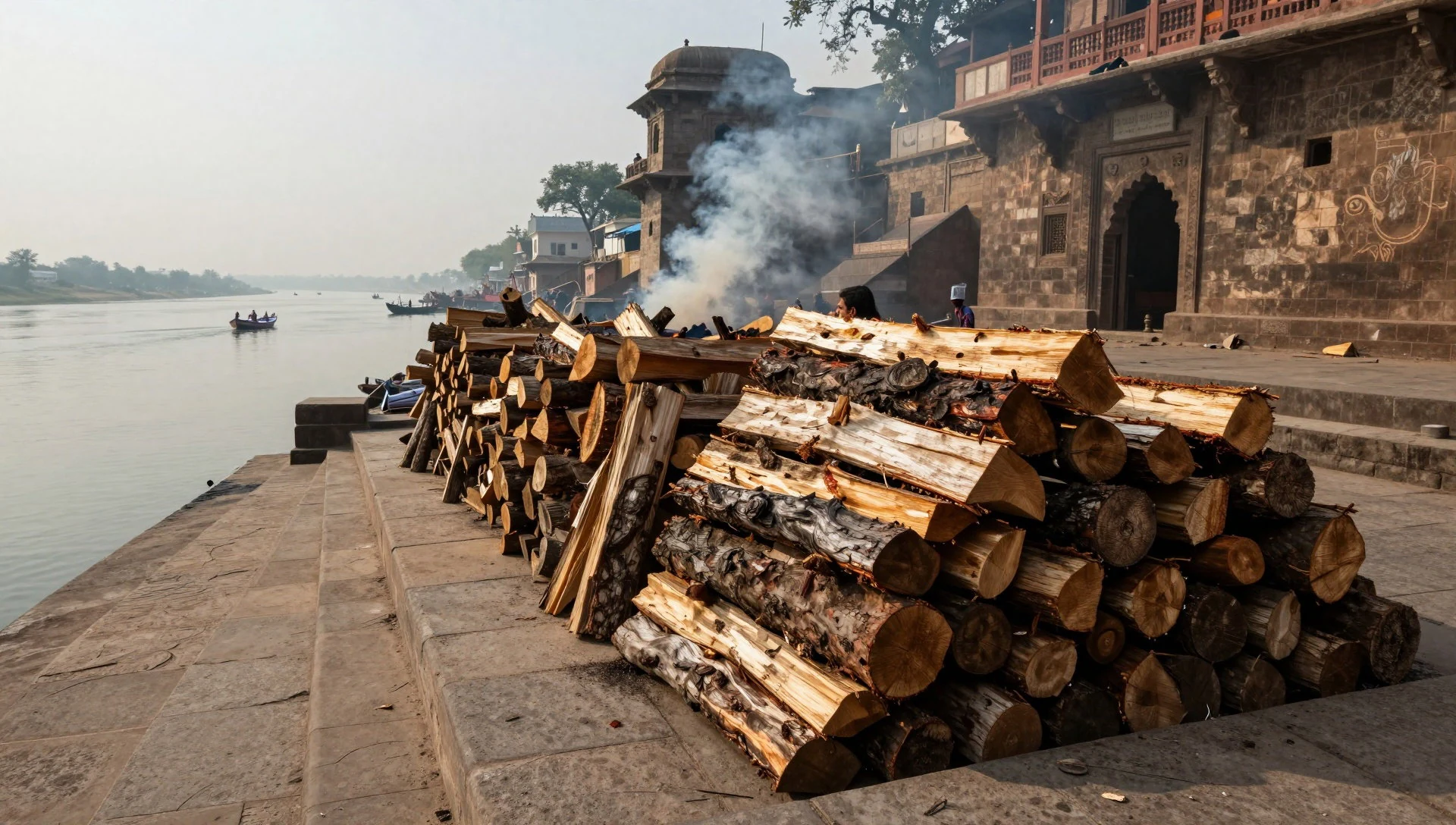
- Panchganga Ghat — Northern riverfront
Marking an ancient convergence point of historical water channels, this riverside tier features stone steps rising to significant shrines and old residences. A massive stone pillar stands near the water, historically used to hold lanterns to guide travellers navigating the river network during dark nights.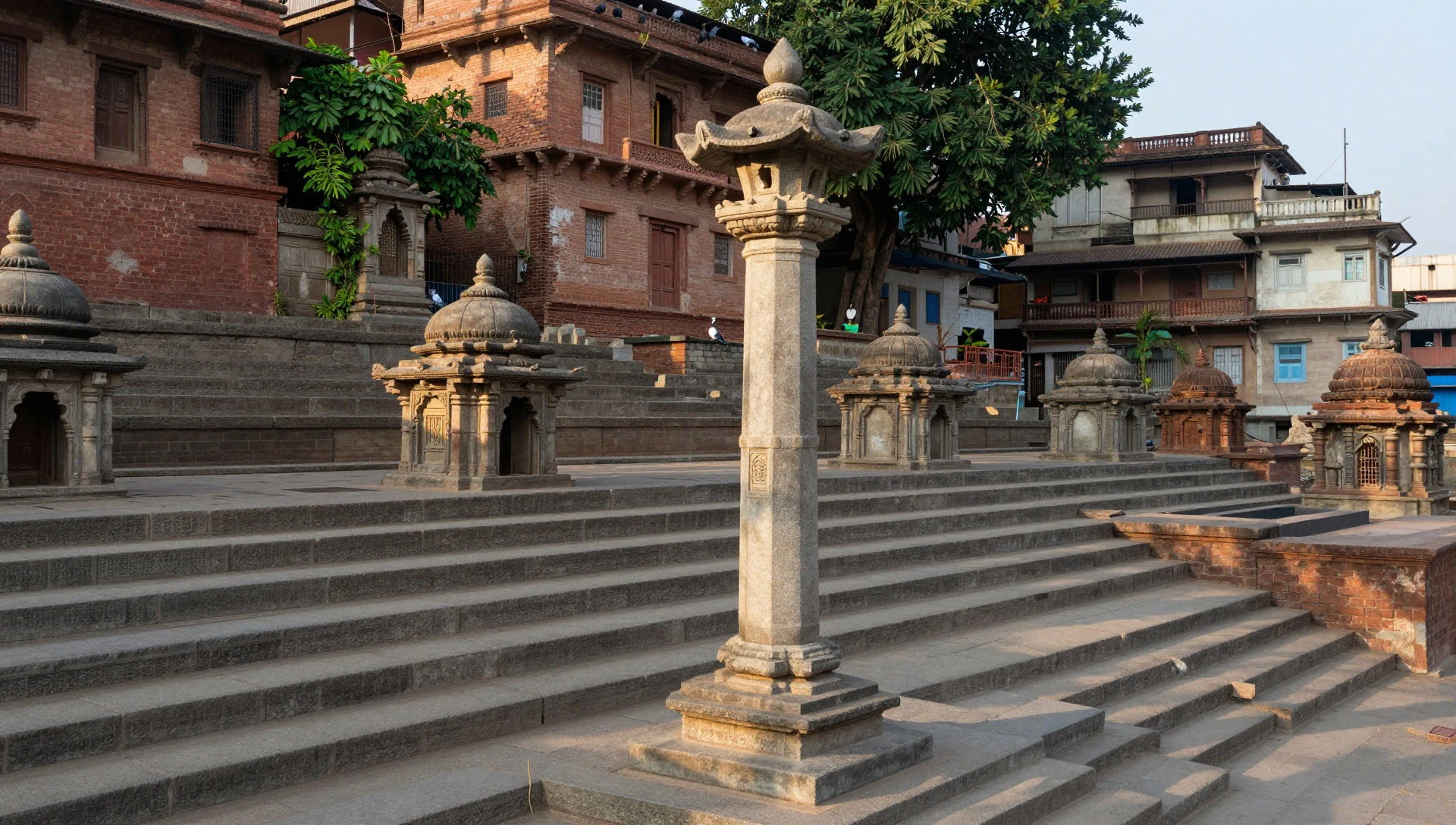
- Jantar Mantar — Man Mandir Ghat rooftop
Built in the eighteenth century atop the rooftop of Man Mandir Ghat, this historic observatory houses massive masonry instruments designed to track celestial bodies, measure time, and calculate planetary movements with remarkable precision using ancient mathematical formulas and architectural alignment.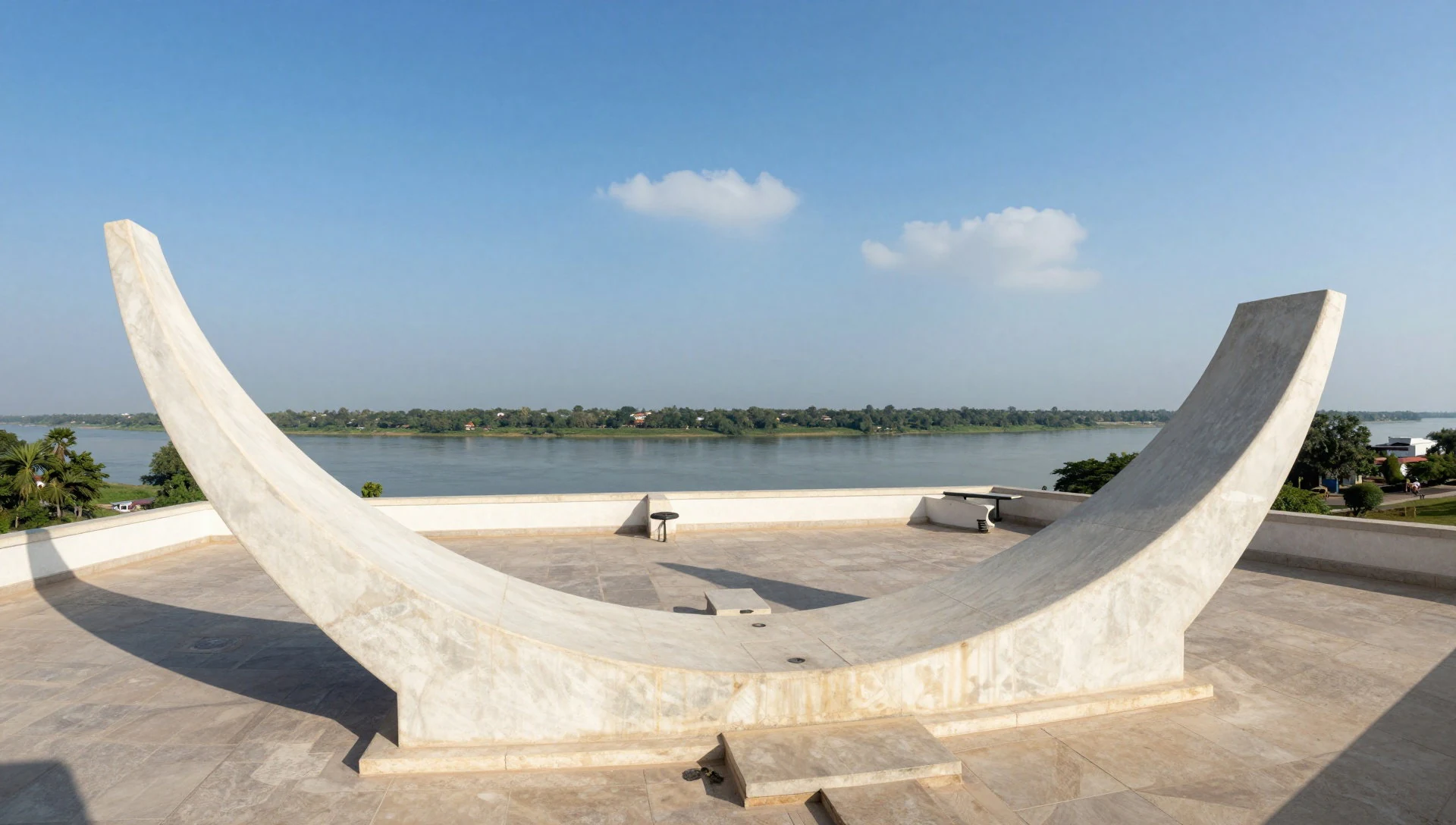
- Rajghat — Northern sector near bridge
Situated at the northern edge of the historic settlement near the bridge crossing, this significant archaeological site yielded ancient brick structures and artifacts dating back centuries before the common era during excavations conducted when railway lines were expanded through the area.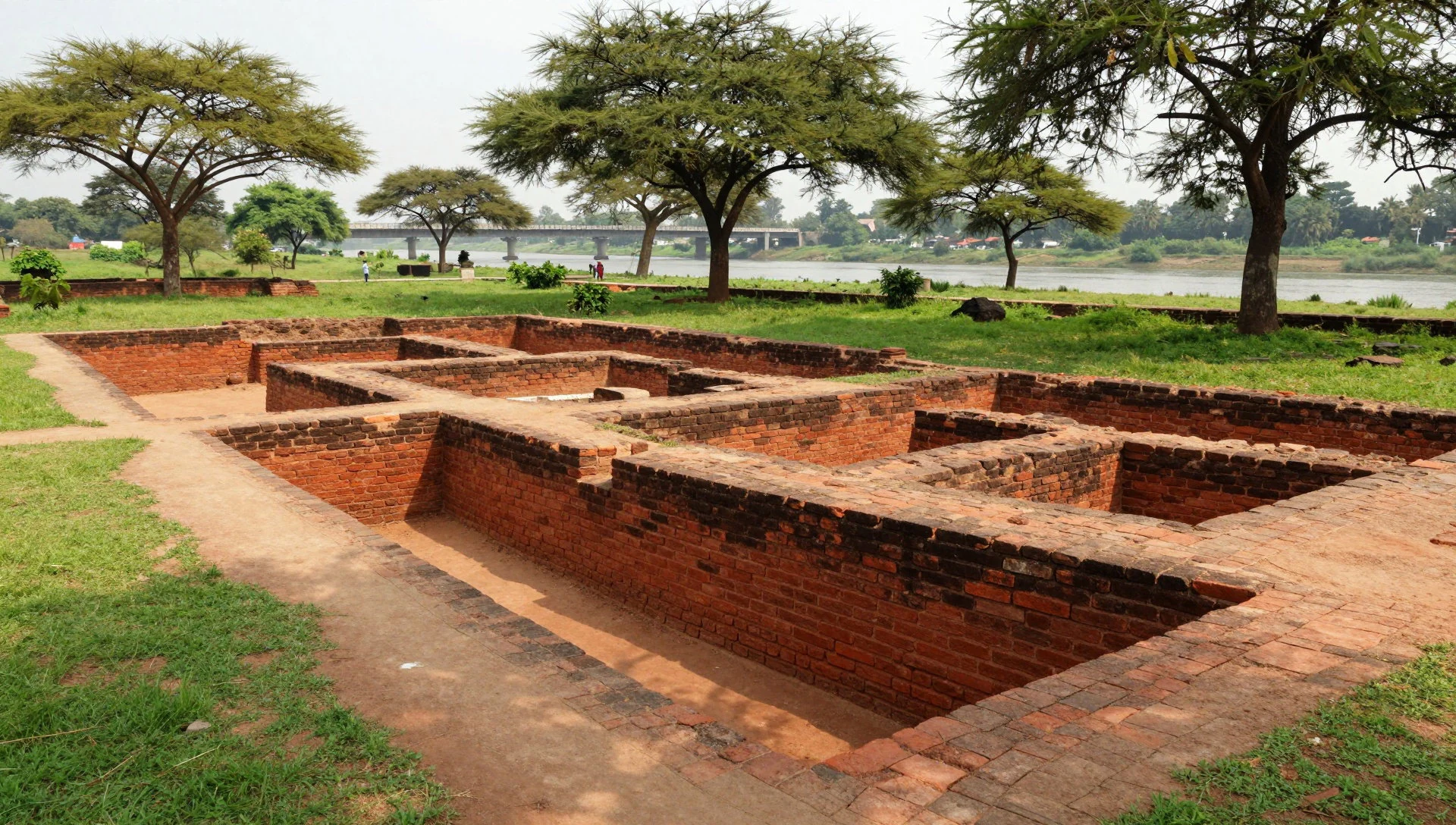
Culture
The social fabric of the settlement is woven around spiritual devotion, classical music, and traditional craftsmanship. Generations of families have preserved lineages of silk weaving, metalworking, and Sanskrit scholarship within the ancient residential quarters. Literary traditions run deep, nurtured by poets and philosophers who found inspiration along the riverbanks. Daily life follows rhythms dictated by temple bells and seasonal festivals, where music and religious observances merge seamlessly. Artisans and traders maintain close-knit community bonds rooted in neighbourhood guilds and family workshops. Visitors will notice an openness to philosophical discussion alongside strict adherence to age-old rituals. Always remove your shoes before entering any temple courtyard or sacred shrine space.
What to wear
Traditional attire across the city reflects both practicality and textile heritage. Local men often wear loose cotton kurtas paired with pyjamas or dhotis, while women traditionally wear sarees, particularly the renowned local silk creations woven with intricate zari threadwork. These master-crafted garments can take weeks or even months to produce on wooden handlooms tucked away in residential alleys. In contemporary daily life, younger generations and urban residents increasingly opt for casual Western clothing such as jeans and shirts, though traditional garments remain standard for religious ceremonies, weddings, and formal occasions. For travellers, dressing modestly is essential out of respect for local customs. Both men and women should wear loose-fitting clothing that covers shoulders and knees, particularly when exploring temple areas or walking along the riverfront stone steps. Slip-on footwear that can be removed quickly is highly practical for navigating sacred sites.
What to eat
- Banarasi Paan — Street corner stalls throughout the old city alleys
A traditional digestive preparation made from betel leaves wrapped around slaked lime, areca nut, sweet preserves, and aromatic spices, chewed after meals across the lanes.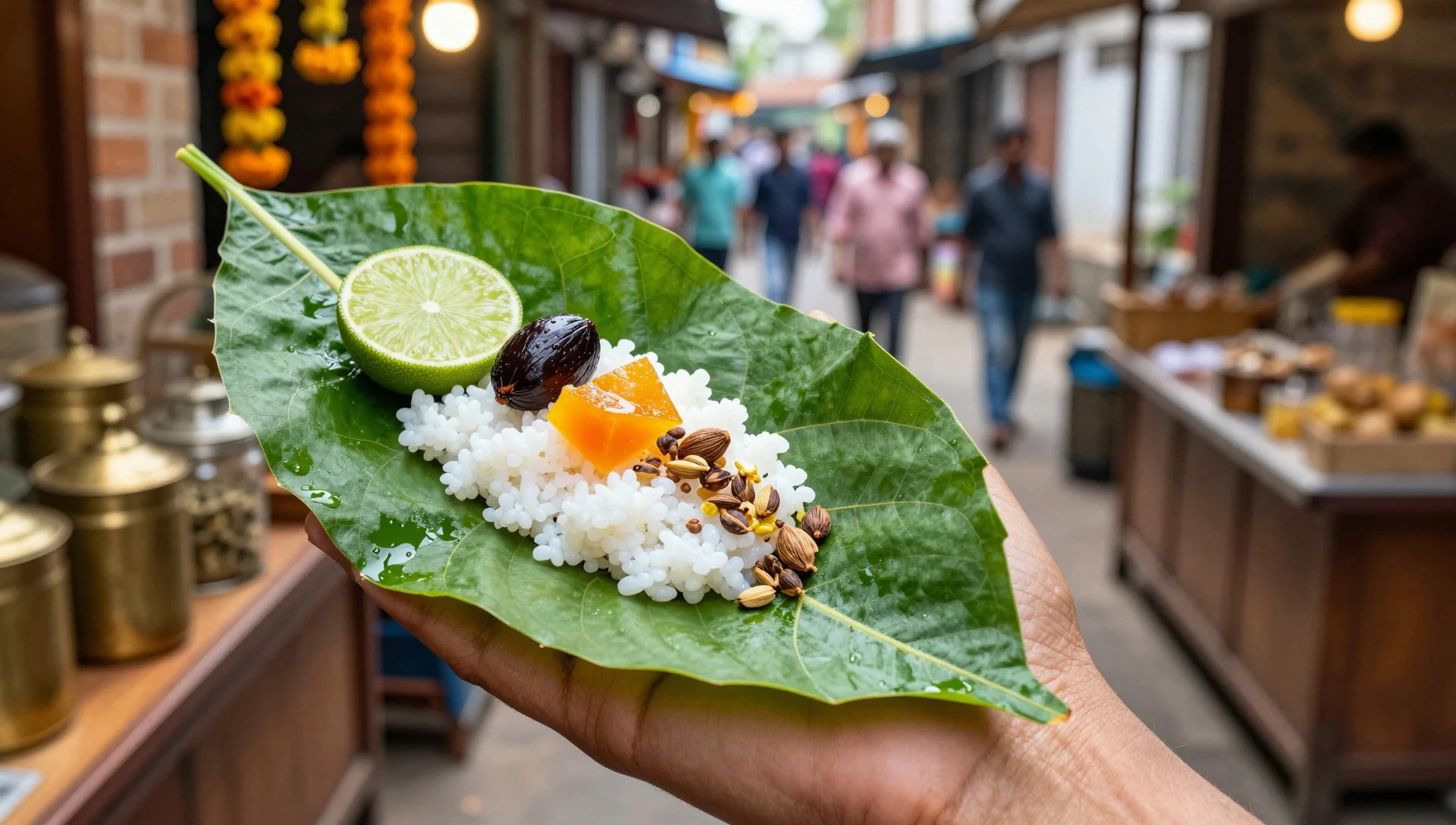
- Kachori Jalebi — Traditional breakfast shops in the Chowk and Godowlia markets
A classic morning combination featuring spiced lentil-stuffed deep-fried bread served with potato curry, paired alongside freshly fried coiled sweets dipped in warm sugar syrup.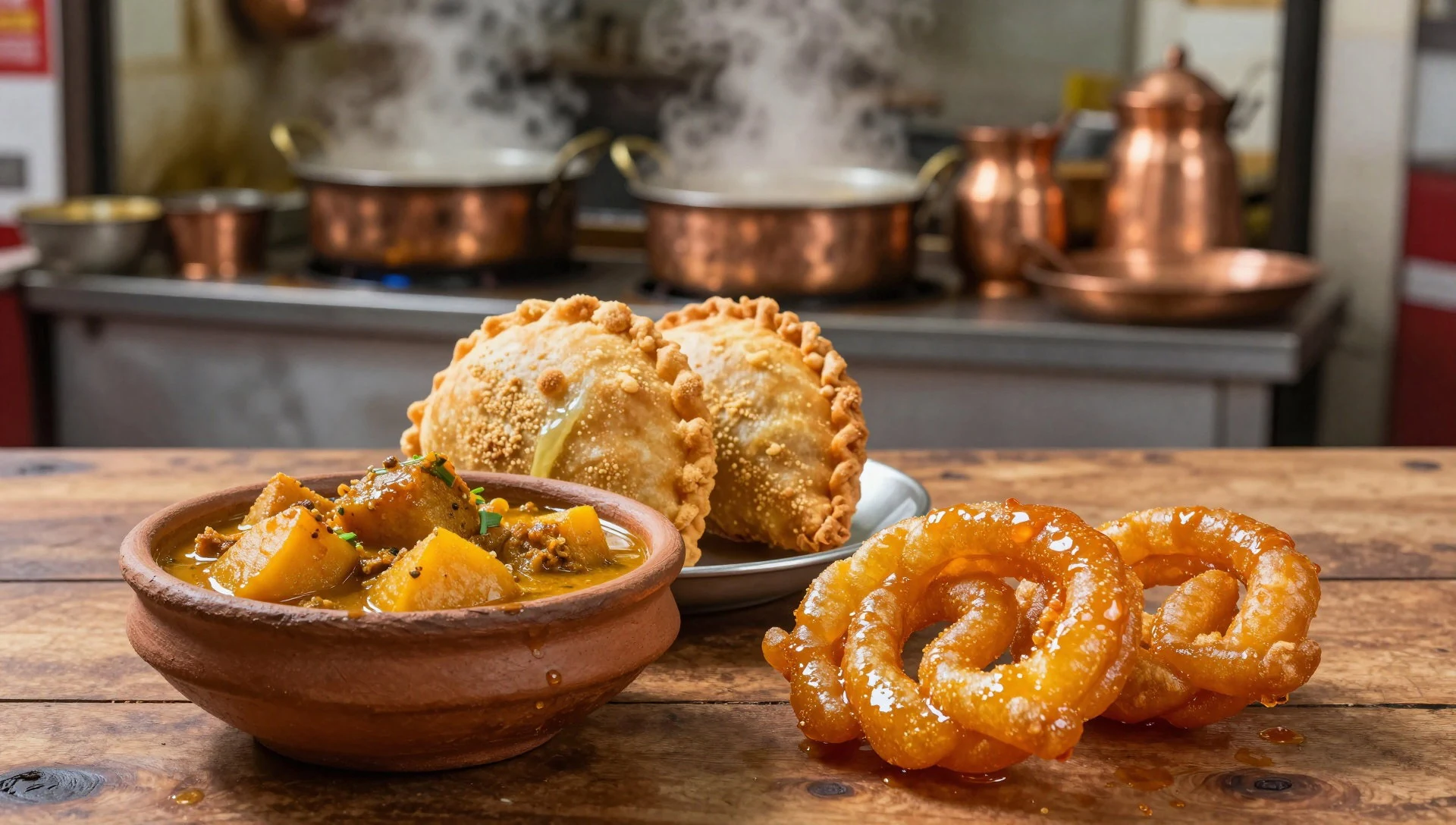
- Tamatar Chaat — Local snack stalls around Thatheri Bazaar
A savoury street snack made from mashed potatoes, tomatoes, green chillies, ginger, and indigenous spices, cooked on a hot iron griddle and served hot in earthenware bowls. - Malaiyyo — Morning food stalls in the narrow lanes of Kachori Gali
A delicate winter morning sweet made from heavily churned frothy milk infused with saffron, cardamom, and pistachio flakes, served light as air before the morning sun melts it. - Thandai — Specialist drink shops near Godowlia Crossing
A cooling milk beverage blended with almonds, poppy seeds, fennel, rose petals, and peppercorns, sometimes enriched with regional hemp paste during festive seasons.
Plan it
Best time. November to February offers the most comfortable days, with pleasant daytime temperatures and cool evenings, whereas April to June bring intense heat, and the monsoon rains, heaviest in July, arrive between July and October.
How long. 3–4
Getting there. Lal Bahadur Shastri International Airport connects to major Indian hubs, while extensive rail services arrive daily at Varanasi Junction, Pandit Deen Dayal Upadhyaya Junction, and Kashi station.
Budget. mid
Tips
- Explore the riverfront ghats and narrow alleys on foot during the early morning hours before crowds gather
- Carry cash in small denominations for boat rides, temple donations, and purchases in local markets
- Drink only bottled or filtered water and avoid raw salads from street vendors
- Hire an official or recommended local guide if you wish to navigate the complex labyrinth of inner alleys
Etiquette
- Remove your shoes before stepping into temples, shrines, and residential homes
- Refrain from taking photographs or recording video near cremation ghats out of respect for grieving families
- Dress modestly with covered shoulders and knees throughout the old city and religious sites
Nearby
Sources
- Wikidata Q79980 (CC0)
- Wikipedia (rev 1381967492) (CC-BY-SA 4.0)
- Wikivoyage (rev 5384246) (CC-BY-SA 4.0)