Agartala
Agartala, India
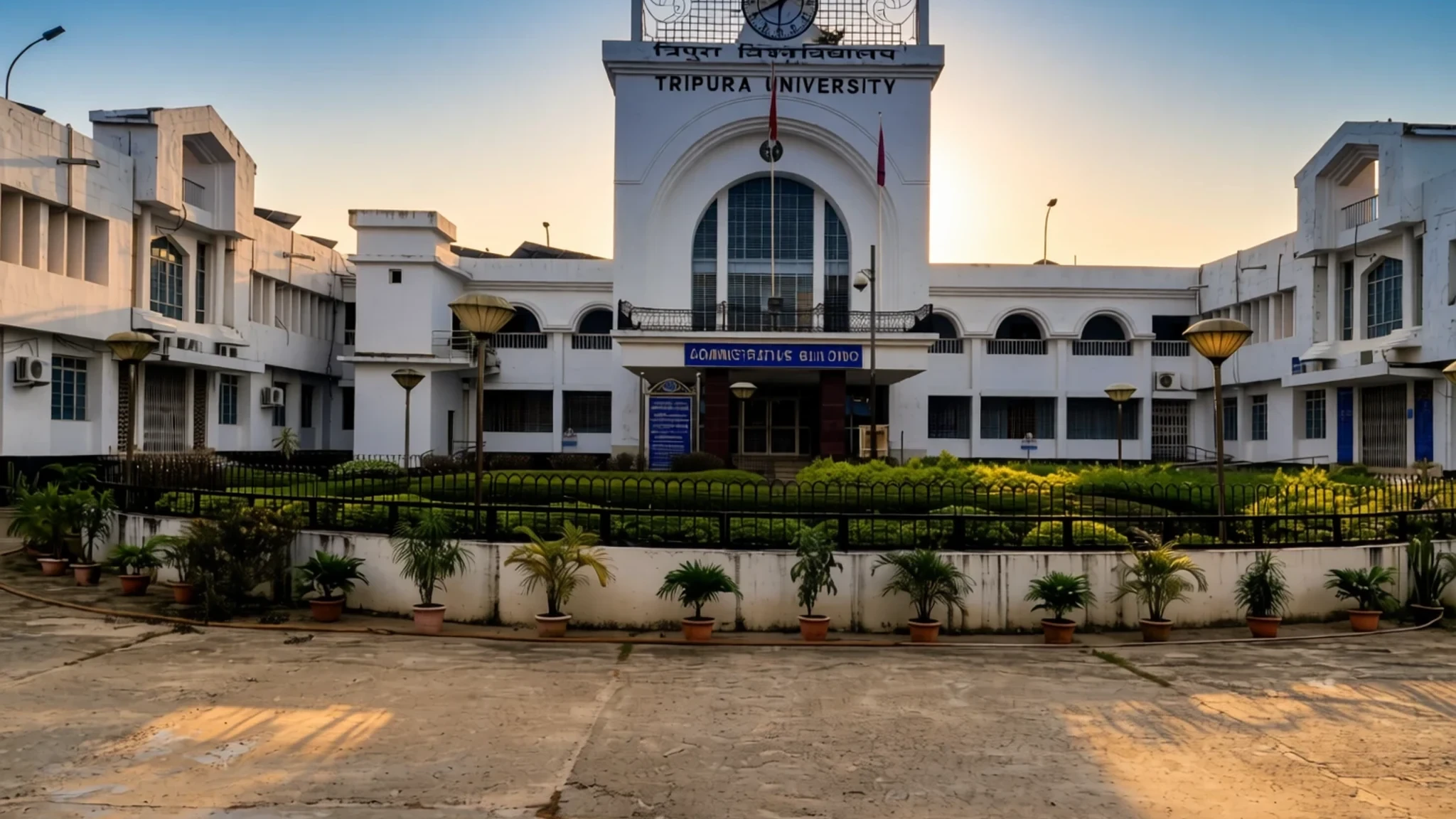
Agartala is a compact, easygoing border capital where a royal palace, Bengali and Tripuri traditions and a short hop to Bangladesh meet.
The place
Agartala is the capital of Tripura and its largest city, home to about 522,000 people. It sits on flat ground in the plain of the Haora river, at roughly 15 metres above sea level, and the border with Bangladesh lies only a couple of kilometres to the west. That closeness shapes daily life: trade, family ties, language and food all cross the line, and the city feels more Bengali than much of the surrounding hill country. It is a long way from Delhi, and the north-east's other big city, Guwahati, is the only one in the region with a larger population. The centre is easy to get around, with a palace, temples, a mosque, churches and busy markets all within a short ride of each other. Expect a modest, unhurried provincial capital rather than a monument-heavy tourist town. The climate is humid subtropical and driven by the monsoon. Summers are long, hot and wet, running from about April to October, and the river floods most years during the rains. Winter is short and mild, from mid-November to early March, with dry days and comfortable temperatures. Most visitors should come between September and February, when the heat and downpours ease. The city is also being upgraded under India's Smart Cities programme, so you will see building work and new construction as well as older streets. For the official municipal site, see agartalacity.nic.in.
Its story
Agartala's story is tied to the kingdom of Tripura, whose rulers, the Manikya dynasty, held power for centuries. Local tradition names kings reaching back into deep antiquity, and records speak of well over a hundred rulers, though no clean timeline survives. The old royal seat was at Rangamati, on the Gomati river in the south of the present state. In 1760 the court moved north to the Haora river, to a settlement called Haveli, which is now known as Old Agartala. The city as a planned capital dates from 1838, when Maharaja Krishna Kishore Manikya founded it; the facts for this reading give 1871 as the year the modern city is dated from, reflecting how the settlement grew in stages. The kingdom was never entirely free of outside pressure. It came under Mughal influence at one stage, and the British established their authority over the area in 1808, after which Tripura continued as a princely state. The last ruler was Kirit Bikram Kishore Manikya. That layered past still shows in the city's layout and buildings: Old Agartala and its temples lie by the river, while the later palace and the government quarter reflect the princely era and the modern state that followed.
What to see
- Ujjayanta Palace — Central Agartala
The former royal residence, completed around the turn of the twentieth century for Maharaja Radha Kishore Manikya. It is a two-storey building with three domes, the tallest about 86 feet, mixing several architectural styles. It now houses the Tripura State Museum, so check the official listing for opening days before going.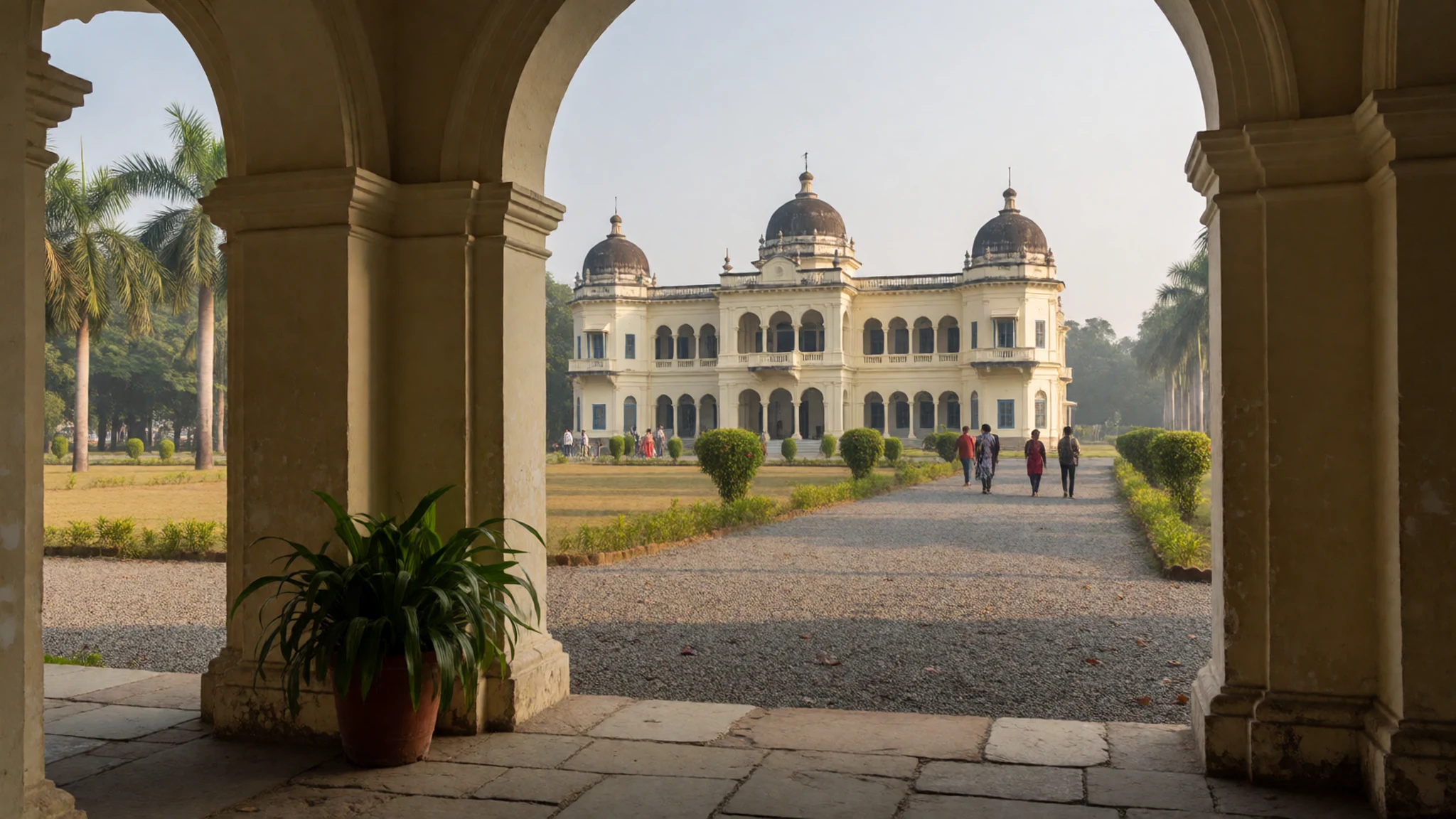
- Jagannath Temple — Central Agartala
A Hindu temple with an octagonal base and a covered circular walkway around the sanctum, which makes it as interesting for its architecture as for pilgrims. It is a calm place to watch local worship, particularly in the morning and at evening prayers.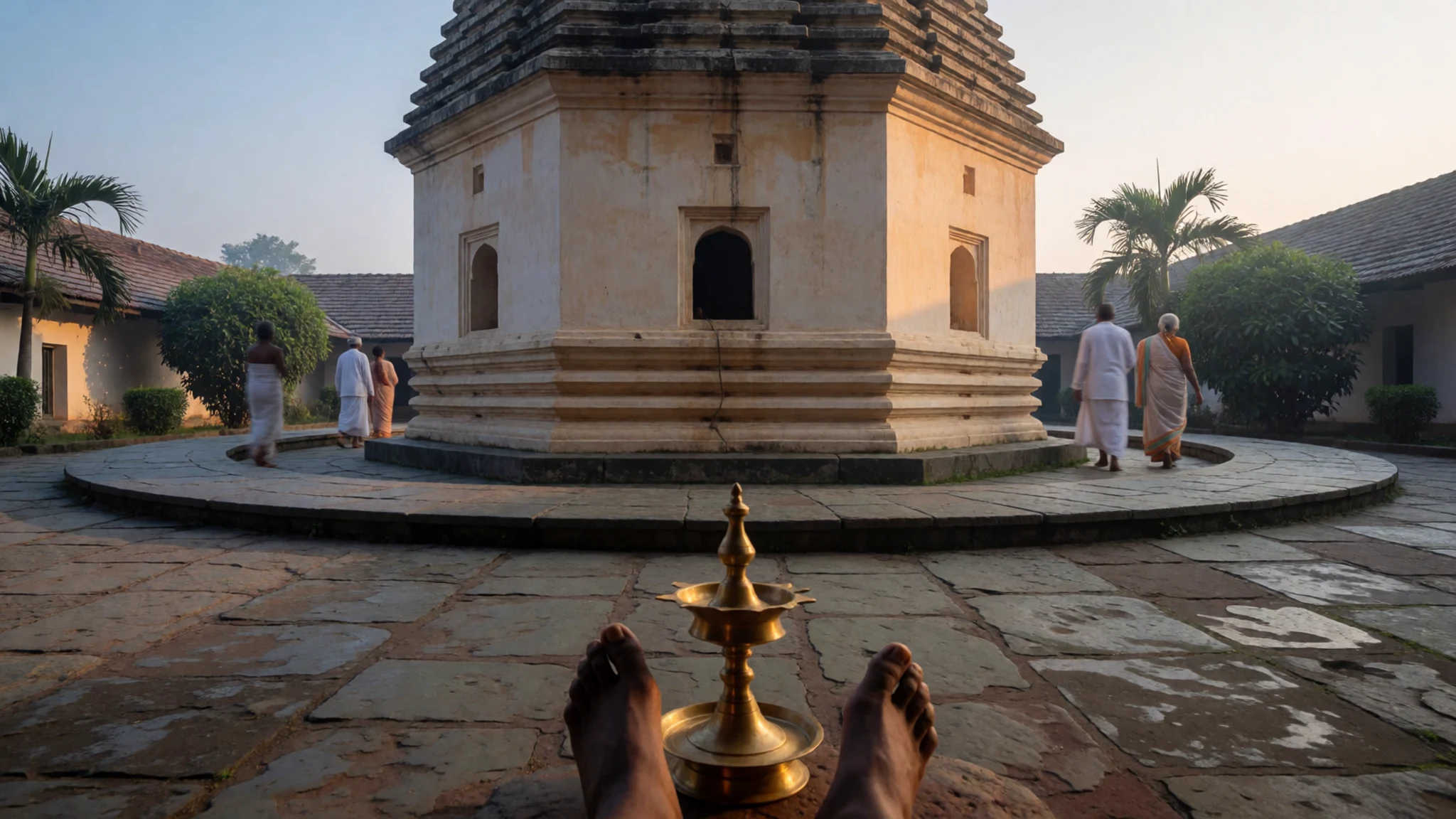
- Gedu Miar Mosque — Central Agartala
The main mosque for Tripura's Muslims, an imposing building that reflects the personal devotion of the man who built it. It is a useful reminder that the city's religious life is mixed, and it sits close to the other central sights.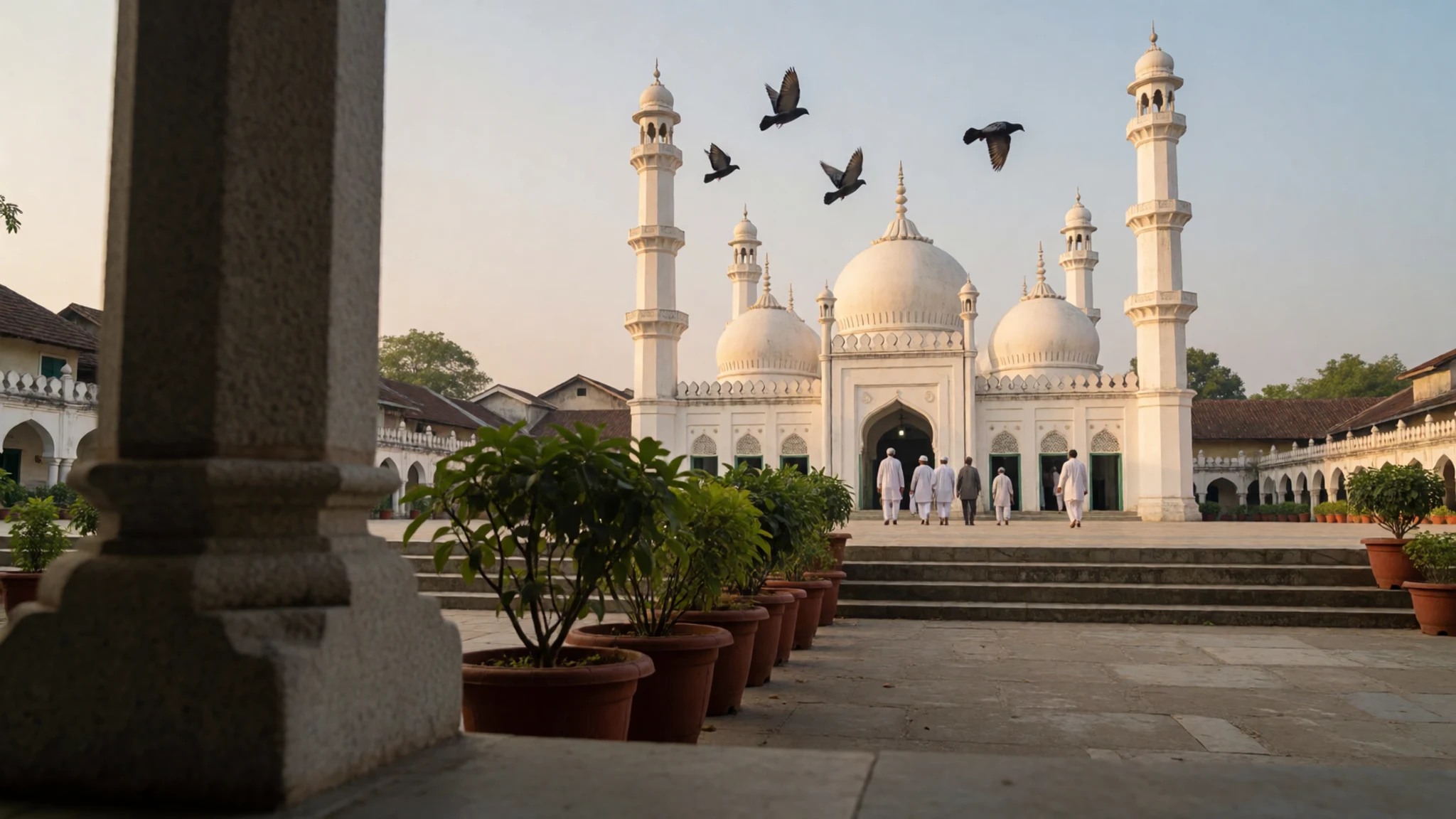
- Akhaura Checkpost — Western edge, at the border
The land crossing to Bangladesh, a short way west of the centre. Even if you are not crossing, it shows how close the border is and how much traffic passes through. Foreign visitors planning to cross need the right visa, so check current rules first.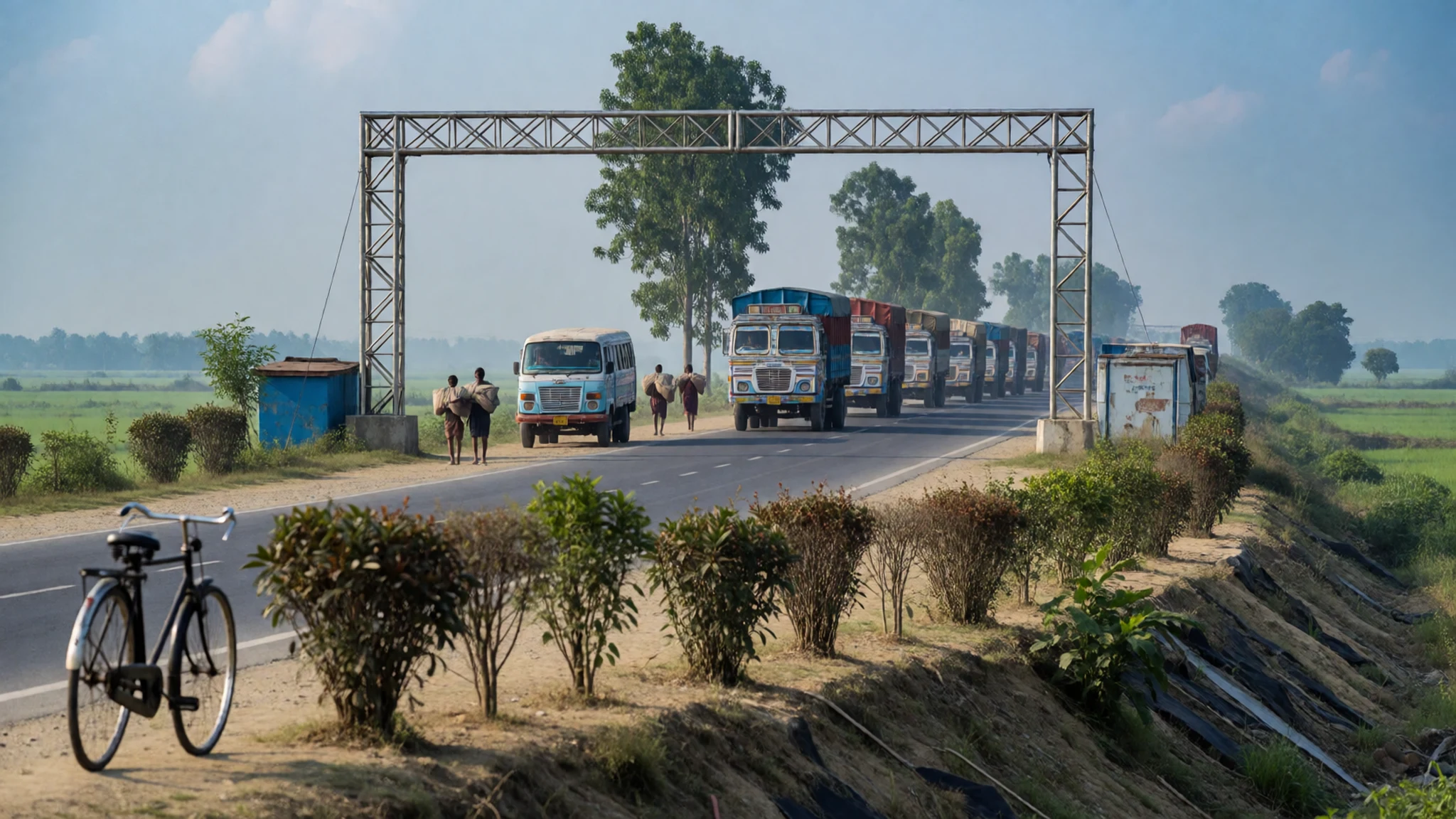
- Agartala railway station — Agartala
A recent building designed to echo the Ujjayanta Palace, which tells you how strongly the palace shapes the city's idea of itself. Worth a look if you are arriving or leaving by rail, though it is a modern landmark rather than a historic one.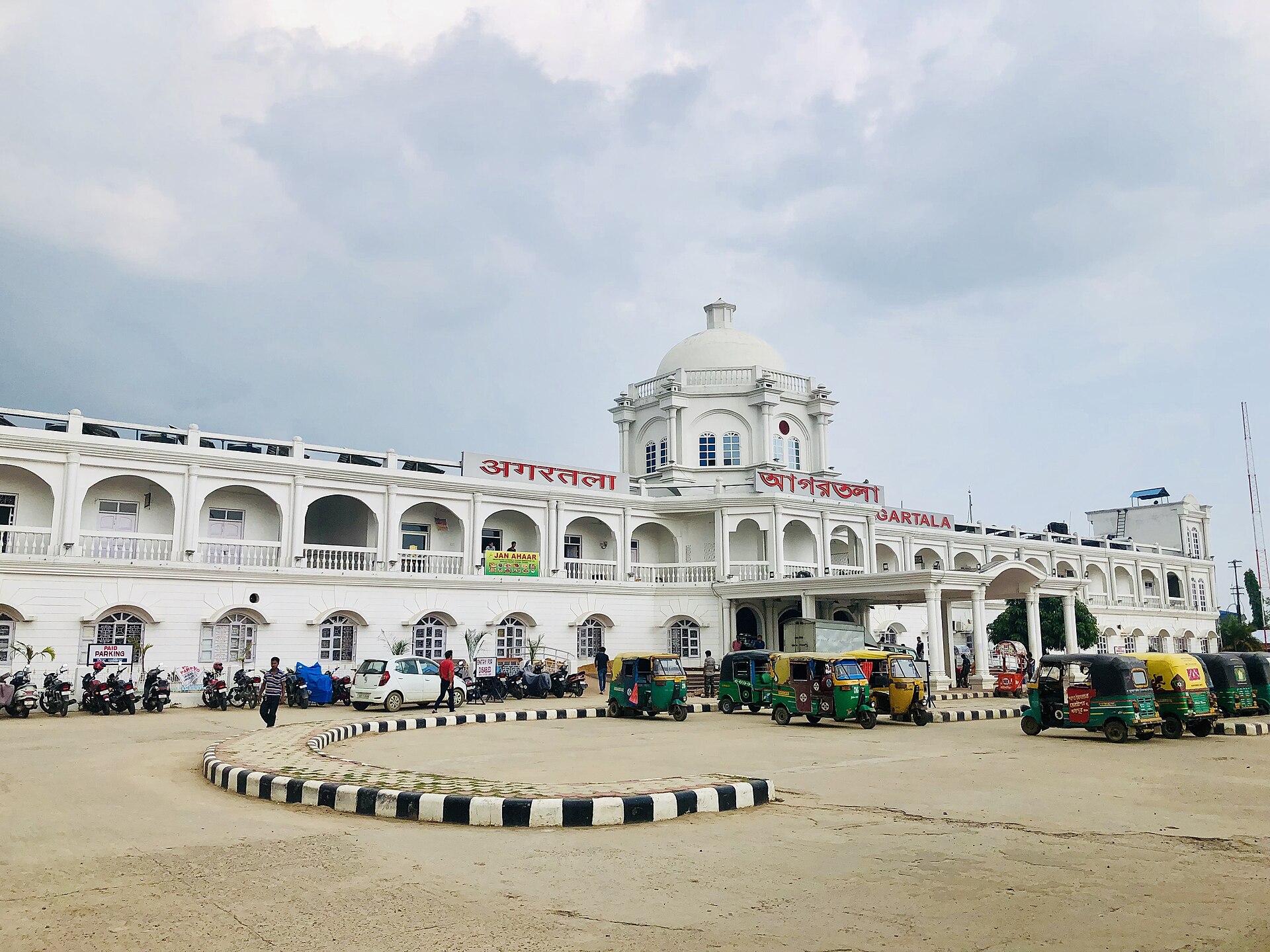
Culture
Agartala is religiously mixed. Hinduism is the largest faith and temples are scattered across the city, but there are also mosques and a number of Baptist and Catholic churches, and Christmas is a busy, cheerful time. The Tripuri communities add their own calendar, including festivals such as Kharchi and Garia, and Bengali traditions run strongly through everyday life, from language to sweets and fish. The Bangladesh border is so close that cross-border family and trade links feel ordinary here rather than distant. Food, dress and festivals all reflect this overlap of Bengali and indigenous Tripuri culture. Evenings are social: families walk the main streets, and tea stalls and snack sellers keep going after dark. Drinking in public places is not permitted, so do not carry open drinks on the street. Expect warmth and curiosity from locals, and a pace that is slower than in the big metros. When visiting a temple, take off your shoes before the entrance, dress modestly with shoulders and knees covered, and ask before photographing worshippers or the inner sanctum.
What to wear
Traditional dress in Agartala reflects both Bengali and Tripuri communities. Many Bengali women wear sarees, often cotton or silk, especially for festivals and weddings, while men wear dhoti and kurta on ceremonial days. Tripuri women traditionally wear the rignai and risa, handwoven cloths made on a backstrap loom, usually in cotton with bold patterned borders; these are worn on festivals and special occasions, and the weaving is a respected craft. Day to day, most people in the city wear what you would see across India: salwar kameez, kurtas, sarees, shirts and trousers, jeans and T-shirts among younger people. Office wear is neat and fairly conservative. For visitors, the climate matters most. Choose light cotton or linen that dries quickly, as the heat is humid for much of the year and the rains are heavy. Carry a light waterproof or umbrella from April to October, and a light layer for cool winter evenings. For temples, mosques and churches, cover shoulders and knees and wear shoes that slip off easily. Comfortable sandals or trainers suit the flat streets, but avoid anything you would mind getting wet or muddy in monsoon puddles.
What to eat
- Mosdeng — Restaurants serving Tripuri cooking
A Tripuri chutney-style dish made with chilli, fermented dried fish and herbs, and strongly flavoured. It is usually eaten with rice. Try it at a restaurant serving Tripuri food, as it is a local speciality rather than a standard menu item.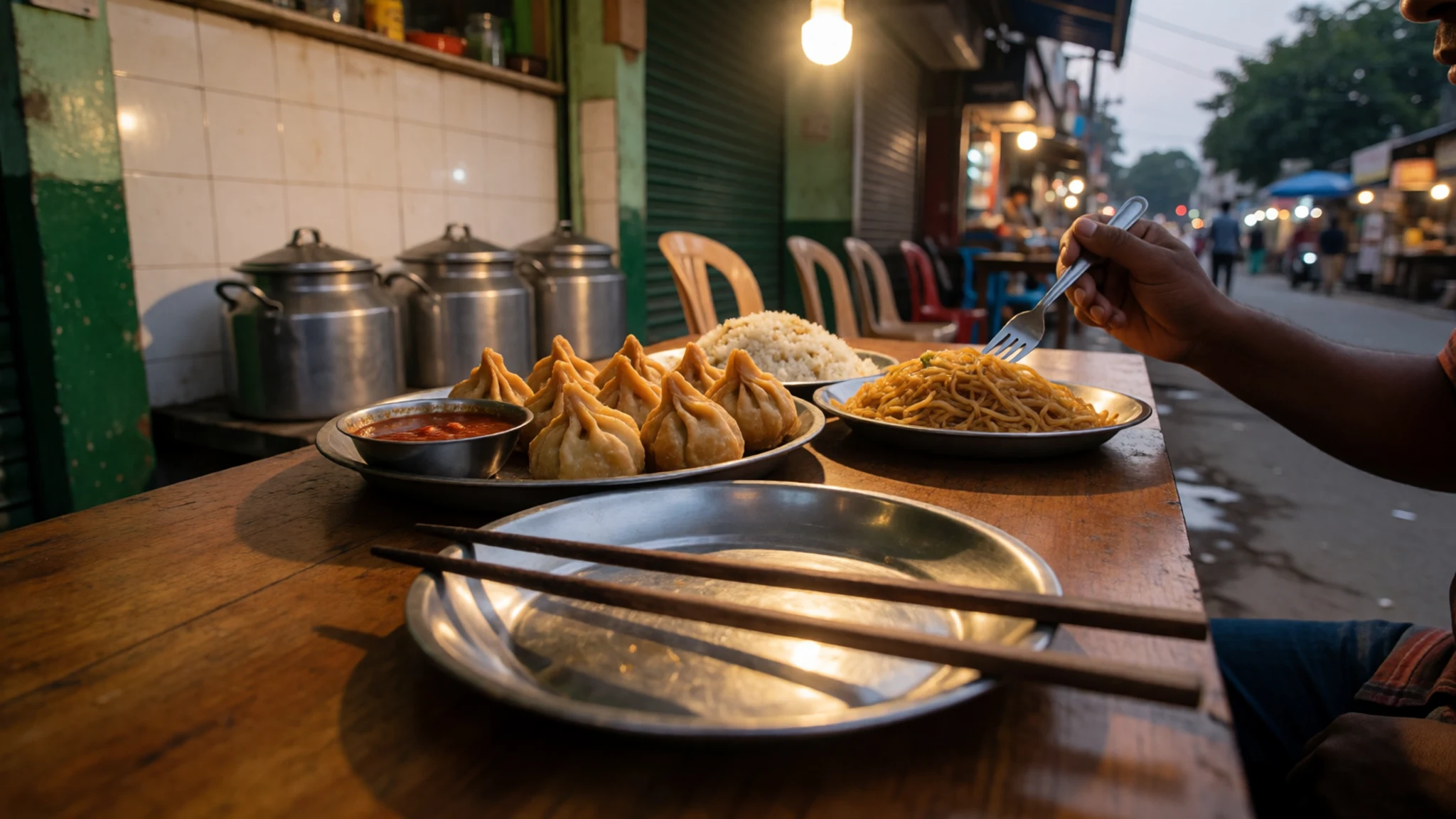
- Gudok — Eateries specialising in Tripuri food
A traditional Tripuri dish built around fermented dried fish, cooked with vegetables into a rich, earthy stew. The flavour is bold and not for everyone, but it is central to local cooking and often praised by visitors who try it.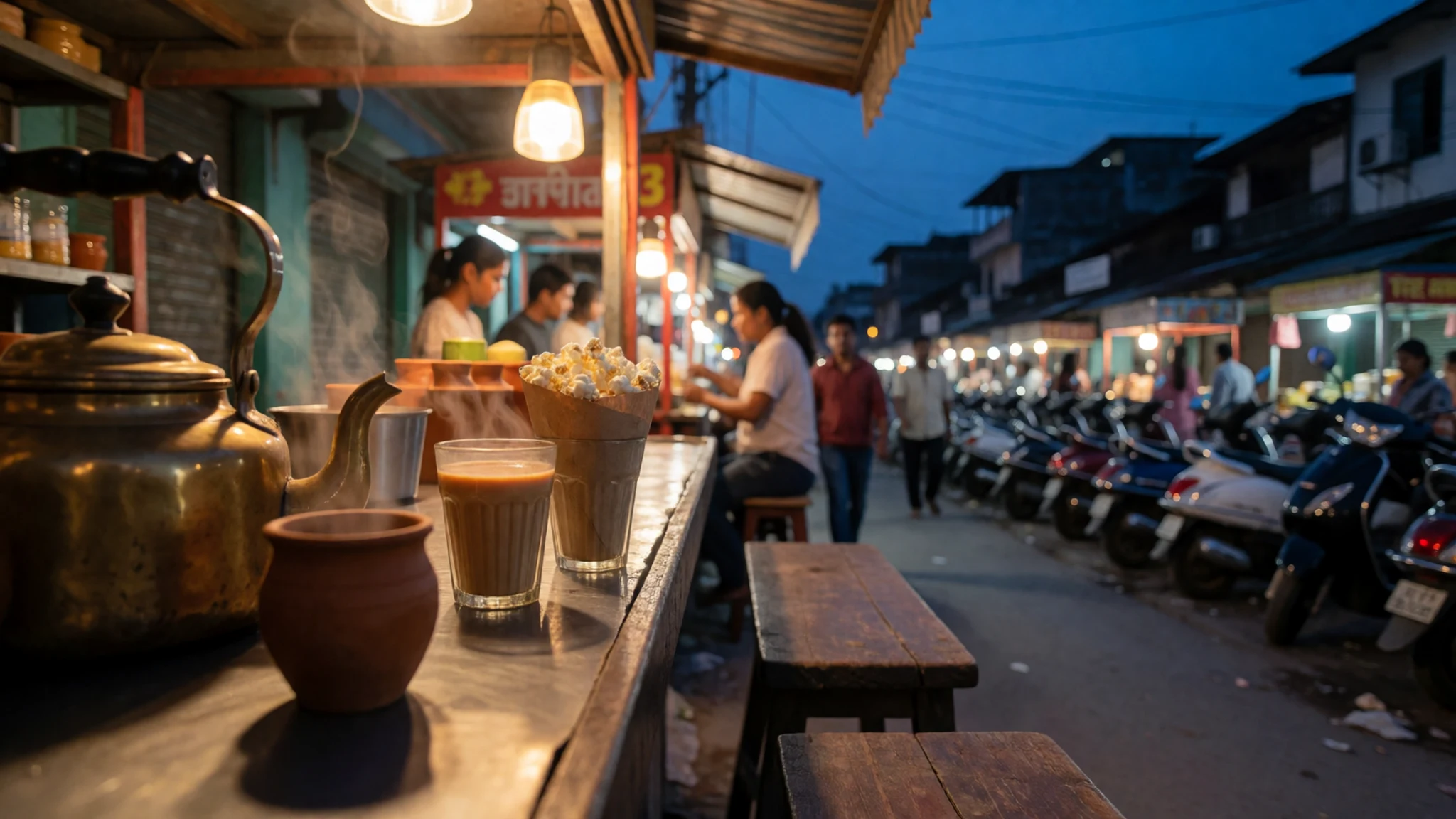
- Chakhwi — Tripuri eateries and home-style restaurants
A Tripuri vegetable dish, lightly cooked and mildly spiced, often served alongside rice and other dishes. It is a gentler way into the local cuisine if the fermented flavours feel like too much at first. - Wak (pork) dishes — Tripuri eateries across the city
Pork is a staple of Tripuri cooking, and wak dishes are prepared with local herbs and chilli. Look for them in eateries that specialise in tribal cuisine, and ask staff what is cooked that day. - Thali and sweets — Sweet shops near the palace
A mini thali with rice, dal, vegetables and small sides is an easy, filling meal, and Bengali sweets are widely sold. The area near the Ujjayanta Palace has a well-liked sweet shop with a good mini thali. - Momos and street snacks — The main street in the evening
Steamed momo dumplings, fried rice and noodles are everywhere, alongside chai and popcorn from stalls on the main street in the evening. It is cheap, lively and a good way to see the city after dark.
Plan it
Best time. September to February, when it is drier and cooler. Winter (mid-November to early March) is mild and dry. April to October is long, hot and wet, and the Haora river often floods during the monsoon.
How long. 2–3
Getting there. Fly to Maharaja Bir Bikram Airport at Agartala, then take a prepaid auto from the counter outside arrivals into the city. Trains reach the city and nearby Jogendranagar, and buses link Agartala with Guwahati, Shillong and Silchar. A road crossing at Akhaura connects it to Bangladesh.
Budget. low
Tips
- Book flights early for the October to February season, when travel peaks.
- Carry some cash, as small eateries and autos may not take cards.
- Bring rain protection if travelling between April and October.
- Use the prepaid auto counter at the airport for a fixed fare.
- If crossing from Bangladesh, check current visa and land-port rules first.
Etiquette
- Remove shoes before entering temples and mosques.
- Do not drink alcohol openly in public places.
- Ask before photographing people at worship.
Nearby
Sources
- Wikidata Q170454 (CC0)
- Wikipedia: Agartala (CC BY-SA 4.0)
- Wikivoyage: Agartala (CC BY-SA 4.0)
- Photo: Ujjayanta Palace, Sharada Prasad CS (CC BY 2.5)
- Photo: Agartala Railway Station, Barunghosh (CC BY-SA 4.0)

