Arambol
Arambol, India
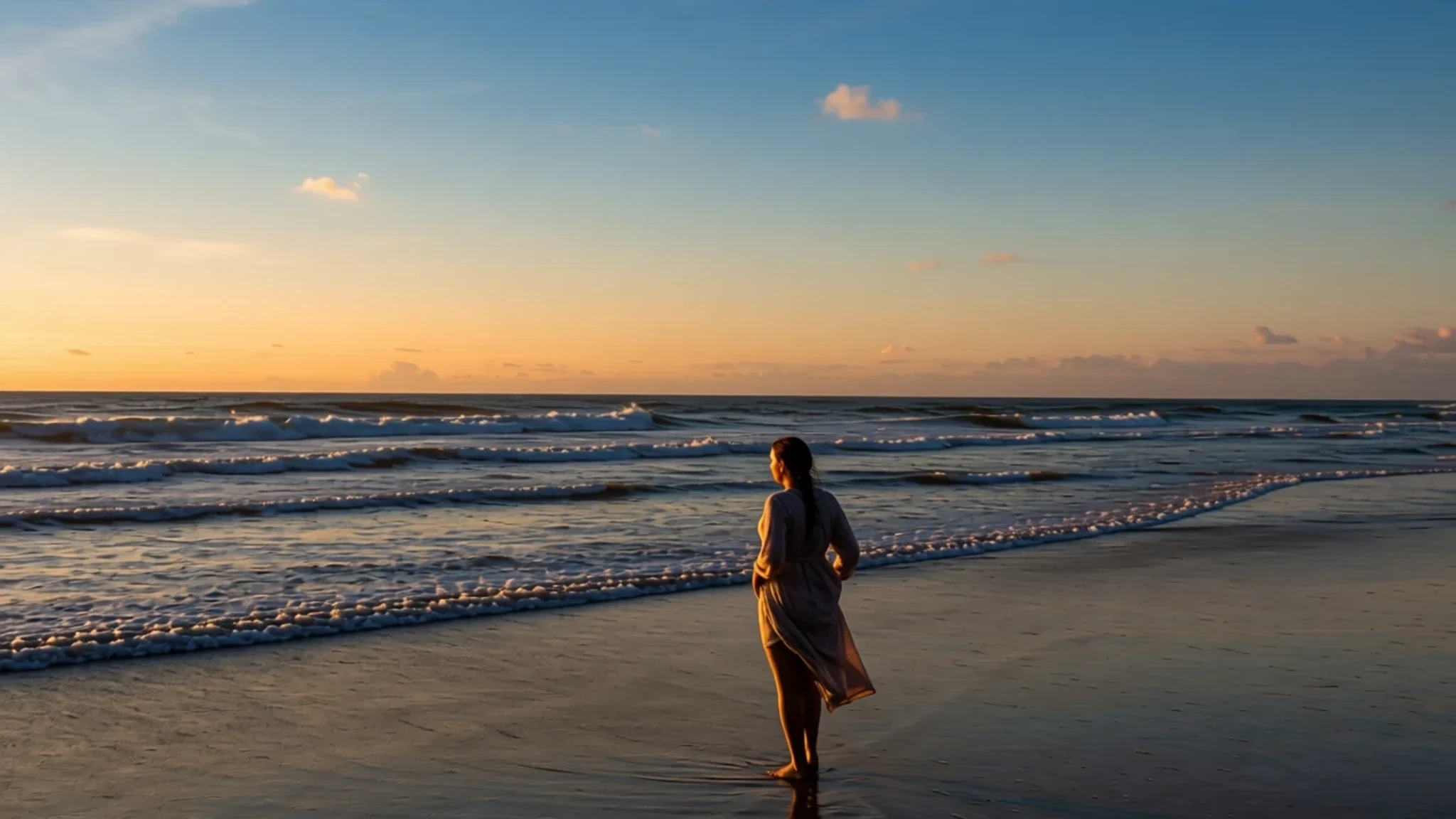
Arambol offers a quiet, bohemian stretch of Goan beach with a rocky headland, a freshwater lake and paragliding above the sand.
The place
Arambol is a traditional fishing village in the Pernem area of North Goa, about 24.6 km (15.3 miles) north of Panaji, the state capital. Its population was around 5,300 at the 2011 count. The village sits between Keri Beach to the north and Mandrem Beach to the south, and its main beach mixes long sandy stretches with rocky sections. A headland at the northern end gives a good view along the coast and has a few small altars on it. Many visitors arrive between November and March, when the dry weather draws a steady flow of international travellers. Arambol keeps a distinct bohemian feel that is harder to find in busier resort areas such as Calangute, and it attracts many alternative travellers as a result. The beach is often counted among the most beautiful in Goa, though the village is changing quickly. Building has picked up, and the cost of land, rent, food and services has climbed in recent years. Behind the sand, a jungle valley enclosed by low hills holds a striking banyan tree. A short walk north of the main beach, a smaller beach looks onto a freshwater lake close to the sea, where fresh and salt water mix.
Its story
Arambol began as a fishing village, and its shoreline still holds the boats, nets and fish sellers that have long shaped its days. Over recent decades the village has drawn a different sort of visitor. Travellers looking for a quieter, looser corner of Goa found the sandy stretch and the headland, and word spread among alternative travellers who preferred it to the busier resorts further south. Beach shacks went up along the sand, offering food, music and rooms during the season. Some experienced travellers based themselves here and made trips to the Anjuna area only for its parties and markets, coming back to the calmer beach afterwards. The village has also changed in less romantic ways. Building has picked up, and prices for land, rent, food and services have risen noticeably, so the easy rhythm of the early years is harder to keep. Paragliders now launch from the surrounding hills, adding a new movement to the sky above the beach. The lake near the northern end, where fresh and salt water meet, remains a favourite with swimmers. Residents and visitors alike are still working out how to balance growth with the fishing life that first made Arambol what it is.
What to see
- Arambol main beach — Main beach, Arambol village
The main beach is long and varied, with rocky sections and sandy stretches that suit a slow morning walk or an afternoon in the shade of the shacks. It is the centre of village life during the tourist season, so arrive early if you want quiet sand. The water can be lively, so pay attention to flags and local advice before swimming.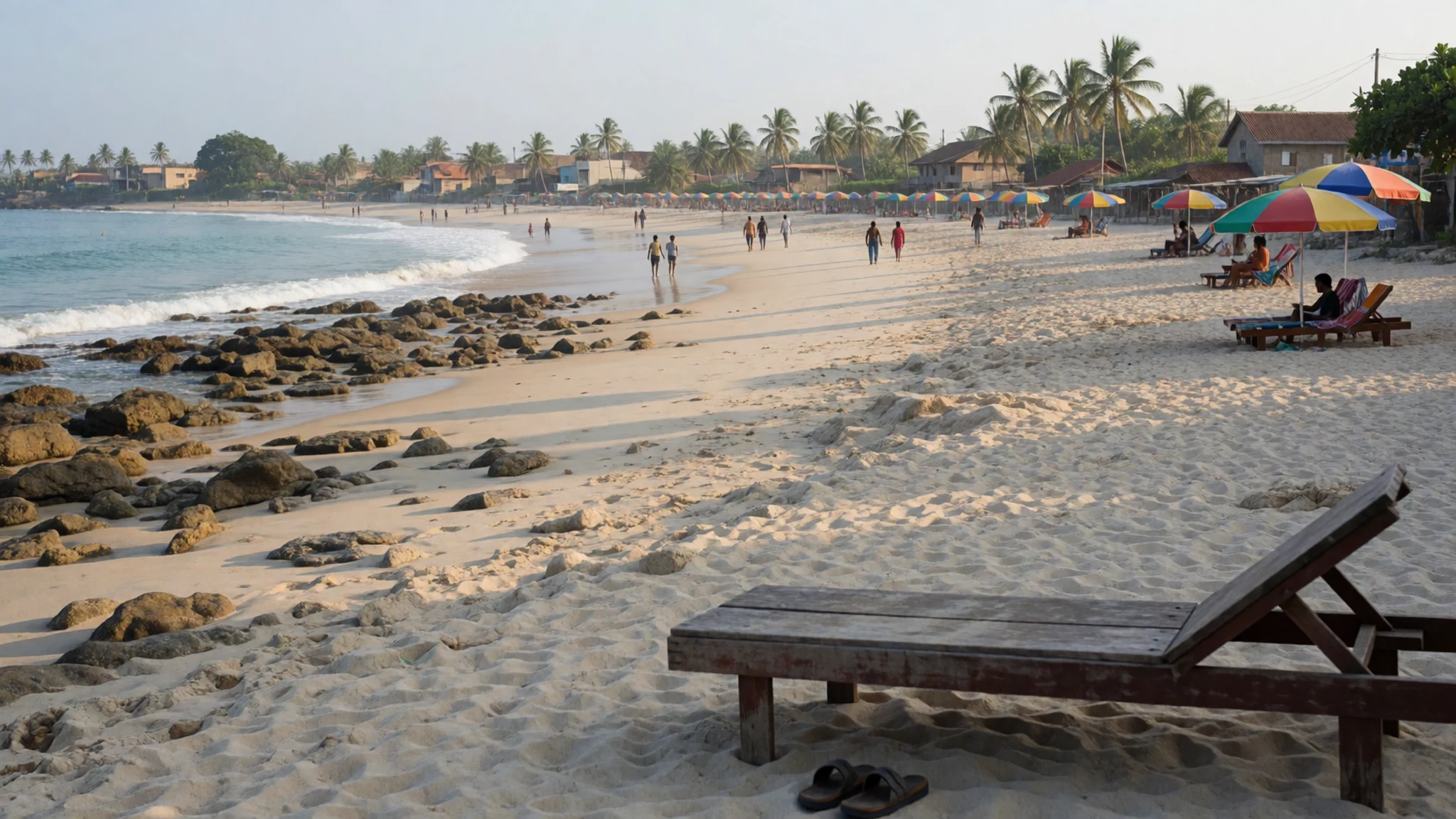
- Northern headland — North end of the main beach
A climb to the headland at the northern end of the main beach rewards you with a wide view along the coastline. Small altars sit among the rocks, so treat them with respect. Go in the morning or late afternoon, when the path is cooler and the light is softer than at midday.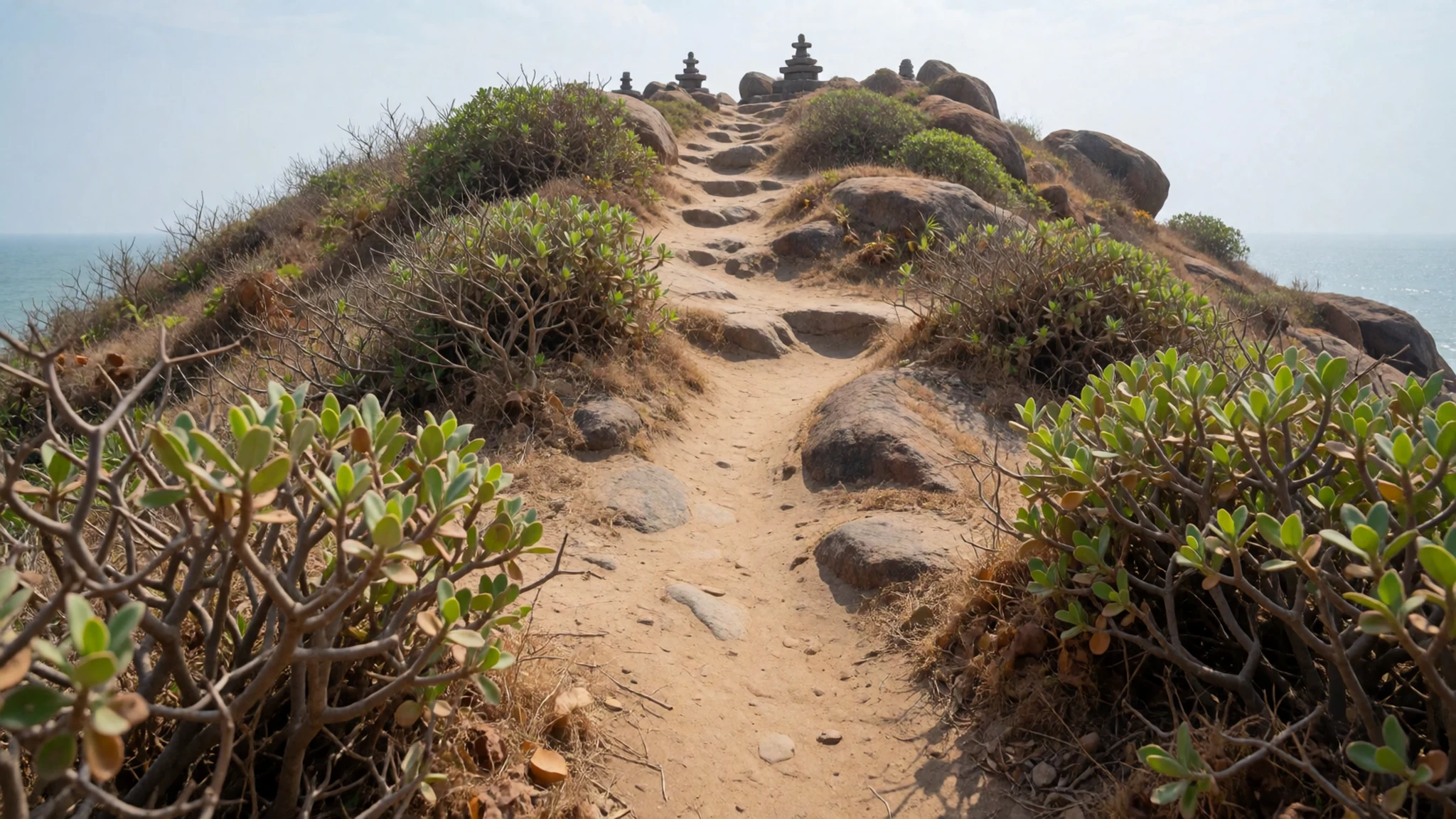
- Sweet Water Lake beach — A short walk north of the main beach
A short walk north of the main beach, a smaller beach meets a freshwater lake lying very close to the sea. The water here is a mix of fresh and salt, which makes it popular with swimmers who want a calmer dip. Cafés and small stalls line the path, so it is easy to stop for a drink.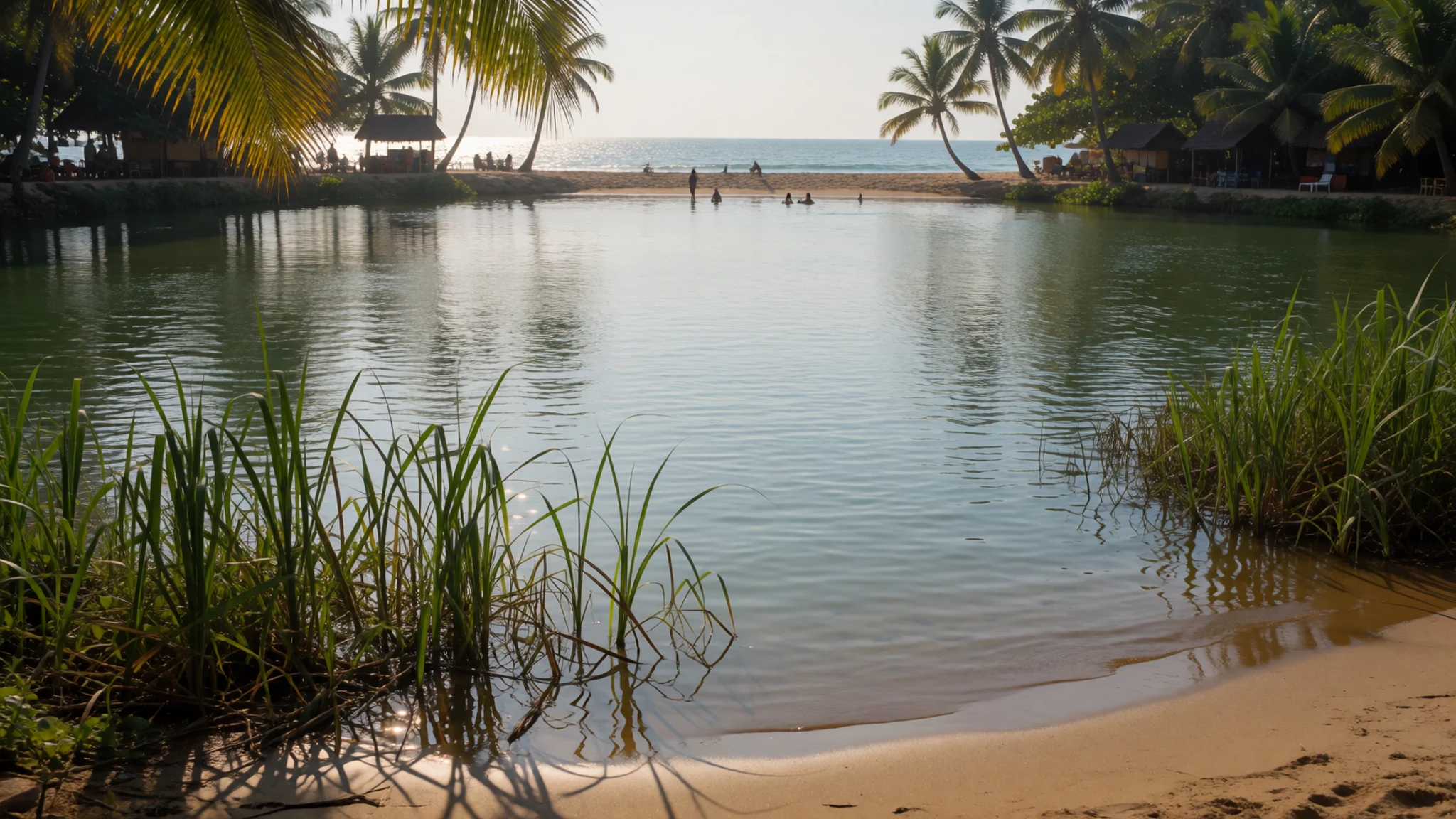
- Jungle valley and banyan tree — Valley behind the lake, between the low hills
Behind the beaches, a jungle valley lies enclosed between low hills, and within it stands a spectacular banyan tree. The shade and quiet make it a good break from the sun on the sand. Wear sturdy shoes, as the paths can be uneven and muddy after rain.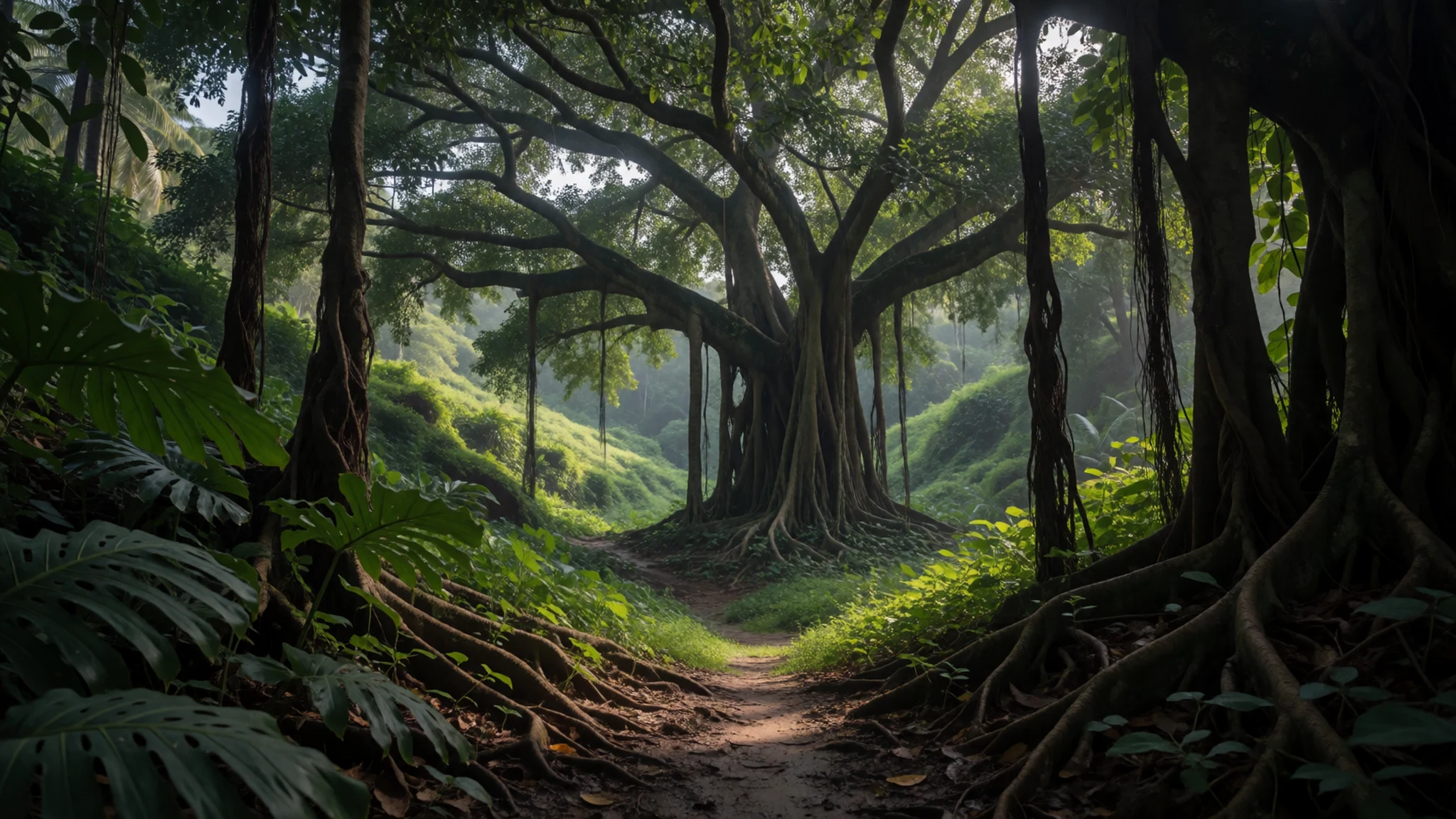
- Paragliding above the hills — Hills above Arambol beach
Paragliding is one of the village's main draws, with pilots launching from the hills and gliding over the sand and sea. Watching from the beach is free and gives a clear sense of the coastline. If you want to fly, book with an operator who has a good safety record and check the weather before you go.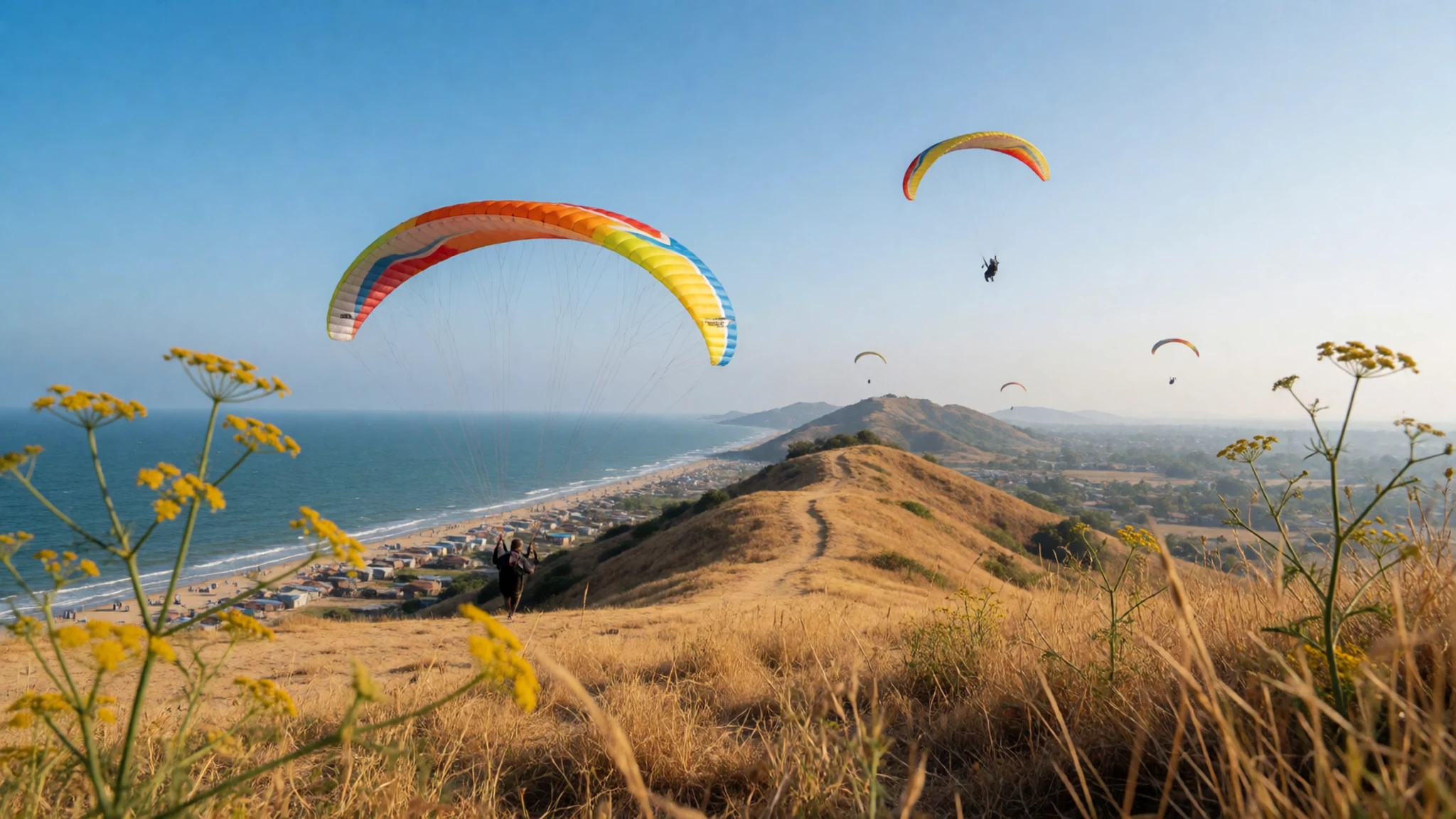
Culture
Most residents of Arambol are Hindu, and Christian and Muslim minorities live alongside them. The Church of Our Lady of Mount Carmel serves the many Catholics in the area, and it is an active centre for the community. Fishing remains part of local life, and families along the lanes keep their own routines outside the tourist season. The bohemian reputation of the beach draws travellers who enjoy a loose, unhurried pace, but the village itself is not a party town. Temples, small shrines and the church are places of worship, not backdrops for photographs. Local people are generally patient with visitors, and conversations with shop owners and fishermen often open into something interesting. Because rooms are reasonably priced compared with Baga or Candolim, the village has so far stayed less crowded than those resorts. When you enter the church or any shrine, cover your shoulders and knees, and always ask before photographing people, especially during prayers or festivals.
What to wear
Arambol is a fishing village where traditional dress is everyday wear rather than costume. Hindu women have long worn the sari, while Christian families have traditionally favoured dresses and blouses for church. Older fishing families often wear simple cotton shirts with lungis or trousers. Local textiles tend to be light cottons, chosen for a climate where the temperature regularly reaches the low thirties. Today most people in the village dress in a mix of Indian and Western clothing, with jeans, kurtas and t-shirts in town. On the beach, shacks and cafés are relaxed, and swimwear is common on the sand but out of place in the lanes. Visitors should pack loose cotton or linen, which breathes well in the heat and humidity. Cover your shoulders and knees when walking into the village, the church or any shrine, and carry a light scarf for that purpose. Wear sturdy sandals or trainers with grip for the rocks and the headland path, and bring a hat for the afternoon sun.
What to eat
- Fish curry rice — Small eateries in the village lanes and along the shoreline
The everyday Goan meal is fish curry with rice, built on a coconut and tamarind-tinged gravy that changes from cook to cook. Small eateries in the lanes serve it fresh, and a plate is often the best value on the coast. Ask for the catch of the day, which is usually fresh from the boats.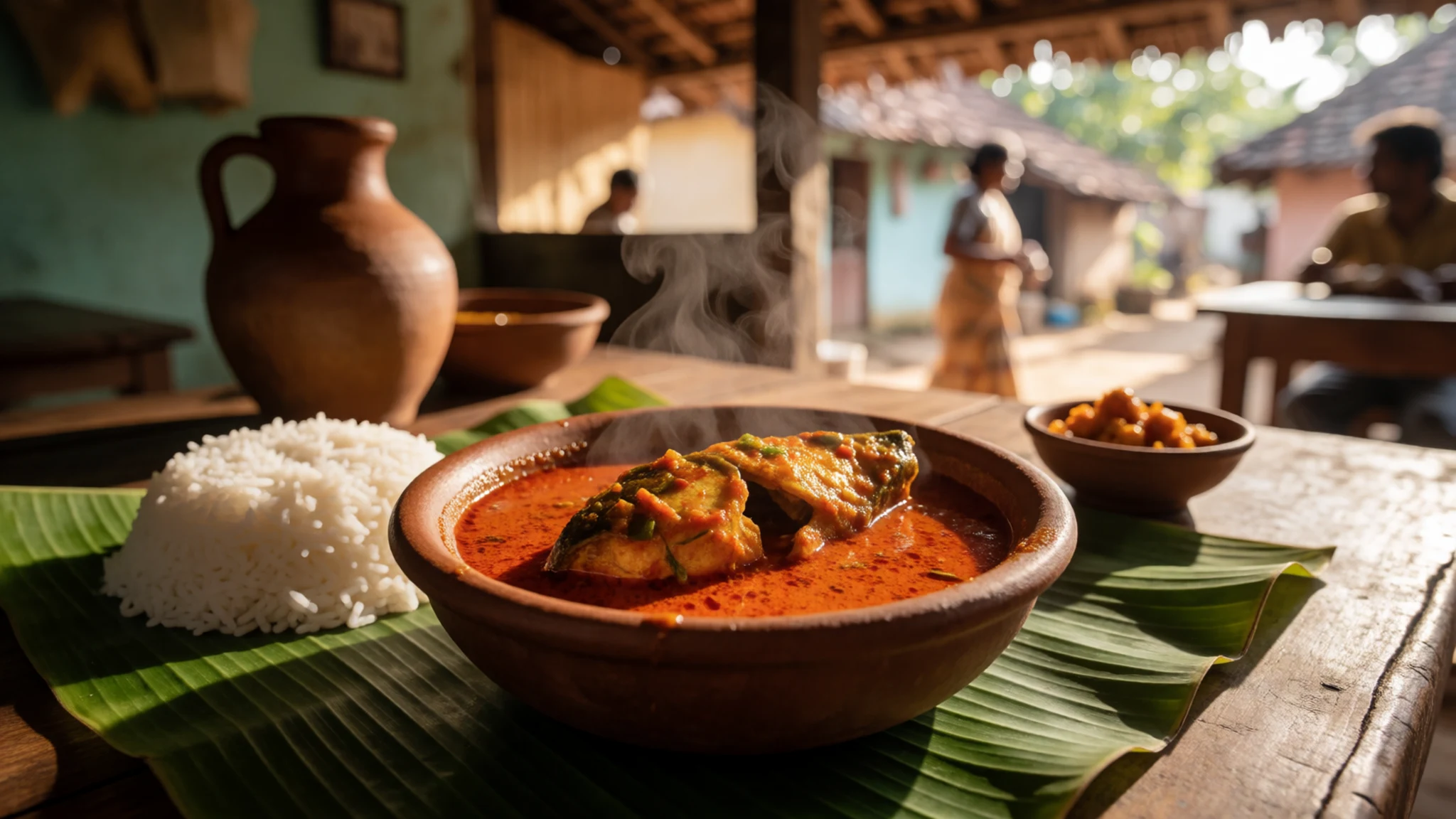
- Grilled fish and prawns — Grill shacks along the main beach
Beach grill shacks along the main sand cook fish and prawns over charcoal, usually with a spicy marinade and a squeeze of lime. Eat it at a table on the sand while the sun goes down. Check the price of the day with the cook before ordering, as seafood is priced by weight.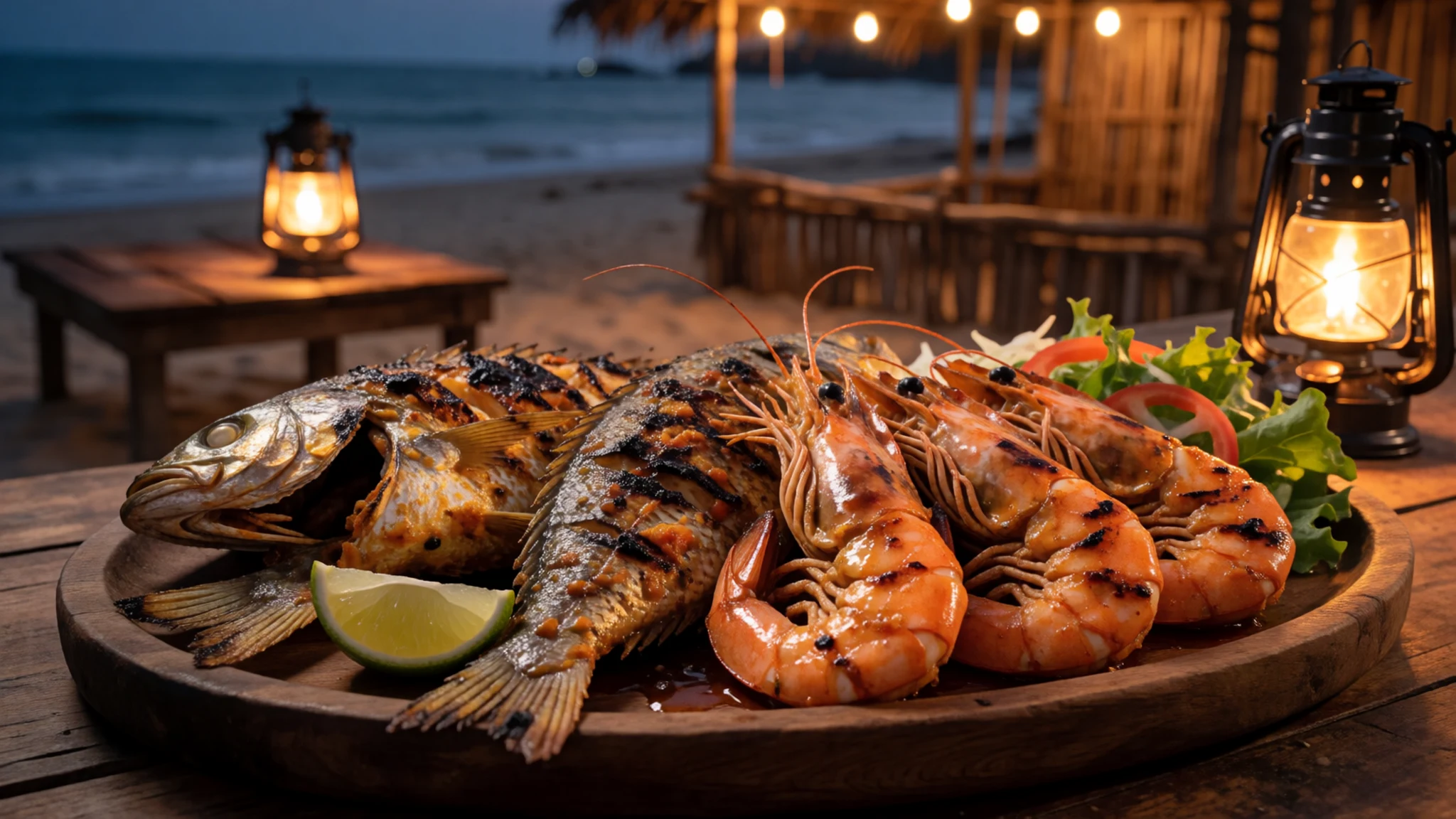
- Wood-fired pizza — Pizza places along the shoreline, including Fellini
Pizza is a long-standing favourite in Arambol, and Fellini is known locally for its pizzas. The shoreline has several pizza places with a relaxed feel that suit a lazy evening. The menu makes a useful break from curry on a longer stay. - Western steak and breakfast — Western-style restaurants near the main beach, including Double Dutch
Double Dutch is known for steak and Western-style food, a welcome change for travellers after days of seafood. Breakfast plates, pancakes and eggs are common across the village. Booking ahead in peak season is sensible, as the tables fill quickly. - Fresh juice and coconut water
Stalls and cafés on the sand, between Sweet Water Lake and Mandrem, sell fresh juice and chilled coconut water. They are a good way to rehydrate after a walk or a swim in the heat. Pick a stall where the fruit is cut to order and the coconuts are opened in front of you.
Plan it
Best time. December to April is the dry season and the main tourist period, with the sunniest months in January, February, April, May and December. March and April are the hottest months, with highs around 36 °C, so mornings and evenings are kinder. June is the rainy season, when rainfall is heavy and some services slow down.
How long. 2–3
Getting there. Dabolim Airport is about a two-hour drive away, and Manohar Airport in the north of the state is about one hour by road. Buses run from Pernem a few times a day, and taxis or motorbike taxis cover the last stretch to the village.
Budget. mid
Tips
- Book rooms early for December and January, when the village fills up
- Arrive at the beach early for quieter sand and cooler swimming
- Carry cash for shacks, small stalls and transport, as cards are not always accepted
- Plan the headland climb for morning or late afternoon to avoid the midday heat
- Drink plenty of water, especially on walks and during paragliding days
Etiquette
- Dress modestly when walking into the village, the church or any shrine
- Ask permission before photographing people, particularly at religious sites
Nearby
Sources
- Wikidata Q4784002 (CC0)
- Wikipedia: Arambol (CC BY-SA 4.0)
- Wikivoyage: Arambol (CC BY-SA 4.0)
- Arambol beach 2009, User:Ridinghag (Public domain)
- Arambol, Alexey Komarov (CC BY-SA 4.0)
- Arambol Shacks, Elluliini (CC BY 3.0)
- Arambol Lake swimmer, Elina López (CC BY 3.0)
- Arambol-give-tylicki, Tylicki (CC BY 3.0)
- Arambol Mountain, iMahesh (CC BY-SA 4.0)
- Paragliding in Arambol sky, Goa, Vyacheslav Argenberg (CC BY 4.0)
- Citizen of Arambol, Alexkom000 (CC BY 4.0)


