Pointe des Châteaux
Pointe des Châteaux, France
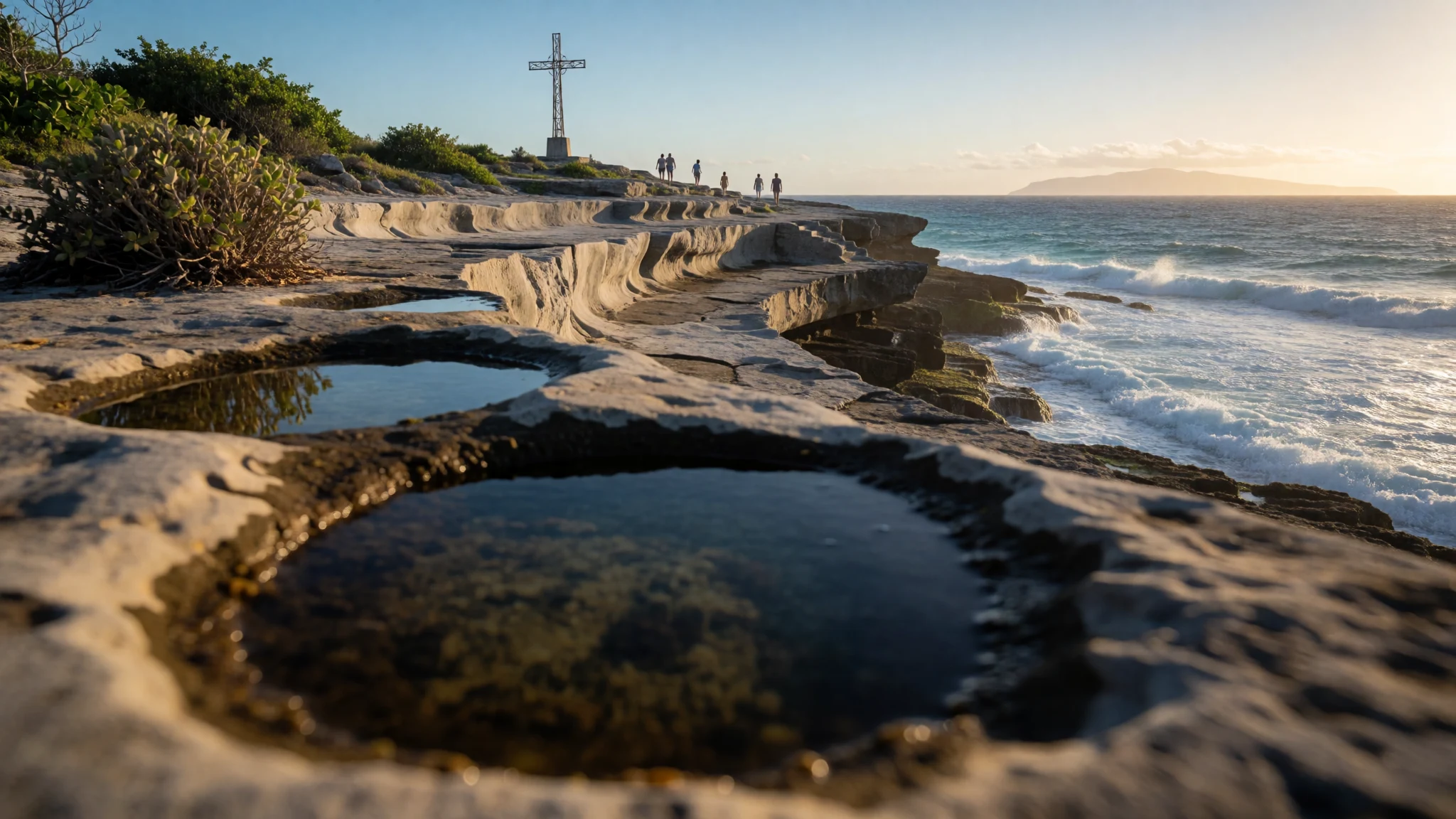
Pointe des Châteaux is where Grande-Terre ends in limestone cliffs, turquoise coves and a long view across the sea to La Désirade.
The place
Pointe des Châteaux, the Point of Castles, is the far southeastern tip of Grande-Terre, the low limestone wing of Guadeloupe. It lies in the commune of Saint-François, a resort town whose marina, beach bars and small villas supply most of the people who drive out to the end of the road. Beyond the last settlement the land narrows into a dry, windy headland of scrub, bare rock and cactus, with the Atlantic breaking on one side and calmer Caribbean water on the other. The name is usually explained by the weathered stacks and arches of rock, which from some angles look like ruined fortifications. A cross stands on the highest knoll, reached by a short climb on a stony path, and from it the view runs over cliffs, coves and the low outline of La Désirade, an island out to sea. Guadeloupe as a whole has a subtropical climate tempered by trade winds, with fairly high humidity; on the point itself the wind is constant and shade is scarce. Beaches nearby, such as Grandes Salines, are open, sandy and often lively at weekends, while the cliff tops are quieter and best walked early. Everything is a short stroll from the car park, so the point suits a half day, or a long lazy one, rather than a serious hike.
Its story
Pointe des Châteaux belongs to a island chain that has been French since the seventeenth century, apart from a brief interlude under Sweden during the Napoleonic Wars. Grande-Terre, flat and limestone, became sugar country, and its windmills and cane fields were worked by enslaved people brought from Africa. That history is told in the Mémorial ACTe, a museum in Pointe-à-Pitre, and it shapes the island's music, language and food far more than any postcard does. After slavery ended, labourers also arrived from India, which is why a curry-based dish, colombo, now counts as a regional plate. The headland itself was never a town. Its value was as a landmark: the highest ground at the eastern edge of the island, a point that ships had to pass or avoid, with reefs and rough water close by. The cross on the summit gives the place a quiet, almost pilgrim feel, and local families still climb it on holidays. Tourism arrived later and settled mainly in Saint-François, which grew from a fishing and farming community into the main resort of the southern coast. Today Guadeloupe is an overseas department of France, so euros, French law and French bureaucracy sit alongside Creole speech and Caribbean habits, and the point is as much a local weekend outing as a visitor attraction.
What to see
- The cross on the summit — Summit of the headland
The cross crowns the highest knoll of Pointe des Châteaux, and the climb is short but over loose, sun-baked stone. The reward is a wide view of both coasts, wave-cut cliffs and the sea beyond. Go early or late, as the top has no shade and the wind can be strong.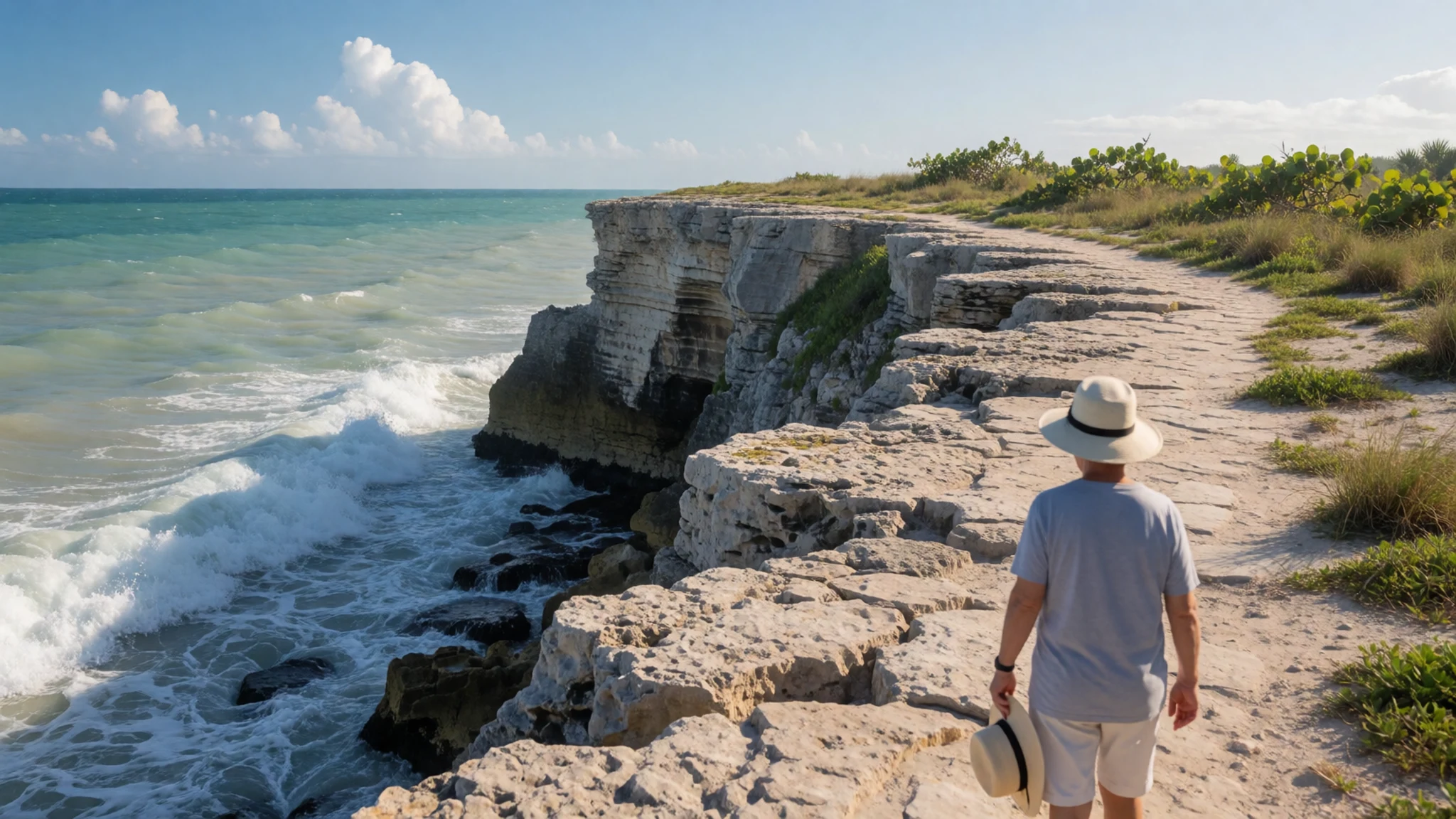
- Plage des Grandes Salines — South coast of the point
A broad sandy beach on the southern side of the point, backed by low scrub and former salt flats. The water is generally calm and shallow near the shore, and the beach gets busy at weekends. Bring your own shade and water, as facilities are limited.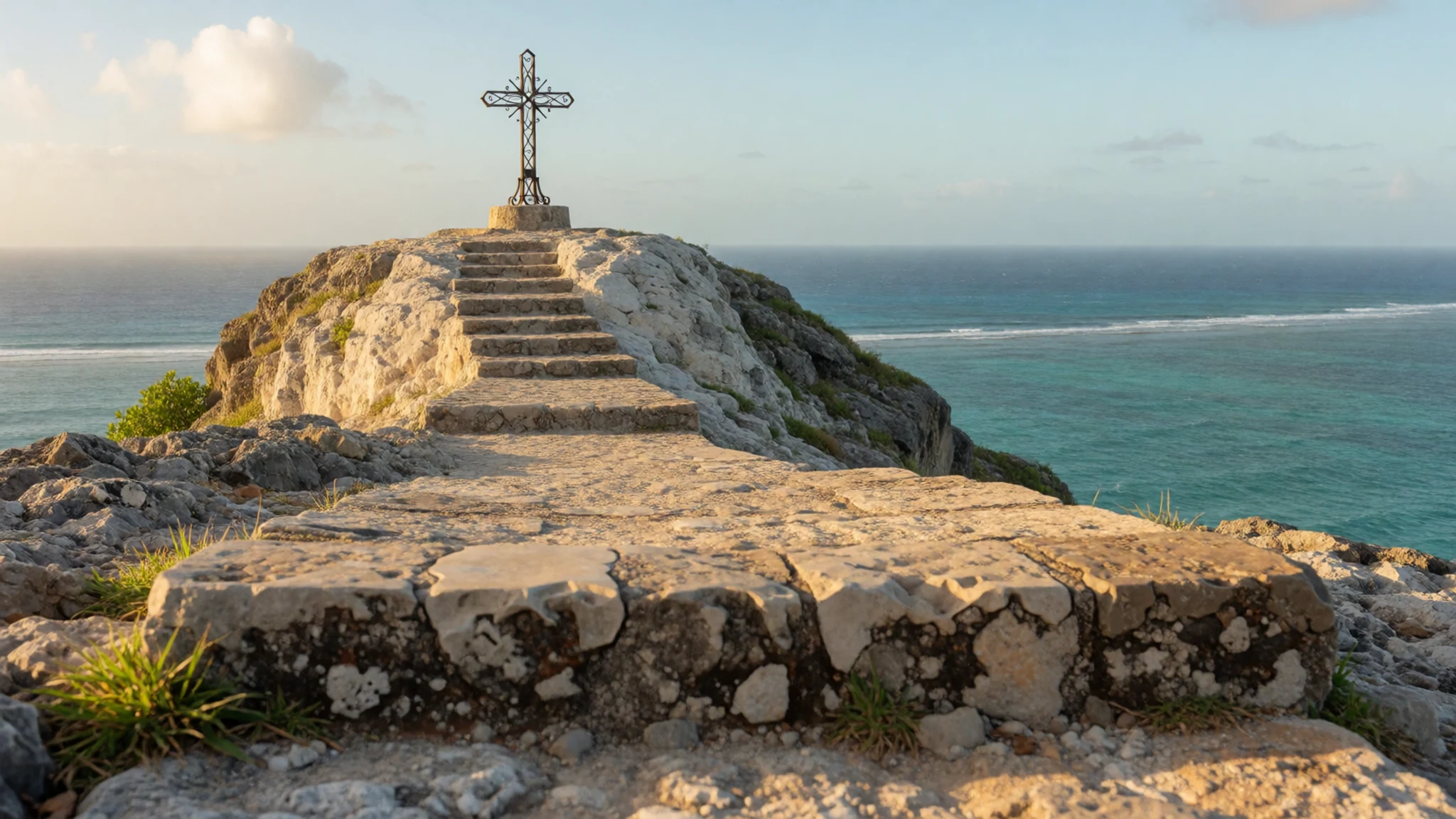
- The cliff path and rock arches — Along the headland
Paths run along the edge of the headland past the eroded stacks and arches that gave the place its name. The ground is uneven and the drop is real in places, so closed shoes and care with children are sensible. The Atlantic side is wild; the other is calmer.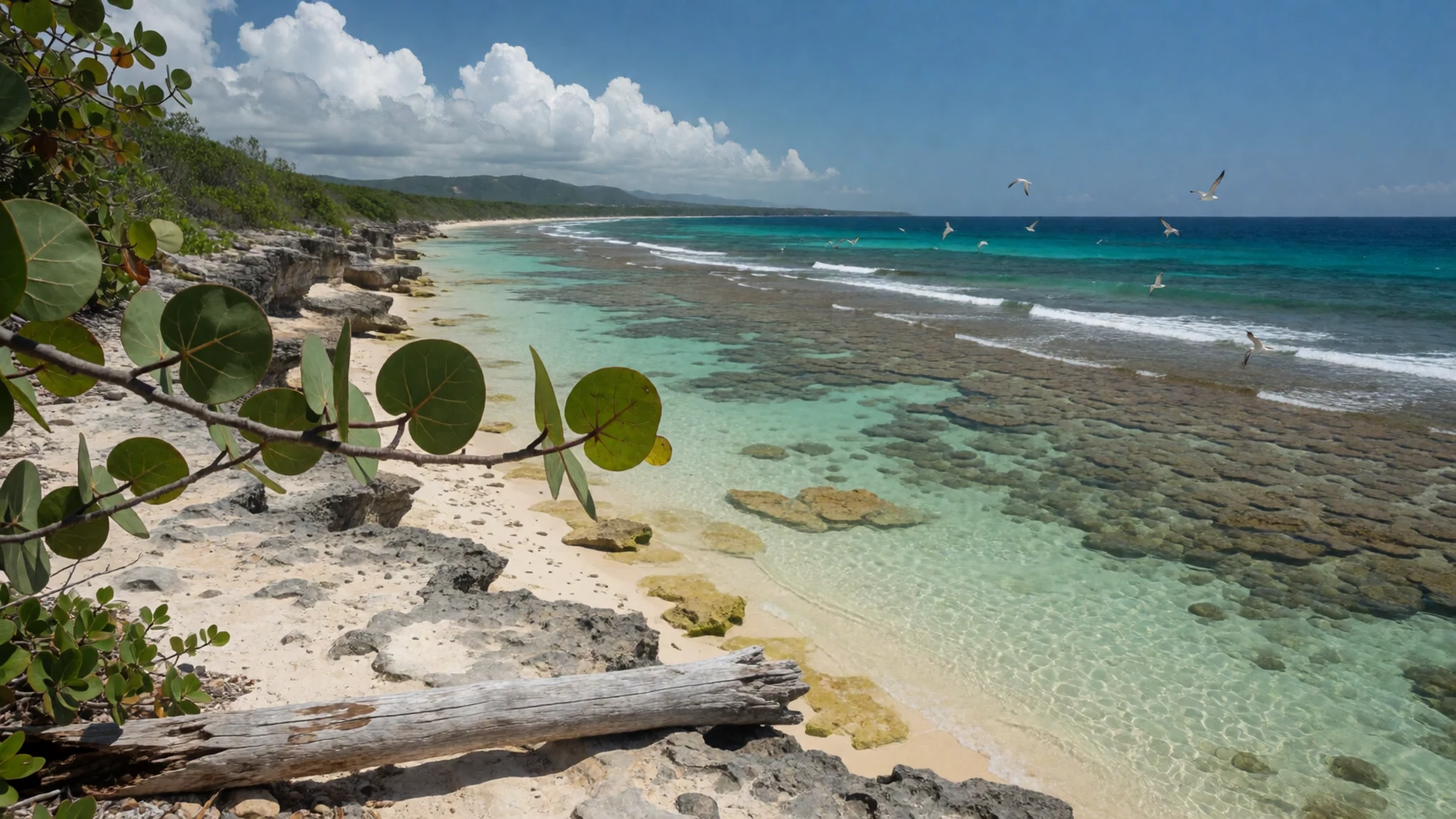
- View to La Désirade — Eastern viewpoints
On clear days the long, low island of La Désirade lies on the horizon, seen best from the high ground near the cross. Haze can hide it in humid weather. Photographers favour the hour after sunrise, when the light is soft and the point is nearly empty.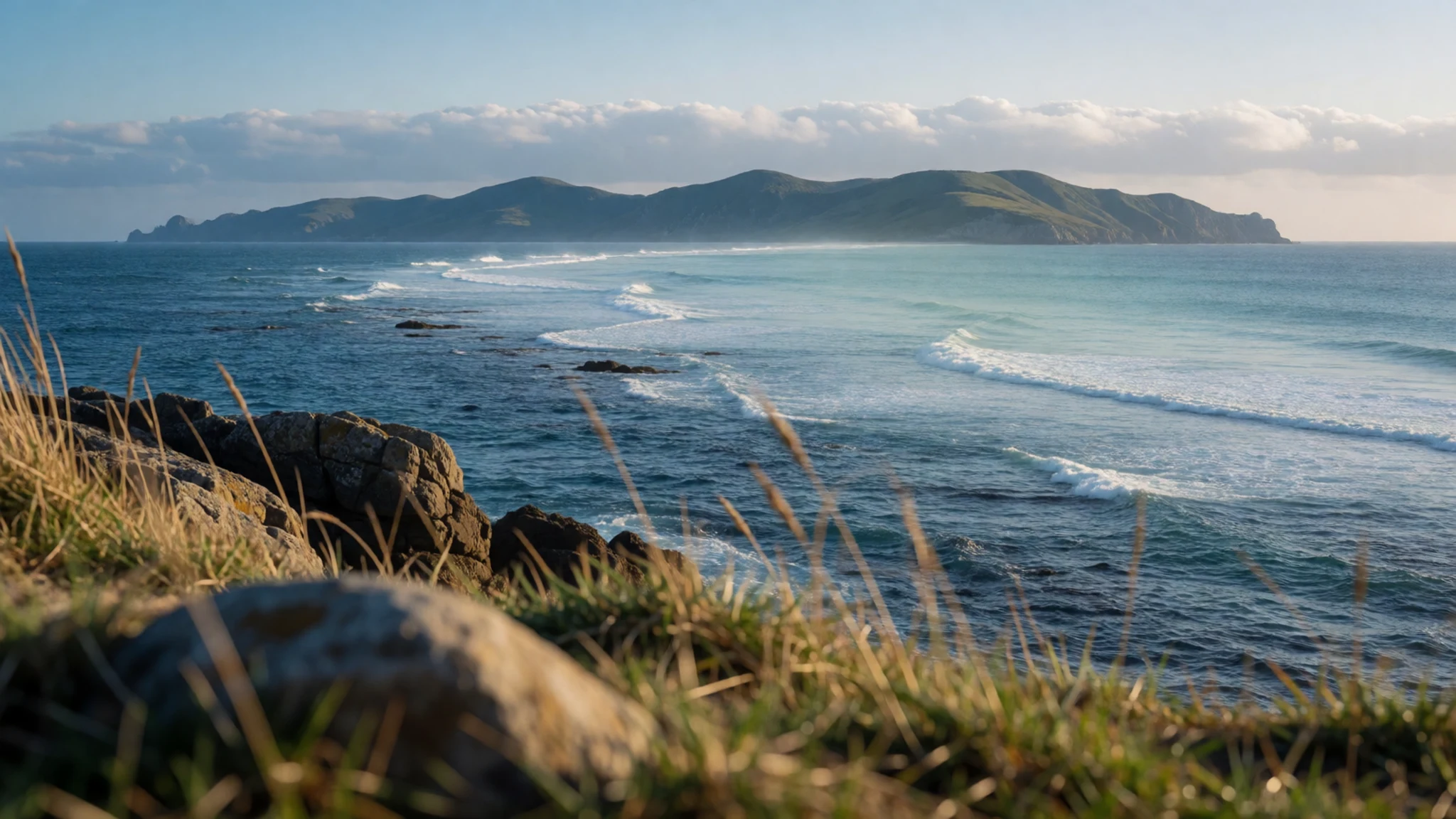
- Snorkelling in the coves — Sheltered coves, south side
The sheltered coves on the Caribbean side are the best places for snorkelling, with tropical fish even in very shallow water. Choose calm days, avoid the exposed Atlantic side, and ask locally about currents. Wear a rash vest, as the sun is strong.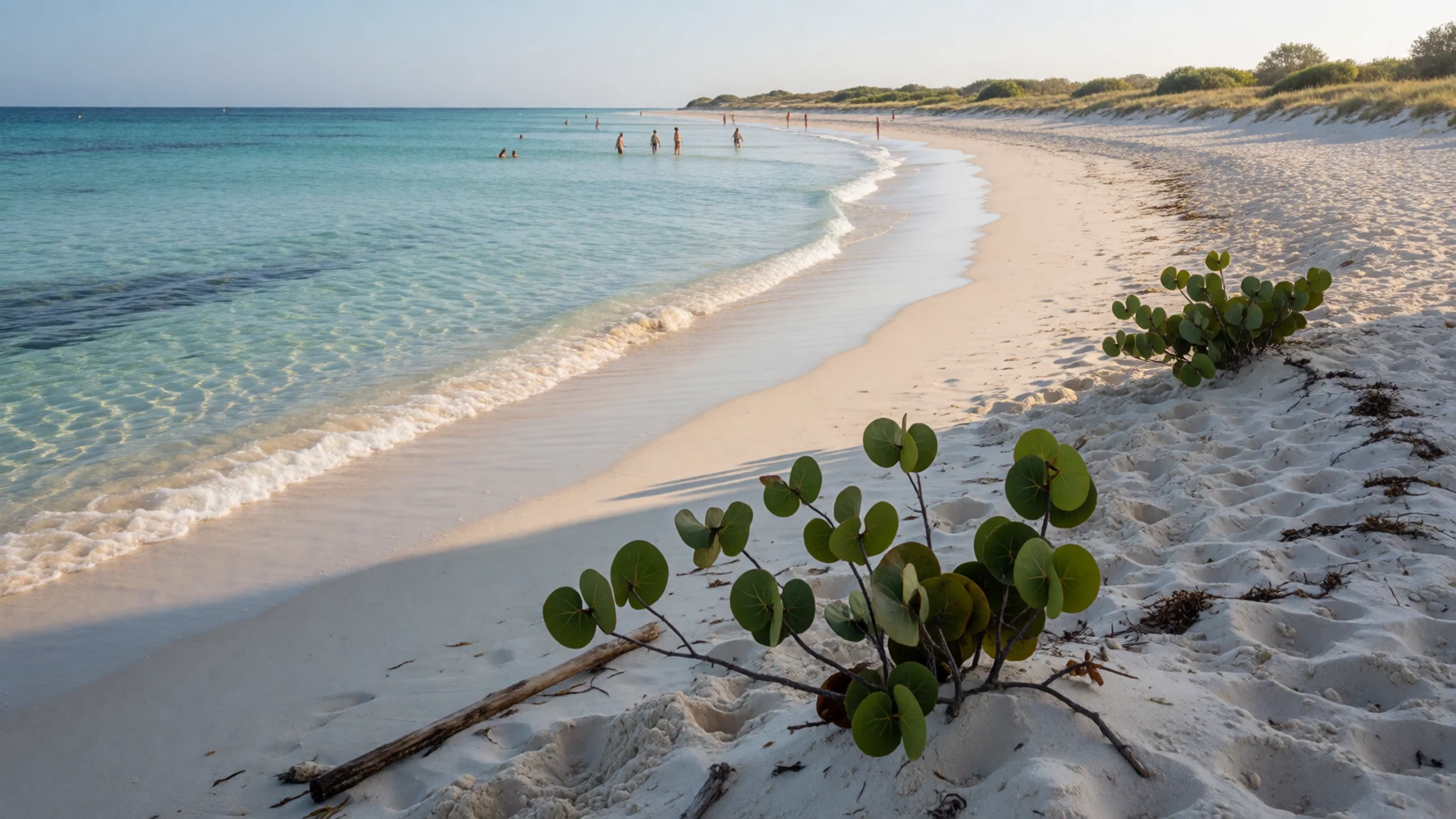
Culture
Pointe des Châteaux sits in a part of the Caribbean that is both French and Creole, and the two run together in daily life. French is the language of officialdom and shop counters, while Antillean Creole is heard in homes, markets and music. Saint-François, the nearest town, is a small commune with a town hall, a marina and the usual French rhythms: long lunches, bakeries in the morning and shops that close at midday. Families come out to the point at weekends and on public holidays, with coolers, music and long beach afternoons, so Sundays are sociable rather than solitary. Food and drink anchor the calendar. Fritters called accras are made with vegetables on Good Friday, and every August Pointe-à-Pitre holds a parade of cooks in traditional costume around Saint Lawrence Day. White rum is the local drink, usually taken as a small, strong ti punch, and visitors are expected to treat it with respect. Guadeloupe is also a place where the memory of slavery is openly acknowledged, in museums, street names and music, and visitors should engage with it seriously rather than as a backdrop for holiday photographs. Local etiquette is modest and polite: people greet each other warmly and expect the same in return. Always say bonjour before asking a shopkeeper, driver or stranger anything, and take your rubbish away from the beaches and cliff tops.
What to wear
Pointe des Châteaux is in Guadeloupe, where traditional dress is built on madras, a brightly checked cotton fabric. Women's festival and folk costume pairs a full skirt and white blouse with a madras headtie, whose folds were once read as a kind of code, and is worn with heavy gold jewellery. It appears at parades, dance performances, weddings and cultural events rather than in daily life. Everyday clothing now is French-Caribbean casual: light cotton shirts and dresses, linen, shorts, flip-flops and sandals, with smarter outfits for church, markets on festival days and evenings out in Saint-François. Swimwear is standard on the beaches and nobody blinks at it, but it stays at the shore, and people dress more fully in town centres and churches. For a visit, plan for heat, strong sun and wind. Choose breathable cotton or quick-dry fabrics, a wide hat that will not blow off, sunglasses and high-factor sun cream, ideally reef-friendly. The cliff paths are stony and uneven, so wear sturdy sandals with a grip or trainers rather than thin flip-flops. A light layer helps against wind on the summit and in the evening, and a waterproof jacket covers the rainy months. Carry a sarong or shawl to cover your shoulders if you step into a church or a town hall, and a dry bag for your phone at the beach.
What to eat
- Colombo — Creole restaurants and beach eateries around Saint-François
A chicken curry served with rice, brought to the island by Indian labourers and now the typical regional plate. The spice mix is mild and aromatic rather than fiery, and the dish is common on local menus.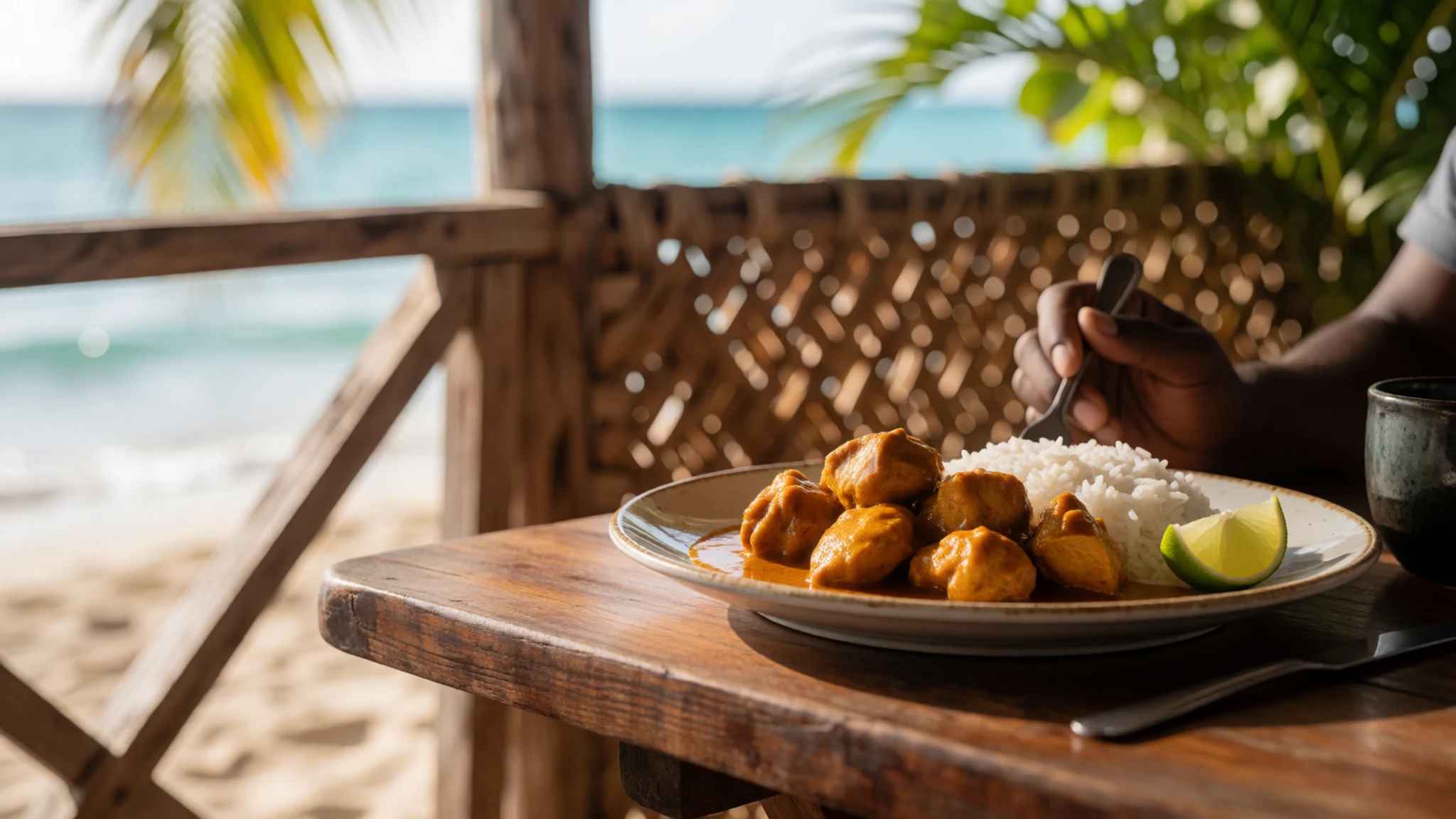
- Accras — Beach snack stands and Creole eateries along the coast
Small fried fritters, traditionally made with salt cod but also with other fish, shrimp or vegetables. They are eaten hot as a starter or snack, and are the dish that comes out on Good Friday in vegetable form.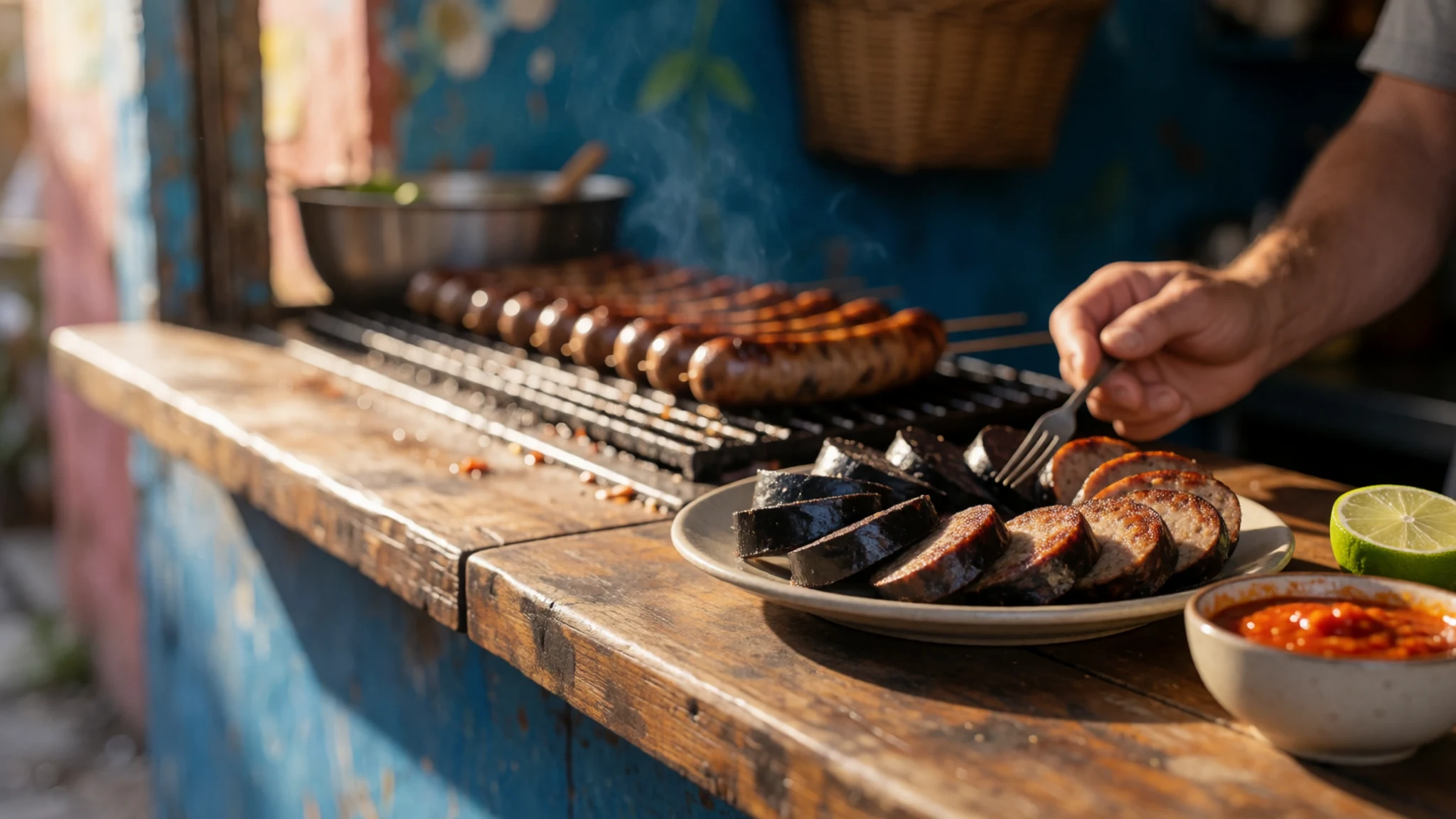
- Féroce d'avocat — Creole restaurants and family-run lunch places
A spicy avocado dip, often described as a cousin of guacamole, mashed with chilli and usually served with cod and cassava flour. The heat is unpredictable, so taste a little before taking a large spoonful. - Boudin créole — Markets and roadside food stalls
A spiced black pudding, seasoned with Creole herbs and peppers and eaten as a snack or starter. It is richly flavoured and fairly hot. Locals often have it with a cold drink at a roadside stall or market. - Ti punch — Beach bars and Creole restaurants
A small, strong drink of agricultural white rum, lime and cane sugar, traditionally mixed by the drinker from a bottle on the table. The rum is very strong, so pour carefully and drink slowly, especially in the sun. - Sorbet coco — Ice-cream parlours and kiosks in Saint-François
Coconut sorbet, cold, creamy and simple, and a welcome relief after a morning in the wind and sun on the headland. Local ice-cream makers also use tropical fruit flavours, and sorbet is easy to find near the beaches.
Plan it
Best time. February–May is the dry, sunnier part of the year, with trade winds keeping the heat bearable. June to November is wetter, more humid and is the Atlantic hurricane season, so check forecasts and flexible bookings. December and January are pleasant but busier with holiday visitors.
How long. 2–3
Getting there. Fly to Pointe-à-Pitre airport, the main airport for Guadeloupe, with regional links from other Caribbean islands. From there it is a drive east along Grande-Terre's southern coast to Saint-François and on to the end of the road at the point. A hire car is the easiest way; check local buses and taxis for the last leg.
Budget. mid
Tips
- Go early in the morning or late afternoon, when the point is cooler and quieter
- Bring plenty of water, a hat and sun cream, as there is little shade
- Take cash and a card for small stalls and parking, and check opening times locally
- Wear sturdy shoes for the stony paths and avoid the cliff edge in strong wind
- Visit weekdays if you want quieter beaches, as weekends are busy with local families
- Check the Guadeloupe Tourism website for current entry rules, visas and events
Etiquette
- Greet people with a polite bonjour before asking for anything
- Keep to marked paths and stay well back from cliff edges
- Take all rubbish away and do not pick plants or move rocks
Nearby
Sources
- Wikidata Q1152228 (CC0)
- Wikipedia: Pointe des Châteaux (Guadeloupe) (CC BY-SA 4.0)
- Wikivoyage: Guadeloupe (CC BY-SA 4.0)
- Pointe des chateaux, guadeloupe — bobyfume (CC BY-SA 1.0)
- Mairie de Saint-François en Guadeloupe — LPLT (CC BY 3.0)
- Lage der Gemeinde Saint-François — Tschubby (CC BY 3.0)
- Croix culminant au sommet de la Pointe des Châteaux — KoS (CC BY-SA 2.0)
- La Pointe des Châteaux vue du sud — KoS (CC BY-SA 1.0)
- La Désirade vue depuis la Pointe des Châteaux — KoS (CC BY-SA 2.0)
- Pointe des Châteaux, Guadeloupe — KoS (CC BY-SA 1.0)
- Plage des Grande Salines — KoS (CC BY-SA 1.0)


