Tulum
Tulum, Mexico
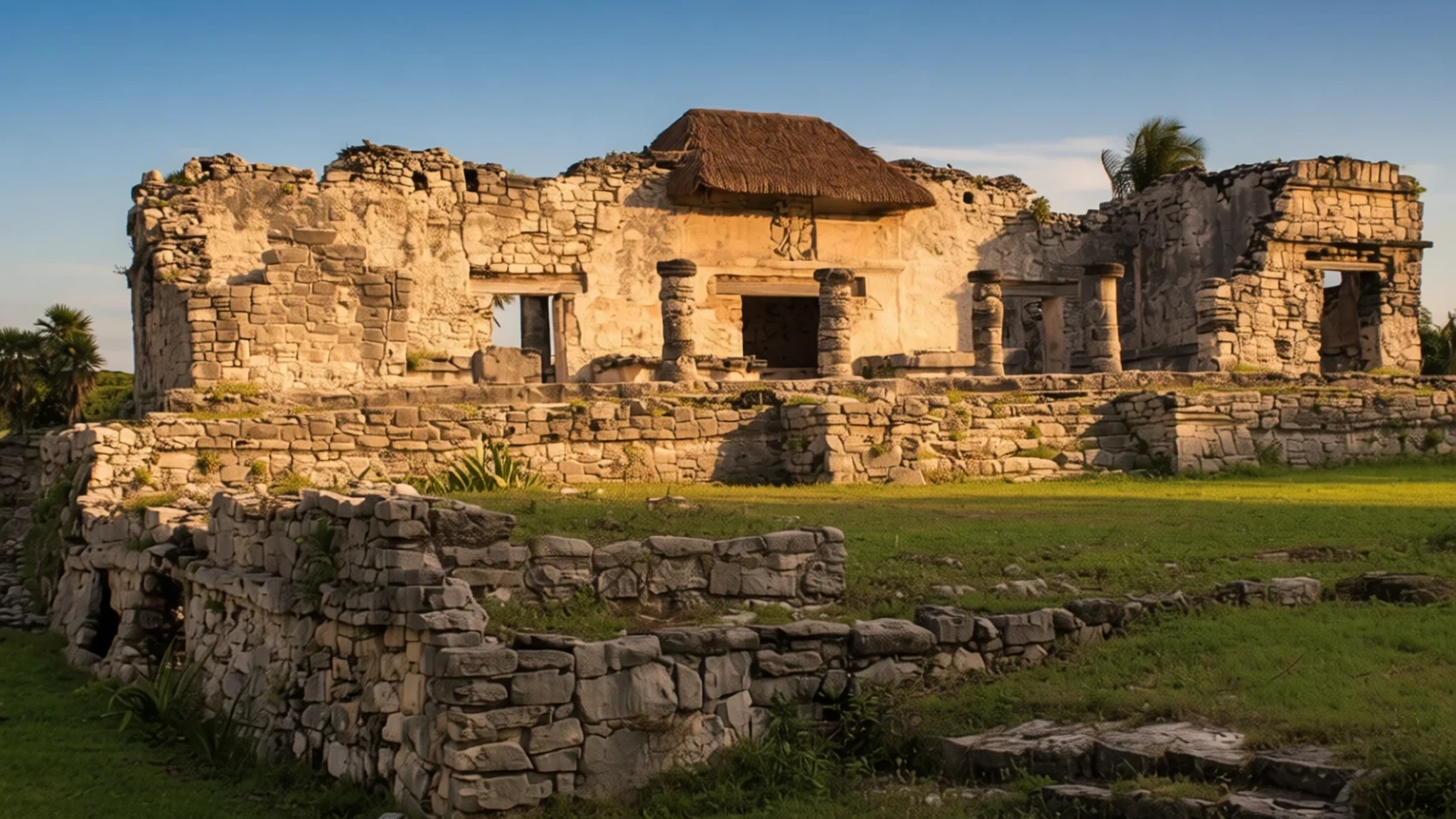
Tulum blends ancient Maya heritage with a laid-back Caribbean coastline, offering pristine sandy beaches, dense jungle pathways, and vibrant local life.
The place
Tulum is the municipal seat of Tulum in the state of Quintana Roo, Mexico, situated directly along the Caribbean coast of the Yucatán Peninsula. The local geography is characterised by flat jungle terrain, extensive white-sand beaches, and proximity to the vast Mesoamerican Reef system that stretches offshore. The community is split broadly into two distinct zones: the inland downtown area, known locally as the town centre, and the coastal stretch lined with low-rise accommodations, boutique shops, and eateries.
Visitors arrive to experience a unique mixture of modern bohemian culture and deep-rooted historical surroundings. While the permanent population remains modest, the area experiences high volumes of international visitors drawn to the warm coastal climate and nearby archaeological heritage. Natural wildlife, including small mammals such as agoutis foraging in the undergrowth, remains part of the everyday environment despite rapid development along the transport arteries. The regional climate is tropical, bringing warm temperatures year-round, occasional heavy downpours during wetter months, and steady sea breezes along the shore.
Infrastructure has expanded significantly in recent years to accommodate growing visitor numbers, featuring bicycle rental shops, cafes, and improved road connections linked to Highway 307. Despite these modern additions, the surrounding jungle and coastal ecosystems maintain a distinct tropical atmosphere that defines the region.
Its story
The roots of modern Tulum trace back to the turbulent Caste War of Yucatán during the mid-nineteenth century, when Maya rebels established independent communities across the forested peninsula. Historical accounts credit a Maya leader named María Uicab with founding the settlement between 1860 and 1870. For decades following its establishment, the location persisted primarily as a small fishing village and a crucial crossing point for chicle harvesters collecting sap from the surrounding jungle trees.
For most of the twentieth century, the community remained isolated and quiet, sitting a short distance inland from the famous coastal archaeological site. Tourism outside of the ancient ruins was practically nonexistent until the 1970s, when the construction of Highway 307 began connecting the isolated stretch of coast to the wider region. Significant expansion did not take off until the 1990s, when international interest in the ruins and surrounding beaches accelerated development in both the coastal zone and the jungle edge.
Administrative structures evolved alongside this physical growth. On 13 March 2008, the town officially became the seat of a newly established municipality, making it the ninth in the state of Quintana Roo. More recently, transport infrastructure transformed further with the opening of a new international airport on 1 December 2023, expanding direct connectivity for travellers arriving from domestic and international hubs.
What to see
- Mesoamerican Reef — Offshore Quintana Roo coast
The second largest coral reef system in the world lies just offshore along the Quintana Roo coast, providing exceptional underwater scenery for snorkellers and scuba divers. Visitors must check local conservation rules and use reef-safe sunscreen products to protect the living coral from harmful chemicals.
- Tulum Town Centre — Inland Tulum along MEX 307
The inland municipal seat serves as the everyday commercial hub for residents and travellers alike. Visitors can explore local grocery stores, bicycle rental shops, language schools, and independent craft beer spots situated along the main thoroughfares.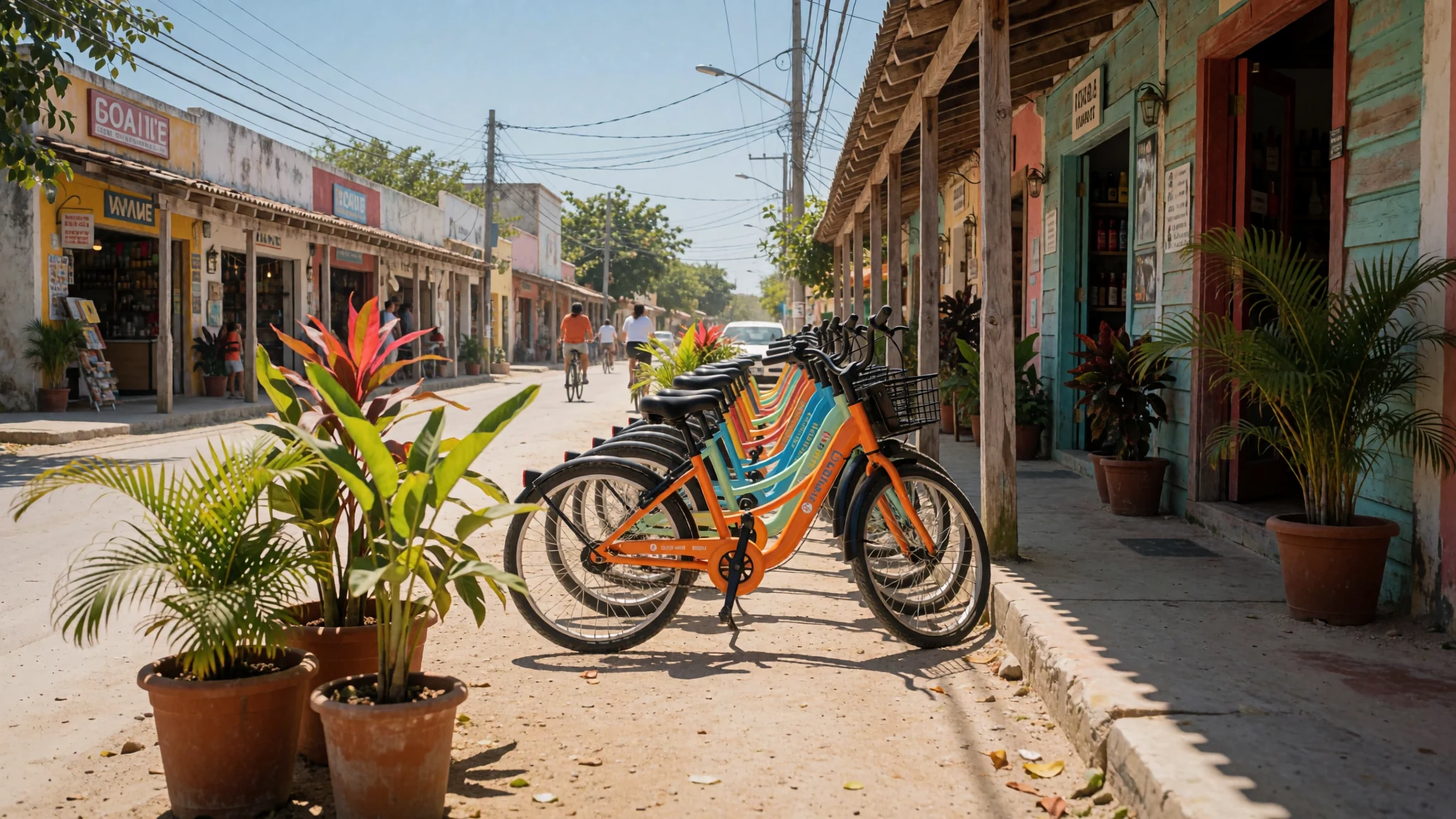
- Isla Mujeres and Garrafon — Isla Mujeres
Situated a short boat journey north of Cancun, this charming island features the Garrafon Natural Reef Park. It offers striking views both above and below the water surface, making it a popular excursion from the wider Caribbean coastline.
- Coastal Jungle Trails — Surrounding municipal jungle
The wooded areas surrounding the town and coast provide opportunities to observe native wildlife in its natural habitat. Keen-eyed observers frequently spot foraging agoutis and various bird species moving through the undergrowth close to walking paths.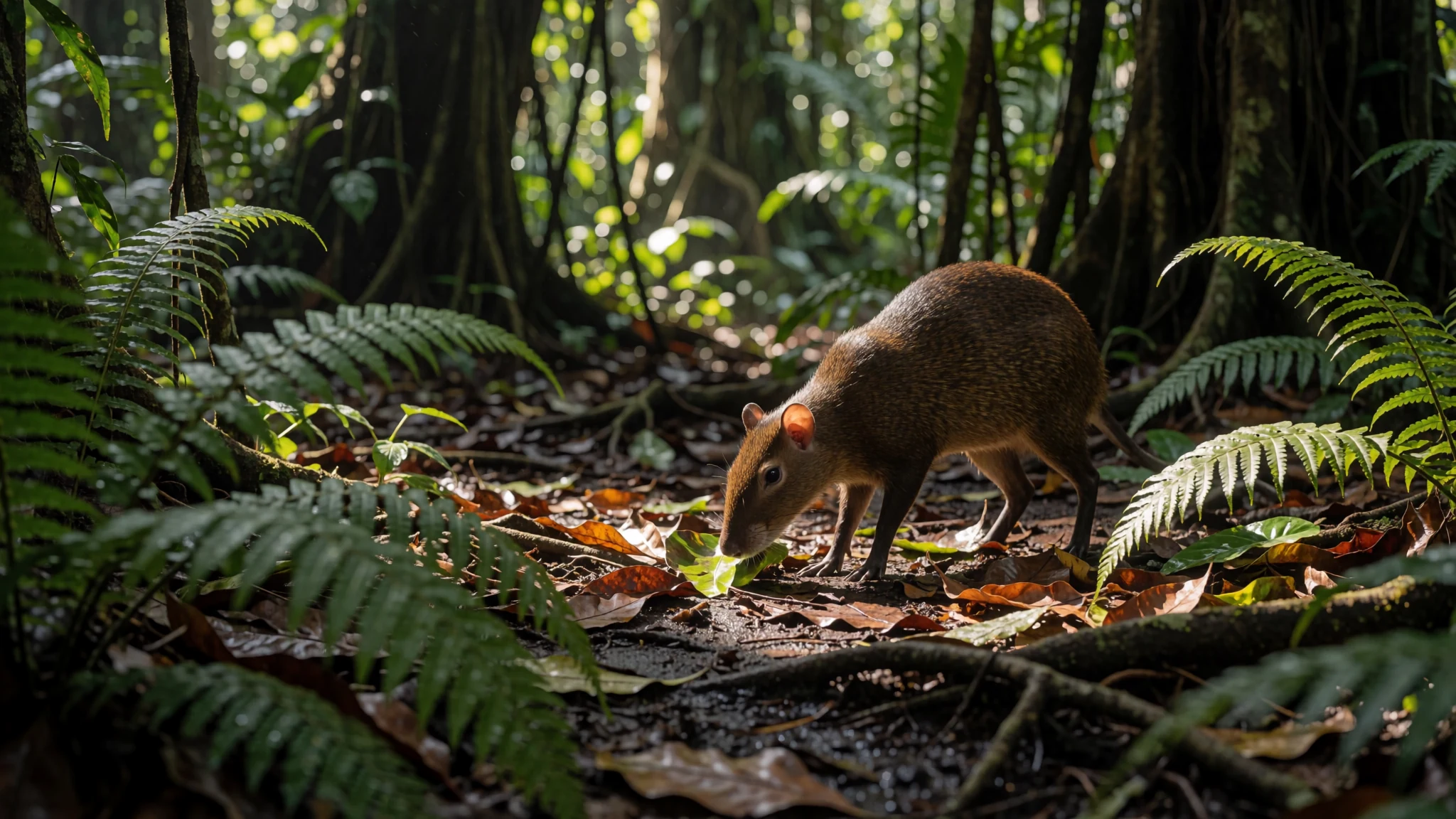
Culture
The cultural fabric of Tulum is a blend of traditional Maya heritage and contemporary international influences brought by residents and travellers from around the globe. Spanish is the primary language spoken locally, though English is widely understood in commercial establishments, tourist areas, and hotels. Traditional Yucatecan customs, community celebrations, and regional crafts remain visible in daily life away from the main beachfront strips. Craft brewing has also emerged as part of the local beverage culture, with regional independent breweries producing distinctive ales across the state of Quintana Roo. When interacting with local residents and exploring residential neighbourhoods outside the main tourist zones, polite greetings and a respectful demeanour are appreciated. Always ask permission before photographing local residents or private property.
What to wear
Traditional dress across the Yucatán Peninsula includes the colourful embroidered *huipil*, a loose-fitting white cotton tunic worn by Maya women during ceremonial occasions and daily life, reflecting centuries of textile heritage. For men, traditional guayabera shirts crafted from lightweight cotton or linen remain standard for formal events. Today, everyday wear in the town and along the coast is casual, breezy, and practical for a tropical climate, consisting of lightweight linen trousers, cotton dresses, shorts, and sandals. Visitors should pack breathable, light-coloured fabrics to stay comfortable in the heat and humidity. When leaving the immediate beach zones to visit local towns, markets, or inland settlements, dress modestly by covering shoulders and knees out of respect for local conservative norms. Sturdy footwear or comfortable sandals are essential for navigating unpaved sandy tracks and uneven jungle paths.
What to eat
- Yucatecan Coastal Seafood — Coastal restaurants and town eateries
Owing to the close proximity to the Caribbean Sea, local menus feature an abundance of freshly caught fish and seafood prepared with regional citrus and chilli marinades.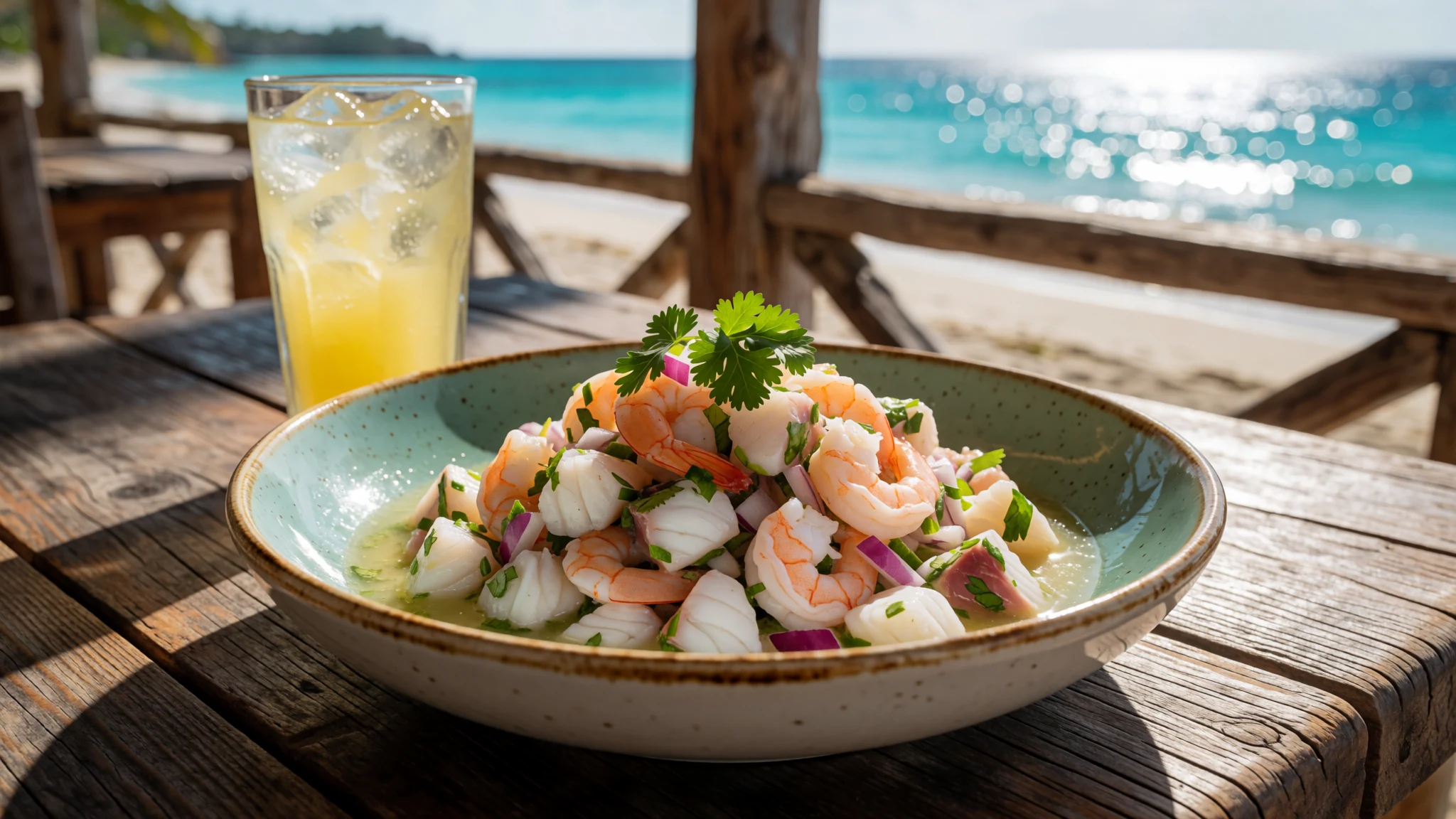
- Local Craft Ales — Local brewpubs and bars along MEX 307
Quintana Roo boasts a growing number of independent artisanal craft breweries producing light-bodied golden ales, pale ales, and brown ales designed to combat the tropical heat.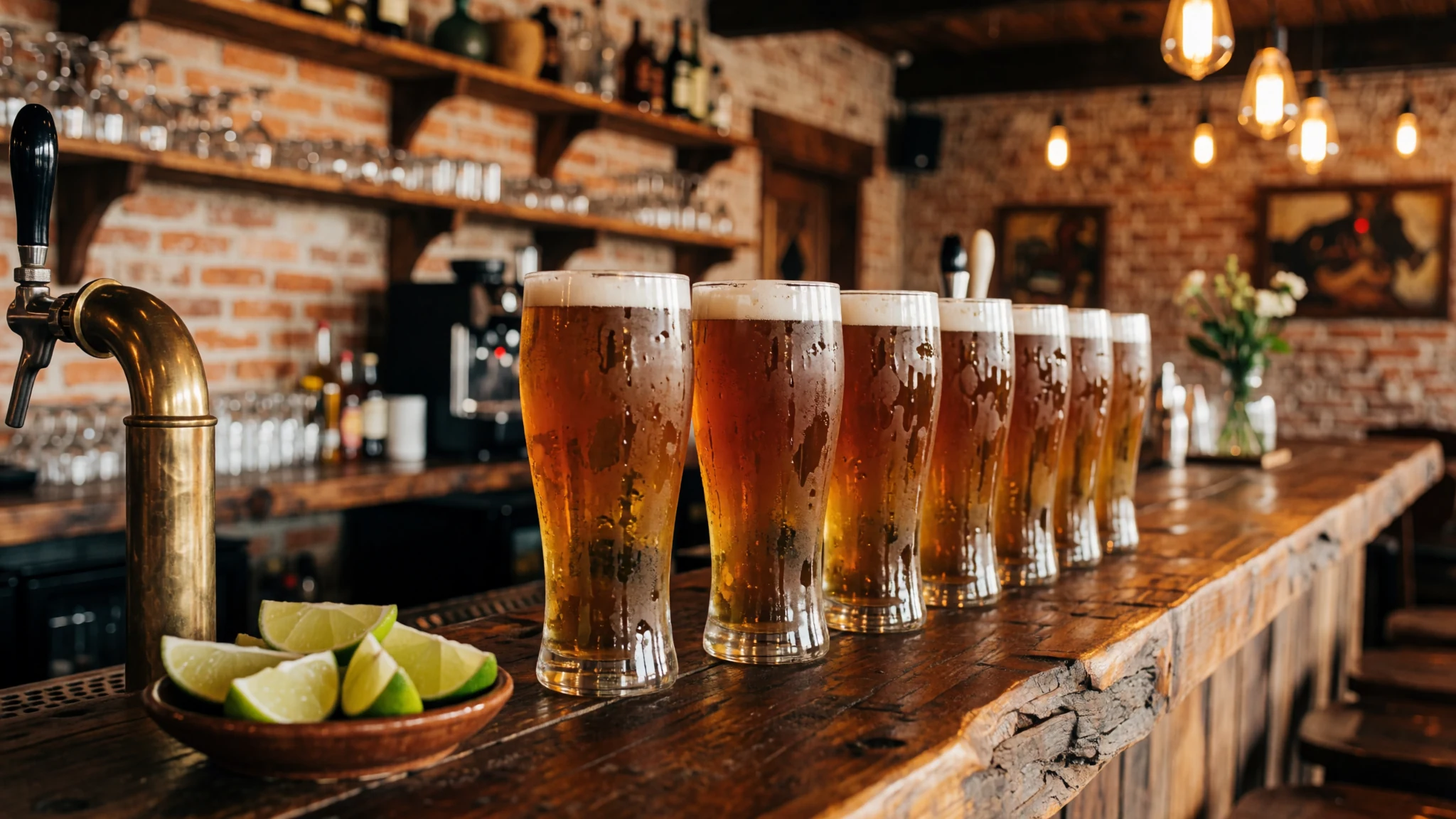
- Internationalized Fare — Downtown Tulum and beach resort zones
Most restaurants catering to visitors across the region offer a diverse mix of international dishes alongside traditional Mexican street food staples. - Regional Antojitos — Town centre markets and side streets
Small street-side food stalls and local markets serve traditional corn-based snacks, tacos, and regional Yucatecan specialties prepared fresh daily.
Plan it
Best time. December to April offers the most pleasant dry weather, avoiding the heavy September and October rains and the hot, humid peak of August.
How long. 3–4
Getting there. Fly into Tulum International Airport (TQO) or the larger Cancún International Airport (CUN), then complete the journey via ADO bus services or highway transport along Highway 307.
Budget. mid
Tips
- Use official ADO buses for reliable and comfortable travel between regional towns and airports
- Rent a bicycle to easily navigate between the inland town centre and the coastal road
- Carry cash for smaller shops, local markets, and bus tickets where card payments may not be accepted
- Drink bottled or purified water rather than tap water throughout your stay
Etiquette
- Always ask permission before photographing local residents or sacred community spaces
- Respect local environmental rules by using reef-safe sunscreen when swimming near coastal coral systems
Nearby
Sources
- Wikidata Q277408 (CC0)
- Wikipedia (CC BY-SA 4.0)
- Wikivoyage (CC BY-SA 4.0)