Havana
Havana, Cuba
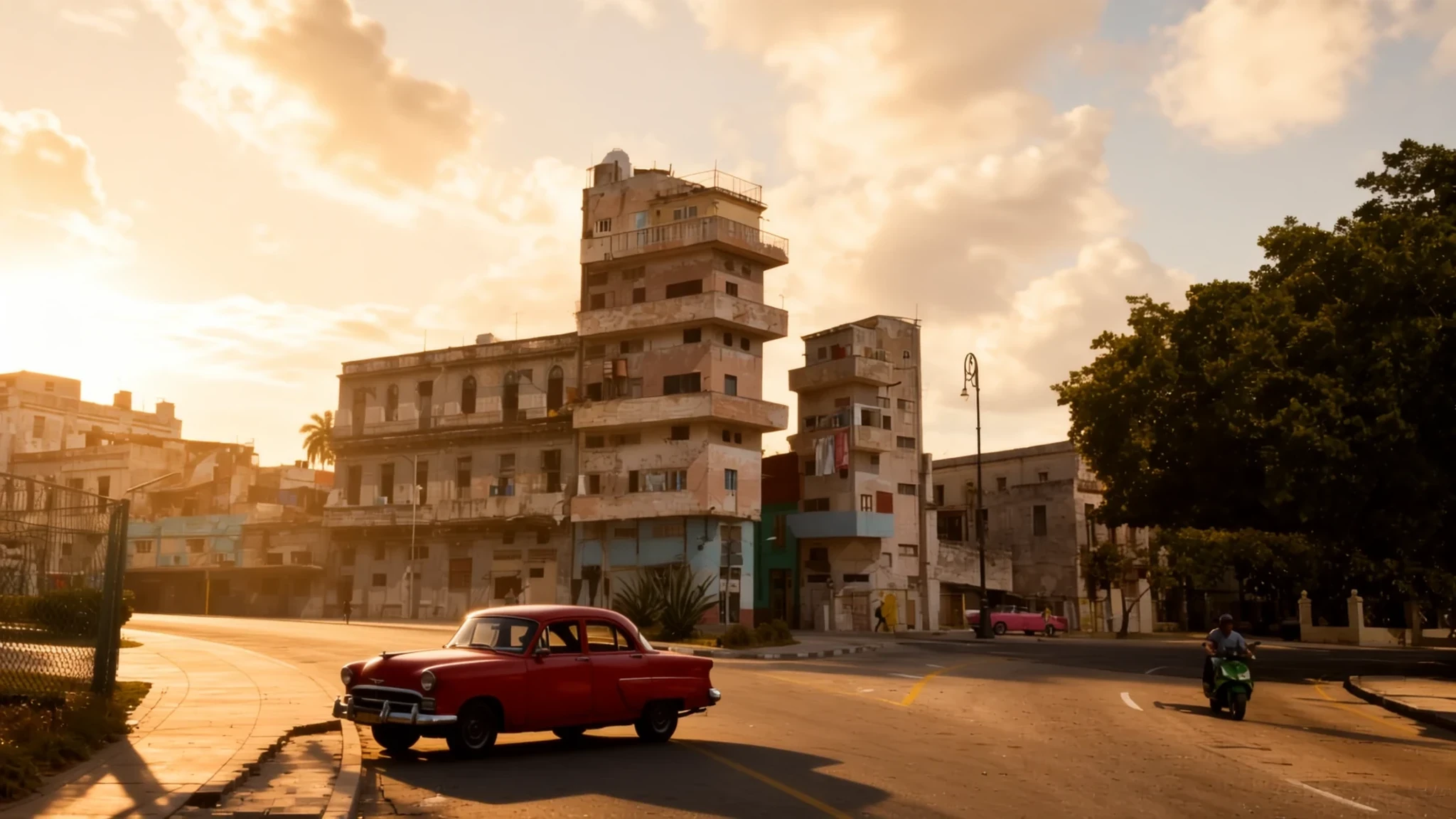
Havana pairs weathered colonial grandeur with Caribbean rhythm, offering a living museum of vintage cars, plazas, and seaside promenades.
The place
Havana stands as the capital and largest urban settlement of Cuba, serving as the nation's principal maritime port and commercial nucleus. Stretching along the northern coast beside a sheltered bay, the city functions as the seat of government, housing numerous ministries, diplomatic missions, and civic institutions. Its territory fans out from a narrow harbour entrance that divides into distinct internal inlets, creating a sprawling municipal footprint.
Contemporary Havana reveals itself through distinct urban layers. Visitors walking through the historic quarters encounter weathered colonial facades, intimate squares, and labyrinthine streets that tell tales of centuries past. Moving westward, the city shifts into Vedado, characterised by leafy avenues, eclectic 20th-century architecture, and a more open layout. Beyond lie newer residential zones and suburban districts that house a significant portion of the urban population. Despite decades of economic strain and salt air taking a heavy toll on the masonry, the metropolis retains an undeniable energy. Music pours from doorways, neighbours converse across wrought-iron balconies, and the iconic sea wall known as the Malecón draws locals every evening to watch the Atlantic waves crash against the stone.
Its story
Havana did not always occupy its present coastal home. Spanish colonisers initially established a settlement on the southern coast near the Mayabeque River, but low, marshy ground made the location untenable and plagued early pioneers with illness. Seeking a superior harbour and better elevation, explorers relocated operations to the northern shore near the Almendares River before finally settling beside the protected waters of what was then called Puerto de Carenas.
Positioned strategically along vital maritime trade routes, Havana quickly grew into a critical staging ground for Spanish galleons carrying treasure back to the Iberian Peninsula. To safeguard this prize from rival fleets and pirates, the crown ordered massive stone fortifications constructed around the harbour mouth, including defensive castles that still command the waterfront. Over subsequent centuries, the port blossomed into one of the wealthiest mercantile hubs in the Americas, attracting merchants, soldiers, and aristocrats. Palaces, churches, and grand theatres rose from the coral rock, establishing an architectural legacy that weathered shifting political tides, colonial rule, and dramatic revolutions. Today, those ancient ramparts and weathered facades bear silent witness to a turbulent and resilient past.
What to see
- Museum of the Revolution — Old Havana
Housed inside a grand former presidential palace adorned with ornate European interiors, this museum chronicles the island's political struggles. Exhibits guide visitors from pre-Columbian eras through the momentous 1959 revolution and into contemporary socialist administration, with outdoor displays featuring historical aircraft and naval vessels.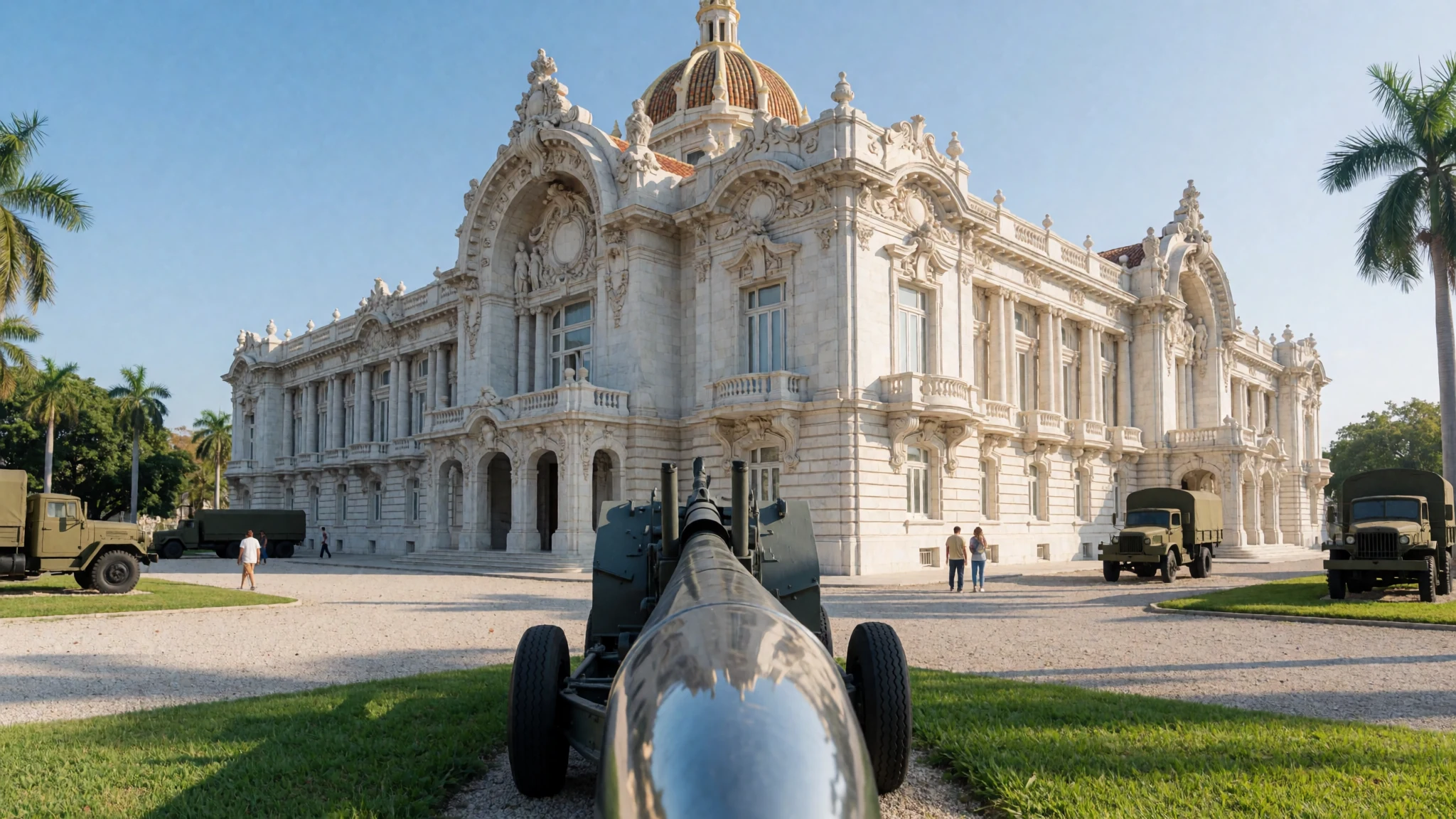
- National Capitol Building — Central Havana
Resembling famous legislative halls in Washington, this monumental neoclassical landmark was completed in 1929 and once housed the Cuban Congress before later serving academic bodies. Following extensive restoration work, the soaring dome and grand marble halls now welcome the public back to admire the restored assembly chambers.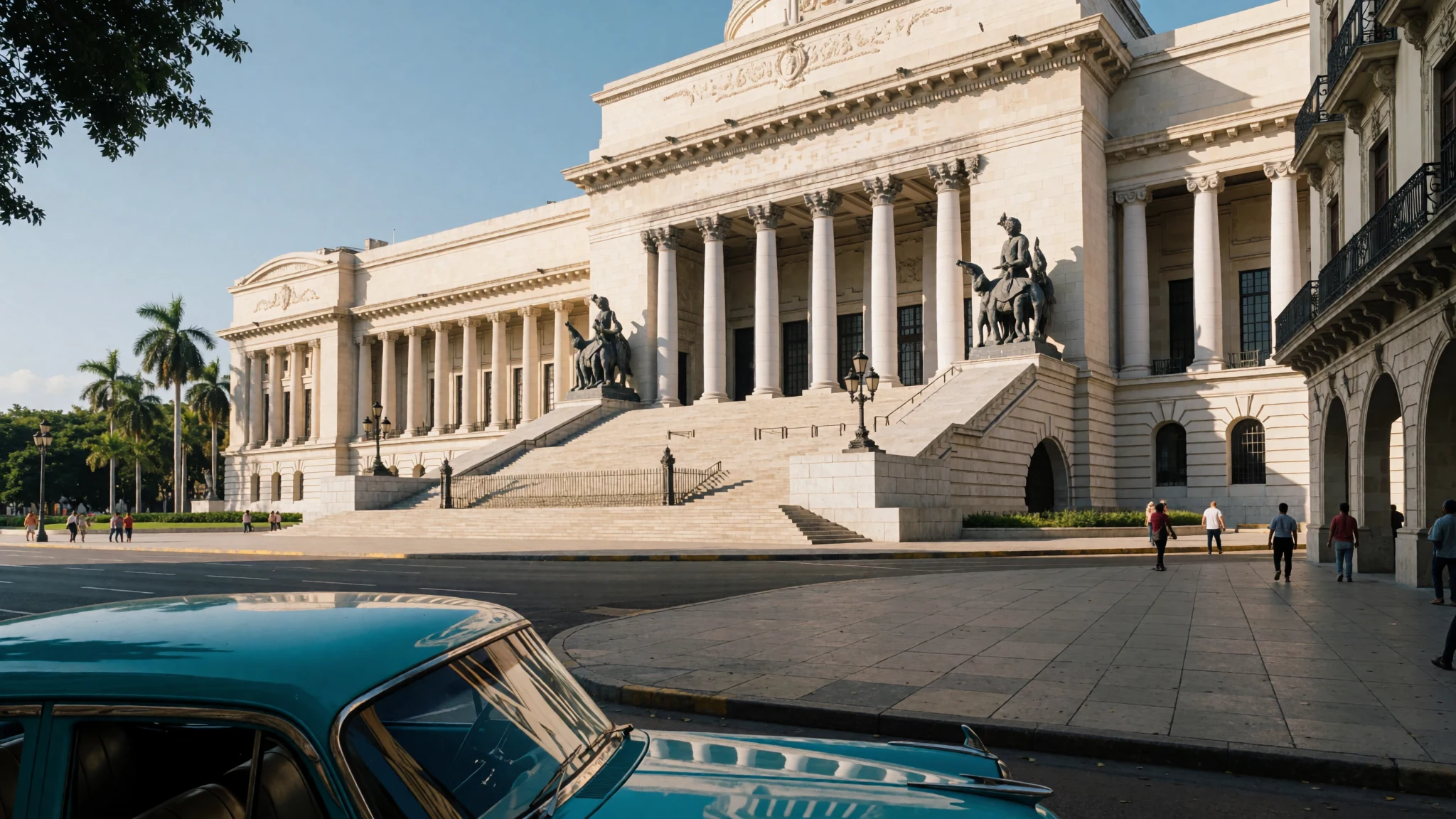
- Partagás Cigar Factory — Central Havana
Operating for generations in the heart of the city, this legendary factory provides a fascinating window into the meticulous craft of rolling world-famous tobacco. Guided tours explain how expert torcedores select, cure, and shape premium leaves by hand while listening to traditional daily readings in the workrooms.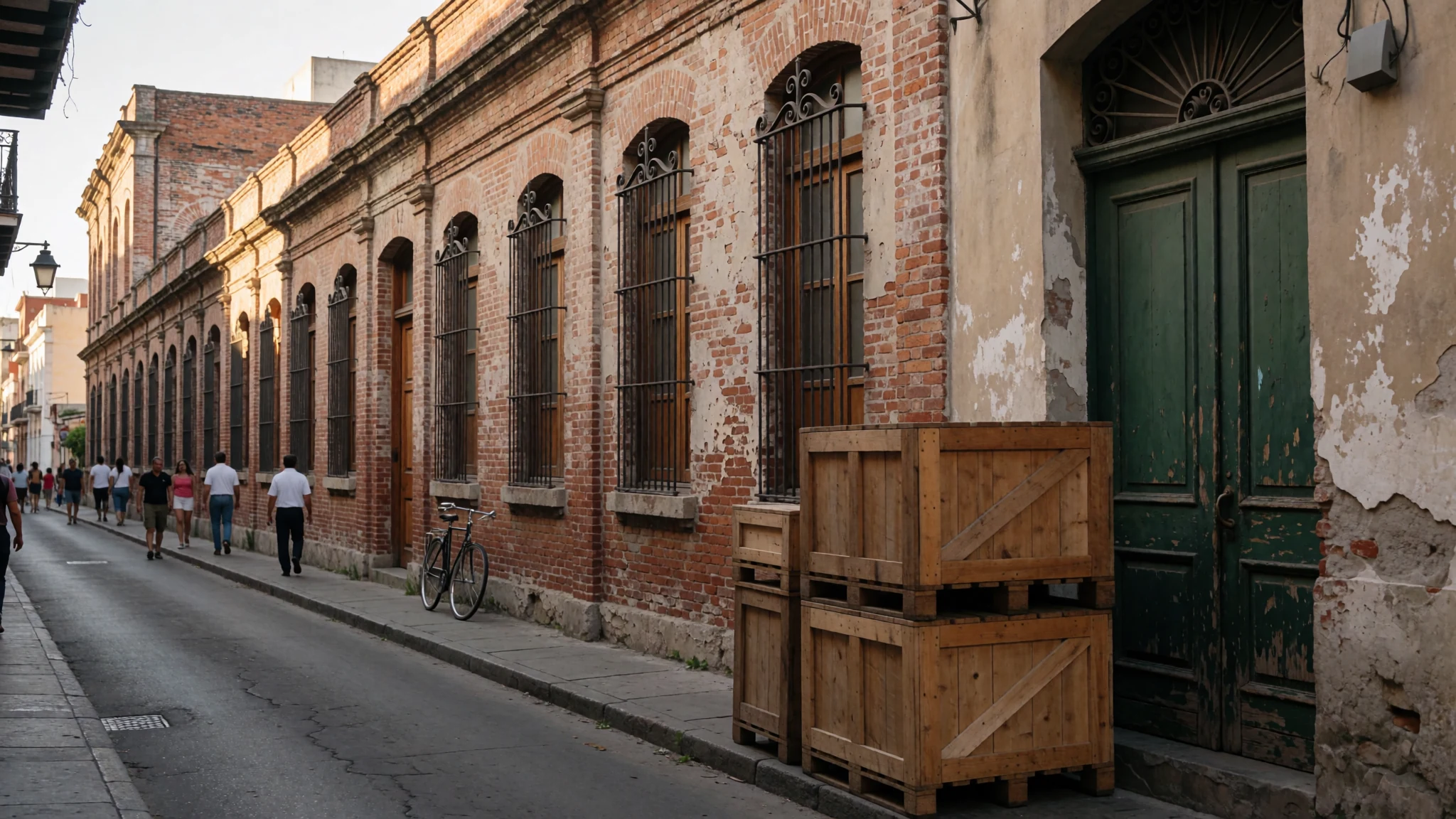
- Havana Club Rum Museum — Old Havana
Situated near the commercial wharves, this engaging cultural space details the long history and distillation processes behind one of the country's most celebrated export spirits. Informative guided walkthroughs feature scale models of sugarcane plantations, traditional ageing cellars, and explanatory exhibits translated into multiple languages.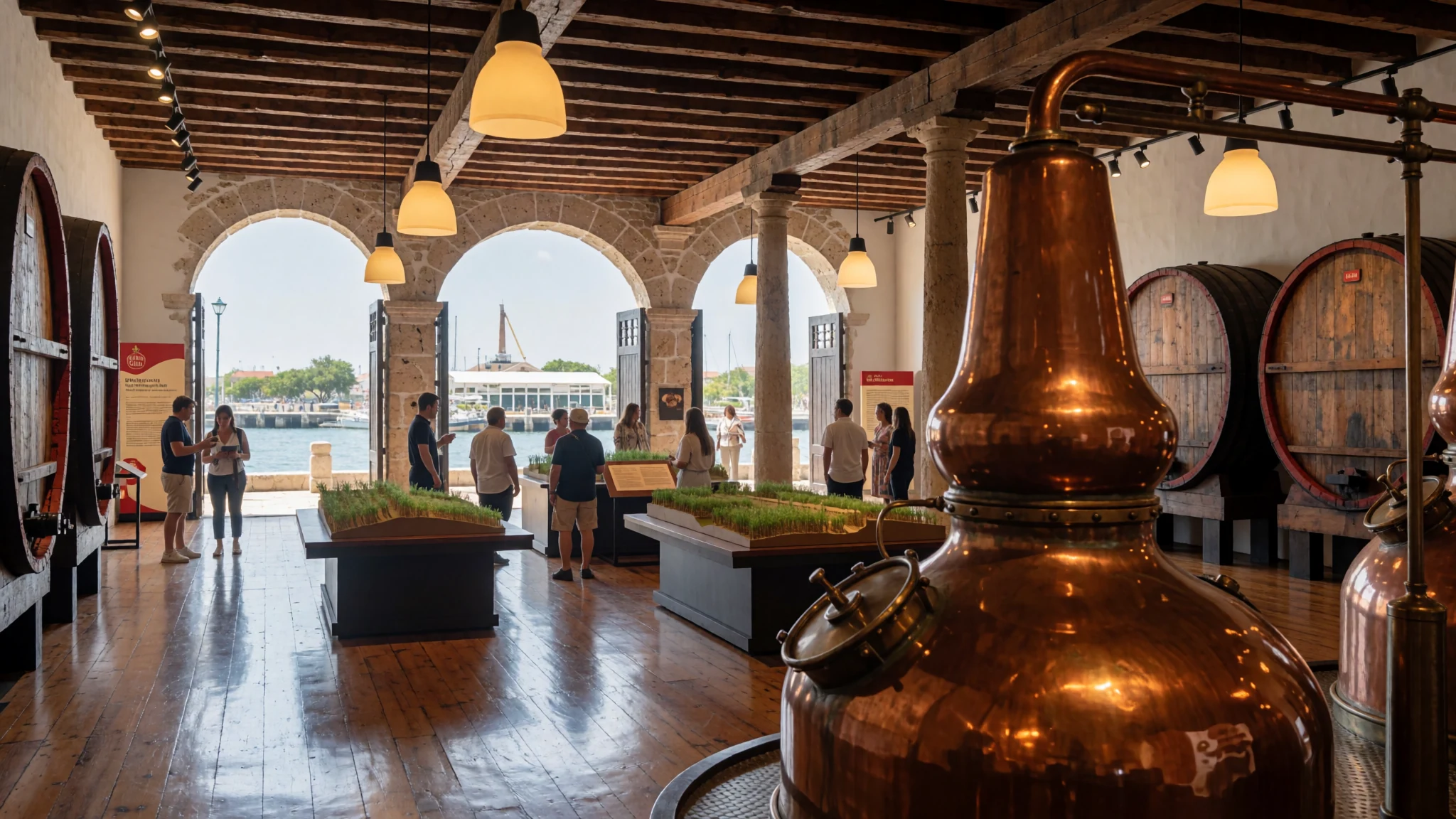
- Plaza de la Revolución — Vedado
Dominating a vast civic asphalt square, this monumental gathering space features a towering memorial obelisk and statue dedicated to national hero José Martí. Across the esplanade, the exterior wall of the interior ministry bears the giant steel outline of Che Guevara, making it one of the most photographed political landmarks.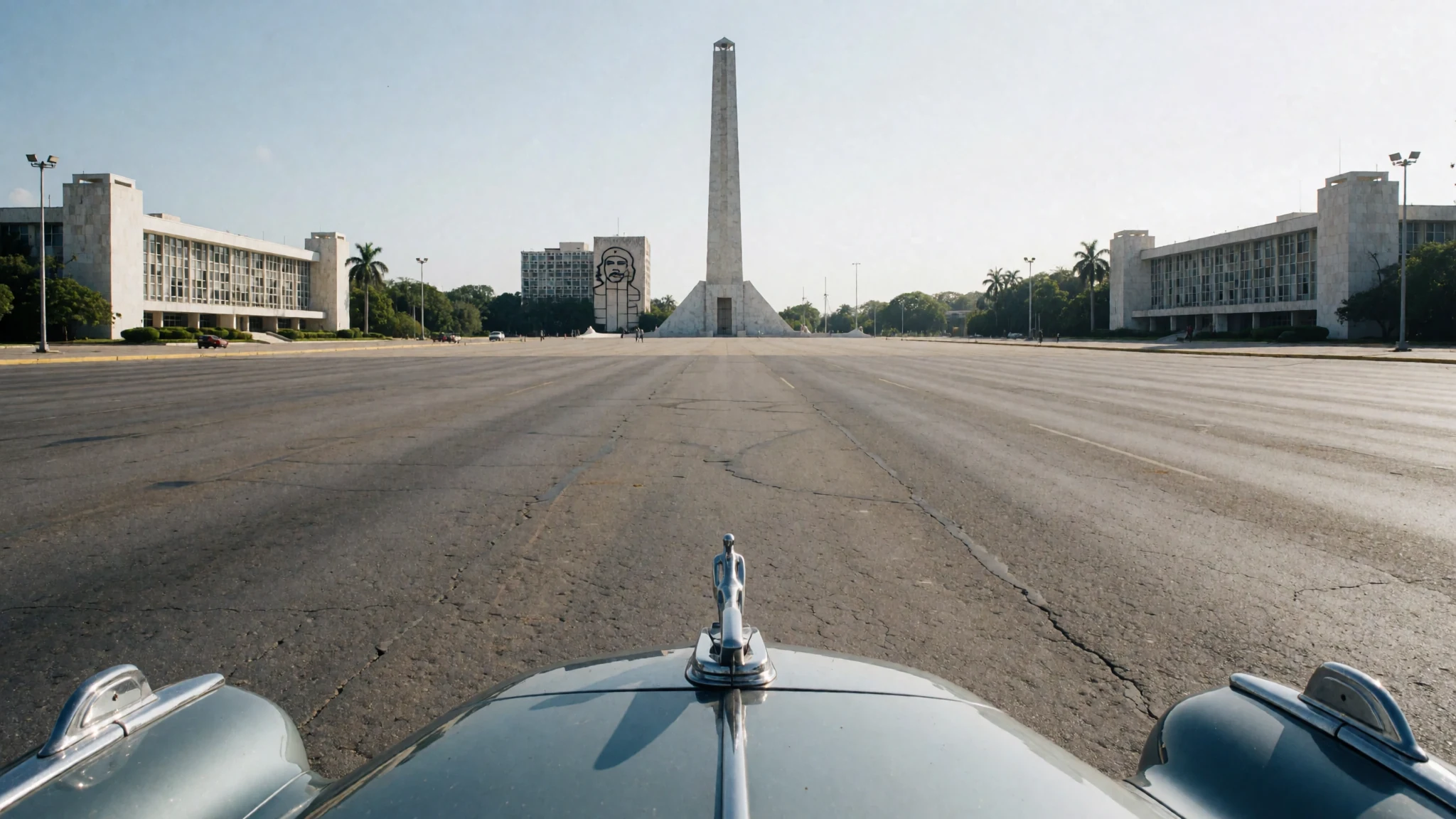
- Lennon Park — Vedado
Tucked away in a leafy residential neighbourhood, this quiet urban park holds a bronze bench bearing a lifelike sculpture of the legendary British musician. Local caretakers famously guard the statue, ensuring that the removable spectacles placed over the bronze eyes remain intact despite frequent souvenir-hunting visitors.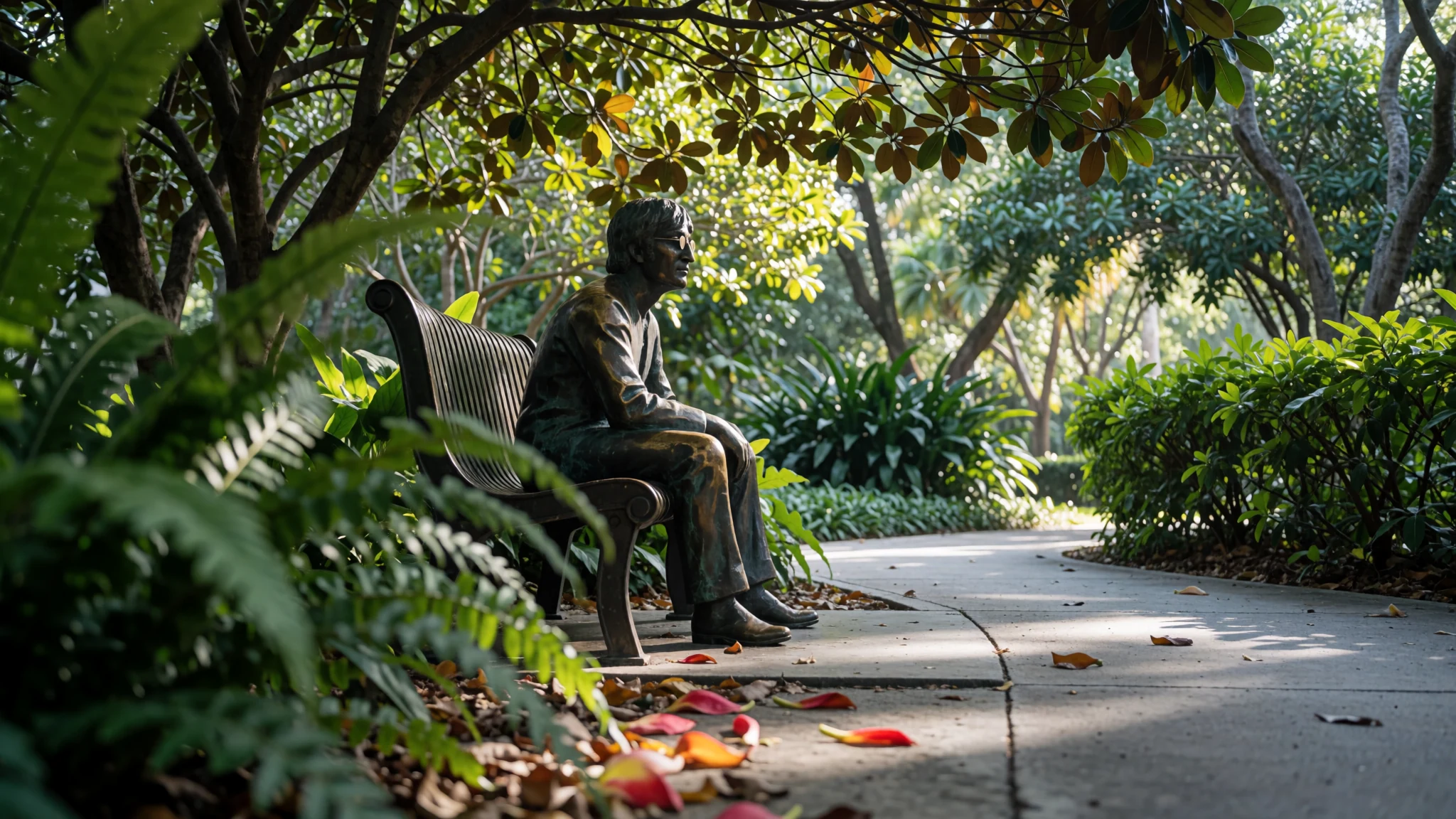
Culture
Havana possesses a rich visual and cultural identity anchored by historic civic symbols. The traditional coat of arms features three defensive stone castles representing the ancient fortresses that guarded the maritime approaches, alongside a golden key signifying the port's historic status as the gateway to the Americas. Supporting the central shield, an oak branch embodies national strength while a laurel wreath denotes glory and civic honour.
Architecturally, the metropolis showcases an extraordinary tapestry spanning from early colonial fortresses to eclectic modernist high-rises. While decades of harsh climate and limited resources have left many facades weathered or crumbling, the cultural spirit remains remarkably vibrant. Music and dance permeate daily life, from impromptu rumba circles in neighbourhood alleys to sophisticated jazz clubs. Residents maintain a warm, conversational warmth despite daily economic hurdles. When photographing residents or entering neighbourhood homes, always ask permission first out of respect for local privacy.
What to wear
Havana fashion reflects a practical response to the tropical climate combined with a vibrant Caribbean aesthetic. Traditional island attire centres on the guayabera shirt, a lightweight cotton or linen button-down featuring delicate vertical pleats and pockets, traditionally worn untucked in pale shades to beat the heat. Everyday wear for locals is casual and functional, featuring comfortable linen trousers, breathable cotton shirts, and sturdy footwear suitable for walking uneven stone pavements. Visitors should pack lightweight, loose-fitting clothing made from natural fibres to stay comfortable during humid afternoons. Modest attire is appreciated when visiting churches or government institutions, and while sunglasses and sunhats are essential, sturdy walking shoes are necessary for navigating historic cobblestone streets.
What to eat
- Coppelia Ice Cream Parlour — Vedado
Operated as a beloved municipal institution in Vedado, this sprawling modernist pavilion draws large crowds who queue patiently for scoops of sweet dairy treats in an open-air pavilion setting.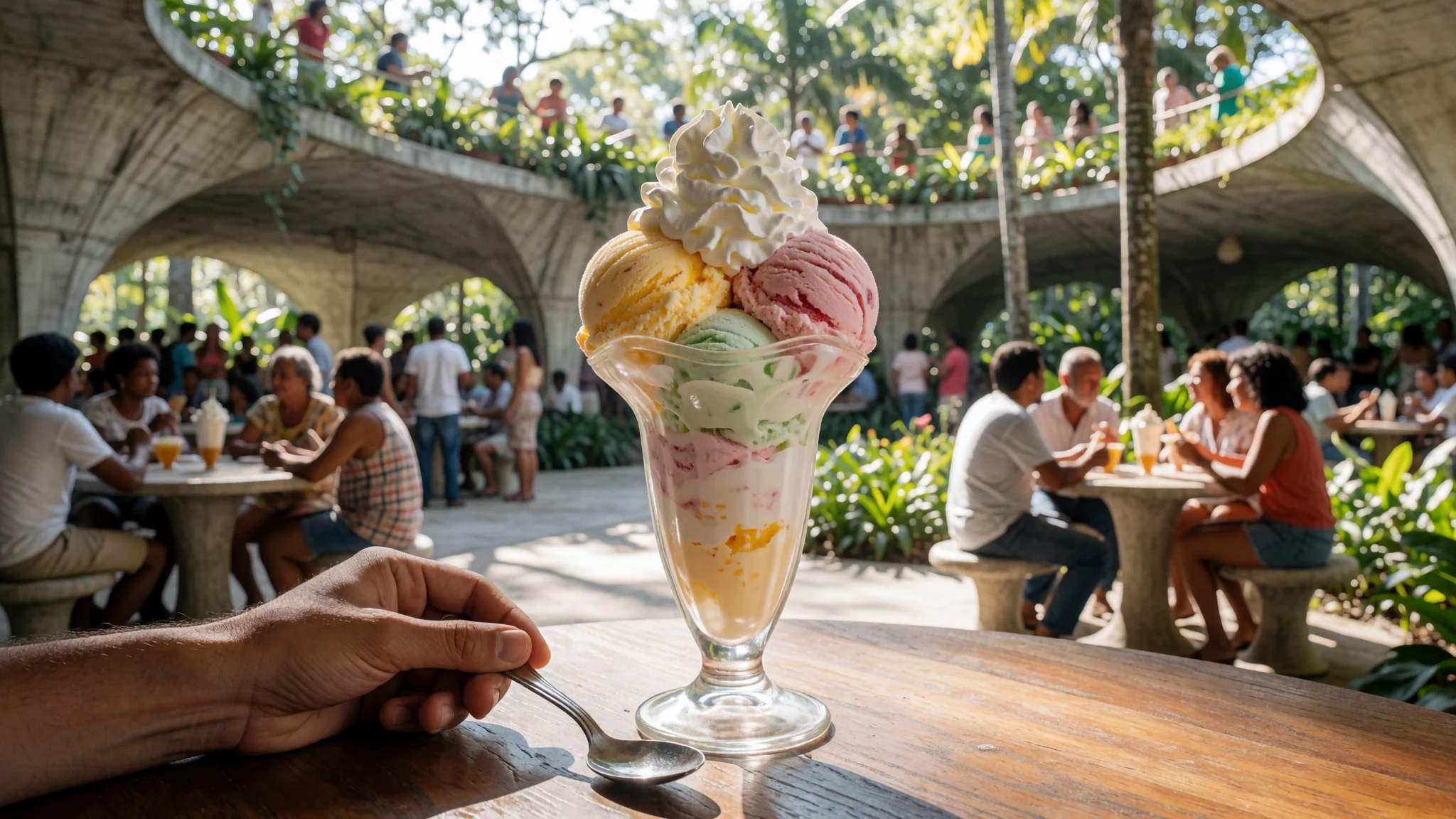
- Chan Li Po — Central Havana
Set within an immaculate, air-conditioned dining room up a flight of stairs in the central district, this long-running establishment offers comforting portions of European dishes alongside classic plates.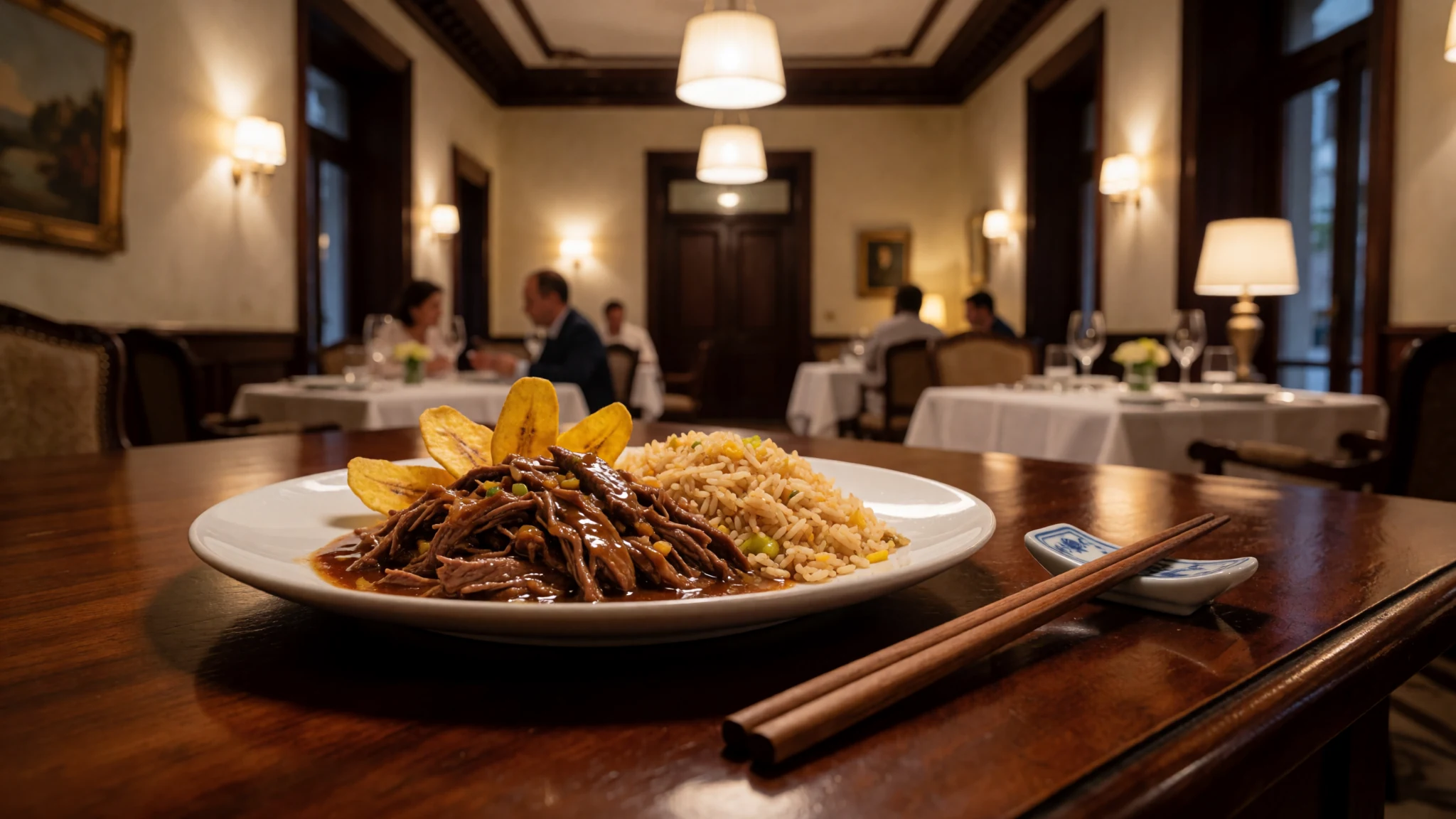
- Hanoi — Old Havana
Located within the older historic core, this rustic, open-air venue fills its traditional dining room with lively live music while serving hearty plates of seasoned black beans and rice. - El Aljibe — Miramar
Situated out in the leafy western suburb of Miramar, this popular open-air eatery specialises in tender poultry served in a distinctive, flavourful sour orange sauce alongside root vegetables. - La Casa — Nuevo Vedado
Housed inside a spacious, stylish residential dwelling typical of mid-century suburban architecture, this refined eatery serves generous portions in a relaxed, domestic garden atmosphere.
Plan it
Best time. November to April brings the dry season with lower rainfall, cooler nights and lower humidity, though daytime highs still reach the mid-30s °C, whereas the summer months from June onward bring frequent tropical downpours and intense heat.
How long. 3–4
Getting there. José Martí International Airport serves the city; taxis provide the most reliable onward connection to central districts, while airport shuttle buses require careful coordination between terminals.
Budget. mid
Tips
- Expect immigration queues and baggage reclaim to take up to ninety minutes upon arrival
- Carry sufficient physical cash as international cards and ATMs are unreliable
- Wear comfortable footwear to handle uneven paving stones across historic quarters
- Stay hydrated and carry bottled water during humid afternoon outings
Etiquette
- Ask permission before photographing local residents or private street vendors
- Dress respectfully with covered shoulders when entering official buildings or churches


