Philippi
Philippi, Greece
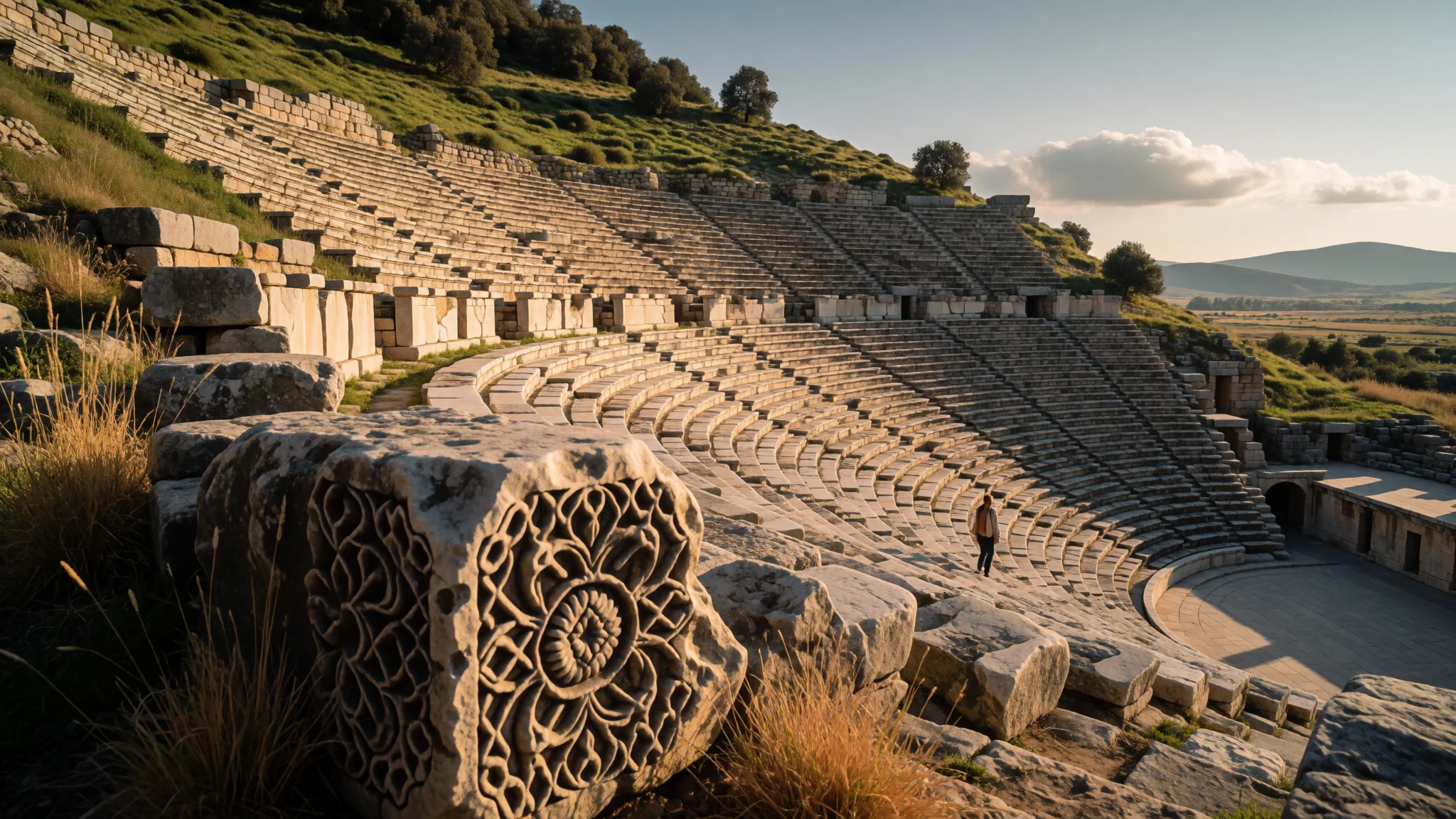
Philippi is a Greek and Roman city in the ruins, where Brutus and Cassius fell and where Christianity first reached Europe.
The place
Philippi sits on a flat plain in northern Greece, in the region of East Macedonia and Thrace, with a rocky acropolis hill rising behind it and mountains beyond. The ruins lie beside the small village of Filippoi, which belongs to the municipality of Kavala. The sea is not far, and the island of Thasos lies to the south-east. The city began as a Thasian settlement called Crenides, meaning fountains, a nod to the springs that feed the ground here.
What survives is a layered site. A theatre with Greek origins sits against the hill. Below it runs a Roman forum, a paved public square with the stumps of colonnades and the bases of statues, and around it lie the shells of several early Christian churches. The road that cut across the plain in antiquity still shapes the layout, and walking the line of it gives the clearest sense of how the town worked.
UNESCO listed the site in 2016, citing its Roman architecture, a town plan that echoed Rome on a smaller scale, and its place in early Christianity. It is not a place of towering monuments. The pleasure is in the scale: low walls, marble fragments, wild flowers in spring, and wide views over farmland. A few hours is enough for most visitors, though the acropolis climb adds time.
Crowds are modest compared with Athens or Delphi, and in shoulder seasons the site can feel almost empty. Shade is scarce except in the small park by the car park, so the weather matters more than any queue.
Its story
Philippi was founded around 360 BC by colonists from Thasos, who named it Crenides. They wanted the gold-bearing country on the mainland, but Thracian neighbours threatened them, and within a few years the settlers asked King Philip II of Macedon for help. He took the town in 356 BC, fortified it and gave it his own name.
His motives were practical. Nearby mines brought wealth, and Philip set up a mint to turn it into coin. The site also commanded the passage between marsh and mountain on the great east–west route across Macedonia, later rebuilt by Rome as the Via Egnatia. Philip had walls raised across the gap and part of the marsh drained, a feat the ancient writer Theophrastus recorded.
The name Philippi echoes through Roman history because of the battle fought on the plain in 42 BC. Forces of Mark Antony and Octavian defeated those of Brutus and Cassius, the assassins of Julius Caesar. Afterwards the city was made a Roman colony, which explains the forum and the Roman reshaping of the theatre.
Philippi also matters in the story of Christianity. It is associated with the apostle Paul's mission in Europe, and the churches built here over the following centuries made it an important Christian centre. The city was eventually left empty after the Ottoman conquest, in the fourteenth century, and the ruins slowly sank into farmland until excavators began to uncover them.
What to see
- The theatre — Foot of the acropolis hill
Probably begun under Philip II in the fourth century BC, the theatre was heavily remodelled by the Romans in the second and third centuries AD. Stone seating curves up the slope, and carved reliefs survive near the entrance. Summer performances are held here, so check the festival programme before travelling.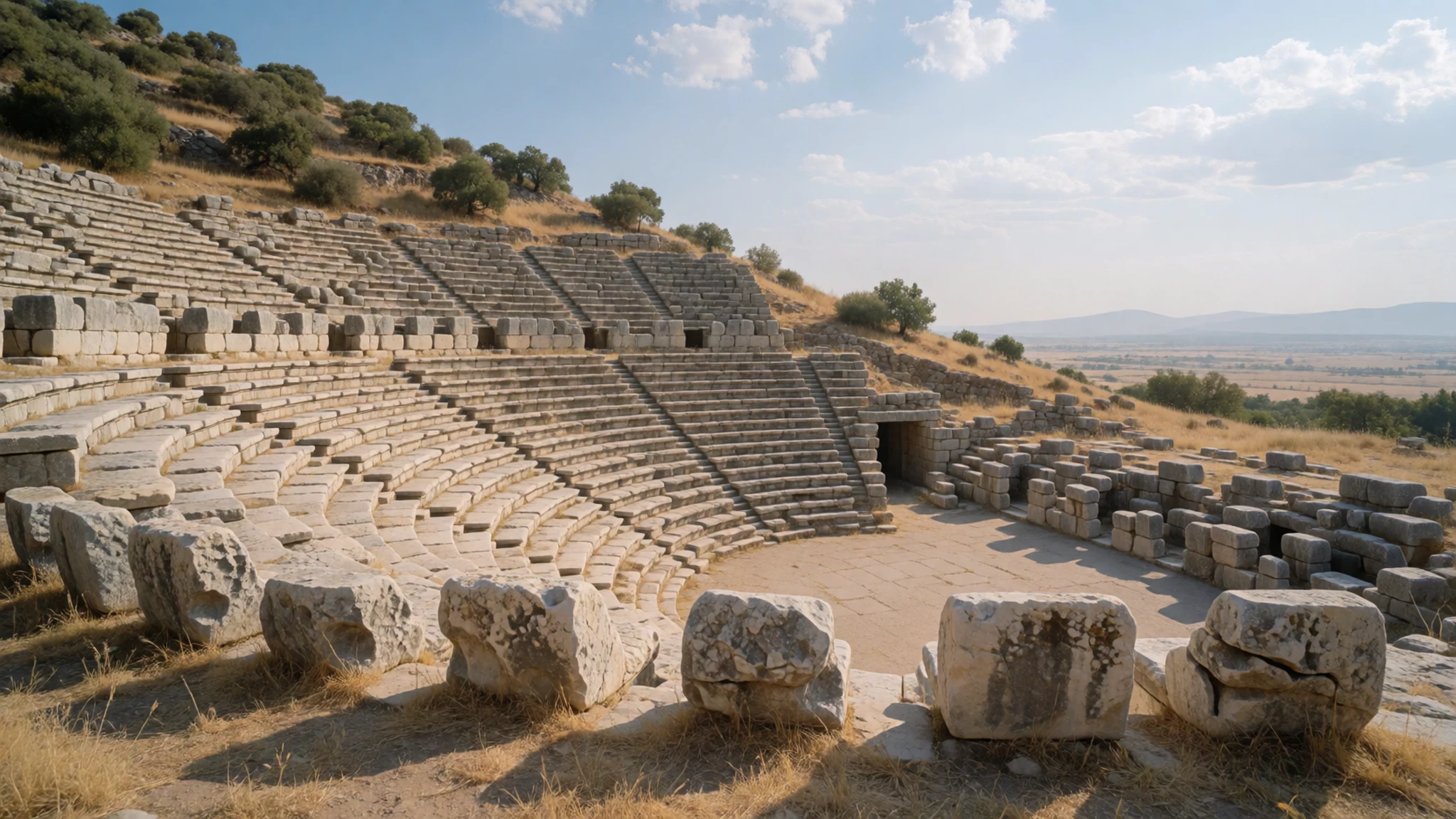
- The Roman forum — Centre of the site
The forum was the heart of public life: politics, trade, worship and gossip all happened on this paved square. Today you can trace its edges, see the bases of monuments, and imagine the crowds. It is flat, easy to walk, and the best place to understand the Roman town plan.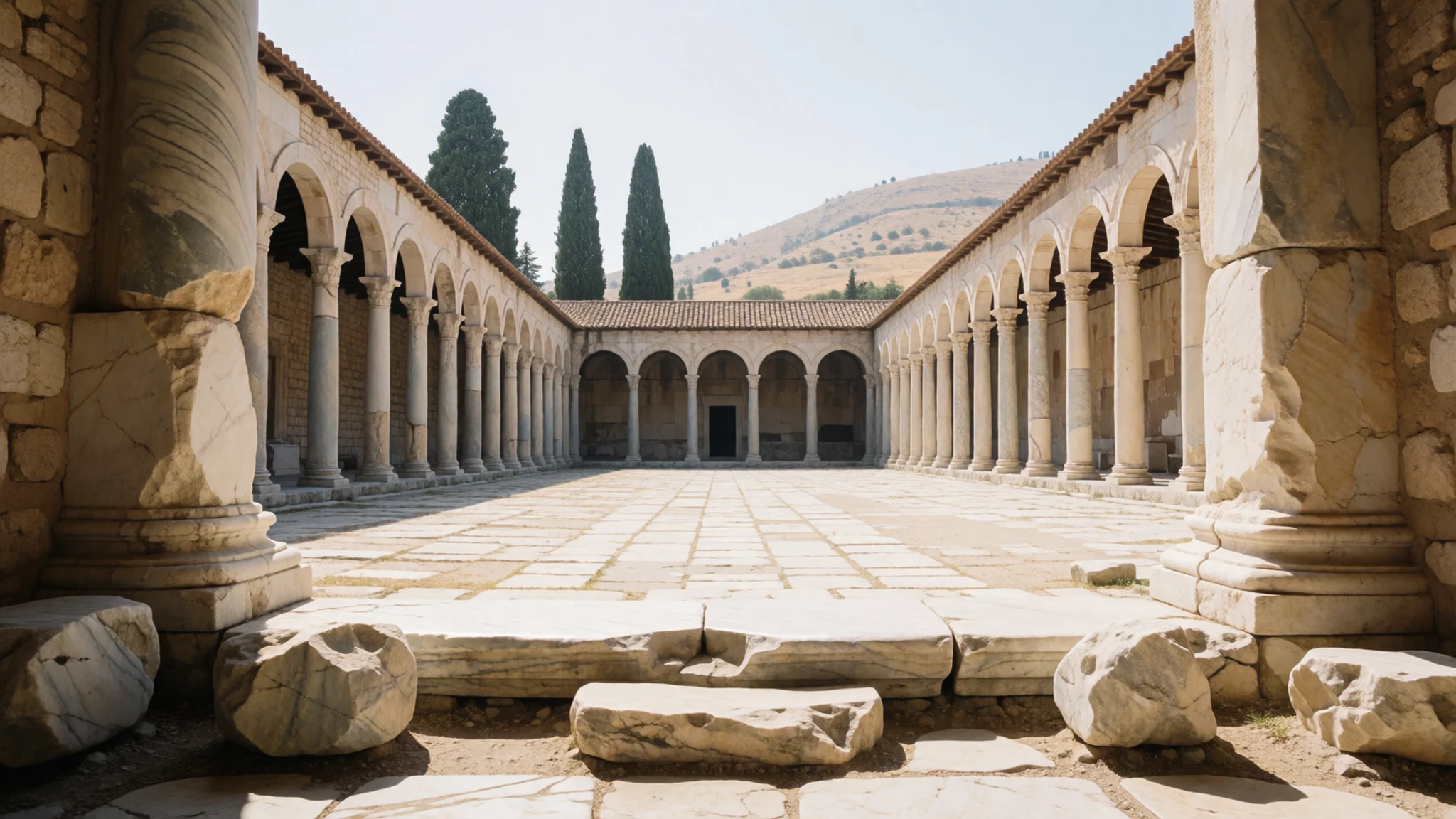
- Basilica A — Beside the forum
This was an enormous church, about 130 by 50 metres, with three aisles, a transept, a square courtyard in front and galleries above the side aisles. Only the footprint and some walls remain, but they show how ambitious the early Christian builders were.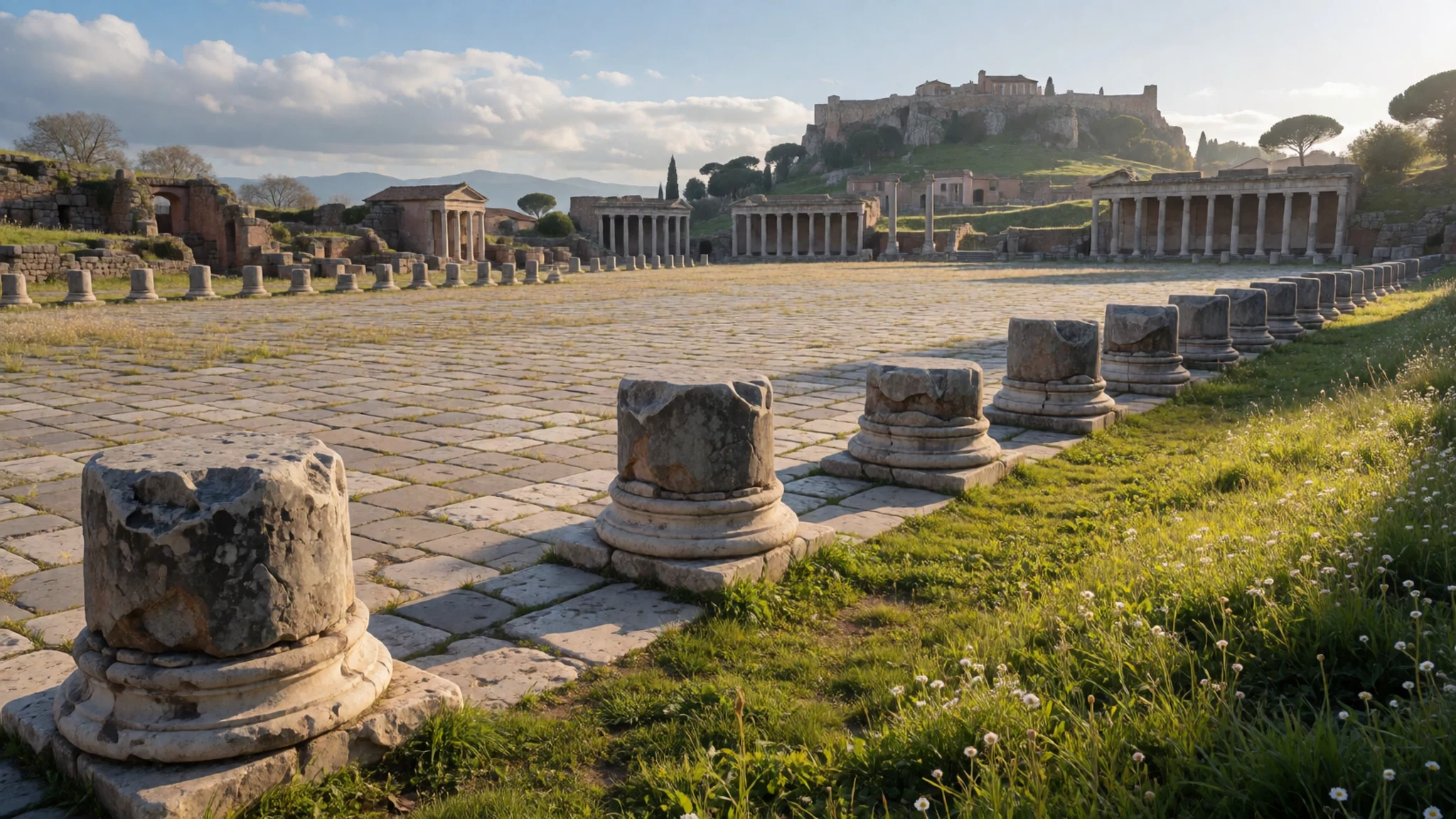
- Basilica B and the octagon — South-west of the forum
Basilica B, from around the middle of the sixth century, stands with tall brick arches at the edge of the forum and is one of the most photogenic structures here. The nearby octagonal church has a floor mosaic bearing the name of Paul in Greek letters.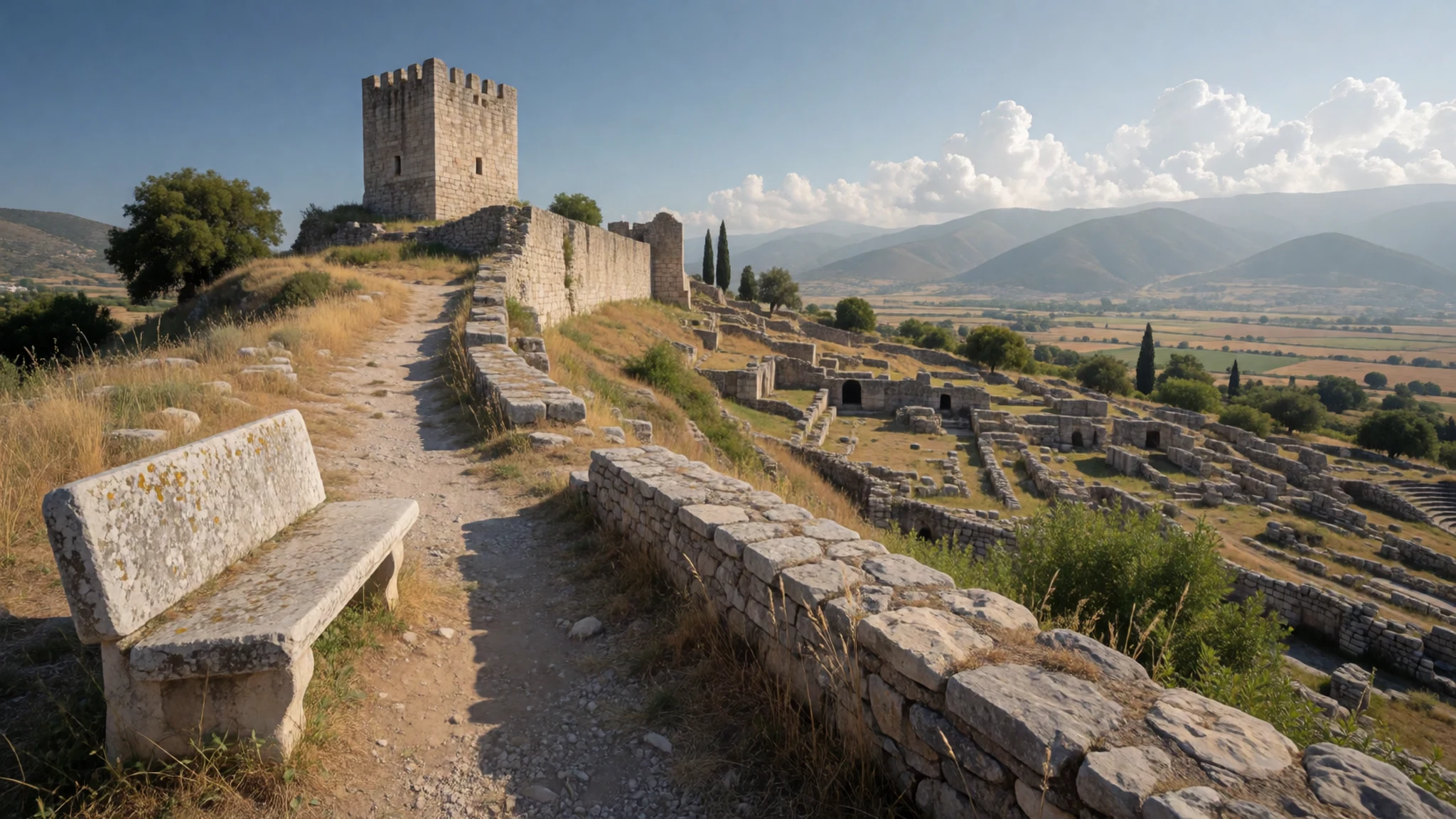
- The acropolis — Hill above the theatre
A steady climb leads to a late Byzantine tower and a wide view over the ruins and plain. It is steep and exposed, so go early or late in warm months and wear proper shoes. The reward is seeing the city's layout laid out below you.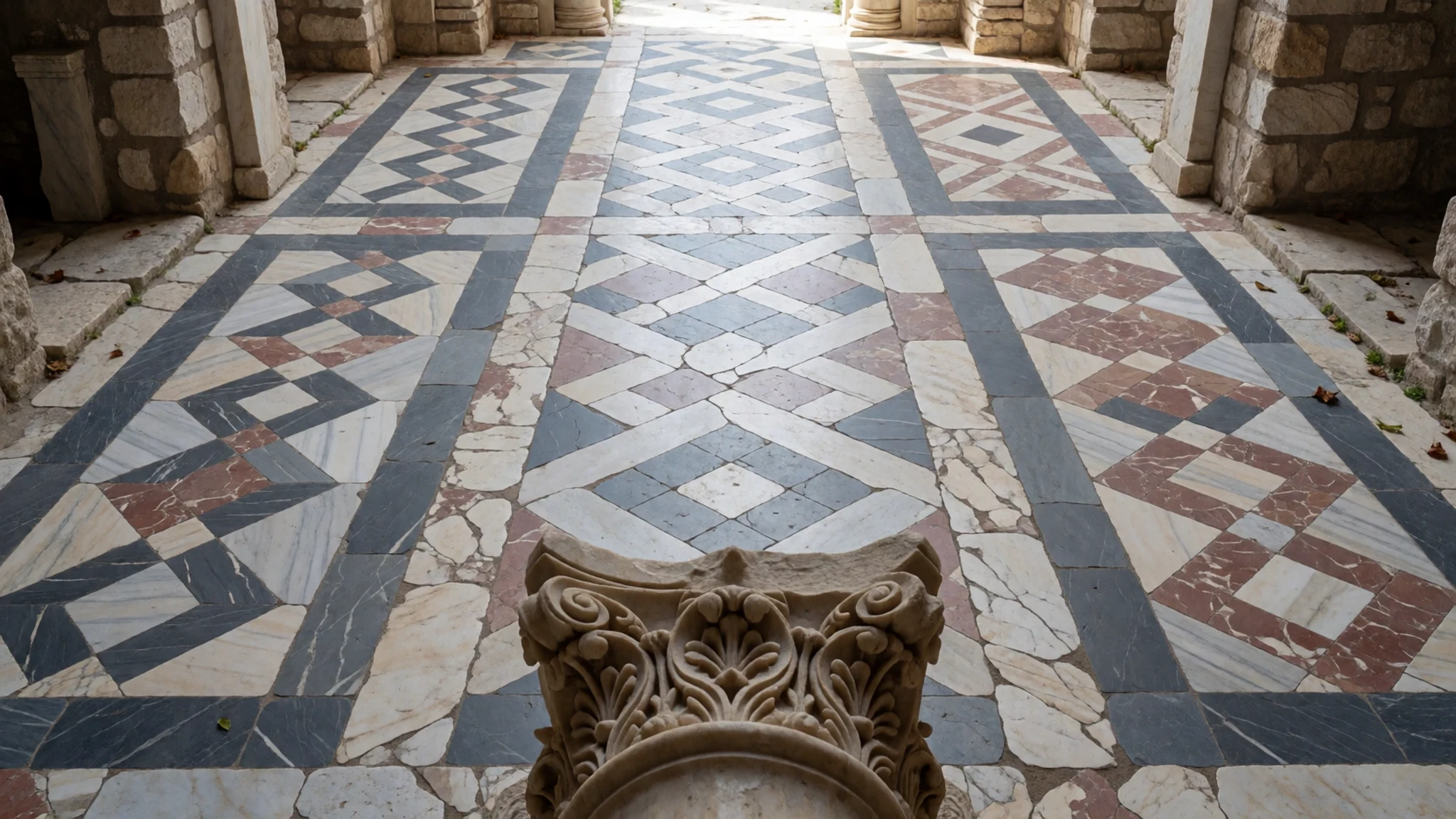
- Archaeological Museum — Near the site entrance
The museum is modest beside the big Athens collections, but it puts the site in context with finds from the city and its cemeteries. A small shop sells replicas of ancient objects. It is a useful, air-conditioned stop on a hot day.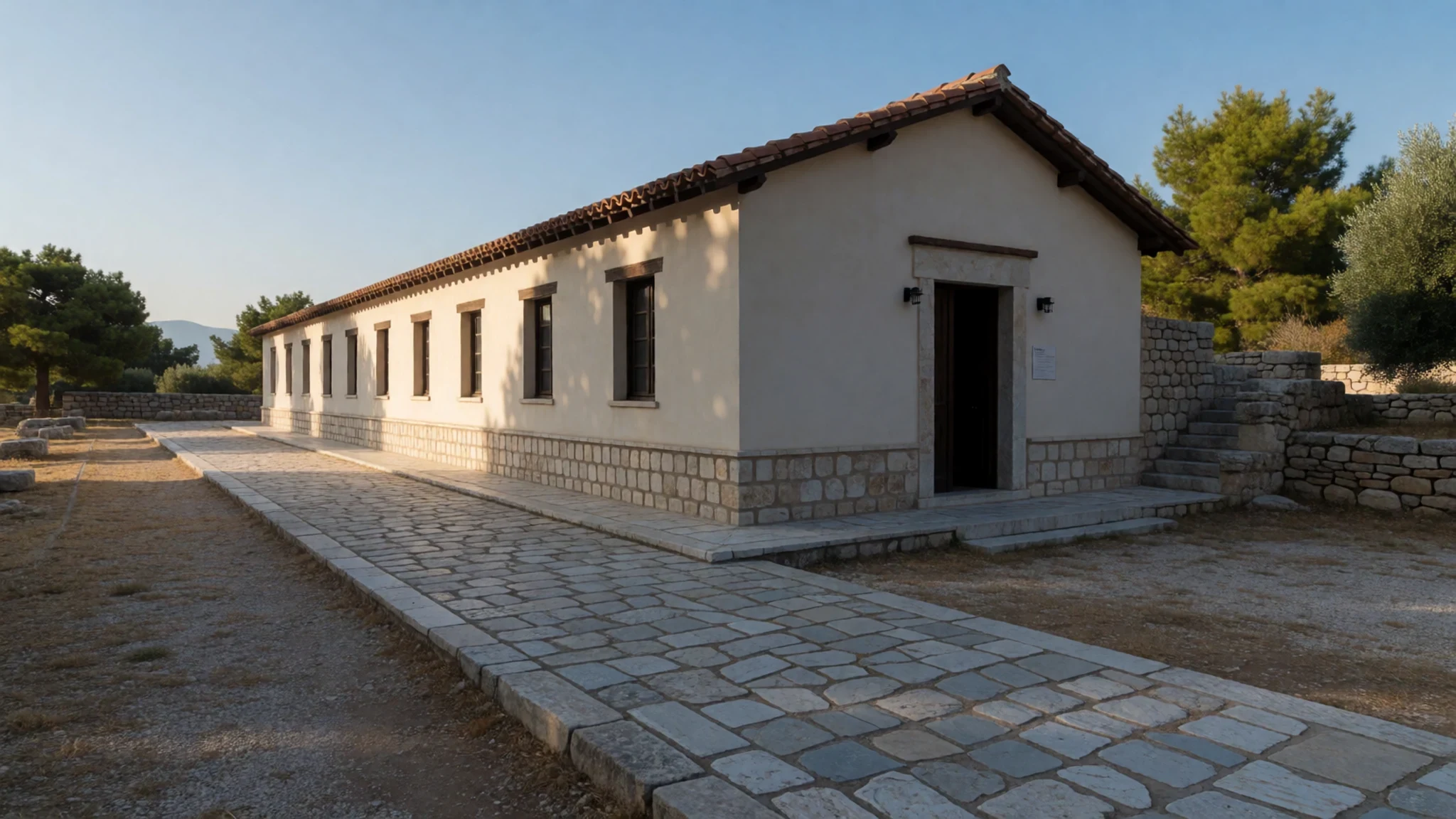
Culture
Philippi is a place where Greek, Roman and Christian layers sit within a few hundred metres, and the culture of the region still carries that mix. Macedonia in northern Greece has a strong sense of its own history, and local people take pride in the fact that a city founded by Philip II, father of Alexander, stood here. Many Greeks also see Philippi through its Christian meaning, since it is linked with Paul's first preaching in Europe, and Orthodox pilgrims visit, sometimes in groups with a priest.
Daily life nearby is unhurried. Villages such as Krinides and Lydia keep a rhythm of morning coffee, a long lunch and an evening walk, and shops often close in the afternoon heat. Summer brings open-air performances in the ancient theatre, a revival of its original purpose, and the regional festival season draws audiences from Kavala and Drama.
People are generally helpful to visitors who try a few Greek words, such as kalimera for good morning and efharisto for thank you. Conversation tends to be warm and curious, and questions about where you come from are a friendly opening rather than prying.
On the ruins, do not climb on the walls or step over rope barriers, and do not take away even small stones or tile fragments, since removing antiquities is illegal in Greece.
What to wear
Philippi sits in a part of Greece where traditional dress belonged to farming and village life. Women's costumes in Macedonia and Thrace were typically made from wool and linen, sometimes with silk, and layered with embroidered aprons, headscarves and sashes, while men wore wool jackets, sashes and loose trousers. Such dress now appears mainly at festivals, church feast days and folk dance performances, and local museums are the best place to see it.
Everyday clothing today is plain and practical: light cotton shirts and shorts in summer, jeans and a jacket in cooler months. Greeks in towns like Kavala dress neatly for an evening out, but nobody expects formality at an archaeological site, and visitors will see all kinds of casual hiking and travel clothes.
For a visit, comfort matters more than style. The ground is uneven, with worn stones, loose gravel and some steep steps on the acropolis, so wear closed, grippy shoes rather than sandals or flip-flops. Summer is hot and shade is limited, so bring a wide-brimmed hat, sunglasses and light, long-sleeved cotton or linen to protect your skin. Spring and autumn can be cool in the morning, so a thin layer helps.
The site itself has no dress code, but if you plan to visit a working church or monastery nearby, cover your shoulders and knees. A light scarf in a daypack handles this easily and also helps in sun or dust.
What to eat
- Grilled trout — Riverside restaurants at Kefalari, a short drive towards Drama
Trout is the speciality of the stream-side villages in the hills towards Drama, especially Kefalari, where restaurants line the water. It is usually grilled whole with olive oil, lemon and herbs, and the cooler air there makes it a pleasant summer lunch.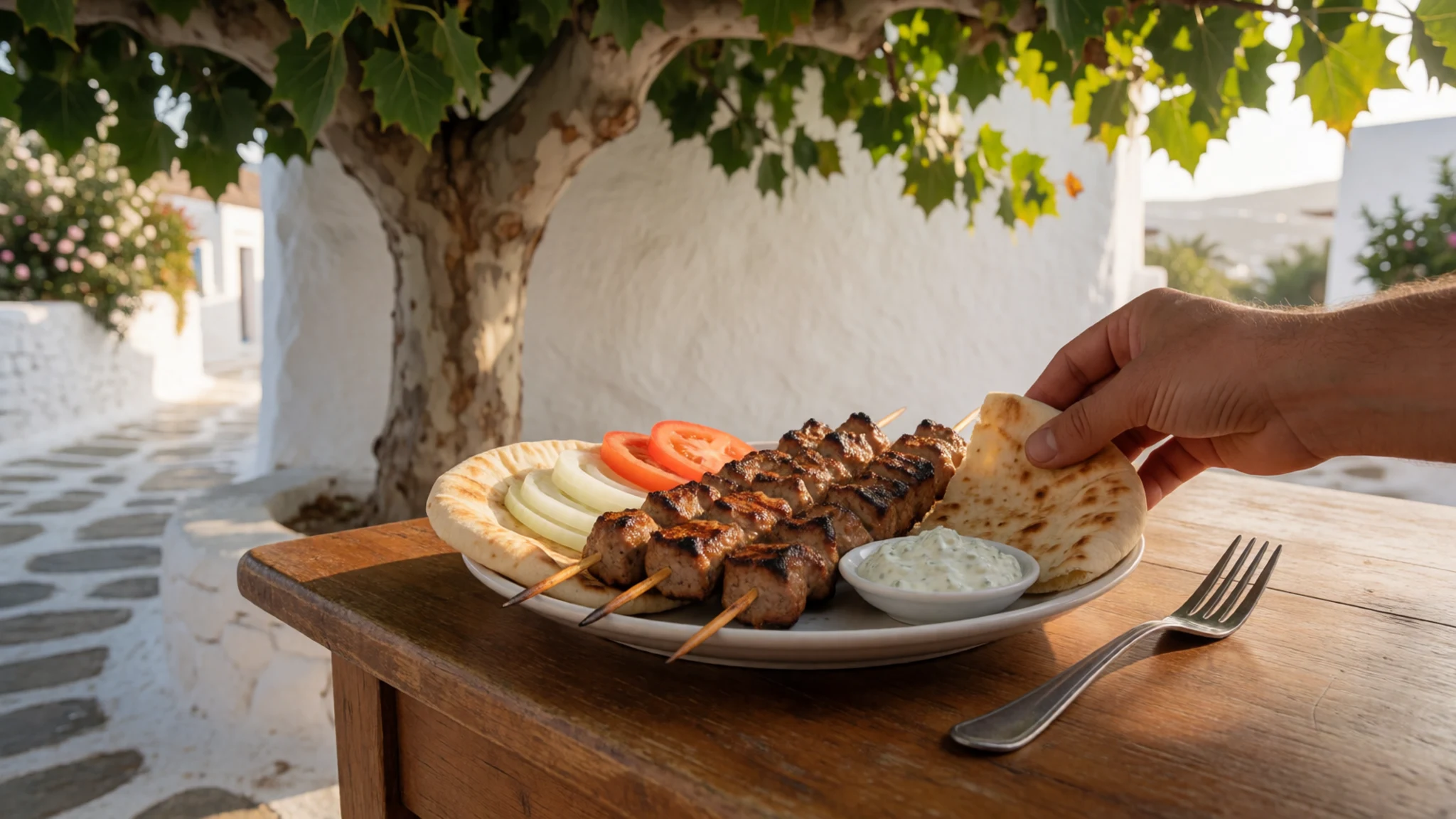
- Greek salad (horiatiki) — Any taverna in Krinides or Lydia
Tomatoes, cucumber, onion, olives and a slab of feta, dressed with olive oil and oregano. In summer, with local vegetables, it is simple and excellent, and it is the standard first order at any village taverna.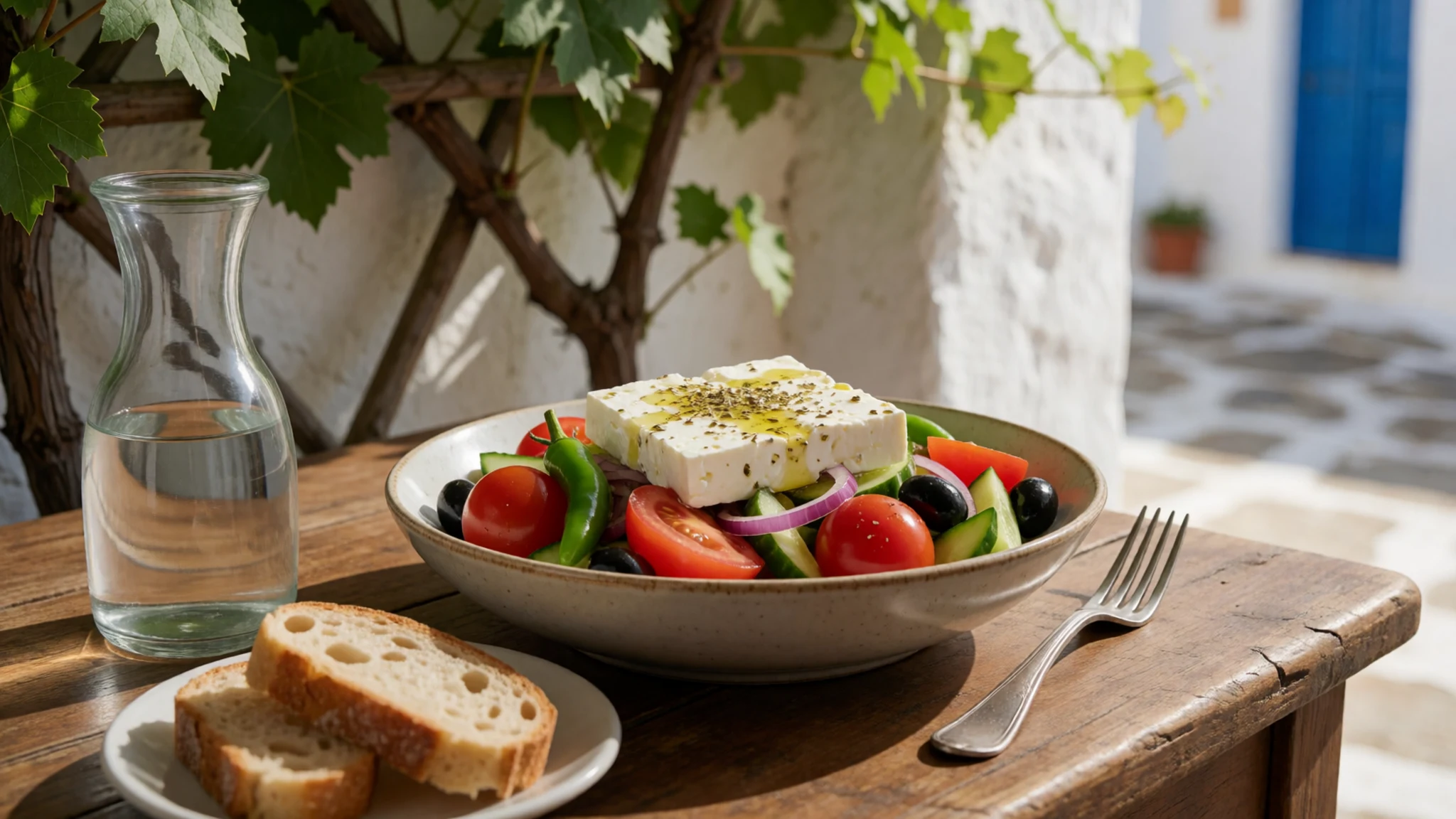
- Souvlaki and grilled meats — Grill shops in Kavala and village squares
Skewers of pork or chicken, grilled over charcoal and served in pitta with tomato, onion and yoghurt sauce, or on a plate with chips. It is cheap, quick and found everywhere, including near the site.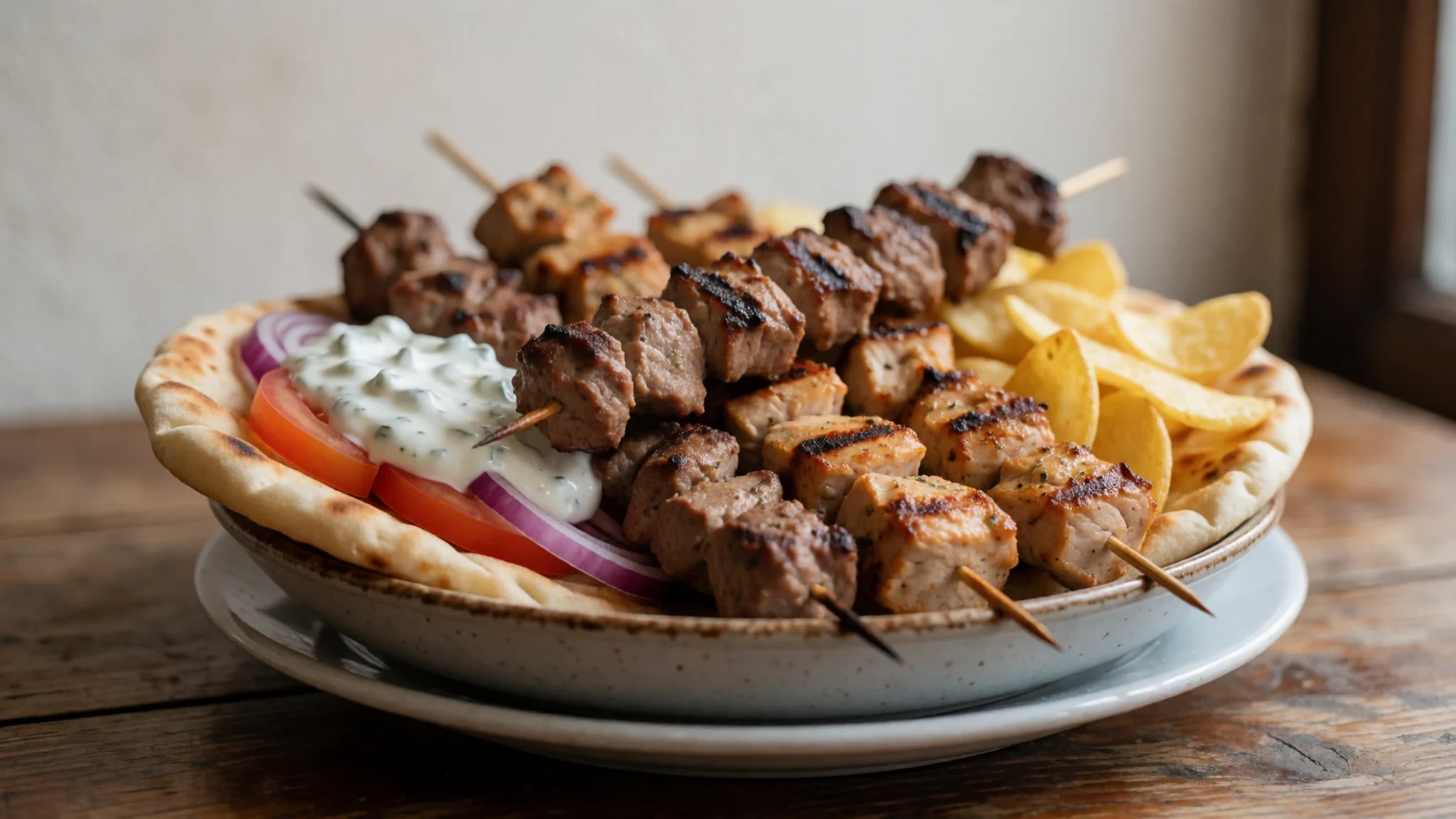
- Spoon sweets and yoghurt — Village cafés and pastry shops in Kavala
Fruit preserved in syrup, such as cherry or quince, is served in a small spoonful, often with thick yoghurt or alongside coffee. It is a traditional gesture of hospitality in Greek homes and cafés.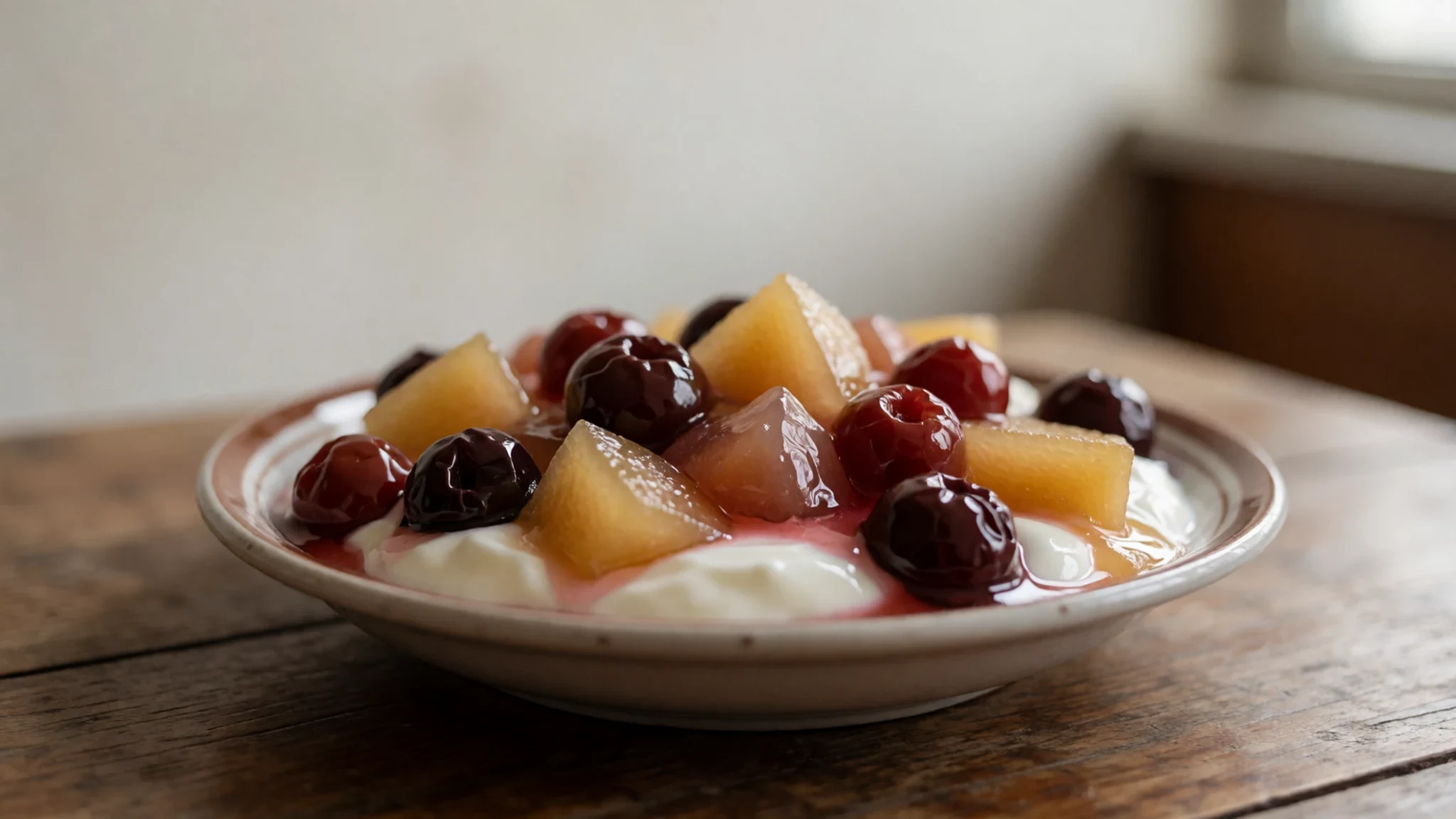
- Fresh seafood — The waterfront tavernas in Kavala, about 15 km away
Kavala is a port, so grilled fish, fried small fish and squid are staples. Choose what is on ice, ask for it by weight, and expect it with lemon, bread and a green salad.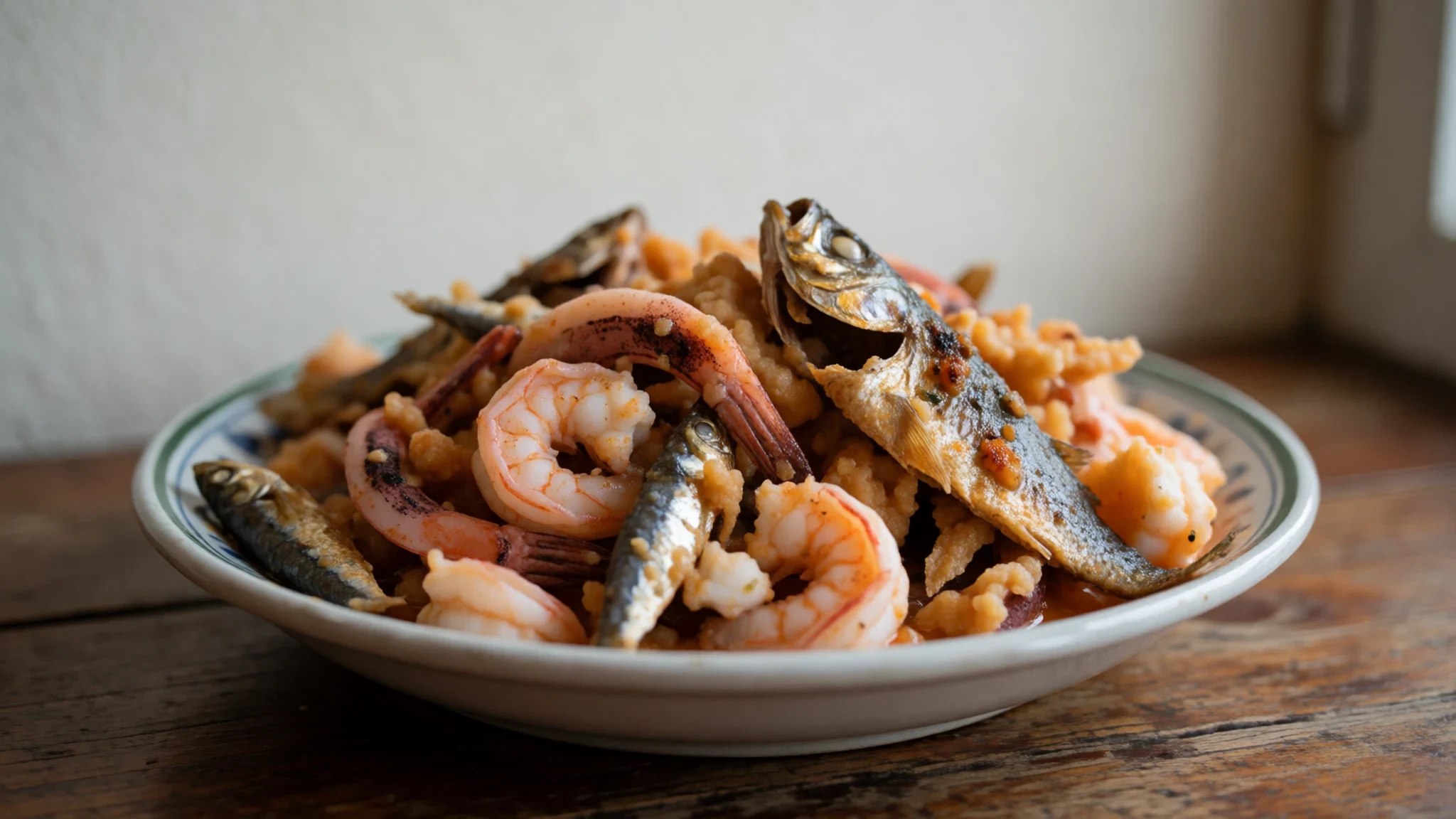
Plan it
Best time. April–June and September–October. Spring brings green fields and wild flowers, and autumn is warm and calm. July and August are very hot with little shade at the ruins, and winter can be cool and damp.
How long. 1 day for the site; 2–3 if you base yourself in Kavala and explore the region
Getting there. Fly to Kavala airport or to Thessaloniki and continue by road or bus. Philippi is about 15 km from Kavala and 25 km from Drama, and regular buses run from both towns' bus stations. A hire car makes the last leg simplest.
Budget. low
Tips
- Go early in the morning or late afternoon in summer to avoid heat
- Bring water and sun protection, since shade is limited
- Check the official Greek archaeological site pages for current hours and ticket details
- Allow extra time if you plan to climb the acropolis
- Combine the visit with lunch at the park restaurant or at stream-side villages nearby
Etiquette
- Stay on marked paths and do not climb on ancient walls
- Do not remove stones or fragments from the site
Nearby
Sources
- Wikidata Q379652 (CC0)
- Wikipedia: Philippi (rev 1382065674) (CC BY-SA 4.0)
- Wikivoyage: Philippi (rev 5414361) (CC BY-SA 4.0)
- Photo 01-2007.jpg, Batr41 (CC BY-SA 4.0)
- Photo 02-philippi-city-center.jpg, Marsyas (CC BY 3.0)
- Photo 03-ancient-theatre-philippi.jpg, MrPanyGoff (CC BY 3.0)
- Photo 04-theater-of-philippi-2.jpg, MrPanyGoff (CC BY 3.0)
- Photo 05-relief-decorations, Carole Raddato (CC BY-SA 2.0)
- Photo 06-the-forum-philippi, Carole Raddato (CC BY-SA 2.0)
- Photo 07-philippi-romangravemarker.jpg, Ian W. Scott (CC BY 3.0)
- Photo 08-archaeological-site-of-philippi, Berthold Werner (CC BY 3.0)


