Chania
Chania, Greece
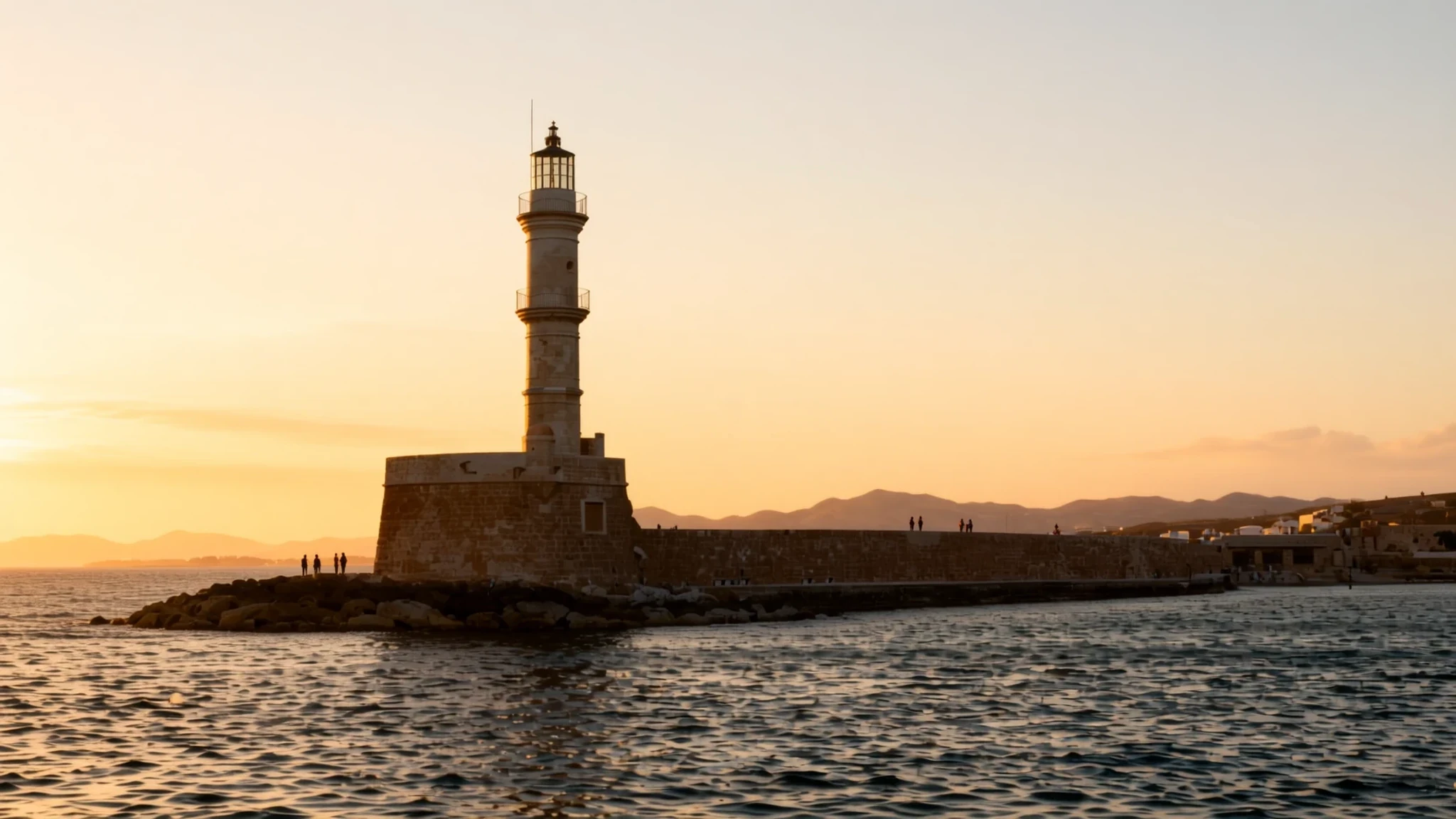
Chania offers a layered maritime heritage, winding alleys shaped by Venetian and Ottoman rule, and an atmospheric old harbour on Crete.
The place
Chania sits along the north-west coast of Crete, functioning as a vibrant regional capital where layers of Mediterranean history remain deeply etched into the urban fabric. The city divides distinctly into two halves: the sprawling modern districts stretching southwards and the historic core gathered tightly around the old Venetian harbour. This older matrix retains the architectural footprint of past maritime powers, with narrow alleys weaving between tall stone townhouses, weathered Venetian fortifications, and vaulted stone shipyards that once repaired the galleys of the republic. Unlike destinations stripped down to mere open-air museums, Chania remains thoroughly lived-in, where morning deliveries rattle over cobblestones and laundry flutters from iron balconies. From the northern water boundary to the inland fringe where the city meets the foothills of the White Mountains, the layout encourages wandering without a fixed map. Visitors encounter remnants of diverse civilisations at every turn, from ancient foundations beneath quiet squares to imposing bulwarks facing the sea. The gentle Mediterranean climate encourages outdoor life, drawing residents and travellers alike to waterfront terraces as daylight fades across the harbour waters.
Its story
The recorded history of Chania reaches back into the Bronze Age, when the site was known to Minoan scribes as Ku-do-ni-ja. Excavations beneath the Kasteli district in the old town have revealed strata reaching down to the Neolithic Age, confirming continuous habitation for millennia. Following the collapse of the Minoan palaces, the settlement re-emerged as Cydonia, an influential city-state mentioned in classical epics and constantly entangled in regional conflicts with rival Cretan powers. Over subsequent centuries, the strategic harbour attracted wave after wave of conquerors. Romans, Byzantines, Arabs, and Venetians each left indelible marks upon the stone and culture of the place. The Venetians reshaped the town into a major administrative and trading hub, constructing the massive defensive walls and the iconic harbour fortifications that still define the skyline. Ottoman forces later took control, adding minarets and domed structures to the urban landscape before Crete ultimately united with Greece. Throughout these dramatic transitions, Chania retained a distinct identity forged by its seafaring traditions and the resilience of its people through successive occupations, conflicts, and political rebirths.
What to see
- Old Venetian Harbour and Lighthouse — Old Town waterfront
The iconic curved sea wall guides visitors past vaulted Venetian shipyards towards the stone lighthouse standing at the outer mole. Constructed during successive maritime eras, this waterfront precinct forms the emotional heart of the city, offering panoramic views across the water and a magnificent vantage point for watching the sunset over the Cretan Sea.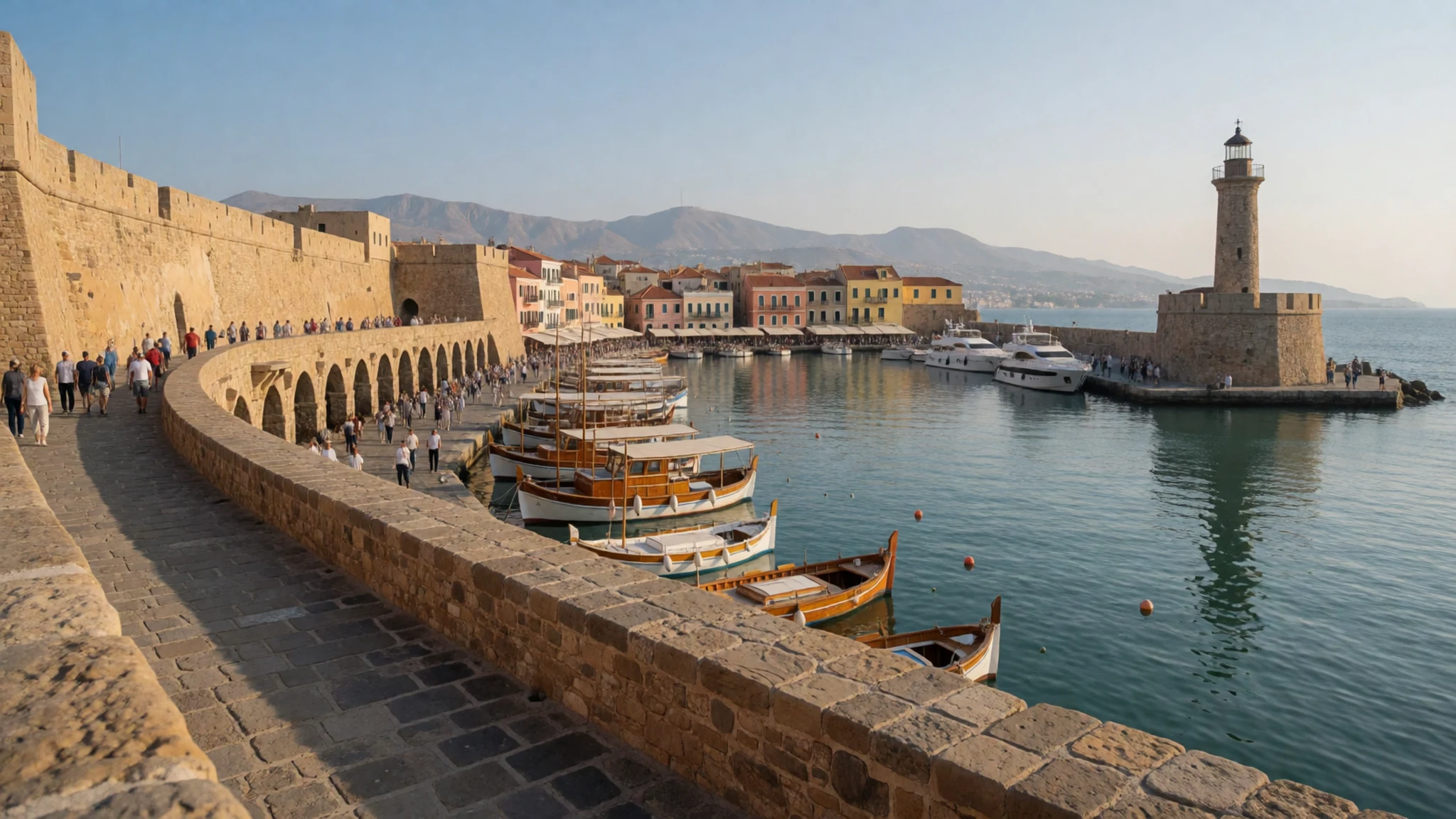
- Etz Hayyim Synagogue — Old Town
Restored within the old town's quiet backstreets, this modest house of prayer stands as a poignant reminder of the island's historical Jewish community. It provides a peaceful sanctuary for reflection, housing a small library and memorial garden that honour centuries of shared heritage and survival through turbulent twentieth-century events.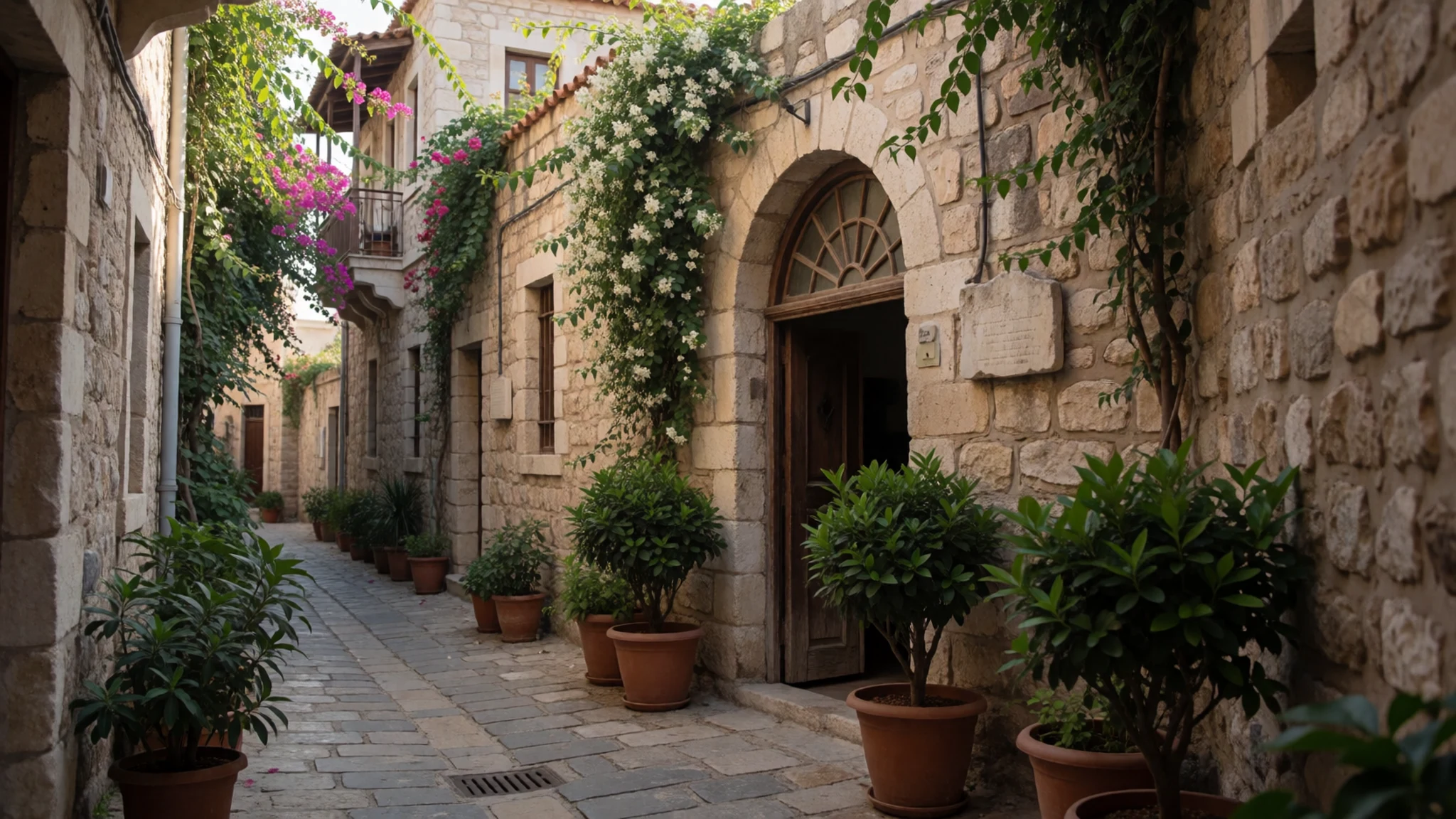
- Kastelli Hill and Minoan Ruins — Old Town harbour edge
Rising gently above the harbour, Kastelli Hill served as the citadel for ancient Cydonia and the primary Minoan settlement. Archaeological excavations here reveal ancient foundations and stratified layers of history, offering enthusiasts a tangible connection to the earliest civilisations that chose this rocky promontory to establish their coastal stronghold.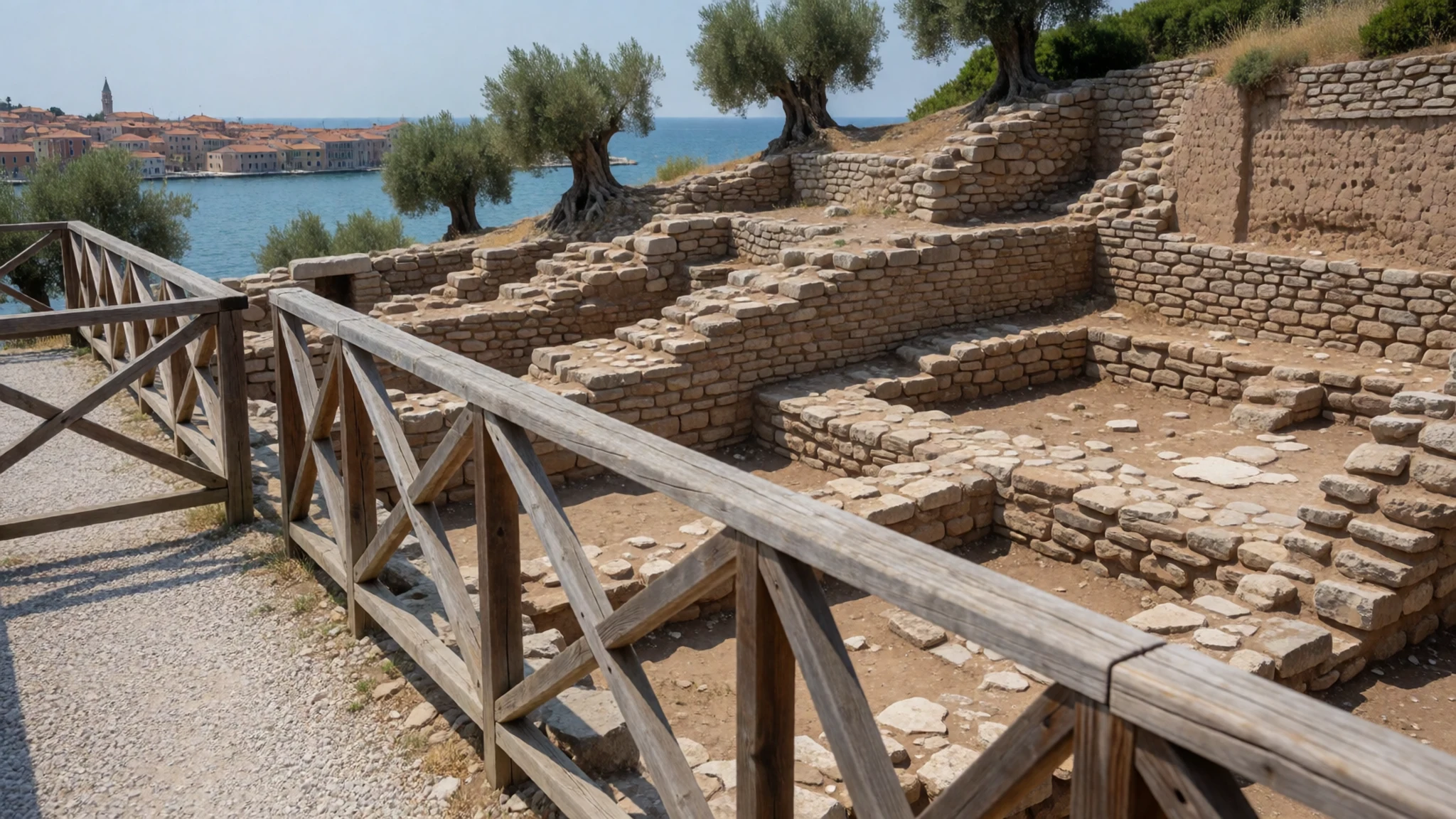
- Archaeological Museum of Chania — Chalepa district
Housed in its modern facility on Skra Street, the museum displays an exceptional collection of artefacts recovered from across the regional unit. Exhibits span prehistorical and historical periods, featuring delicate Minoan pottery, Hellenistic sculpture, and intricate everyday objects that illuminate the sophisticated material culture of ancient Cretan societies.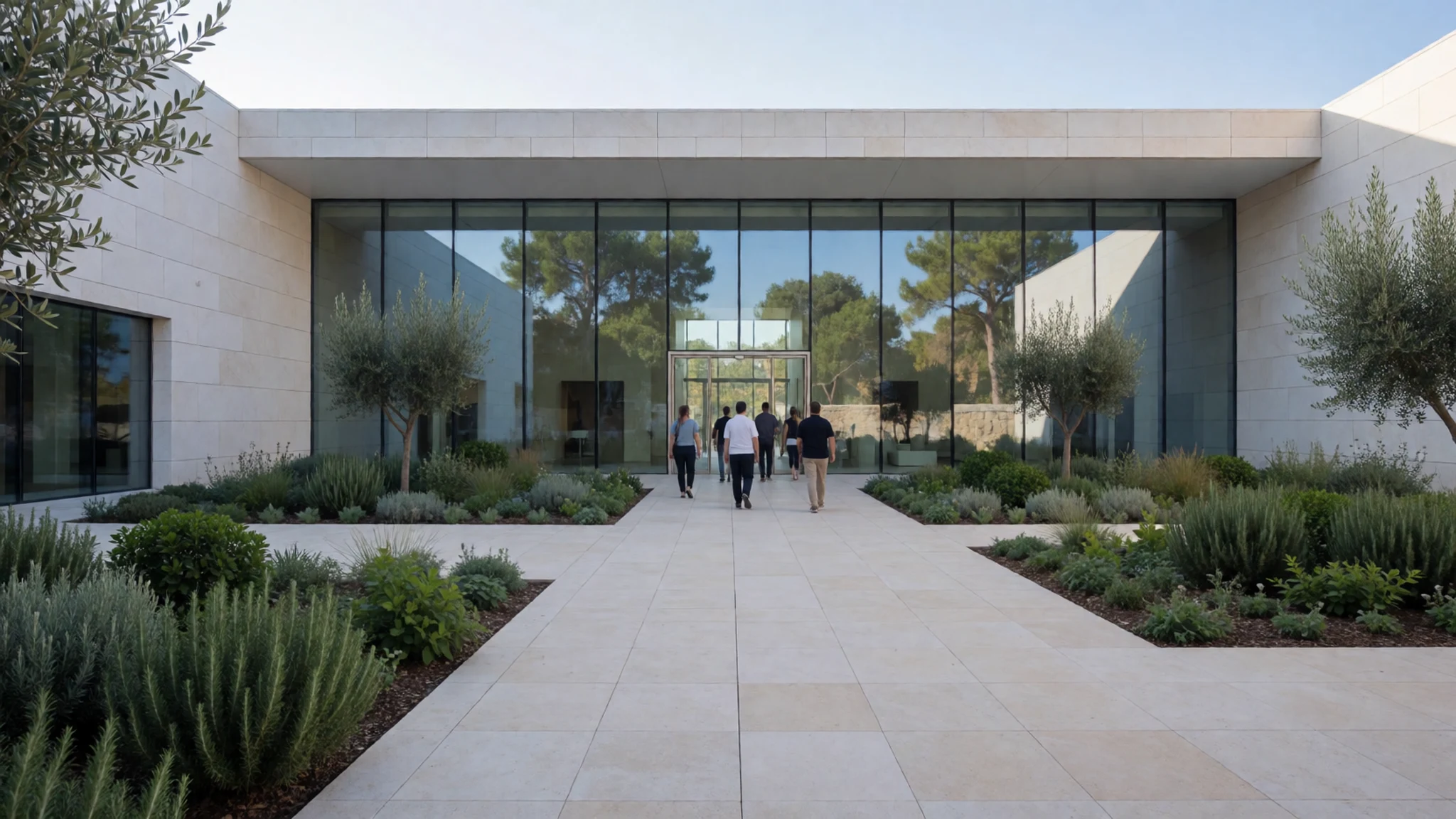
Culture
Cultural life in Chania thrives through a lively calendar of theatrical performances, musical gatherings, and artistic exhibitions hosted across historic venues and modern civic spaces. Institutions such as the Municipal and Regional Theatre of Crete maintain a robust tradition of staging both classical Greek works and contemporary drama, while local museums preserve the literary, nautical, and archaeological heritage of the region. Social interactions in the city are characterised by characteristic Cretan warmth, where hospitality is offered freely in neighbourhood kafeneia and family-run tavernas. Music and dance remain integral to community celebrations, often accompanied by the distinctive sounds of the Cretan lyra and lute during local festivals. Visitors will find that everyday life moves at a relaxed pace, punctuated by afternoon rest periods and long, sociable evening gatherings around shared tables. When entering Greek Orthodox churches or historical monasteries scattered throughout the city and surrounding hills, remember to dress modestly with shoulders and knees covered.
What to wear
Traditional attire in Chania reflects rural Cretan heritage, historically featuring heavy woollen textiles, embroidered vests, knee-high leather boots, and characteristic headscarves for men, while women wore layered linen dresses adorned with intricate needlework. While these traditional garments are now largely preserved for folk dance troupes, national holidays, and historical reenactments, everyday urban wear in Chania is contemporary, practical, and relaxed. Local residents favour light cottons, linens, and comfortable footwear suited to the warm Mediterranean climate and the uneven cobblestones of the old town. For travellers visiting Chania, lightweight and breathable clothing is essential during the warmer months, alongside a sturdy pair of walking shoes for navigating narrow alleys and ancient pathways. When planning trips into the surrounding mountains or visiting religious sites, modest layers that cover shoulders and knees are always appropriate, ensuring comfort while respecting local customs.
What to eat
- Cretan Meze and Traditional Dishes — Theodosi Restaurant, old town alleys
Sample wholesome local specialities prepared with fresh olive oil, wild herbs, and locally sourced ingredients at traditional tavernas tucked away in the old town alleys.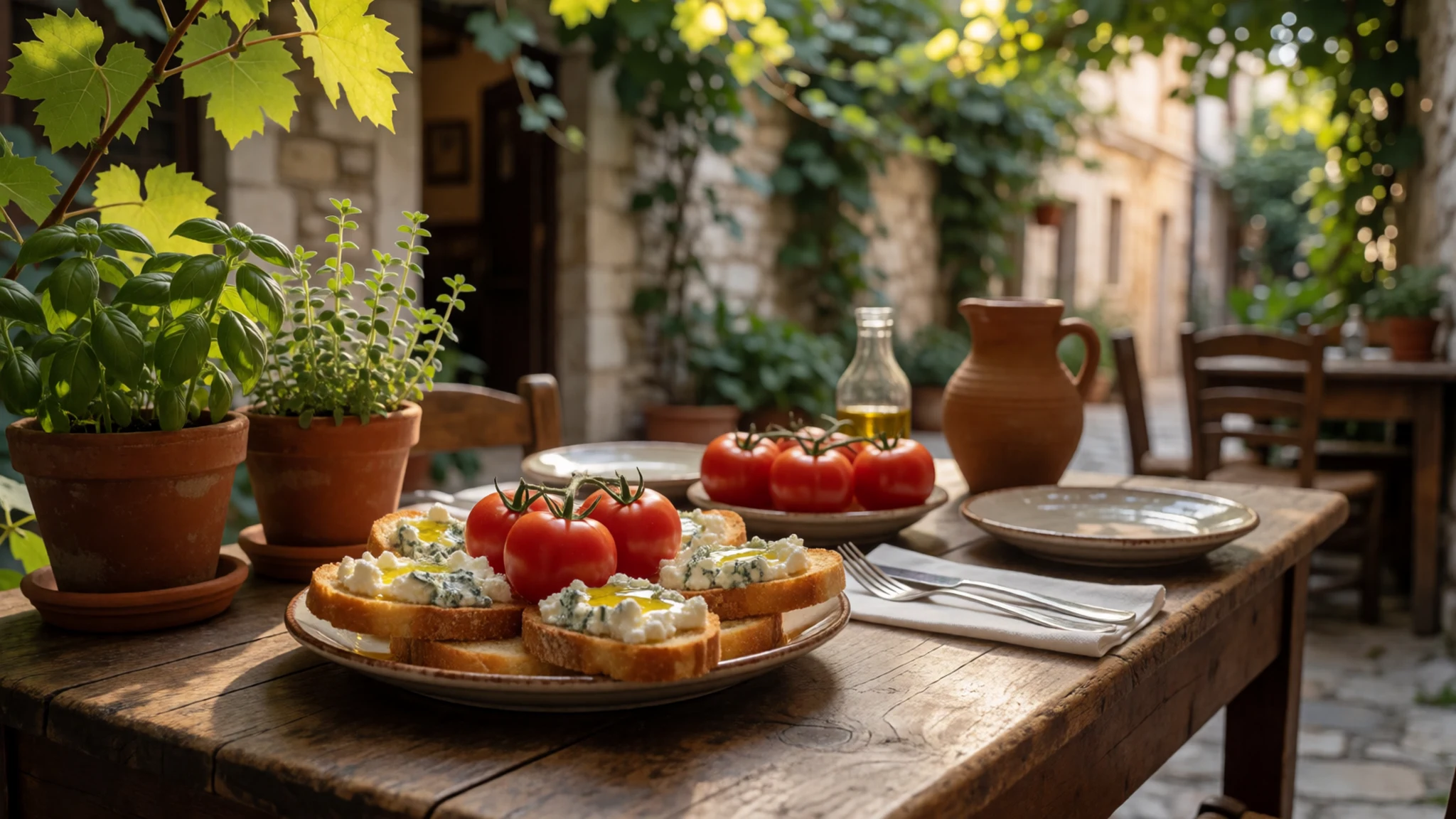
- Ottoman-Influenced Spiced Cuisine — The Well of the Turk, old town backstreets
Enjoy aromatic dishes that blend Eastern Mediterranean spices with local Cretan produce, served in atmospheric historic settings with welcoming courtyard dining areas.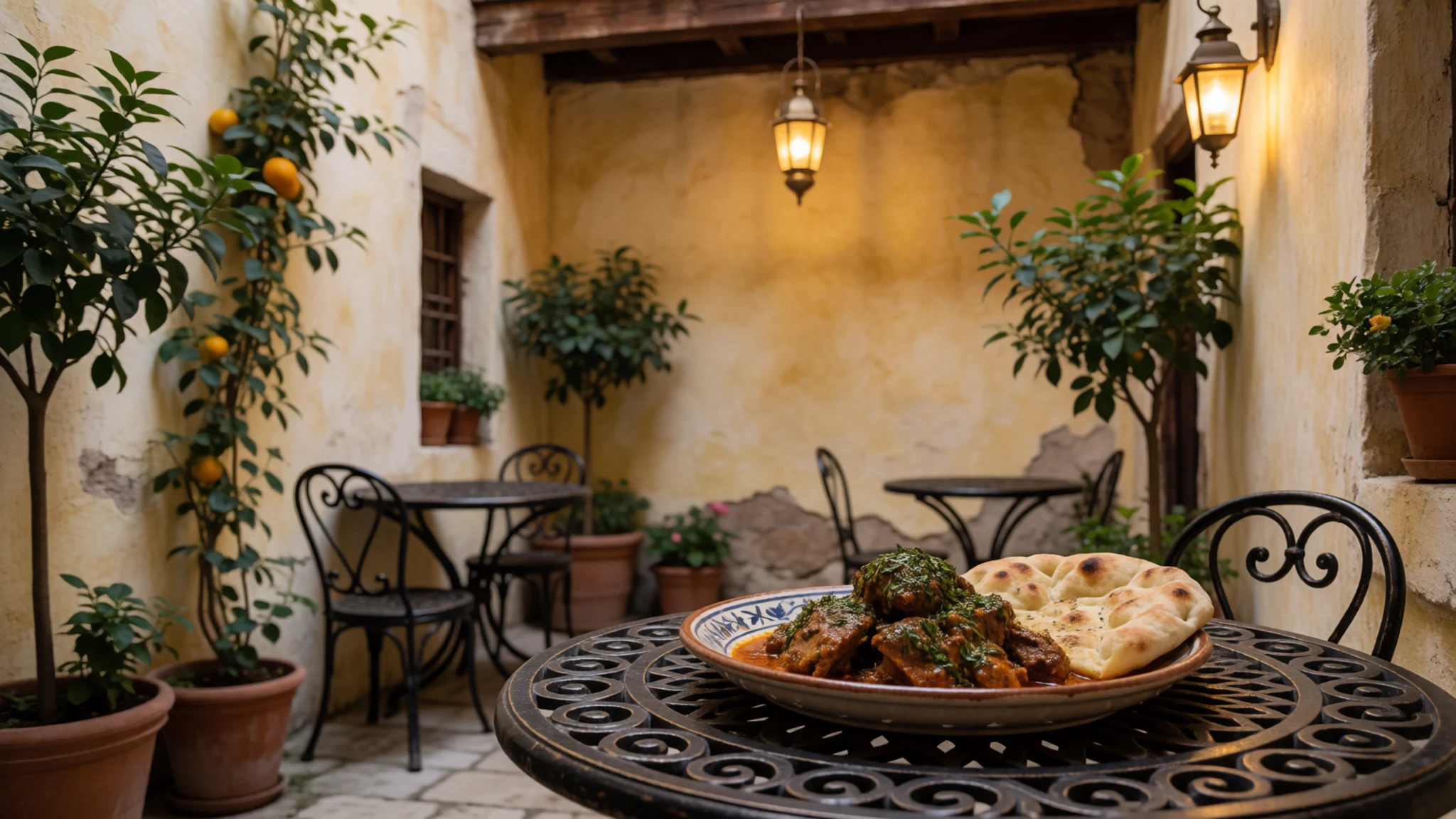
- Seafood by the Water — Restaurant Kariatis, old harbour waterfront
Savour freshly caught fish and seafood prepared simply with lemon and olive oil while seated directly alongside the historic Venetian harbour ruins. - Rural Cretan Fare — Gramboussa, coastal village surroundings
Venture into quiet surrounding locations to taste slow-cooked meats, artisanal cheeses, and traditional recipes passed down through generations in peaceful pastoral surroundings.
Plan it
Best time. April to June or September to October for pleasant weather without the intense heat and heavy crowds of peak summer.
How long. 3–4
Getting there. Fly into Chania International Airport and take a taxi or city bus to the centre, or arrive by ferry from Piraeus at the nearby port of Souda.
Budget. mid
Tips
- Wear flat shoes with good grip for walking on slippery old town cobblestones
- Book accommodation well in advance if visiting during the peak summer charter flight season
- Carry a mix of cash and cards for small shops, rural tavernas, and bus tickets
- Start exploring archaeological sites and famous viewpoints early in the morning to avoid midday heat
Etiquette
- Dress modestly with shoulders and knees covered when visiting churches and monasteries
- Greet shopkeepers and locals with a polite 'Yassas' when entering neighbourhood establishments
- Ask permission before photographing local residents in traditional or private settings
Nearby
Sources
- Wikidata Q182299 (CC0)
- Wikipedia (rev 1379013031) (CC BY-SA 4.0)
- Wikivoyage (rev 5397288) (CC BY-SA 4.0)
- Photo 01 (CC BY 2.5)
- Photo 02 (CC BY-SA 4.0)
- Photo 04 (CC BY-SA 1.0)


