Balos
Balos, Greece
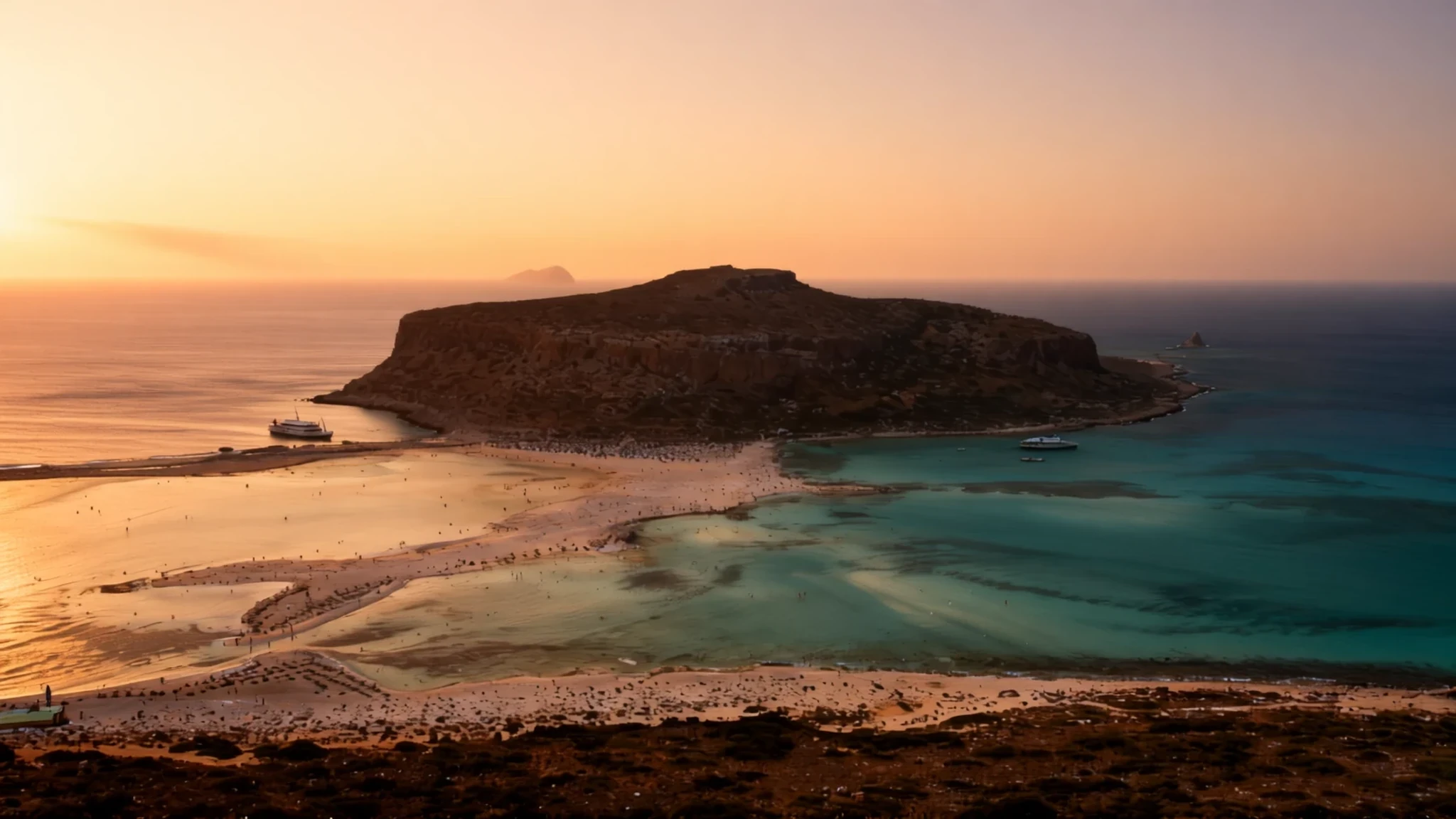
A lagoon of shallow turquoise water over pale sand, reached by boat or a long drive across north-western Crete.
The place
Balos is a lagoon and beach on the north-western tip of Crete, in the Chania regional unit. The shallow water sits on the western side of the Gramvousa peninsula, a finger of land that forms the western half of Kissamos Bay. Offshore lie the Gramvousa islands, two small uninhabited islets that belong to the same municipality. What draws visitors is the colour of the water over pale sand. The lagoon is shallow enough to warm quickly, so it looks almost tropical from the cliffs above and the rocks at its edges. The land around is open and dry. Shade is scarce, the sand heats up by midday, and there is little built on the beach itself, so the place feels more like a wild coastline than a resort. Access is the main constraint. Most people arrive on a boat trip from the coast or join a day excursion from Chania, and a rougher road reaches the area for those who drive. The site is part of the Natura 2000 network of protected areas, which explains the marked paths, the limits on the dunes and the sense that the area is cared for rather than developed. Balos is a daytime destination. Boats bring large groups in the late morning and early afternoon, and the beach thins out once the last boats leave. The wider region is worth a few days, with the old harbour and town in Chania as the natural base.
Its story
Balos has been known by several names, and the peninsula around it carries more again. The islands and headland are recorded under Gramvousa, Grampousa, Akra, Cavo Buso, Cavo Bouza, Garabusa and Grabusa, a reminder of how many languages and mapmakers have passed along this coast. Greek speakers call the place Γραμβούσα, and the name has shifted with each map and each seafarer who put it down. The coastline here was long a route for ships moving between the Aegean and the sea lanes to the west, so its islets and bays were charted and named repeatedly. The landscape itself has changed little, and that continuity gives the lagoon much of its appeal. Its story in the twentieth century is tied to the island's wider history. Crete was the scene of heavy fighting in the Second World War, and the island's German war cemetery near Chania holds the graves of many soldiers who died there. The cemetery is one of two German military cemeteries in Greece, and it is a quiet reminder of that period. Balos today is best understood as a lagoon that has been visited, mapped and described for a very long time, and that now draws people mainly for its water, its colour and its isolation.
What to see
- Balos Lagoon and beach — Gramvousa peninsula, north-west Crete
The lagoon itself is the main reason to come. Shallow, clear water lies over pale sand and creates pools that stay warm through the day. Walk the sand spit towards the headland for the best views of the colours, and expect the most open space in the early morning before the day boats arrive. Keep to the marked paths, because the dunes are protected.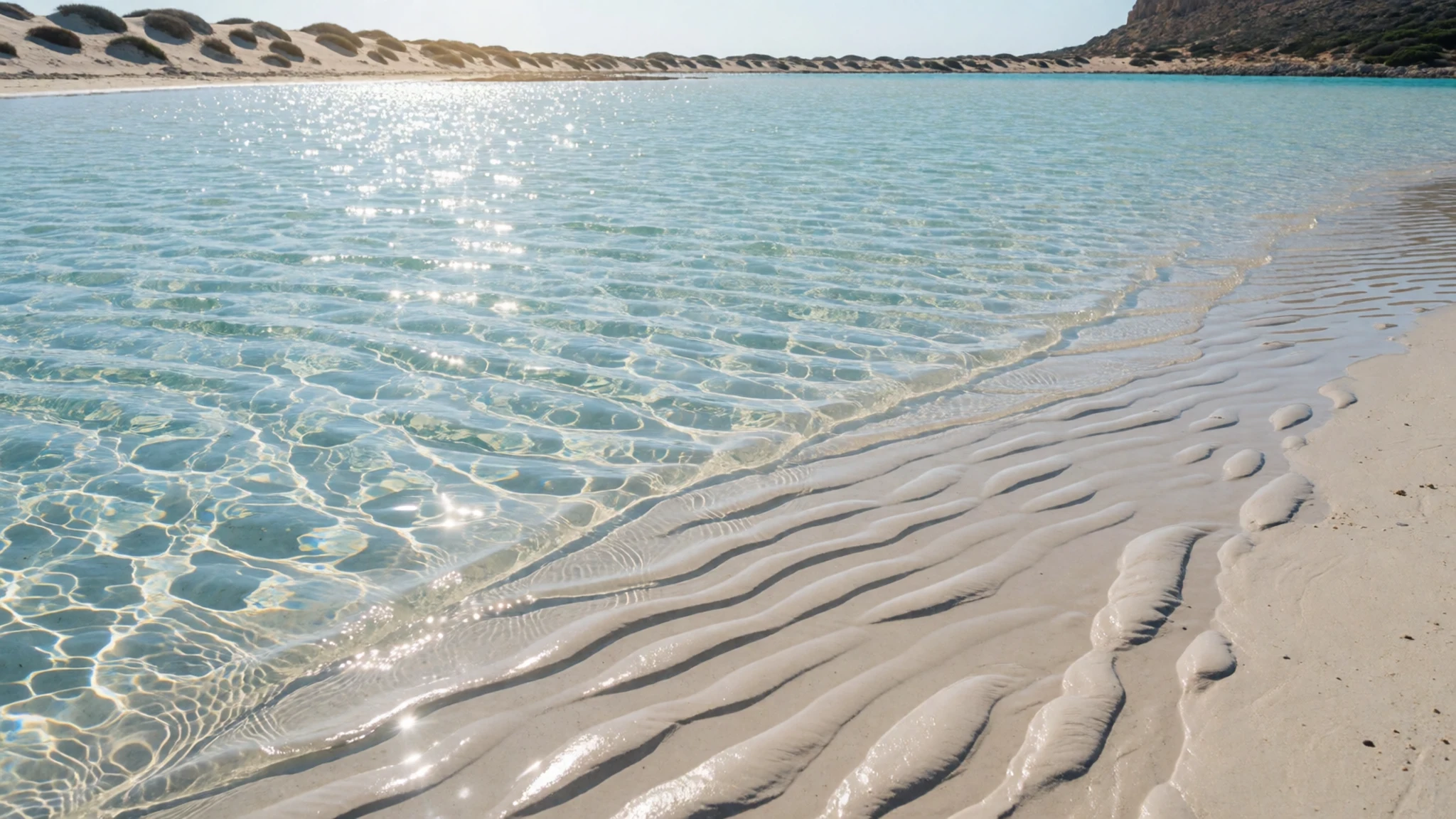
- Gramvousa islands — Off the Gramvousa peninsula, Kissamos Bay
Two small uninhabited islands lie off the peninsula and are the setting for the wider Gramvousa area. Boat trips from the coast pass them on the way to the lagoon, and the islands are a good reason to look at the coast from the water. There are no shops or facilities on the islets, so bring water and everything you need for the day.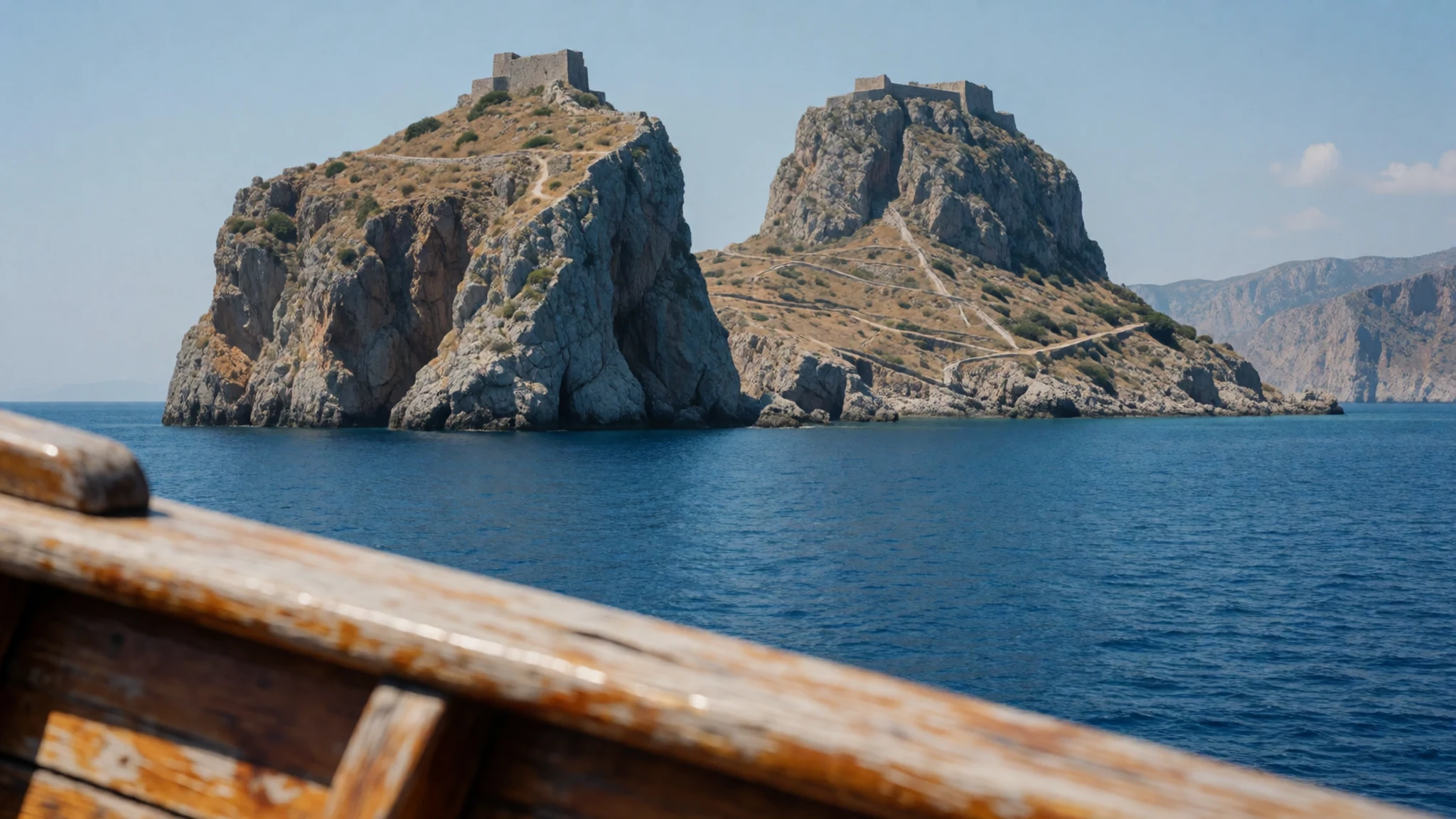
- Chrysoskalitissa Monastery — South-west Crete
A monastery on the south-western side of Crete, reached by road from the coast. It is an inland stop that works well as a change of scenery after a day on the sand. Dress modestly for the visit, and check opening arrangements before you travel, since they can change by season.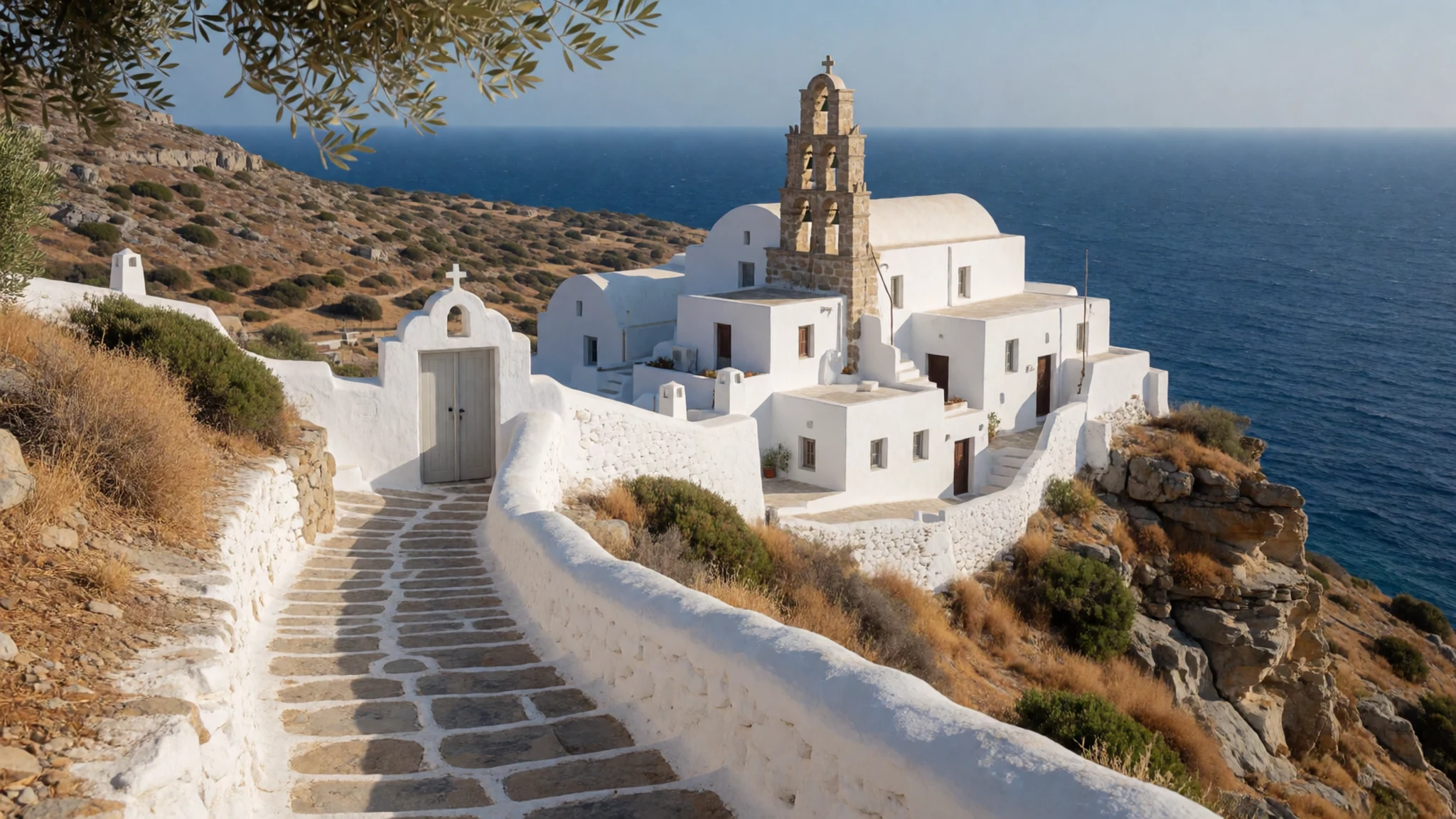
- German War Cemetery — Chania area
One of the two German military cemeteries in Greece. Most of the soldiers buried here lost their lives on Crete during the Second World War. The site is orderly and quiet, with rows of graves and simple markers. It makes a sober stop for those interested in the island's wartime history, and it is best visited as a short, respectful pause.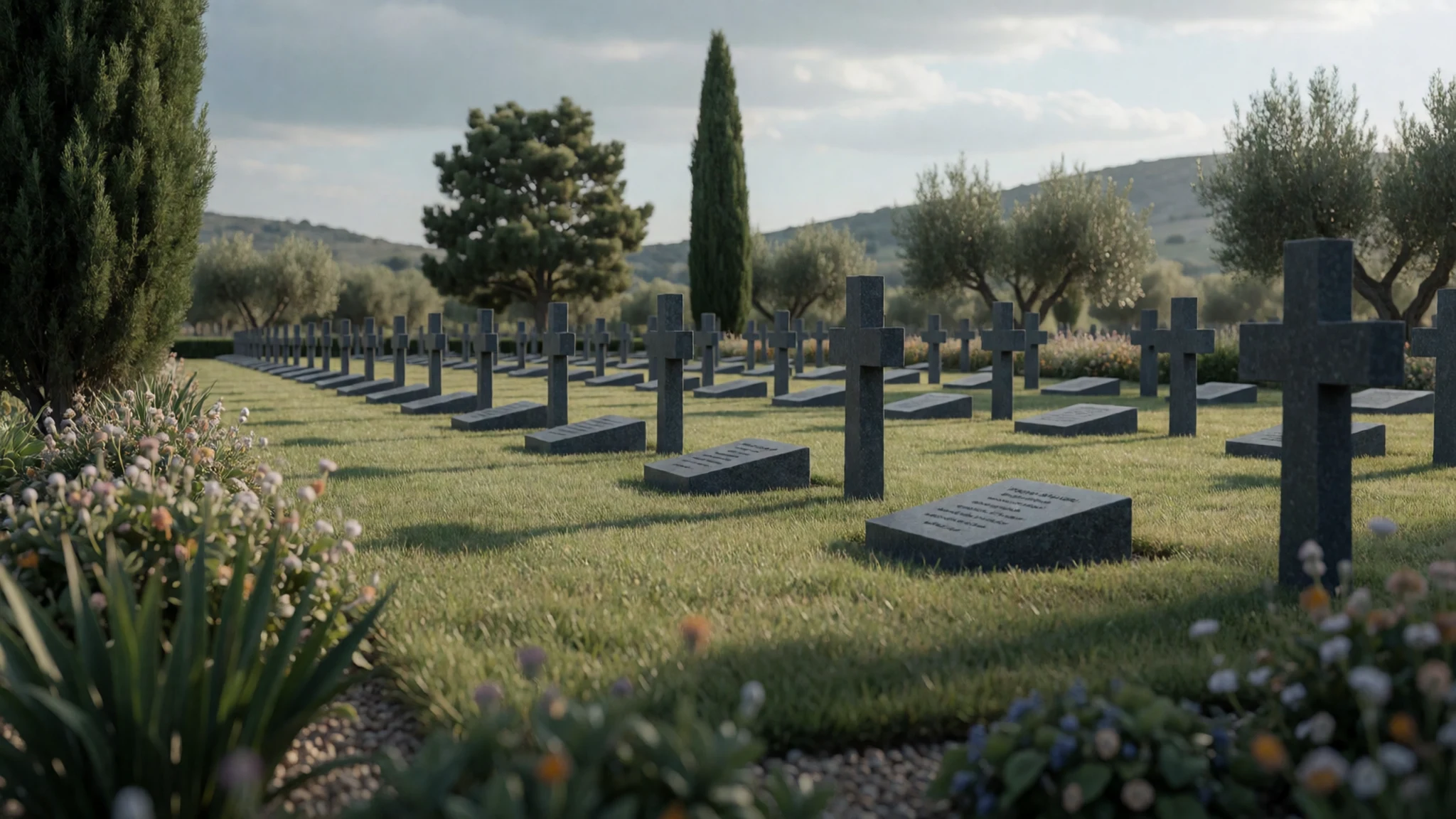
- Olive tree of Vouves — Vouves, Chania area
One of the oldest olive trees in the world, and still producing olives. Estimates of its age run into the thousands of years, which makes it one of the most remarkable living things on the island. It is a short detour rather than a full excursion, and it pairs well with a drive through the olive groves of the Chania area.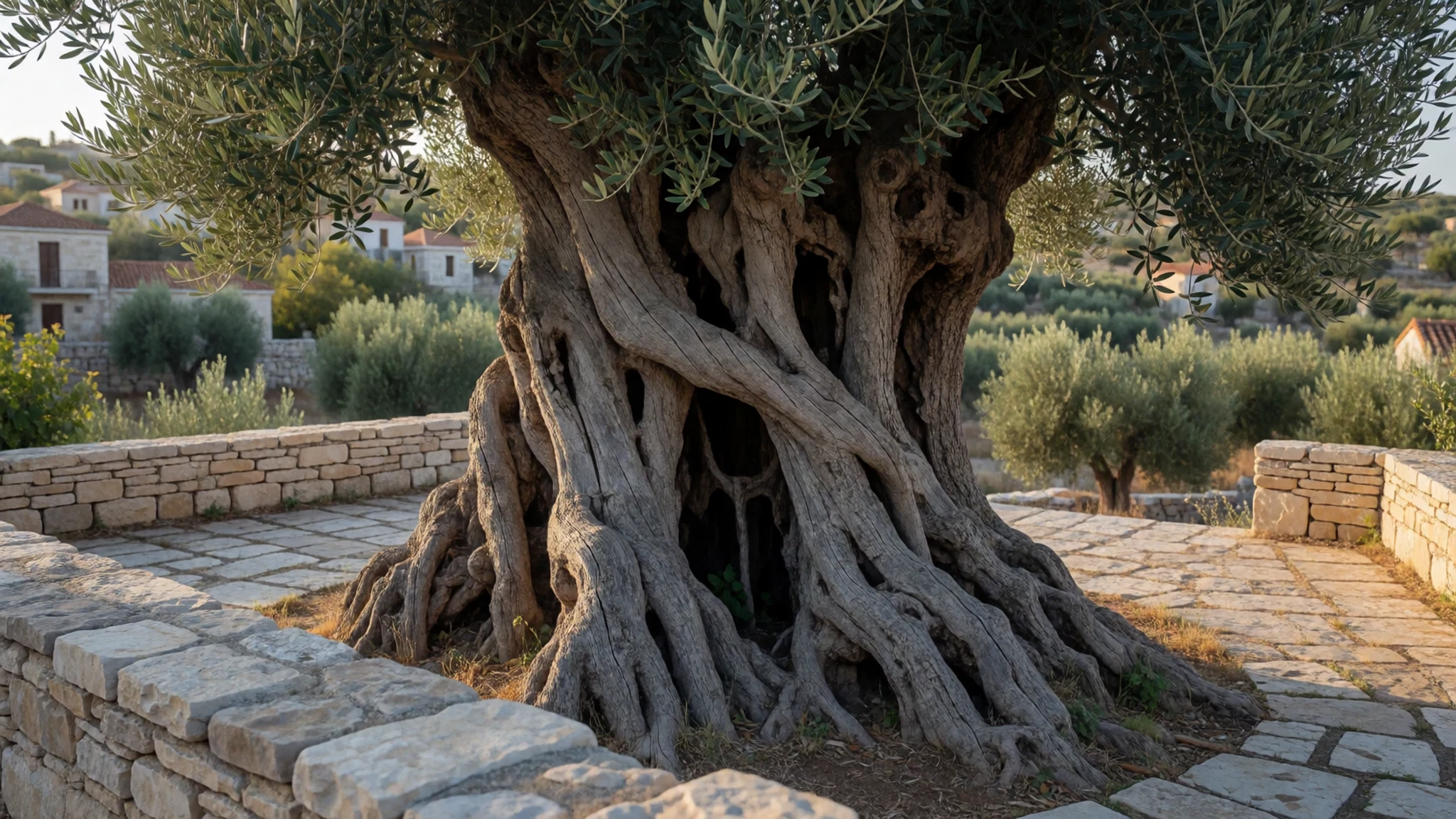
Culture
Balos sits within a Greek island culture in which hospitality is close to a duty. In Crete, people often take time to talk, and a visitor who asks about a local dish or a village will usually be rewarded with more conversation than expected. The rhythm of the day follows the sun. Lunch is a long affair, and many small eateries close for a rest in the hottest hours before reopening in the evening. Greek is the everyday language, though English is widely spoken in tourist areas, and a few words of Greek are always appreciated. Greeks are also relaxed about time, so a boat or a table may run late without much concern. Cretan tradition is strongly proud of its own customs, its music and its food, and visitors who show interest in these are generally welcomed. Religious sites such as monasteries ask for covered shoulders and knees, and it is polite to speak quietly inside churches and to step back from any service in progress. Take your rubbish back with you from the lagoon and keep to the marked paths and sand so the dunes are not damaged.
What to wear
Balos is a beach and lagoon, so the practical clothing is light and quick-drying, but the wider Crete you pass through has its own traditional dress. The classic Cretan costume for men includes wide black trousers called vraka, a dark waistcoat and a sash, with tall leather boots known as stivania. Women's traditional dress has been more varied across the island, with dark woollen and cotton skirts, aprons and headscarves, often embroidered in simple geometric patterns. Woven wool and linen, along with hand-embroidered borders, were the everyday textiles of mountain villages, and they still appear at festivals and in local shops. Today most people on Crete dress much as visitors do, in jeans, cotton shirts and sandals, though older women in villages often wear black, a long-standing custom of mourning and modesty. A visitor heading to Balos should wear loose cotton or linen, a wide-brimmed hat, and a swimsuit under light clothes. Good sandals or water shoes are useful because the rocks and sand can be hot and sharp. Cover your shoulders and knees for any monastery or church visit, and bring a light layer for the boat ride back when the wind picks up.
What to eat
- Gyros — Any gyros counter in Chania's old town and harbour streets
Thin slices of pork or chicken cooked on a vertical spit and wrapped in warm pita with tomato, onion, tzatziki and chips. It is the quickest and cheapest meal on the island and is sold almost everywhere in town. Eat it standing at a counter or take it to the harbour for a cheap lunch before a boat trip.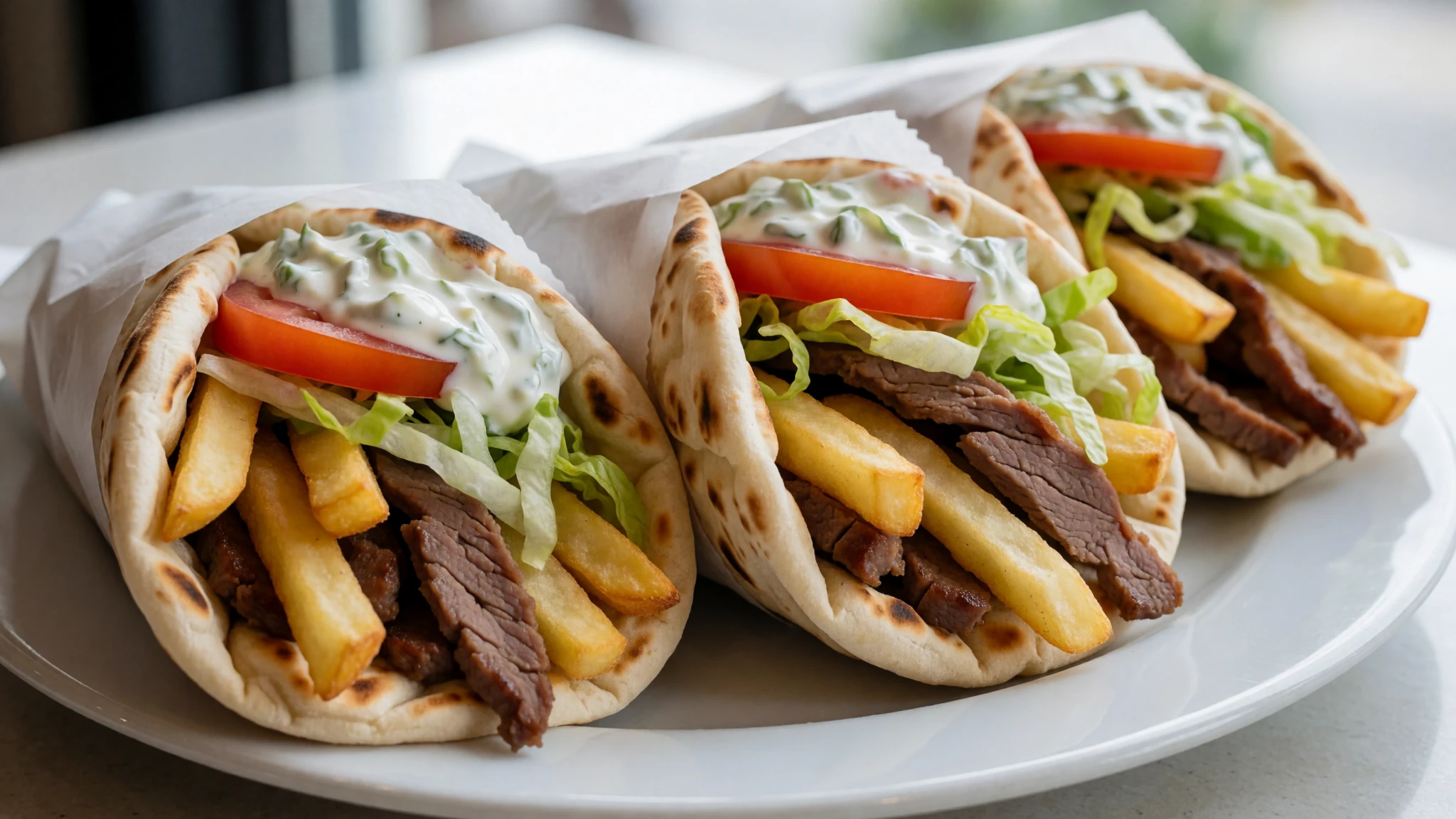
- Dakos — Family tavernas in the lanes behind Chania harbour
A Cretan salad built on barley rusks softened with tomato, crumbled soft cheese and olive oil, often with oregano and olives on top. It is light and filling in the heat and is a good dish to share. Look for it in neighbourhood tavernas away from the main waterfront.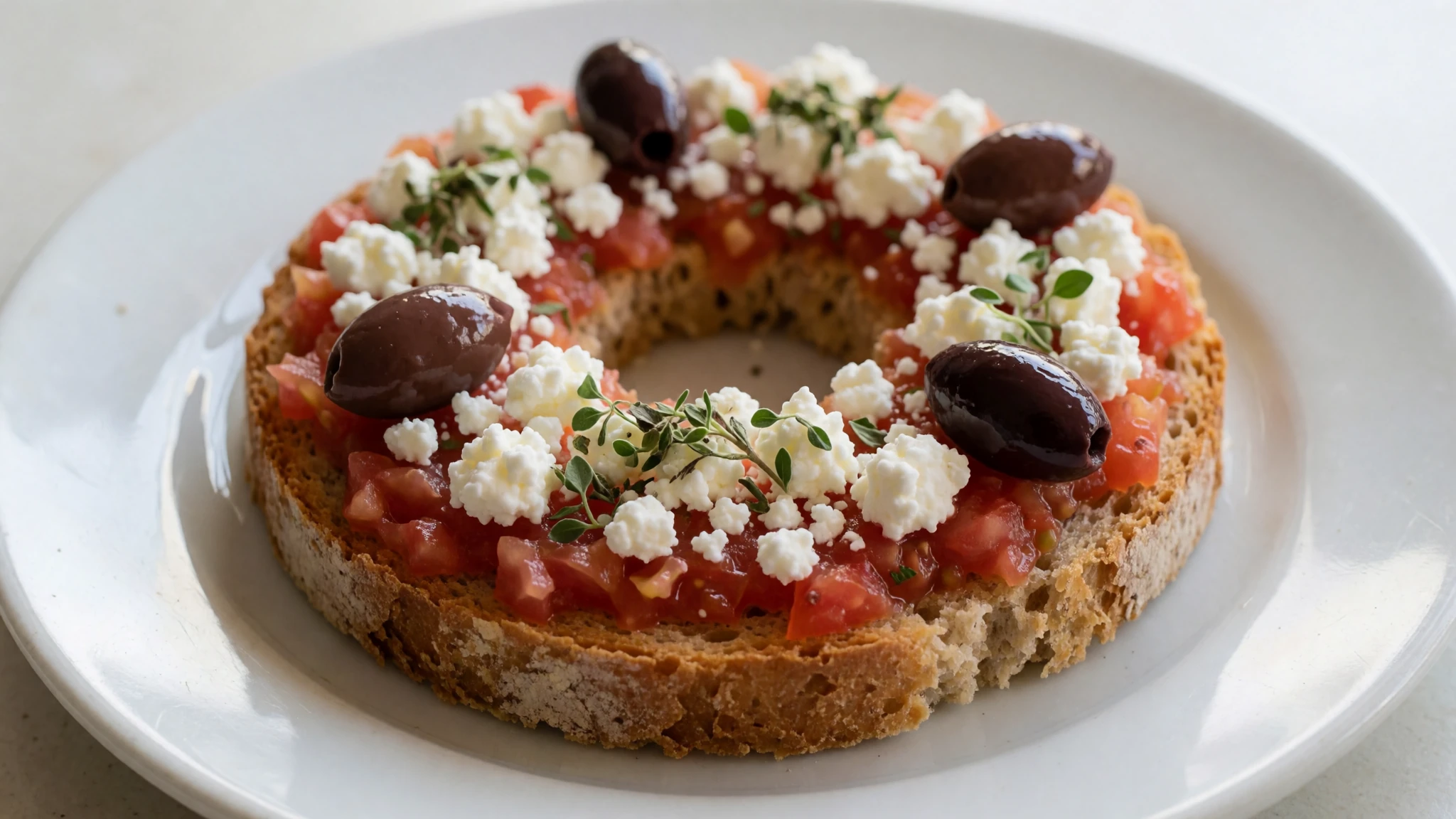
- Raki — Village bars and tavernas across Chania, often offered at the end of a meal
The local spirit, a clear grape-based drink served chilled or at room temperature, and it is stronger than it tastes. Many local bars and restaurants give out a free shot at the end of a meal, which is a friendly custom. Sip it slowly and drink plenty of water alongside it. - Grilled fresh fish — Fish restaurants along the Chania harbour and the waterfront of the north coast
Whatever the boats have landed that day, grilled whole with lemon, olive oil and oregano and served with greens or potatoes. Ask what is fresh and pay by weight, which is the usual practice. Fish is best eaten early in the evening, before the restaurants fill.
Plan it
Best time. April to May and September to October suit a lagoon visit best: the sea is warm, the air is less harsh than midsummer, and the boats are fewer. July and August are hot and busy, with the largest day-boat crowds and little shade. Winter is quiet and cool, and some boat services may not run.
How long. 1–2
Getting there. Fly into Chania or take the ferry from Athens: an overnight ANEK Lines ferry from Piraeus takes about 9 hours, and the daytime high-speed Hellenic Seaways ferry takes about 4.5 hours. From Chania, the bus terminal is a 5 to 10 minute walk from the harbour or main market square, and boat trips to the lagoon leave from the north-west coast.
Budget. mid
Tips
- Book a boat or day excursion a day ahead in summer, since places sell out on busy days
- Set out early on a boat trip to reach the lagoon before the largest groups arrive
- Bring plenty of water, sun cream and a hat, because there is little shade on the sand
- Carry cash for small tavernas and kiosks, as some do not take cards
- Plan the drive back to Chania with time to spare, and check return boat times before you leave
Etiquette
- Take all your rubbish back with you and do not leave anything on the dunes
- Keep to marked paths, since the area is protected
- Dress modestly when visiting monasteries and churches
Nearby
Sources
- Wikidata Q805498 (CC0)
- Wikipedia (rev 1374013020) (CC BY-SA 4.0)
- Wikivoyage (rev 5244327) (CC BY-SA 4.0)
- Aerial view of Balos Beach and Lagoon on Crete, Greece (CC BY 2.5)
- Aerial view of Balos Beach on Crete, Greece (CC BY 2.5)
- Aerial view of Balos beach (CC BY-SA 4.0)
- Aerial view of Balos Lagoon on the island of Crete, Greece (CC BY 2.5)
- Balos - Kréta - panoramio (1) (CC BY 3.0)
- Balos - Kréta - panoramio (2) (CC BY 3.0)
- Balos - Kréta - panoramio (3) (CC BY 3.0)
- Balos - Kréta - panoramio (CC BY 3.0)


