Perm
Perm, Russia
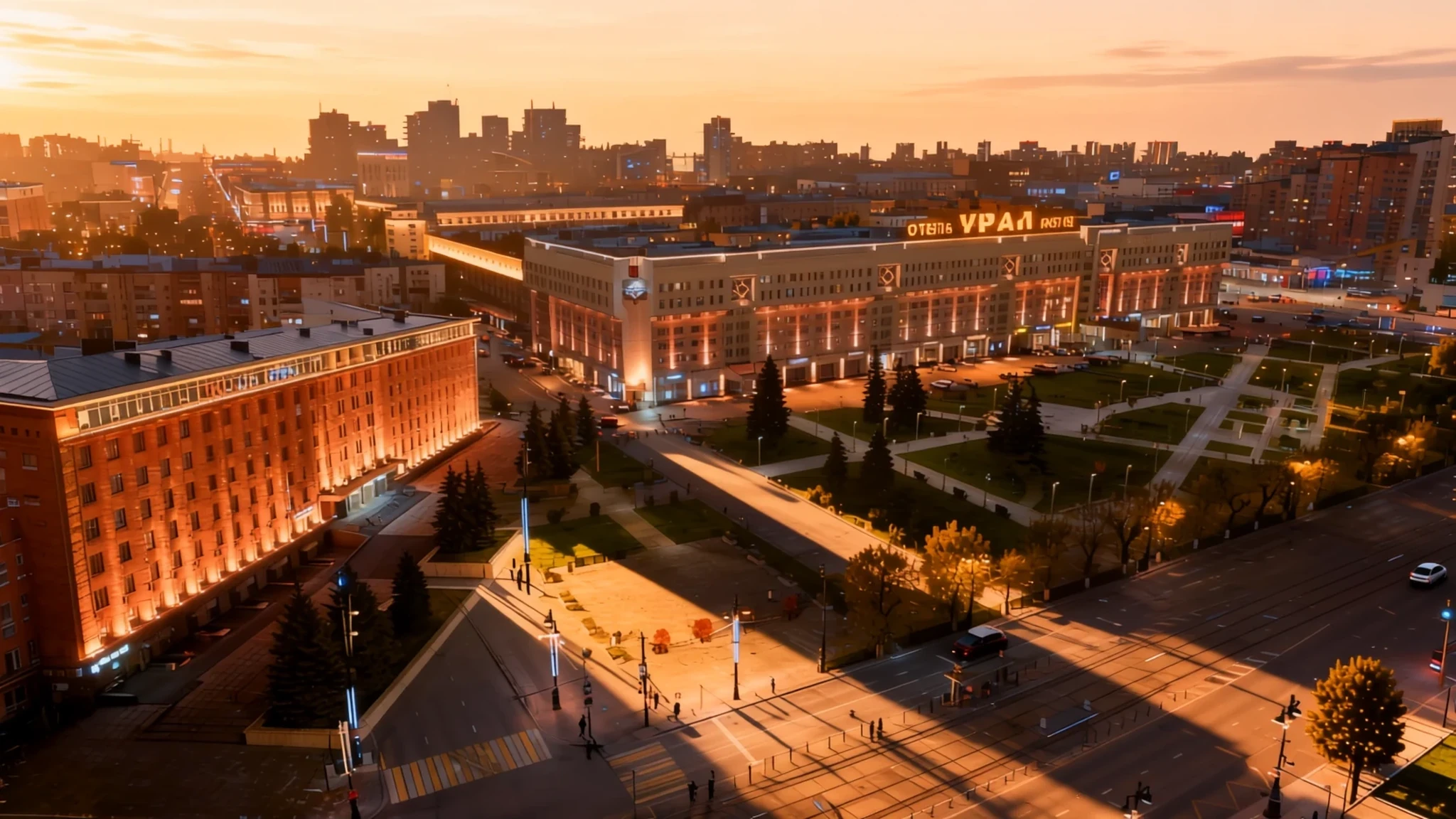
Perm is a Kama river city at the edge of the Urals, with serious contemporary art, ballet and a working industrial past.
The place
Perm sits on the Kama River in the European part of Russia, close to the Ural Mountains. About one million people live here (1,027,518 in the facts), spread along the water for a long distance, so the city feels more like a string of districts than a single compact centre. The terrain is hilly, and the street grid runs roughly east to west, parallel to the river, bending over the slopes as it goes. Cross streets climb away from the water at right angles.
The Kama is a tributary of the Volga, and for centuries it has been the route linking the Urals with distant seas. That role still shows in the river port, which handles recreational cruises. The river also splits the city into a central part and a right-bank part, and small streams and brooks cut through the ground between them, which is why so many streets dip and rise.
The centre is the area worth walking: theatre, gallery, embankment and old merchant houses sit within reach of each other. Beyond it lie factory districts such as Motovilikha, where heavy industry shaped the neighbourhood. Elevation is about 171 metres. Summers are warm and green, winters are long and properly cold, and the city is rarely crowded with foreign visitors, so expect to be a curiosity rather than one of many. Distances are large, so plan on buses, trams or taxis between districts.
Its story
Perm's modern history begins in the early eighteenth century, when Tsar Peter the Great set about developing the Ural region's ironworks. He put Vasily Tatishchev in charge of the factories, and Tatishchev founded Perm alongside Yekaterinburg, another of the region's great centres. The facts block gives the founding year as 1723. The settlement was first known as Yagoshikha, a name that echoes an older village recorded in the mid-seventeenth century, and it kept that name for several decades before becoming Perm.
Industry defined the city from the start. Metalworking and engineering grew into machine tools and equipment for the oil and coal trades, plus agricultural machinery. A big refinery now processes oil piped from West Siberia, and a large chemical industry makes fertilisers and dyes. Perm is also an important railway hub on the route east.
The Soviet years brought rapid growth as the Urals industrialised. In 1940 the city was renamed Molotov, after Vyacheslav Molotov, a senior Soviet politician, and it carried that name for some seventeen years before reverting to Perm. Learning also took root: Perm State University was founded in 1916, giving the city an academic life alongside its factories.
That mix of workshop town, railway junction and university city explains much of what a visitor sees today: heavy industrial districts, grand nineteenth-century public buildings, and a recent push to turn old industrial and civic spaces into places for art.
What to see
- PERMM, the contemporary art museum — Central Perm, near the river
PERMM is billed as Russia's first contemporary art museum, and it sits near the river in the centre. Allow a couple of hours for changing exhibitions. It is a good first stop to see how the city sees itself now, and the displays are often playful and experimental.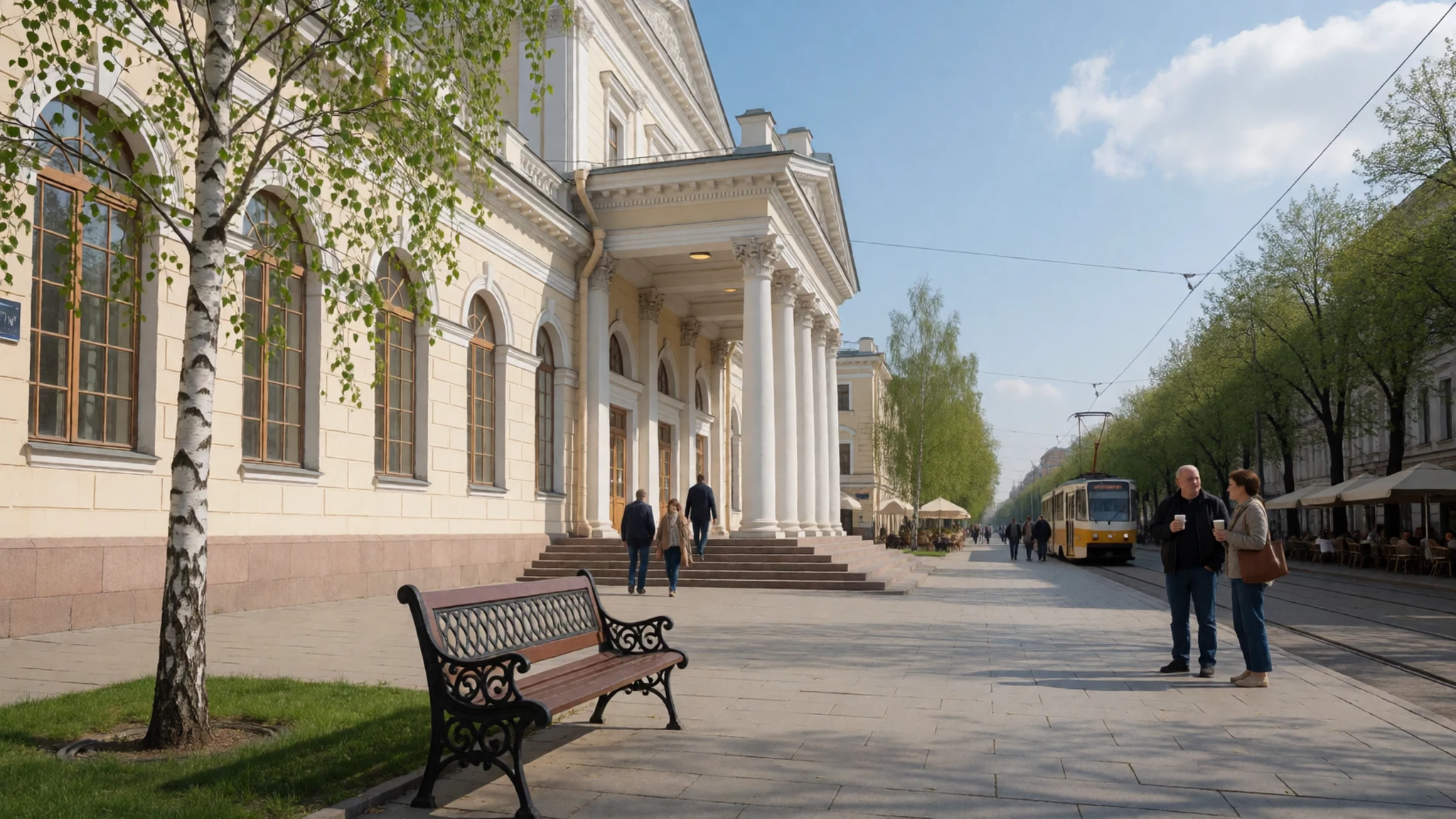
- Perm State Art Gallery — Komsomolsky Prospect, central Perm
The gallery occupies a former cathedral from the early nineteenth century, and its spire is a landmark over the city. Inside are paintings from several centuries and a notable collection of regional wooden sculpture, which is unusual and worth the visit on its own.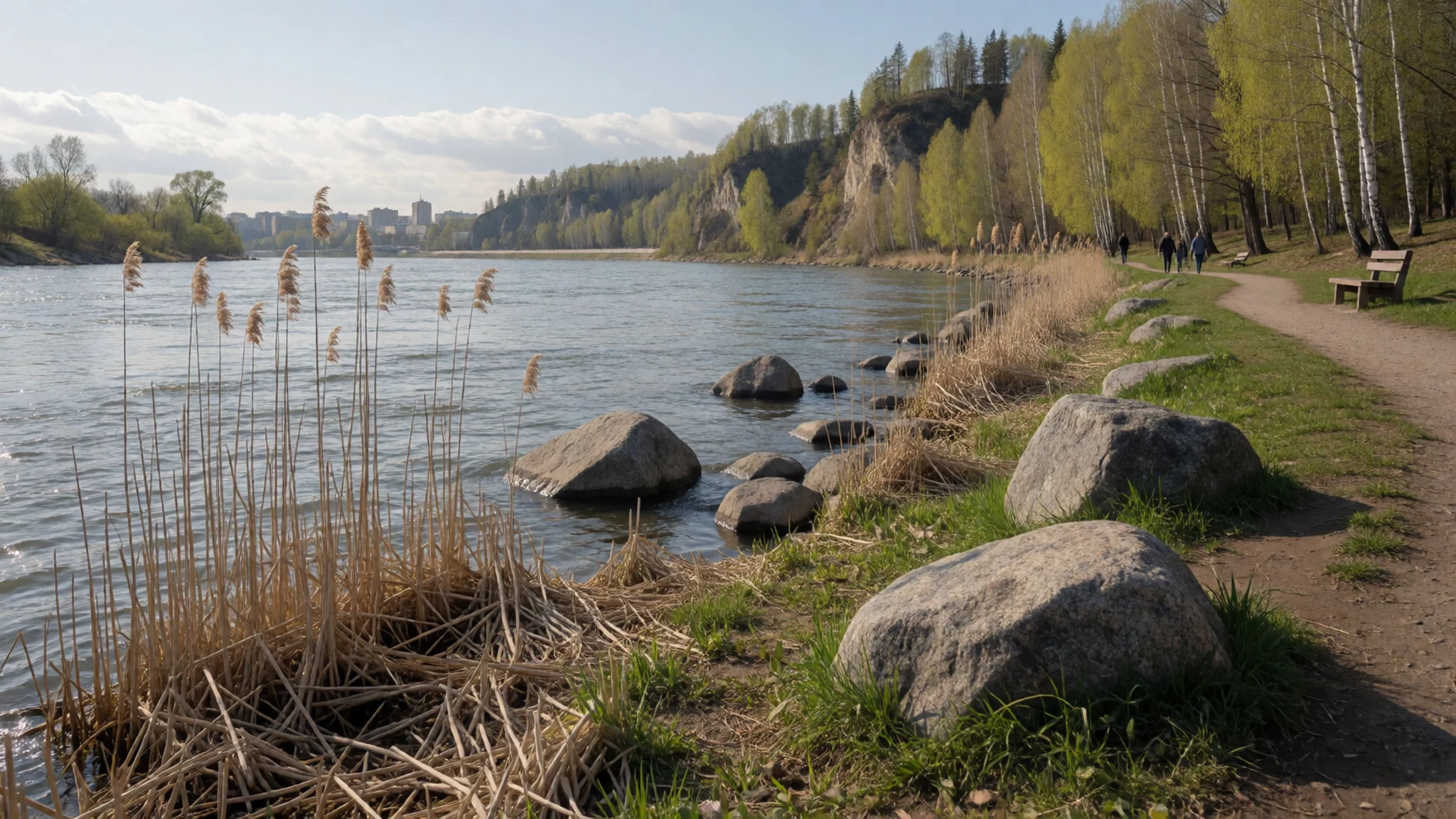
- Perm Opera and Ballet Theatre — Central Perm
One of the older musical theatres in Russia, with a regular programme of opera and ballet. The building is handsome from the outside too. Check the official programme and book ahead for popular performances, especially during the Diaghilev Festival, which uses the same venue.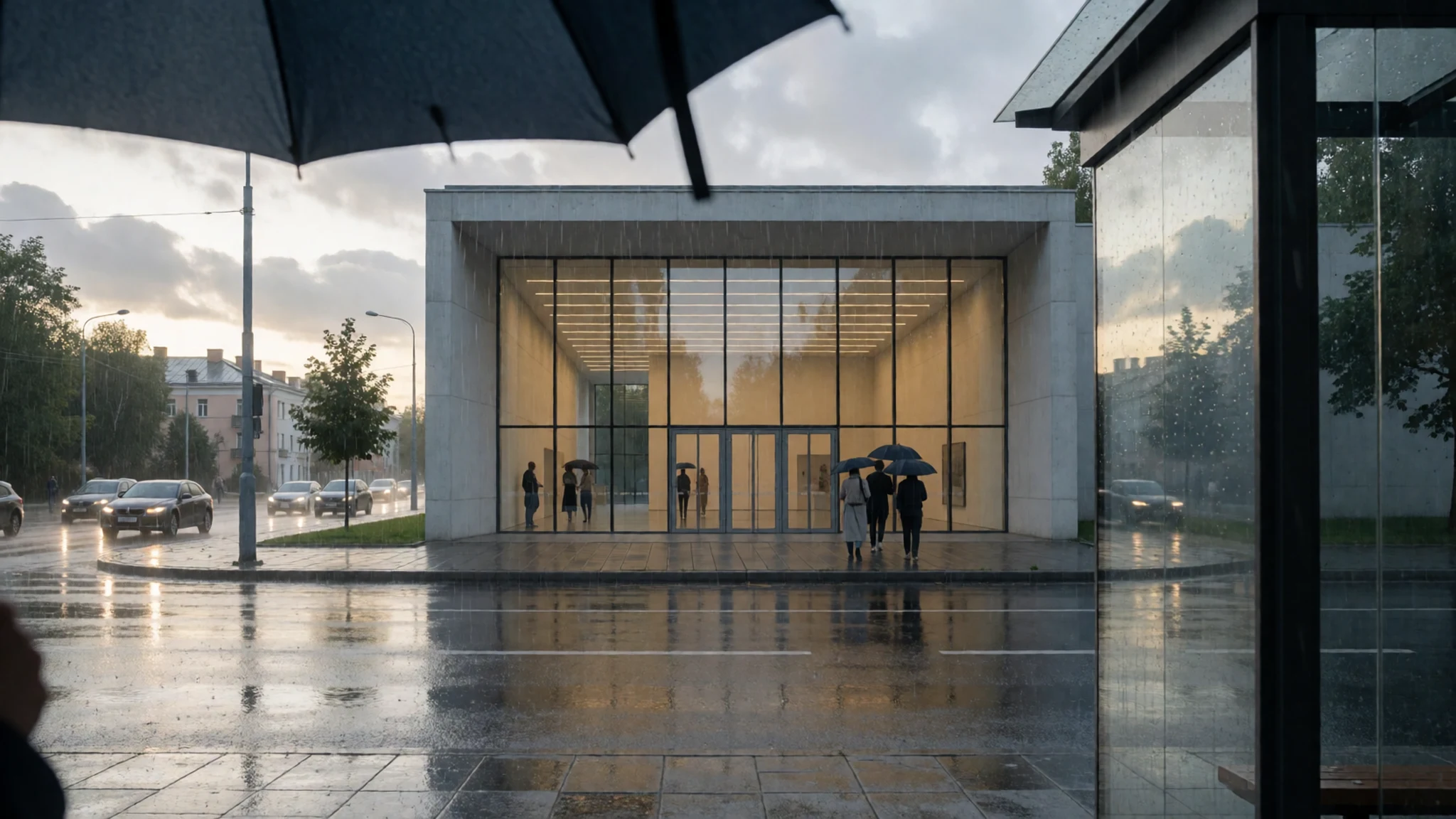
- Motovilikha open-air museum — Motovilikha district, north of the centre
An outdoor display of military hardware made in the Motovilikha factories, including tanks and missile launchers that visitors are allowed to climb on. It suits families and anyone curious about the industrial side of the city, and it gives a sense of the district's scale.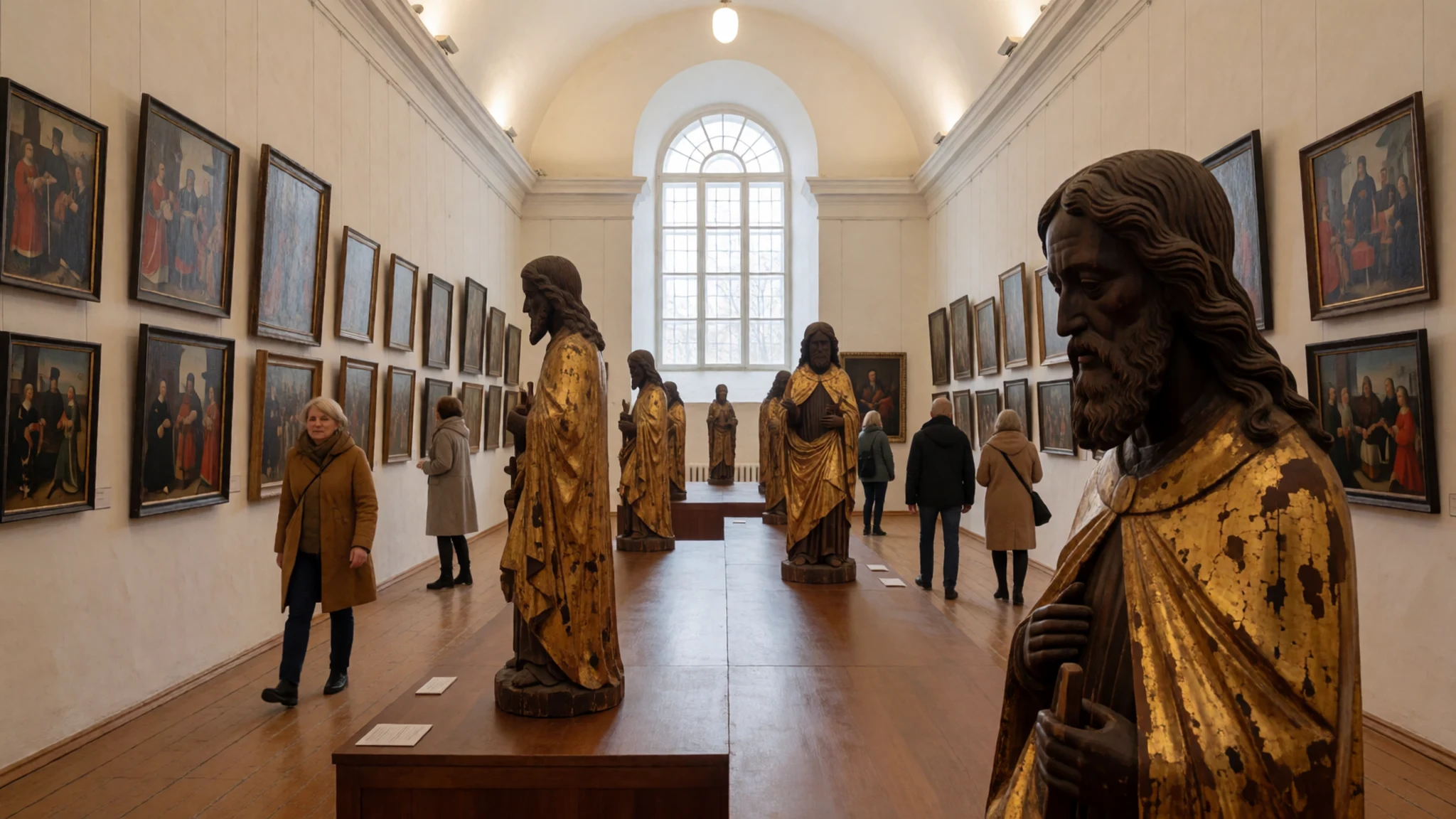
- Diorama Museum — Motovilikha district
This small museum tells the story of the armed uprising in Motovilikha in December 1905 through a painted diorama. It sits in the same factory district as the open-air museum, so the two combine easily into a half-day looking at the area's working-class history.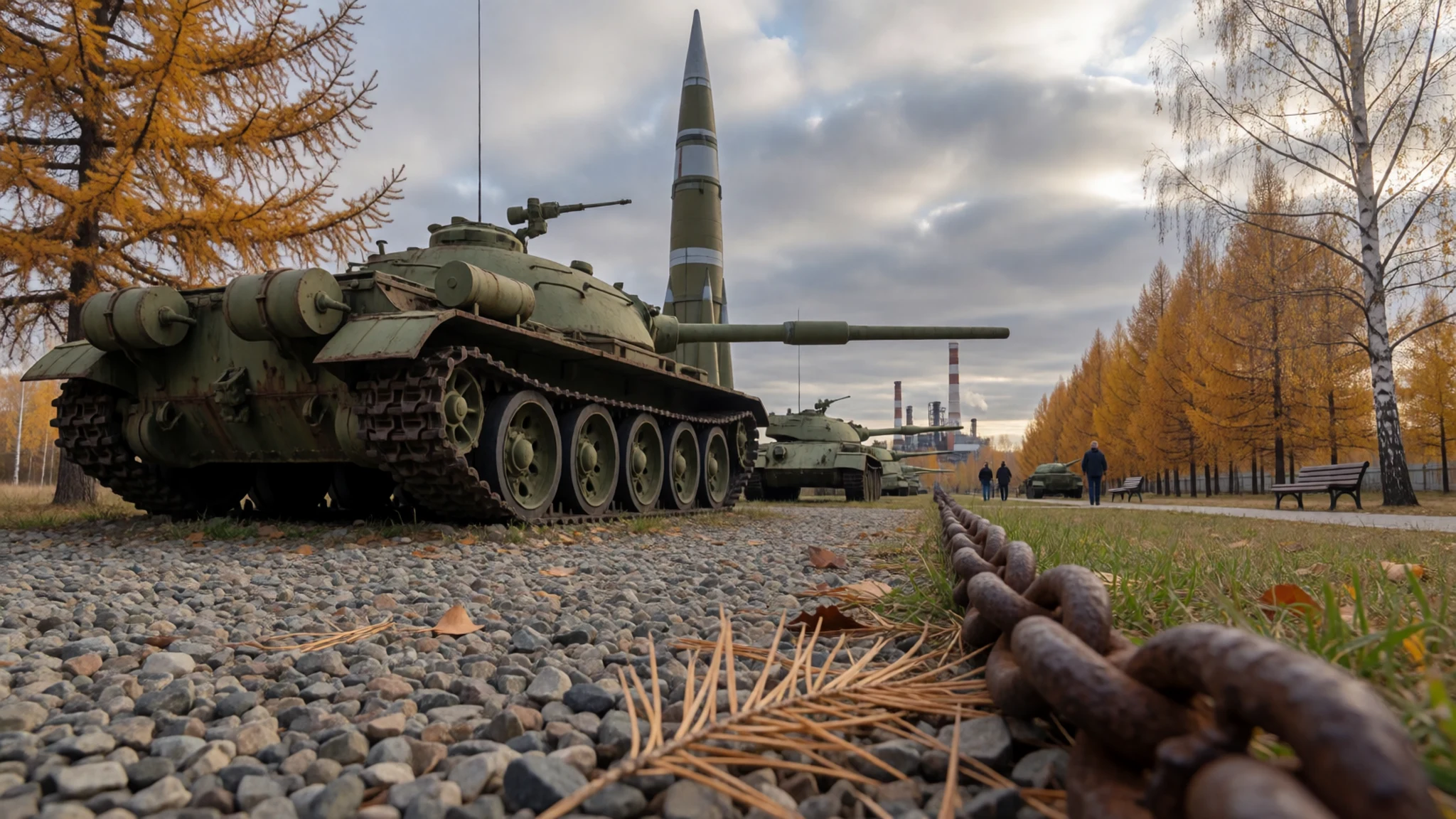
- Meshkov House — Old centre
A merchant's house in the old centre, photographed often for its ornate details. It shows the wealth that river trade and industry brought to Perm before the revolution. Treat it as a pleasant stop on a wander through the older streets rather than a full visit.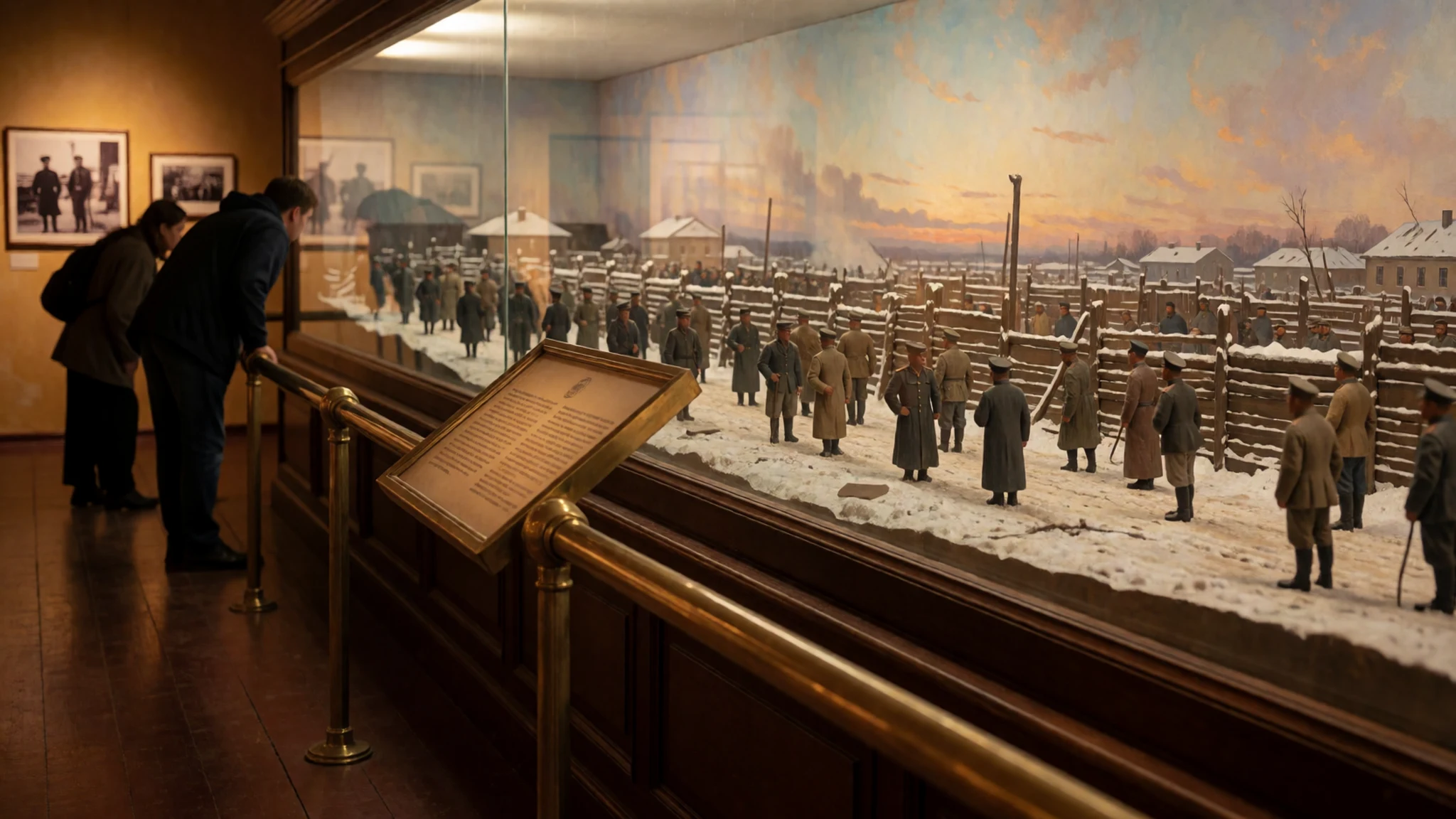
Culture
Perm has a stronger arts scene than its factory reputation suggests. The Opera and Ballet Theatre is one of the older musical theatres in Russia, and the city also has a drama theatre, a puppet theatre, a theatre for young audiences, and a small company with a mystical bent called At the Bridge. Ballet matters here: the Diaghilev Festival brings different genres and formats to the city, and local audiences take their theatre seriously.
Museums add to this. The State Art Gallery, in a former cathedral, shows regional wooden sculpture, which is a reminder of how Orthodox and folk traditions mixed in the Urals. PERMM pushes in the opposite direction, with contemporary work that has helped change how outsiders think of the city.
Daily life is shaped by the long winters and a working culture built around factories and the railway. People are generally reserved with strangers but helpful once spoken to, and a few words of Russian go a long way, as English is not widely spoken. Food culture draws on Russian, Georgian, Azeri and Uzbek traditions, a legacy of migration across the old Soviet space. Perm is also the Russian city where many visitors first meet Ural hospitality: expect tea, questions about where you come from, and offers of directions.
In churches and at the theatre, dress neatly, keep your voice low, and in an Orthodox church women should cover their hair and everyone should keep shoulders and knees covered.
What to wear
Perm has no single city costume. The traditional dress of the Perm region belongs to the wider Russian and Komi-Permyak village tradition: women's sarafans (sleeveless long dresses) worn over linen blouses, headscarves and embroidered aprons, with wool and linen as the usual cloths. These are now seen mainly at folk festivals, in museums and on stage, not on the street.
What people wear every day is practical, because winters are long and cold. Locals favour dark coats, boots with good grip and fur or knitted hats from autumn onwards. In summer the look is casual and neat, with light dresses and trousers. For the theatre, people dress up more than a visitor from India or the UK might expect: a jacket or a smart dress is common, and heavy coats go to the cloakroom.
For visitors, the main rule is to dress for the season. In winter bring a proper insulated coat, thermal layers, gloves, a hat and waterproof boots with a sturdy sole for ice and packed snow. In summer pack light layers and a rain jacket, as showers are possible. The hills and uneven pavements call for comfortable shoes. For Orthodox churches, women should carry a scarf for covering the head, and everyone should avoid shorts and sleeveless tops. Smart casual is enough for opera and ballet.
What to eat
- Blini — Blini cafés across the centre
Thin Russian pancakes, served rolled with sweet or savoury fillings such as sour cream, jam, mushrooms or meat. A local chain called Blinnaya Skovorodka specialises in them, and they make a cheap, filling breakfast or light lunch.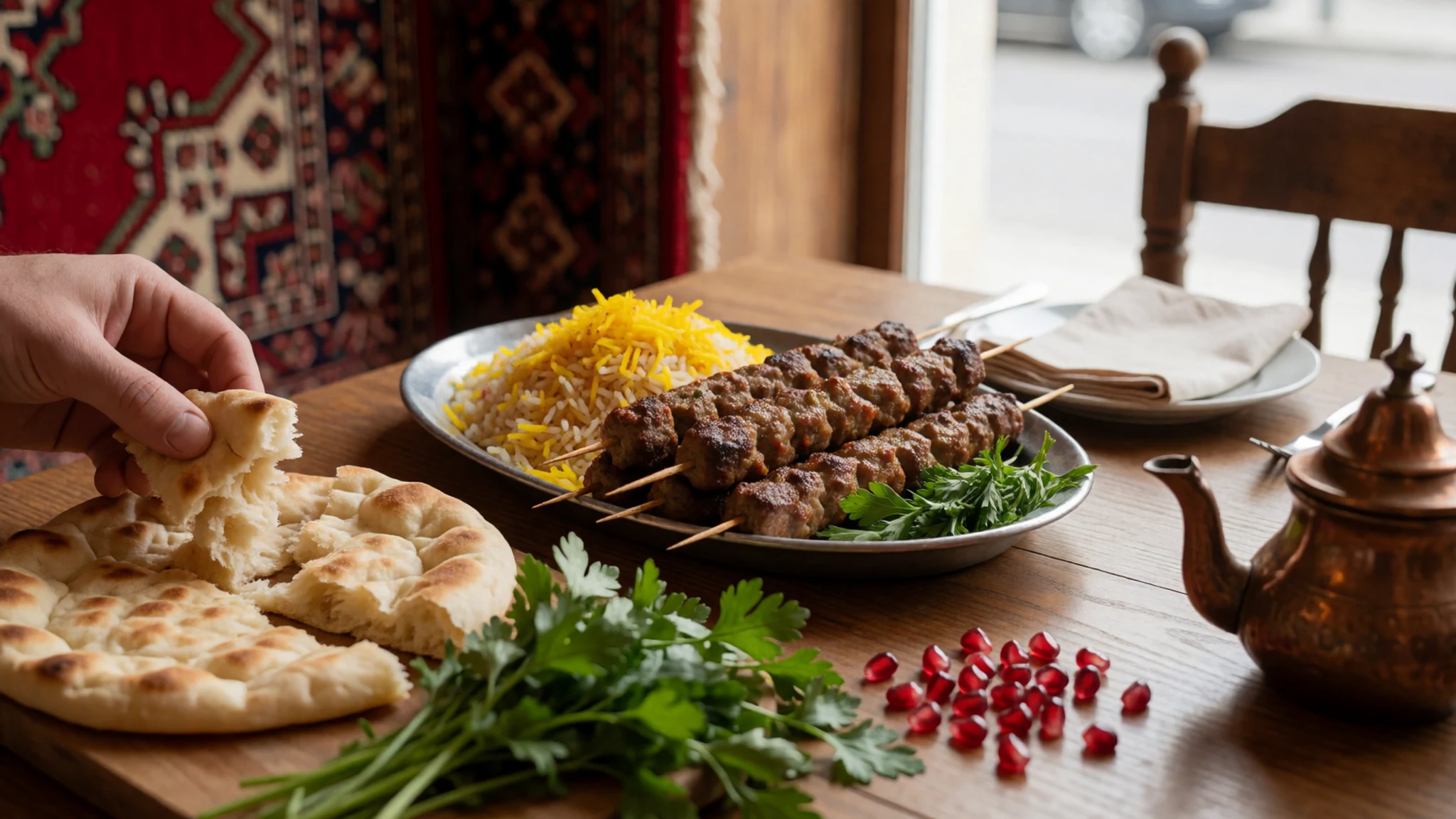
- Azerbaijani dishes — Azeri restaurants in the central districts
Azeri cooking is well represented, with grilled meats, rice dishes with herbs and flatbread. Sufra is one place that Wikivoyage recommends, and the cuisine suits groups who want to share several plates and sample different flavours.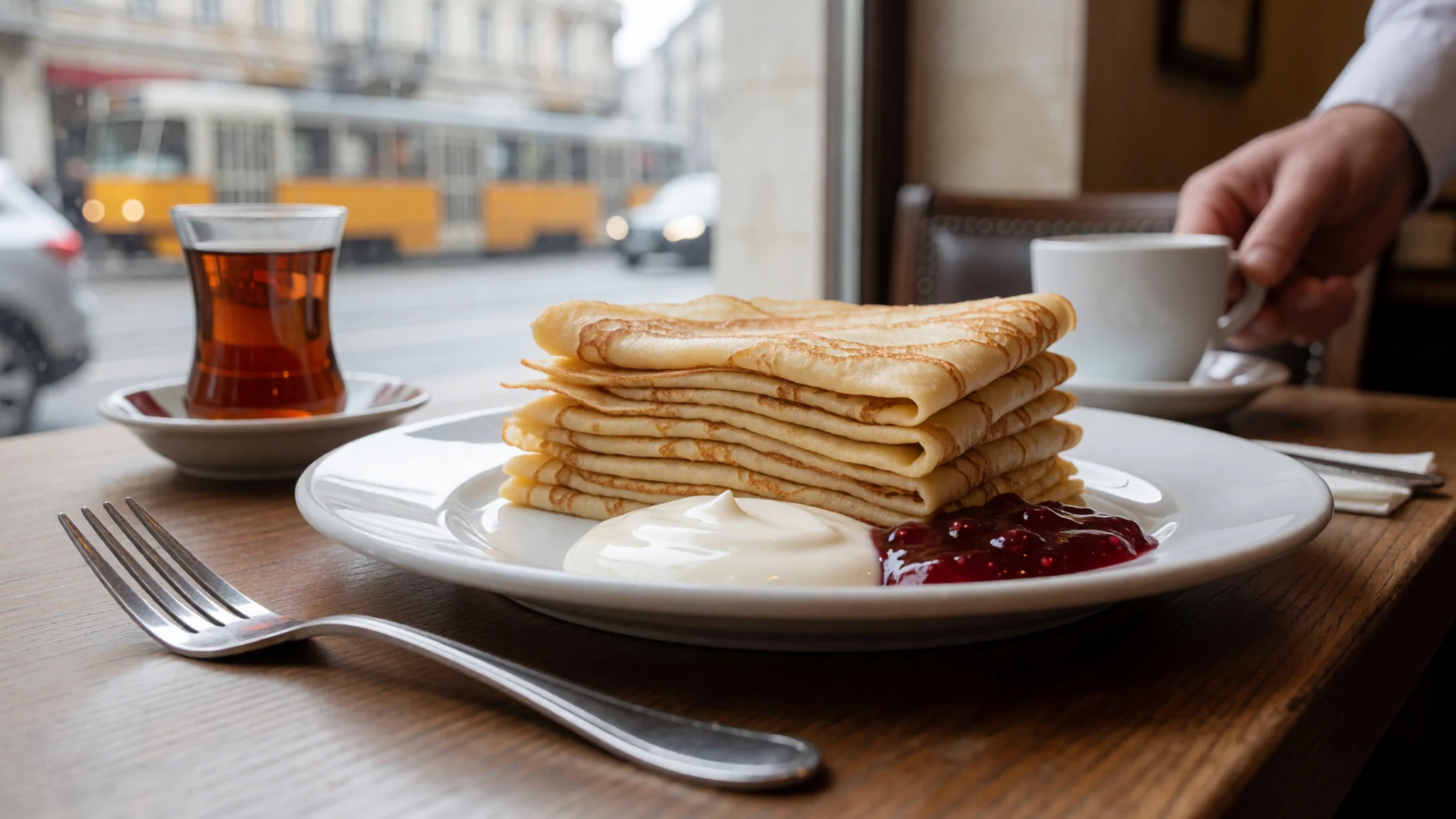
- Georgian food — Georgian restaurants around the centre
Expect khachapuri, the cheese-filled bread, along with khinkali dumplings, walnut-rich sauces and grilled meat. It is hearty and popular in Perm, and most places serve generous portions that are meant to be shared at the table. - Uzbek plov and grills — Uzbek eateries and canteens
Plov is rice cooked with carrot and meat in a heavy pot, often served with salads and tea. Skewered grills and samsa pastries are common companions, and the style is hearty, affordable and popular at lunchtime. - Grilled meat and Bavarian-style fare — Tavern-style restaurants and the city's brewery pubs
Meat is cooked on grills and in ovens at tavern-style restaurants, and there is a brewery serving Bavarian dishes like sausages and pork alongside its beer. These places suit a long, relaxed dinner after a day of walking.
Plan it
Best time. June to September for warm weather, long days and easy walking by the river; winter is long and cold, so come in December to February only if you want snow and the theatre season and are ready for the cold.
How long. 2–3
Getting there. Fly to Perm's airport, then take the airport bus into the city, which runs often to the central bus station. Trains from Moscow take about a day; when searching on the Russian railways site, look for the main Perm station, listed as Perm 2. River cruises also call at the Kama port.
Budget. mid
Tips
- Book opera and ballet tickets ahead through the official theatre site
- Allow time between districts, as the city stretches a long way along the river
- Watch for pickpockets on crowded buses and at the central markets
- Carry a card and some cash, and download an offline translation app
- Check the city site gorodperm.ru for events
Etiquette
- Cover your head if you are a woman entering an Orthodox church
- Keep your voice low in theatres and churches
- Ask before photographing people, especially inside churches
Nearby
Sources
- Wikidata Q915 (CC0)
- Wikipedia: Perm (CC BY-SA 4.0)
- Wikivoyage: Perm (CC BY-SA 4.0)
- Views of Perm (July 2024) – 4, Vyacheslav Bukharov (CC BY-SA 4.0)
- Kama River. Perm. Art Gallery, Alexxx1979 (CC BY-SA 4.0)
- Ascension Church, Akatyev.a (CC BY-SA 4.0)
- Perm. Meshkov House, Alexxx1979 (CC BY-SA 4.0)
- Ulitsa Pokrovskaya in Perm (Public domain)
- Prokudin-Gorskii, Perm. General View (1910) (Public domain)
- Prokudin-Gorskii, General view from Gorodskie Gorki (1910) (Public domain)
- Prokudin-Gorskii, Razguliai (1910) (Public domain)


