Golden Mountains of Altai
Golden Mountains of Altai, Russia
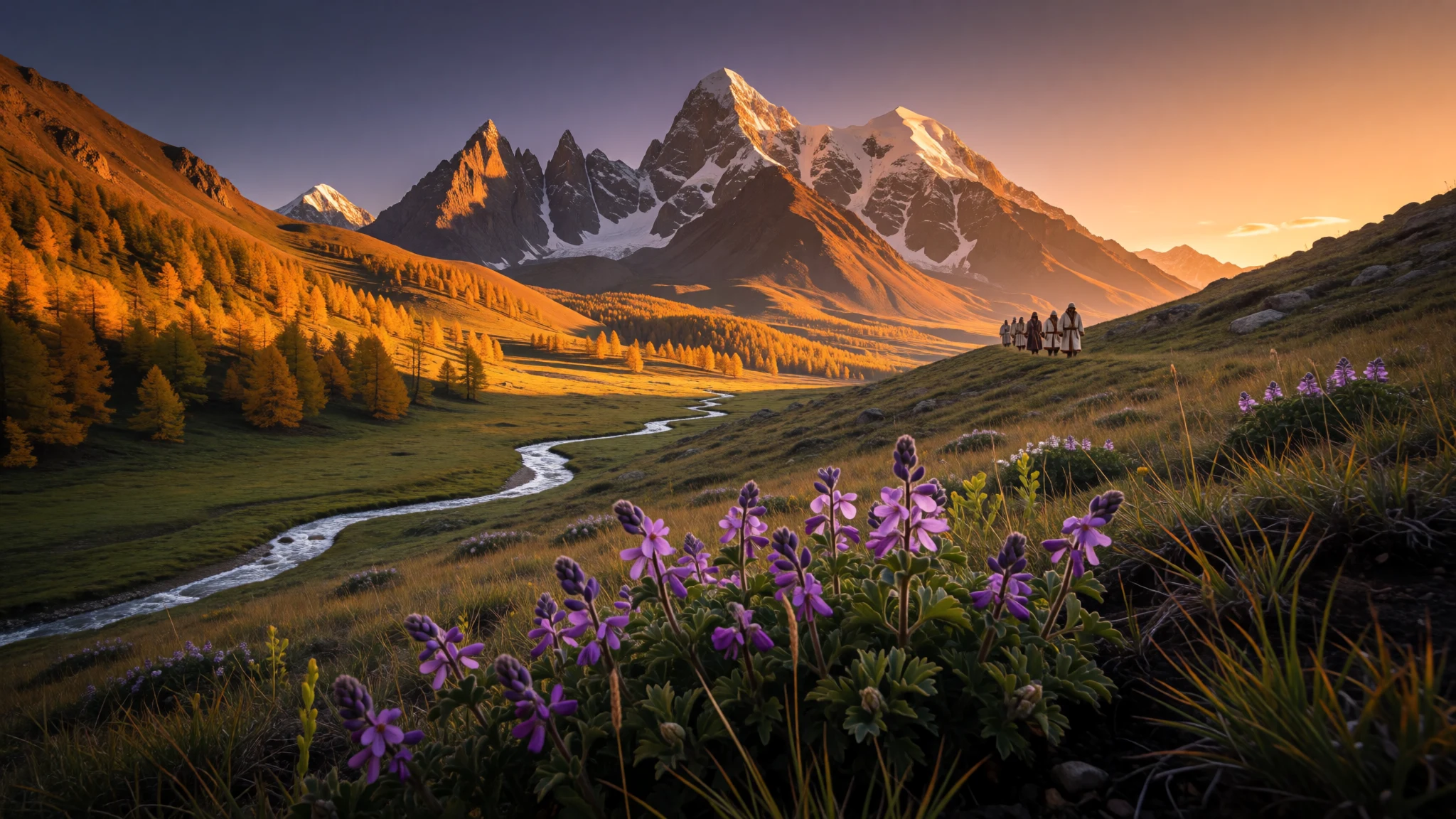
Go for a vast, protected mountain landscape where lakes, glaciers and high passes sit inside one UNESCO listing.
The place
Golden Mountains of Altai is an UNESCO World Heritage Site in Russia that links together several major protected areas and landmarks: the Altai and Katun Natural Reserves, Lake Teletskoye, Belukha Mountain, and the Ukok Plateau. In practice, it’s not one viewpoint—it’s a big mountain-and-water region, where scenery changes with altitude and you feel the scale of Siberia moving under the clouds.
A visit usually centres on Lake Teletskoye, the calmer “base” for exploring the wider reserve network, with trails and viewpoints that range from valley routes to steeper slopes. Belukha Mountain draws mountaineers and serious hikers, while the Ukok Plateau is a more remote-feeling corner of the broader landscape.
This is also a conservation story, not just a photo story. The UNESCO listing highlights the importance of the Altai region for preserving habitats that support globally endangered mammals, alongside a wider web of high-country species.
The atmosphere on the ground is shaped by local life. The Altai Republic’s population includes ethnic Altais, and religions here can be a mix of Russian Orthodoxy, Shamanism and Buddhism. That blend matters when people are involved: the mountains aren’t separate from community, they’re part of daily culture.
Tourism has grown, but the region still feels relatively underdeveloped compared with “easy” destinations. Roads and transport can be slow, and distances are real—so planning the routes and pacing the hikes makes the trip feel smooth rather than rushed.
Its story
Golden Mountains of Altai has the kind of travel rhythm that comes with big distances and weather that turns quickly. Mornings can feel clear and bright, and then a shift in wind or cloud makes ridgelines fade into a softer, misty outline—exactly the sort of change that makes high-country travel addictive.
In the lowlands, the mood is more human-scaled: villages and small settlements, local agriculture, and cafés where meals are simple and filling. Then, as routes climb and you move toward passes and plateau edges, the landscape becomes the main character. You start noticing how quickly vegetation and landforms respond to elevation—meadows giving way to darker forest tones, then to open alpine ground.
The “UNESCO” label helps explain why the region is protected, but on the ground it shows up as restraint: fewer built-up attractions, more time spent watching wildlife from safe distances, and more emphasis on nature trails than on monuments. That can feel quiet bordering on remote, especially outside the main lakes and highway corridors.
If the goal is hiking, it helps to be honest about commitment. Permits may be required for serious mountain objectives, and the logistics can take weeks or months of lead time. For day hikes, the region still offers a lot: from lakeside walks and riverside viewpoints to climbs around named mountains.
Wherever you spend most time—on Teletskoye’s shores, along the Katun river area, or nearer to Belukha and Ukok—the best days usually come from flexible pacing: start early when conditions are calm, take breaks often, and accept that nature is in charge of the schedule.
What to see
- Lake Teletskoye — Lake area
Lake Teletskoye is the main “anchor” for much of a Golden Mountains of Altai trip, known for its scale in Russia. Expect calm water views, lakeside access points, and a natural base for mixing easy time outdoors with longer day routes.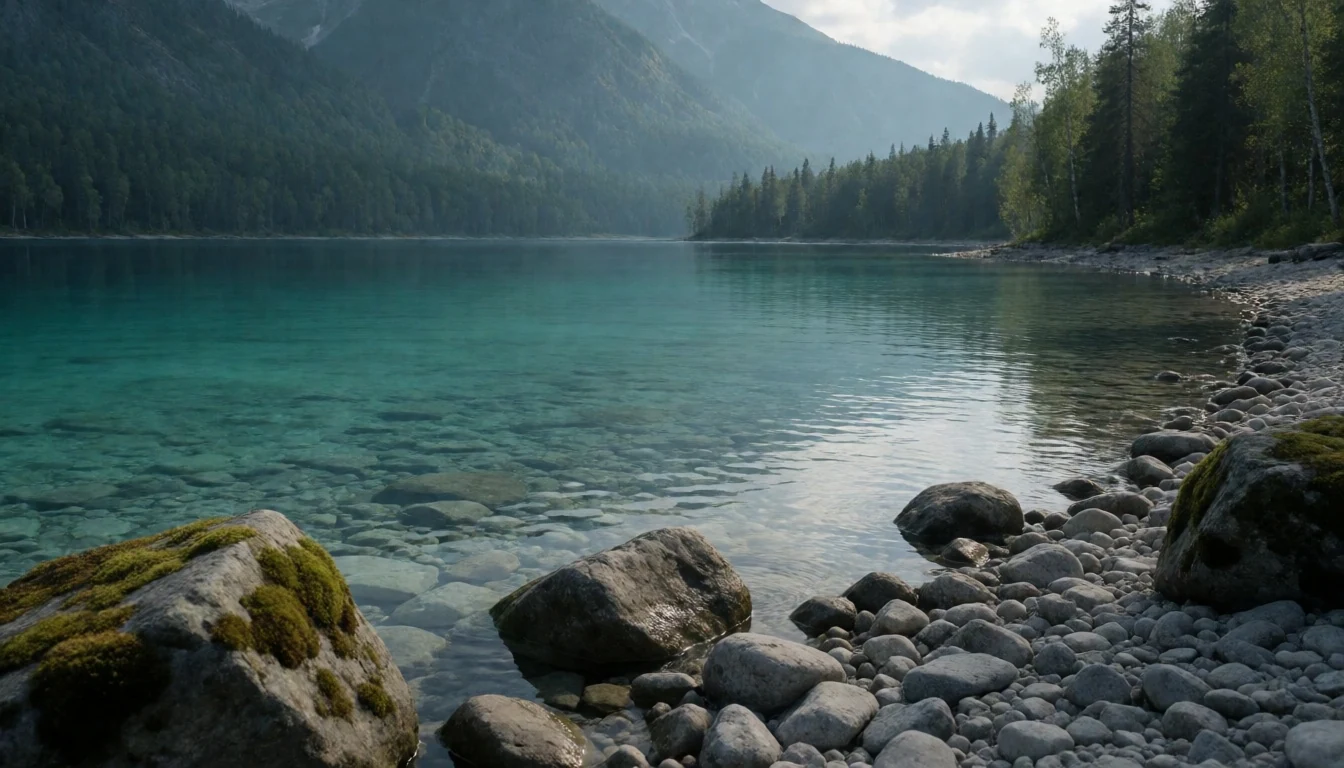
- Belukha Mountain area (via Ust-Koksa) — Altai high-country
Belukha Mountain draws climbers and experienced hikers planning around conditions and access. Routes described for the region often start via Ust-Koksa, with onward travel into the mountains depending on the objective level.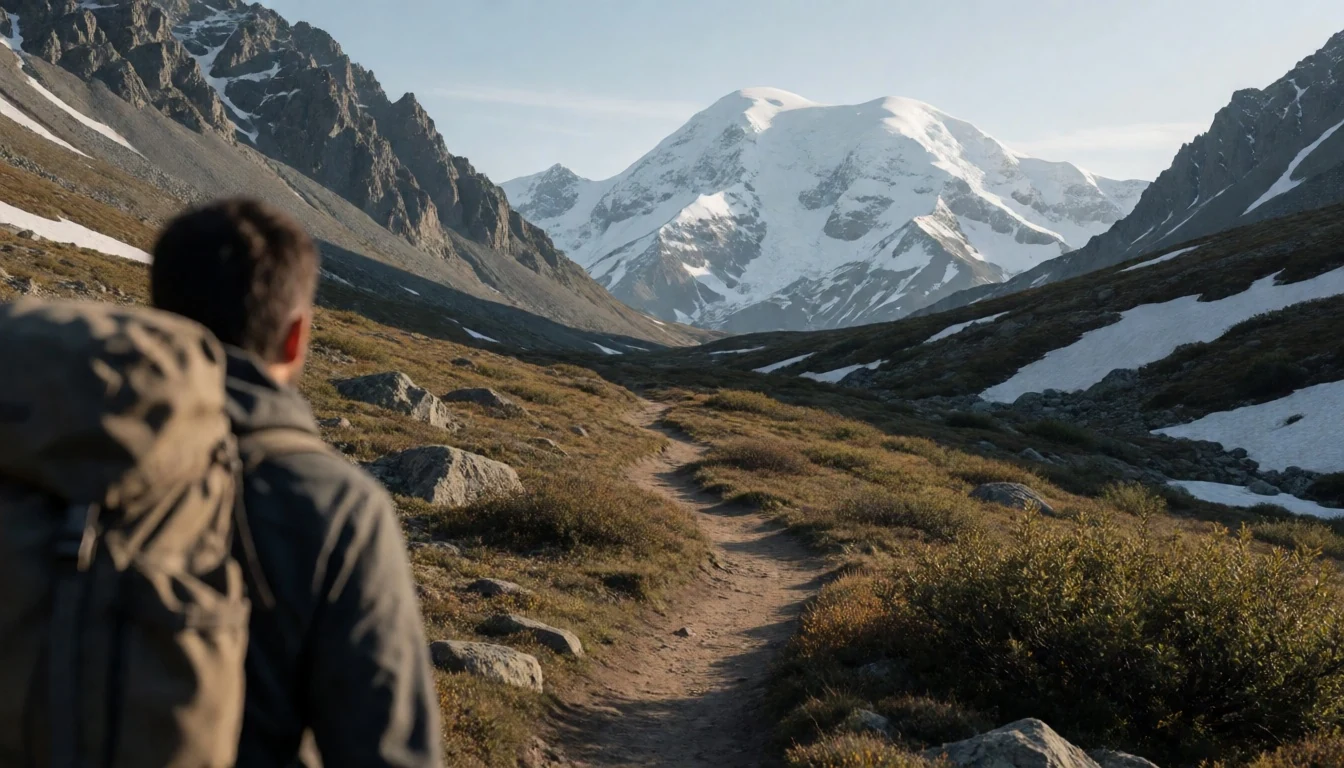
- Seminsky pass and the Chuysky Highway corridor — Chuysky Highway corridor
Seminsky pass sits along the Chuysky Highway corridor and is one of the higher points travellers pass through when moving between towns and trailheads. It’s a good place to pause for wide views, and it helps structure a road-trip day.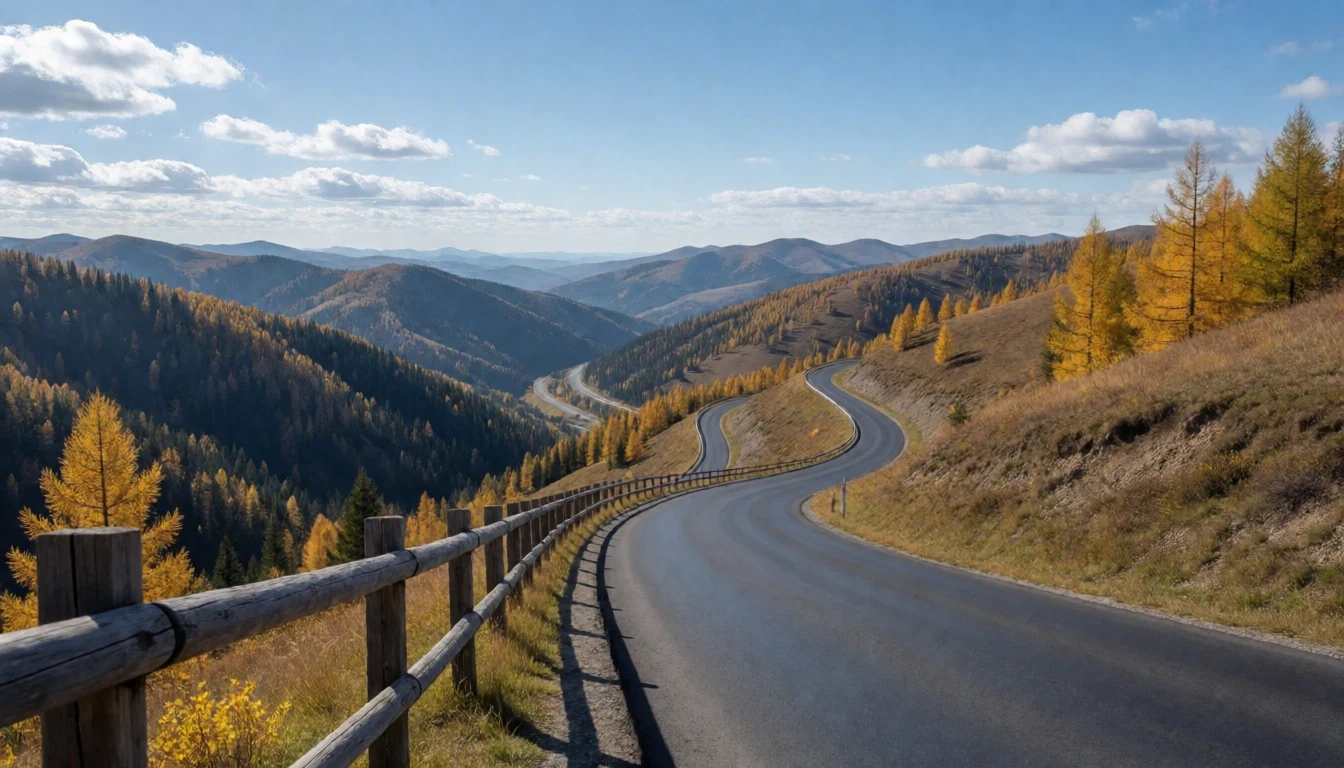
- Katun river camps: Biryuzovaya Katun — Katun River
If the plan is to stay somewhere atmospheric, the Katun river “Biryuzovaya Katun” cluster of camps and guest bases is commonly reached via the highway that runs parallel to the river. It’s a practical hub for riverside strolling and setting off for nearby hikes.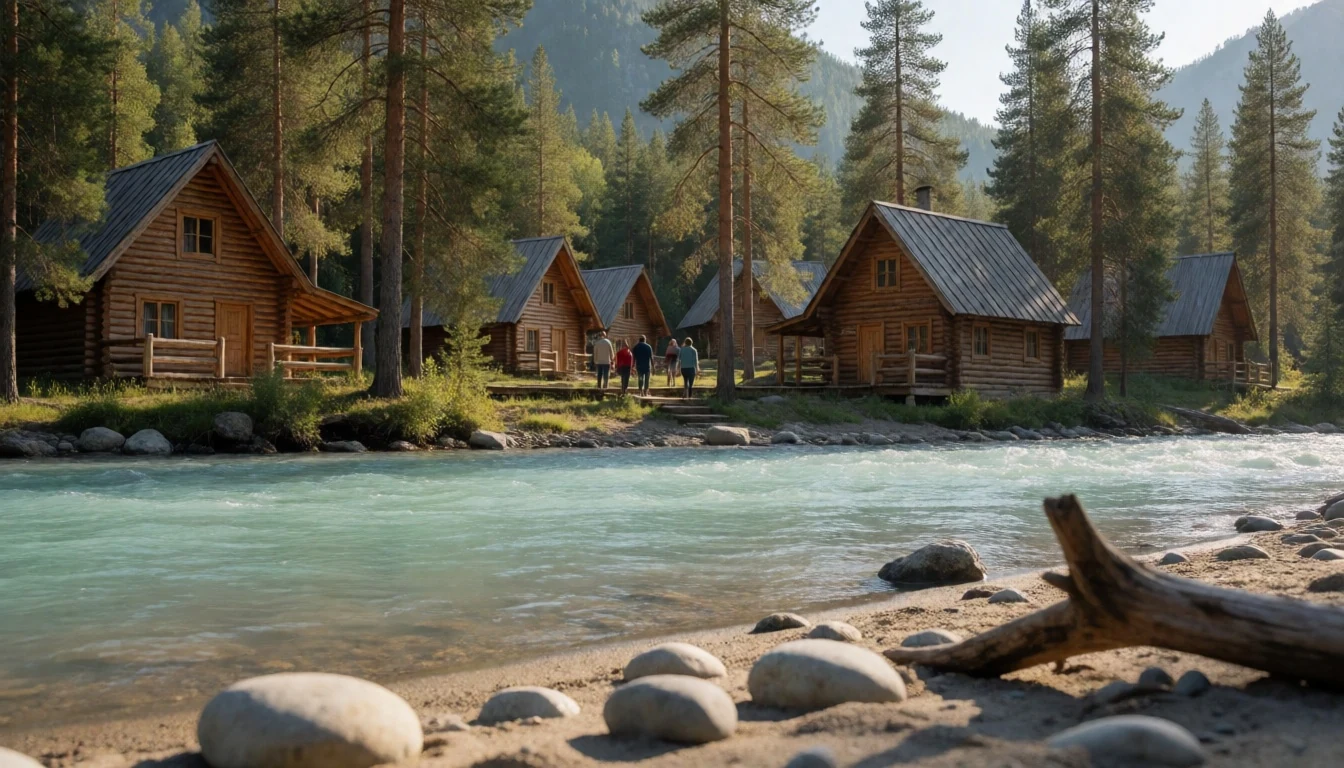
- Ancient rock art along the Altai Republic road (KM723–732) — Altai Republic roadside corridor
Along the main road in the Altai Republic corridor, visitors can stop for ancient rock paintings and carvings. It’s not a museum stop—it’s roadside exploration, best done slowly, with time to look closely at the markings.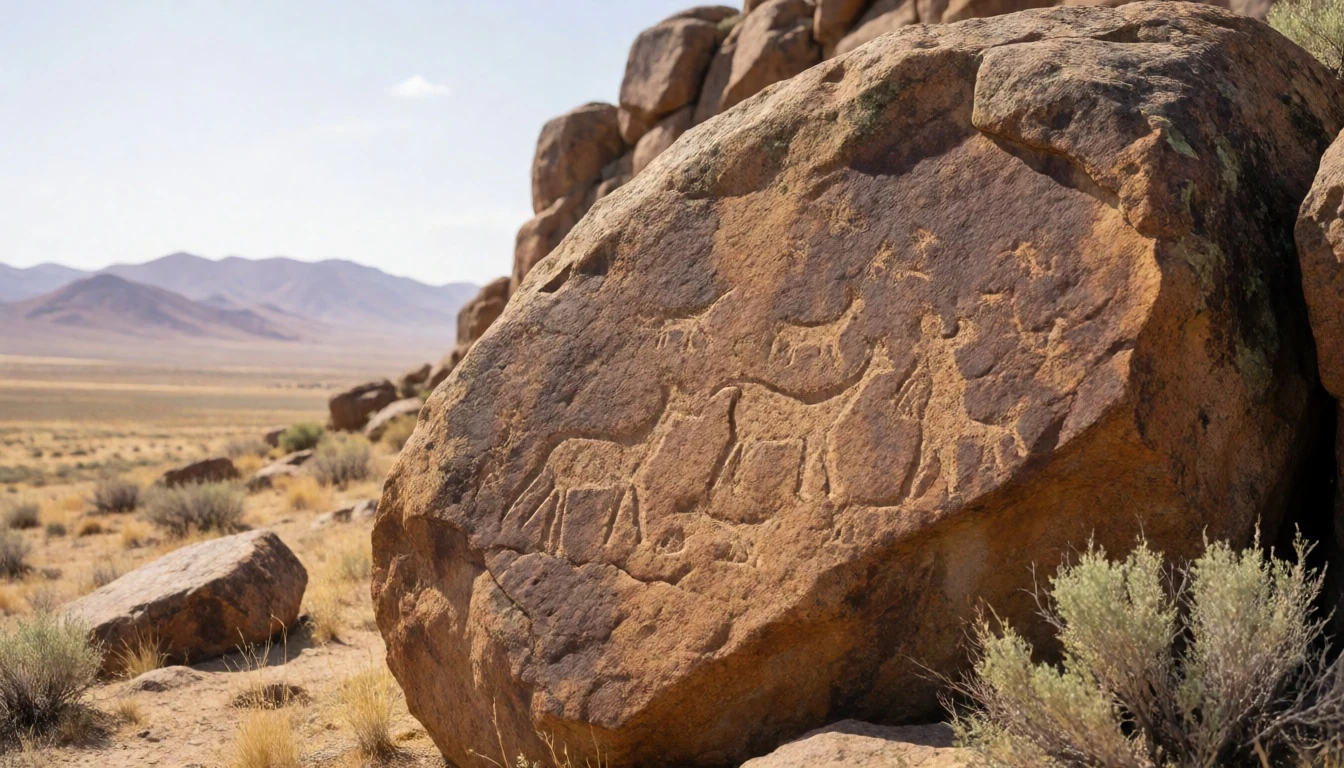
Culture
Golden Mountains of Altai sits inside the Altai Republic, where daily life is tied to land, seasons and faith. The population includes ethnic Altais, and religious life can reflect Russian Orthodoxy as well as Shamanism and Buddhism. In mountainous regions, those influences show up as quiet spaces for respect—wayside shrines, ritual behaviours, and local expectations around how people look, listen and photograph.
Tourism may be growing, but the region can still feel underdeveloped: it’s common to rely on local cafés, family-run stays, and advance planning rather than big, polished visitor infrastructure. Language can be a barrier, so it helps to be patient and keep your intentions simple—ask clearly, confirm details in advance where possible, and treat local helpers with the same courtesy you’d want in any rural place.
Wildlife and conservation are part of the culture here too. People travel for views and hikes, but staying safe and keeping distance from animals and sensitive habitats is taken seriously.
Visitor etiquette: keep voices low near religious sites or household shrines, and ask permission before photographing people.
What to wear
In Golden Mountains of Altai, clothing follows the same logic as the landscape: layers first, weather-ready second. Traditional dress in the Altai region is rooted in Turkic cultural influences; you’ll often see embroidered garments and items made from natural fibres, with patterns and textiles that reflect local identity. At festival or cultural events, people may wear more traditional clothing alongside everyday pieces.
In day-to-day life now, most visitors will blend into a practical mix: warm outer layers, long trousers, and sturdy footwear for trails and uneven ground. Summer can be tick season, so breathable long sleeves and long trousers are useful even when the sun is up. Rain and wind can also cool a route quickly at higher elevations.
What to wear as a visitor: pack a warm layer even in warmer months, plus a waterproof jacket and gloves for cooler mornings. Choose shoes with grip for rocky paths, and bring a hat and sunscreen for open stretches near passes and lake shores. If visiting villages or any religious spaces, a simple modest look—covered shoulders and long trousers—goes a long way.
What to eat
- Café meals — Cafés in towns and villages around the Altai
Eat at regional cafés; they’re common even in smaller villages and tend to offer straightforward, satisfying dishes. It’s a dependable option after long road days or hikes when cooking plans have changed.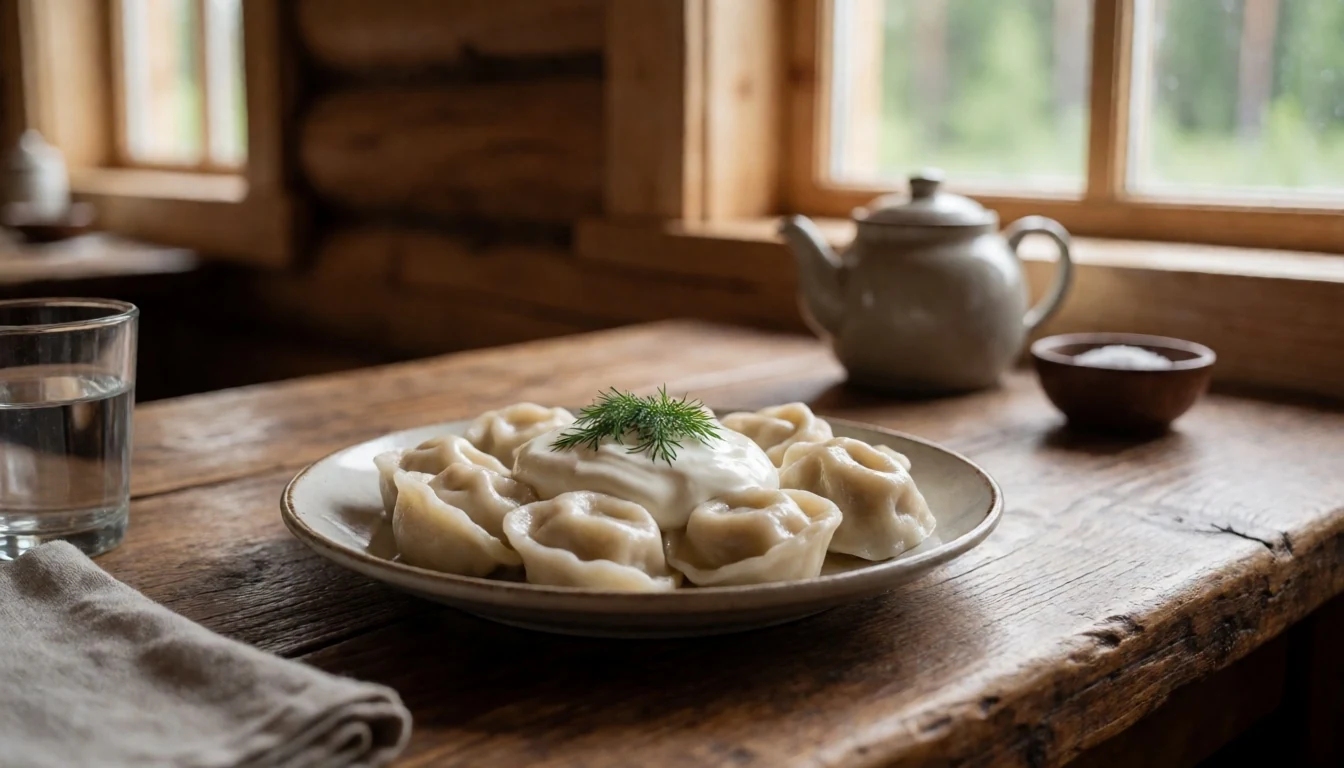
- Hot soups — Local cafés across the Altai Republic
Warm soups are a comfortable choice when mountain weather turns cooler. They’re typically easy to find in everyday café menus, and they work well as an in-between meal before heading out again.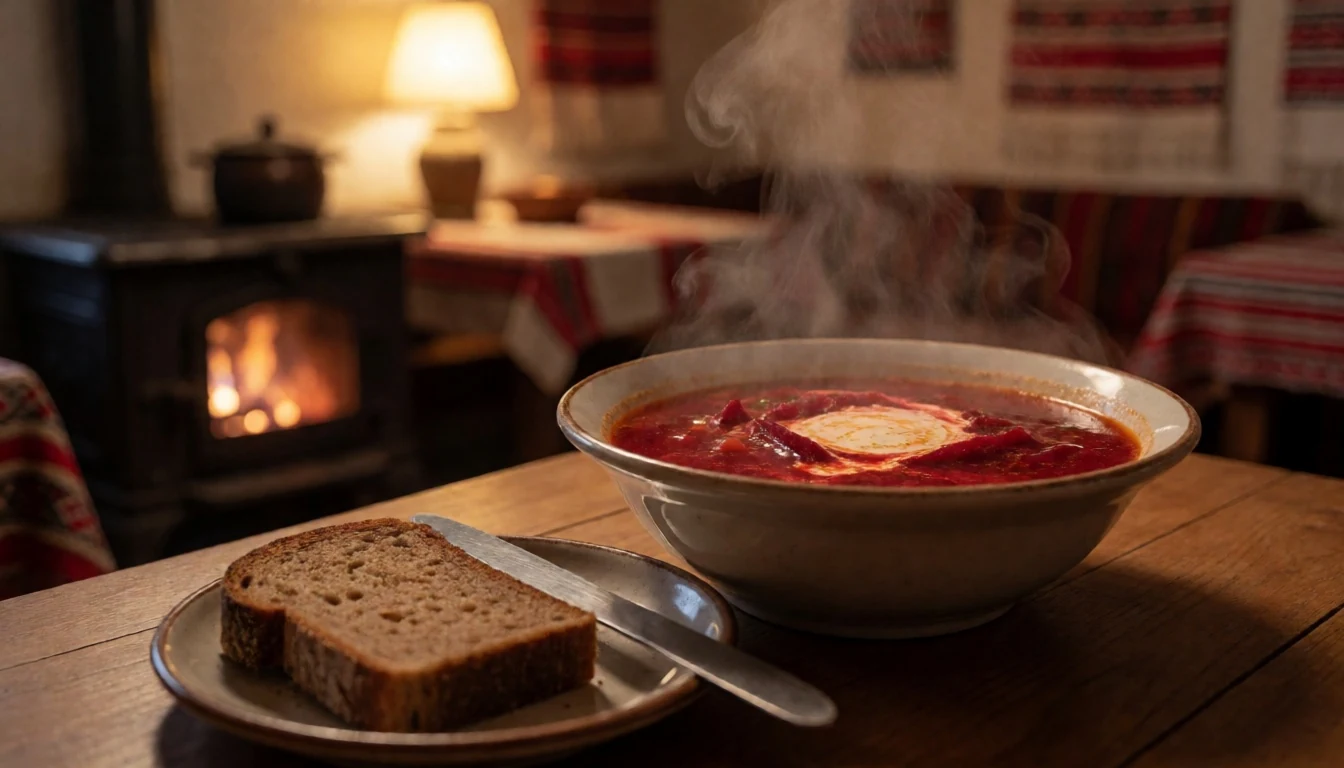
- Simple comfort dishes — Everyday eatery menus along main routes
Comfort-style, hearty meals are common in rural cafés—think filling plates meant for working days and outdoor travel. They won’t feel fancy, but they’re practical when you need energy for hiking and long drives. - Road-trip snacks — Stops along highway corridors and village centres
Between trailheads and viewpoints, plan for simple snack stops rather than expecting elaborate food. Small eateries along highway corridors are usually the best bet for quick refuelling before you move on.
Plan it
Best time. May–September bring the mildest, warmest conditions (with the hottest months in July and August), and they’re typically the wettest period as well; for drier, clearer mountain days with much colder temperatures, choose late autumn (October and November).
How long. 3–4
Getting there. Altai Republic has no railway; fly to Gorno-Altaisk (RGK), then continue by road. Another common approach is taking a marshrutka or bus from Biysk or Barnaul and finishing by local transport.
Budget. mid
Tips
- Book core stays and any guided plans early, especially for popular lakeside areas
- Start hikes early when trails are calmer and temperatures are gentler
- Carry water and a light emergency layer for sudden mountain shifts
- If planning serious climbs, arrange permits weeks or months ahead
- In summer, check for ticks after time outdoors and keep long trousers handy
Etiquette
- Follow local guidance around sacred or shrine-like spots; avoid stepping into restricted areas
- Keep noise down in villages and near religious spaces
- Ask before photographing people or household-related rituals
Nearby
Sources
- Wikidata Q155495 (CC0)
- Wikipedia (rev 1365733643) (CC BY-SA 4.0)
- Wikivoyage (rev 4726312) (CC BY-SA 4.0)