Catherine Palace
Catherine Palace, Russia
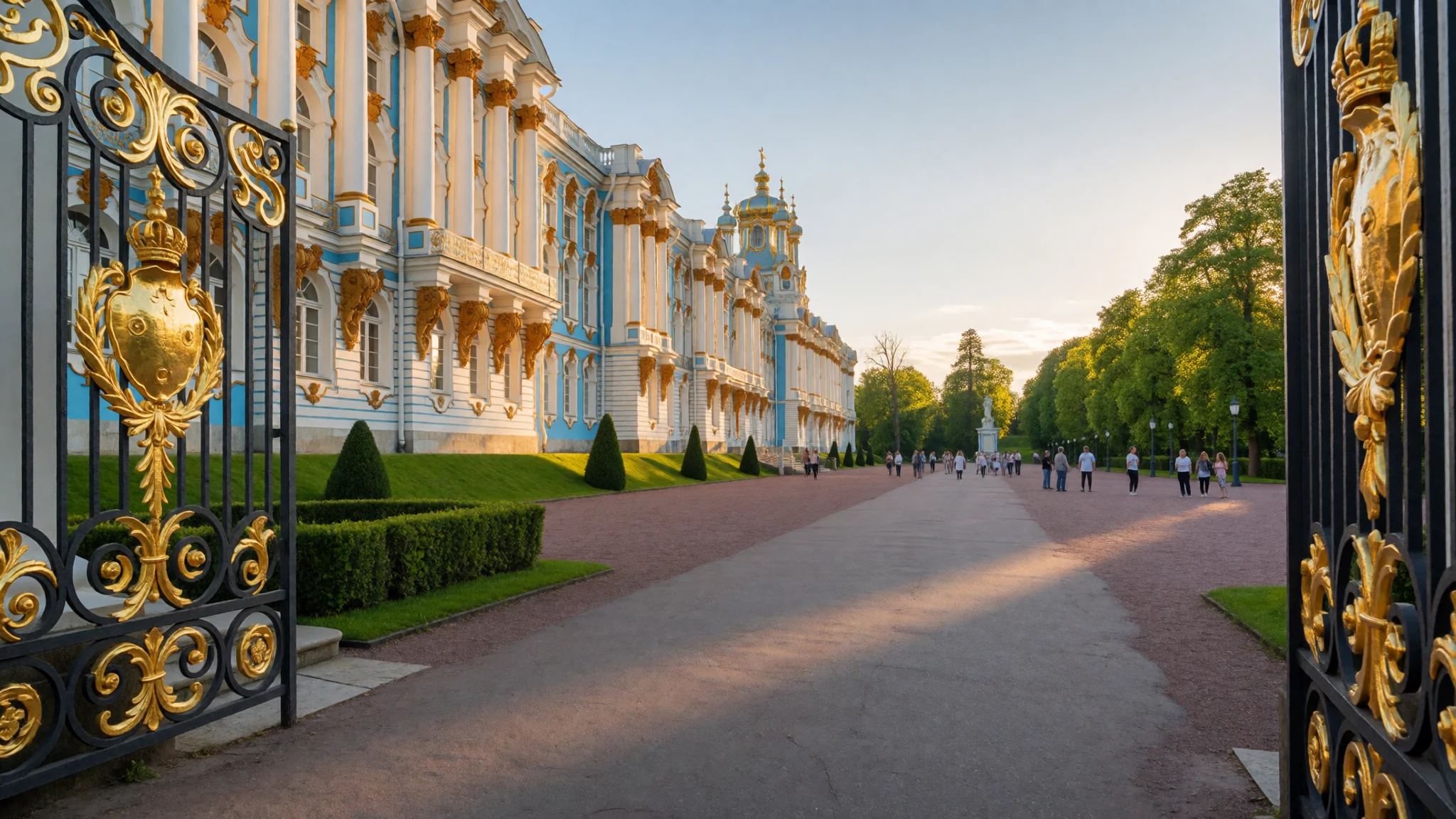
Catherine Palace pairs a blue-and-white Rococo façade with gilded halls and a big park, an easy train ride from St Petersburg.
The place
Catherine Palace stands in Pushkin, the town historically called Tsarskoye Selo, the Tsar's Village, a short train ride south of St Petersburg. The palace is Rococo in style: a very long front painted in a pale sky shade, with white columns and gold detail, set back across a broad forecourt. Behind it lies a landscaped park of lakes, avenues and follies that fills as much of a visit as the building does. The complex belongs to the World Heritage listing for St Petersburg and related groups of monuments. Pushkin itself is a quiet, leafy town of imperial parks, a cathedral, small museums and a station that sends day-trippers back to the city. It takes its name from the poet who studied at the lyceum here, and the town wears that with some pride. The mood differs from central St Petersburg: slower, greener, with more room to walk. Crowds are the main complaint. Tour groups arrive in waves, especially in summer, and the interior can feel like a procession through gilded rooms. The park absorbs people far better, and winter, when snow lies over the grounds, suits the place well, though it is properly cold. In high summer expect damp weather, since June to August bring the most rain, and a good deal of walking on gravel and cobbles. Food inside the palace is limited and priced for tourists, so the town beyond the gates is worth knowing. The palace alone fits into half a day, but pairing it with the park and a second building fills a full one.
Its story
The story of Catherine Palace begins with an estate on a low rise that Russia took back after its wars with Sweden. Peter the Great gave it to his wife Catherine, and the settlement that grew around it became the Tsar's Village. The stone palace dates to 1723, when it replaced the first house, which was modest compared with what followed. A stone residence replaced the early timber building, with state rooms in polished alabaster and Gobelin tapestries upstairs, and a formal garden of terraces, ponds and clipped parterres alongside. The real transformation came under Empress Elizabeth, Peter's daughter. Architects stretched the palace into a long chain of pavilions, wings and galleries, and then Bartolomeo Rastrelli was asked to unify the lot. His Baroque interiors drew on sculptors, gilders and painters, and the exterior was loaded with gilded stucco and statues that swallowed a vast quantity of gold. Among the showpieces were the Great Hall, the Chinese Room with its lacquer panels and porcelain, and the Amber Room, fitted with panels designed by Andreas Schlüter. Later rulers kept Tsarskoye Selo as a family retreat. The twentieth century was harsh on it: the Amber Room and much else was lost in the Second World War, and the palace stood damaged for years. What visitors see today is largely the result of long restoration, still continuing in places. That layering of imperial extravagance, wartime ruin and patient rebuilding is the thing worth knowing before going in.
What to see
- The palace façade — Pushkin, main forecourt
The long front of Catherine Palace is the image on every postcard: pale blue walls, white columns and gilded detail running across the forecourt. It rewards walking its whole length rather than photographing from one spot, and the garden side is calmer and less crowded than the entrance side.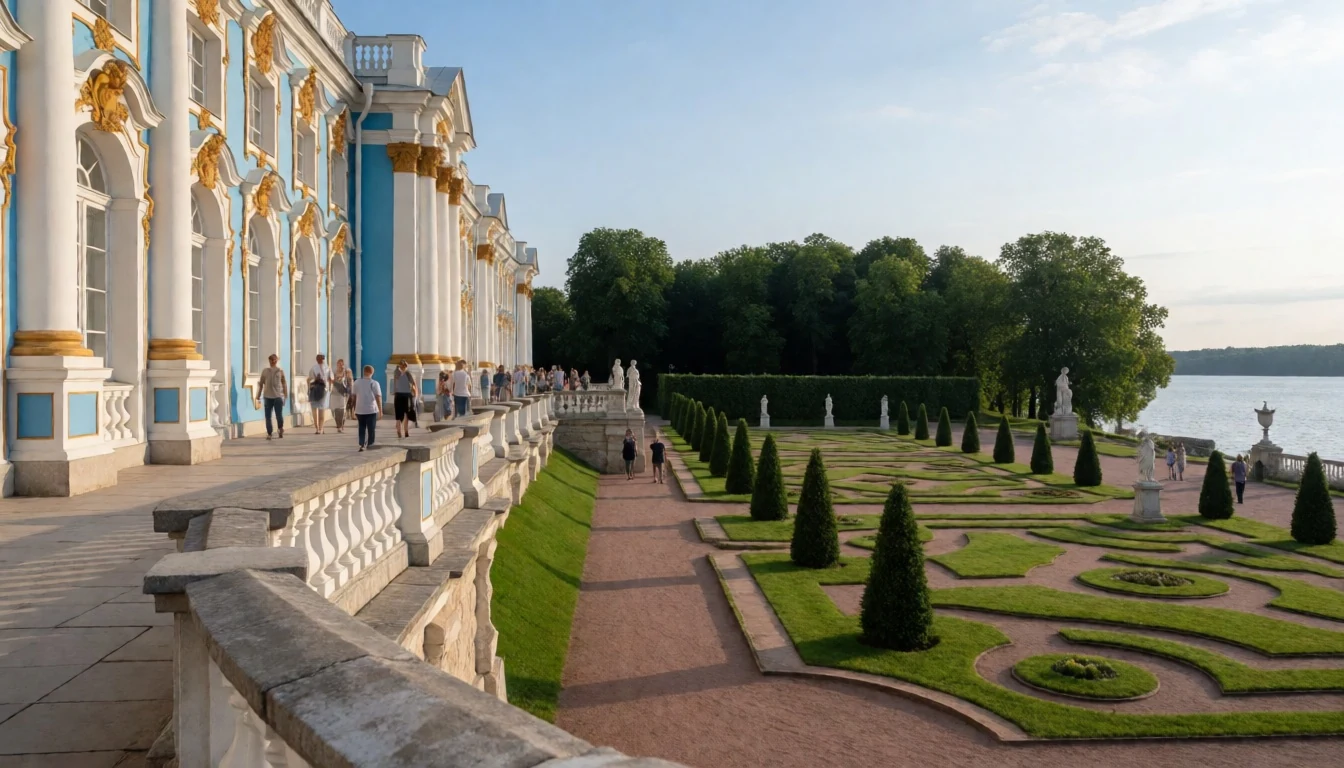
- The Great Hall — Catherine Palace, state rooms
The Great Hall spans the full width of the palace, with mirrors, carved gilt ornament and a painted ceiling that sends daylight across a polished floor. It was built for court balls, and standing at one end gives a sense of how many candles and dancers it once held. Arrive early, because the doorway fills fast.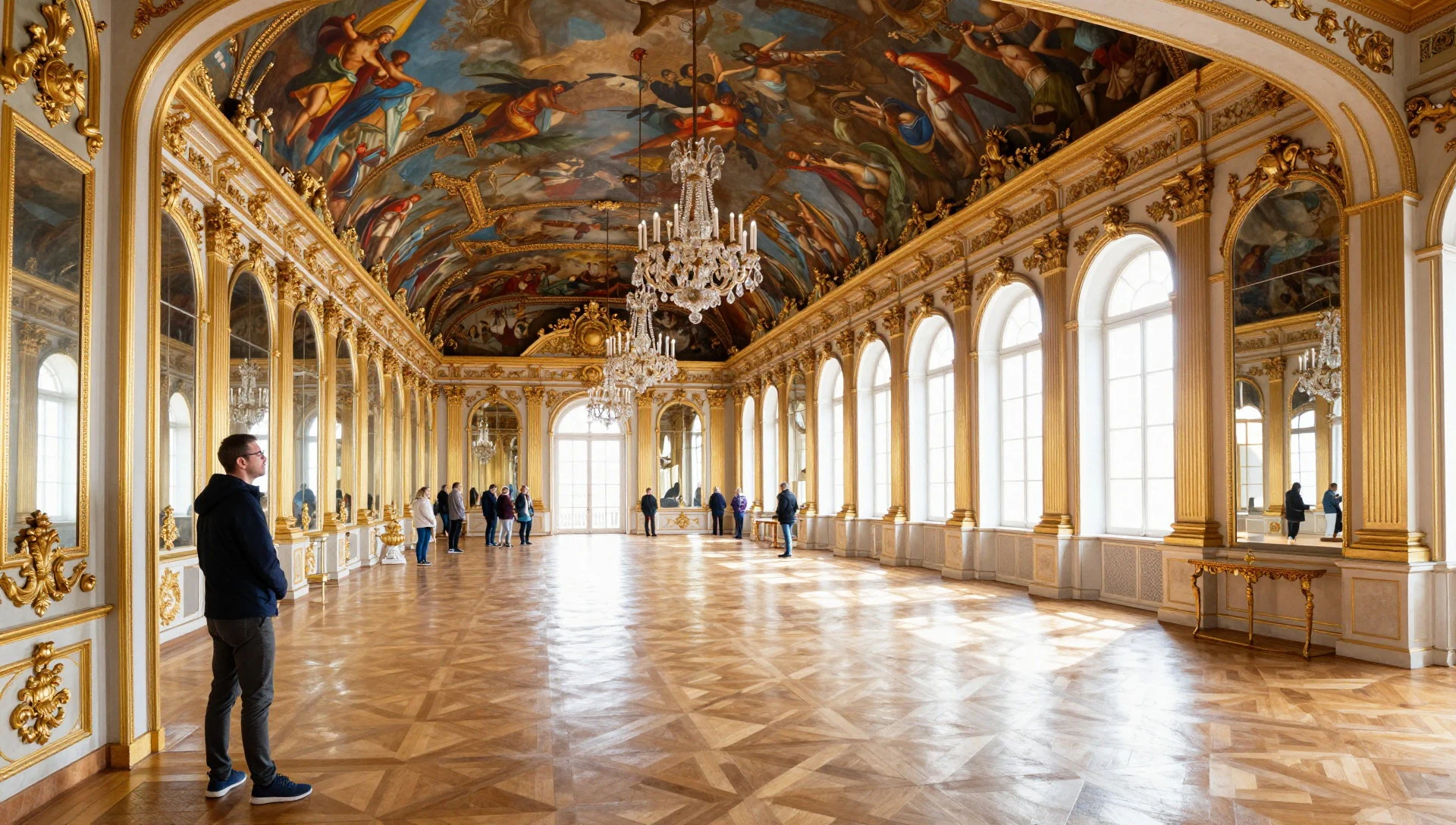
- The Amber Room — Catherine Palace, state rooms
The Amber Room was fitted with amber panels designed by Andreas Schlüter and was lost in the Second World War; a reconstruction now stands in its place. The warm honey light is the point, so go slowly. Photography rules change from room to room, so check the signs and the official site.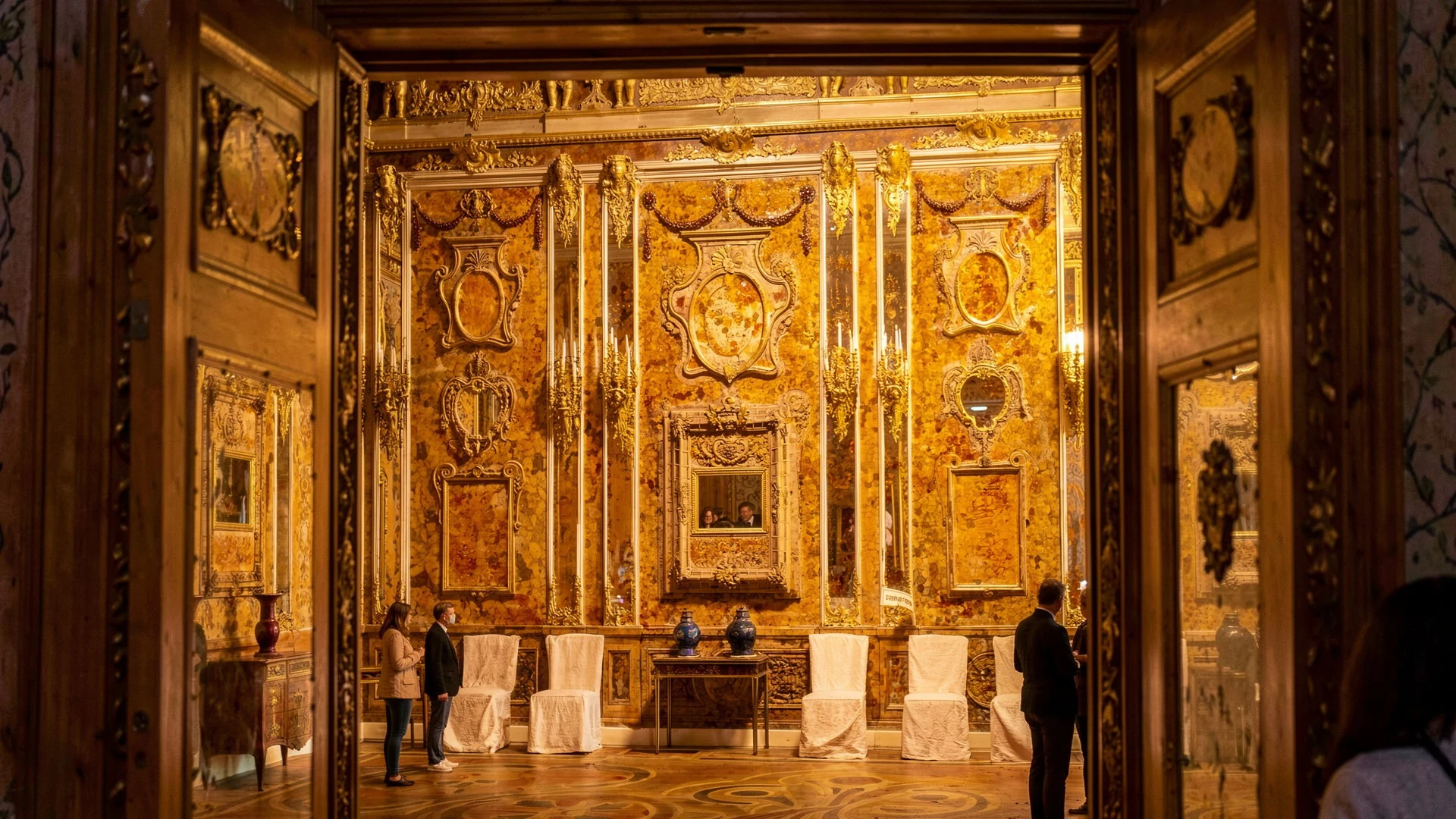
- Alexander Palace — Tsarskoye Selo park
Alexander Palace was the last home of the Russian royal family before the revolutions of 1917. It is a plainer, more domestic building than its neighbour, set in its own grounds nearby. Restoration has been under way for years, so check which rooms are open before planning a day around it.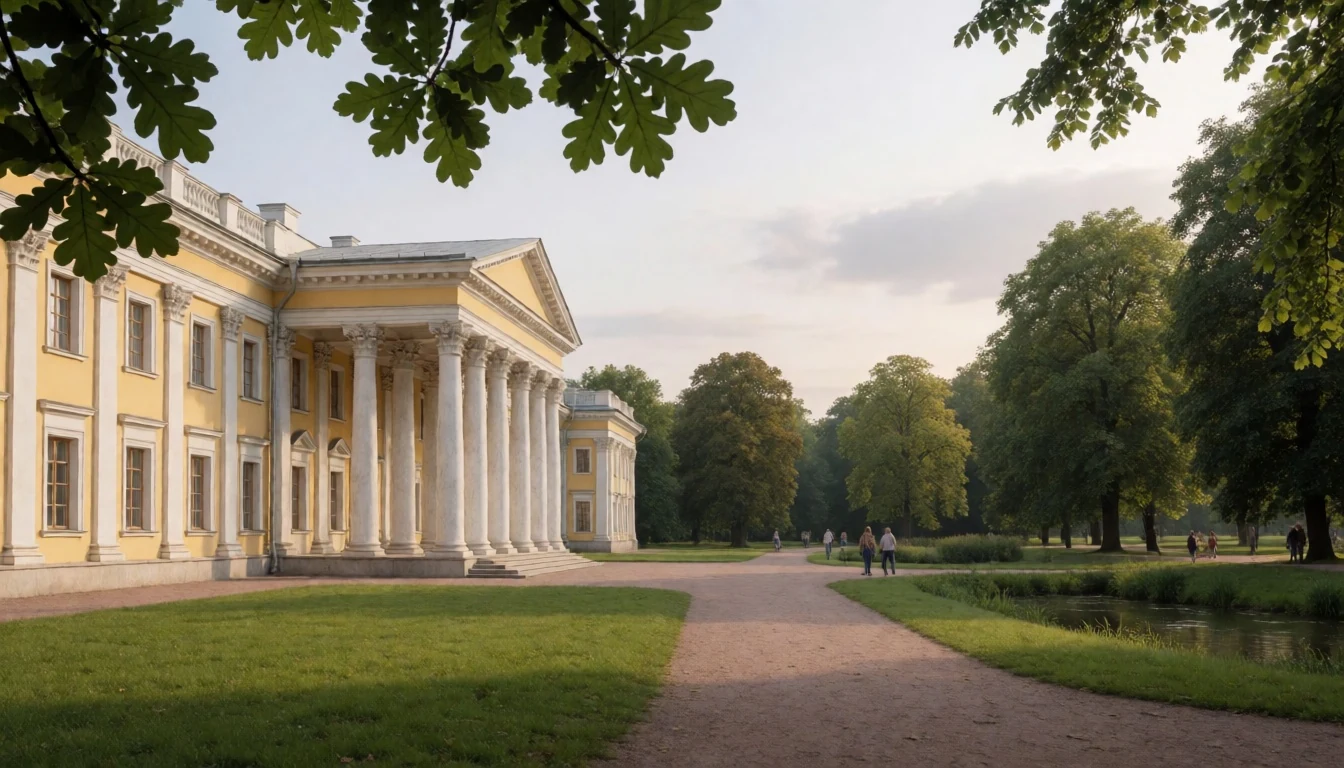
- Pavel Chistyakov house-museum — Pushkin town centre
This small art museum occupies the former home of Pavel Chistyakov, a painter known for historical scenes, genre works and portraits. It is a quiet counterweight to the palace crowds and suits a rainy hour in town. Opening days are best checked locally, as small museums here keep their own schedules.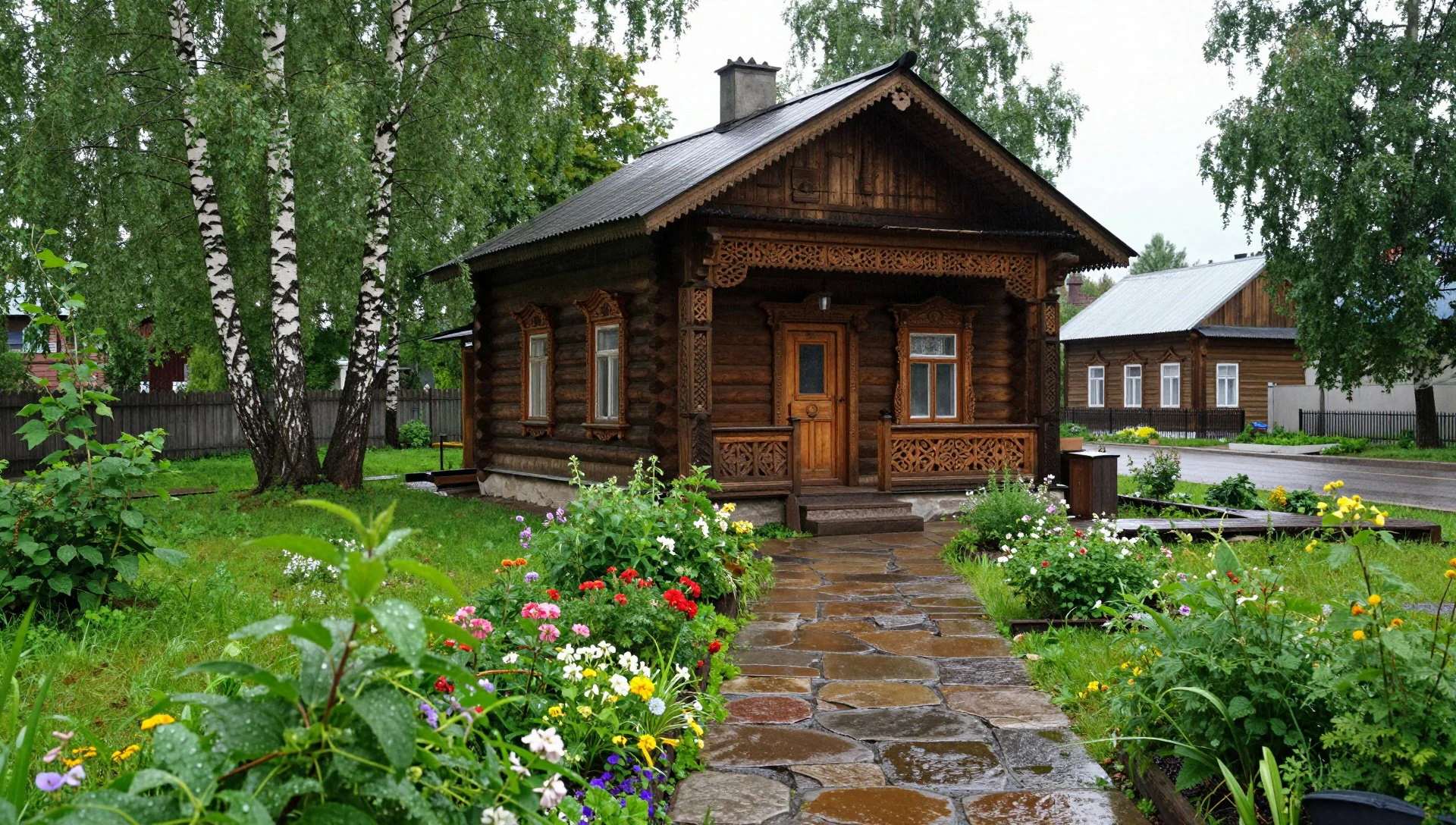
Culture
Catherine Palace is a showcase of how the Russian court wanted to be seen: French-inspired taste, Baroque gilding and a deliberate display of wealth, all a short ride from the capital. The tsars used Tsarskoye Selo as a family retreat, and the grounds still carry that mood of ceremony softened by leisure. Russians treat the palace and park as an occasion. Families, graduates and wedding parties arrive dressed up and spend a long time on photographs by the lakes and avenues. Literature runs through the town as well, since the poet Pushkin studied here and the place now carries his name, so statues, quotations and small museums are part of the everyday scenery. A palace chapel and the town cathedral are reminders that Orthodox practice sat alongside court life, and the ornate interiors were meant to impress as much as to worship. The restoration story matters locally too. The lost rooms and their rebuilding are discussed with feeling, and guides tend to treat the war damage as part of the palace's character rather than a footnote. Visitors who ask about it usually get a warm response. Slip on the shoe covers when staff offer them, keep behind the ropes on the polished floors, and follow the guides' instructions about photography and bags in each room.
What to wear
Catherine Palace belongs to a court tradition of silk brocade, velvet and lace, with wide-skirted gowns and embroidered coats for ceremonies in the eighteenth century. Beyond the court, the classic Russian dress is the sarafan, a sleeveless dress worn over a linen blouse, with the kokoshnik, a decorated headdress, for festivals and brides. Wool, linen and heavy embroidered trim suited the long winters. Today most people in Pushkin dress for the weather: dark coats, scarves, boots and, in deep cold, fur or knitted hats. Younger visitors from the city favour trainers and layers, while outings to the palace often call for a smarter outfit, so photo-ready dresses and suits are common at weekends. A visitor should plan around climate and terrain. Layers work best, with a waterproof for sudden showers and a warm hat and gloves from autumn to spring. Comfortable closed shoes matter, because the park paths are long and the forecourt is cobbled; heels and thin soles are a mistake. Coats and large bags are usually left in the cloakroom, so wear something light underneath that suits heated rooms. There is no strict dress code for the palace, but shoulders and knees should be covered if entering a working church.
What to eat
- Borscht — Cafes near the station square and town centre
Beetroot soup served hot with a spoonful of sour cream and often dark rye bread. It is the safest order on a cold day and appears on nearly every menu in town. Look for it at ordinary cafes around the station square.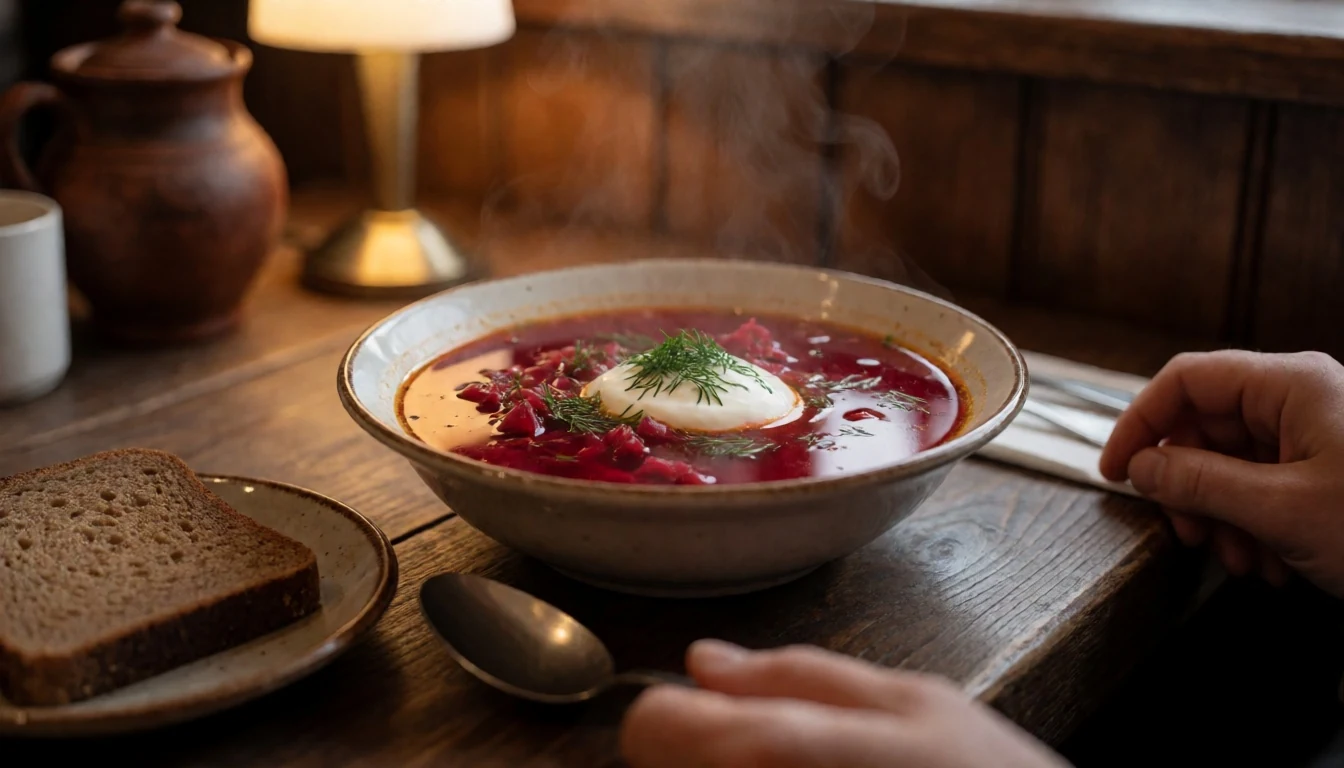
- Pelmeni — Home-style cafes in Pushkin town
Small meat dumplings boiled and served with butter, vinegar or sour cream. They are filling, simple and a good fit after hours of walking the park. Home-style cafes in the town centre usually make them well.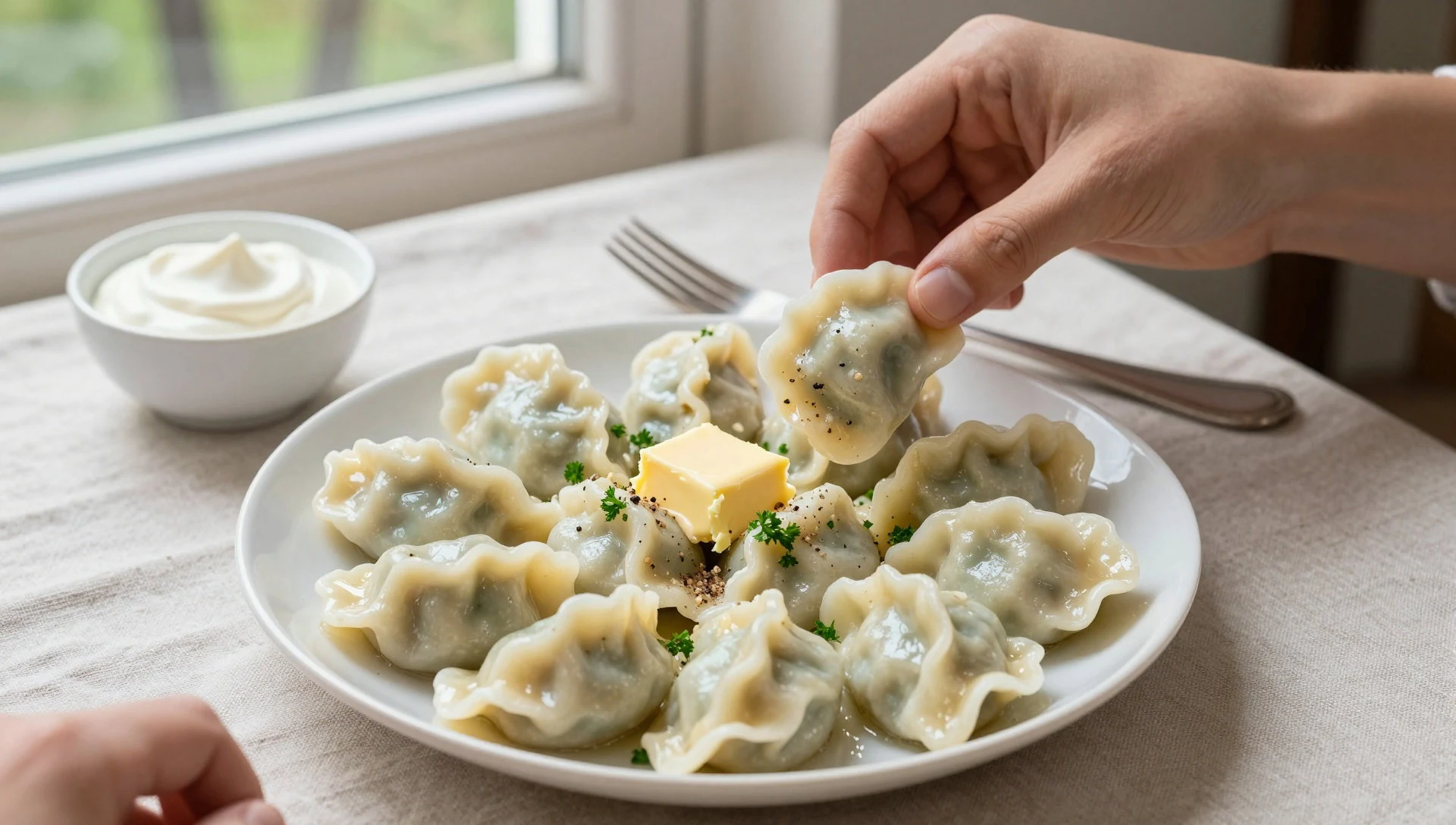
- Blini — Casual cafes and pancake counters near the park
Thin pancakes rolled around savoury fillings such as cottage cheese or mushrooms, or sweet ones like jam and condensed milk. They suit a quick lunch between palace and park, and are easy to find at casual cafes and takeaway counters. - Pirozhki — Bakeries in the town centre and by the station
Small baked or fried buns stuffed with cabbage, potato, meat or sweet fruit. They are cheap, portable and good for a park bench. Bakeries around the town centre and the station sell them, often still warm. - Tea with jam and pastries — Palace cafe by the cloakrooms, or any town cafe
Russian tea is strong and served with jam, sweets or pastries, and it is the natural reward after a cold walk. The cafe inside the palace near the cloakrooms is convenient but priced for tourists, so a town cafe usually offers better value.
Plan it
Best time. April and October for mild days, with September a quieter option as colours turn; July is the hottest and wettest month. Winter is cold but snow over the grounds makes the palace look striking, so go prepared. Summer weekends are the most crowded.
How long. 1
Getting there. Fly to Pulkovo in St Petersburg, then travel into the city. From Vitebsky station, take a local train to Tsarskoye Selo station in Pushkin, then continue on foot or by local bus or taxi to the palace. Weekday service has gaps late morning outbound and early afternoon on the return, so check the timetable.
Budget. mid
Tips
- Check the official site (http://www.tzar.ru/) for hours, ticket types and booking before travelling
- Arrive as early as possible to beat the tour groups and see the main rooms with fewer people
- Keep time for the park, which is far less crowded than the interior
- Carry some cash and a card, since small cafes and kiosks may prefer one or the other
- Check train times in both directions before setting out, especially on weekdays
Etiquette
- Use the shoe covers offered at the entrance and keep to the marked route
- Follow the photography rules posted in each room
- Leave large bags and coats in the cloakroom when asked
Nearby
Sources
- Wikidata Q2854543 (CC0)
- Wikipedia: Catherine Palace (rev 1369463981) (CC BY-SA 4.0)
- Wikivoyage: Pushkin (rev 5152461) (CC BY-SA 4.0)
- Catherine Palace in Tsarskoe Selo, Saint Petersburg — Florstein (CC BY-SA 4.0)
- Tsarskoe Selo, Catherine Palace — Alexander2018 (CC BY-SA 4.0)
- Katharinenpalast, ballroom — W. Bulach (CC BY-SA 4.0)
- Catherine Palace interior, Amber Room — Branson DeCou (Public domain)
- Catherine Palace, St Petersburg, Russia — Charles J. Sharp (CC BY-SA 4.0)
- Catherine Palace details 2026 (1) — Tsyganov Sergey (CC BY-SA 4.0)
- Catherine Palace details 2026 (2) — Tsyganov Sergey (CC BY-SA 4.0)
- Catherine Palace details 2026 (3) — Tsyganov Sergey (CC BY-SA 4.0)


