Irkutsk
Irkutsk, Russia
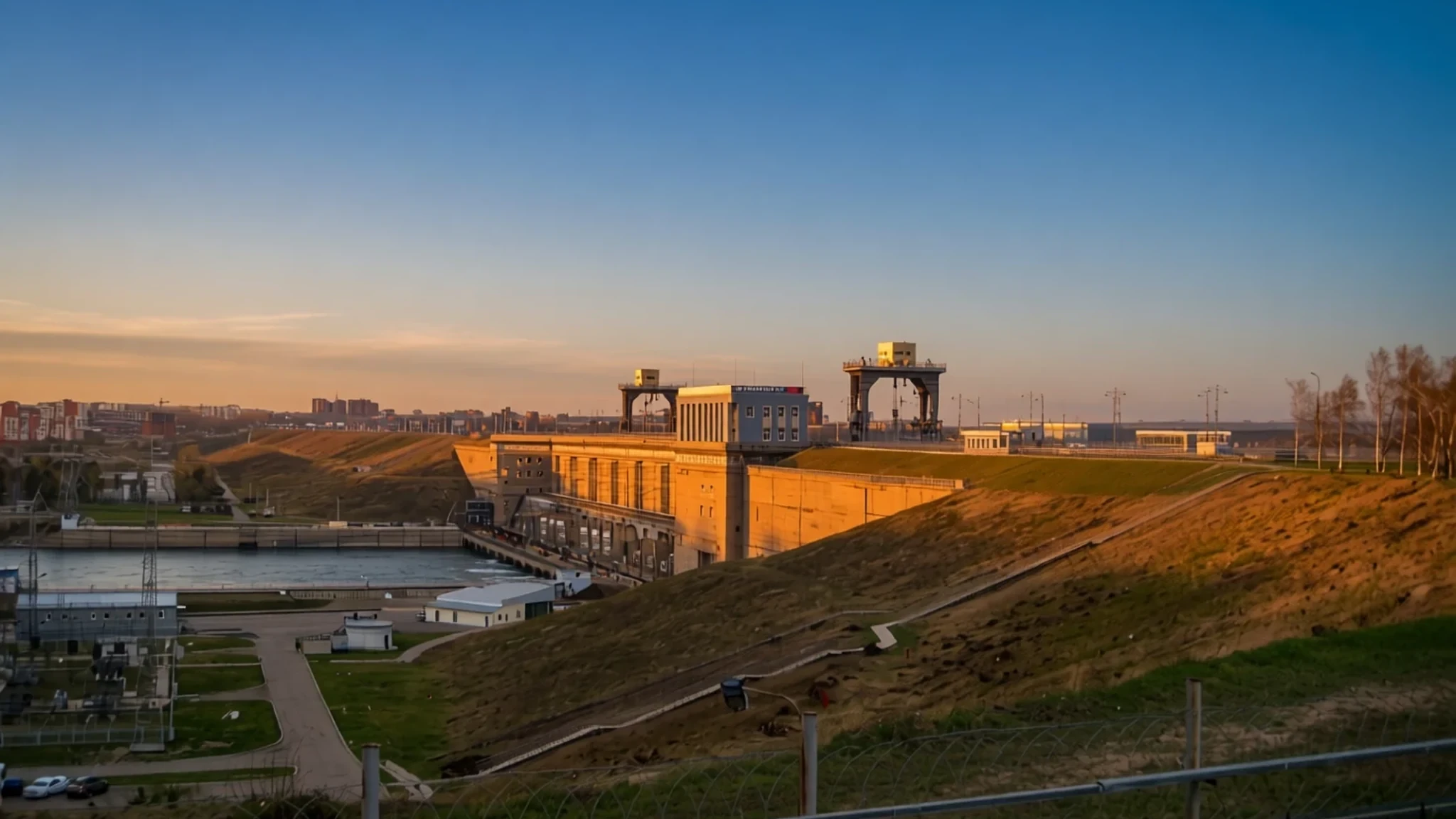
Irkutsk is a Siberian river city of wooden houses, exile stories and Trans-Siberian stopovers, and the usual base for Lake Baikal.
The place
Irkutsk sits in the south of Irkutsk Oblast in eastern Russia, on the Angara River, at about 440 m above sea level. Roughly 600,000 people live here, which makes it the largest city in the oblast and a regional hub for the surrounding Siberian country. The Angara runs through the middle of town, and the embankment is where residents walk, sit and watch the water on fine evenings.
The centre is a mix of layers. Old merchant houses, some of them wooden with carved window frames, stand close to stone churches, a theatre and plain Soviet blocks. The wooden houses lean and settle, and some are restored while others are visibly tired, which is part of the honest charm. Streets in the historic grid are named after revolutionaries and thinkers, so a walk reads like a lesson in Russian history.
The city is also a practical crossroads. The Trans-Siberian Railway and the highway link it with the rest of Russia and with Mongolia, and many travellers arrive by train, stretch their legs, and then continue to Lake Baikal, which is the main reason most foreigners come. Irkutsk deserves more than a night, though. It has good museums, a lively market and a pace that is quieter than the big cities of European Russia.
Winters are long and severe, and summers are short and pleasantly warm, so the season you choose shapes the trip more than anything else. Plan around that, and the city rewards a slow few days.
Its story
Irkutsk began as a trading and tax-collecting outpost. In the early 1650s a Cossack named Ivan Pokhabov set up winter quarters nearby, where furs and gold were traded and tribute was gathered from the Buryat people. The fort that gives the city its founding date of 1661 followed, and it was rebuilt and enlarged more than once as the settlement grew. In 1686 the authorities granted it official town rights.
The fort was never mainly a military stronghold. Its real strength was its position, at a meeting point of routes used by settlers, merchants and explorers heading across Eastern Siberia. Farmers and families soon settled outside the walls, and that suburb became the seed of the future city.
In the nineteenth century Irkutsk gained a second identity as a place of exile. After the Decembrist revolt of 1825, many educated Russians from the nobility were sent here, and they brought books, music, theatre and habits of discussion to a remote town. Their legacy is one reason Irkutsk later earned the nickname "the Paris of Siberia", around the time the railway arrived.
The twentieth century was harsher. The city saw bitter fighting during the Russian Civil War, and the Soviet years brought blocky new architecture and heavy industry, including aircraft manufacture. Enough of the older town survived to let a visitor read all of these chapters in a single afternoon's walk.
What to see
- Angara embankment — Central Irkutsk, along the Angara
The riverside promenade is the easiest introduction to Irkutsk. Locals stroll here in the evening, and the older buildings of the centre sit a few minutes inland. Go at golden hour, and bring a layer, because the wind off the water cools quickly even in summer.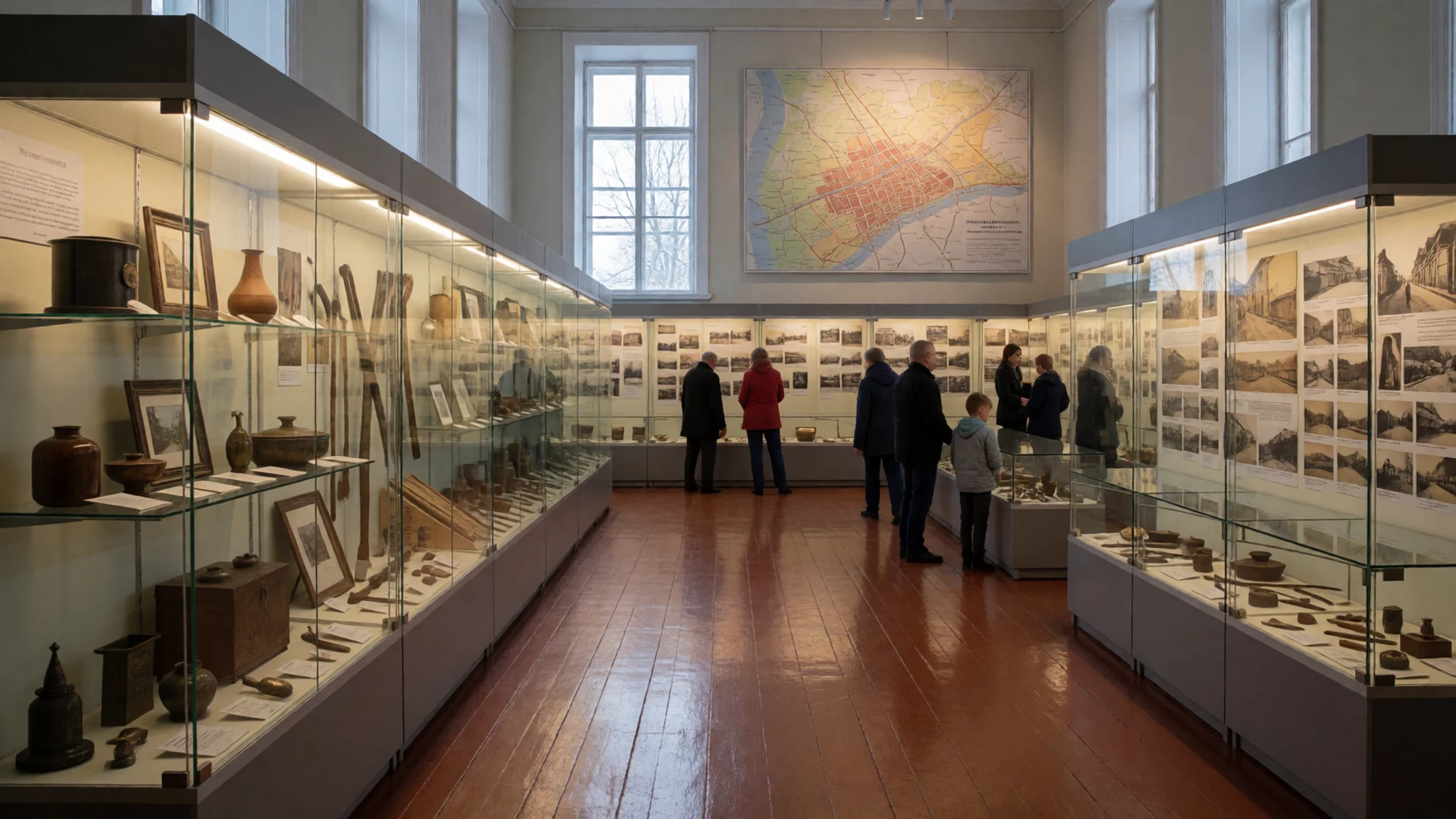
- Irkutsk Regional Museum — Central Irkutsk
The regional museum has an ethnographic exhibit on the indigenous peoples of the area, including the Buryats and Evens, as well as a display on twentieth-century Irkutsk. The building itself is a handsome nineteenth-century landmark, so allow time for both the rooms and the exterior.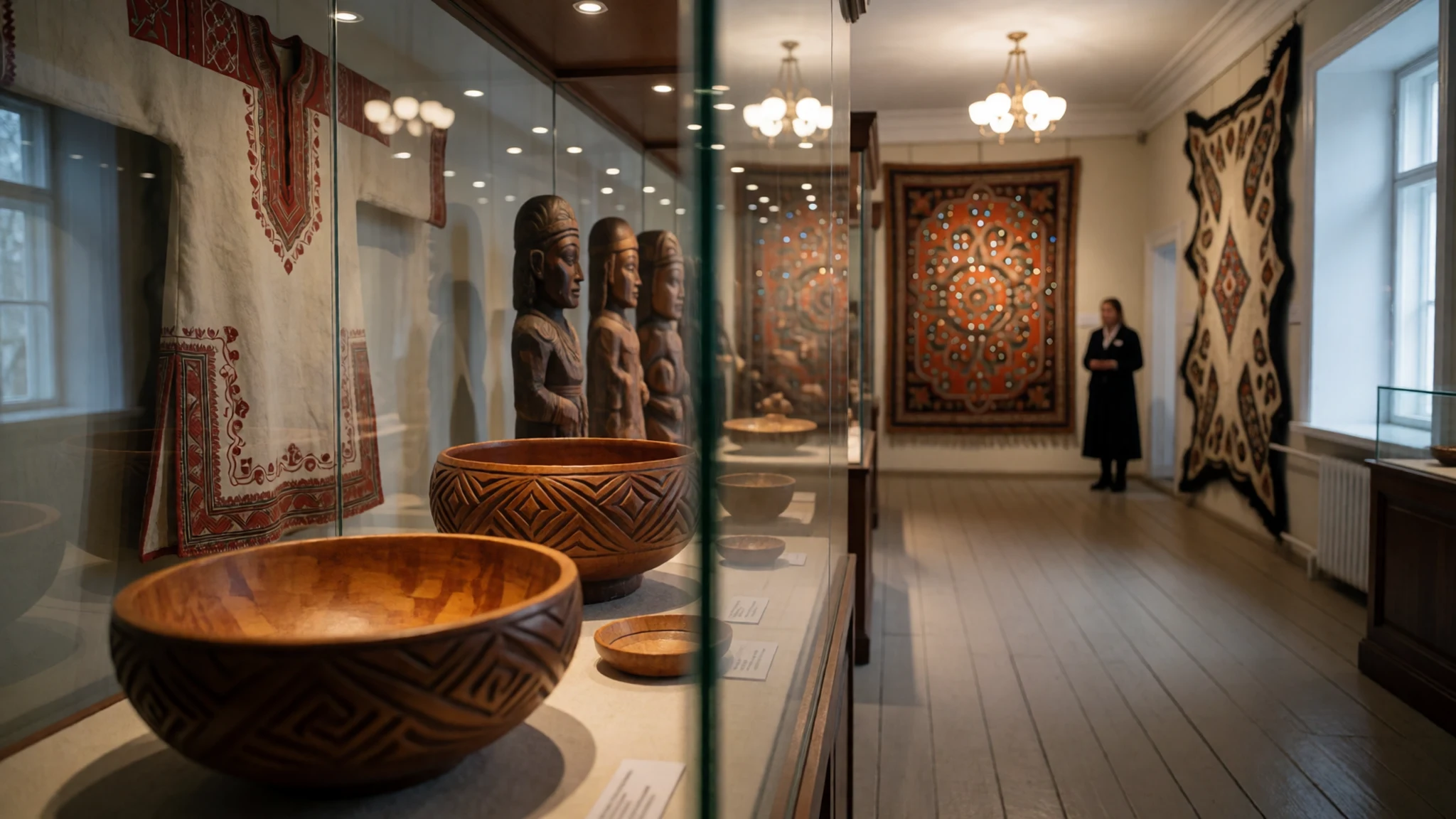
- Sukachev Art Museum — Central Irkutsk
This is a serious art collection for a Siberian city. It holds early icons, Russian paintings from the eighteenth to the twentieth centuries, a few works by Repin, and a section of Mongolian and Chinese art. It is a good choice for a grey or very cold day.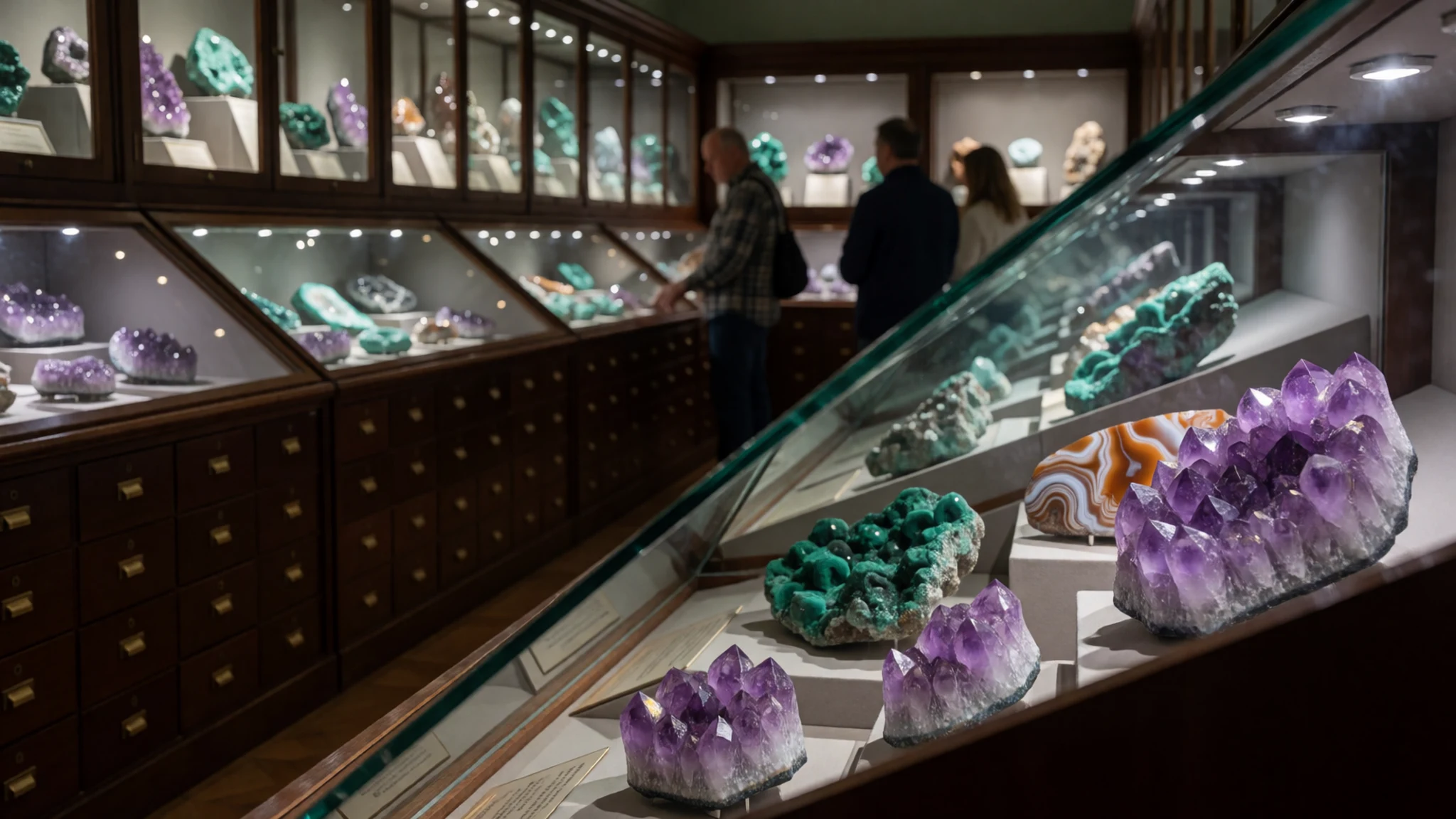
- Sidorov Mineralogical Museum — South-west of the centre
Siberia is mineral country, and this museum shows why. More than 35,000 items are on display, from raw crystals to polished stones. It suits families and anyone curious about the geology behind Baikal and the surrounding mountains. It is a quieter stop than the main art and history museums.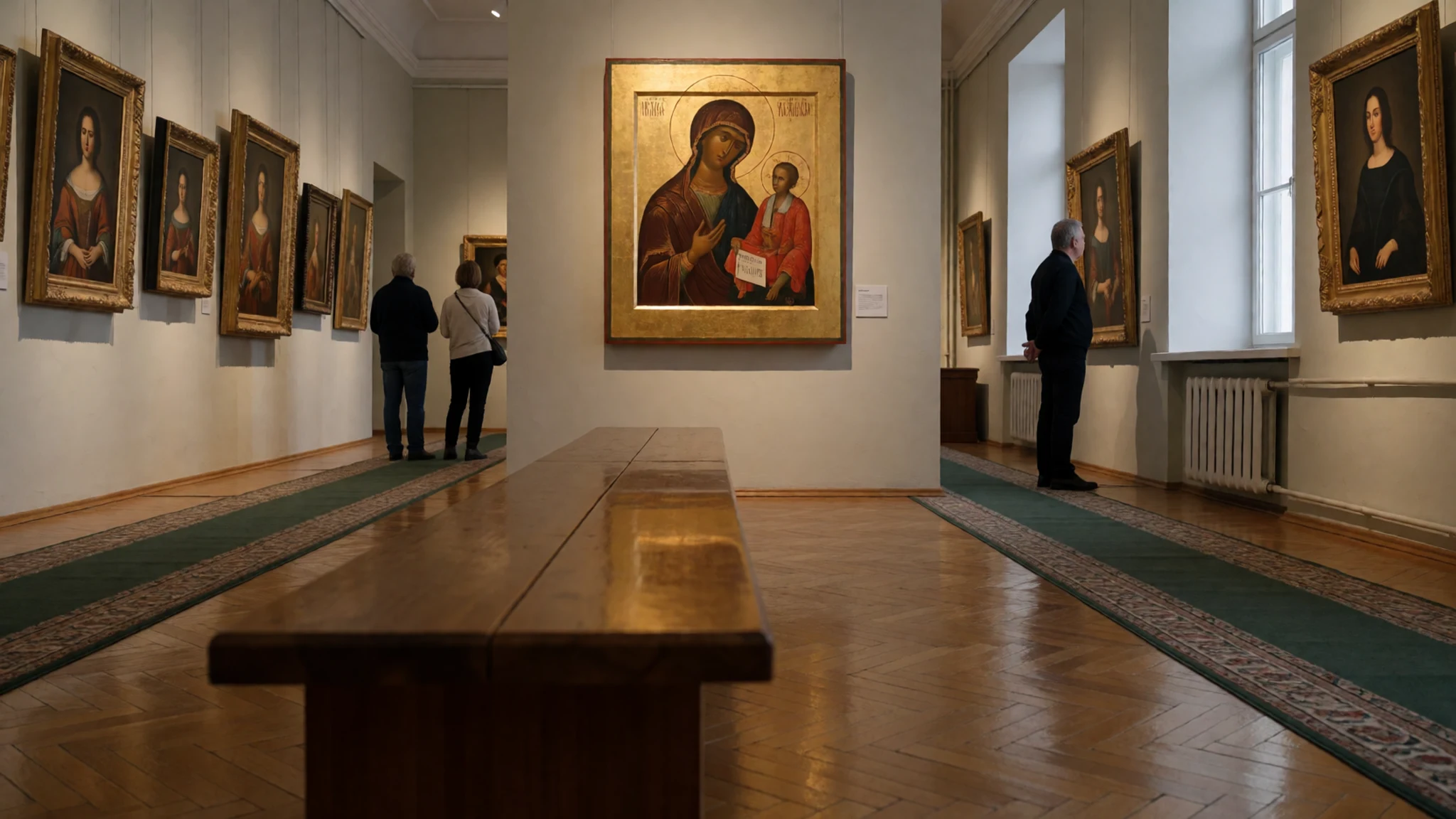
- Our Lady of Kazan Church — Central Irkutsk
This richly decorated church is one of the most photographed buildings in the city, with bright domes and ornate brickwork. Visit in daylight to see the colours, and remember that it is a working church, so dress modestly and keep voices low.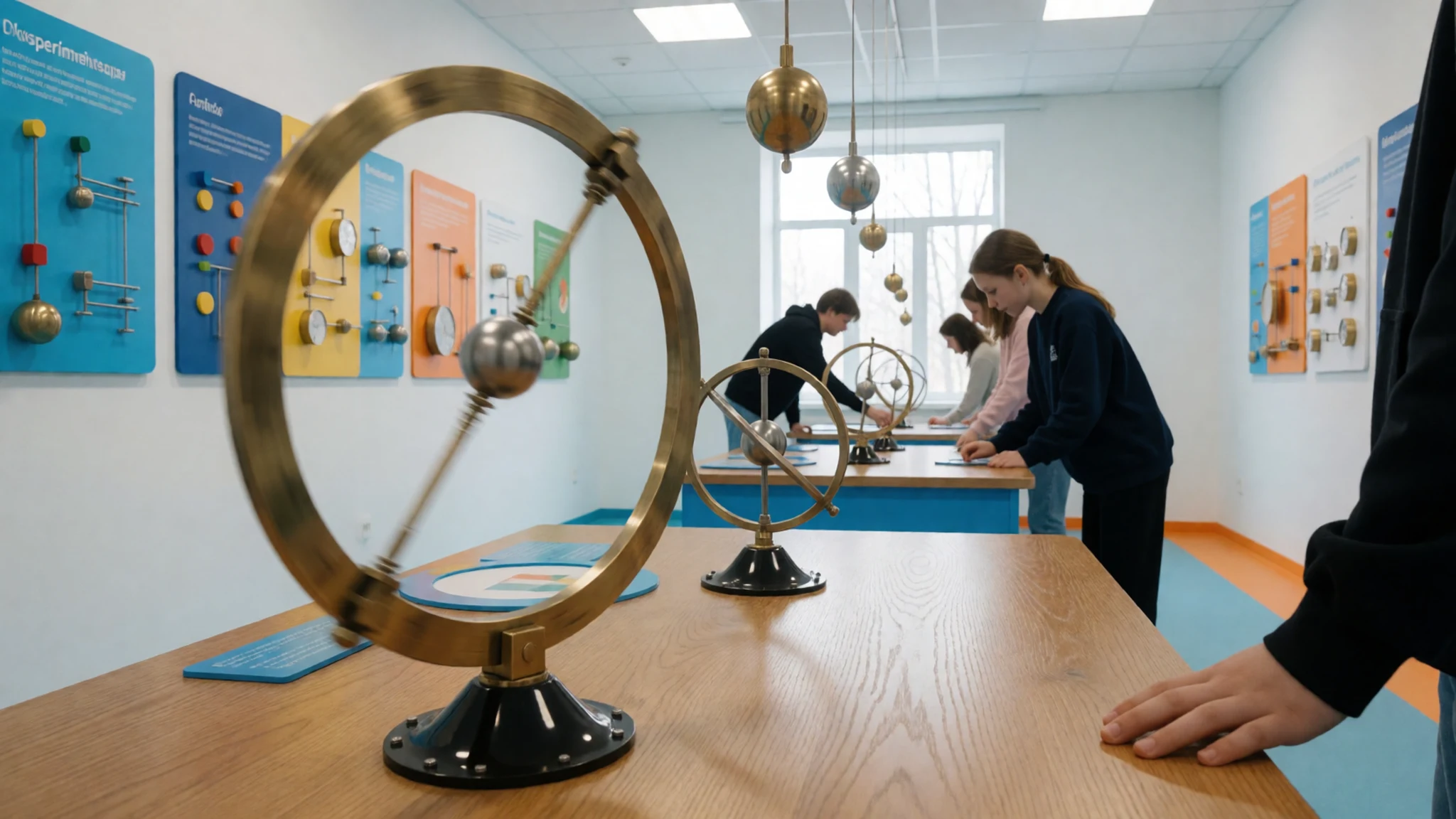
- Okhlopkhov Drama Theatre — Central Irkutsk
The theatre is a fine piece of the city's stone architecture, and worth a look from the street even if you do not have a ticket. Performances are in Russian, so check the programme on the official channels before planning an evening around it.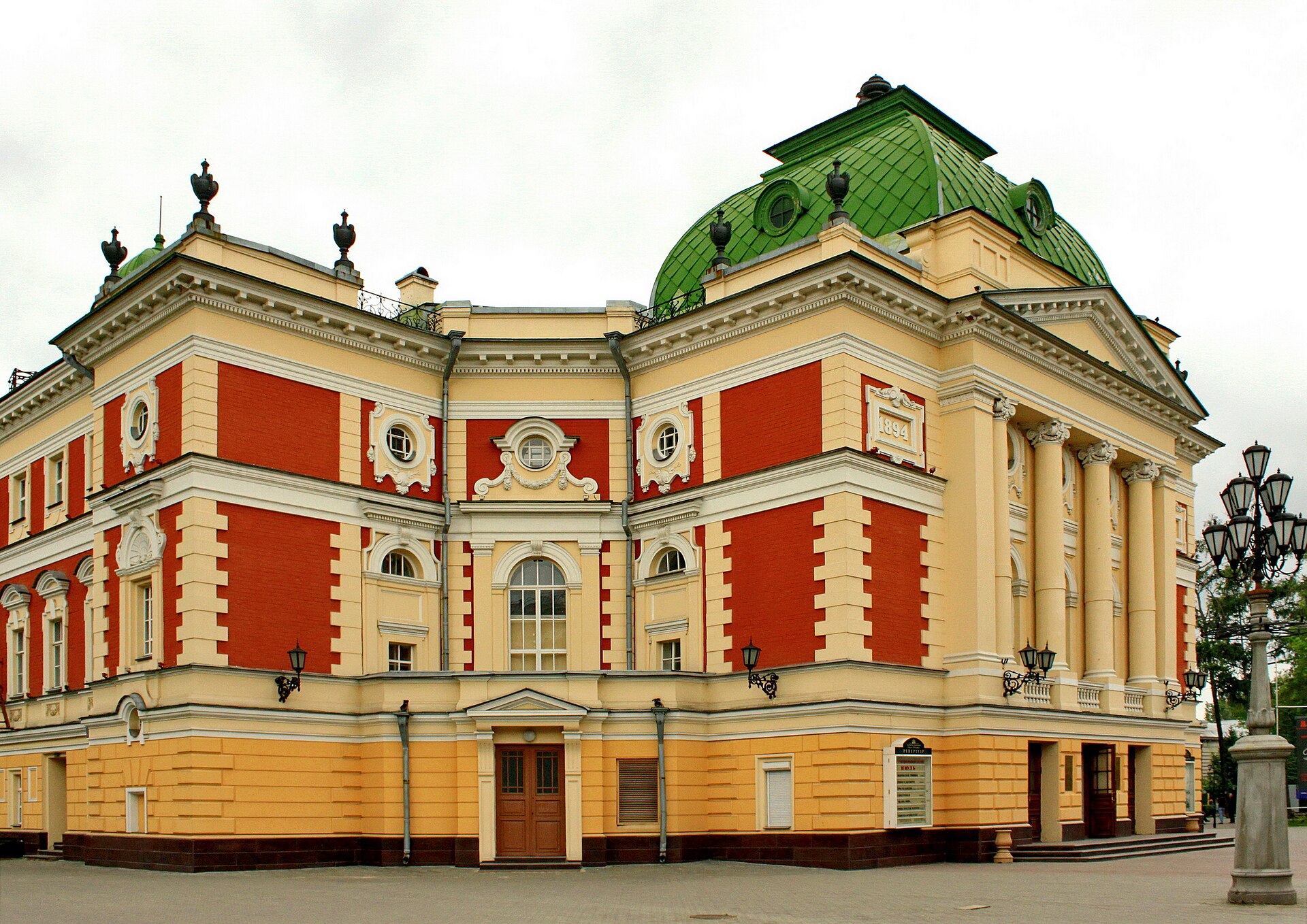
Culture
Irkutsk is a Russian city with a strong Siberian character, and the Buryat people, who have lived around Lake Baikal for centuries, add a Mongolic and Buddhist strand to its culture. The result shows up in museums, in food and in the faces on the street. The exiles of the nineteenth century left a legacy of education and the arts, and the city still takes pride in its theatres, museums and universities, several of which date from the early twentieth century.
People here tend to be reserved with strangers but warm once the ice is broken. A few words of Russian help enormously, since English is not widely spoken outside hotels and tourist businesses. Translation apps are useful, and a polite greeting is always appreciated.
Churches are active places of worship, and the Orthodox calendar shapes parts of the year. Winter is long, so social life moves indoors, to cafés, concerts and kitchens. Visitors who accept an invitation to eat or drink at a home are usually treated with real generosity.
The city is also a gateway to Baikal, which is treated with something close to reverence by locals. Talk about the lake, and you will often be offered advice, stories and fish recommendations.
When you enter an Orthodox church in Irkutsk, women should cover their heads with a scarf, everyone should dress modestly and remove hats, and photography should be done discreetly or only after checking that it is allowed.
What to wear
Traditional dress in the Irkutsk area is best understood through its peoples. Russian Siberian costume drew on sarafans, embroidered blouses and heavy wool and fur for the cold, while the Buryats wear the deel, a long wrapped coat usually made of silk, brocade or wool, tied with a bright sash. Festival days, weddings and cultural events are when these garments appear, often with felt hats and silver jewellery.
Everyday dress in the city is practical and fairly urban. In winter, people wear long down coats, fur or knitted hats, thick boots and gloves, and the cold is taken seriously. In summer, the look is casual, with jeans, light dresses and trainers. Younger residents follow the same trends as in other Russian cities, and people often dress up a little for the theatre or a night out.
Visitors should pack for the season. In winter, bring insulated, waterproof boots with good grip, thermal layers, a windproof outer coat, a warm hat and proper gloves, because the cold is dry and bites quickly. In summer, bring light layers, a rain jacket and comfortable walking shoes, since the old streets and pavements can be uneven. A sun hat is useful on bright days.
For churches, carry a scarf and cover shoulders and knees. Smart casual clothing is fine almost everywhere else, including restaurants and the theatre.
What to eat
- Smoked omul — Central market and restaurants across the city
Omul is the best-known fish from Lake Baikal, usually smoked, salted or grilled. It is available in many restaurants and at markets. Try it simply, with bread, and ask staff what is freshest that day.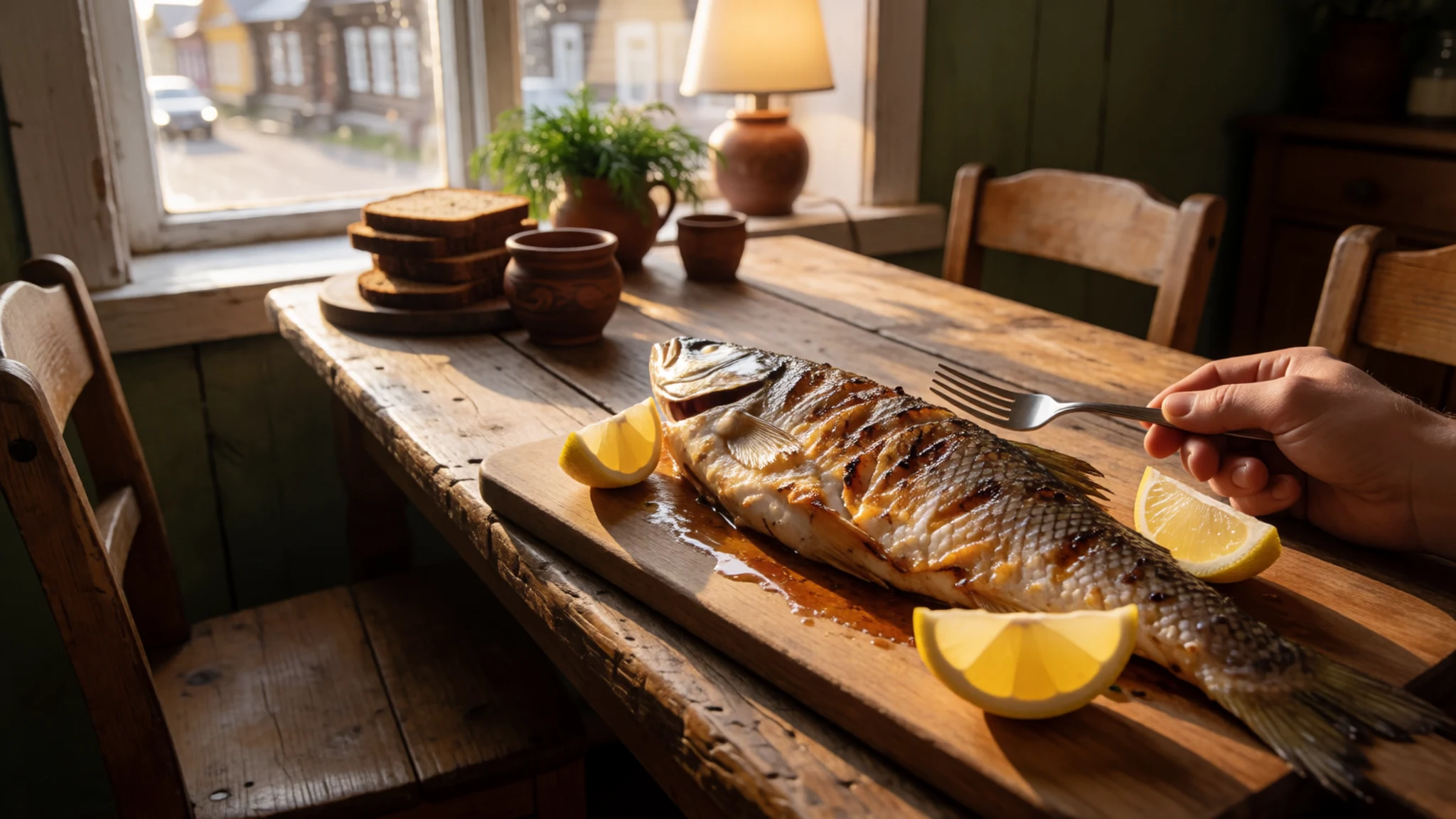
- Kharius (grayling) — The central market (Noviy Rinok)
Kharius is another Baikal-area fish, often cold-smoked and eaten with beer. Hot-smoked versions are traditionally sold in the lakeside villages. Buy it by the fish at the market and eat it fresh.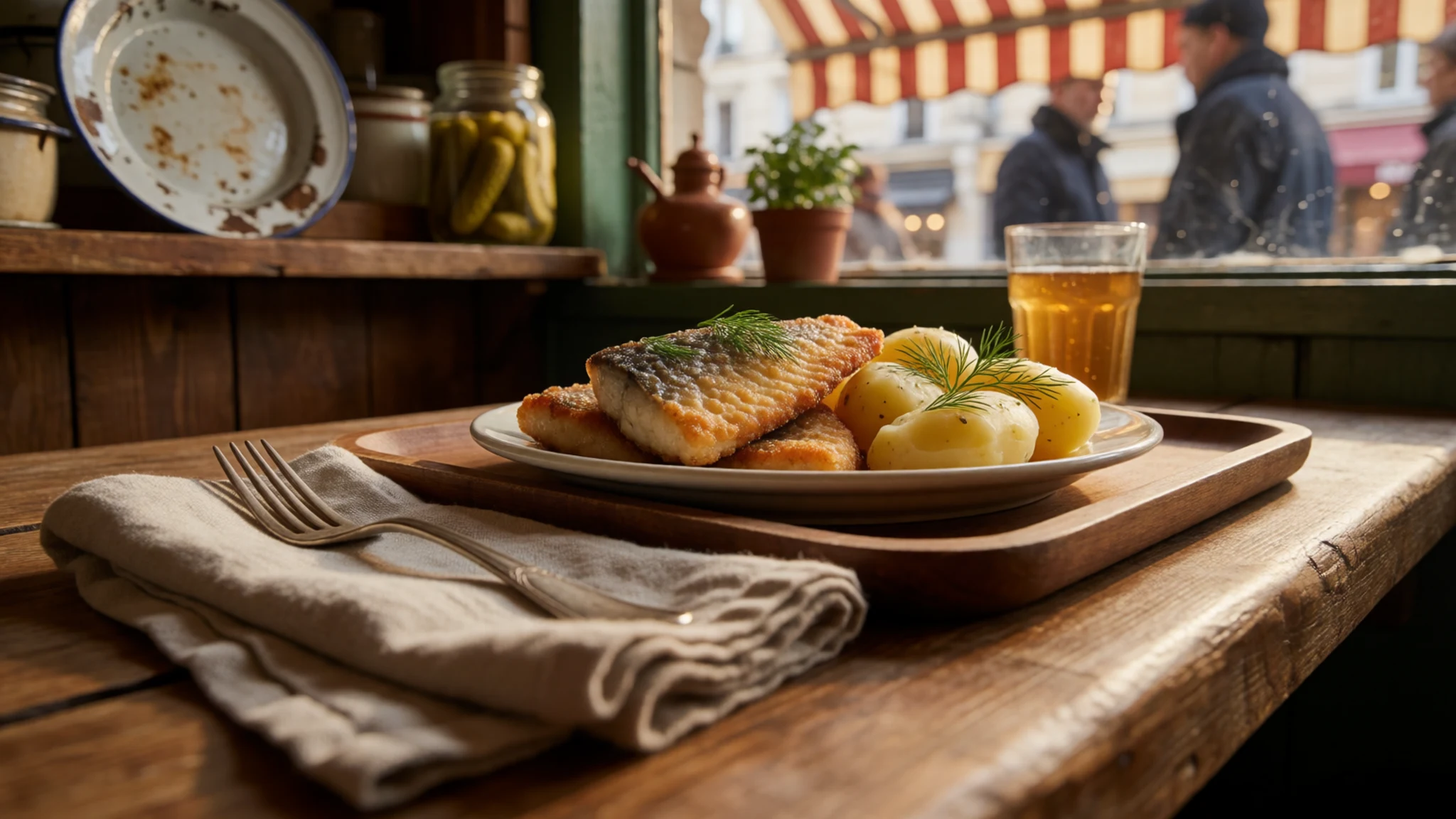
- Sig and sig caviar — The central market (Noviy Rinok)
Sig is a whitefish from the region, and its caviar is sold at the main market. It is lighter and less salty than many people expect. Ask for a taste before buying, and check how it has been stored. - Pozy (Buryat dumplings) — Buryat cafés in the town centre
Pozy, also called buuz, are big steamed dumplings stuffed with minced beef and pork. They are juicy inside, so the traditional way is to bite a small hole and drink the broth before eating the rest. Eat them with your hands. - Mongolian-style dishes — Restaurants in the central districts
The city has several Mongolian and Central Asian eateries, reflecting its position on the route to Ulaanbaatar. Expect hearty meat dishes, noodles and tea. They suit cold evenings and large appetites.
Plan it
Best time. June to September for warm days and easy travel to Lake Baikal; winters are long and very cold, though some visitors come then for frozen-lake scenery.
How long. 2–3
Getting there. Irkutsk has its own airport, with buses, trams and minibuses running to the centre and taxis available through the Yandex and Maxim apps. Many travellers arrive on the Trans-Siberian Railway, which stops here roughly halfway between Moscow and the eastern terminus cities.
Budget. mid
Tips
- Use a taxi app rather than private drivers at the airport, where there is some risk of fraud
- Carry some cash for markets and small cafés, alongside a card
- Book Baikal transport and lodging early for summer
- Download an offline translation app, since English is limited
- Check the official site (http://admirk.ru/) for city information
Etiquette
- Cover your head and dress modestly in Orthodox churches
- Ask before photographing people, especially in markets
- Eat pozy with your hands, as locals do
Nearby
Sources
- Wikidata Q6576 (CC0)
- Wikipedia: Irkutsk (rev 1380091135) (CC BY-SA 4.0)
- Wikivoyage: Irkutsk (rev 5422062) (CC BY-SA 4.0)
- Fanzuga, Нижняя Набережная (Public domain)
- Marcin Konsek, Okhlopkhov Drama Theatre (CC BY-SA 4.0)
- Marcin Konsek, Our Lady of Kazan Church (CC BY-SA 4.0)
- Vyacheslav Bukharov, Uritsky Street (CC BY-SA 4.0)
- Fanzuga, Краеведческий музей (Public domain)
- Вячеслав Ребров, Панорама Иркутска (CC BY 3.0)
- Irkutsk Kremlin in 1735 (Public domain)
- The club in Irkutsk, early 1900s (Public domain)


