Bolghar
Bolghar, Russia
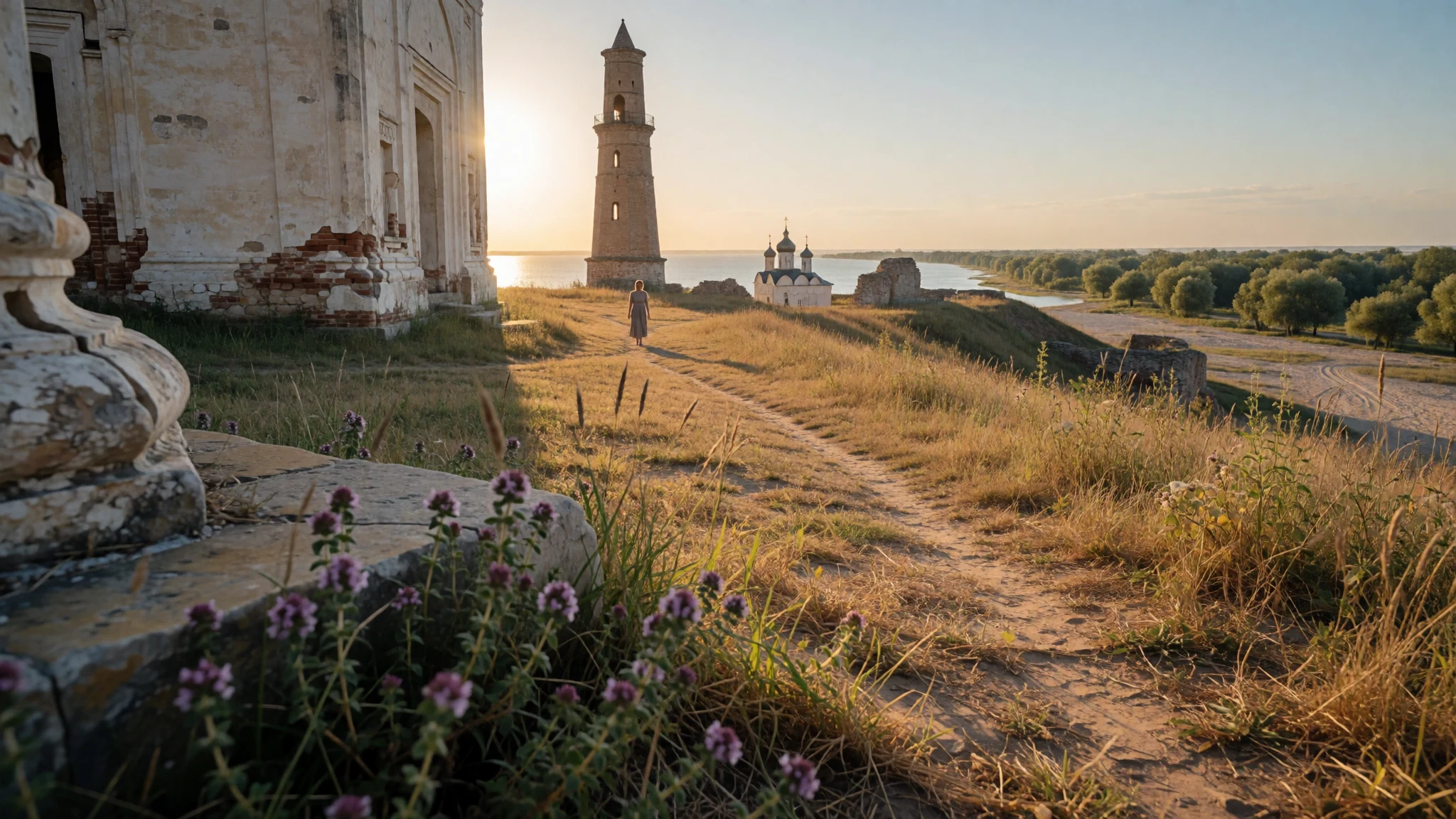
Bolghar is a medieval Volga capital left open to the sky, where mausoleums, mosque foundations and a minaret stand on grass beside the river.
The place
Bolghar, also spelled Bolgar and written Bolğar in Tatar, is a ruined medieval city on the bank of the Volga in Tatarstan, Russia. Kazan is roughly 130 km away, and the Kama joins the Volga about 30 km upstream of the site, in Spassky District. Wikidata classes Bolghar as a gord, an archaeological site and an architectural landmark, and the mix fits what a visit feels like: open grassy ground with a handful of surviving stone buildings, rather than a town with streets. The remains include mausoleums, the footprint of a mosque, a rebuilt minaret and a church from the Russian period, all within an easy walk of each other. To the west is a small modern town, called Bolgar since 1991, where the cafés, guesthouses and shops are. World Heritage status followed in 2014. The landscape is flat, so the site reads as a scatter of pale buildings under a big sky beside a wide river. Bolghar matters to several peoples at once. For many Tatars it is an ancestral and Islamic pilgrimage place, and Chuvash people, who call it Aslă Pălhar, also count it as part of their own history. Summer brings school groups and pilgrims, the river wind is a regular companion in every season, and shade is scarce.
Its story
Bolghar was founded in the 10th century and served, on and off, as a capital of Volga Bulgaria, a role it shared with Bilyar and Nur-Suvar. Raids along the Volga and quarrels among the Bulgar rulers meant the court sometimes withdrew to Bilyar. The sharpest break came with the Mongols. A Russian chronicler recorded that in the autumn of 1236 the city fell, was burned, and its people were killed or carried off. Bolghar did not vanish, though. Under the Golden Horde it lay outside the core territory but hosted a Mongol presence, and its taxes helped fill the Horde's treasury alongside those of Khwarizm, Crimea and Azerbaijan. The Mongols dismantled the old Bulgar political order, and Kazan, sometimes called the new Bolgar, rose to prominence. The late 14th century was hard. The city was sacked in 1361, and in 1376 Muscovy and Nizhny Novgorod-Suzdal briefly held it and installed their own officials before Tatar forces retook it. Timur's campaigns threatened it later still. Even so, Bolghar kept its standing as a Muslim religious centre until Ivan IV conquered the Khanate of Kazan and absorbed it into the Russian state. Russian commoners then settled on the old town's site, which explains why a church from that period stands among the Bulgar ruins.
What to see
- Eastern Mausoleum — Main ruins, Bolgar
The Eastern Mausoleum is one of the surviving stone tomb buildings within the Bolghar ruins. It belongs to the Golden Horde period, when the city was a Muslim religious centre under Mongol rule. Walk around it slowly: the proportions and stonework say more than any label, and the open ground makes it easy to photograph.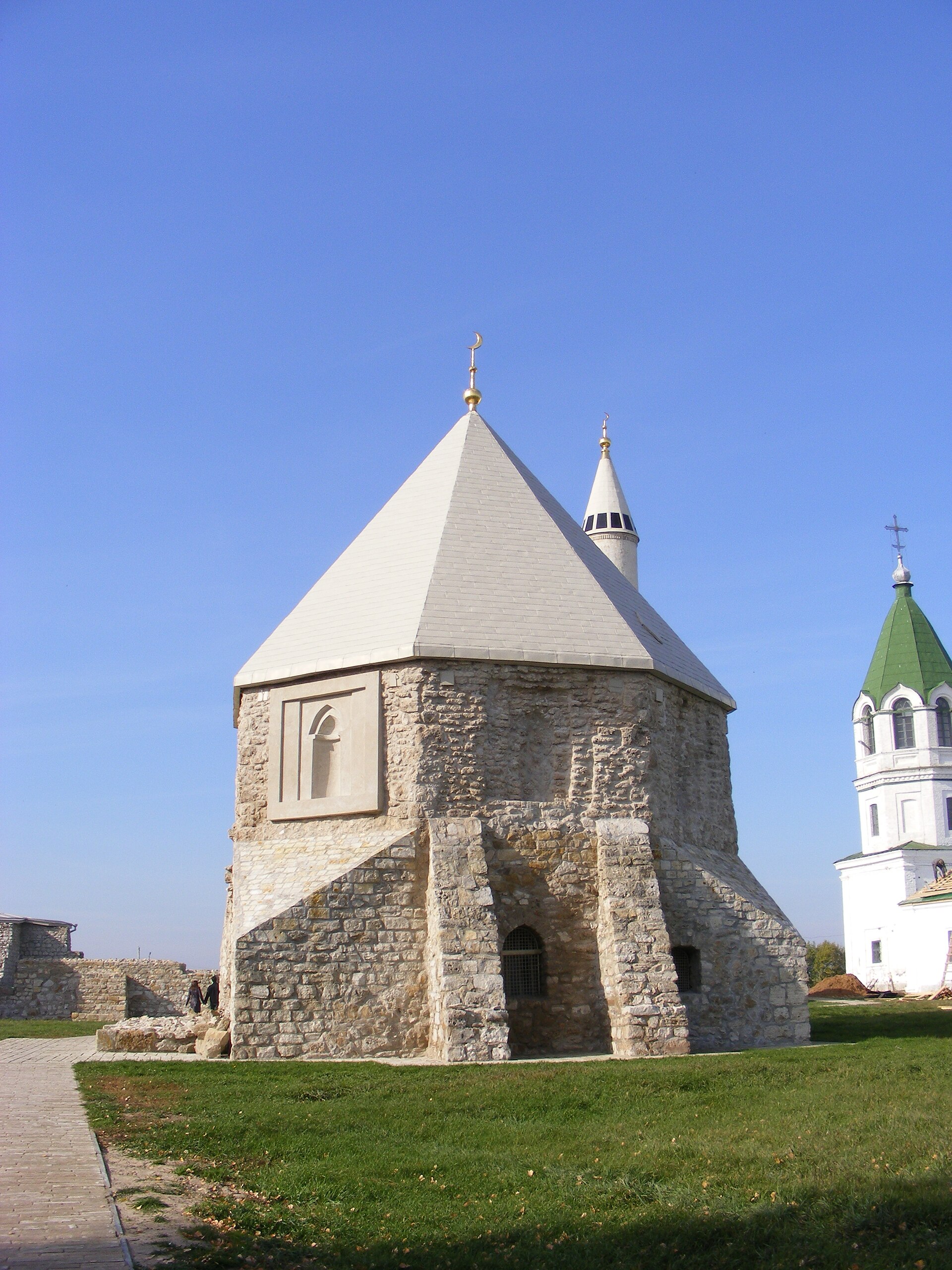
- Northern Mausoleum — Main ruins, Bolgar
The Northern Mausoleum stands close to the Eastern one, so the two are easy to compare in a single loop. Like the other tomb buildings, it belongs to the centuries of Bolghar's Muslim prominence under the Golden Horde. Its weathered walls stand in the open, and the wind off the Volga is noticeable here, so a layer helps.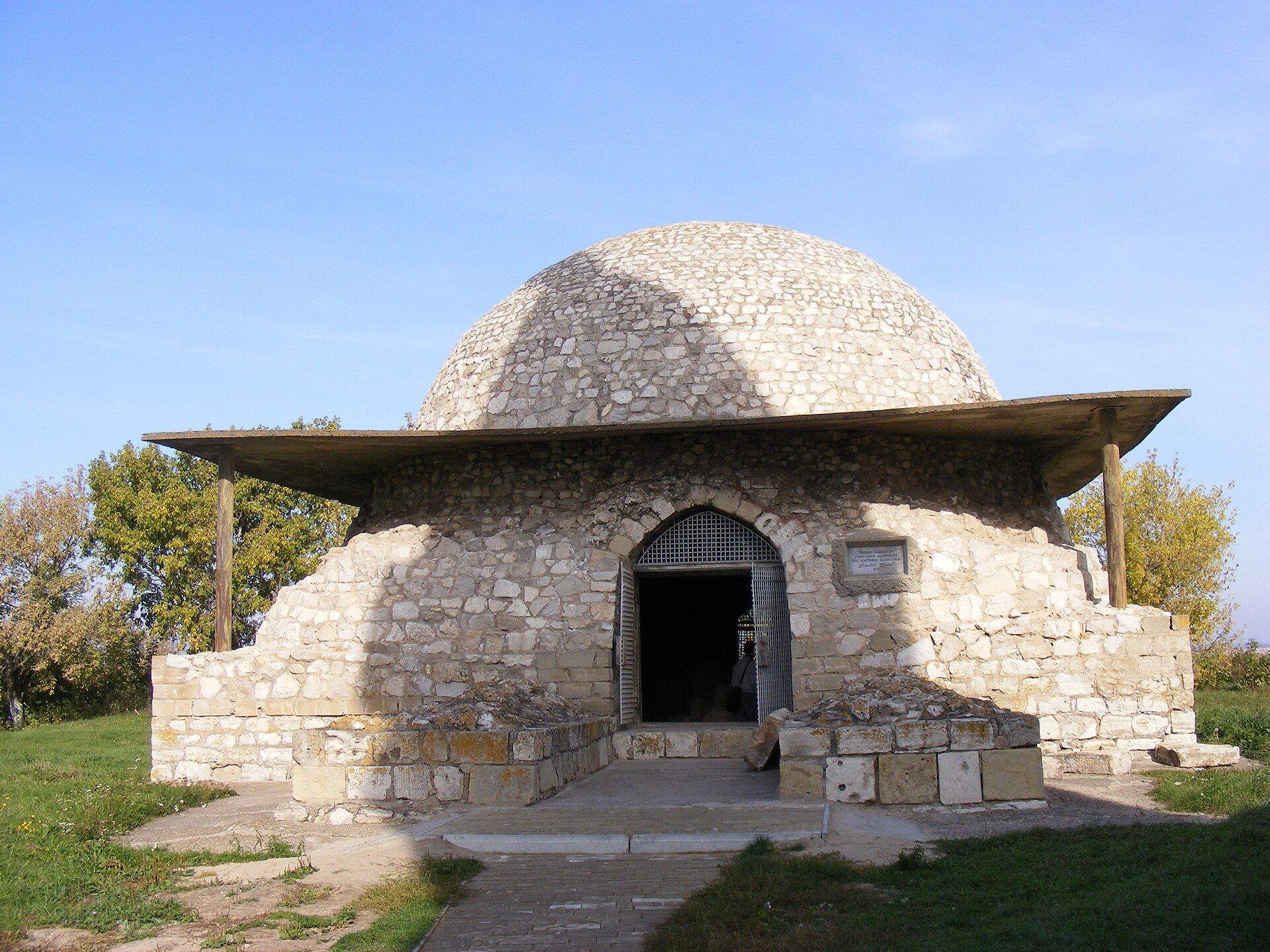
- Khans' burial vault — Main ruins, Bolgar
The khans' burial vault is the building most closely tied to Bolghar's rulers, and it is worth reaching early, before tour groups arrive. It shows that the site was not only a trading town but also a place where leaders were laid to rest. Labels may be mainly in Russian and Tatar, so a translation app helps.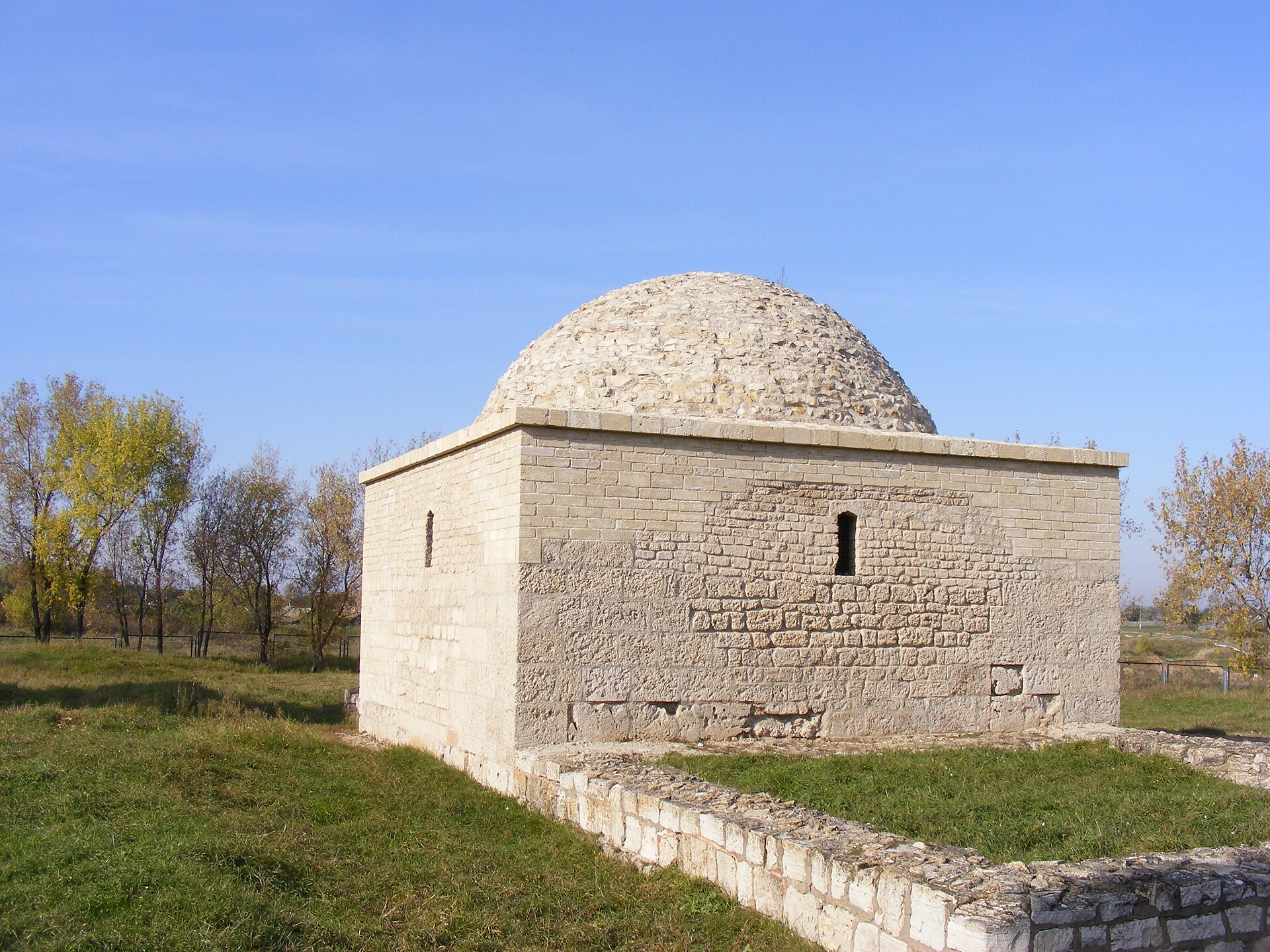
- Black Chamber and White Chamber — Main ruins, Bolgar
The Black Chamber is a medieval stone building on the site and appears under that name in English-language descriptions. Visitors often pair it with the White Chamber nearby, another surviving structure. Together they show the city's masonry beyond its tombs and give a useful reference for imagining how the settlement once looked.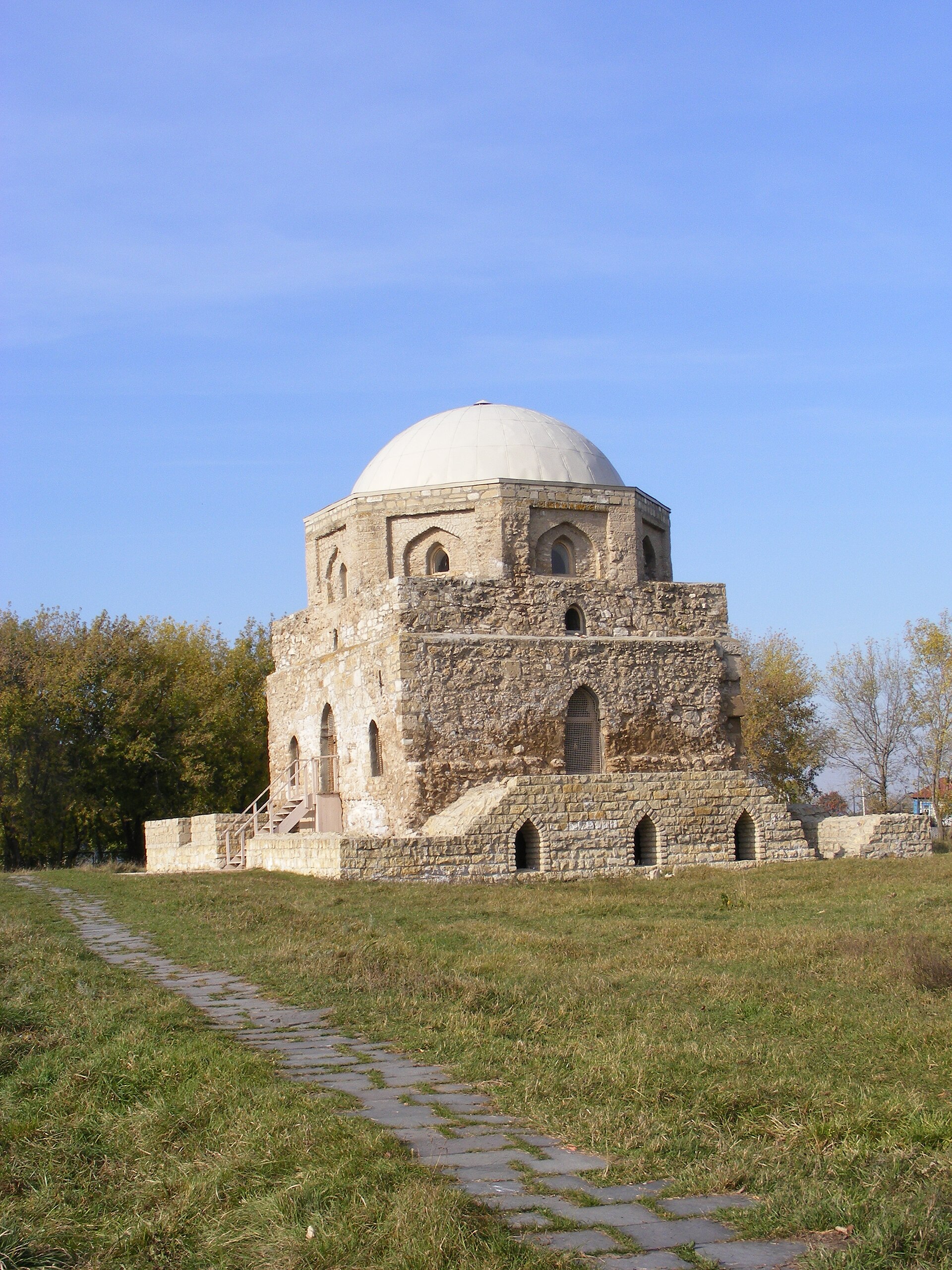
- Mosque remains and rebuilt minaret — Main ruins, Bolgar
The remains of the mosque and a reconstructed minaret form the most recognisable group at Bolghar. The minaret is a modern rebuild rather than original fabric, so treat it as a marker of where the mosque stood. The river is close, and the church from the Russian period nearby shows the layers of the site's history.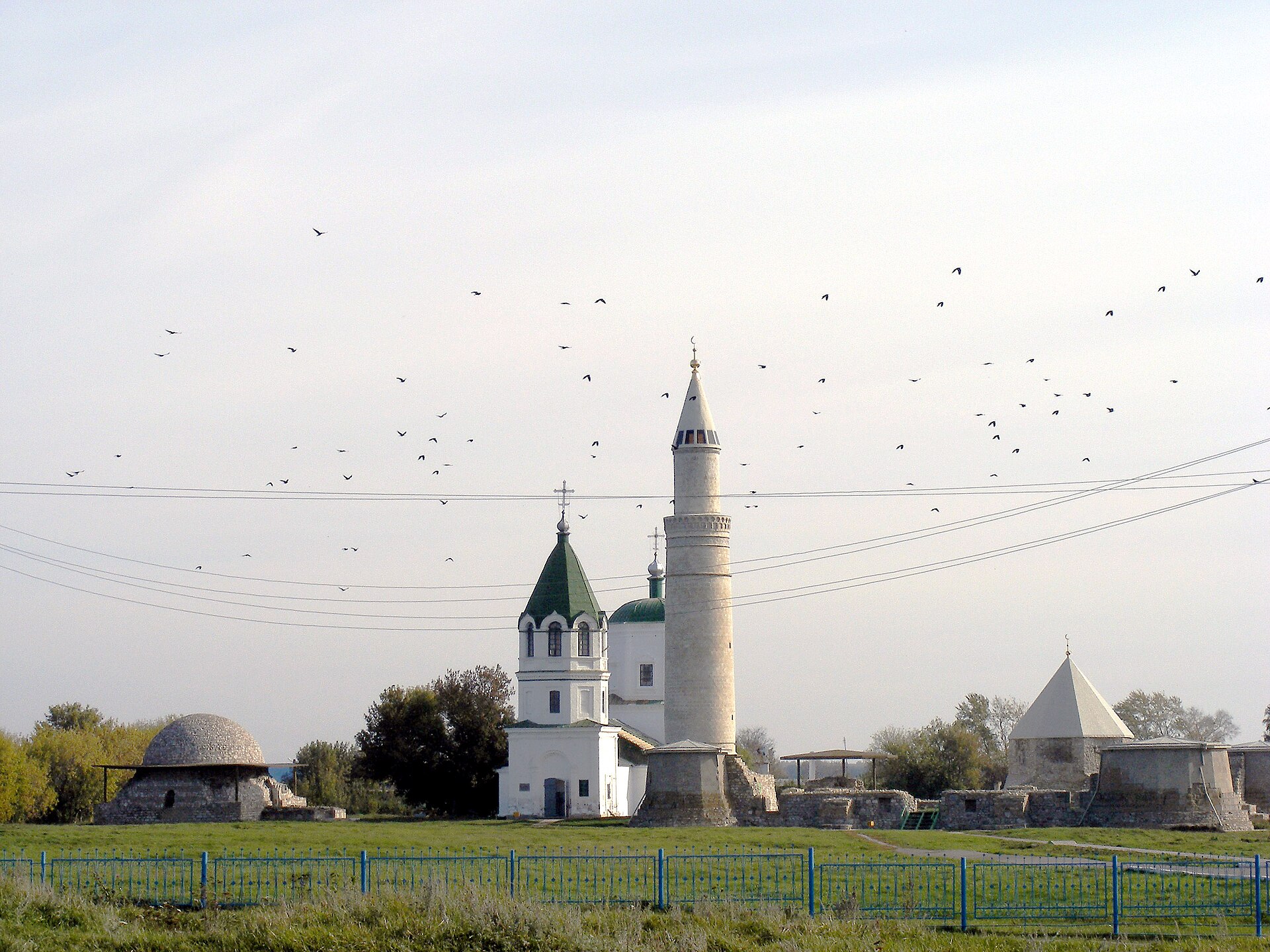
Culture
Bolghar is a place where Tatar, Chuvash and Russian histories overlap, and the site carries a different meaning for each. For many Tatars it is a pilgrimage place tied to the early Islamic identity of the Volga Bulgars. For Chuvash people, who call it Aslă Pălhar, it belongs to an ancestral story. For Russia it is a protected heritage complex. The layering shows in the buildings: Muslim tombs and a mosque foundation sit near a church from the Russian period. Tatar hospitality is real here, and tea, baked goods and sweets are offered generously in homes and cafés. Religion is practised openly, with pilgrims coming at festival times, and conversations about history can be personal rather than academic. Both Tatar and Russian are heard around the site, and a few words of greeting in either are appreciated, as is genuine curiosity about how local people see the past. Photography is generally fine across the open ruins, but the mood changes around prayer. Visitors who treat the mausoleums as burial places rather than as backdrops will fit in best. Dress modestly, keep your voice low near the tombs and mosque ruins, and ask before photographing anyone who is praying.
What to wear
Traditional Tatar dress in the Bolghar region used velvet, silk, wool and cotton, with heavy embroidery on women's festive clothing. Women wore an embroidered cap called a kalfak, often under a shawl, with a long dress, a fitted embroidered waistcoat and soft leather boots called ichigi with coloured leather inlay. Men wore a skullcap, a long coat and ichigi as well. Chuvash costume, relevant because Chuvash people count Bolghar as part of their past, relies on white linen with red embroidery and beaded headdresses. These outfits now appear at festivals such as Sabantuy, at weddings and in museums, rather than on the street. Everyday dress in Bolgar town is ordinary casual wear: jeans, jackets, trainers, with headscarves common among observant Muslim women. Visitors should dress for the weather first. Summer on the open ruins is sunny and exposed, so a hat, sunscreen and light long sleeves help. Spring and autumn need a windproof layer, and winter calls for proper boots, hat and gloves. Footwear should be sturdy for uneven grass and gravel. Near the mausoleums and mosque remains, covered shoulders and knees show respect, and women may want a light scarf to hand.
What to eat
- Echpochmak — Cafés and bakeries in Bolgar town and along the road from Kazan
A triangular pastry filled with meat, potato and onion, baked until golden and served hot with broth or tea. It is a Tatar staple at café stops in Bolgar town and along the road from Kazan. - Gubadia — Bakeries and family-run cafés in Bolgar town
A tall, round layered pie with a filling of rice, dried fruit such as raisins and apricots, and sometimes egg or sweet curd, often served at celebrations. Slices appear in bakeries and family-run cafés, and it works as a filling dessert with strong tea after the ruins. - Kystyby — Village stalls and bakery counters near the site
Thin, soft flatbreads from Tatar cooking, cooked on a dry pan and often filled with mashed potato or millet porridge. They are served warm with butter, and they turn up at village stalls and bakery counters near the site as a light, quick lunch. - Chak-chak — Market stalls and souvenir shops by the site
Short strips of fried dough bound with hot honey and piled into a mound, then cut into pieces. This is the traditional sweet for weddings and guests across Tatarstan, and shops and market stalls sell it by weight, often packed as a gift to carry home. - Tokmach (Tatar noodle soup) — Simple canteens and eateries in Bolgar town
A clear chicken broth with thin homemade noodles, herbs and sometimes potatoes, eaten as a warming first course. It is a home-style dish found in simple canteens and eateries in Bolgar town, and a sensible choice on a cold, windy day beside the Volga.
Plan it
Best time. June to September is the easiest window: long days, warm weather and open-air walking at its most comfortable, though July can be hot on the shadeless ruins. Late May and early autumn are milder and quieter. Winters here are long, cold and snowy, and the wind off the river makes them feel harsher.
How long. 1–2
Getting there. Fly to Kazan, then cover the roughly 130 km to Bolgar town by road, using a bus, shared minibus or taxi. In summer river services along the Volga may also run, so check current schedules locally. The last leg is a short walk or ride from Bolgar town to the ruins.
Budget. low
Tips
- Arrive early in the day, before school and pilgrim groups, for quiet time at the tombs
- Carry water, a hat and sunscreen in summer, as there is little shade on the ruins
- Bring both cash and a card, since small stalls may not take cards
- Check the official site or local tourist office for opening arrangements before travelling
- Allow time for the town, as cafés and bakeries are the best way to try Tatar food
Etiquette
- Dress modestly and keep your voice low near tombs and mosque remains
- Ask before photographing people who are praying or visiting graves
- Do not climb on walls or sit on historic stonework
Nearby
Sources
- Wikidata Q2486263 (CC0)
- Wikipedia — Bolghar (rev 1374964340) (CC BY-SA 4.0)
- Wikivoyage — Bolgar (CC BY-SA 4.0)
- Photo 01-9.jpg — Indeikin (CC BY 3.0)
- Photo 02-bolgar.jpg — Alaexis (CC BY 3.0)
- Photo 03-4.jpg — Indeikin (CC BY 3.0)
- Photo 04-eastern-mausoleum-bolgar.jpg — Alaexis (CC BY 3.0)
- Photo 05-khans-mausoleum-bolgar.jpg — Alaexis (CC BY 3.0)
- Photo 06-northern-mausoleum-bolgar.jpg — Alaexis (CC BY 3.0)
- Photo 07-black-chamber-bolgar.jpg — Alaexis (CC BY 3.0)
- Photo 08-.jpg — Irina Danilova (CC BY 3.0)


