Bashkiria National Park
Bashkiria National Park, Russia
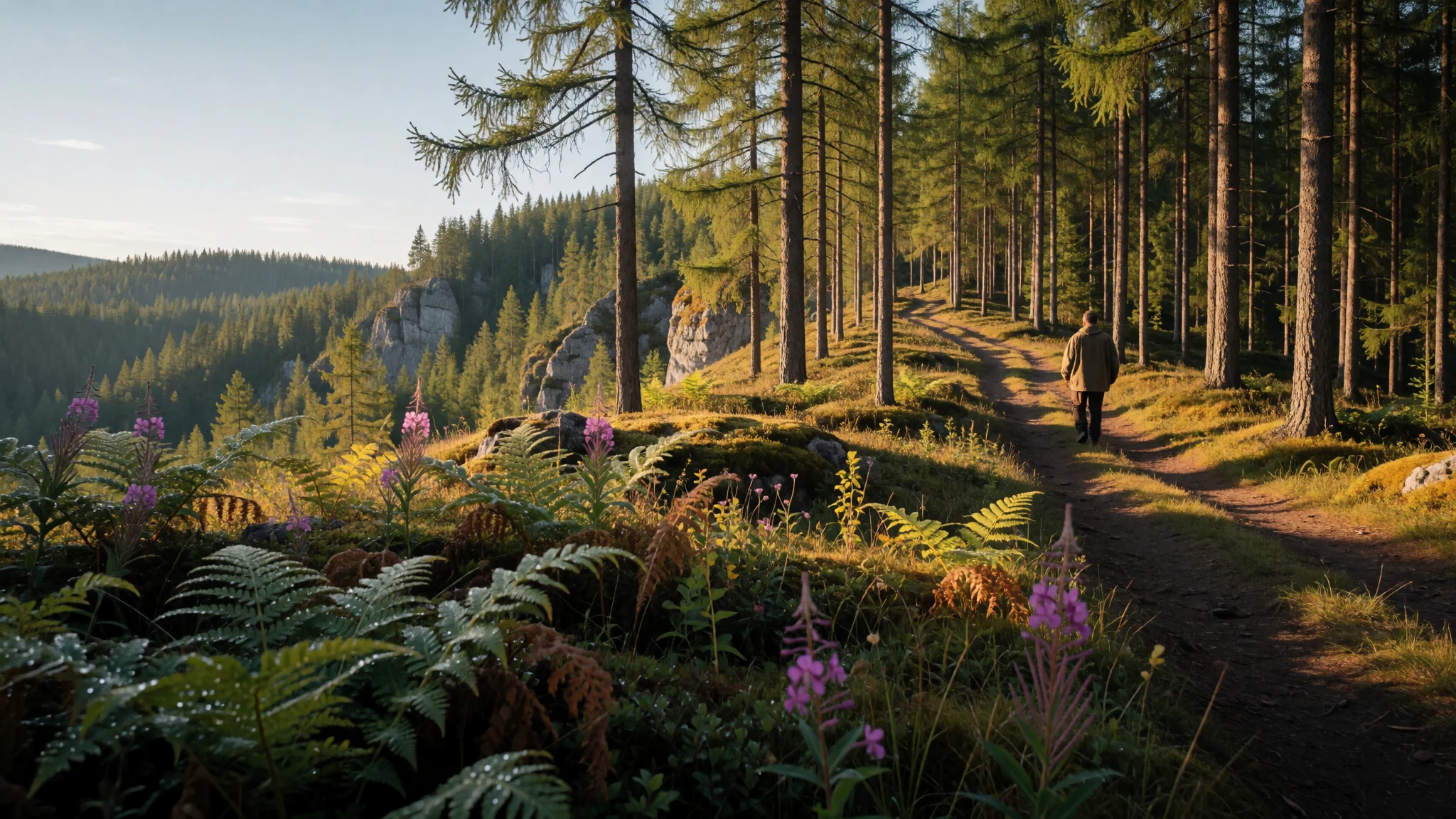
Bashkiria National Park is a forested stretch of the southern Urals, with river gorges, a summer reservoir and quiet karst country.
The place
Bashkiria National Park (Russian: Национальный парк «Башкирия»; Bashkir: Башҡортостан милли паркы) is protected forest in the Republic of Bashkortostan, on the south-western flank of the southern Urals in Russia. Founded in 1986, it is classed as a national park of Russia and as a protected area of Russia. Westward the country sinks toward plains that carry more factories and towns. East and north, the woods meet higher, quieter reserves: Shulgan-Tash, and Altyn-Solok, the entomological reserve whose name means Golden Bee Tree. The Nugush flows through the park and widens into the Nugush Reservoir, a shore used for summer leisure, while the Belaya runs along the southern side. Limestone has dissolved into karst: steep valley walls, caves, and a rock arch spanning the Kuperlya. The land belongs to the montane taiga of the Urals, where European and Asian forest types meet and steppe is not far off. Fir, Siberian spruce, and both Siberian and Russian larch are the conifers named for this belt. Köppen labels the climate humid continental with a warm summer, class Dfb. Frost and thaw sit close on the calendar: a mild summer day can be followed by a sharp night, and snow defines the long winter. The park runs through the Meleuzovsky, Kurgachinsky and Burzyansky districts. Bashkortostan takes its name from the Bashkir people. They are Muslim, and their language belongs to the Turkic family. Bashkirs, Tatars and ethnic Russians are the republic's main communities. Meleuz is the town where basic services gather. Practical notes sit on the park website, http://www.npbashkiria.ru/.
Its story
Bashkiria National Park stands on country people have used for a very long time. Just outside its boundary, the Shulgan-Tash reserve holds a cave with Palaeolithic paintings. Laboratory dating puts the paintings at roughly 13,000 to 14,000 years old. The Bashkirs are the indigenous people of this republic. For a long time they moved with their herds, and family memory still reaches back toward the communities who painted in those caves. These woods fed a distinctive beekeeping. Keepers gathered honey from cavities in living trees, and they also settled swarms in holes they prepared. The craft is thought to be some 1,500 years old. Altyn-Solok, the reserve beside Bashkiria National Park, was set aside to protect the bees and that tree-hollow trade, so the park's forest is the edge of a living livelihood. Through the twentieth century the low country of Bashkortostan, between the Volga and the Urals, filled with factories, railways and large towns. The uplands around Bashkiria National Park and the reserves beside it stayed much quieter. That quiet is why the forest matters as open country for people and as land kept from building. The park received its present status in 1986. Summer at the Nugush Reservoir is when local swimmers and boaters come. Horseback groups, walking parties and rafts on the rivers carry people past the shore, and the caves of the karst draw others underground. Meleuz and the reservoir shore are where beds and basic services cluster.
What to see
- Kuperlya rock arch — Kuperlya valley
The rock arch on the Kuperlya is the formation Bashkiria National Park is known for, a span left standing as the river worked through limestone. Wooded walls close in around it, and the same dissolved rock opens caves nearby. After rain the approach is uneven and wants boots with a grip. Visitors come to see the arch framed by forest.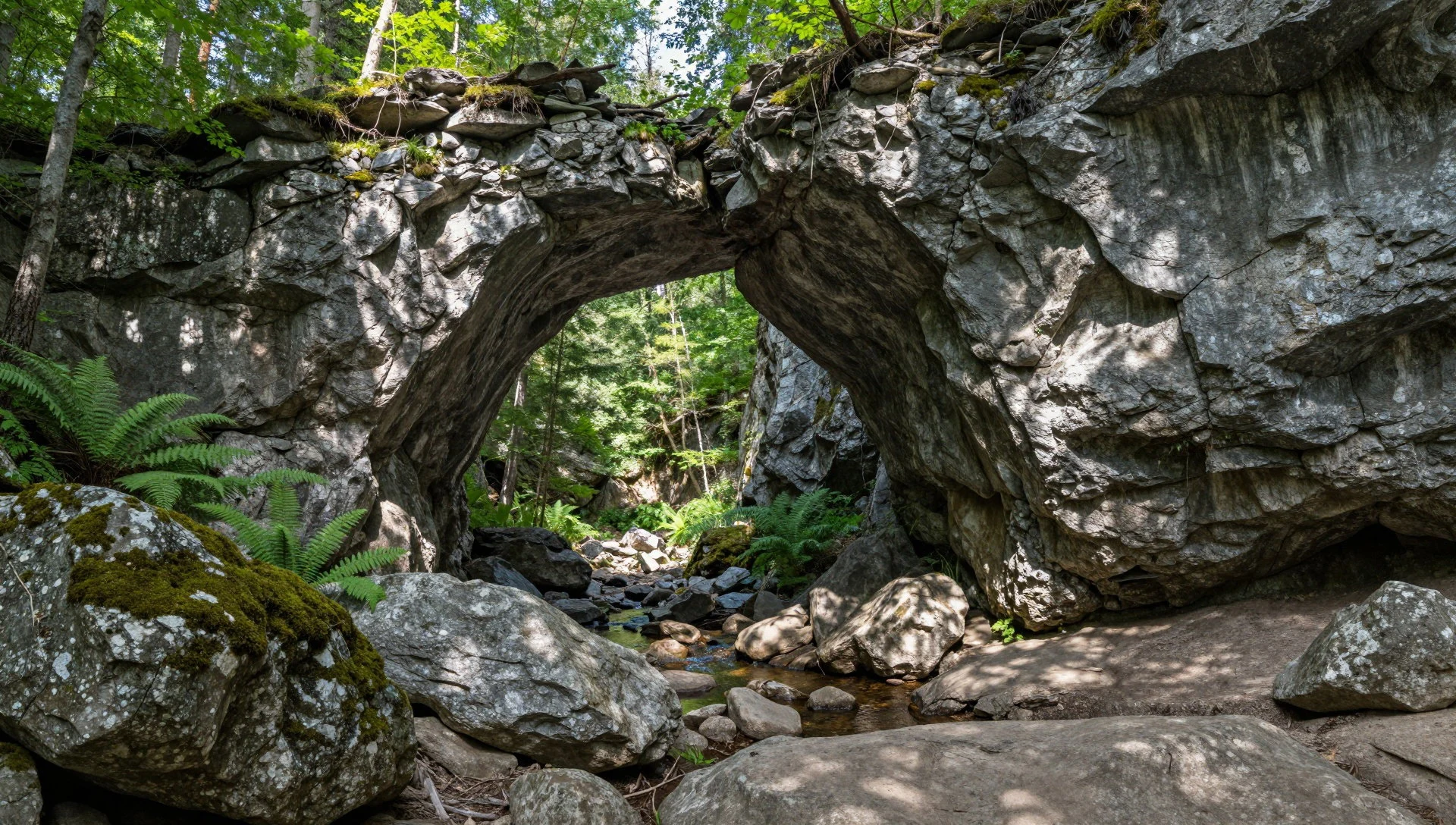
- Nugush Reservoir — Nugush shore
The Nugush Reservoir is where Bashkiria National Park spends its summer. The Nugush River is widened here into a shore for swimming, boats and picnics, used first by people from nearby towns. Warm weekends draw a crowd; weekday mornings stay calmer. Simple visitor facilities line this water, which is the practical base for going further into the forest.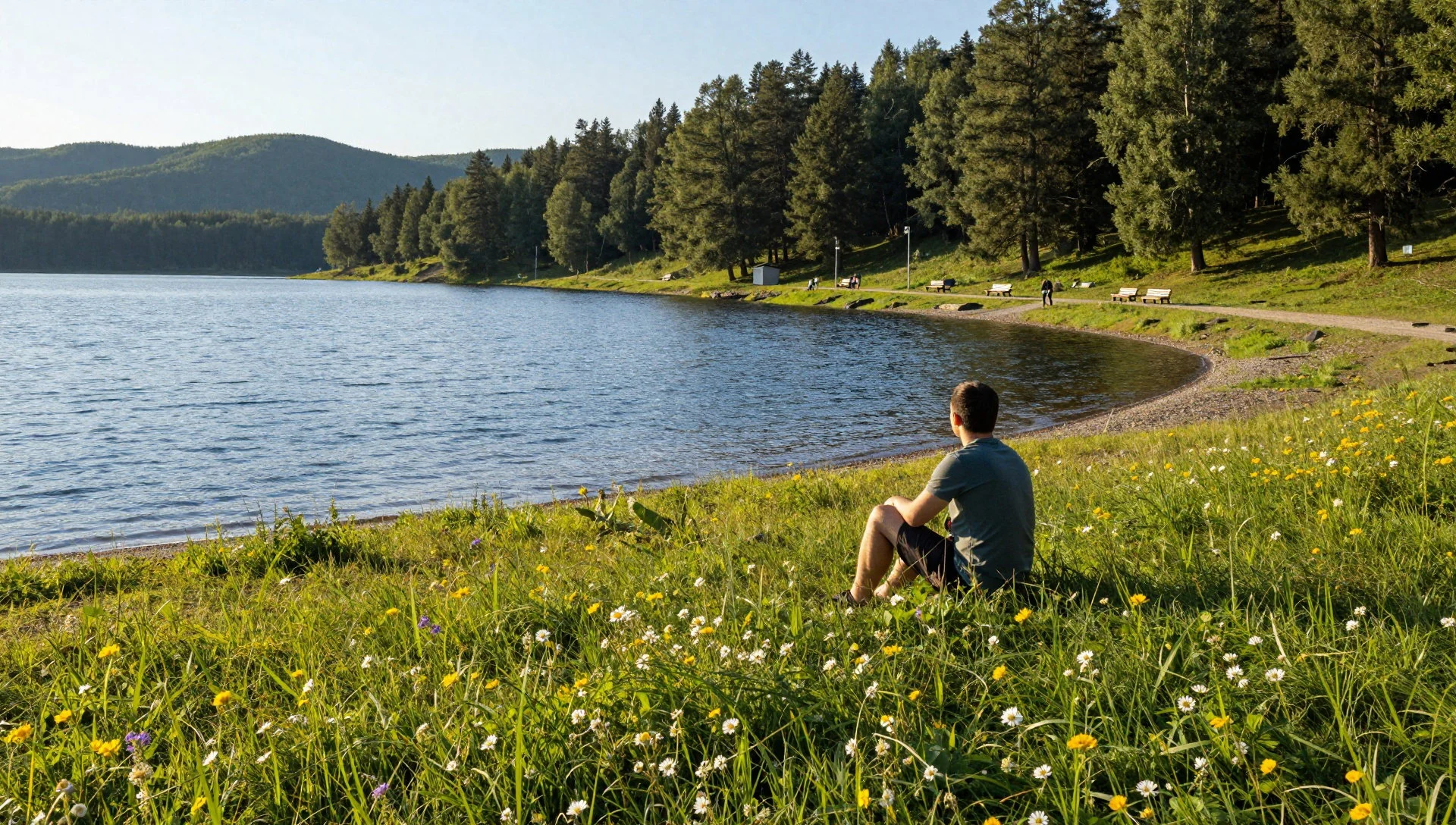
- Sokolinaya cliff — Nugush River
Sokolinaya rises above the Nugush River in Bashkiria National Park, a pale cliff wall of the kind the southern Urals hide in their valleys. The outlook is forest and water, not a town skyline. Nothing about it is built up as a platform. Wet stone and a loose edge mean the view is better from a firm step back.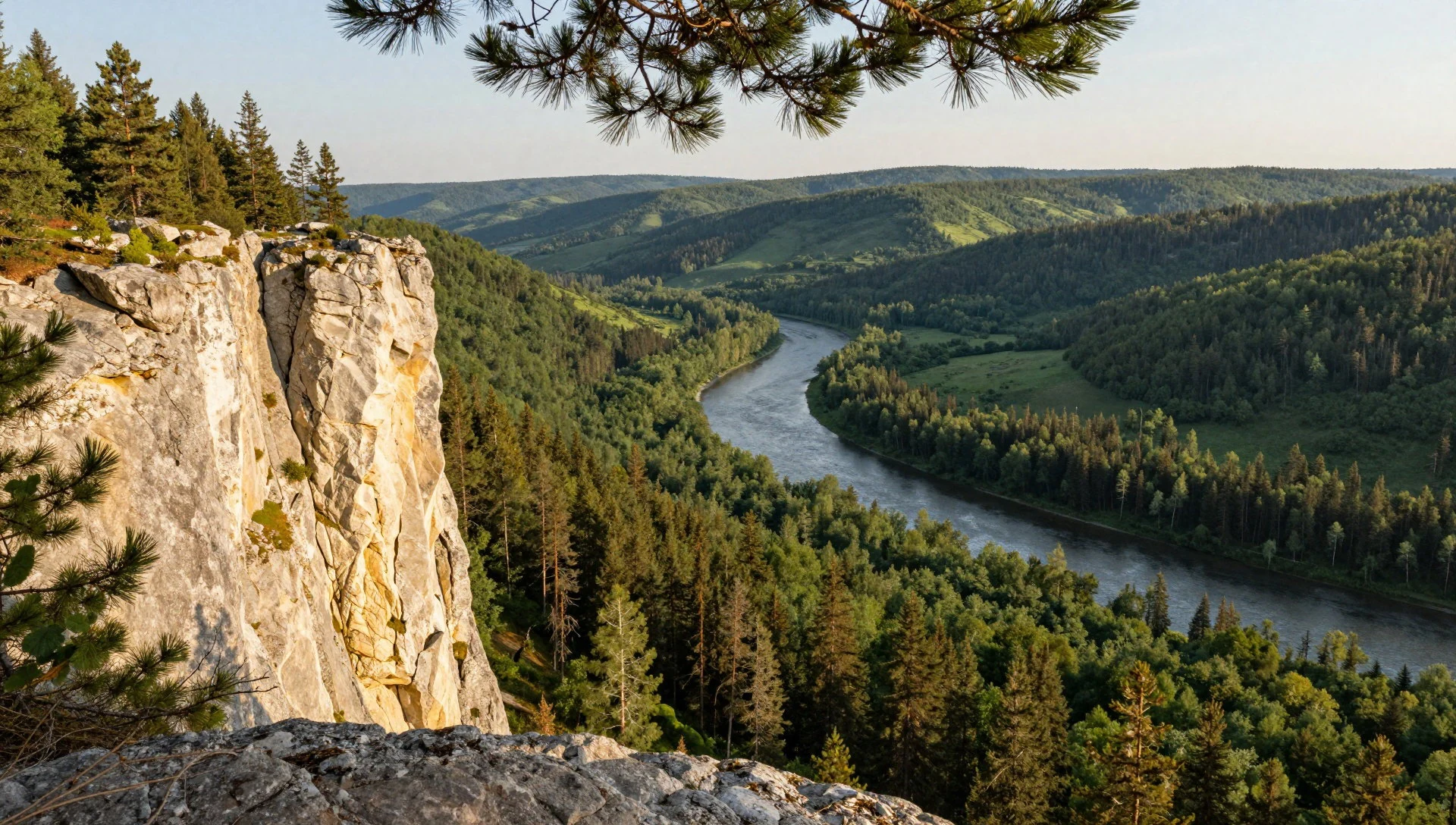
- Belaya River valley — Belaya valley
The valley of the Belaya forms the southern margin of Bashkiria National Park, where the river turns through the last of the Ural ridges. Conifers stand above rock walls that drop to the water, and the cut is deep enough to feel enclosed. This is a rafting stretch: cliffs pass at eye level from the boat.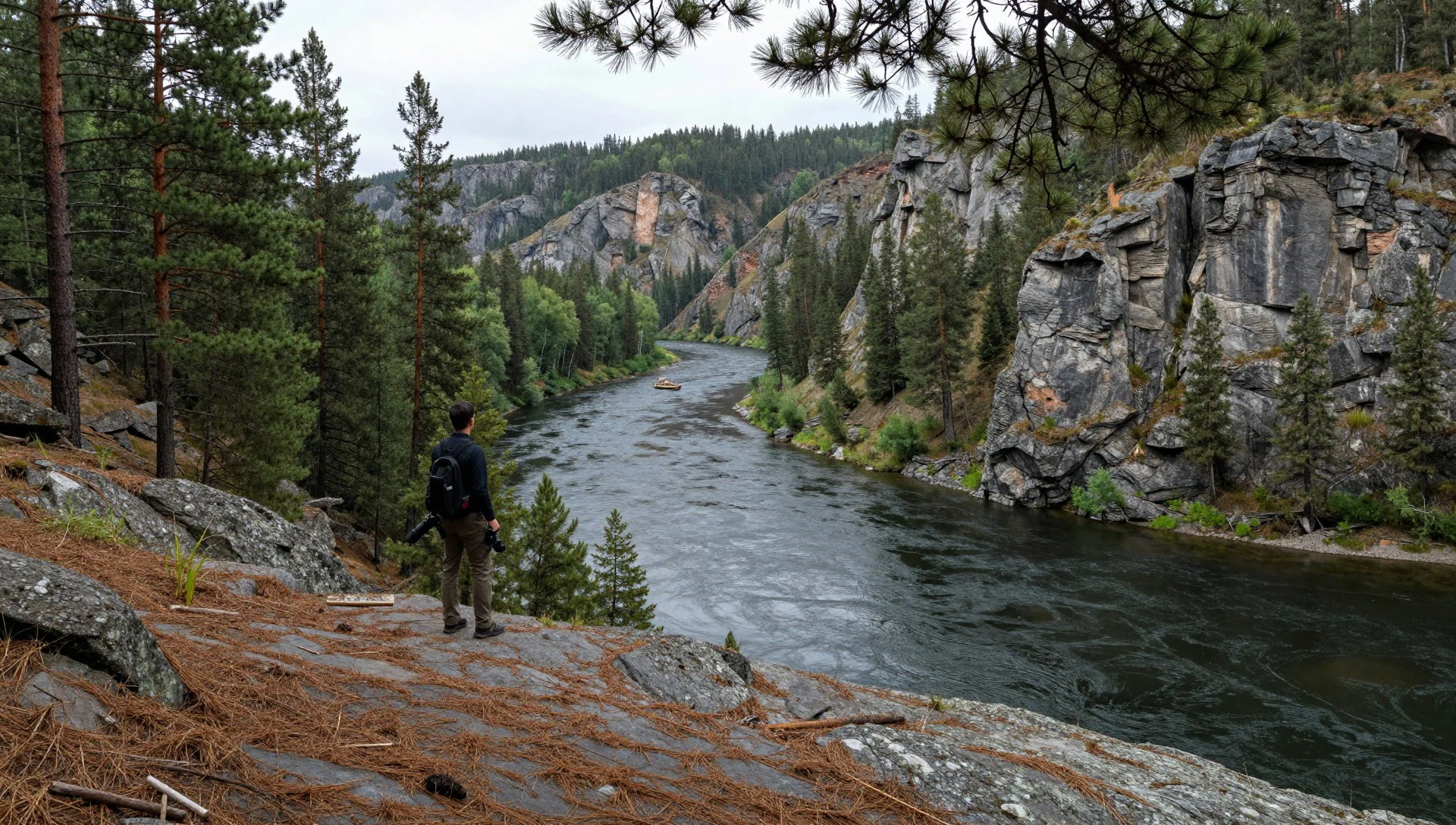
- Forest ridges — southern Urals
The high ground of Bashkiria National Park is wooded highland, not a line of bare summits. Spruce, larch and fir cover the limestone, and a view opens only where a cliff breaks the canopy. Once past the reservoir, people move on foot, on horseback or along the quieter tracks. Bee trees and the older forest sit in this interior.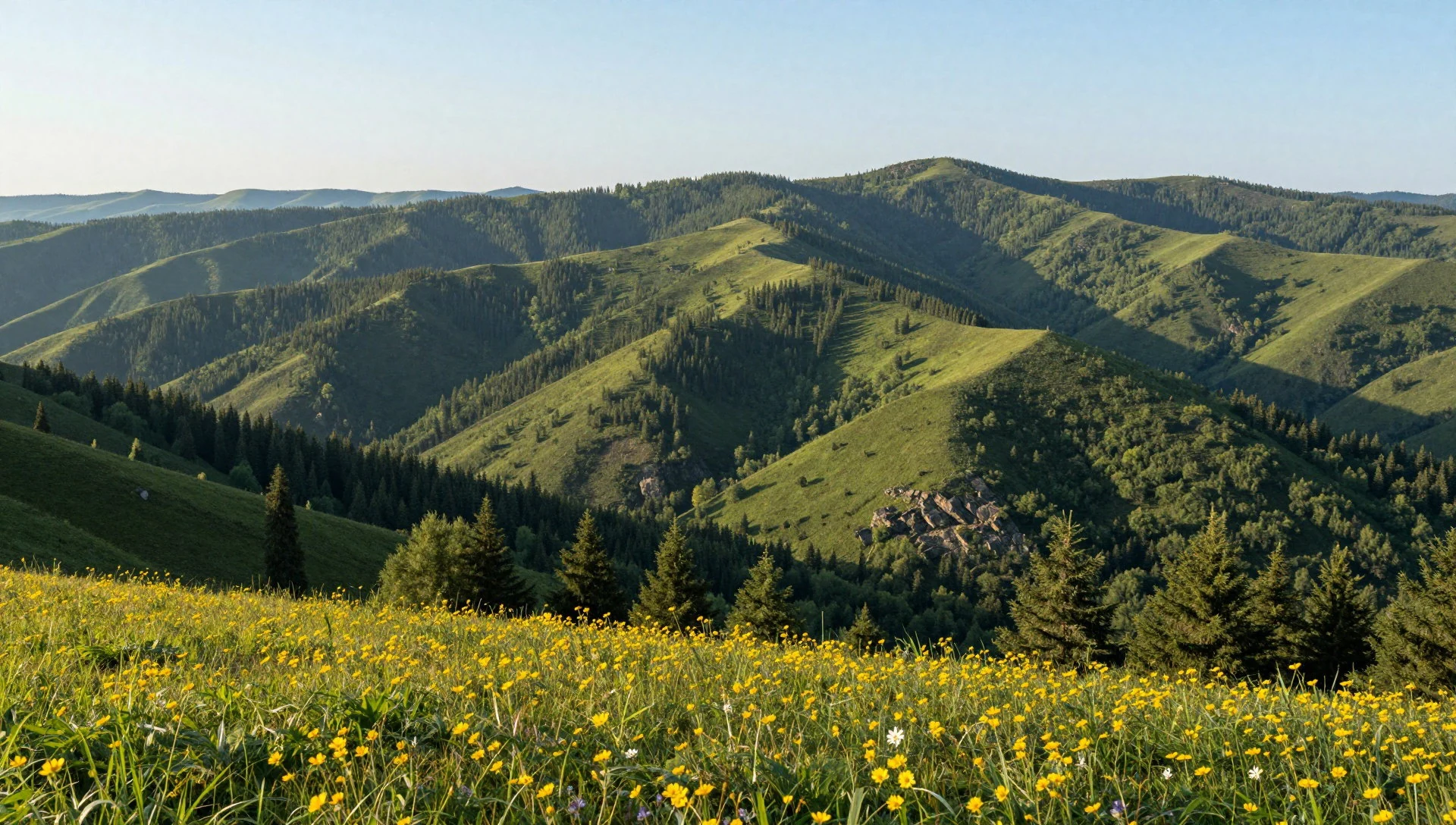
Culture
Bashkiria National Park lies in Bashkortostan, a republic that takes its name from the Bashkirs. They are a Muslim people, and the language they speak is Turkic. Bashkirs, Tatars and ethnic Russians share the republic, and that mix is visible in Meleuz and in the park's villages: Russian and Turkic speech side by side, and honey still treated as a serious product of the woods. Daily public life does not run on religious rules, unlike the North Caucasus republics further south, yet many Bashkir and Tatar families are observant Hanafi Sunnis, and conservative Russians live in the same streets. Hijabs, tied scarves and older styles of men's cap are a normal part of town, not a performance for outsiders. Ufa, the capital, trains Islamic scholars and is known for that role inside Russia. The craft that belongs most closely to these forests is wild-hive beekeeping: honey taken from tree cavities is food and a point of pride, and the neighbouring Altyn-Solok reserve exists to look after the bees. Village hospitality is unhurried, and a working apiary is someone's livelihood. At a mosque, cover your shoulders and knees, take off your shoes where others have left theirs, and ask before you photograph anyone.
What to wear
Around Bashkiria National Park, traditional dress comes out for weddings, festivals and dance ensembles, while the trails themselves see coats and boots. A Bashkir woman's festive gown is long and full, in a strong colour, often with an embroidered apron and a chest ornament of silver coins and coral; a shawl or scarf covers the hair. Men wear a loose shirt, trousers, a woven sash and a cap: a light skullcap in warm weather, a fur hat once snow has settled. The cloth is wool or linen, velvet for celebration, with metal and beadwork carrying the pattern. In Meleuz the everyday clothes are jeans, trainers and padded jackets, and among observant women a hijab or a tied headscarf with a long coat. A traditional cap, when a man still wears one, sits with an ordinary shirt. Visitors should dress for a continental swing. A summer day by the Nugush can be warm while a gorge stays cool and damp, so a shell, a warm layer and shoes fit for limestone and mud beat city sandals. Winter in the park is snow and calls for a coat, hat and boots. For a mosque, choose sleeves and a scarf that cover, and shoes that come off easily.
What to eat
- Wild-hive honey — Meleuz markets and stalls on the Nugush road
Honey from tree cavities is the food tied to Bashkiria National Park, the wild-hive craft watched over next door at Altyn-Solok. Jars turn up at markets in Meleuz and at stalls on the roads toward the Nugush shore. Buy a sealed jar rather than sampling from an open hive.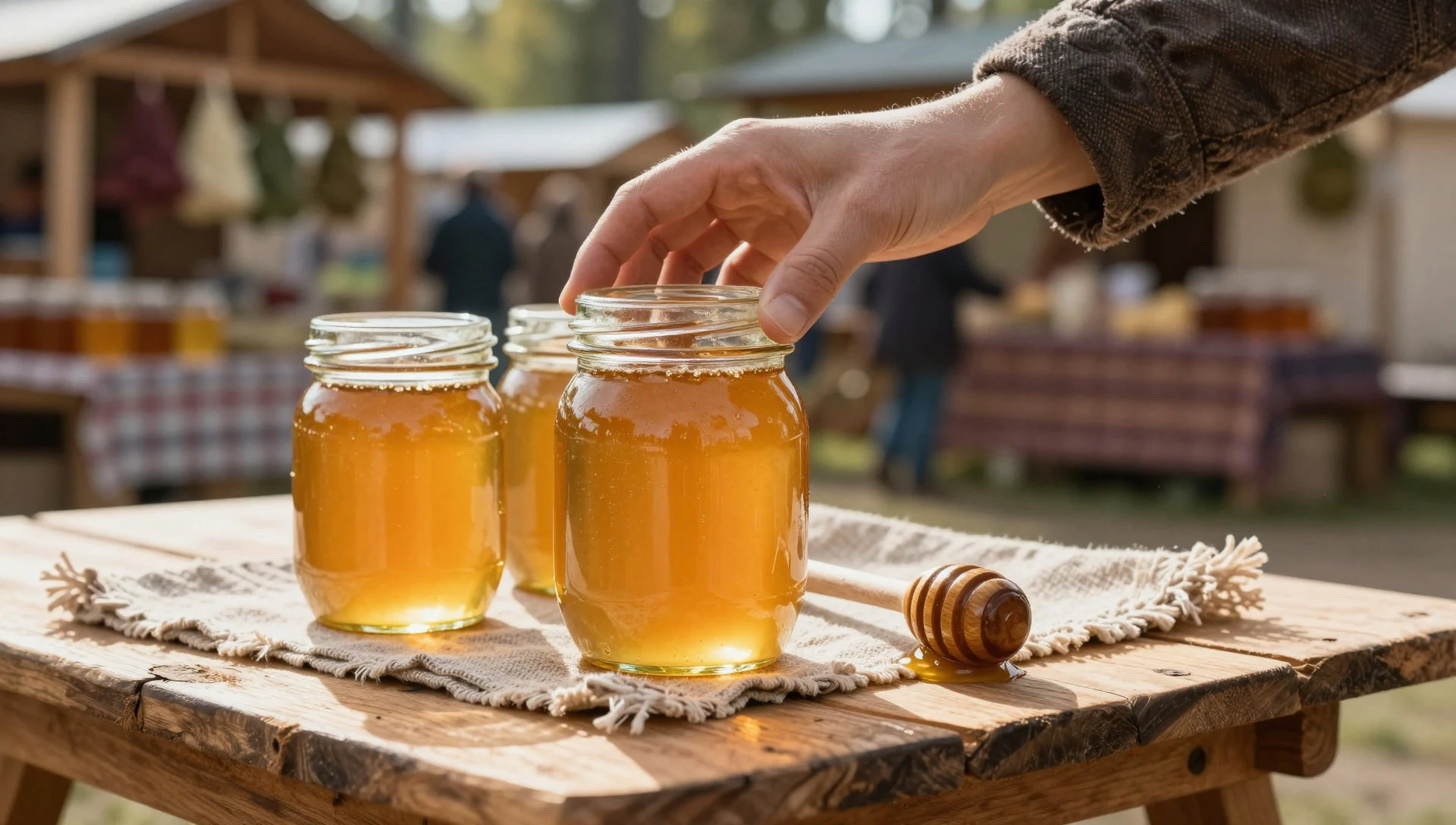
- Bishbarmak — Bashkir eateries in Meleuz and Ufa
Bishbarmak is boiled meat, often horse or mutton, served over broad noodles with onion and a cup of the broth. It is a dish for guests and celebrations across Bashkortostan, and eateries in Meleuz and Ufa that cook Bashkir food will put it on the table.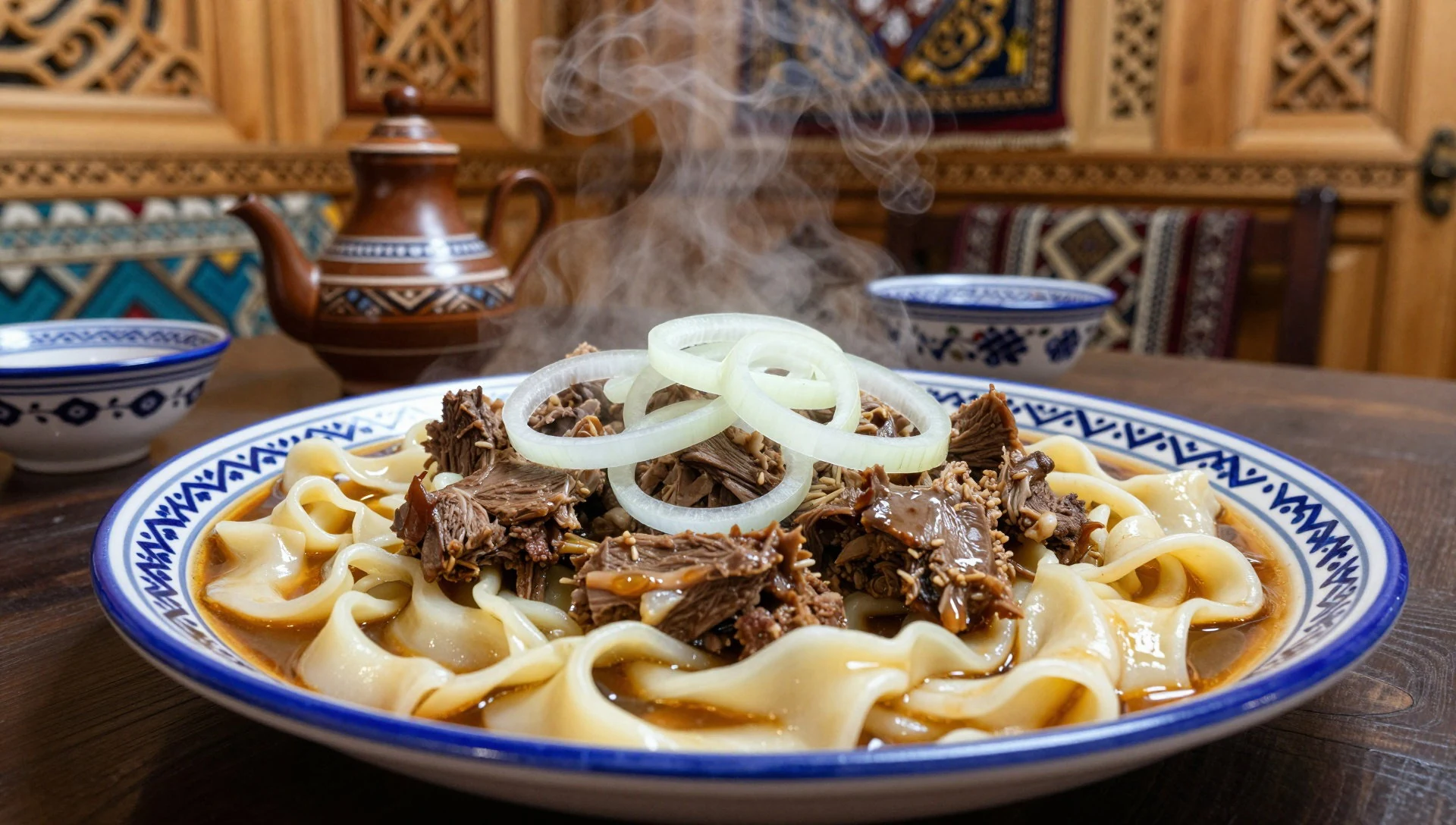
- Chak-chak — market bakers in Meleuz and Ufa
Chak-chak is fried dough bound with honey into a mound and then sliced to share. It is a sweet carried home from Bashkir celebrations, and market bakers in Meleuz and Ufa sell it in blocks through the year. - Baursak — village kitchens and eateries by the Nugush Reservoir
Baursak are small pieces of yeast dough fried until they puff and colour. They stand in for bread beside tea. Village kitchens and plain eateries near the Nugush Reservoir in Bashkiria National Park bring them out warm with a pot of black tea. - Kumys — summer markets and roadside stalls around Meleuz
Kumys is fermented mare's milk, tart and lightly sparkling, a drink from the old herding life rather than from the tea table. In summer it sometimes appears at rural markets and roadside stalls around Meleuz, on the roads into Bashkiria National Park.
Plan it
Best time. Bashkiria National Park is at its easiest from June to September, when the Nugush Reservoir is the local summer shore and the forest tracks are free of snow. The climate is humid continental with a warm summer: days can be mild and pleasant, then swing cold by night, and winters are long, snowy and hard on trails. May and early October can still work for walking if you accept mud and changeable skies.
How long. 3–4
Getting there. Fly into Ufa International Airport, which takes international flights and domestic services from Moscow, Saint Petersburg and other Russian cities. Ufa station sits on the Trans-Siberian where the line crosses the southern Urals; trains also come from Orenburg, Samara, Chelyabinsk and northern Kazakhstan, and a direct train from Moscow runs daily and spends 26 hours on the way. The M5 and the M7, the federal roads, both reach Ufa. From the city the last leg is a road transfer toward Meleuz and the Nugush shore. Check the park website, http://www.npbashkiria.ru/, before you travel, because onward connections change.
Budget. mid
Tips
- Weekend afternoons at the Nugush Reservoir fill with local visitors in summer; weekday mornings are the quieter time on the shore.
- Temperatures swing sharply between afternoon and night, so pack a warm layer even in July.
- Carry some cash for small stalls near Meleuz.
- In Ufa, watch bags on buses and in queues, where pickpockets are the main worry; the forest trails are quiet.
- Carry drinking water on the valley walks; the shops are back at the reservoir and in Meleuz.
Etiquette
- Ask before you photograph people, especially anyone wearing a hijab, headscarf or traditional cap.
- At a mosque, cover your shoulders and knees and remove your shoes where others have.
- Leave bee trees and hives undisturbed; the wild-hive craft is a livelihood, not a sight to handle.
Nearby
Sources
- Wikidata Q1989613 (CC0)
- Wikipedia (rev 1362697918) (CC BY-SA 4.0)
- Wikivoyage (rev 5338687) (CC BY-SA 4.0)
- Photo photos/01-bashkiria-s-mountains.jpg (CC BY-SA 2.0)
- Photo photos/02-.jpg (CC BY-SA 4.0)
- Photo photos/03-nugush4.jpg (CC BY 3.0)
- Photo photos/04-falcon-cliff.jpg (CC BY 3.0)
- Photo photos/05-the-valley-of-the-belaya-river.jpg (CC BY-SA 4.0)
- Photo photos/06-.jpg (CC BY-SA 4.0)
- Photo photos/07-the-cliffs-in-bashkiriya-national-park.jpg (CC BY-SA 4.0)
- Photo photos/08-.jpg (CC BY 3.0)


