Parc Naturel Régional
Parc Naturel Régional, France
Parc Naturel Régional des Volcans d'Auvergne offers walking over extinct volcanoes, crater lakes and Romanesque villages, all within reach of Clermont-Ferrand.
The place
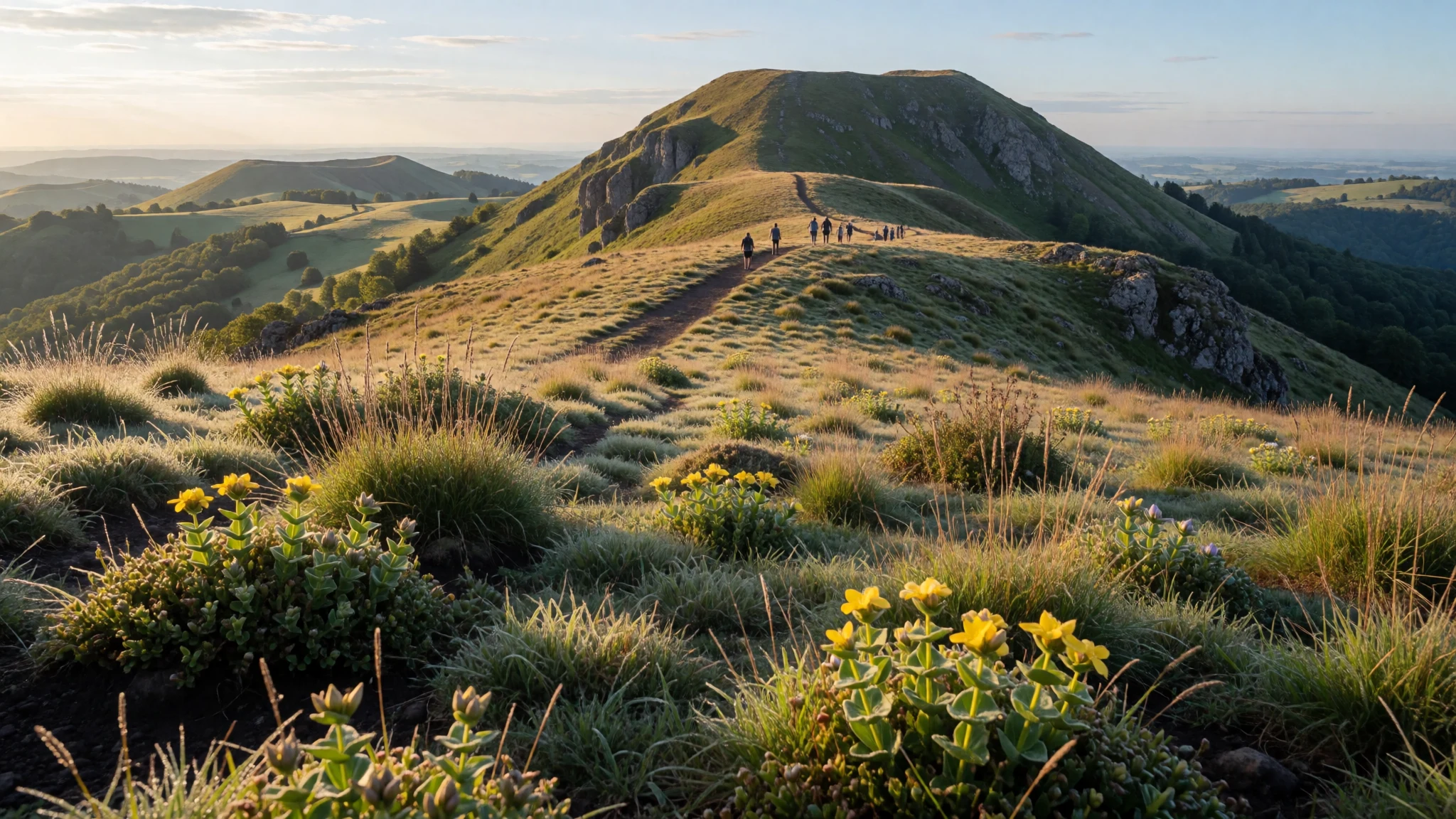
Parc Naturel Régional des Volcans d'Auvergne spreads across the middle of France, in the hills around Clermont-Ferrand, and it is better understood as a patchwork than as a single sight. The Chaîne des Puys is a row of old volcanic cones with grassy tops. The Sancy mountains form the more rugged core. The Cézallier is high, open grazing country where wind does most of the shaping, and the Livradois forest to the east is quieter, wooded and rolling. Further south, the Monts Cantal carry the same volcanic character, with deep valleys cut into them. Between these highlands sit crater lakes such as Lac Pavin, Lac Chambon and Lac d'Aydat, used for swimming, fishing and paddling in summer. Villages built of dark volcanic stone hold Romanesque churches, and small castles stand on rocky outcrops. This is a regional park, not a wilderness reserve: farms, cheese dairies and towns sit inside it, and the park authority, based at the château de Montlosier at Aydat, works with the people who live and graze here. It was founded in 1977. Walking is the main activity, on well-signposted trails, and orienteering is popular; cyclists, climbers, paragliders and kayakers each find their own corners. In winter the higher ground turns to ski and snowshoe country. Weather changes fast on the tops, so the same hill can be sunny at breakfast and cold and wet by noon. Clermont-Ferrand, with its airport and tram, makes a practical base for a first visit, though the quieter villages reward an overnight stay.
Its story
The story of Parc Naturel Régional des Volcans d'Auvergne starts with fire, long before anyone thought of a park. Volcanoes built the cones, domes and lava plateaus of this part of the Massif Central, and later erosion and ice cut valleys into them. People settled the fertile volcanic soils and the high pastures, and the region became farming country, with cattle, cheese and grain on the lower slopes. Stone for churches and castles came from the same lava, which is why so many buildings look dark. Romanesque builders left churches at Saint-Nectaire and Orcival that pilgrims and historians still seek out, and lords raised castles at Murol, Saint-Saturnin and Parentignat. Hot springs in several valleys drew spa visitors, and walkers and skiers came later. Industry arrived too. Coal seams around Messeix, Brassac-les-Mines and Saint-Éloy-les-Mines fed pits and headframes, Clermont-Ferrand grew around manufacturing, Thiers became known for cutlery and Ambert for paper. Many of those trades have faded, and mining museums now keep the memory alive with winding engines, tools and reconstructed galleries. By the twentieth century the question was how to protect a working countryside without freezing it in place. The regional park model, a French approach, answered that by agreeing shared rules between villages, farmers and the state. This park dates from 1977. Visiting today means seeing the layers together: volcanic bedrock, medieval stonework, the mining years and a living pastoral economy.
What to see
- Chaîne des Puys — West of Clermont-Ferrand
A line of extinct volcanic cones runs north to south behind Clermont-Ferrand, many with grassy summits and some with open craters. Trails climb several of them, and the views take in the whole row. It is the easiest place in the park to grasp how the landscape formed, and it is busiest on summer weekends, so start early.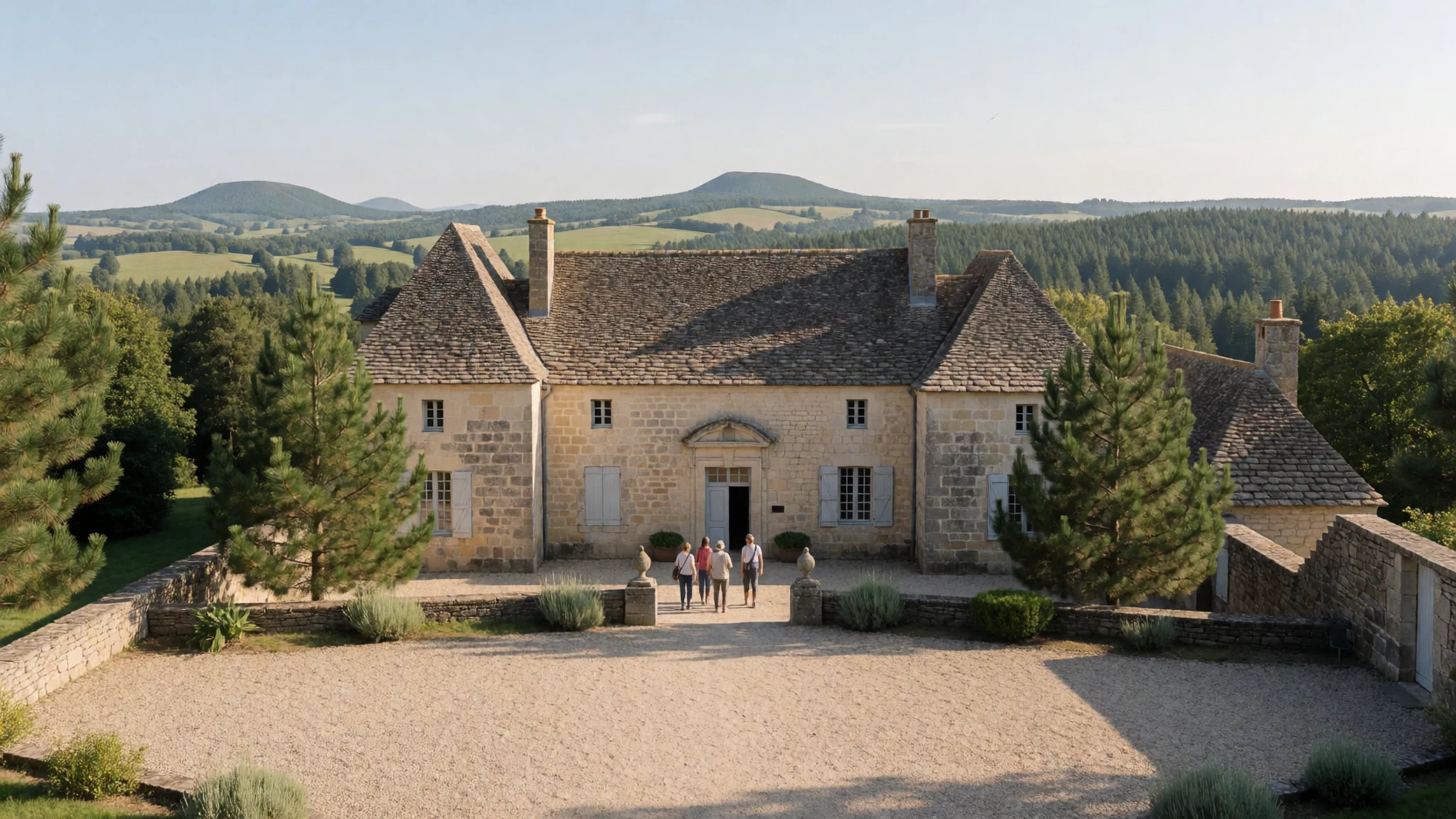
- Château de Murol — Murol, near Lac Chambon
Château de Murol is a medieval castle on a rocky rise above the village of Murol, close to Lac Chambon. Its walls and towers are intact enough to wander through, and it fits neatly into a half-day with the lake and the nearby Saint-Nectaire valley. Check the official site or tourist office for opening times.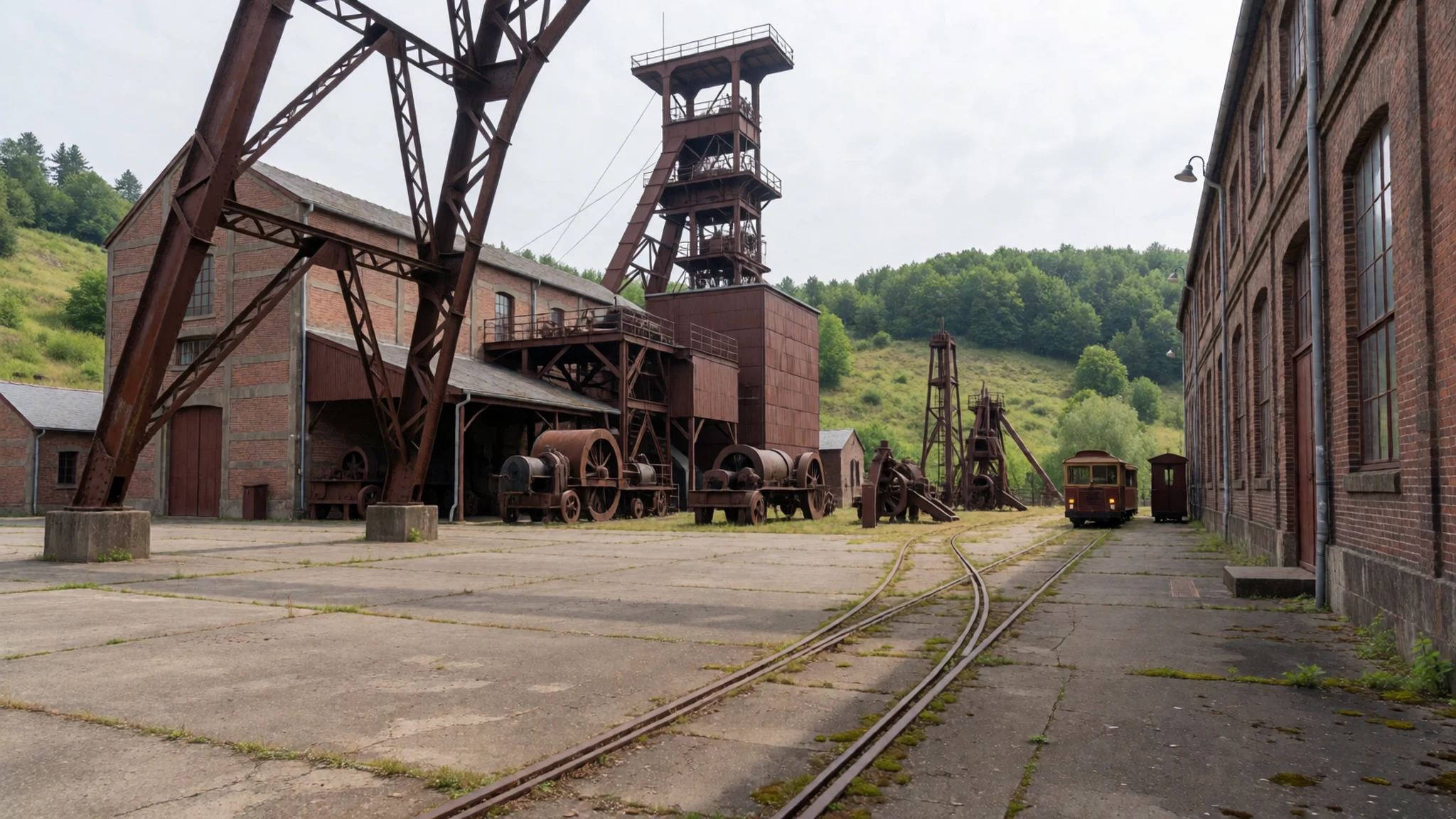
- Romanesque churches of Saint-Nectaire and Orcival — Saint-Nectaire and Orcival
The churches at Saint-Nectaire and Orcival are among the region's best-known Romanesque buildings, with solid stone forms and carved capitals. Both are still used for worship, so visits work best outside service times. Saint-Nectaire also gives its name to a local cheese, so a church visit and a tasting pair well.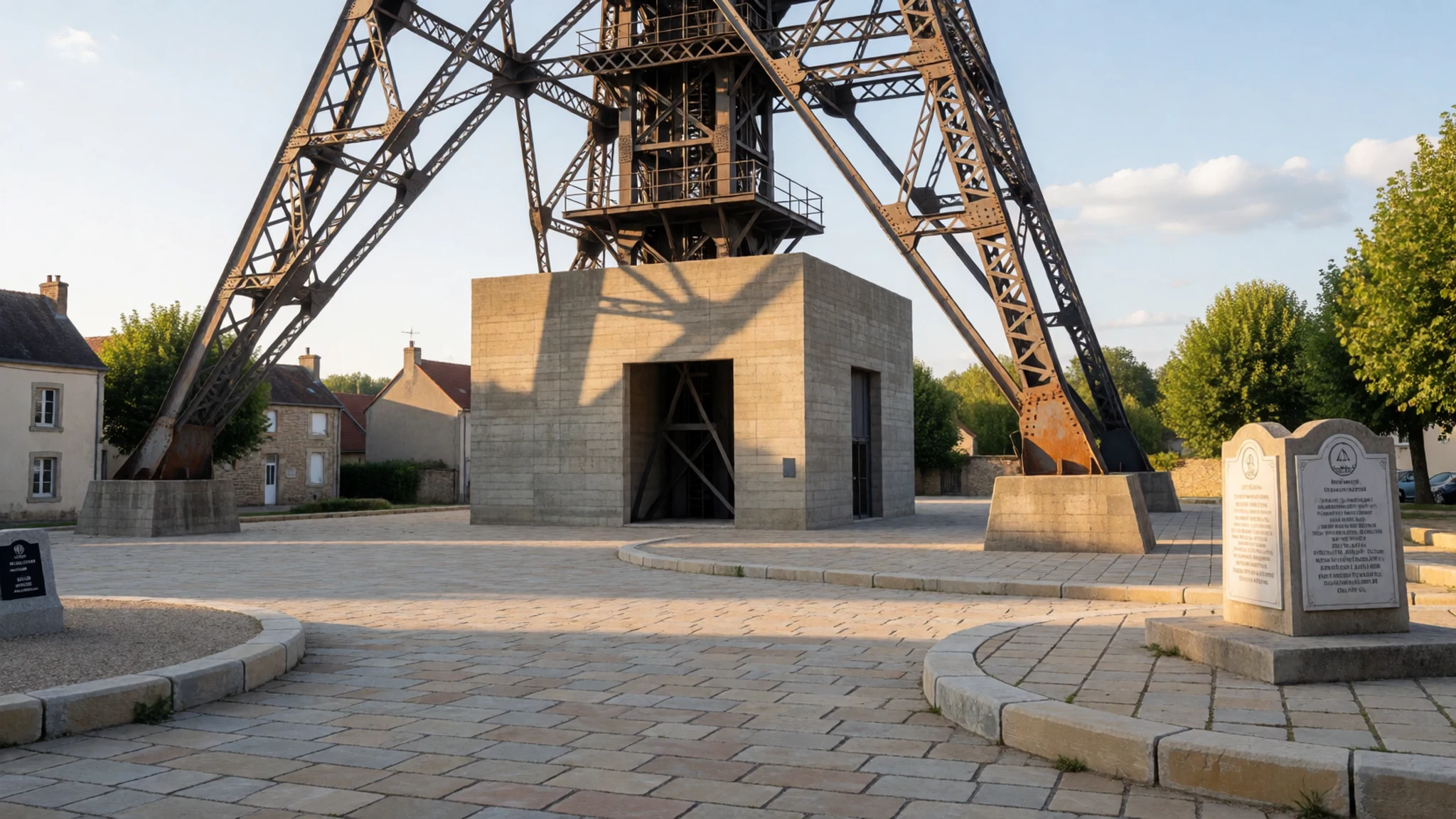
- Lac Pavin — Sancy massif
Lac Pavin fills a round volcanic crater ringed by forest in the Sancy area. A footpath circles the shore, and the water is dark and cold enough that swimming is for the hardy. It is a gentler outing than the summits, and nearby Lac Chambon and Lac d'Aydat offer paddling and fishing.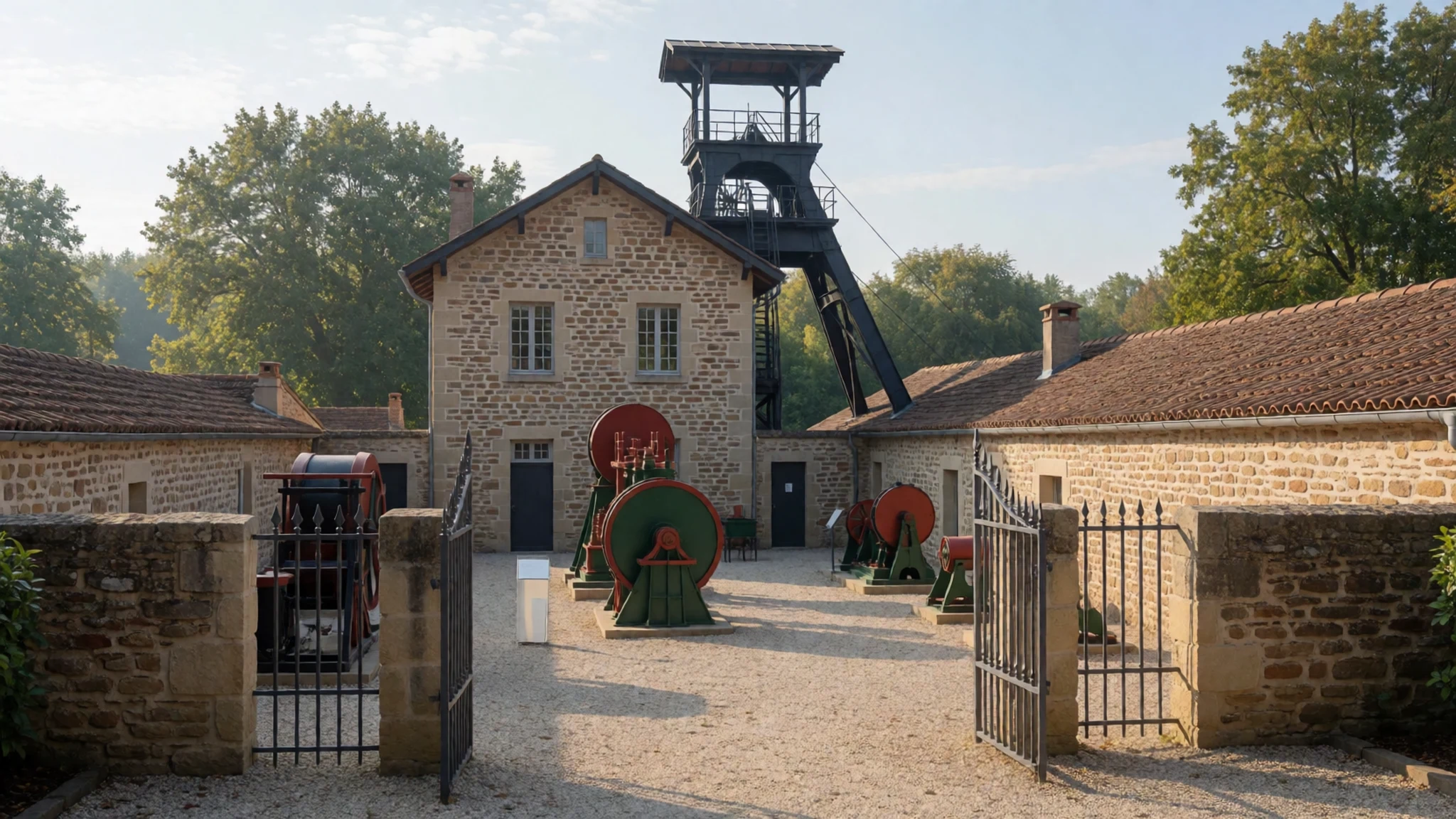
- Mining Museum, Brassac-les-Mines — Brassac-les-Mines, south-east of the park core
The mining museum in Brassac-les-Mines occupies the former winding-engine hall of the Bayard shaft, with galleries rebuilt inside the concrete base of the machine. The metal headframe still stands on the old mine square outside. It makes a good wet-day stop and shows a side of the region that volcano photographs leave out.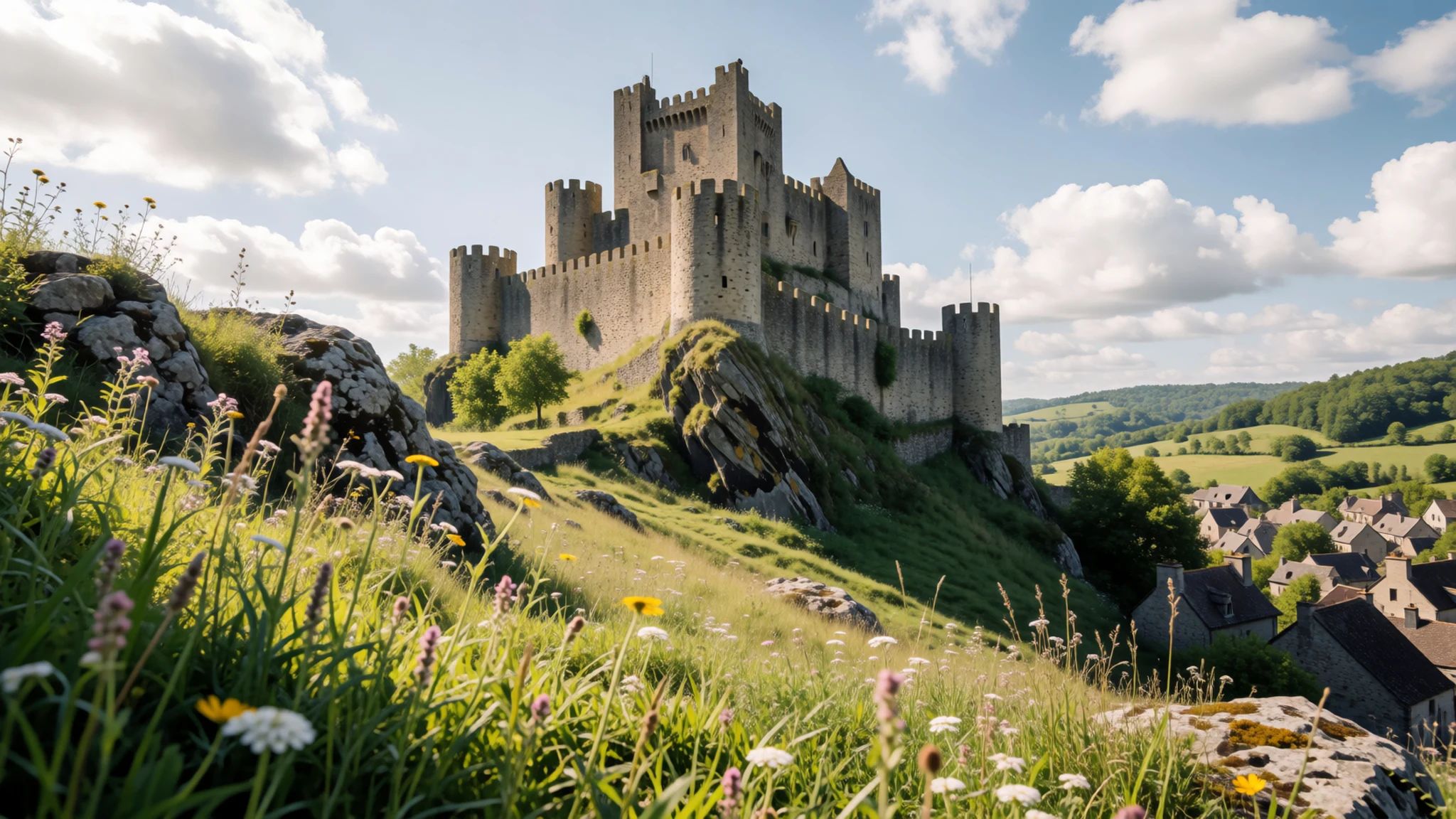
- Monts Cantal — Cantal, southern part of the park
The Monts Cantal rise in the south of the park, with broad ridges, steep glacial valleys and open pasture below rocky crests. Paths from the passes give wide views, and paragliders often launch from the slopes. Mist and wind arrive quickly, so carry layers and check the forecast before setting out.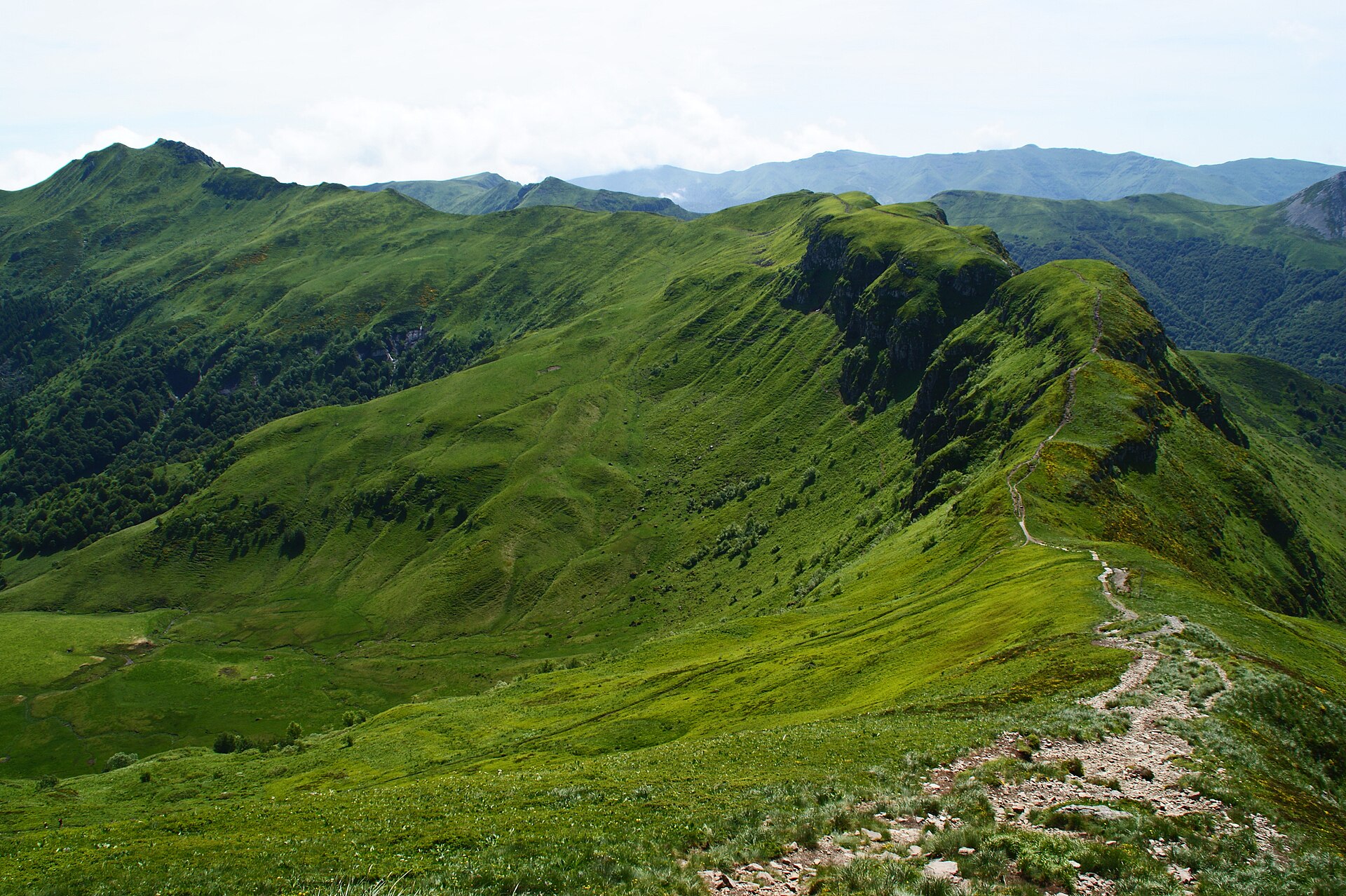
Culture
Parc Naturel Régional des Volcans d'Auvergne is a working countryside, and its culture is rural, practical and proud of local produce. Cattle farming shapes the year: herds go up to summer pastures, cheese is made on farms and in small dairies, and village calendars follow fairs and feast days. Auvergne has its own folk traditions, including the bourrée dance and the cabrette, a local form of bagpipe, and many villages hold summer festivals with music and dancing. The Romanesque churches remain parish churches as well as monuments, so services take place inside them. Industrial heritage matters too, and former miners often guide the mining museums, which makes those visits personal rather than polished. French is the language of daily life, though older residents may remember Auvergnat, a regional language of the Occitan family. Small places keep fixed meal times, so a kitchen can close in mid-afternoon and a village shop can shut at lunch. Walkers meet gates, electric fences and livestock on the pastures, which are working land rather than open common. Keep dogs on a lead near animals, stay on marked paths and leave picnic spots as you found them. Greet people with a bonjour when you enter a shop or farm stall, and close every pasture gate behind you.
What to wear
Parc Naturel Régional des Volcans d'Auvergne has no single costume today, but the old rural dress of Auvergne still appears at festivals. Traditional village wear was practical: wool and linen skirts, shawls and jackets in dark colours, aprons for women, a white lace or linen cap on feast days, and a plain smock or blue work blouse for men, with wooden clogs for mud and stable floors. Folk groups still dress this way for the bourrée and for summer fairs, and bagpipe players add a waistcoat and hat. Day to day, people in the park wear what any French rural community does: jeans, fleeces, quilted or waxed jackets, sturdy boots for farm work, and neat casual clothes for market day and Sunday lunch. In Clermont-Ferrand, dress is more urban and slightly formal, often dark and understated. A visitor should dress for mountain weather. Bring layers, a waterproof shell and a warm hat even in summer, since the tops can be windy and cold. Walking boots or shoes with good grip suit volcanic rock and wet grass, and a sun hat helps on open plateaus. In winter add insulated boots, gloves and gaiters for snow. Churches are active parishes, so cover bare shoulders and remove hats when stepping inside, and knock mud off boots first.
What to eat
- Saint-Nectaire cheese — Farm shops and markets around Saint-Nectaire
A soft, round, washed-rind cheese from the volcanic pastures, mild and earthy with a slightly nutty finish. It is made on farms and in dairies around Saint-Nectaire, and sold at farm shops and village markets, where producers will often let visitors taste before buying.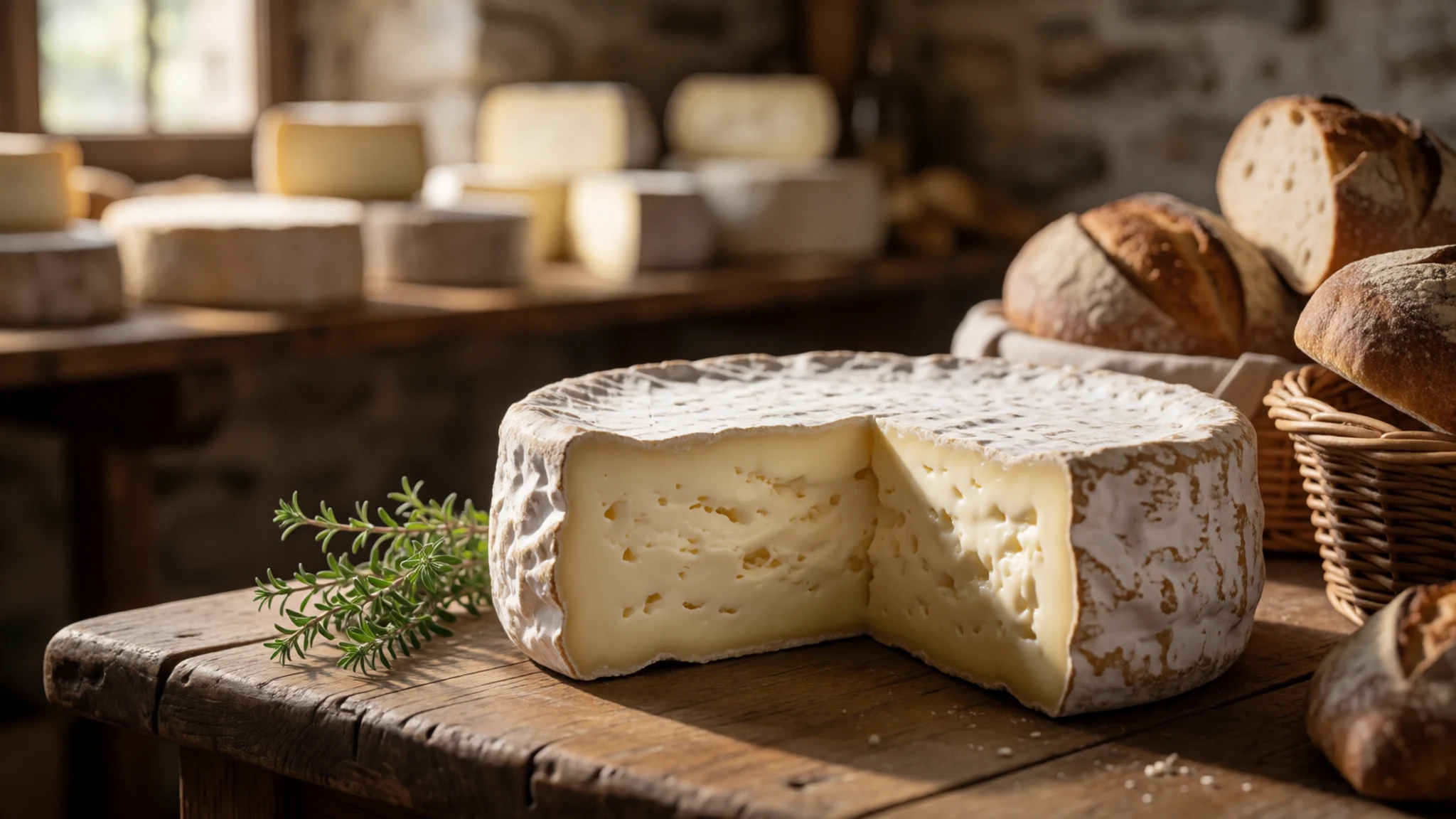
- Cantal — Dairies and weekly markets in the Cantal
A firm, pressed cheese from the Cantal mountains, sold young and mild or aged and sharper. It is eaten at the end of a meal, grated into soups, and used in many local dishes. Look for it at dairies and weekly markets across the southern park.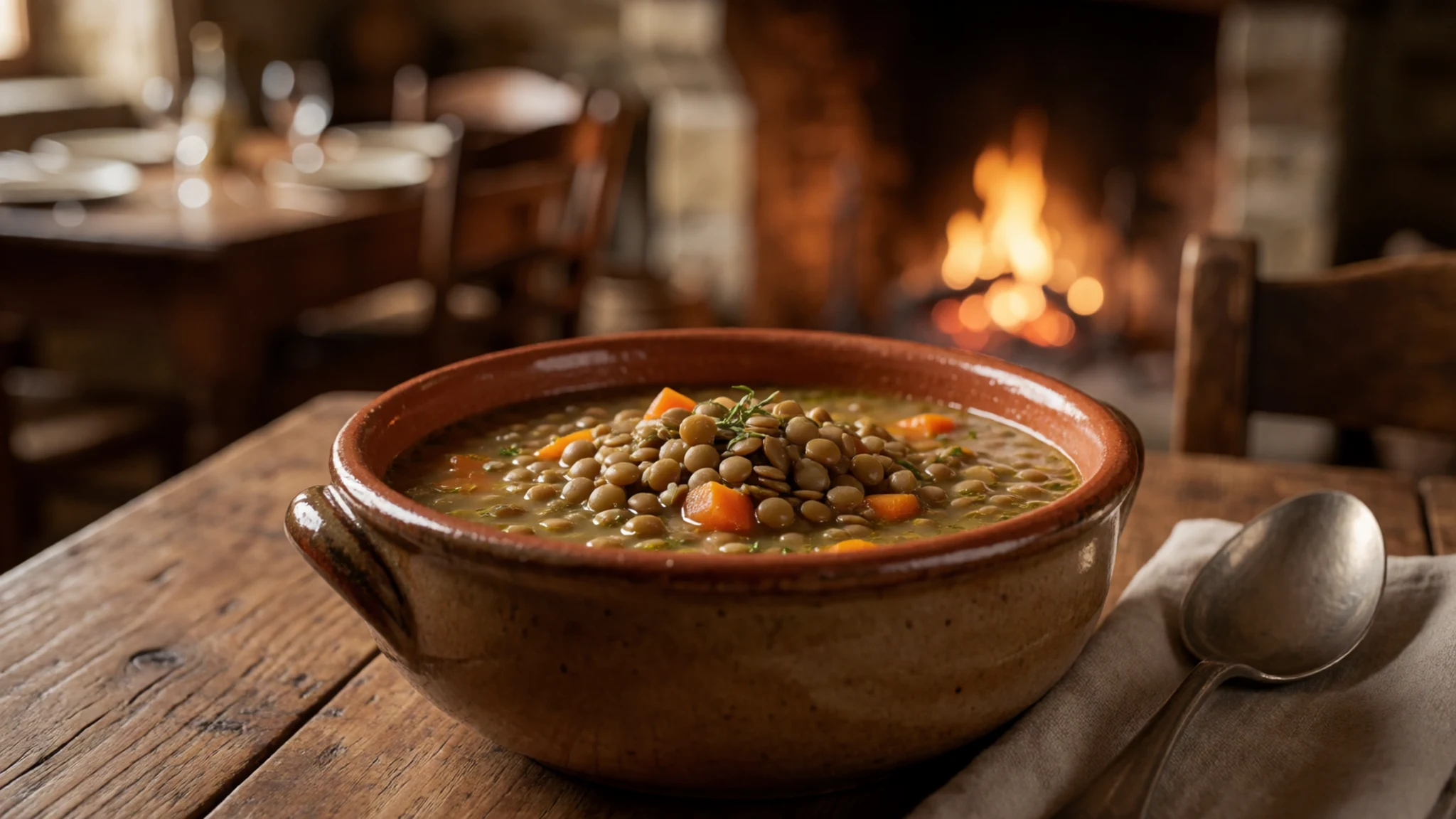
- Truffade — Village inns and farm-style restaurants
A hearty dish of sliced potatoes fried slowly in fat and mixed with fresh young cheese until it turns stringy and golden. It is mountain food, filling after a long walk, and usually served with ham or a green salad. - Aligot — Mountain restaurants and village fairs
Mashed potato beaten with fresh cheese, garlic and cream until it stretches in long ribbons from the ladle. It is often served at the table with sausage, and is a favourite at village festivals and mountain restaurants. - Potée auvergnate — Country restaurants offering a set menu
A slow-cooked pot of cabbage, vegetables and cured pork, served as a warming one-pot meal in cold weather. Recipes vary from family to family. It appears on set menus in country restaurants, especially outside the summer months. - Bleu d'Auvergne — Cheese counters in Clermont-Ferrand and market stalls
A creamy, sharp blue cheese with a damp, crumbly texture, produced in the Auvergne uplands. It is good on bread with walnuts, or crumbled over salad. Buy a wedge at a market or cheese counter for a picnic.
Plan it
Best time. May–June for green pastures and long days, and September–October for clearer air and autumn colour. July and August bring walkers and holidaymakers, while winter brings snow on the higher ground and some quiet villages close.
How long. 3–4
Getting there. Clermont-Ferrand's Aulnat airport has flights from the UK, and trains link the city with Paris, Lyon and the south of France; the A75 motorway runs through the centre of Auvergne. A tram links Aubière, Montferrand and Riom around Clermont. Public transport into the hills is limited, so a hire car is the practical last leg.
Budget. mid
Tips
- Book a car early for summer, since public transport into the hills is thin.
- Start walks in the morning, as weather on the tops can change by early afternoon.
- Carry water and snacks on trails, since villages and shops can be a long way apart.
- Carry some cash and cards for farm stalls and small village shops.
- Check the park website, http://www.parcdesvolcans.fr, for trail news and opening times of sites.
Etiquette
- Say bonjour when you enter a shop, bakery or farm stall.
- Close pasture gates behind you and keep dogs under control near livestock.
- Dress modestly and keep quiet inside churches, especially during services.
Nearby
Sources
- Wikidata Q2138367 (CC0)
- Wikivoyage, Puy-de-Dôme (rev 5431686) (CC BY-SA 4.0)
- Herbythyme, View of Breche de Roland 2, via Wikimedia Commons (CC BY-SA 1.0)
- 07dano29, Auvergne (9), via Wikimedia Commons (CC BY-SA 4.0)
- Pymouss, Aydat – Château de Montlosier 20210809-01, via Wikimedia Commons (CC BY-SA 4.0)
- Pymouss, Aydat – Château de Montlosier 20210809-02, via Wikimedia Commons (CC BY-SA 4.0)
- Ymblanter, Dienne Mountains northwest of the village 1, via Wikimedia Commons (CC BY-SA 4.0)
- Ymblanter, Dienne Mountains northwest of the village 2, via Wikimedia Commons (CC BY-SA 4.0)
- Ymblanter, Dienne Rocher de Laqueuille and a paraglider, via Wikimedia Commons (CC BY-SA 4.0)
- Ymblanter, Dienne View of Puy de Peyre-Arse, via Wikimedia Commons (CC BY-SA 4.0)
- Wikipedia (CC BY-SA 4.0)


