Queenstown
Queenstown, New Zealand
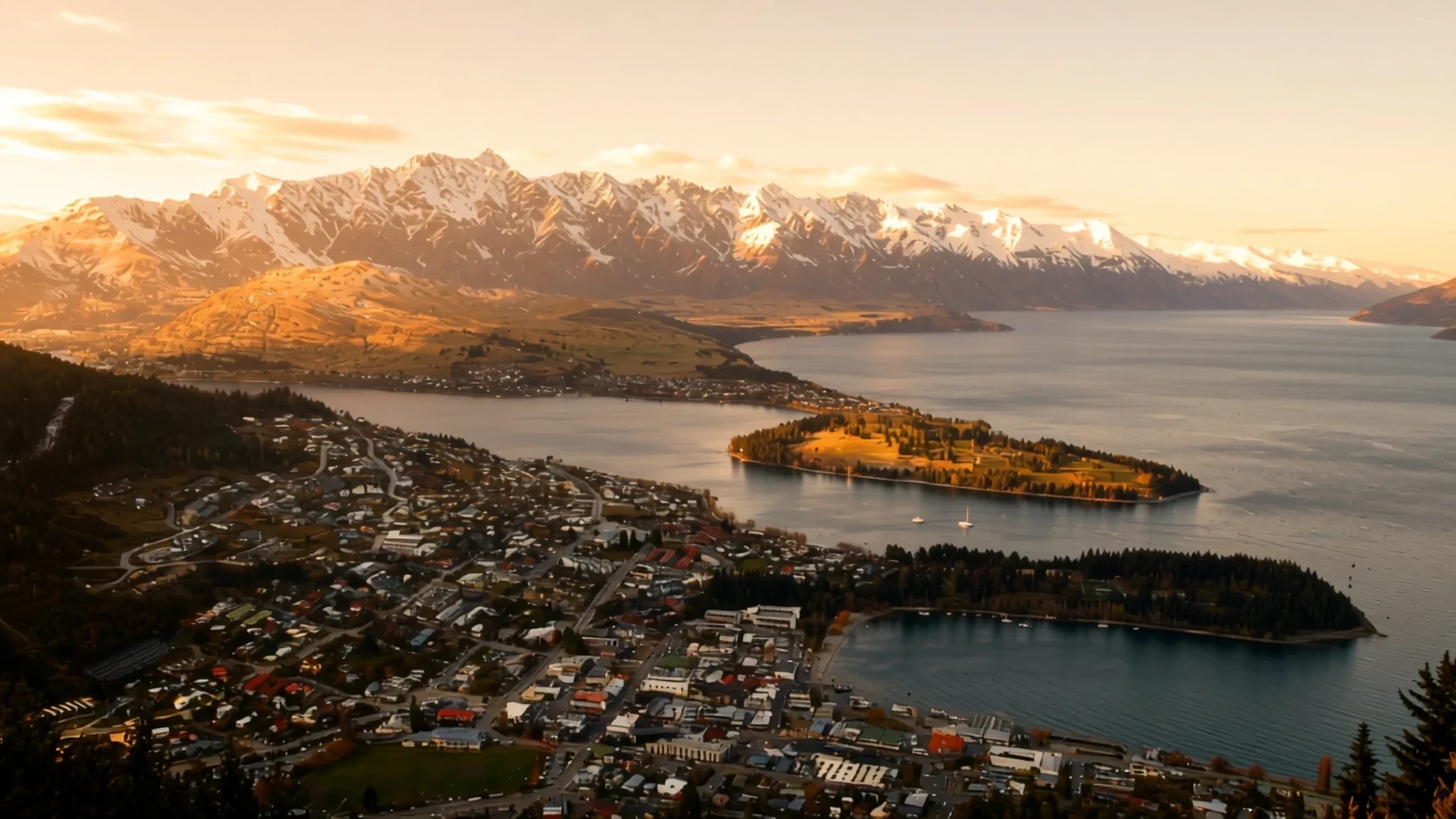
Queenstown offers dramatic alpine landscapes, rich Māori heritage and world-famous adventure sports on the shores of Lake Wakatipu.
The place
Queenstown sits on the northwestern edge of Lake Wakatipu in the south-west of New Zealand's South Island, functioning as the primary administrative centre for the surrounding district. The geographic setting places the community directly along the shore of a long, thin, S-shaped body of water created by glacial action, framed by towering peaks including The Remarkables, Cecil Peak, Walter Peak, Ben Lomond and Queenstown Hill. The local terrain sits above the lake level, bringing visitors close to deep river gorges and nearby agricultural plains suited to viticulture. As the largest settlement in the local authority area, the town extends from its central grid around the Frankton Arm toward Frankton and Kelvin Heights. Lake Wakatipu itself ranks as the third-largest lake in the country by surface area, providing an aquatic expanse that mirrors the changing light of the southern skies throughout the seasons. Glacial processes shaped this topography over millennia, leaving behind steep valley walls and sharp ridges that define every view from the waterfront. Visitors arrive to find a compact urban core surrounded by wilderness, where every street corner frames either the deep blue water or the jagged stone faces of the surrounding ranges.
Its story
Queenstown holds a deep history that begins with early Māori exploration and settlement long before European arrival. According to traditional accounts, the regional lakes were carved by the Waitaha ancestor Rākaihautū using his digging stick, creating the major inland waters of Te Waipounamu. Kāi Tahu whānui travelled through the interior valleys to collect pounamu, leaving behind archaeological evidence of fishing tools and campfires in areas such as Glenorchy, while the Kāti Māmoe tribe occupied a settlement named Te Kirikiri Pa right where the botanical gardens stand today. European exploration started in the nineteenth century when travellers like Nathanael Chalmers crossed the interior, followed closely by pastoralists William Gilbert Rees and Nicholas von Tunzelmann who established sheep runs in the region. The discovery of gold in the surrounding river valleys during the eighteen-sixties transformed the area from a quiet grazing run into an active mining settlement filled with tent camps and prospectors. When the gold rush subsided, the community shifted toward agriculture, forestry and eventually tourism, capitalising on the staggering alpine scenery that draws travellers from every corner of the globe today.
What to see
- Skyline Gondola — Bob's Peak
Rising from the town boundary up the slopes of Bob's Peak, this cableway carries visitors to an elevated viewing platform. The cabins offer sweeping panoramas across the entire lake basin, looking directly toward Coronet Peak, the jagged ridges of The Remarkables, and the distant peaks of Cecil and Walter Peaks.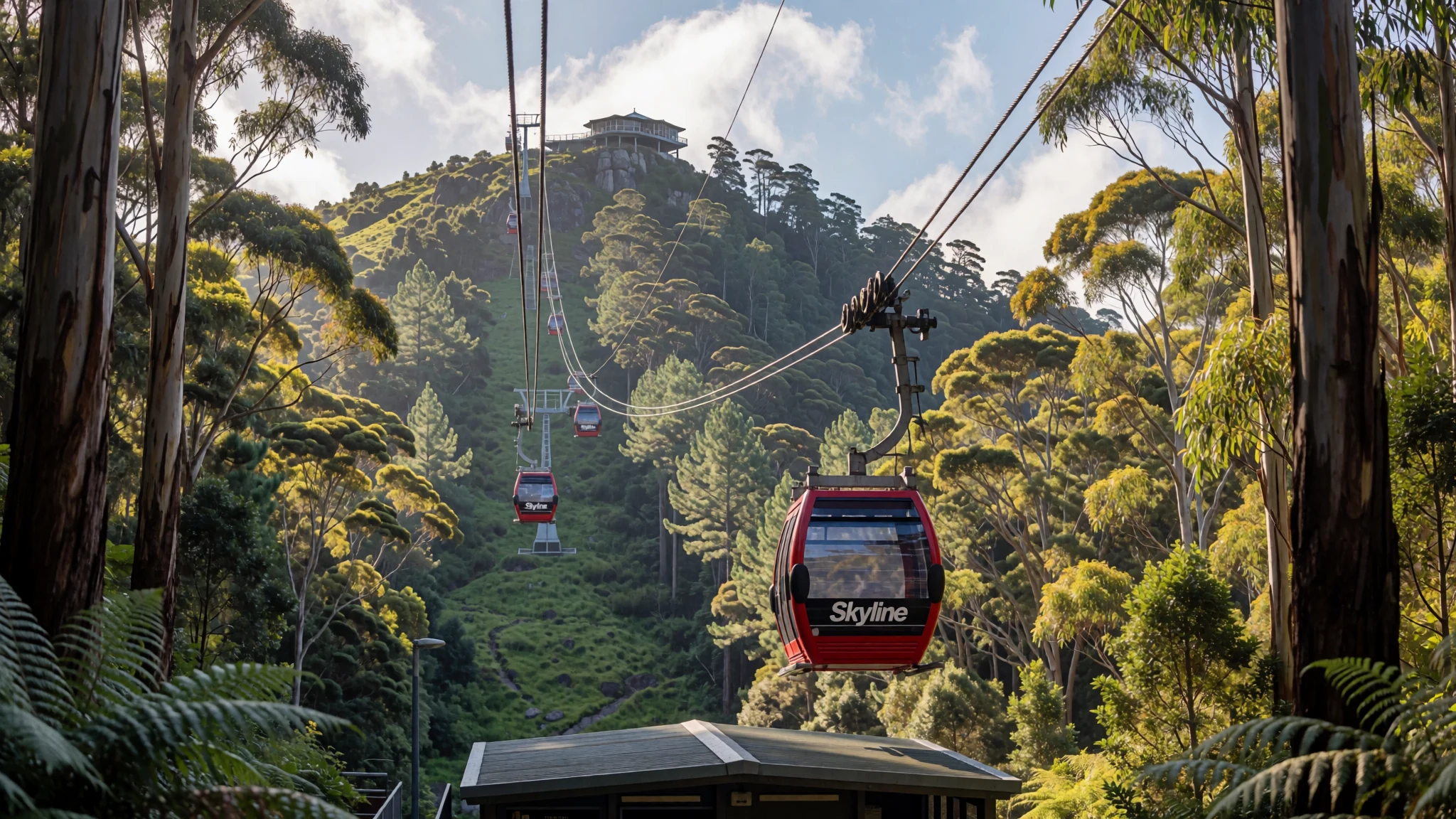
- Queenstown Gardens — Peninsula waterfront
Located on a peninsula that juts straight out into the blue waters of Lake Wakatipu, these quiet botanical grounds offer a peaceful retreat from the busy commercial centre. Walking paths wind beneath towering exotic conifers and native trees, passing open lawns, a duck pond and dedicated spaces for recreation.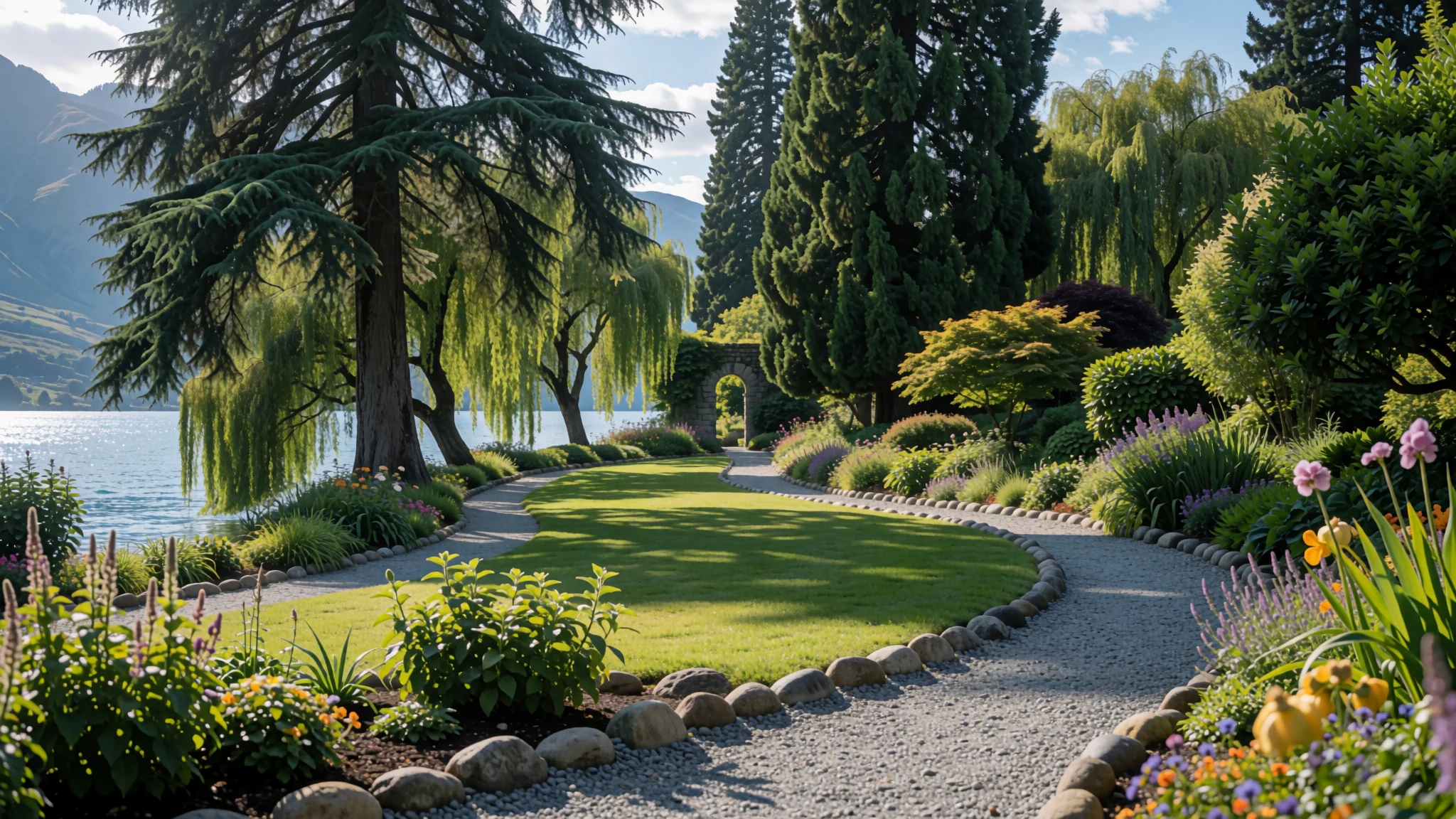
- Kawarau Bridge Bungy — Kawarau Gorge
Positioned above the deep waters of the Kawarau Gorge, this historic suspension bridge marks the birthplace of commercial bungy jumping. Visitors come here to watch brave souls take a controlled plunge toward the turquoise river below, or to strap in for the historic jump themselves from the wooden span.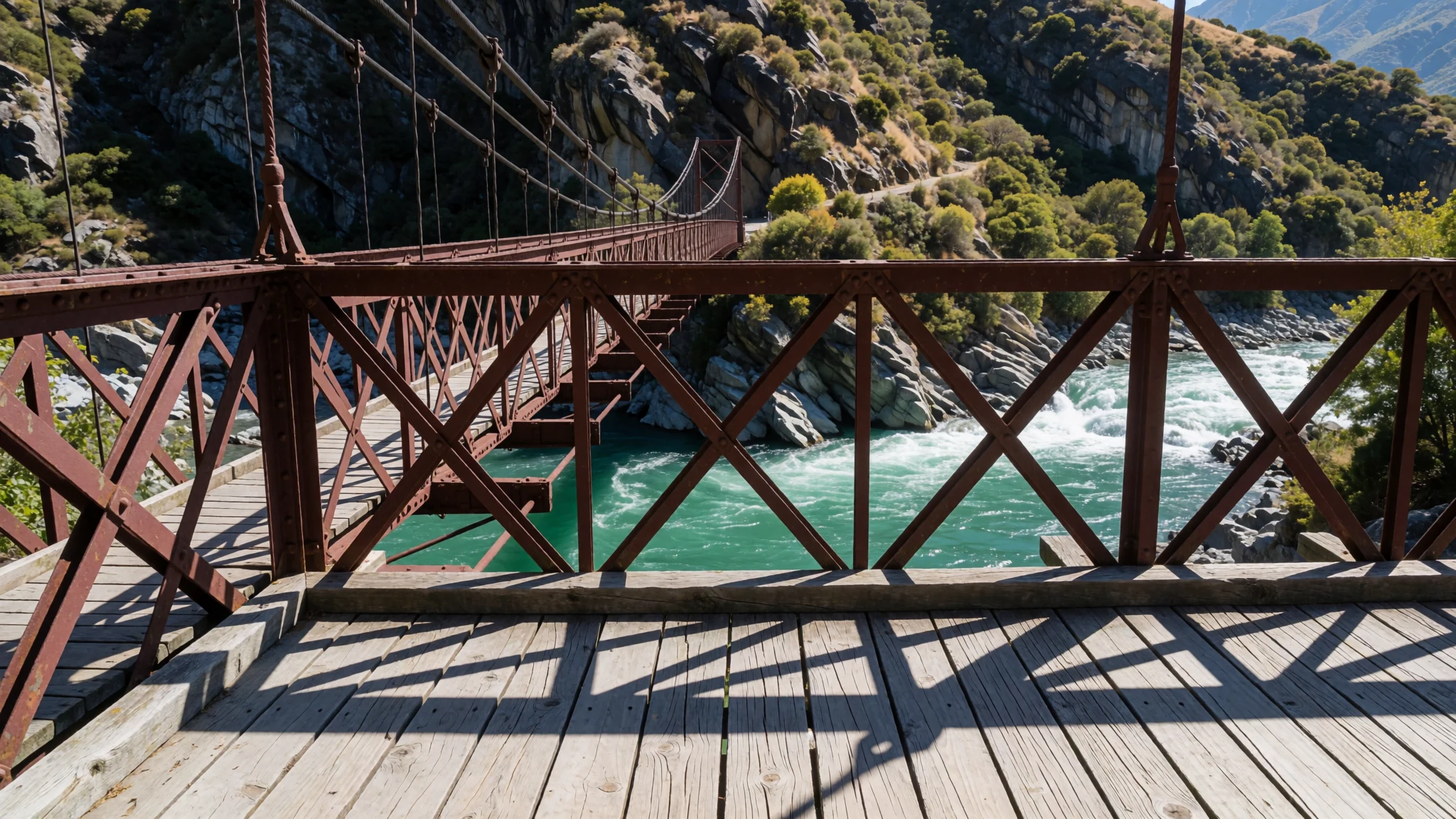
- Kiwi Park Queenstown — Burbank street edge
Set among native bushland close to the town centre, this dedicated wildlife sanctuary gives visitors a rare chance to observe endangered native birds up close. Conservation programmes here focus on protecting local species through breeding initiatives, educational talks and specially designed nocturnal enclosures for rare ground birds.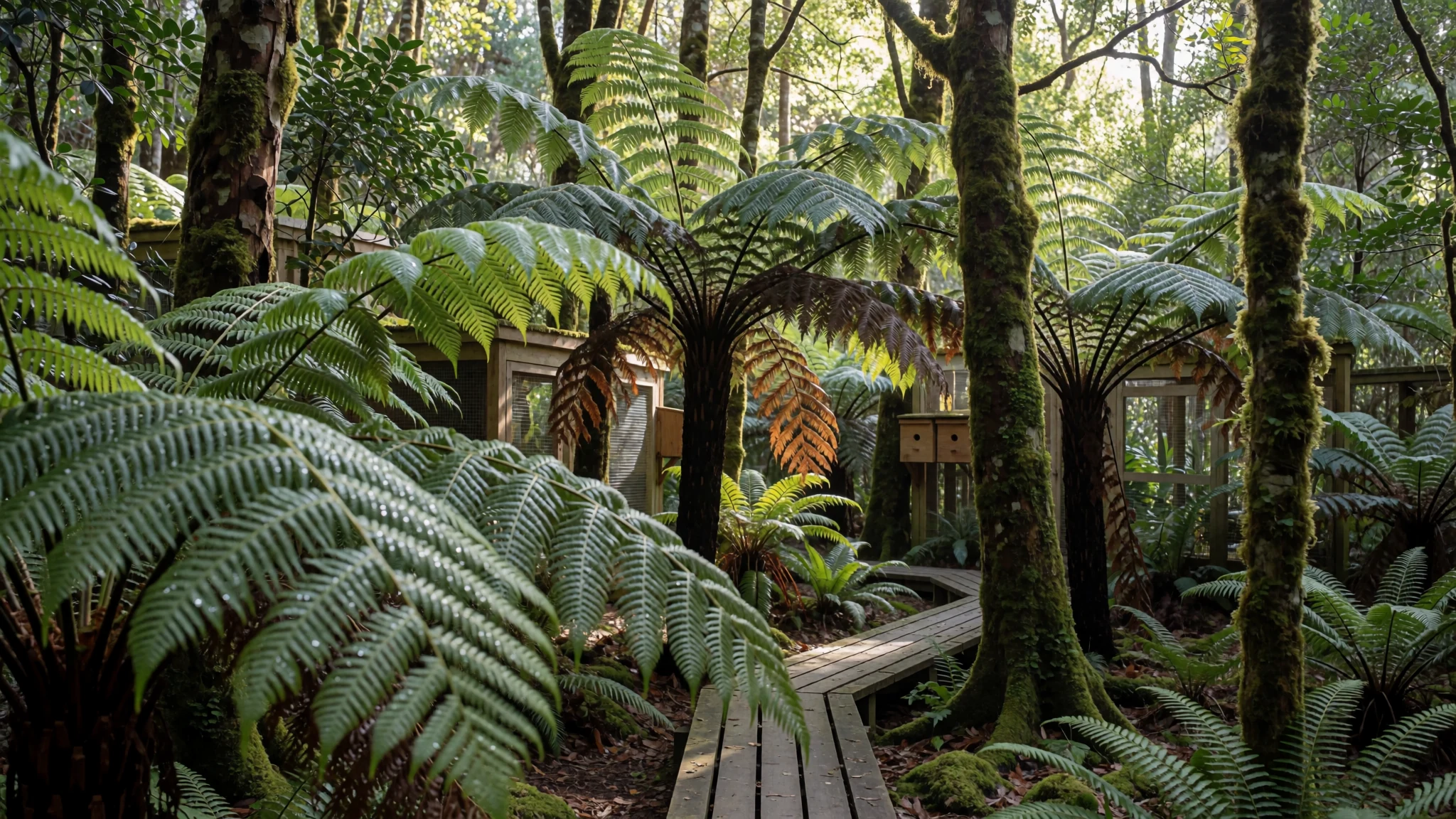
- Queenstown Arts Centre — Central precinct
Situated near the heart of the community, this creative hub hosts rotating exhibitions featuring works by regional painters, sculptors and craftspeople. Working artist studios occupy the building, allowing visitors to view ongoing projects, discuss techniques directly with local creators, and purchase original artworks.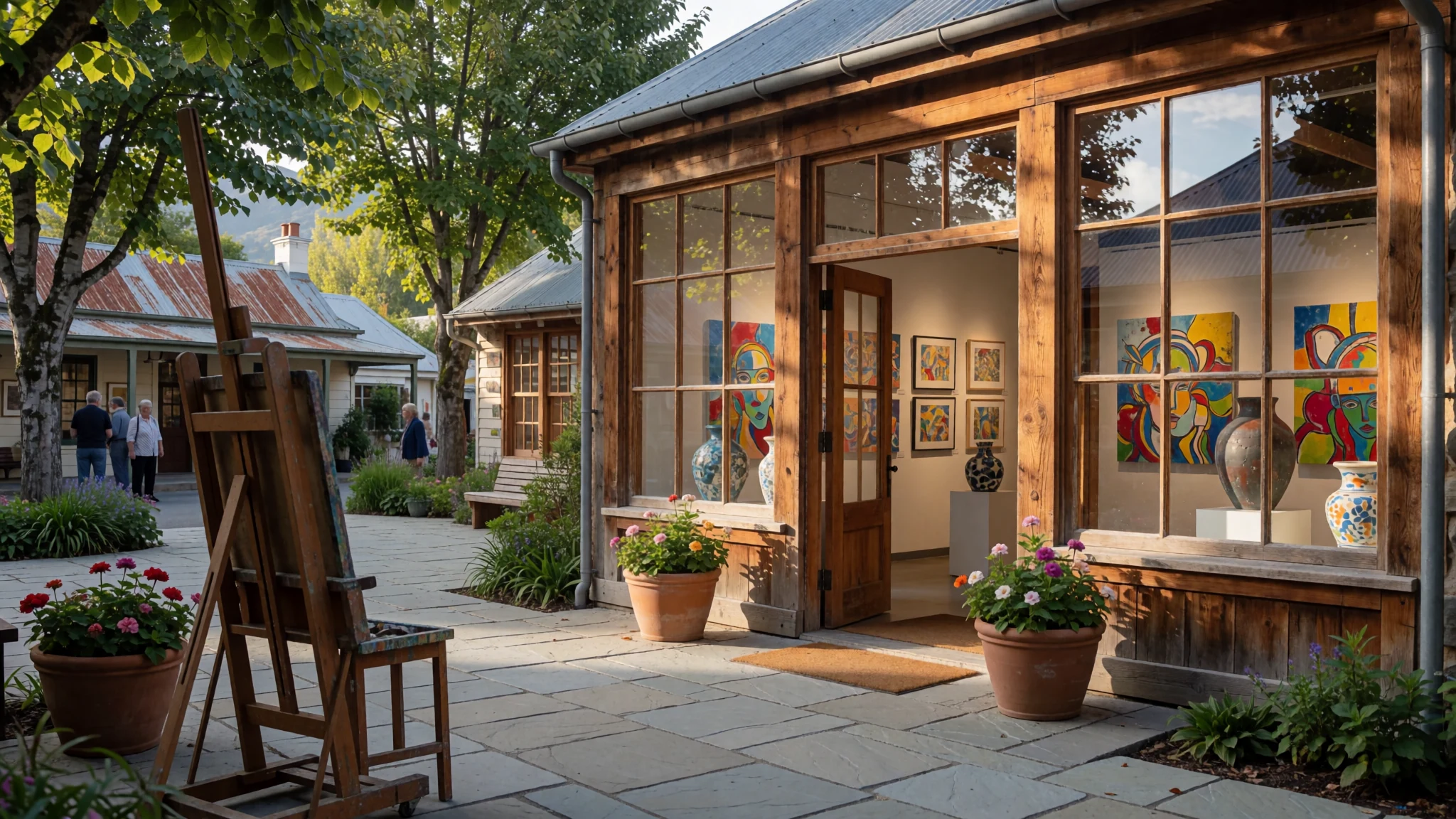
Culture
Queenstown operates as a vibrant cultural crossroads, blending indigenous Māori heritage with a cosmopolitan community of international outdoor enthusiasts, hospitality workers and creative artists. Throughout the calendar year, the town hosts a diverse array of community events, ranging from the multi-day winter celebration in June and the spring jazz festival in October to the winter pride gathering which draws crowds from across the Southern Hemisphere. The striking local landscapes have also served as a backdrop for numerous international film and television productions, including major dramatic series and fantasy trilogies that used the surrounding valleys and lakeshores for on-location shooting. This influx of global attention has created an atmosphere that balances small-town hospitality with a fast-paced, adventure-oriented lifestyle. Residents and seasonal workers share a deep respect for the natural environment, working to protect the delicate alpine ecosystems and waterways that sustain the regional economy. When visiting local marae or cultural sites, always follow protocol by waiting for a formal welcome before entering meeting houses.
What to wear
Queenstown fashion is defined entirely by practical alpine utility and active outdoor living rather than formal corporate dress codes. Traditional woollen garments, including merino jumpers and heavy cardigans crafted from regional fleece, remain staples for coping with sudden mountain temperature drops. Locals and long-term residents wear durable outdoor gear year-round, favouring waterproof shell jackets, sturdy hiking boots, thermal base layers and fleece fleeces that transition easily from lakeside walks to mountain trails. Visitors should pack in layers, prioritising windproof and waterproof outerwear, comfortable walking shoes with good grip for uneven terrain, and sunglasses to combat the intense southern ultraviolet light. While casual wear is accepted at almost every restaurant and café in town, bringing one smarter outfit for fine dining establishments is recommended. Smart layering remains the golden rule of local dressing, as bright sunshine can turn into crisp alpine wind in a matter of minutes across the lake basin.
What to eat
- The Famous Local Burgers — Central waterfront street
Found at legendary queues along the central commercial strip, these oversized gourmet burgers draw lines of hungry diners throughout the day and late into the night.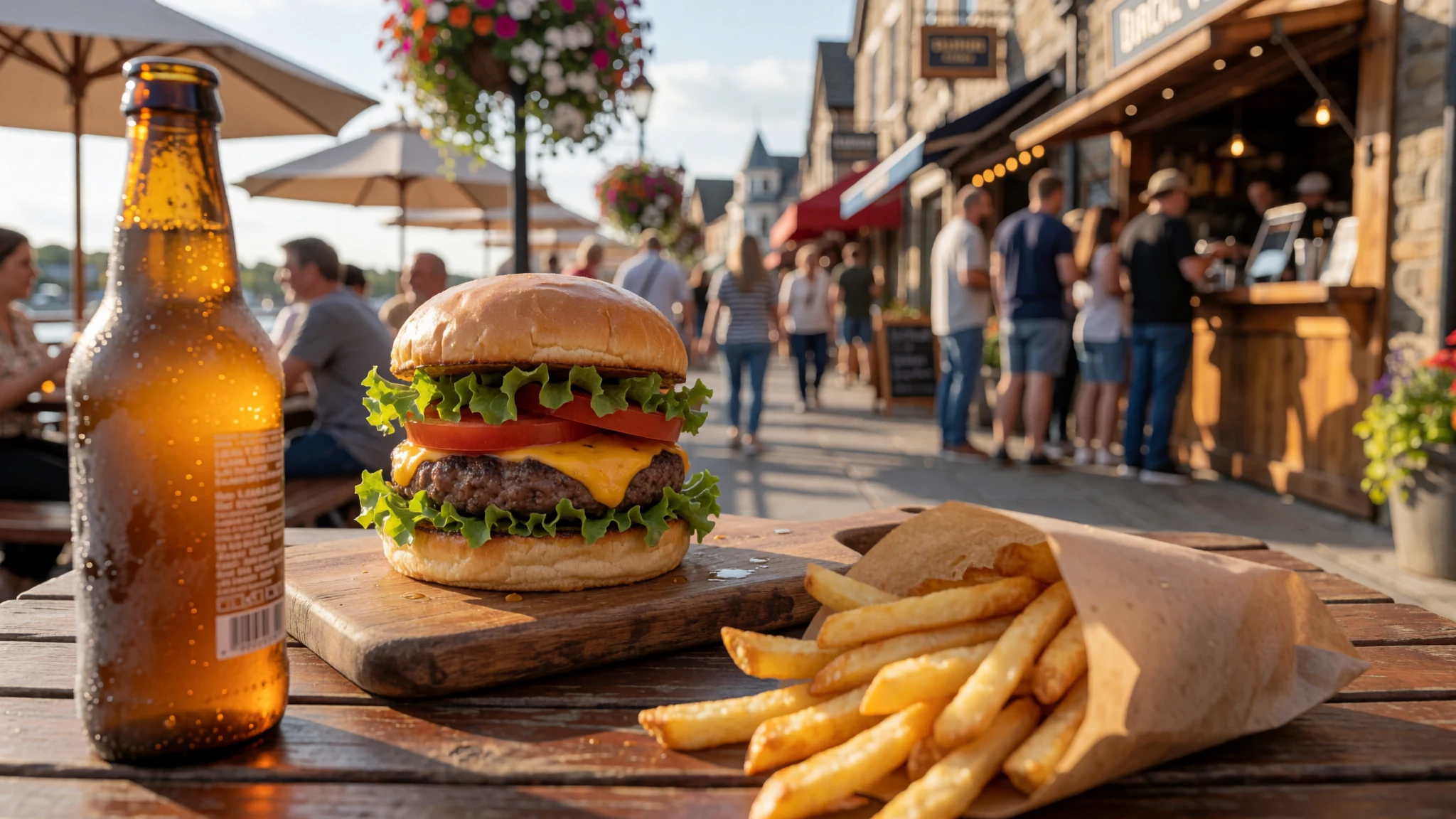
- Central Otago Pinot Noir — Local wine bars and restaurants
Produced in nearby hillside vineyards across the regional plains, this cool-climate red wine features in wine lists and cellars throughout the hospitality district.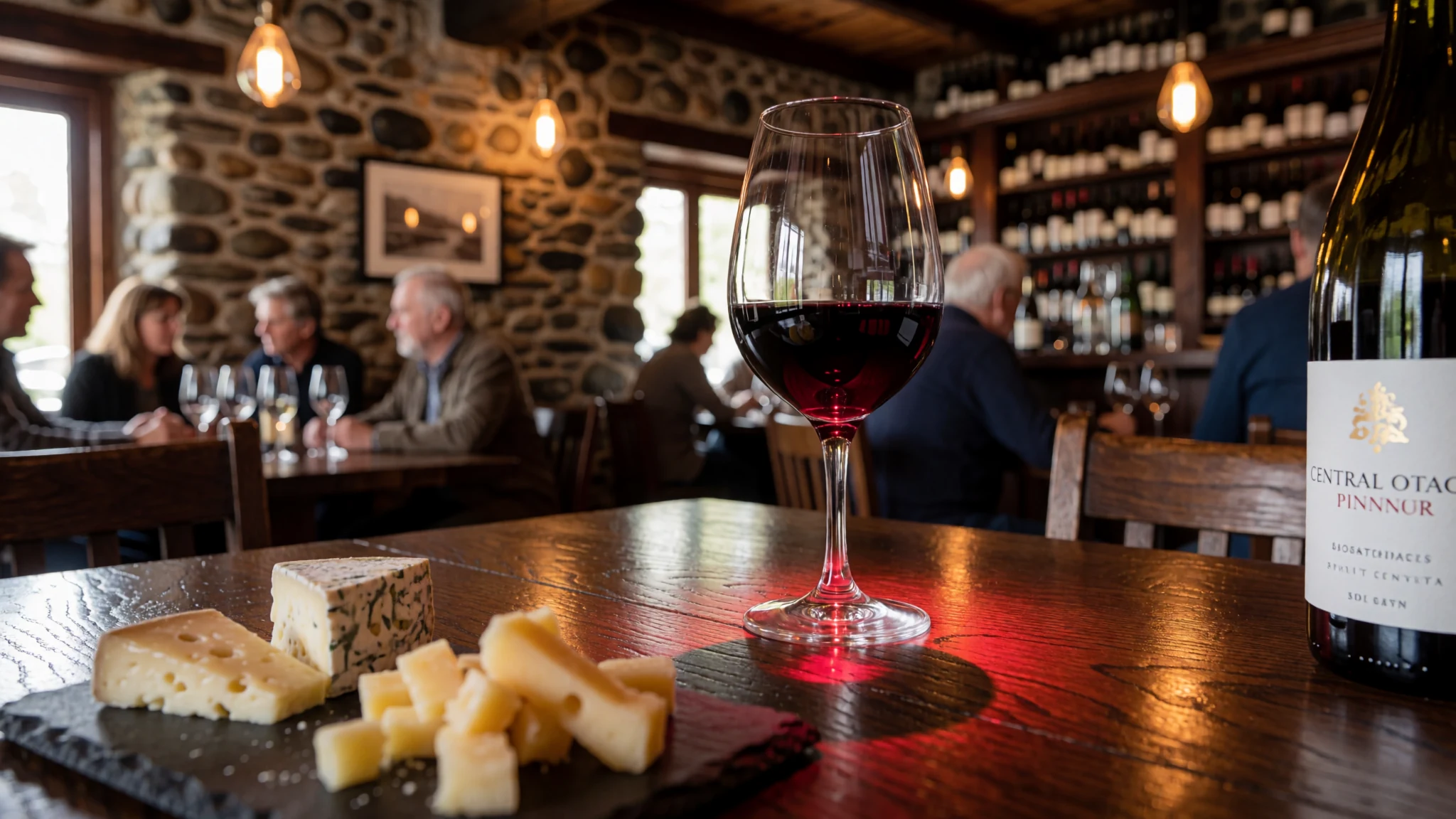
- Canterbury Lamb — Upscale dining venues
Sourced from nearby agricultural pastures, tender roast and grilled cuts of regional lamb appear on menus across the township's fine dining establishments.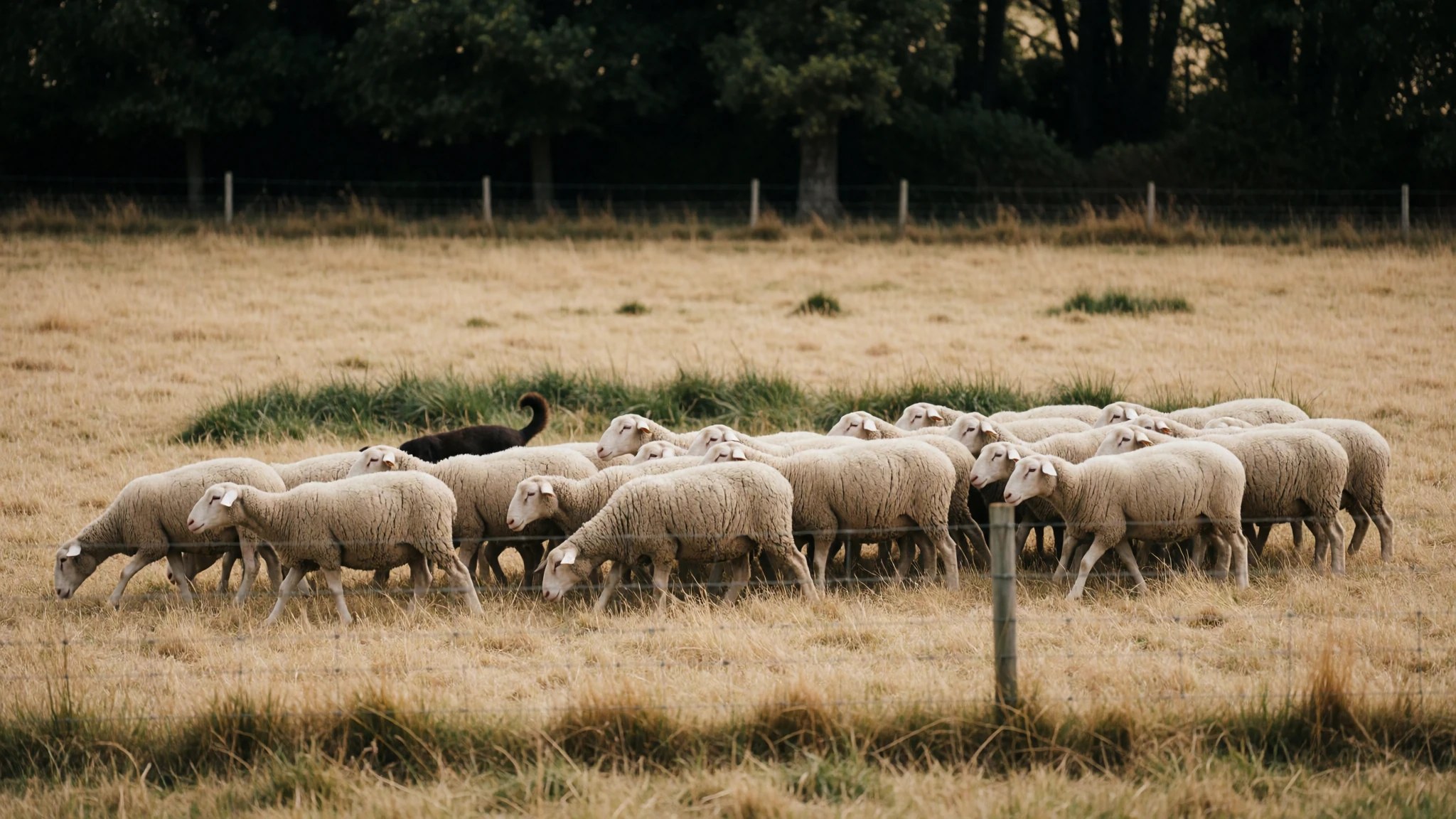
- New Zealand Fish and Chips — Lakefront takeaway shops
Wrapped in paper for takeaway dining by the water, crisp battered local fish and thick-cut chips offer a classic meal after a long day outdoors. - Artisan Woodfired Pizzas — Downtown dining alleyways
Baked in traditional stone ovens across casual neighbourhood pizzerias, these hearty pies combine regional cheeses with fresh local toppings for hungry groups.
Plan it
Best time. December to February for warm summer hiking weather, or June to September for winter snow sports and alpine views.
How long. 3–4
Getting there. Fly into Queenstown Airport through its dramatic mountain-surrounded approach, then take the local Orbus service directly into the town centre.
Budget. mid
Tips
- Book dinner reservations well in advance during peak holiday seasons
- Use local bus cards to save money on public transport fares
- Carry cash or cards for small market purchases and activities
- Pack warm layers even in summer due to fast-changing alpine weather
Etiquette
- Always wait for a formal welcome before entering sacred Māori meeting places
- Respect local conservation trails by packing out all rubbish
Nearby
Sources
- Wikidata Q613602 (CC0)
- Wikipedia (rev 1379694931) (CC BY-SA 4.0)
- Wikivoyage (rev 5386269) (CC BY-SA 4.0)
- Photo 1 (CC BY 2.5)
- Photo 2 (CC0 1.0)
- Photo 3 (CC BY 2.5)
- Photo 4 (CC BY 3.0)


