Tongariro National Park
Tongariro National Park, New Zealand
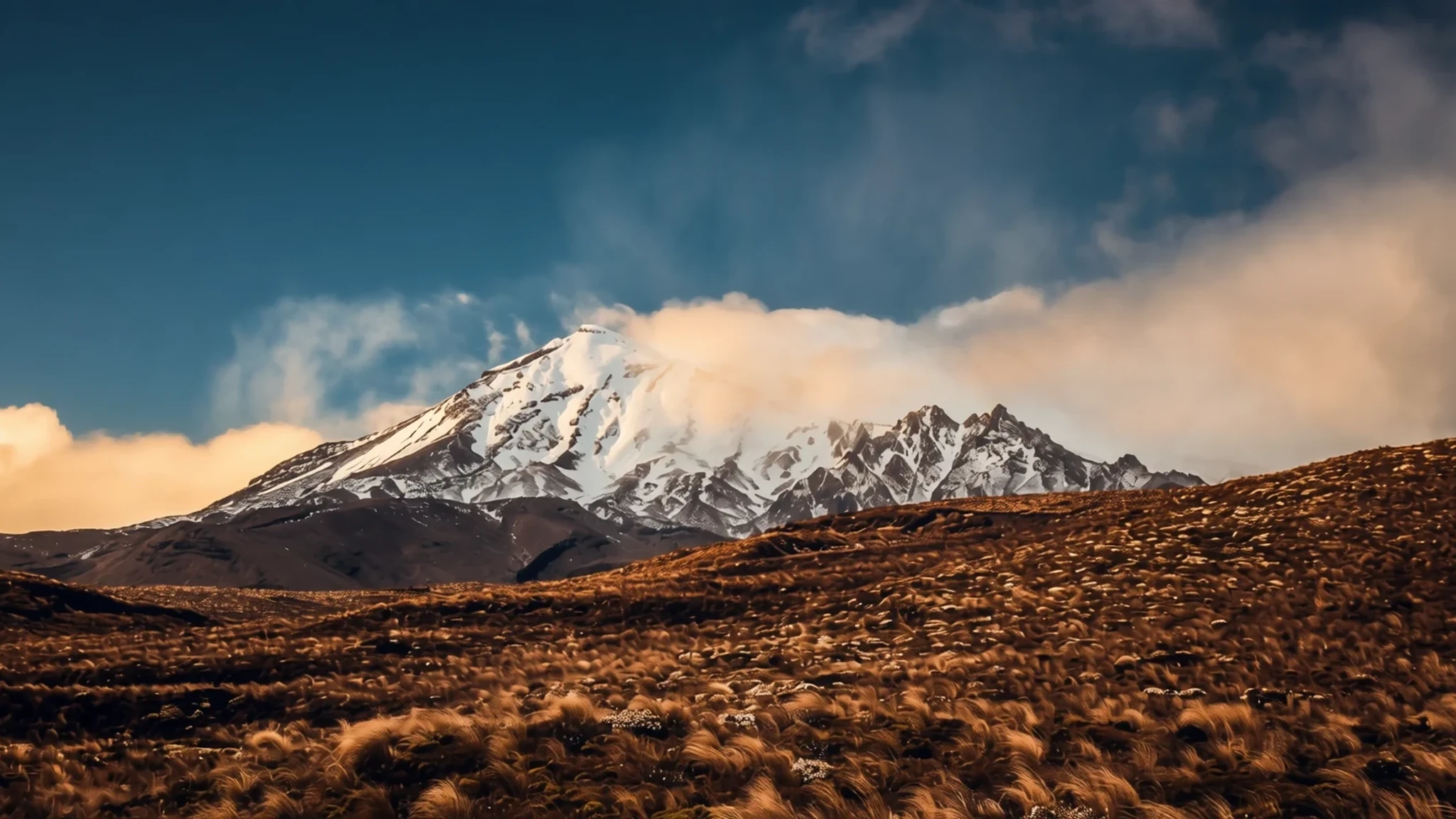
Tongariro National Park offers dramatic volcanic terrain, sacred Māori summits, and alpine treks across the rugged heart of the central North Island.
The place
Tongariro National Park occupies a dramatic volcanic plateau in the middle of New Zealand's North Island, distinguished by sweeping tussock shrubland, ancient beech forests, and towering alpine ridges. Established in the late nineteenth century, it holds the status of the oldest national park in the country and stands among the earliest protected conservation areas created globally. UNESCO recognises the region as a mixed World Heritage Site, acknowledging both its exceptional geological evolution and its profound spiritual significance to indigenous communities. Three massive, active volcanic cones—Mount Ruapehu, Mount Ngauruhoe, and Mount Tongariro—dominate the horizon, shaping the weather systems and the stark, mineral-rich terrain below. Meltwater streams carve through volcanic rock, while alpine plants adapt to harsh winds and dramatic temperature swings across the high elevations. Surrounding rural settlements and highway links provide access to this sweeping landscape, where visitors encounter both active geothermal features and quiet, sheltered valleys. The park functions as a major hub for outdoor pursuits, drawing walkers, climbers, and naturalists to its network of tracks that wind across ancient lava flows and volcanic ash fields. Weather conditions shift rapidly across the ridges, turning calm sunny mornings into cold, gale-swept afternoons with little natural shelter, requiring careful preparation from anyone venturing onto the exposed slopes and high volcanic plateaus.
Its story
Māori oral tradition records that the ancestor Ngātoro-i-rangi climbed the towering volcanoes generations ago, naming geographic features and establishing ancestral ties to the land that endure to this day. Subsequent generations explored the steaming craters and glacial valleys, naming alpine tarns after chiefs and explorers whose legacies remain embedded in the local geography. European exploration of the high summits began when early climbers ascended the steep slopes, often against the wishes of local leaders who regarded the peaks as deeply sacred. To protect the mountains from fragmentation and European settlement, paramount chief Horonuku Te Heuheu Tūkino IV transferred ownership of the volcanic peaks to the Crown in the late nineteenth century, creating a protected reserve intended to honour the mana of the land and its traditional guardians. Throughout the twentieth century, administrators shaped the park's boundaries and infrastructure, constructing mountain huts, access roads, and ski fields along the lower flanks of the active volcanoes. Botanical introductions, including heather brought from overseas to mimic northern moorlands, inadvertently created ecological challenges that conservationists continue to manage today. The mountains remain active geological entities, occasionally reminding visitors of their subterranean power through ash eruptions and shifting crater lakes, while the cultural landscape endures through tribal stewardship and ongoing respect for the tapu status of the high summits.
What to see
- Tongariro Alpine Crossing — Mount Tongariro volcanic zone
Traversing a dramatic volcanic landscape past active craters, dark lava flows, and intensely coloured emerald lakes, this route winds across high alpine terrain with steep ascents and expansive views across the central plateau.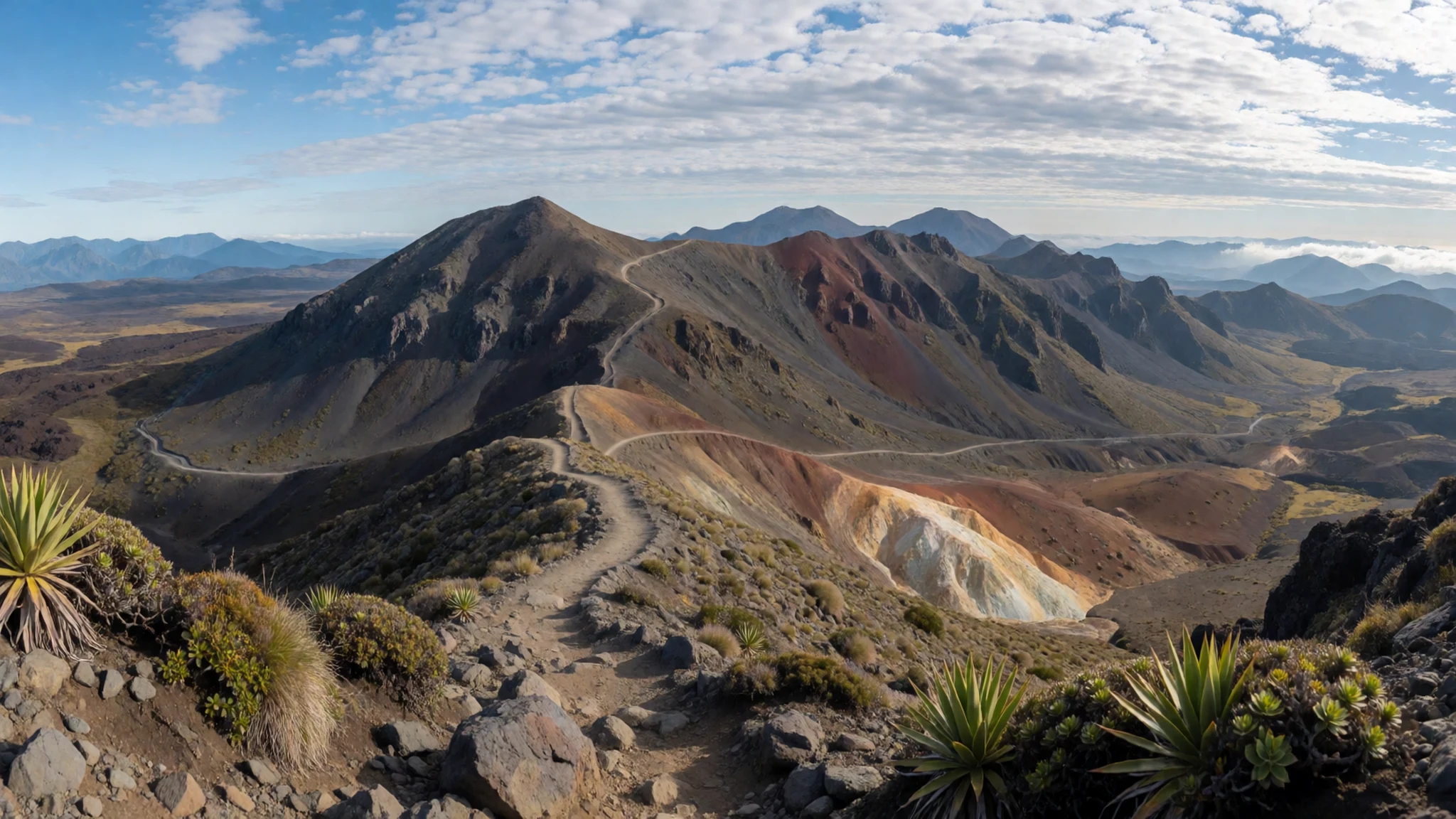
- Mount Ruapehu Slopes and Craters — Southern sector of the park
The sweeping volcanic flanks of the highest mountain in the park support extensive alpine terrain, winter ski operations, and rugged summer trails leading toward the edge of the active summit crater and its steaming lake.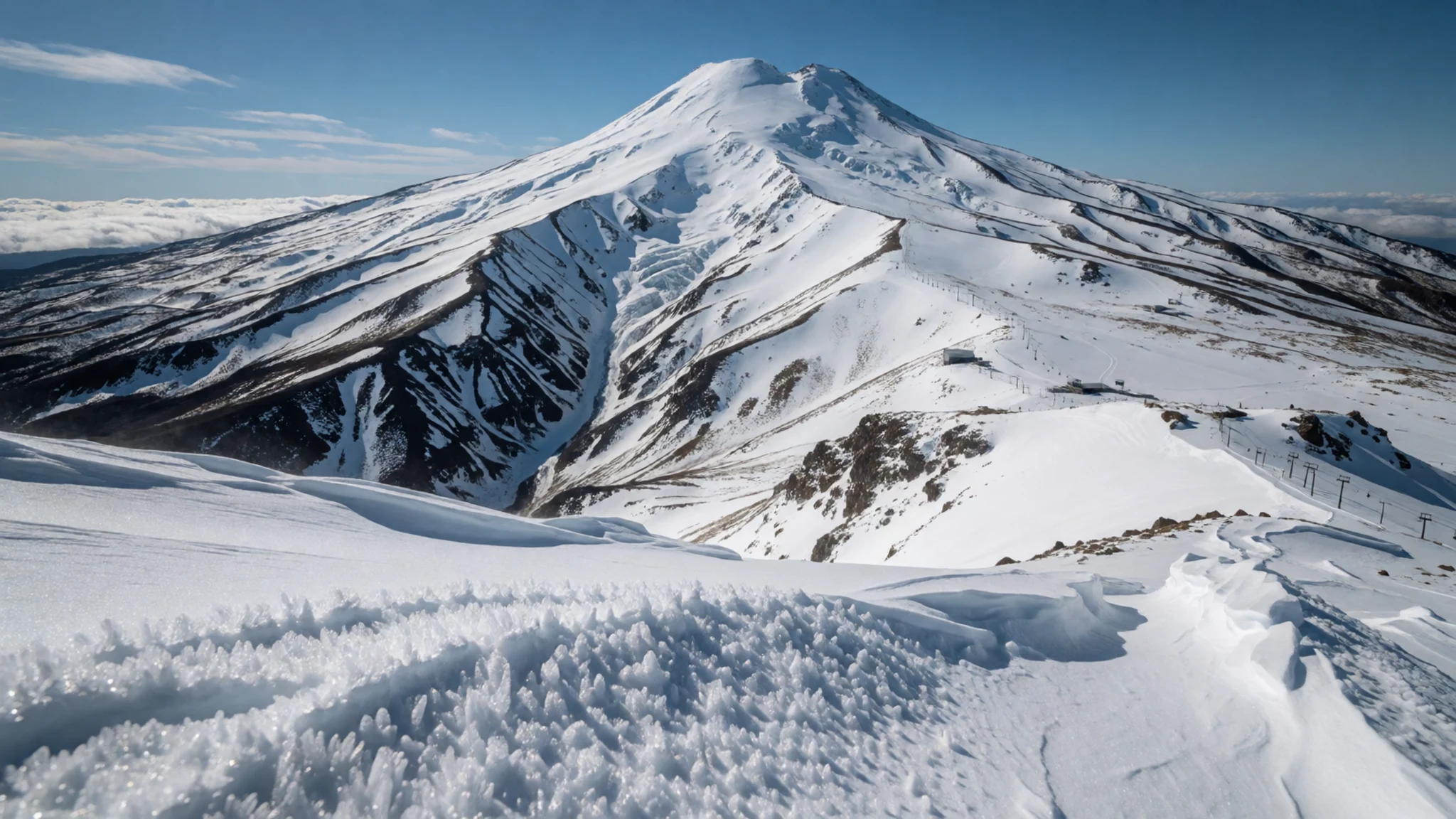
- Tawhai Falls — Whakapapa region
A short, accessible walking track leads through native beech forest down to a picturesque waterfall tumbling over a historic lava flow ledge, where dark volcanic rock frames the rushing waters of the stream.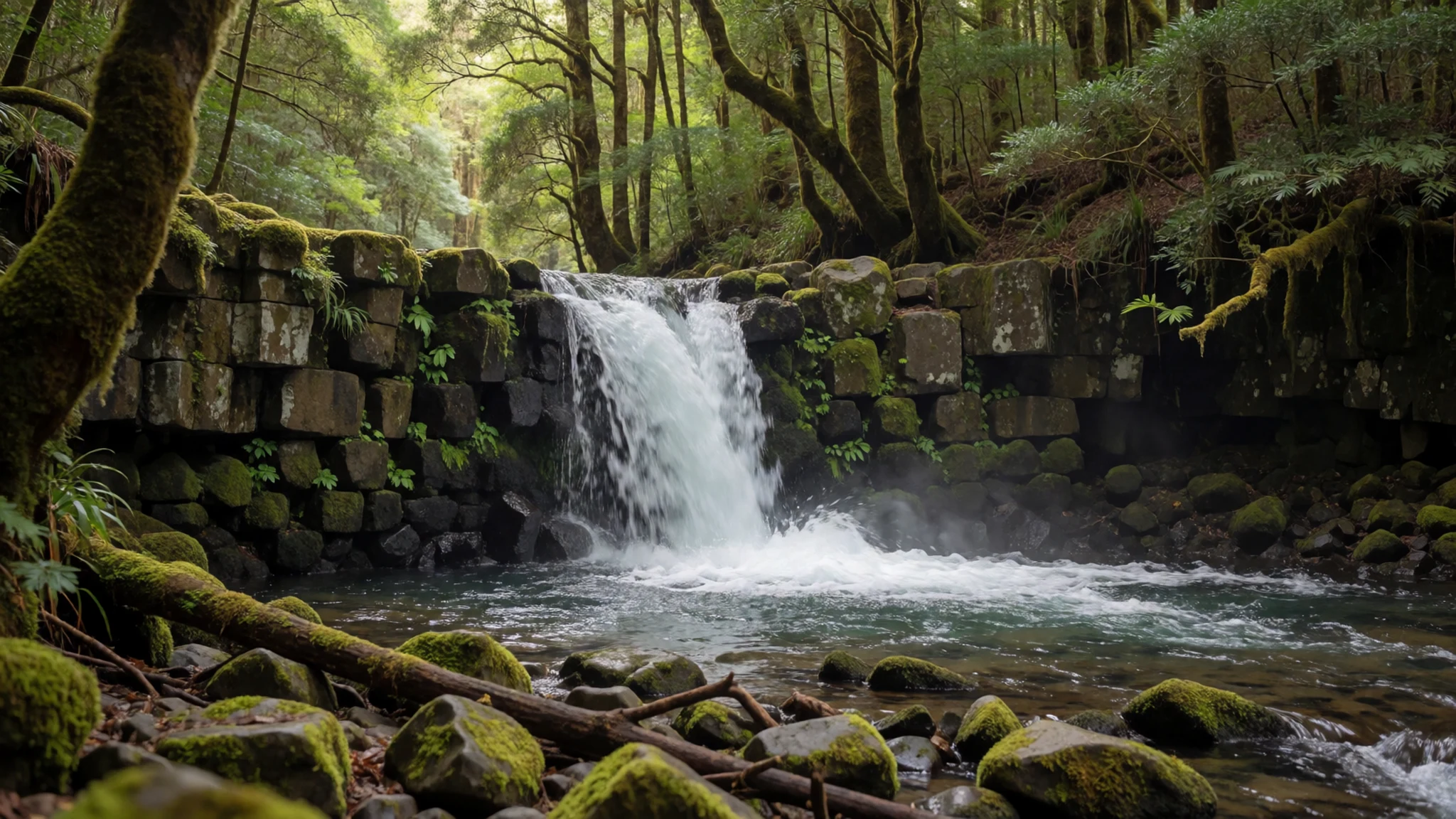
- Whakapapa Village — Northern base of Mount Ruapehu
Positioned on the lower northern slopes of the central massif, this alpine settlement serves as the main park base, featuring visitor information facilities, heritage displays, and trailheads for numerous short walks.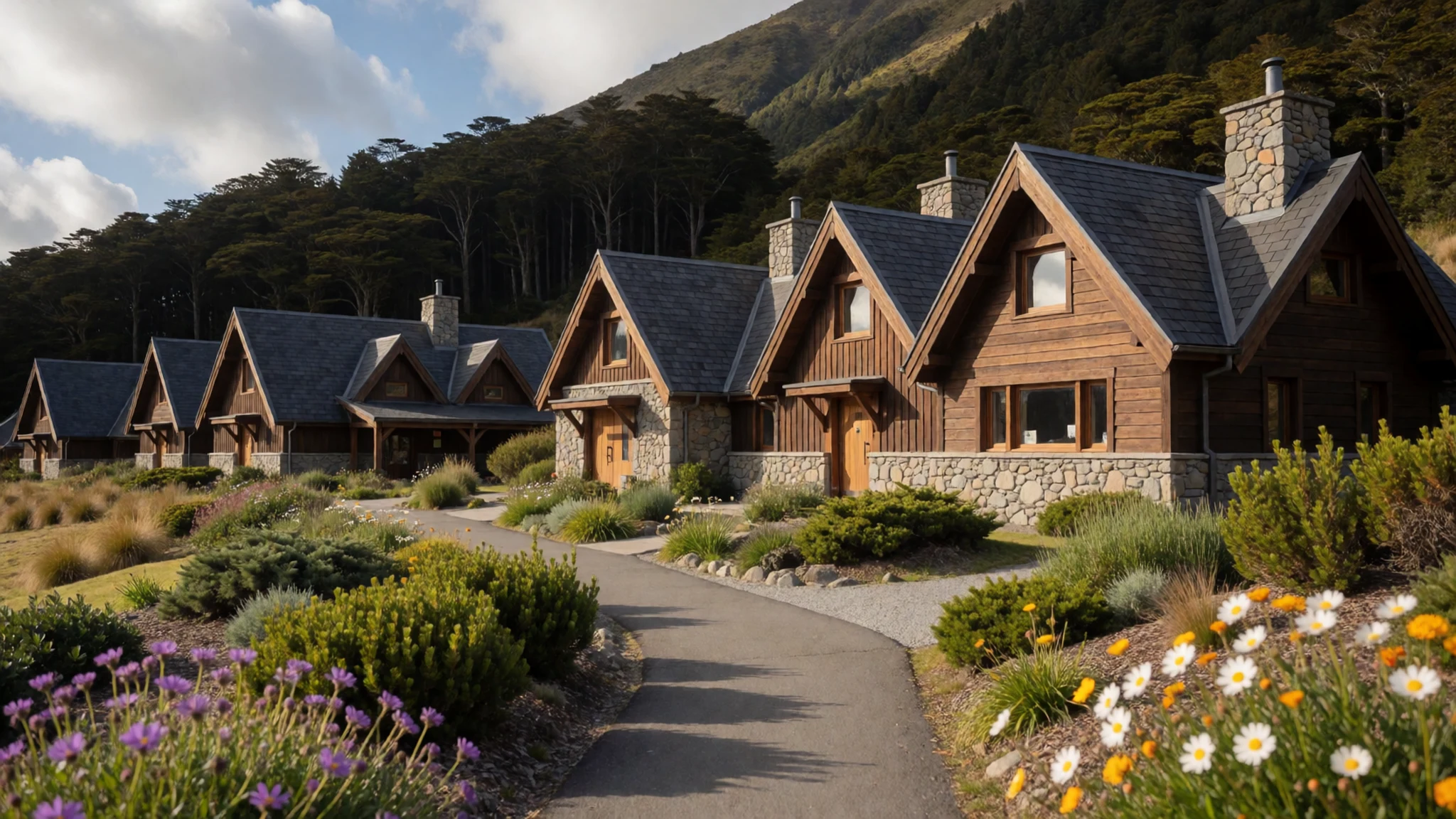
Culture
The cultural fabric of Tongariro National Park is anchored by Ngāti Tūwharetoa, whose tribal traditions view the peaks as living ancestors and sacred guardians. For generations, traditional protocols have governed human interaction with the mountains, protecting their spiritual integrity from inappropriate use. Many summits are tapu, meaning visitors must respect restrictions against climbing specific sacred peaks or disturbing natural features. European settlers integrated conservation ideals with indigenous stewardship when the land was gifted to the nation, creating a unique cross-cultural management framework. Modern communities around the park boundaries maintain close ties to the region through forestry, guiding, and artistic expression inspired by the stark volcanic landscapes. Visitors engaging with the area are encouraged to learn about tribal histories and heed conservation guidelines designed to protect both the fragile alpine flora and the deep cultural heritage of the mountains. Always remain on marked walking tracks and avoid stepping onto the highest summits out of respect for local Māori tapu.
What to wear
Traditional Māori garments crafted from flax fibre and adorned with feathers reflected both social status and practical adaptation to the cooler climate of the central plateau. Contemporary residents and local workers dress in durable outdoor clothing suited to rural mountain life, favouring layered fleeces, waterproof shells, and sturdy footwear. Visitors exploring the park must prepare for extreme shifts in weather by packing technical gear regardless of the season. Essential attire includes windproof and waterproof jackets, thermal base layers, durable hiking boots with good grip, woolen socks, gloves, and a warm hat. Bright sun protection such as UV-blocking sunglasses and high-factor sunscreen is crucial due to the intense ultraviolet exposure at higher altitudes, while cotton garments should be avoided because they retain moisture and chill rapidly when wet.
What to eat
- Central Plateau Lamb and Venison — Local eateries in National Park Village and Ohakune
Locally farmed meats raised on high-altitude pastures, featured in hearty stews and roasted dishes served in village cafes and mountain lodges across the region. - Freshwater Trout — Cafes and restaurants around Turangi
Freshly caught trout from nearby rivers and streams, prepared pan-fried or smoked by regional cooks following traditional methods popular throughout the central North Island. - Pies and Coffee — Bakeries and roadside cafes throughout the park boundary towns
Traditional savoury pastry pies filled with steak, cheese, or game meats, paired with hot artisan coffee to warm travellers before or after a long day of hiking.
- Hāngī-Inspired Feasts — Specialist dining rooms and marae-hosted functions in nearby settlements
Meats and root vegetables slow-cooked in earthy, aromatic styles that pay homage to traditional Māori cooking methods celebrated during community gatherings and cultural events.
Plan it
Best time. December to March brings the warmest weather and longest daylight hours for walking, while June to October offers winter snow sports on the ski fields.
How long. 3–4
Getting there. To reach National Park Village, drive around the park via State Highway 1 or 4, or catch the train operating between Wellington and Auckland.
Budget. mid
Tips
- Check MetService weather forecasts constantly before setting out onto exposed alpine ridges.
- Book shuttle transport and accommodation well in advance if you plan to walk the alpine crossing during peak summer months.
- Carry all necessary drinking water because stream and rainwater tank sources can be contaminated or mineral-heavy.
- Start morning walks early to avoid afternoon cloud cover and sudden wind changes.
Etiquette
- Do not climb the sacred summit of Mount Ngauruhoe or other tapu peaks.
- Pack out all rubbish and leave alpine vegetation undisturbed to protect the fragile ecosystem.
Nearby
Sources
- Wikidata Q202845 (CC0)
- Wikipedia (CC-BY-SA 4.0)
- Wikivoyage (CC-BY-SA 4.0)