Palawan
Palawan, Philippines
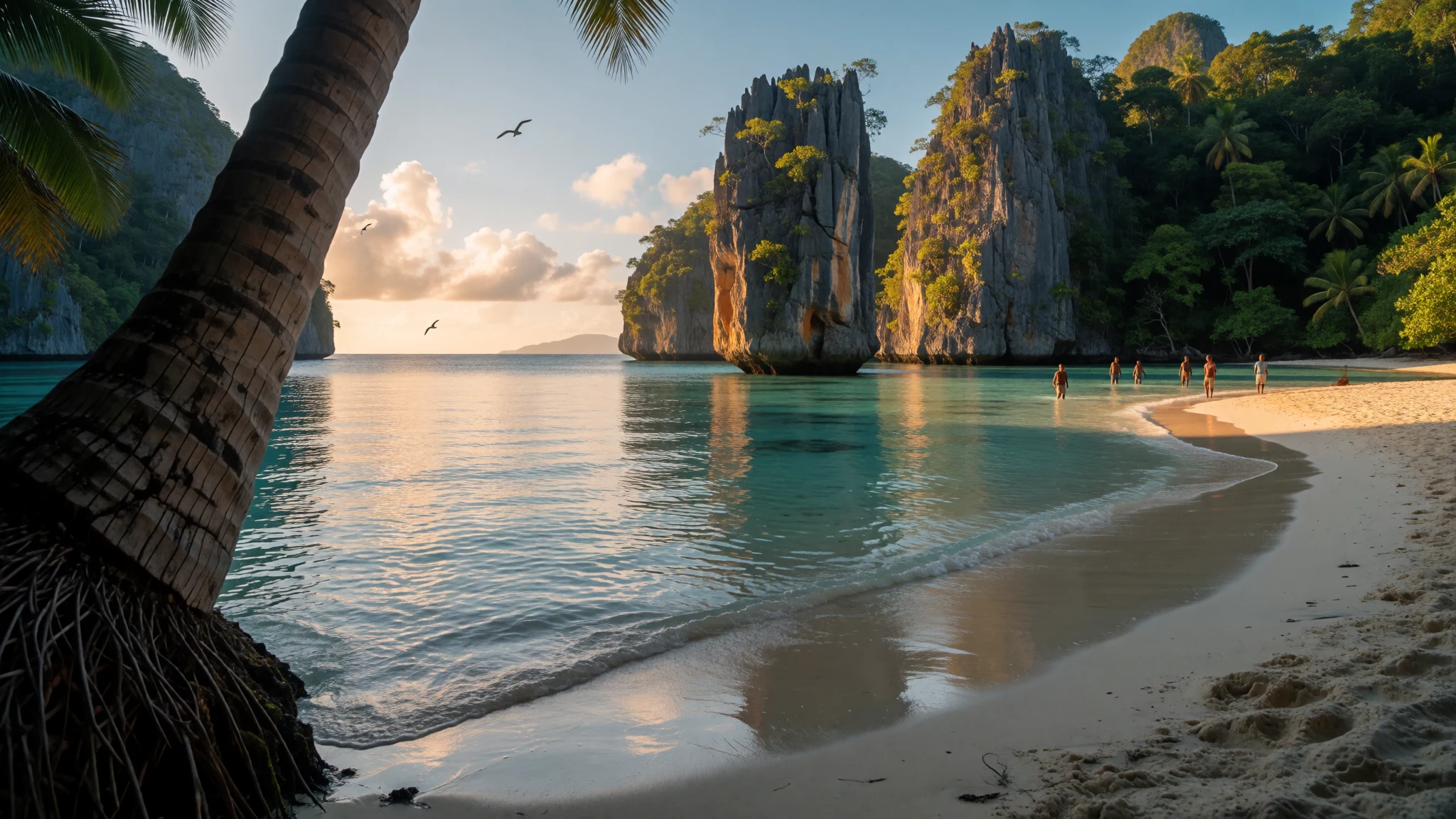
Palawan is a long Philippine province of limestone coasts, where boats, weather and distance shape every day.
The place
Palawan stretches southwest from the main Philippine islands as a long, narrow province of forested ridges, limestone coast and a shoreline split into coves, mangroves and small islands. The climate is tropical, with a long dry season of about eight months on the west coast and the northern and southern ends, then heavy rain: February and March are the most comfortable, May the hottest, July the wettest, with torrential rain in the north in July and August, and the sea calmest from March to early June. Towns lie far apart. Puerto Princesa, the provincial centre, sits on the eastern side of the main island. El Nido is toward the northern tip. Coron and Busuanga are islands further north, and the crossing from the capital is a journey in itself. Karst is the landscape people come for. Grey towers rise out of the water around El Nido and again around Coron, with lagoons and small lakes behind the rock. Sabang, on the west coast, is a long open beach beside the underground river, where the sky turns heavy without much notice. Inland, forest still covers a great deal of the province. Fishing, small farms and seasonal visitors support many coastal communities. Palawan is a wildlife place as well as a beach one. Calauit, north of the mainland, keeps African animals beside Philippine species, a conservation experiment that still looks improbable. Elsewhere the wealth is reef and mangrove. Outrigger boats link the sites people travel for, and a day on the water means an early start, a guide, and a return before the wind rises. Distance organises everything. A good visit picks one coast and stays.
Its story
Palawan's story is a coast story. The island lies on the western edge of the Philippine archipelago, near the sea lanes toward Borneo, and its people have long faced both the Sulu Sea and the South China Sea. The Tagbanua, the Palaw'an and the Batak were here before stone forts, and many communities still hold customary authority over land, water and sacred places. In the north, Cuyunon society grew by trade and settlement, and it still colours speech, cooking and parish life in towns such as Taytay. Spain arrived by ship and left garrisons rather than a great city. Fort Santa Isabel at Taytay dates from 1667, a compact fort built to watch a bay troubled by raiders. For generations the province was harbours, missions and boats, with forest keeping the interior apart from the shore. Catholic fiestas took root in those towns and stayed. Later, Palawan was opened as a frontier. Families from other islands came looking for land, and game and refuge sanctuaries were set aside in 1967. Calauit's reserve belongs to the martial-law years, when an estimated 254 Tagbanua families were evicted so African animals could be stocked there. Puerto Princesa became the seat of provincial government, and the underground river on the west coast became the landmark outsiders learned first. Bancas that once moved fish and families now also move visitors into the lagoons. El Nido and Coron turned into stops on domestic flight boards. Customary owners, parishes, wildlife rules and tour crews share the coves, and how many boats a lagoon can bear is still argued.
What to see
- El Nido — El Nido, northern Palawan
El Nido, on Palawan's northern tip, is a town under limestone cliffs, and almost every visit is by boat. Lagoons and small beaches sit in the gaps between the rock, and crews run a circuit of swims and short stops. In busy weeks those coves fill with other bancas. Fair weather brings calm, clear water; wind makes the same circuit a rough ride.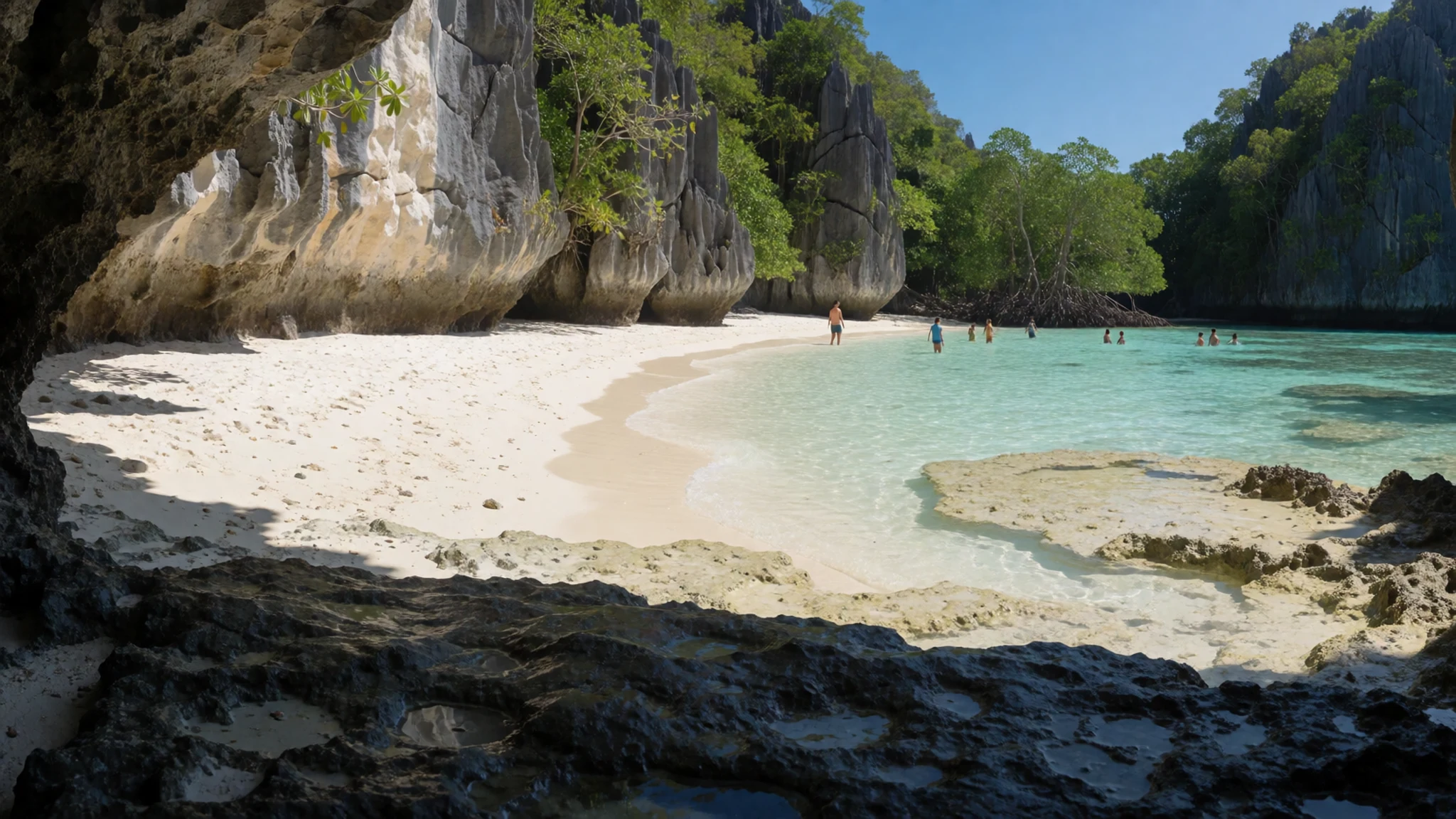
- Puerto Princesa Underground River — Sabang, Puerto Princesa
The Puerto Princesa Underground River is a navigable cave river on Palawan's west coast, reached from the beach at Sabang. Visitors move to a smaller boat and enter under the limestone, through dark chambers lit only by what the crew carries. The trip is timed and guided, a planned morning rather than a free wander. Sabang, the landing beach, is long and exposed, and the sky over it turns stormy.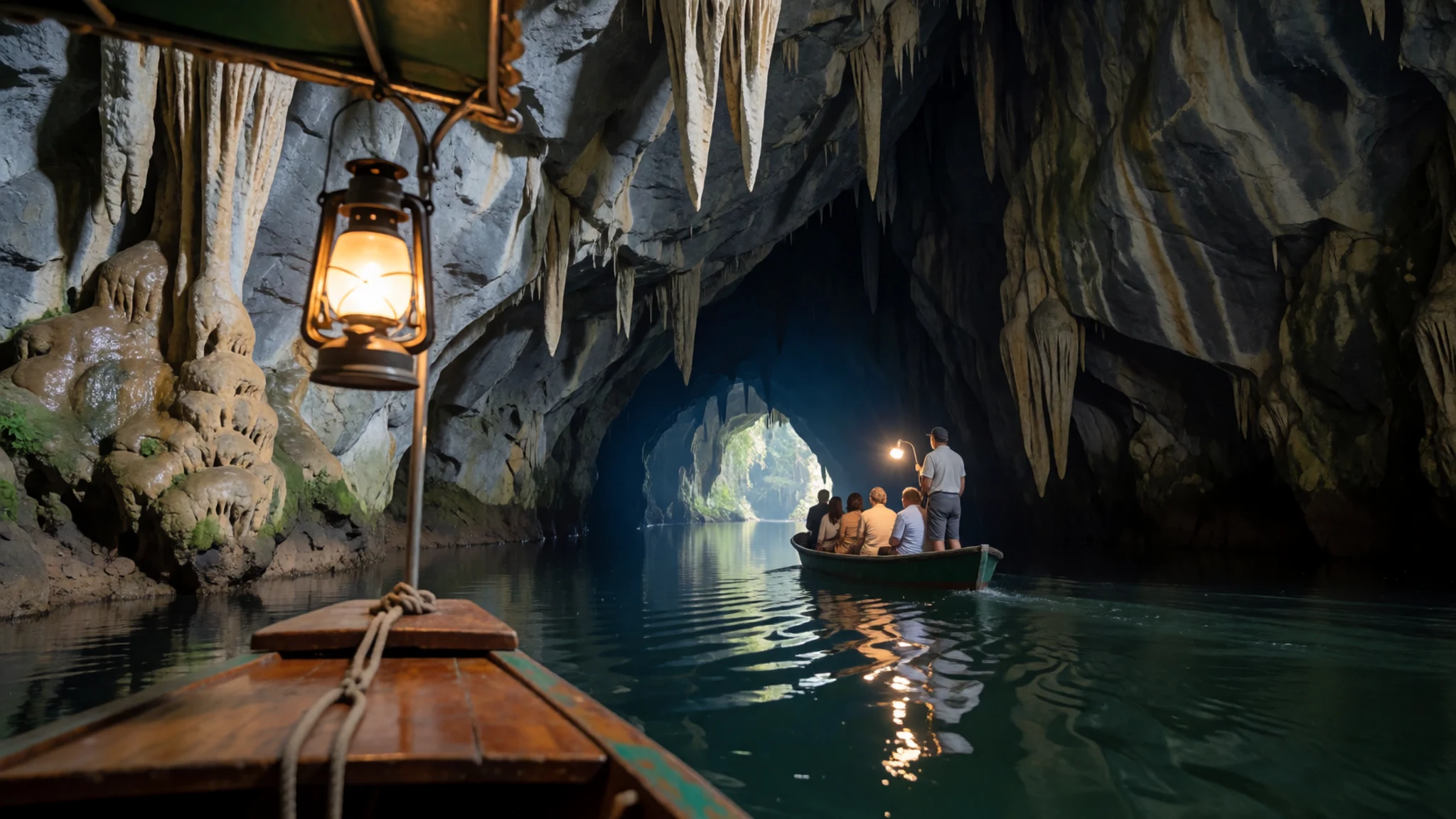
- Kayangan Lake — Coron, Busuanga
Kayangan Lake, above Coron in northern Palawan, is a clear freshwater lake set in limestone over the sea. A short, steep path of rough steps leads to a view across the water and the islands. Swimming is why people climb. The lake crowds up when the morning boats arrive together, and it is quieter with the first group of the day.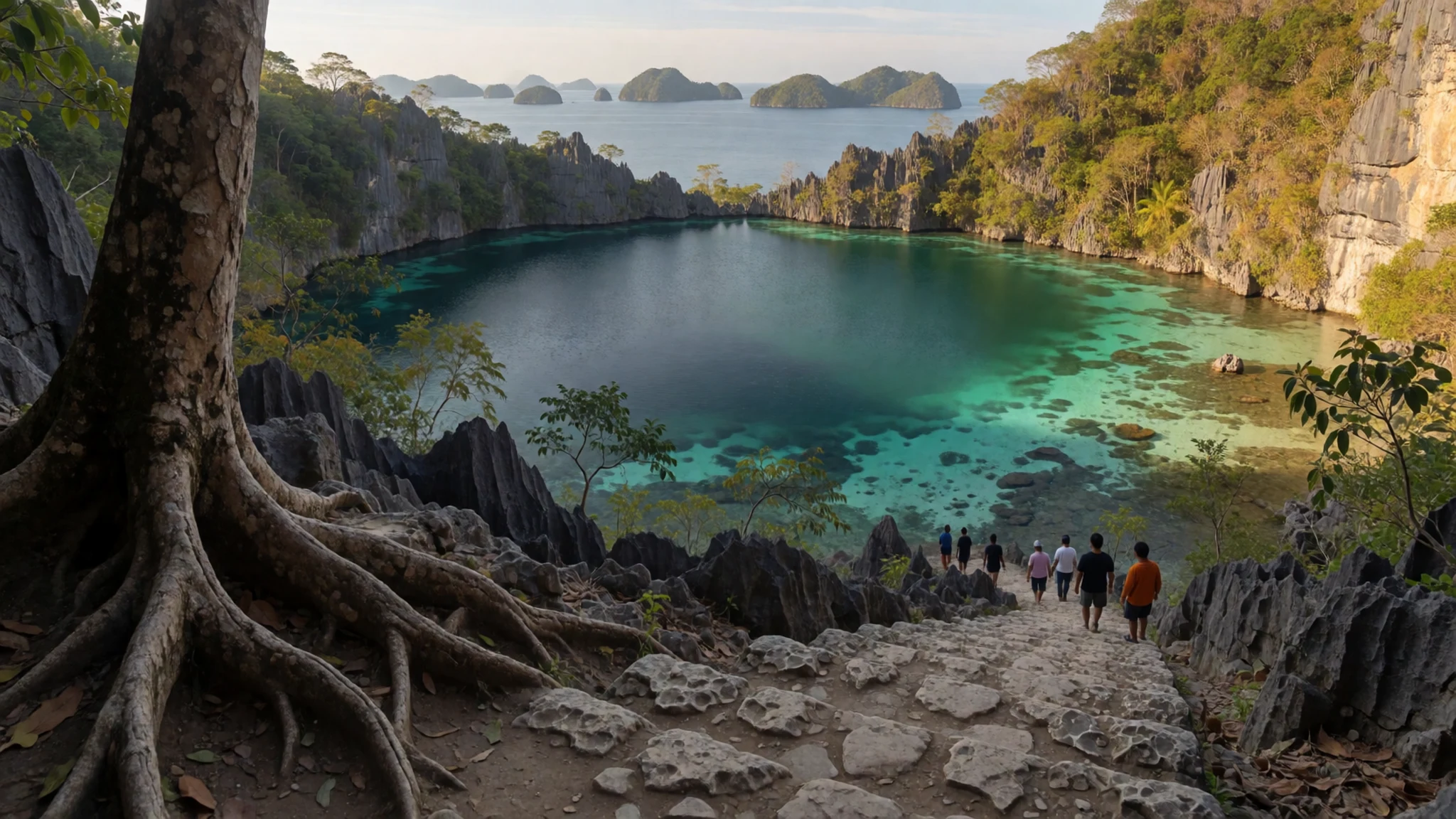
- Fort Santa Isabel — Taytay
Fort Santa Isabel stands in Taytay, a northern harbour town on Palawan, and it dates from 1667. The Spanish built this compact stone fort to watch the bay, not to serve a capital. From the walls the view runs over the water and back across the town's low roofs. A courtyard and a chapel make up the interior, a colonial trace beside the province's limestone coast.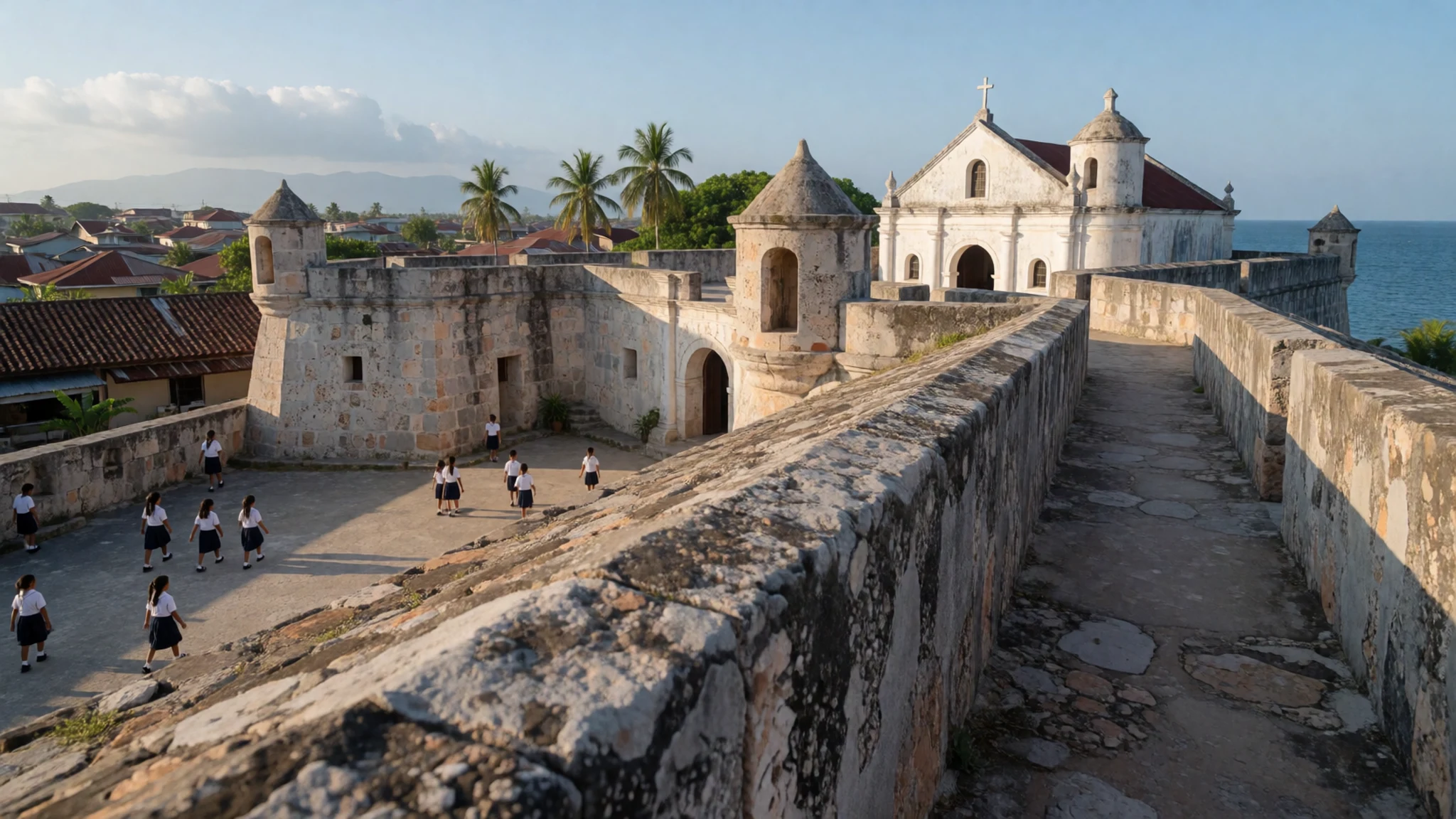
- Calauit Safari Park — Calauit Island, Busuanga
Calauit Safari Park is a wildlife sanctuary on Calauit Island, off northern Palawan near Busuanga. African grazers share the ground with Philippine animals, a conservation scheme that still surprises visitors. The visit is a drive through open habitat, with the sea close to the track, rather than a walk among cages. It fits a stay around Coron, not a dash from El Nido.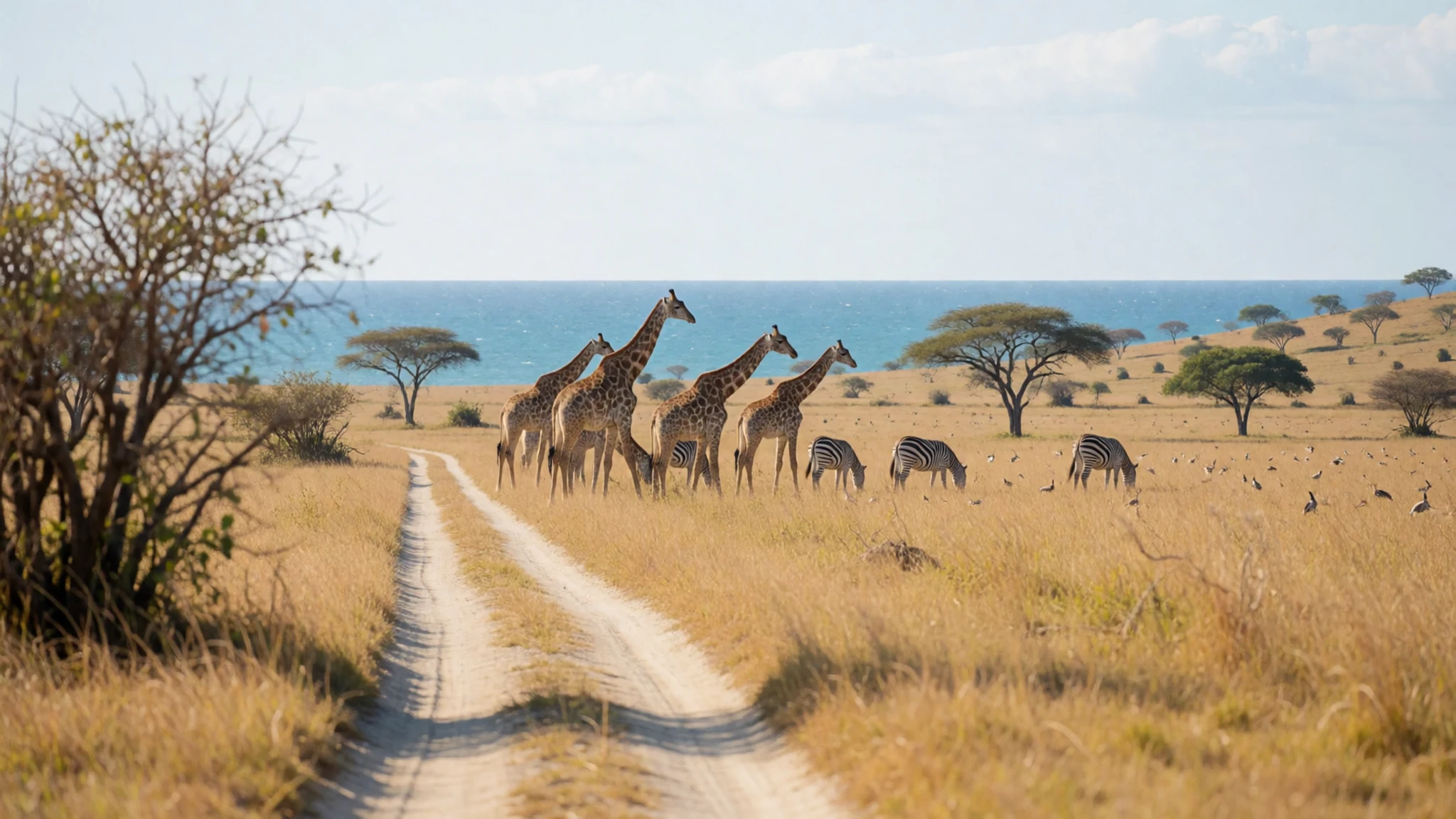
Culture
Palawan holds several cultures on one long island. Tagbanua, Palaw'an and Batak communities keep their own languages, rituals and rules about who may enter ancestral land, a sacred cave or a spring. In the northern towns, Cuyunon custom sits beside Catholic parish life: saints' days, processions and an evening walk on the waterfront. Everyday speech mixes Cuyunon, Tagalog and English where visitors gather. Fishing, boat-building, farming and weaving still support households. In El Nido and Coron the tourism day — crews, desks and a shared meal on a banca — is now part of local life. Beaches are used to cameras. Villages, fiestas and ritual are not. Markets double as social rooms, and a guide is usually a neighbour whose feel for the weather and for custom shapes the day. Ask before you photograph people, and do not enter a cave, spring or ancestral area without a local guide and clear permission.
What to wear
Palawan has no single daily costume, but occasion still shows in the cloth. At weddings and fiestas in lowland Catholic towns, men wear a barong and women a baro't saya or a gown in piña or jusi, the sheer pineapple-leaf and abaca fabrics kept for the parish calendar. Indigenous communities bring out beads, woven wraps and, at some rituals, older plant-fibre garments; ordinary days are T-shirts, shorts and a wrap. Basketry, especially Tagbanua work in palm and vine, is the craft markets actually sell. Weekdays look informal. Puerto Princesa dresses like any Philippine provincial capital: jeans, shirts, school uniforms, a jacket in the rain. Boat crews in El Nido and Coron work in rash shirts and board shorts, and visitors soon copy them. For the trip itself, light cotton, a long-sleeve swim shirt and a cover-up for town are enough. Footwear should come off at a doorway and grip wet rock; thin flip-flops slip on karst. Shoulders and knees should be covered in churches and on visits to indigenous communities. A light rain jacket belongs in the bag in every month.
What to eat
- Kinilaw — Coastal markets and plain eateries in Puerto Princesa, El Nido and Coron
On Palawan, kinilaw is fish or seafood cured in vinegar and citrus with ginger, onion and chilli, eaten cool with rice. Coastal markets and plain eateries in Puerto Princesa, El Nido and Coron serve it when the catch is still close to the boat.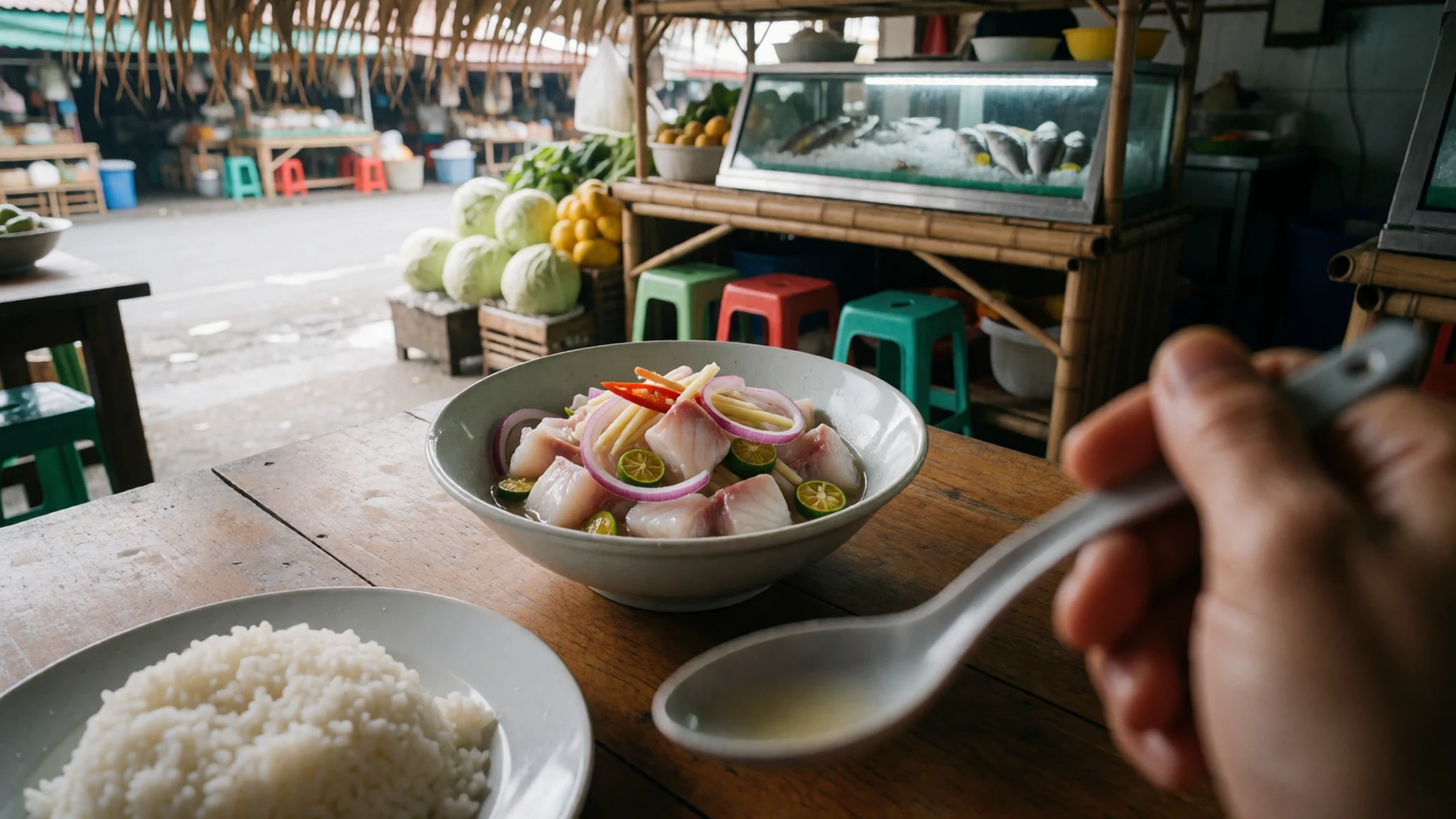
- Inihaw na isda — Beach barbecue stalls and waterfront eateries
Inihaw na isda is whole fish grilled over charcoal and served with soy, calamansi and rice. Beach barbecue stalls and evening eateries on the waterfronts of Puerto Princesa, El Nido and Coron treat it as the ordinary supper.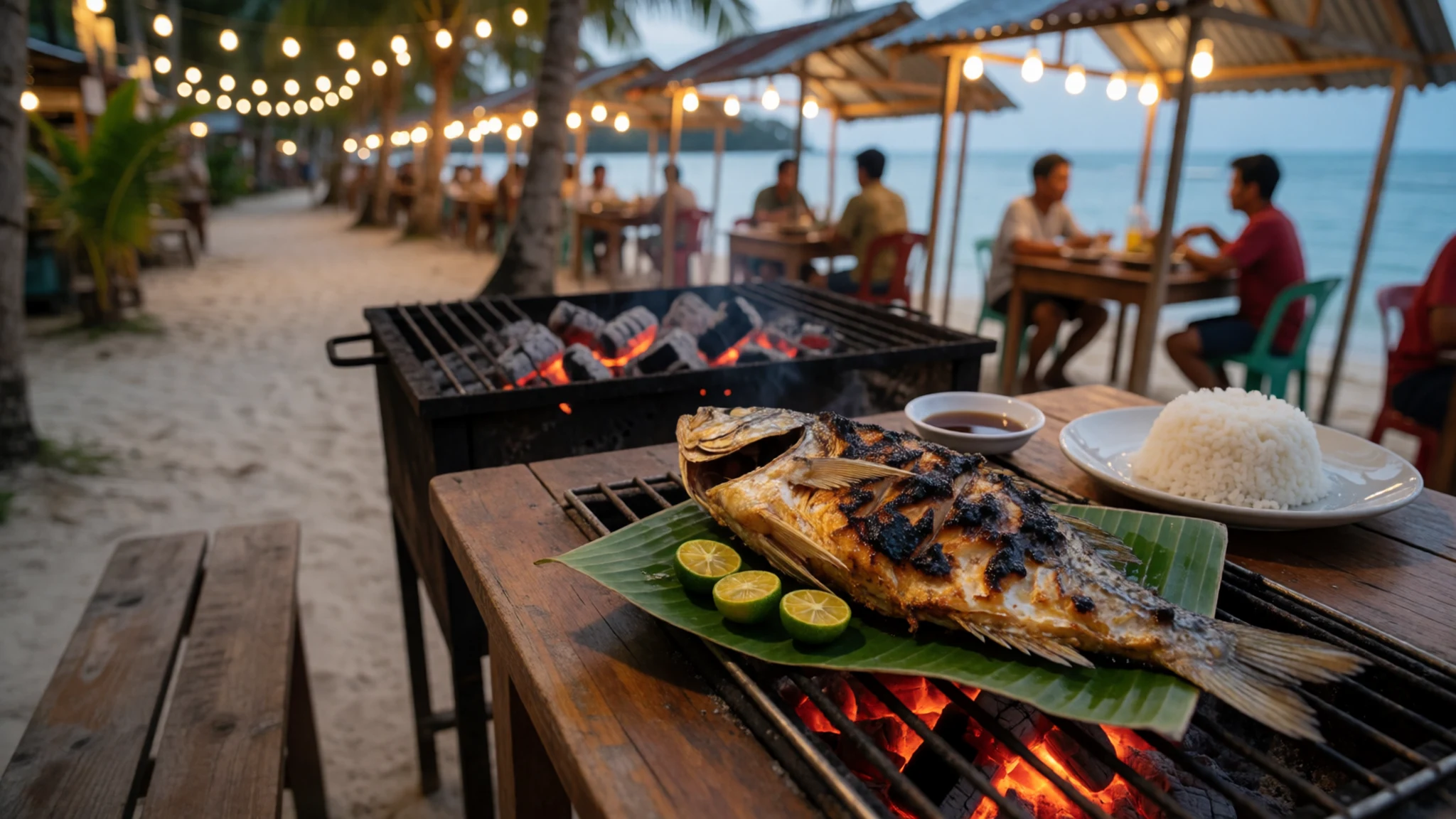
- Tamilok — Eateries around Puerto Princesa and mangrove communities
Tamilok is a mangrove shipworm eaten raw with vinegar and chilli, closer to oyster than to meat. Some eateries around Puerto Princesa and in mangrove communities still serve it. It is a local habit, not a fixture of every beach lunch. - Chao long — Breakfast stalls and small eateries in town
Chao long is Palawan's breakfast noodle soup, usually beef broth with rice noodles, onion and calamansi. Street stalls and small eateries in Puerto Princesa and other towns serve it early, before the heat settles in. - Halo-halo — Dessert stalls and town eateries
Halo-halo is shaved ice with milk, sweet beans, jelly and fruit, the usual answer to a heavy afternoon. Dessert stalls and town eateries in Puerto Princesa and along the resort strips sell it through the hot hours.
Plan it
Best time. Palawan's climate is tropical, driest from February to April and wettest in July, so heat, humidity and rain sit on every packing list. Boats are the heart of a visit and the first plan weather cancels, so keep a spare day and ask locally which weeks have been calm enough for crossings.
How long. 5–7
Getting there. Visitors fly into Puerto Princesa, the provincial capital, or into the smaller airports for El Nido and for Busuanga (Coron). Ferries link Palawan with other Philippine ports. The last leg is by van, tricycle or outrigger, and between the capital and the north that leg is a long haul.
Budget. mid
Tips
- Treat El Nido, Puerto Princesa and Coron as separate bases.
- Book boats a day ahead in busy weeks, and expect wind to cancel some mornings.
- Carry cash for boats, tricycles and market stalls.
- Start on the water early, before the afternoon chop.
- Refill a bottle and use reef-safe sunscreen.
Etiquette
- Ask before you photograph people in villages and at fiestas.
- Do not stand on coral or take shells, sand or stone.
- Cover shoulders and knees in churches, and remove shoes when asked.
- Keep voices low in caves and follow a guide's landing rules.
Nearby
Sources
- Wikidata (CC0)
- Wikipedia (CC BY-SA 4.0)
- Wikivoyage (CC BY-SA 4.0)
- Staged photo 02 caption (CC BY-SA 4.0)
- Staged photo 05 caption (CC BY-SA 4.0)