Calauit Safari Park
Calauit Safari Park, Philippines
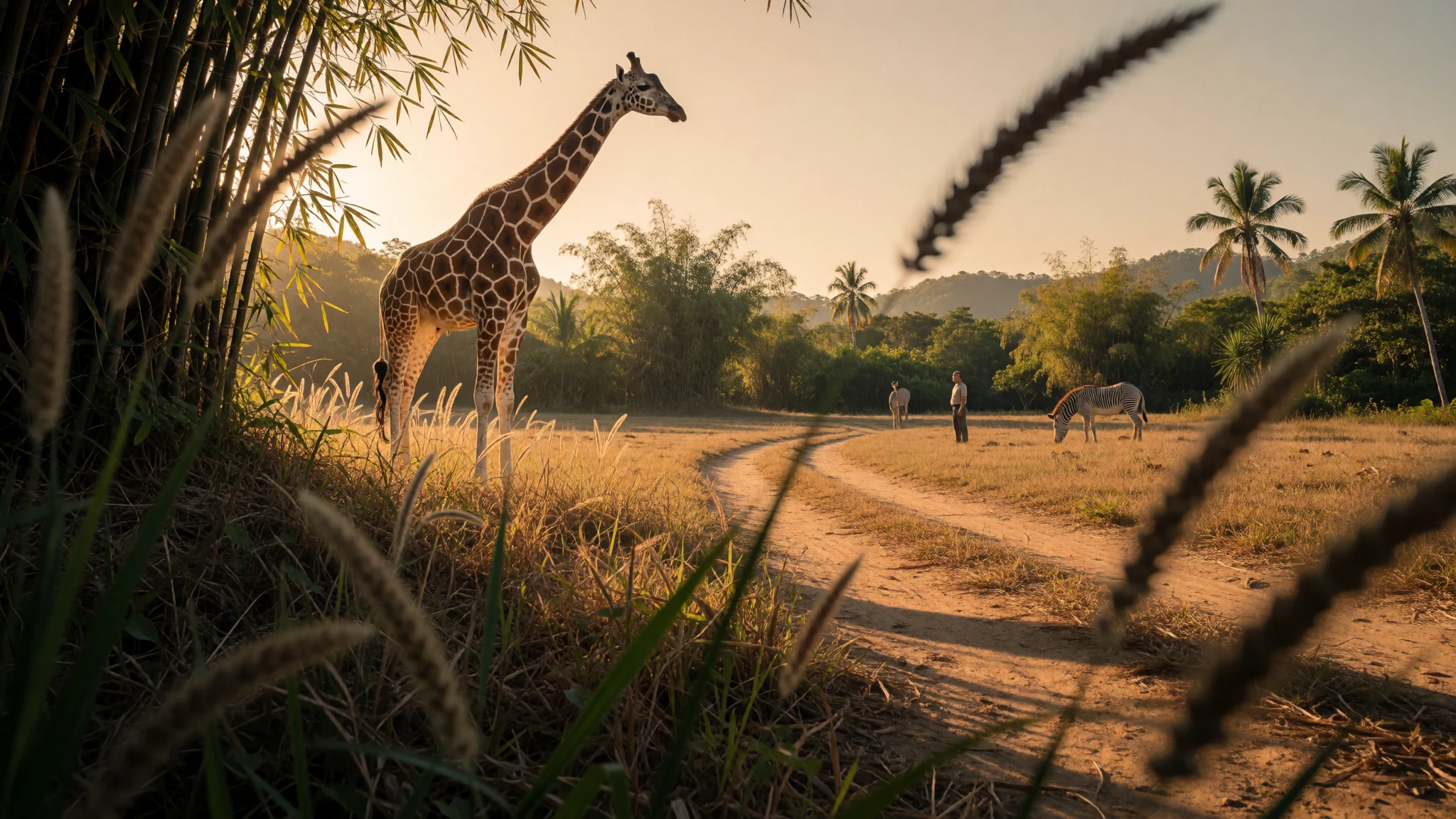
Calauit Safari Park is a Palawan island where African giraffes and zebras live beside native Philippine wildlife, a strange and complicated relic of 1976.
The place
Calauit Safari Park sits on Calauit Island, part of the Calamian group off the coast of Palawan in the Mimaropa region of the Philippines. It began in 1976 as a game reserve stocked with African animals, an odd idea for a tropical island, and it has since become something more local: a sanctuary where giraffes and Grévy's zebras share ground with some of Palawan's own threatened wildlife. The giraffes and zebras are the survivors of the original African shipment. Several of the antelope species that arrived with them did not last, a reminder of how hard it is to move animals between continents. In later decades, local officials gave the place a second purpose, protecting native species. Calamian deer, Palawan bearded pigs, crocodiles and porcupines are now part of the picture. The landscape surprises anyone expecting savannah. The island is warm and green, with bamboo and scrub rather than open grassland, so the giraffes browse against a backdrop that looks nothing like Kenya. The island is big enough for the animals to roam fairly freely, and visits are usually made by vehicle with a ranger or guide. Reaching it takes effort. It lies off Busuanga, the main island of the group, and most travellers base themselves in Coron town, a hub for wreck diving and island hopping. Expect a rustic, uneven experience rather than a polished zoo, since roads, enclosures and facilities vary. The animals' welfare is a fair thing to think about while there. The reasons to go are the oddity of giraffes near a tropical shore and the chance to see Philippine species that are hard to meet elsewhere.
Its story
Calauit Safari Park owes its existence to President Ferdinand Marcos, who in 1976 decided to create an African game reserve in the Philippines. He approached Tony Parkinson, an Englishman who ran a business moving African animals into zoos, at a United Nations trade conference in Nairobi. The story goes that Marcos hired him to gather large mammals for a new park on an island. Marcos presented the project as an answer to a Kenyan request for help with endangered species, but the International Union for Conservation of Nature has no record of such a request. Shipping animals so far from their natural range also ran against its long-standing advice on translocation. Later that year a presidential proclamation declared Calauit a game preserve and wildlife sanctuary, and a private non-profit foundation was put in charge. The island was picked for its size, terrain and vegetation, and for a climate close to Kenya's, although its bamboo forest was never the open grassland the animals knew. The human cost is the part the brochures skip. Before the park opened, hundreds of families, mostly Tagbanwa, were moved off the island to Halsey Island, a former leper colony some distance away. A United Nations report describes the removal as done under duress. Halsey was stony and poor for farming, the families often went hungry, and martial law left them little room to resist. Today's native-species work began after Marcos's era and sits uneasily on top of that history.
What to see
- The giraffe and zebra drive — Calauit Island, Busuanga
The main event is a slow vehicle tour through the reserve, where reticulated giraffes and Grévy's zebras wander close to the track. Young giraffes sometimes trail after the truck. The setting is bushy and tropical rather than open plain, which makes the sight stranger and, in its way, more memorable.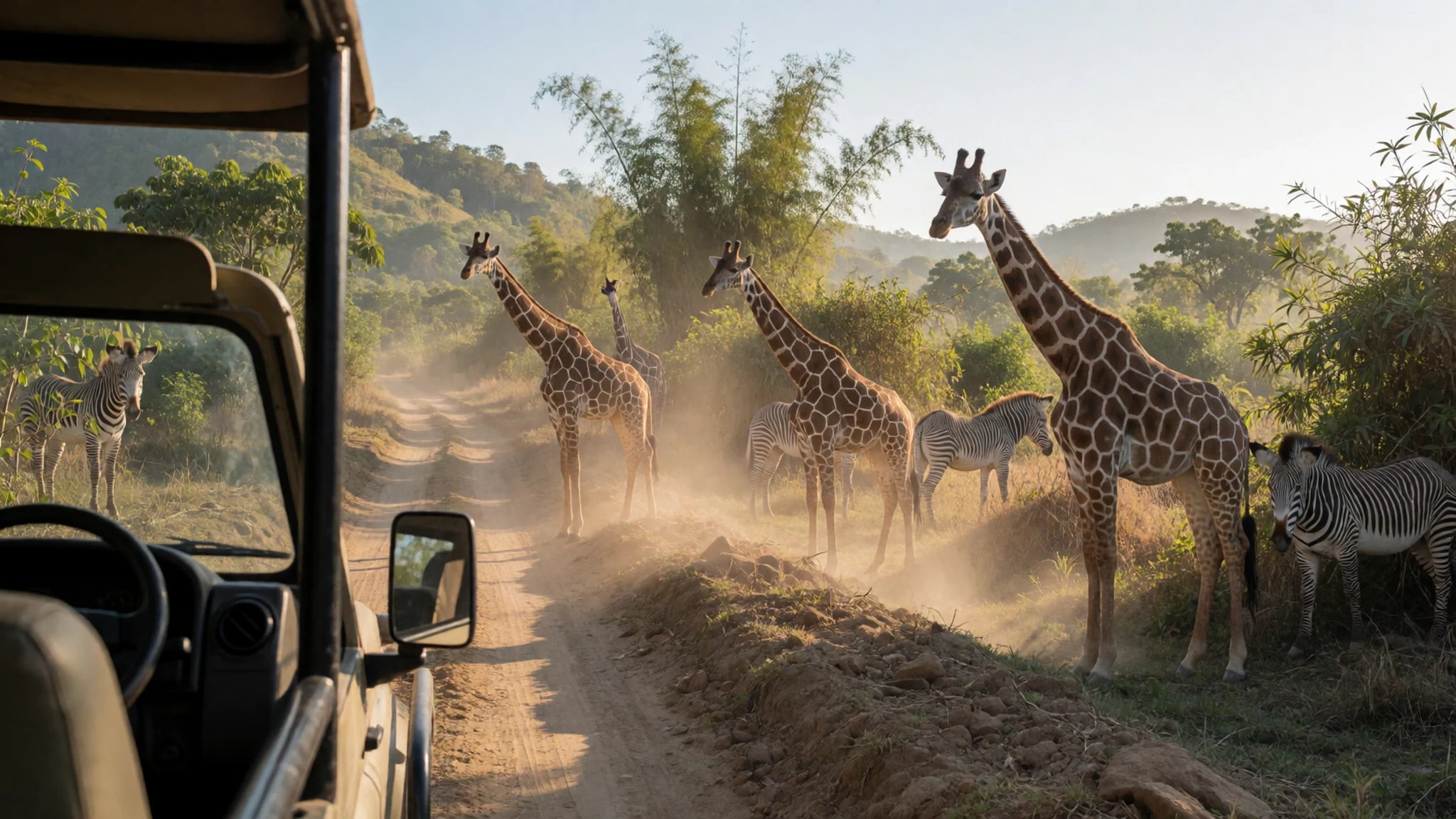
- Calamian deer — Calauit Island, Busuanga
The Calamian deer is native to these islands and is one of the park's conservation successes. Small groups graze in the clearings and are shy compared with the giraffes. Ask the guide where they tend to gather, and keep voices low, since they move off quickly when startled.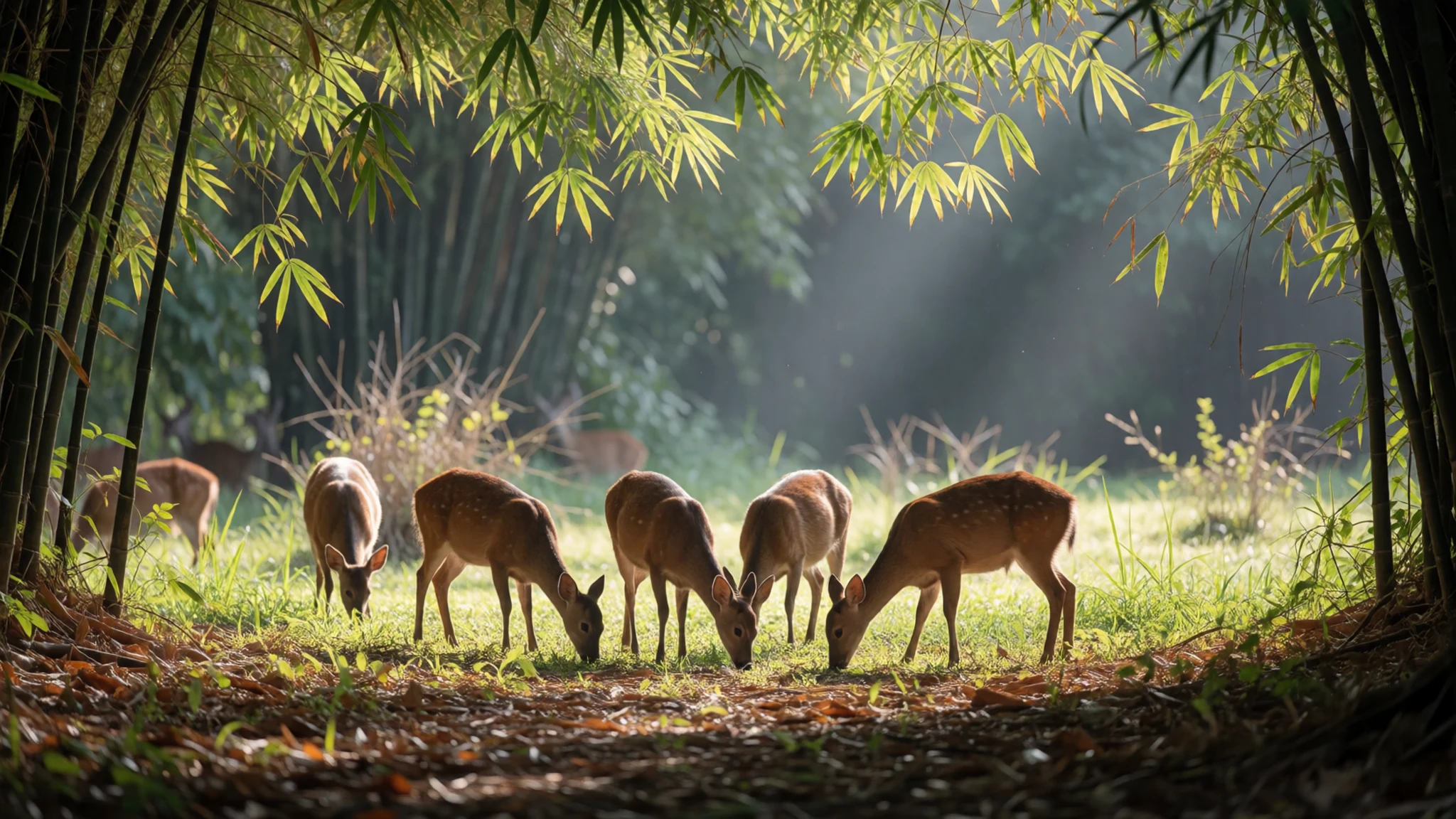
- Reticulated giraffes up close — Calauit Island, Busuanga
The giraffes are the park's emblem and the reason most people make the trip. Their patterned coats stand out against the bamboo and scrub. Early morning and late afternoon are usually cooler and better for watching them move and feed, and for photographs without harsh midday light.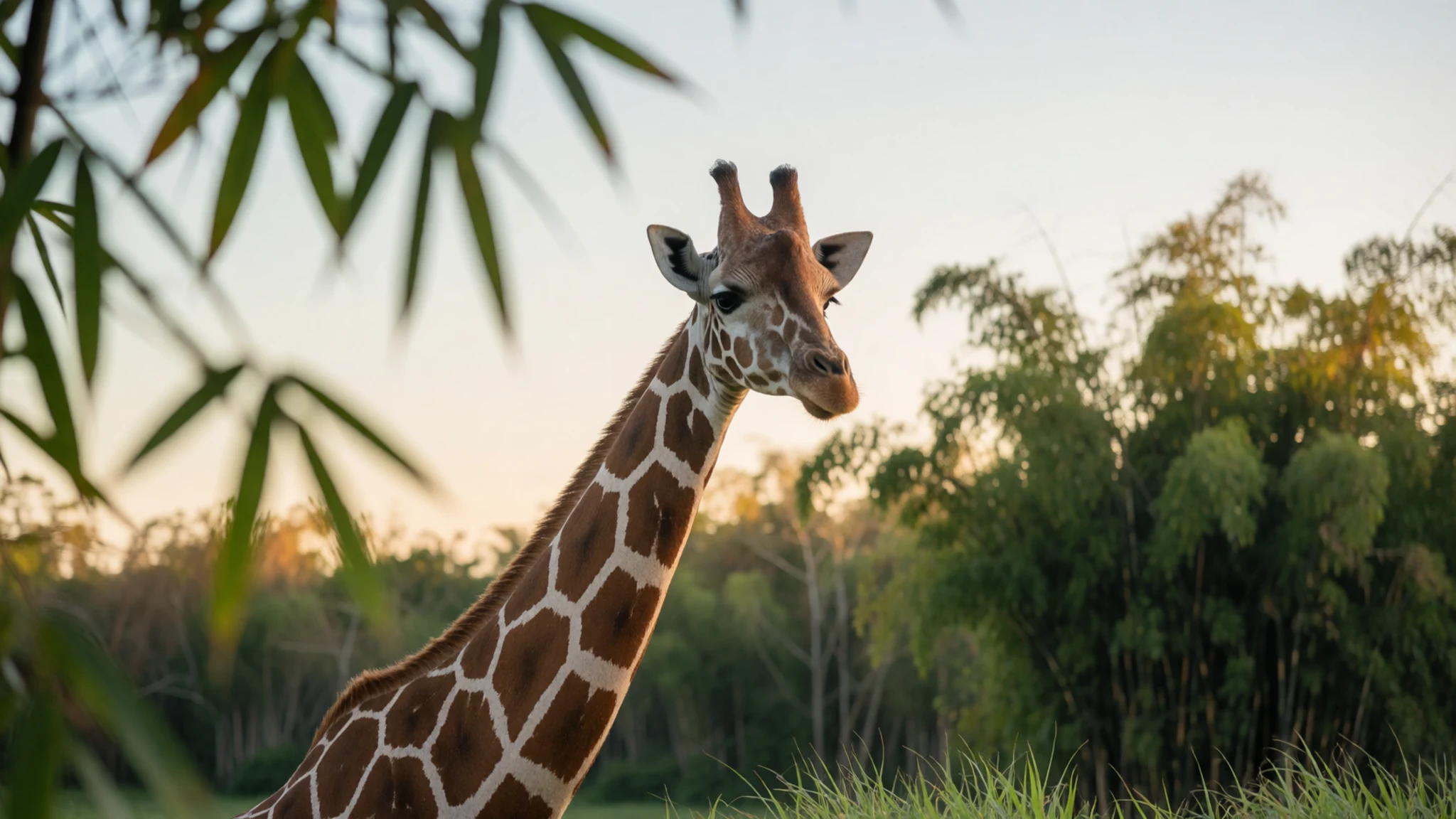
- Ocam Ocam Beach — Busuanga Island
A quiet beach on Busuanga with a small village and cottages to rent, useful for a swim and a rest after the heat of a safari day. It is more relaxed than Coron town, though facilities are basic, so bring water and small cash.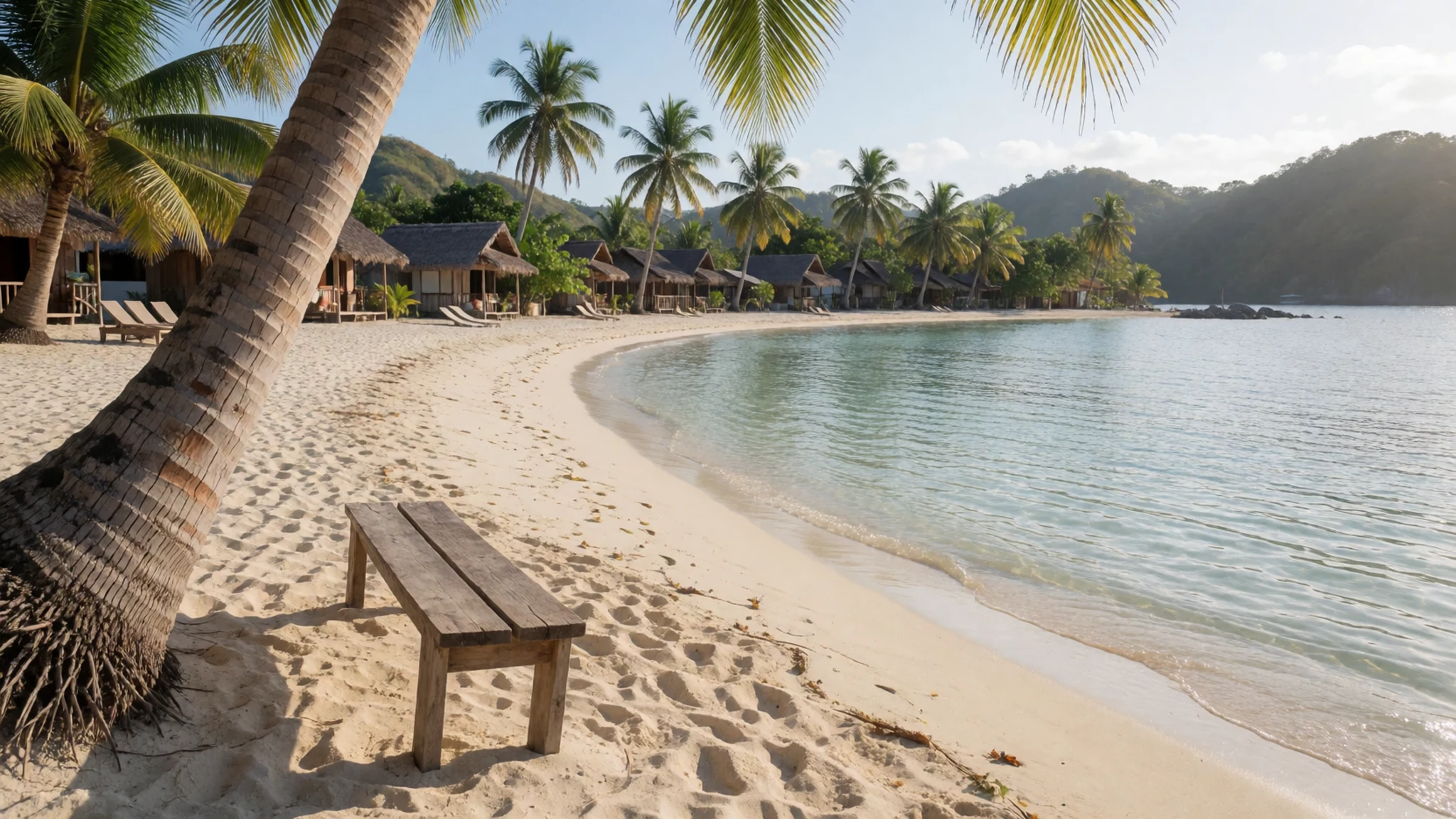
- Wreck diving around Coron — Coron town and the surrounding bays
Several Japanese ships from the Second World War lie in shallow water near Busuanga, and one wreck is shallow enough for snorkellers. Dive shops in Coron town arrange trips for beginners and experienced divers alike. It makes a good second half to a trip built around the park.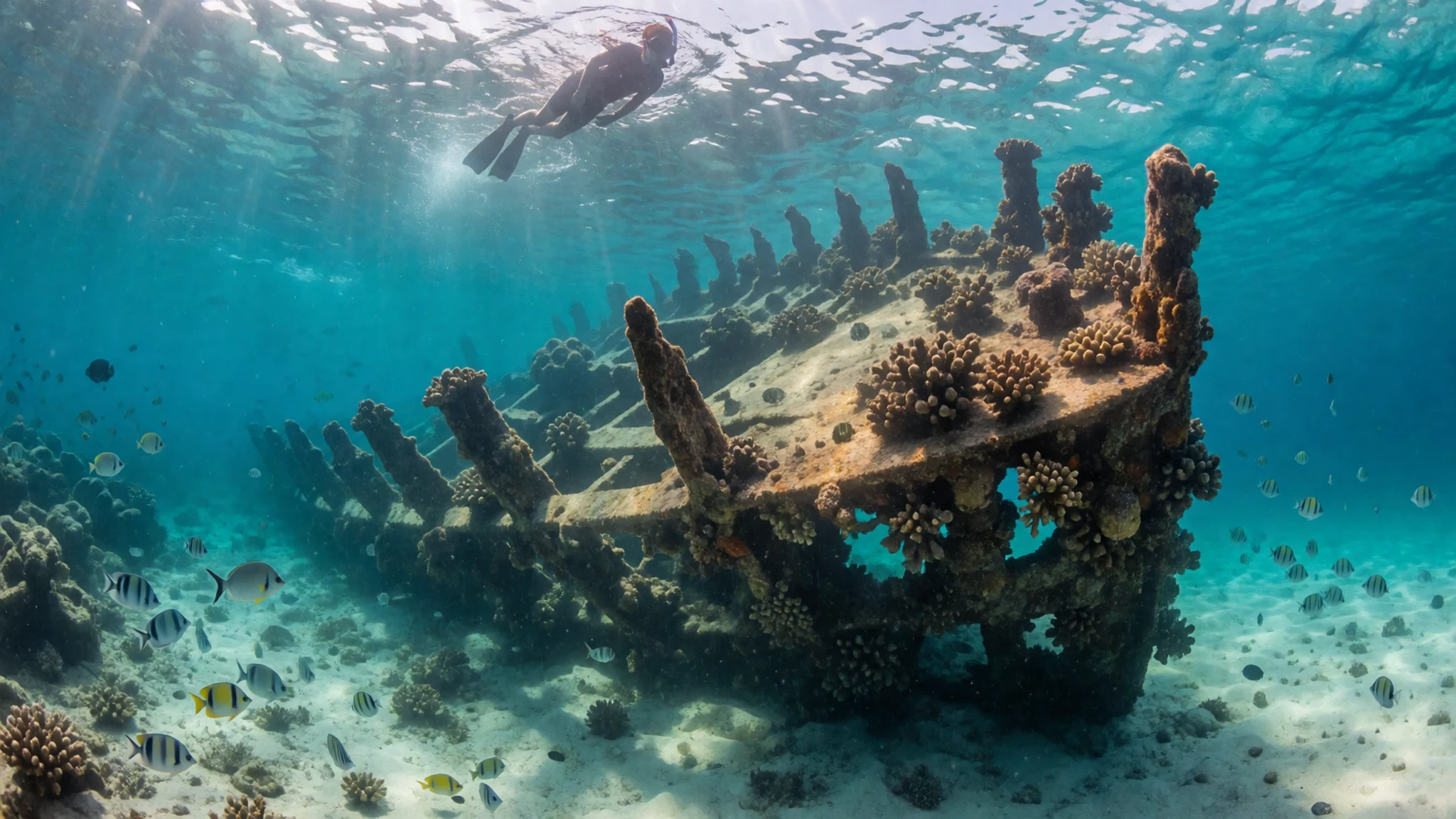
Culture
Calauit Safari Park carries two cultures at once: the everyday Filipino hospitality of Busuanga and Coron, and the memory of the Tagbanwa families moved off the island before the park opened. Most visitors meet the first and never hear about the second, so it is worth learning a little before arriving. The Tagbanwa are an indigenous people of Palawan and the Calamian islands, and their displacement under martial law remains a sore subject. Guides and rangers are generally friendly and proud of the animals, but the park's origin as a political project is not a neutral topic, so approach it with curiosity rather than judgement. Daily life in the Calamian islands is tied to the sea. Fishing, small-scale farming, boat work and tourism support most households, and Coron town is the practical centre for supplies, food and transport. Filipinos tend to be warm and talkative with visitors, and a smile and a few words of Tagalog, such as salamat for thank you, go a long way. Conservation here is a work in progress. The animals were brought for a presidential showpiece, and the later focus on native deer, pigs and crocodiles shows a shift in purpose. Many visitors feel both delight and unease, and both are reasonable responses. Keep a respectful distance from the animals, never feed them, and follow your guide's instructions about where to stand and when to stay in the vehicle.
What to wear
Calauit Safari Park lies in a region where traditional dress is now mostly kept for ceremonies and festivals. Across the Philippines the best-known formal garment for men is the barong tagalog, an embroidered shirt made from fine fibres such as piña, woven from pineapple leaf, or from jusi, a lighter fabric, and worn untucked at weddings and official events. Palawan's indigenous communities, including the Tagbanwa, are known for crafts using plant fibres such as rattan and vines, mostly in baskets and containers rather than everyday clothing. In daily life, people in Coron and Busuanga wear what suits a hot, humid island: T-shirts, shorts, light cotton dresses, flip-flops and rubber sandals. Boat crews and tour guides often wear quick-drying clothes and a cap. Swimwear is normal on beaches and boats, though people cover up when walking through town. Visitors should dress for heat, sun and rough ground. Light, breathable long sleeves and a wide-brimmed hat protect better than sunscreen alone, and insect repellent helps in the bush. Wear closed shoes or sturdy sandals for the reserve, since tracks can be dusty or muddy, and bring a change of clothes for boat crossings, where spray is common. Dress modestly when visiting villages or churches, with shoulders and knees covered, and keep swimwear for the beach. A light rain jacket is worth packing outside the drier months.
What to eat
- Inihaw na isda — Seafront eateries and grill stalls in Coron town
Grilled fresh fish, often tuna or whatever the boats landed that morning, seasoned simply and served with rice. It is the natural thing to eat around Coron and Busuanga, where the catch comes in daily and seafood is rarely far from the table.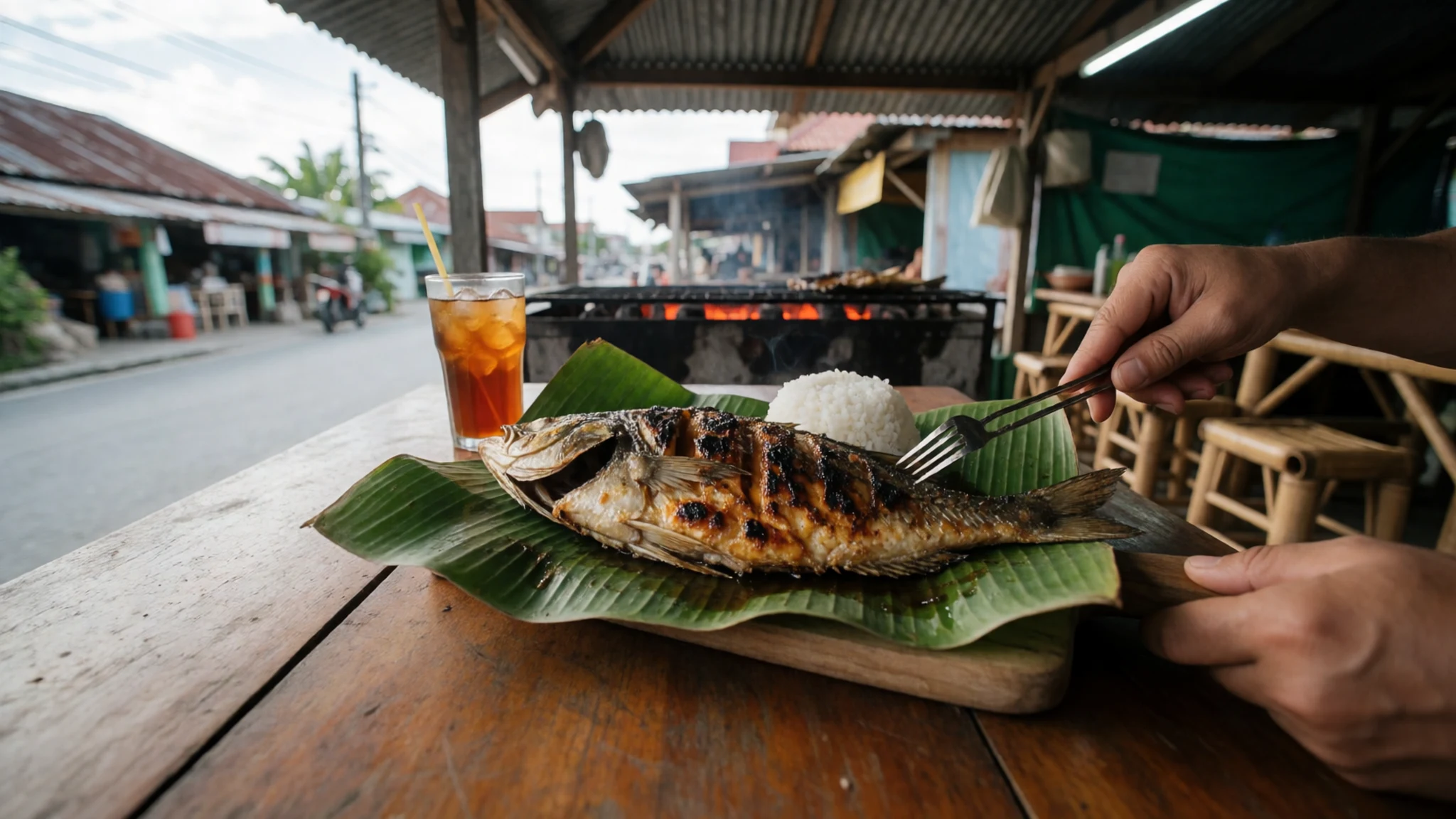
- Kinilaw — The morning fish market and busy local eateries in Coron
Raw fish cured in vinegar or citrus with onion, ginger and chilli, similar in spirit to ceviche. It tastes bright and sharp, and it works best when the fish is very fresh, so choose a busy place with a quick turnover.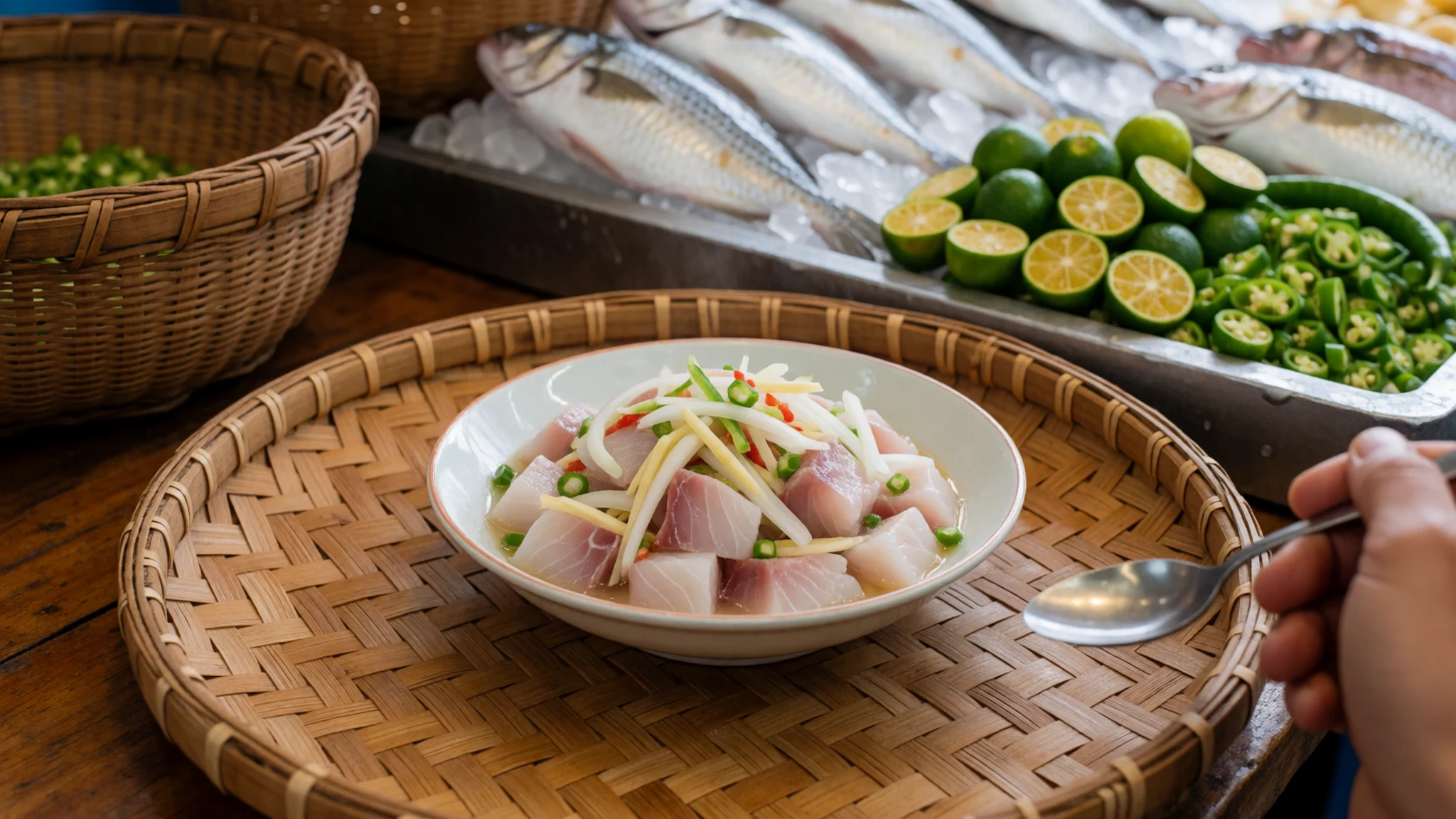
- Chicken or pork adobo — Carinderia, the small eateries serving food from pots, around Coron
Meat braised in vinegar, soy sauce, garlic and pepper until tender and glossy, then eaten over steamed rice. It is the Philippines' everyday comfort dish, and each cook has a slightly different balance of sourness and salt. - Palawan cashew sweets — Souvenir stalls and small shops in Coron town
Palawan is known for its cashew nuts, and local cooks turn them into brittle, sweet clusters and other sugary treats. They travel well, so they make an easy souvenir, and a few pieces are a good snack during a long boat day. - Calamansi juice — Market stalls and roadside refreshment stands
A tart, small citrus fruit squeezed into a cold drink with sugar and ice, sharper than lemonade and very refreshing in the heat. It also appears as a dipping squeeze for grilled fish and noodles.
Plan it
Best time. Roughly December to May is generally the drier and more settled stretch for boat crossings and tracks, with April and May hotter. The wetter months bring heavier rain and rougher seas, so check forecasts before crossing to the island.
How long. 2–3
Getting there. Fly from Manila to Busuanga's airport, then travel by road to the coast and take a short boat crossing to Calauit; most visitors book a tour from Coron town. A weekly ferry runs from Manila to Coron, and a slow small ship links El Nido with Coron, which can feel rough in strong winds.
Budget. mid
Tips
- Book the park visit through a Coron tour operator or your accommodation, and confirm what is included
- Go early, when it is cooler and the animals are more active
- Carry cash, because small places in Coron and Busuanga often do not take cards
- Bring drinking water, sun protection and insect repellent
- Check the sea forecast before the boat crossing, and leave buffer time before a flight
Etiquette
- Do not feed the animals or leave the vehicle unless your guide says it is safe
- Keep noise down near the deer and other shy animals
- Ask before photographing local people, especially in villages
Nearby
Sources
- Wikidata Q1026285 (CC0)
- Wikipedia: Calauit Safari Park (rev 1361790939) (CC BY-SA 4.0)
- Wikivoyage: Busuanga Island (rev 5396240) (CC BY-SA 4.0)
- Photo: Calauit Island Safari 1, MikeOcampo (CC BY 2.5)
- Photo: Calauit Safari Park 22, Jordan Balintac (CC BY-SA 4.0)
- Photo: Calauit Safari Park, John Michael Tadeo (CC BY-SA 4.0)
- Photo: Calauit Safari Park of Coron, Nairbest10 (CC BY-SA 4.0)
- Photo: Calamian deer, Paul Christian B. Yang-ed (CC0 1.0)
- Photo: Calauit Island - Calauit1793, lumoplank (CC0 1.0)
- Photo: Calauit Island Safari 2, Paulo Ordoveza (CC BY 2.5)
- Photo: Calauit Safari Park 1, Jordan Balintac (CC BY-SA 4.0)


Wildlife
- Giraffe (animal)
A giraffe is the tallest animal on land, a long-necked giant that towers over everything around it. At Calauit Safari Park, on the Palawan island, African giraffes live alongside native Philippine wildlife, part of a strange story that began in 1976. Ask a guide to lead you, since they will know the best places to look. Keep your distance, speak softly and move slowly, so the giraffes stay calm. Never feed them; let them go about their day undisturbed.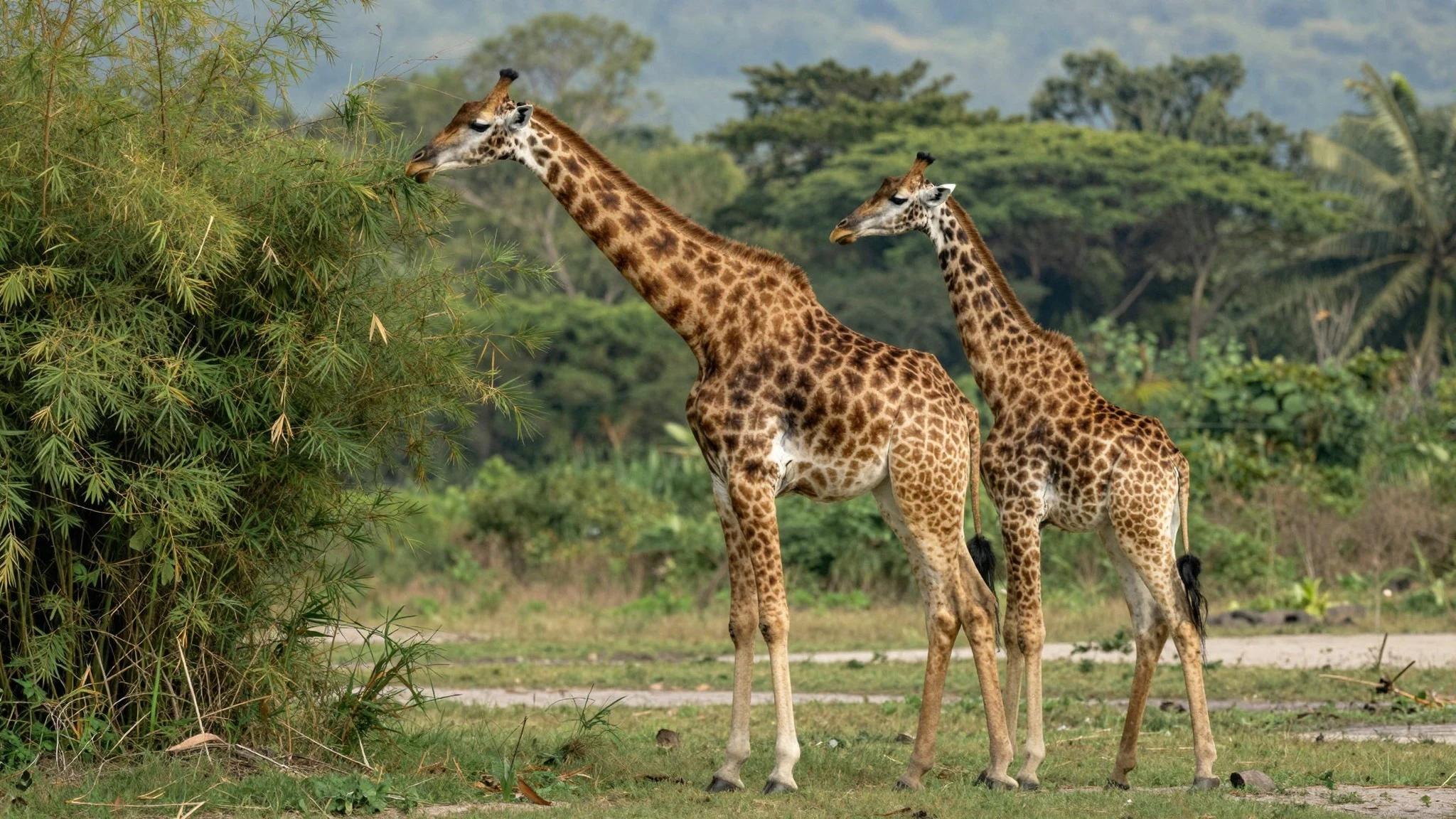
- Grévy's zebra (animal)
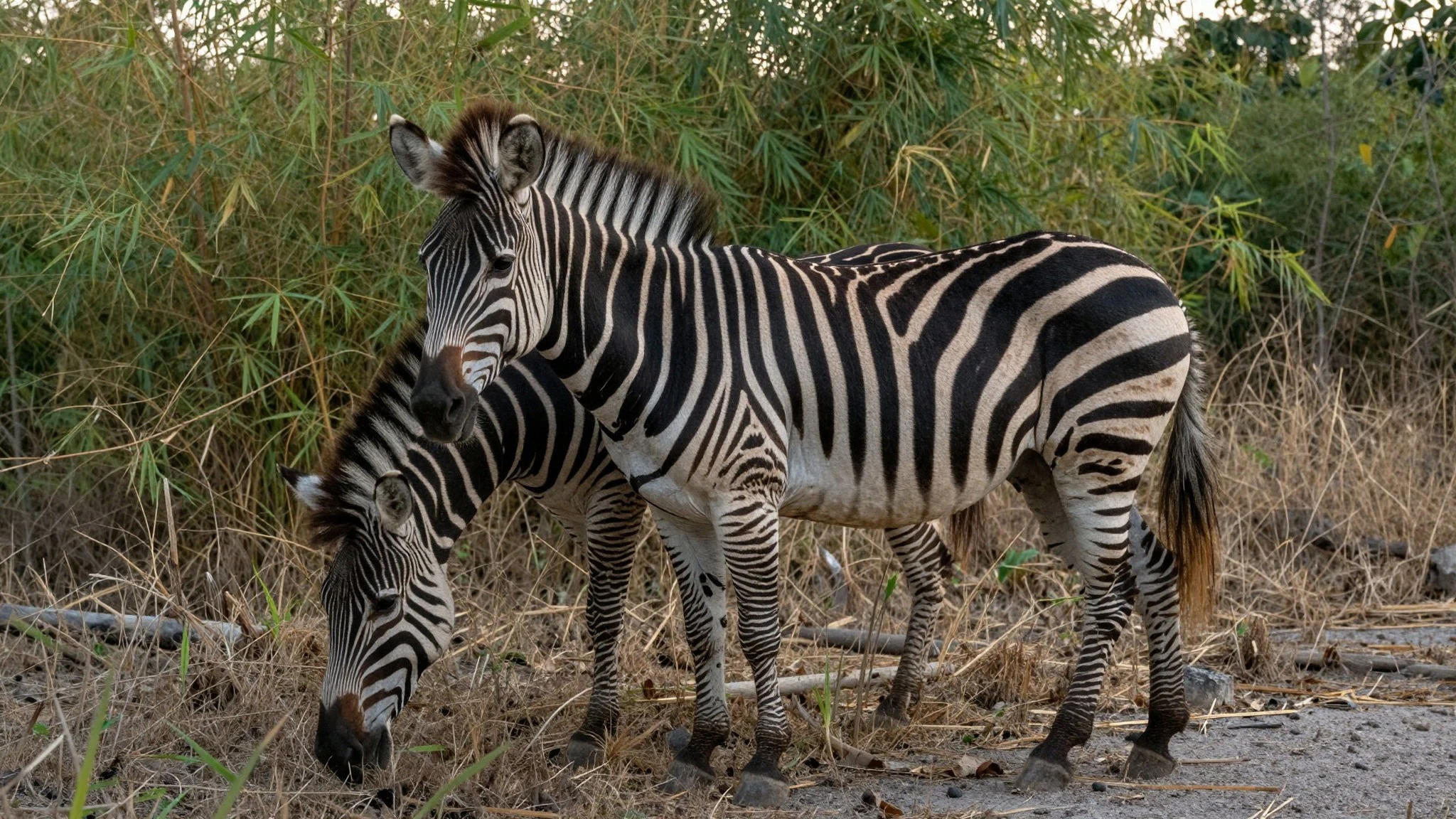
Grévy's zebra is the biggest wild member of the horse family, with thin stripes, big mule-like ears and a mane that stands straight up. It is also the most threatened of all zebras, and at Calauit Safari Park it shares ground with giraffes and some of Palawan's own threatened wildlife. Take a guide, stay well back and keep quiet so they are not startled. Never feed them, and let them live undisturbed.