Batanes
Batanes, Philippines
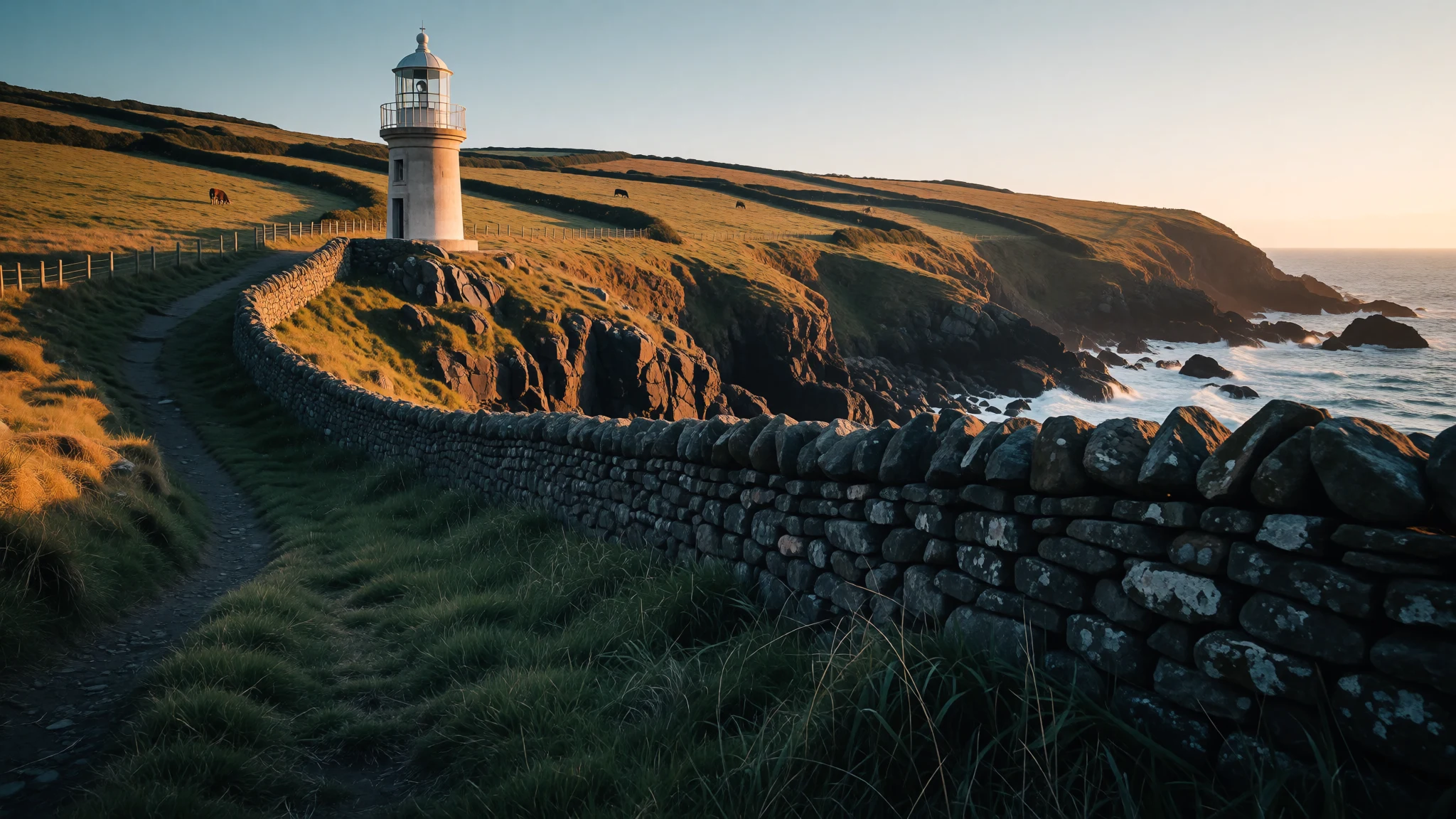
Batanes is a wind-cut Philippine island province of stone houses, cattle pastures and cliffs, where Ivatan life still follows the sea.
The place
Batanes is a small island province of the Philippines in the open strait between northern Luzon and Taiwan, where Pacific swell and the South China Sea meet in weather that can turn before a boat is loaded. The lived-in islands are Batan, with the capital Basco; Sabtang, across a short, rough channel; and Itbayat, higher and often cut off. Lesser islets sit around them, rock and grass that fishers know by use rather than by tour.
The land is not the palm coast many people expect of the Philippines. Hills roll in short green waves, fenced by hedgerows and dry stone, grazed by cattle. Shores run to cliff and boulder more often than to sand. Houses sit low, with heavy stone walls and roofs of cogon grass, built for a wind that lasts a season rather than an afternoon. Basco's provincial capitol looks over the town; south along Batan, Mahatao, Ivana and Uyugan each keep a church, a landing and a view towards Sabtang.
Wind organises the day. It salts the air, bends the pasture and decides whether a boat leaves. On a bright morning the grazing grounds — the rolling hills above the coast, and Racuh a Payaman, the wide pasture visitors nicknamed Marlboro Country — are still a working landscape of cattle and root crops. People watch the cloud before they watch the clock.
Faluwa, the traditional wooden boats, carry passengers to Sabtang when the channel allows. Itbayat waits on the sea. That stop-start is the real distance from Manila: Batanes keeps a pace set by kinship, weather and the next crossing.
Its story
Batanes entered written maps through outsiders, but its story begins with the Ivatan, an Austronesian people whose language sits close to that of the Tao of Orchid Island, across the same strait towards Taiwan. They farmed taro and other roots, fished flying fish, raised goats and cattle, and built for wind long before any colonial capital took an interest. Cooperation was a survival tool: boats, roofs and harvests were shared work, because a single household could not hold a typhoon alone.
European names arrived with navigators. The English navigator William Dampier passed this way and published a map of the East Indies, an outsider's picture of a sea Europe was still naming. Spanish missionaries and soldiers came afterwards, drawing Batanes into the colonial church. Stone churches rose beside stone houses. Ivatan remained the language of the home even where Spanish and, later, Filipino and English took the school and the office.
War in the Pacific reached Batanes as occupation and scarcity; families rebuilt afterwards with the same lime, stone and grass.
What stayed in daily use is the low vahay of lime and cogon, the vakul head covering and the pasture walls. Batanes is now a place people fly to for the hills, yet the story underneath is practical: how to live where the sea can close the door.
What to see
- Vayang Rolling Hills — Mahatao, Batan Island
Vayang Rolling Hills, above Mahatao in Batanes, are pasture slopes where short grass, cattle and hedgerows run towards the sea. Batanes shows its ordinary face here: wind, a working farm and a long view. Walk the tracks in clear weather and stay off the grass when cattle are grazing; the slopes are a field, not a lawn. Cloud can wipe the horizon, so use a bright hour while it holds.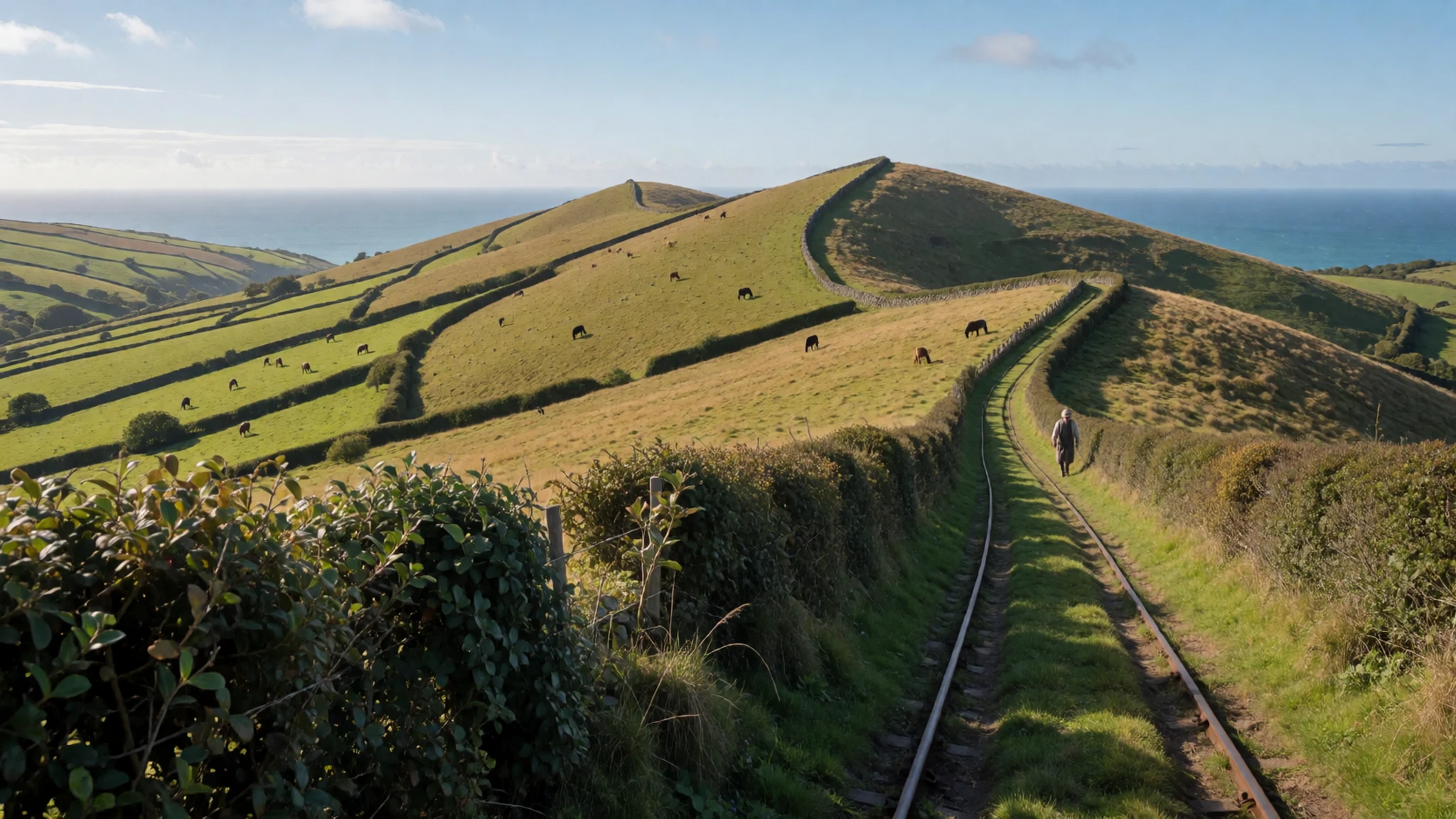
- Tayid Lighthouse — Mahatao, Batan Island
The Mahatao coast features views of pasture and rock, marking the shore when channel weather turns. The walk up is short and exposed. People come for the view along Batan and across towards Sabtang, not for a museum inside the tower. Mornings are quieter. Rails and the lamp are working gear, not a climbing frame. After rain the cliff grass is slippery.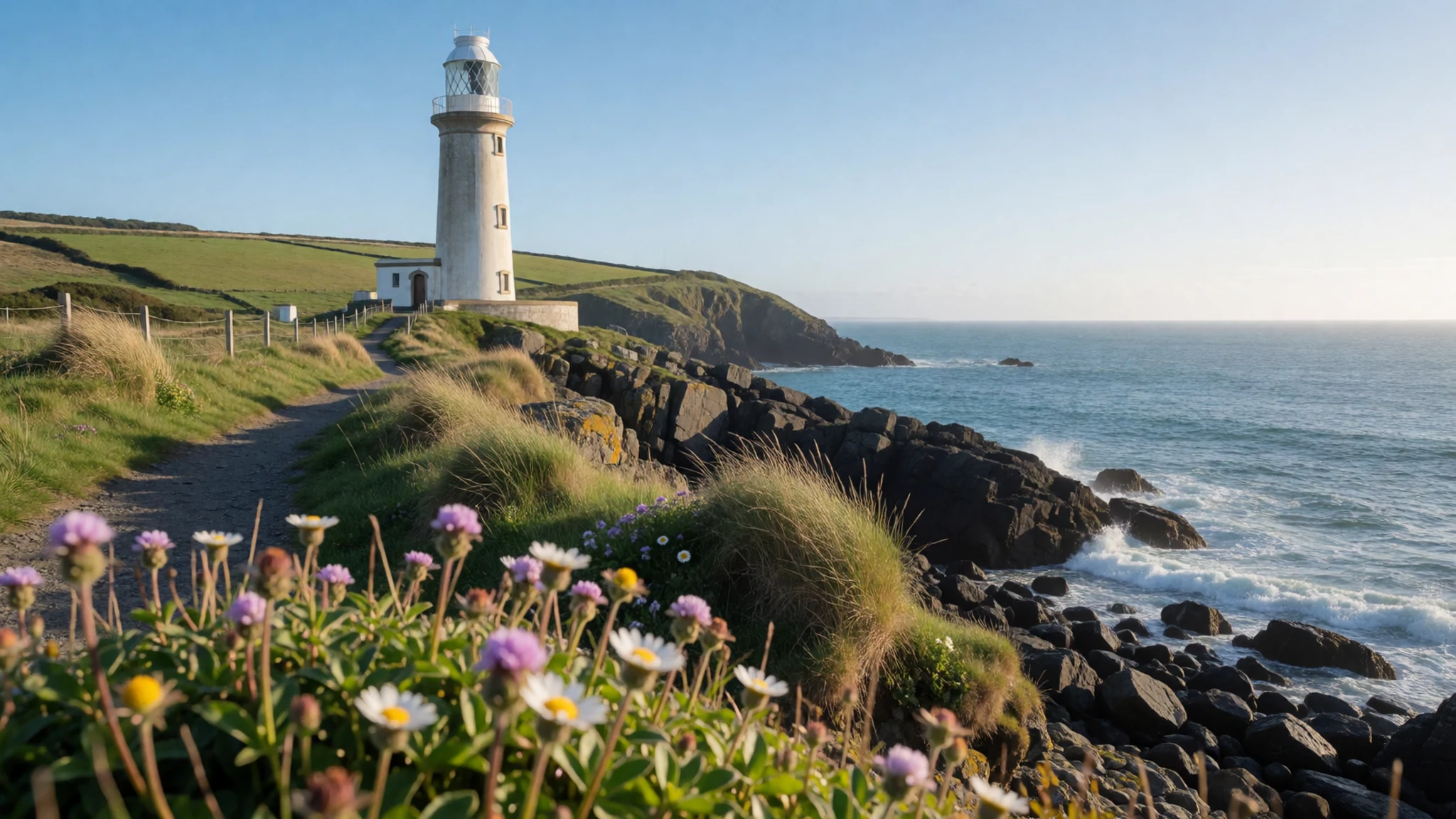
- Chawa View Deck — Sabtang Island
Chawa View Deck sits on Batan's Mahatao coast, a simple platform over a drop to the sea. From it the coast runs in dark rock and green slope, and on a clear day Batan shows across the water. Wind is stronger than in the lanes below, and shade is scarce. A short visit suits the place: the point is the pause. Keep back from unfenced edges when gusts rise.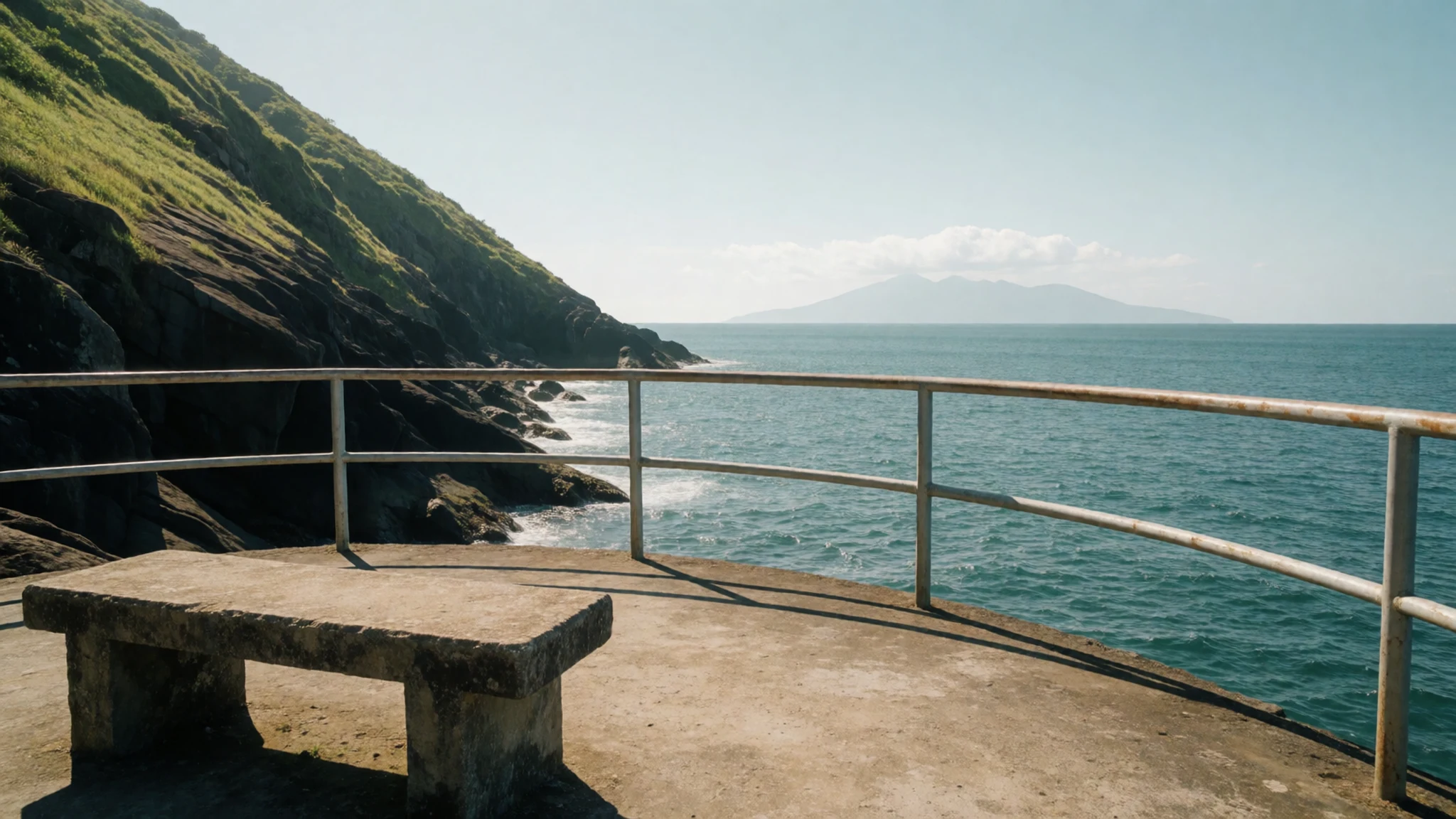
- Sabtang stone villages — Sabtang Island
Sabtang's villages, including the lanes of Chavayan and Savidug, keep the limestone-and-cogon house in a living street, not a museum row. Walls are thick, roofs low, and the lanes are scaled to people on foot. Washing, goats and open doors are daily life. Ask before a camera points at a face or into a house, and do not enter a yard uninvited. The boat back still waits on the channel.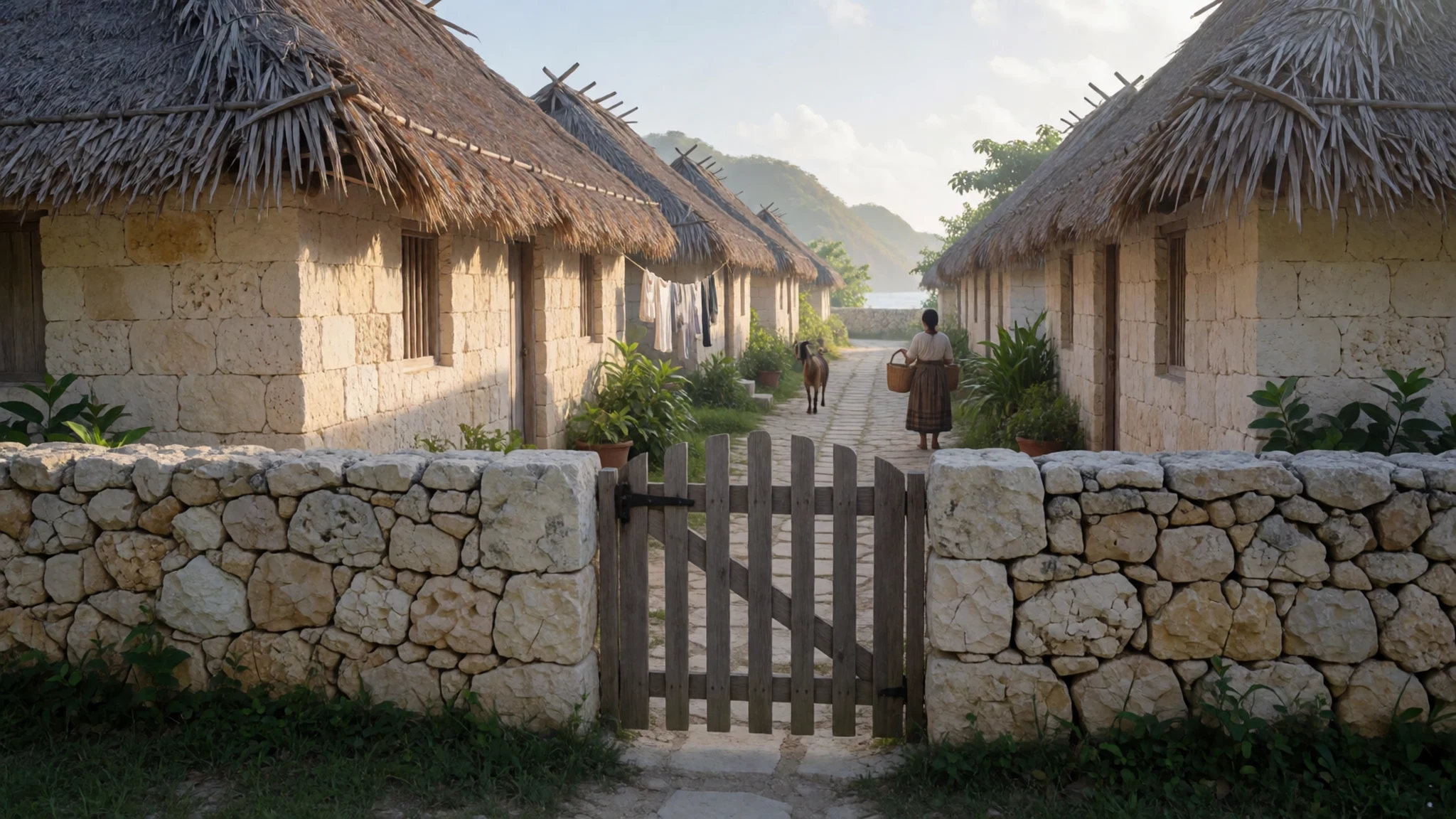
- Basco — Basco, Batan Island
Basco is the capital of Batanes and the town where most journeys begin: houses, shops, a port and an airstrip, not a city. The provincial capitol above the town is the civic landmark, hills behind it and sea in front. Roads run south towards Mahatao and the pastures, and boats leave for Sabtang when the water allows. A dawn walk sees the streets before the vans.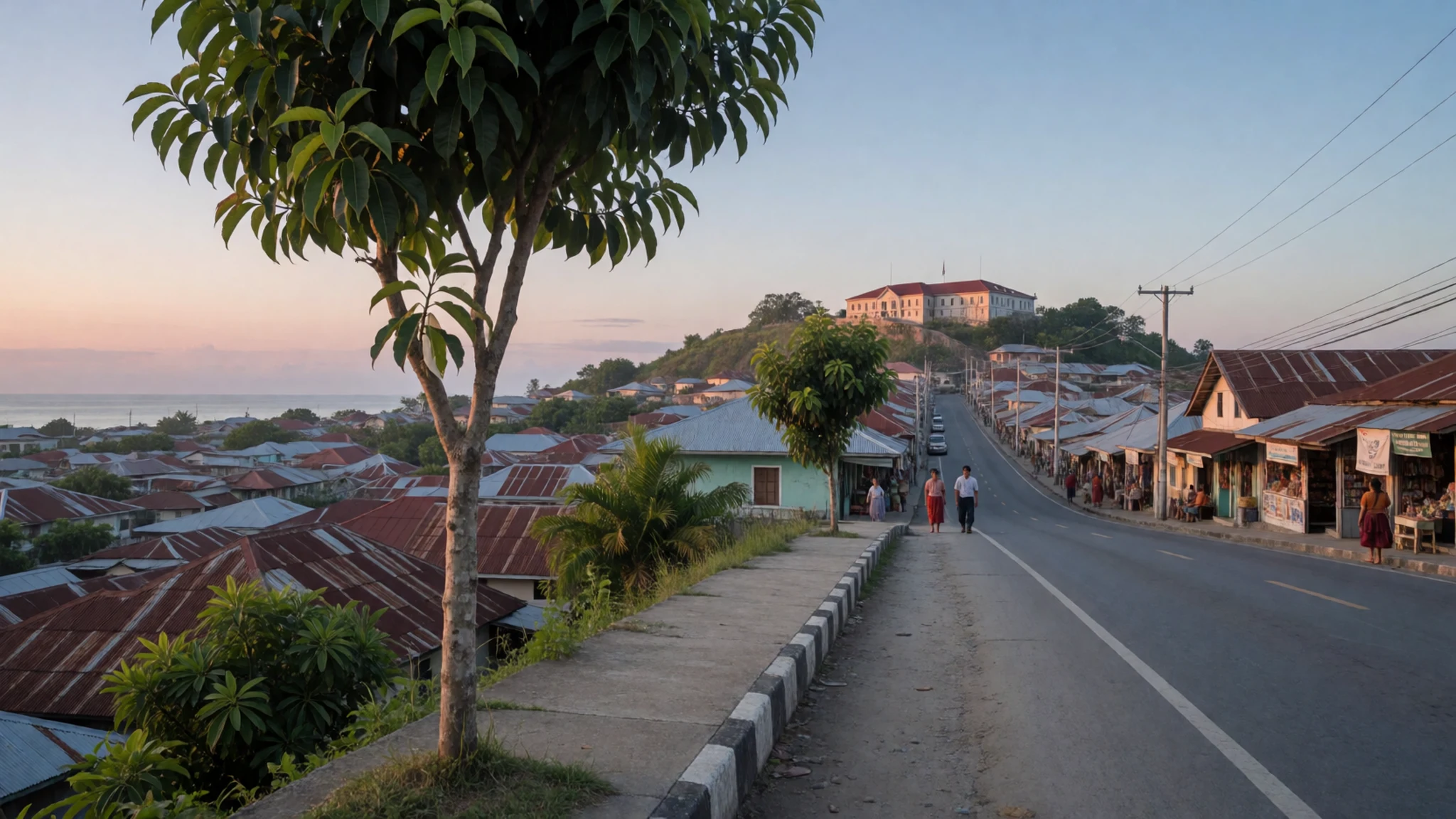
Culture
Batanes keeps an Ivatan culture that is practical first. The language is still spoken in homes and on boats, alongside Filipino and English in school and government. Kinship is the real map: work parties raise a roof, launch a boat or bring in a harvest, because the weather punishes anyone who tries to do everything alone. Catholic churches anchor the towns, and fiesta days mix procession, food and visiting with an older respect for the sea.
Food preservation, boat building and the stone house are cultural knowledge, not scenery. Families still know how to dry fish and root crops so that closed seas do not empty the kitchen. The vakul, a hood of vuyavuy palm fibre, and the kanayi vest belong to the same idea: the body has to be armoured against sun and rain. At fiestas, hosts pour palek, a cloudy wine fermented from sugarcane.
Public life is quiet. Voices stay low on village paths. Cattle have right of way. A house with an open door is not an invitation. Some stalls and small refreshment stands are left unattended, with a box or a note, on the assumption that a customer will pay and that someone will notice if they do not. That trust is talked about outside the province, and it is also fragile. Ask before you photograph a person or the inside of a home, remove your shoes when a host indicates the step, and leave the exact payment at an unattended stall.
What to wear
Batanes dresses for wind, sun and rain before it dresses for show. The garment outsiders notice is the vakul, a hooded cowl woven or layered from the fibre of the vuyavuy palm, worn over the head and shoulders so that skin does not take the full blast of weather. Women wore it in the fields and on paths; men wore the kanayi, a vest of the same fibre. Both are textiles of the island, not imported cloth: pale gold to brown, stiff, and shaped by hand. They appear now at festivals, dances and welcomes, and a few elders still use them as actual weather gear.
Day to day, Ivatans wear what other provincial Filipinos wear. T-shirts, shorts, jeans, flip-flops or rubber boots, school uniforms, a jacket when the amihan wind is up, a cap against glare. Church and fiesta call for something cleaner — a collared shirt, a simple dress — rather than a reconstructed ancestral costume.
A visitor should copy the practical half of that. Light, covering clothes that dry quickly, a windproof layer even in warm months, and shoes with a grip for mud, wet grass and boat landings. Sandals are fine in Basco; they are a poor choice on cliff paths and cattle slopes. At churches, cover shoulders and knees. The vakul is not a costume to grab from a stall and clown in: if you try a vakul on, ask, pay, and treat it as someone's craft.
What to eat
- Dibang — Basco market stalls and simple seaside eateries
Dibang is flying fish, the everyday catch of Batanes, sold fresh or split and dried for the days when boats stay in. Fried crisp, it comes with rice at simple eateries and in home kitchens. The taste is oilier and stronger than a mild reef fish.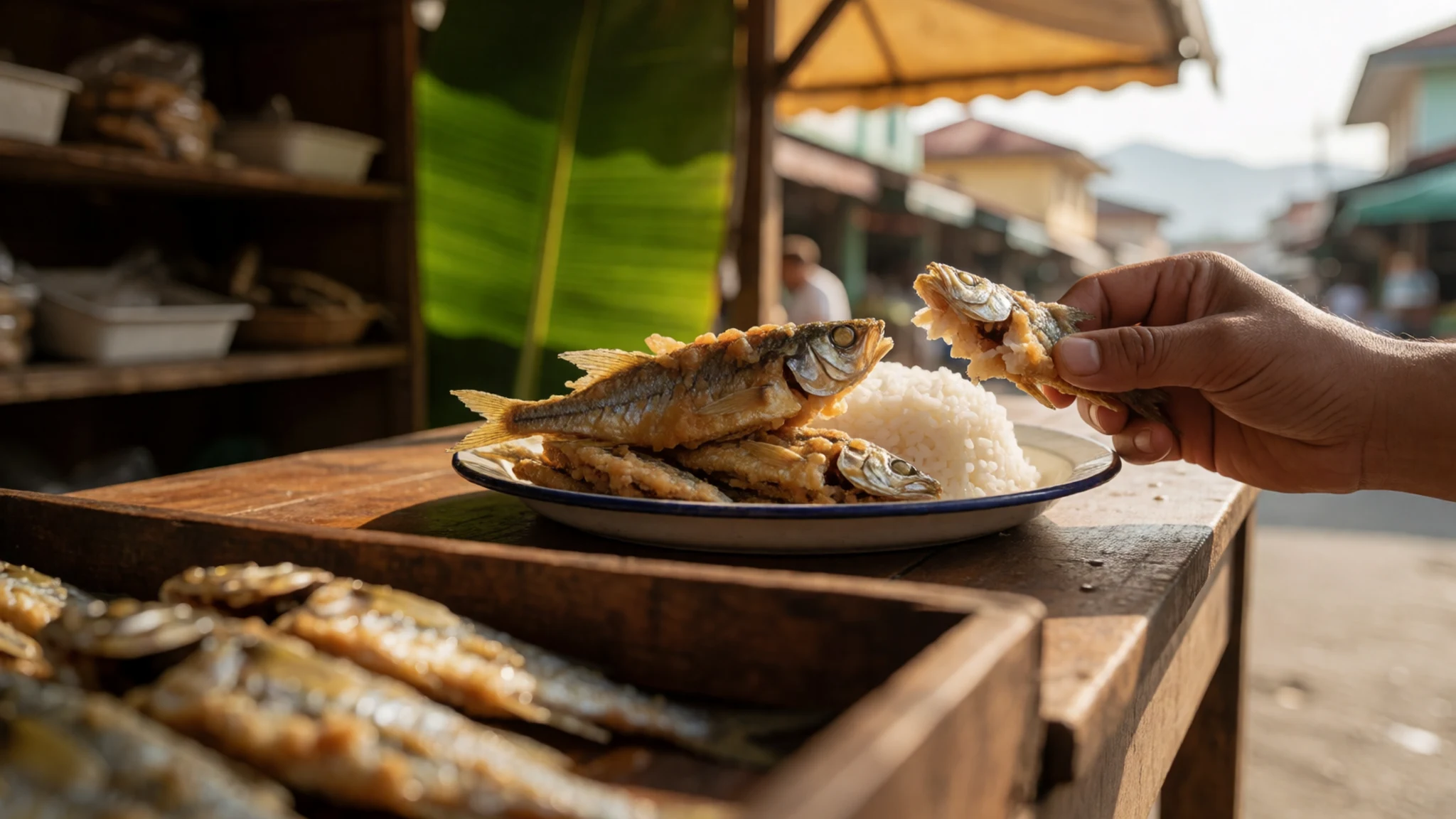
- Lunis — home-style eateries in Basco and Mahatao
Lunis is pork cooked down with gabi, the local taro, then dried so a household can keep meat through bad weather. Cooks fry the stored mix until the edges colour and serve it with rice. It is salty, dense and meant to fill.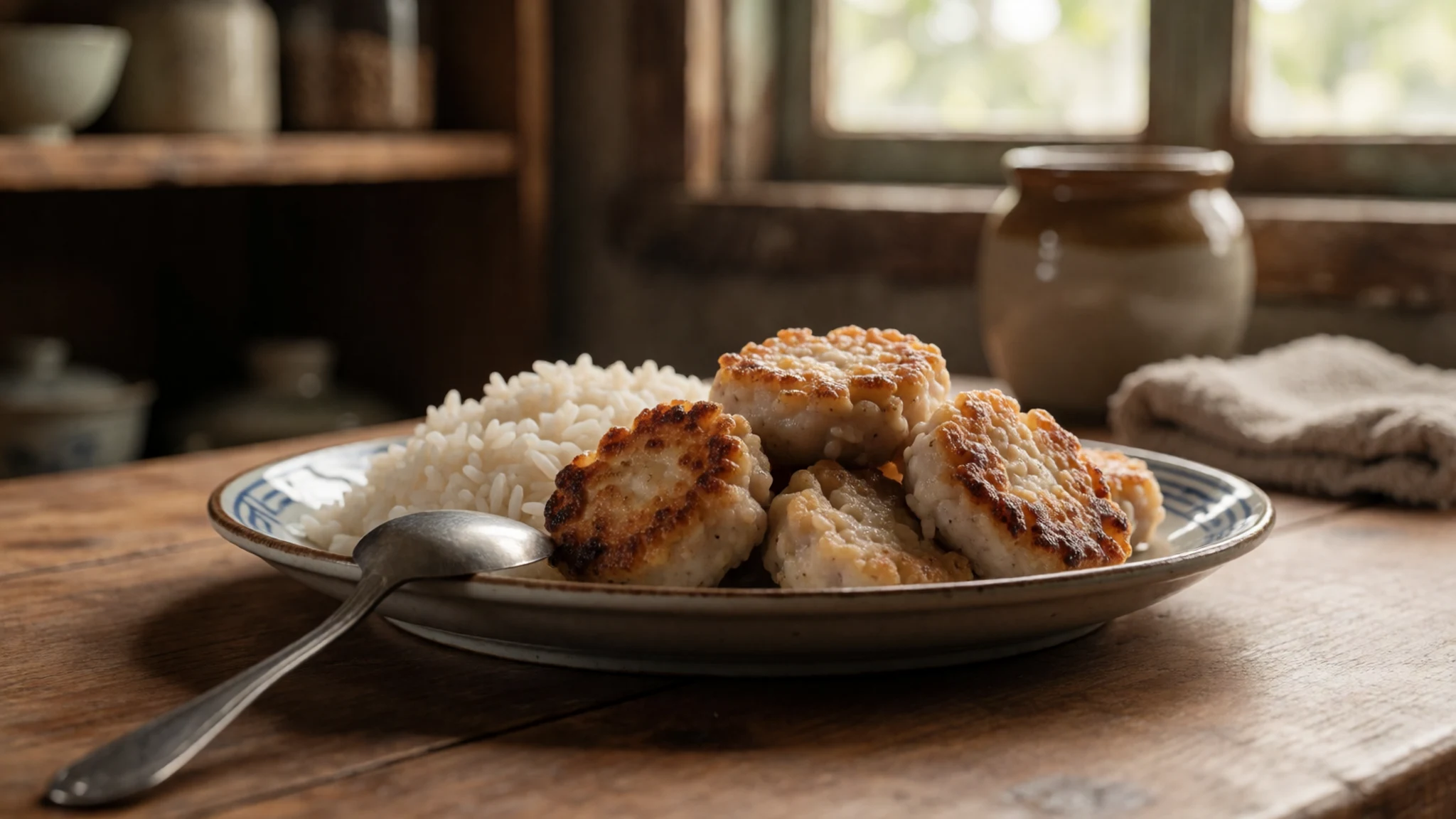
- Vunes — village eateries on Batan and Sabtang
Vunes is made from the stalks of gabi, dried, then soaked and cooked again with garlic and a little pork or fish. The texture is fibrous, the flavour earthy, and it belongs to the same store-cupboard logic as the other preserves: food that waits out a closed sea. - Uvud — family kitchens and village eateries
Uvud is an Ivatan reserve food of pork mixed with banana, dried, then fried when it is time to eat. It exists so protein can be kept without refrigeration. The result is sweet-savoury, firm and salty. - Arayu — eateries in Basco on a day when boats have landed a catch
Arayu is the local name for dorado, a blue-water fish that boats bring in when the sea is workable. Eateries grill or fry it simply, often with rice and a sour broth on the side. The flesh is cleaner and milder than flying fish.
Plan it
Best time. January to April is the kinder window in Batanes: most comfortable and often clear enough for the hills and for the channel to Sabtang. June through September is the wettest period, when boats and flights often cancel. December to February is cooler and hard-winded under the amihan, pleasant between systems and rough while a front sits overhead.
How long. 4–5
Getting there. Fly into Basco, on Batan. Flights link the airstrip with Manila; seats are limited and weather delays them. Do not count on a ferry from Luzon. Sabtang is a faluwa crossing from Ivana when the channel allows. Itbayat is another boat from Batan, and that crossing is the first thing a storm cancels.
Budget. high
Tips
- Book the flight and a room before you go; Basco has few beds in the calmer months.
- Keep a spare day so a cancelled Sabtang or Itbayat crossing does not end the trip.
- Carry cash; many eateries, stalls and boat crews do not take cards.
- Pack ordinary medicines; a storm can stop a flight to a hospital.
Etiquette
- Ask before you photograph people, doorways or a church interior.
- Leave the full payment at an unattended stall and do not haggle.
- Give cattle room on the paths and close any gate you open.
Nearby
Sources
- Wikidata (CC0)
- Wikipedia (CC BY-SA 4.0)
- Wikivoyage (CC BY-SA 4.0)