Baguio
Baguio, Philippines
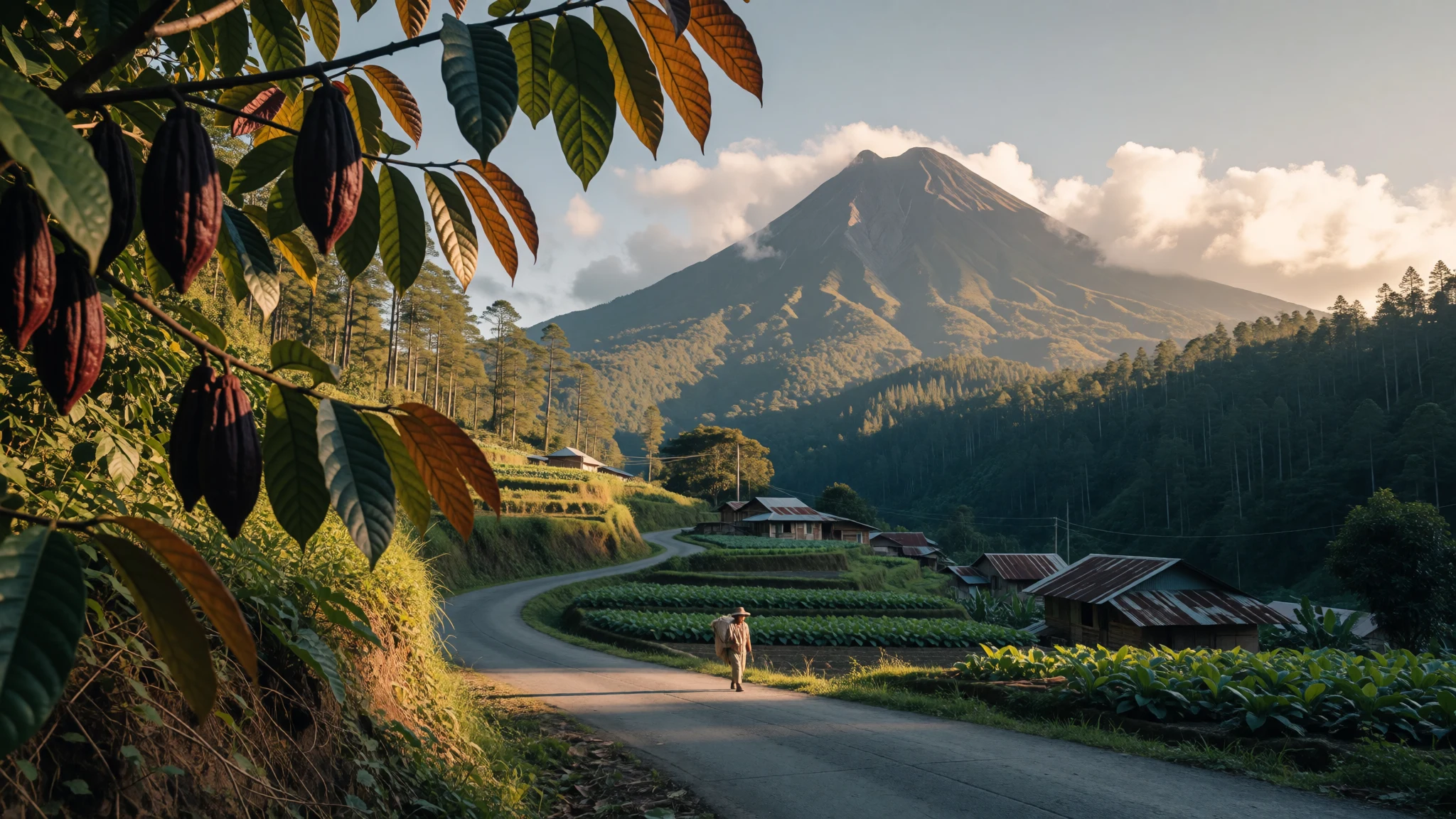
Baguio, a highly urbanized city in the Cordillera Administrative Region, offers pine forests, cool mountain air and highland vistas within the mountains of northern Luzon.
The place
Baguio is a city in northern Luzon, located in the province of Benguet, and is widely known as the Summer Capital of the Philippines. This Baguio sits in the uplands of the Cordillera Central, and its population is approximately 407,000. It is a semi-rural place of farms, small settlements, patches of forest and a few visitor attractions strung along winding roads. The main reason to come is to enjoy the cool climate and the scenic beauty of the City of Pines. Eden Nature Park and some cacao and coffee farms nearby fill out a day. The height gives the district a cooler, fresher feel than the coast, which is welcome after the heat of central Davao, though it is still tropical: expect humidity, sudden downpours and a great deal of green. There is no walkable town centre to speak of. Distances look short on a map but the roads are slow, jeepneys thin out away from the main road, and most visitors hire a taxi or a driver for the day. Mornings are best for wildlife and views, before cloud builds. The district works as a half-day or full-day escape rather than a base, since the better eateries, lodgings and transport links are all in Davao proper. Check current travel advice for Mindanao before booking, because many governments urge caution on the island.
Its story
Baguio, the city in northern Luzon, has a rich written record as a mountain retreat and a center of education and culture. The Mindanao story is older and more rooted in the land. The uplands facing Mt Apo have long been home to Indigenous peoples, among them Bagobo communities, who cleared hill farms, hunted and gathered in the forest, and treated the great volcano as a sacred presence. Spanish power reached the shores of Davao Gulf from the coast and had far less hold on the interior. Later waves of settlers from the Visayas and elsewhere in the Philippines came to farm the fertile slopes, and Davao grew into a region of plantations and orchards: bananas, coconuts, cacao, coffee and the fruit it is now best known for, durian. Baguio grew into a highly urbanized city, yet it maintains its character with pine-covered hills and parks between the urban centers. In recent years the city has remained a premier tourist destination, celebrated for its creative arts, strawberries, and highland atmosphere. Anyone wanting the deeper history is best served by talking with local guides and community elders, and by visiting the museums and cultural events in Davao city, since little of this story is set down in print.
What to see
- Philippine Eagle Centre — Malagos, Baguio District
A conservation and breeding site where Philippine eagles live in large aviaries under forest cover. The species is endangered, and the visit is as much about explanation as sightings, with keepers describing rescue and release work. Go early, wear closed shoes for damp paths, and check the centre's official channels before travelling.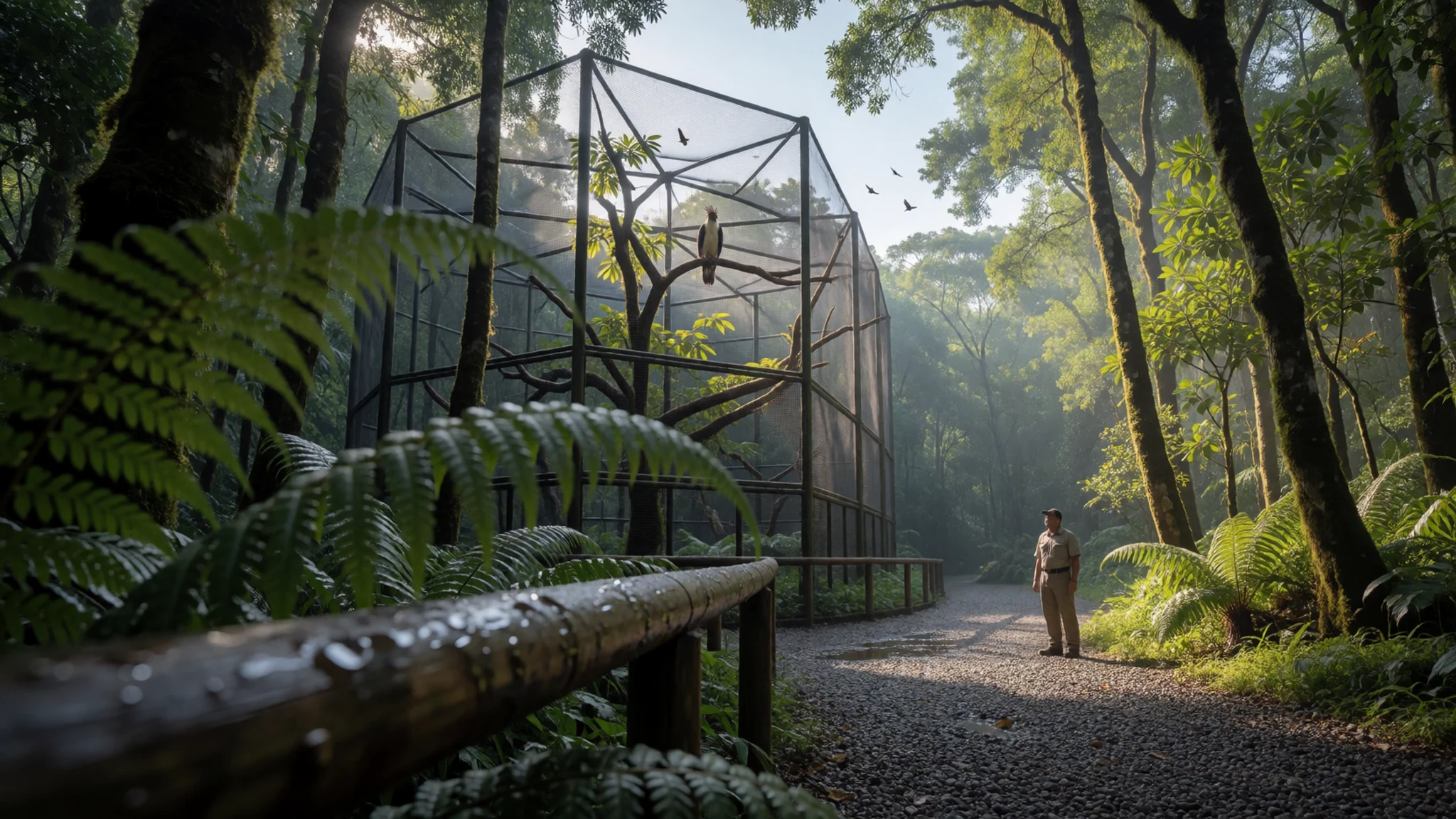
- Eden Nature Park — Uplands towards Toril
A mountain park on the cooler slopes towards Toril, with walking paths, gardens, eateries, horse riding and a zip-line style ride called the Sky Rider. It suits families and anyone wanting a few unhurried hours away from the heat. Weekends bring crowds, so weekday mornings are calmer. Check the park's official site for hours and fees.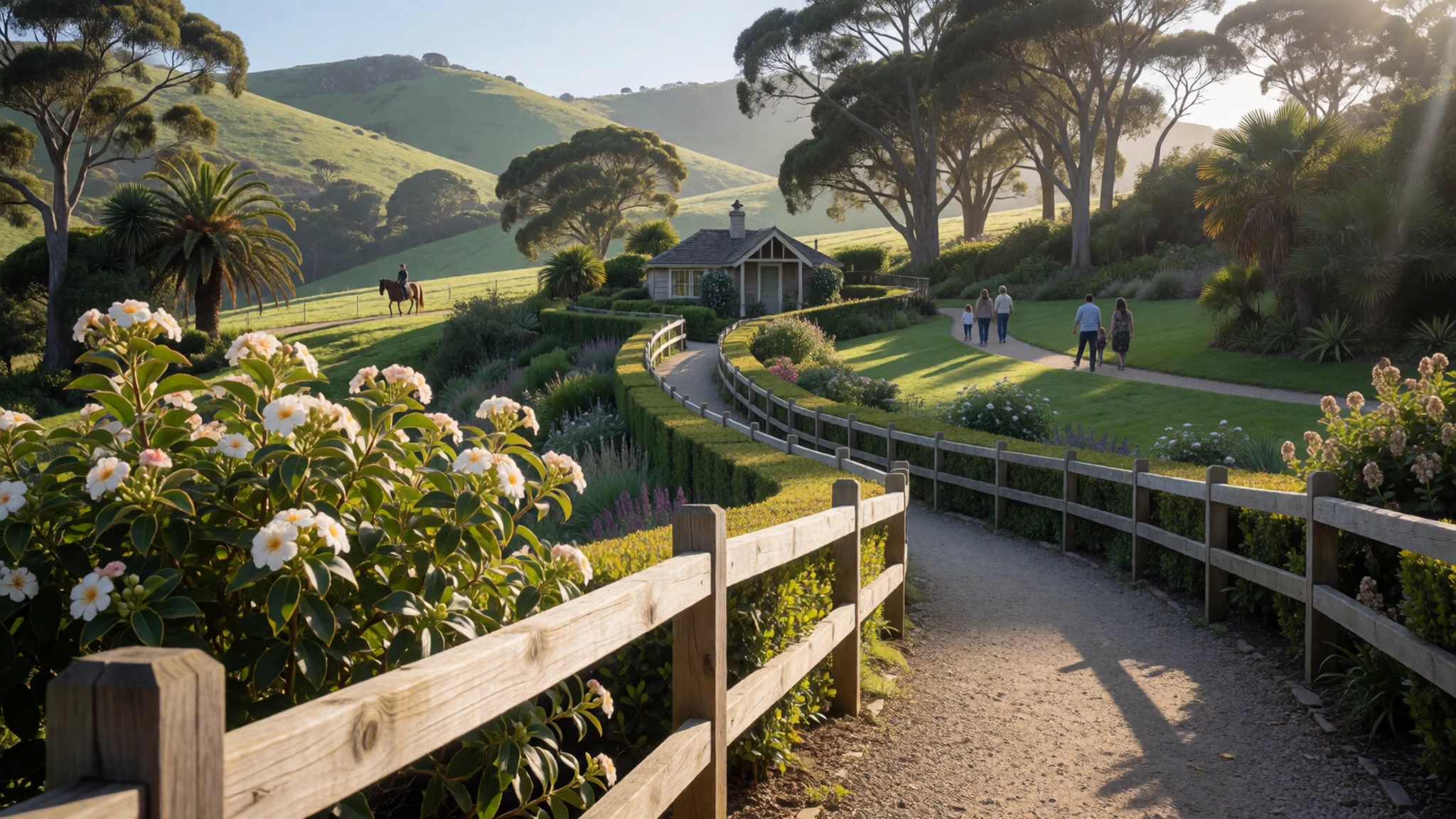
- Mt Apo — Southwest of the district
A dormant volcano that dominates the horizon to the west of Baguio district. Most visitors will see it from a distance on a clear morning, before cloud wraps the summit. Climbing it usually needs permits, a registered guide and several days, so treat that as a separate trip planned well ahead.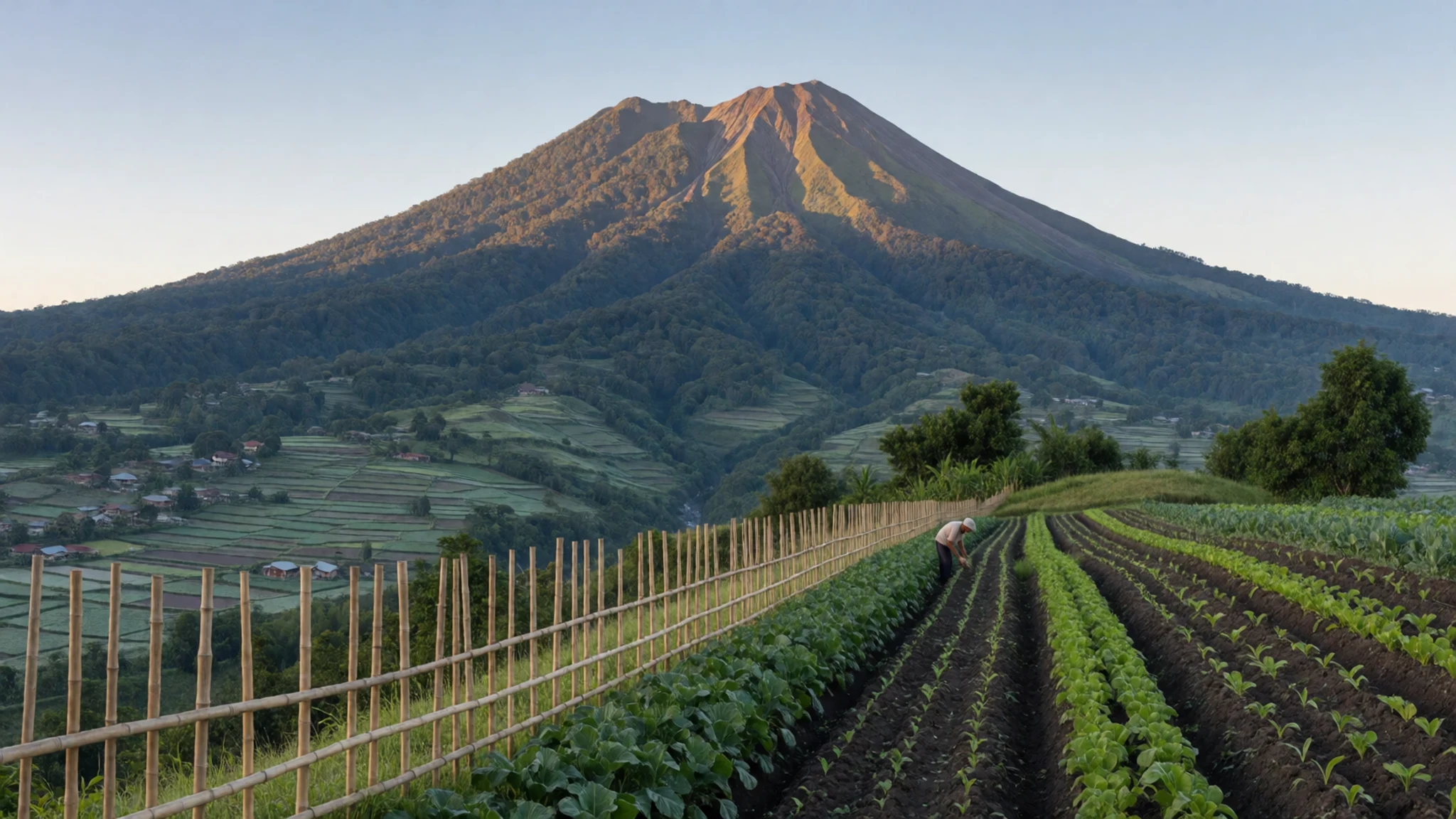
- Jack's Ridge — Davao City, hills above the centre
A hillside viewpoint in Davao City that local sources link with Japanese forces in the Second World War. Today it is a place to look over the city, best around dusk when the lights come on. It lies across town from Baguio, so combine it with a city day.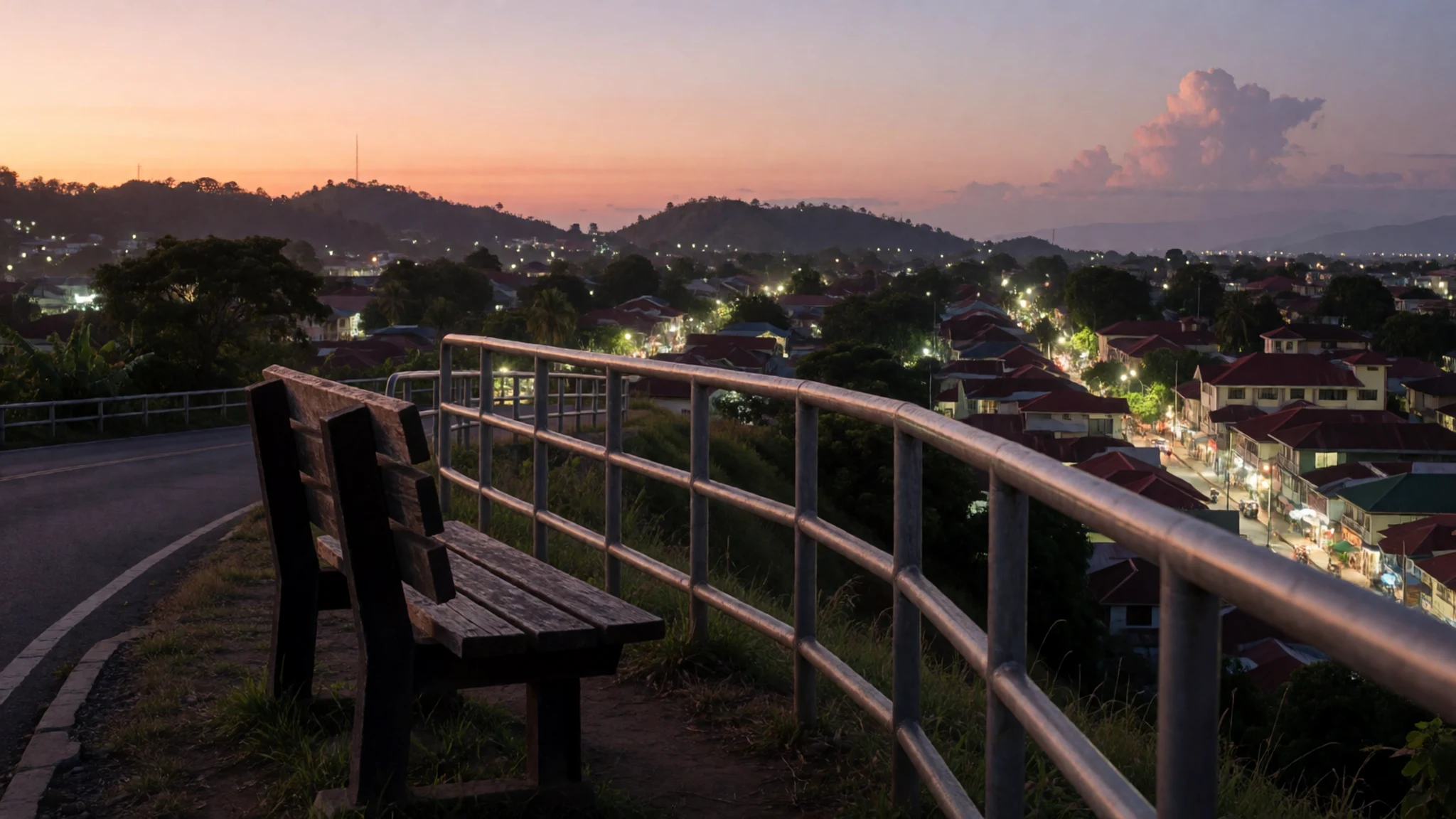
- Shrine of the Holy Infant of Jesus — Davao City, near Jack's Ridge
A hilltop shrine close to Jack's Ridge with views across Davao, where Mass is held several times a day and visitors sit quietly. It is a calm stop after the city's traffic. Dress modestly, keep voices low during services, and avoid walking in front of worshippers.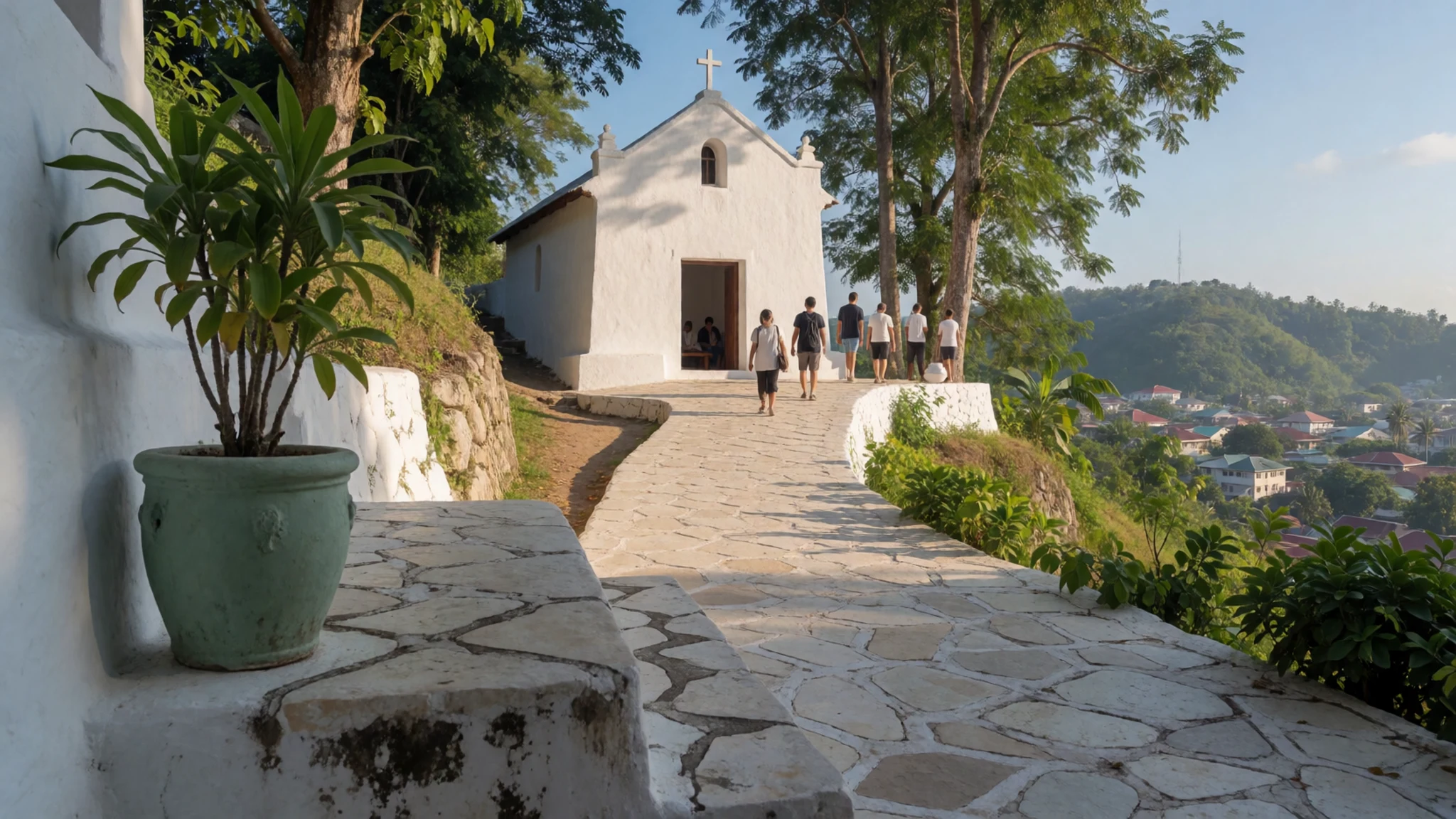
Culture
Baguio, like the rest of Davao, is a mix of peoples. Indigenous communities such as the Bagobo, Mandaya and Mansaka share the region with descendants of settlers from the Visayas, Luzon and beyond, along with Muslim communities and Chinese-Filipino and Japanese-descended families who helped shape Davao's trade. Cebuano (Bisaya) is the everyday language, Filipino and English are widely understood, and a few polite words in Cebuano get a warm response. Catholicism is widely practised, with chapels and shrines on many hilltops, and mosques serve the Muslim communities in the city. The calendar's high point is the Kadayawan Festival, held in August, a thanksgiving for the harvest and for the region's Indigenous cultures, with street dancing, fruit displays and traditional music. Beyond festivals, culture here lives in food, in farm life and in the conservation ethic around the Philippine eagle. Gatherings are relaxed and hospitality is generous, and visitors are often invited to share a meal or a photograph. Modesty and humour go together, so loud complaints or showy displays of money sit badly. Politeness towards elders, such as saying 'po' or 'opo' when speaking Filipino to them, is noticed and appreciated. Ask before photographing people in Indigenous dress, and keep durian out of taxis, lodgings and aircraft, where it is often banned.
What to wear
Traditional dress around Baguio and Davao belongs to the Indigenous groups of the region, and Bagobo clothing is one example. It is made from abaca (Manila hemp) fibre, often dyed and woven in ikat patterns called inabal, then decorated with beadwork, shell, brass bells and bold embroidery in red, black and white. Such outfits are mostly worn now for festivals such as Kadayawan, for weddings and for cultural performances, and artisans still make pieces for sale. Day to day, people in Baguio wear what suits a warm, humid climate: cotton T-shirts, shorts, light dresses, jeans for office work, rubber sandals, and boots on the farms. Smart occasions bring out the barong Tagalog for men, a sheer embroidered shirt worn untucked. Visitors should pack light, breathable clothes in cotton or linen, a compact rain jacket, and a thin fleece for cooler highland mornings. Closed shoes with good grip suit the damp paths at the eagle centre and park trails, while sandals are fine in town. Churches and shrines expect covered shoulders and knees, and the same goes for mosques, where women should also carry a scarf. A hat, sunscreen and insect repellent matter more here than any dress code.
What to eat
- Durian — Fruit stalls and roadside stands in Davao, and Bankerohan Public Market
The region's famous fruit: a spiky husk, custard-like flesh and a smell that divides people. Seasons vary, so ask vendors what is ripe. Eat it at the stall, since many lodgings, taxis and airlines do not allow it.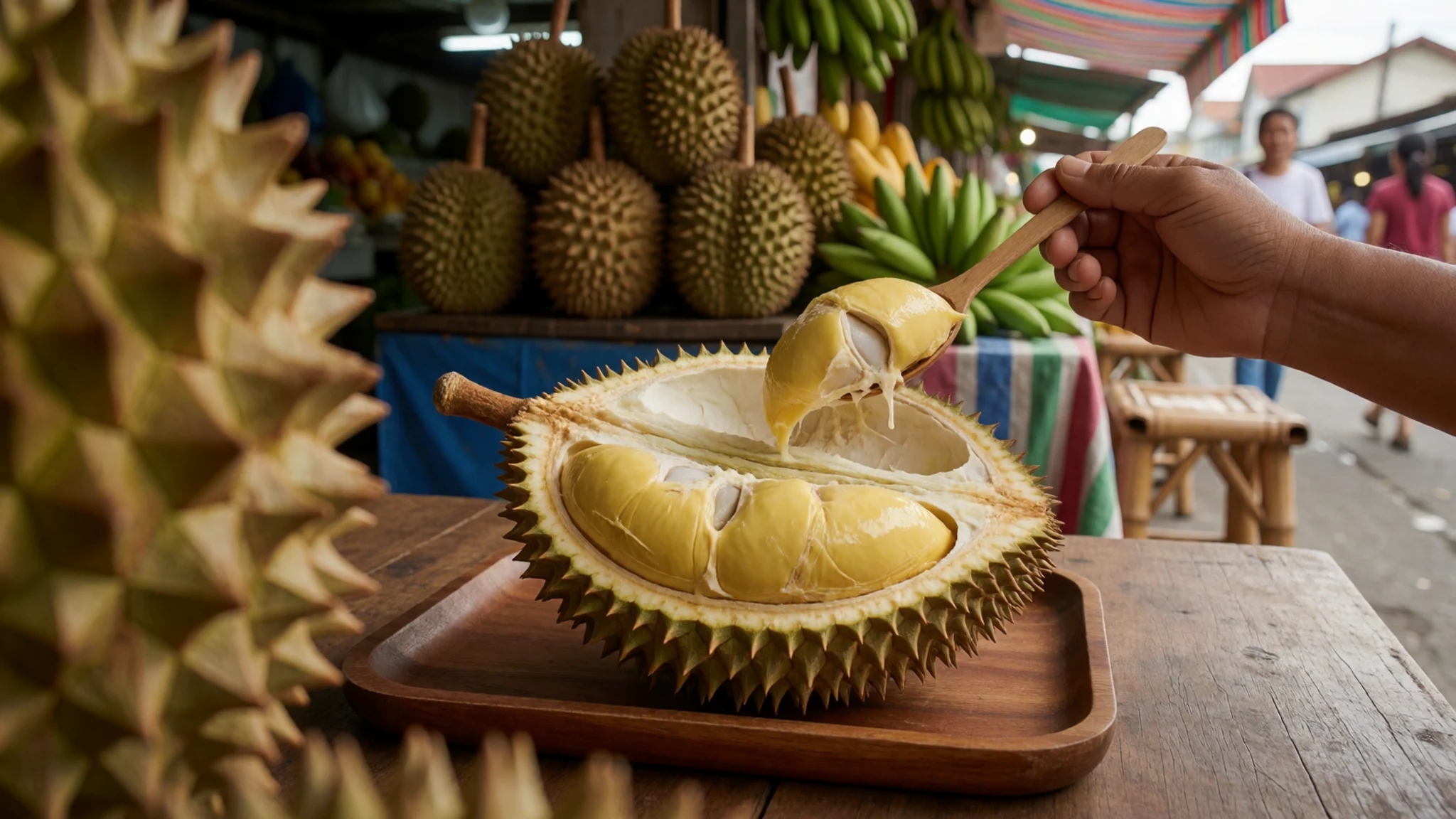
- Pomelo — Fruit stalls and Bankerohan Public Market
A large citrus fruit, like a mild, sweet grapefruit, peeled and eaten in segments. It is often sold chilled and is a good refresher after a morning outdoors in the humidity.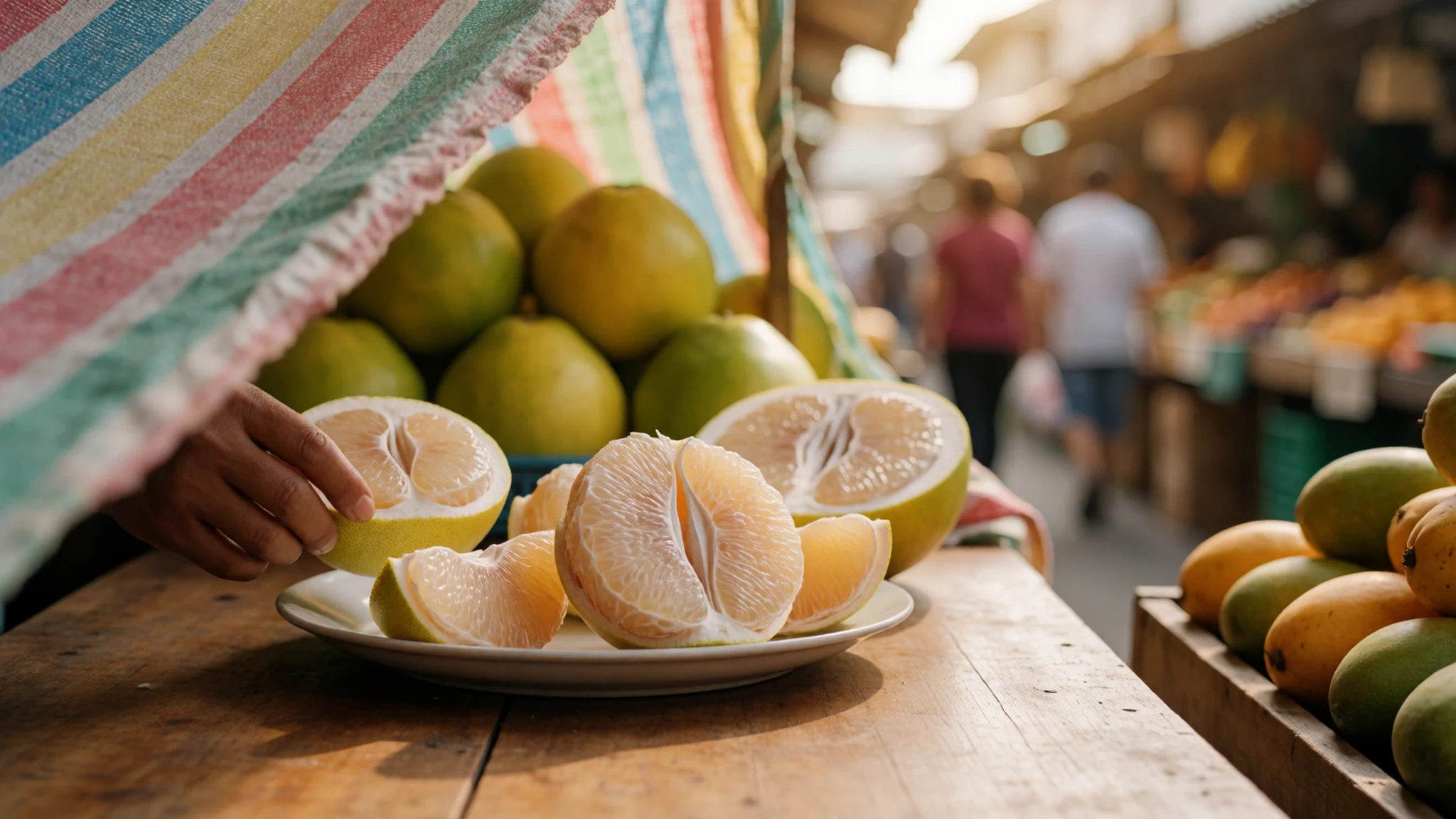
- Tablea hot chocolate — Farm shops and cafes in the Malagos area
Thick drinking chocolate made from locally ground cacao tablets, whisked until frothy and usually only lightly sweet. Cacao grows on farms in the uplands, and some of them offer tastings and small shops. - Grilled tuna — Seaside grill eateries and market-side stalls in Davao City
Tuna jaw or belly grilled until smoky and juicy, eaten with rice and a sharp vinegar-and-chilli dip. It is a Davao staple thanks to the city's fishing ports and is best eaten fresh. - Pork barbecue with rice — Garden grill eateries in Davao City, mostly open in the evening
Skewered pork grilled over charcoal and served with generous amounts of rice, often at garden eateries where people stay on into the evening with a cold beer.
Plan it
Best time. March to May are the hottest months and suit the open-air sights; October is the wettest month, while January and February are the most comfortable. Rain can fall in any month and the highlands are cooler than the coast, so carry a light rain jacket all year.
How long. 1–2
Getting there. Fly to Davao's airport, which has regular flights from Manila and Cebu and a direct link from Singapore. Take a metered taxi into Davao City, then a taxi, hired driver or van up to Baguio district, as public transport thins out in the uplands. Jeepneys run along the main roads.
Budget. low
Tips
- Check your government's travel advice and your insurer before booking, as many advisories urge caution on Mindanao and policies may not pay out.
- Start early: wildlife is more active, the air is cooler and cloud builds later in the day.
- Carry cash for farm shops and small stalls, as cards are rarer outside Davao City.
- Arrange your return ride in advance, because taxis can be scarce in the uplands.
Etiquette
- Ask before photographing people, especially in Indigenous dress.
- Keep durian out of taxis, lodgings and aircraft.
- Cover shoulders and knees at churches and mosques.
Nearby
Sources
- Wikidata Q53961359 (CC0)
- Wikipedia: Baguio (rev 1385640496) (CC BY-SA 4.0)
- Wikivoyage: Davao (rev 5400867) (CC BY-SA 4.0)
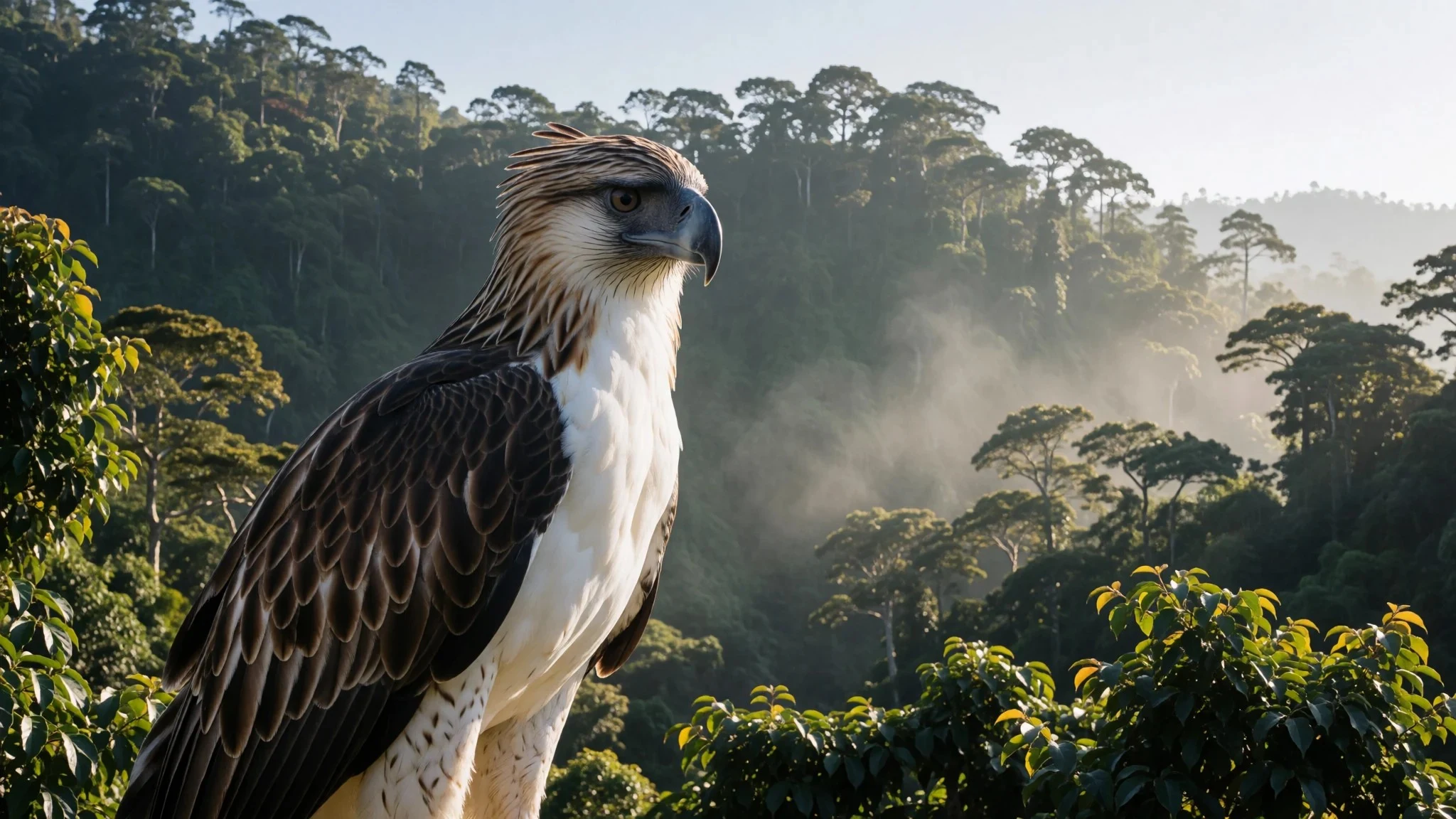
Wildlife
- Philippine eagle (animal)
The Philippine eagle is a great forest eagle, sometimes called the monkey-eating eagle, so remember it as the eagle with a monkey in its name. You can meet it at the Philippine Eagle Centre, a place that protects the species and helps it breed, where the birds live in roomy enclosures shaded by trees. Ask the centre when is best to visit. Watch from a respectful distance, keep your voice low, follow a guide's advice, and never feed them.