Apo Island
Apo Island, Philippines
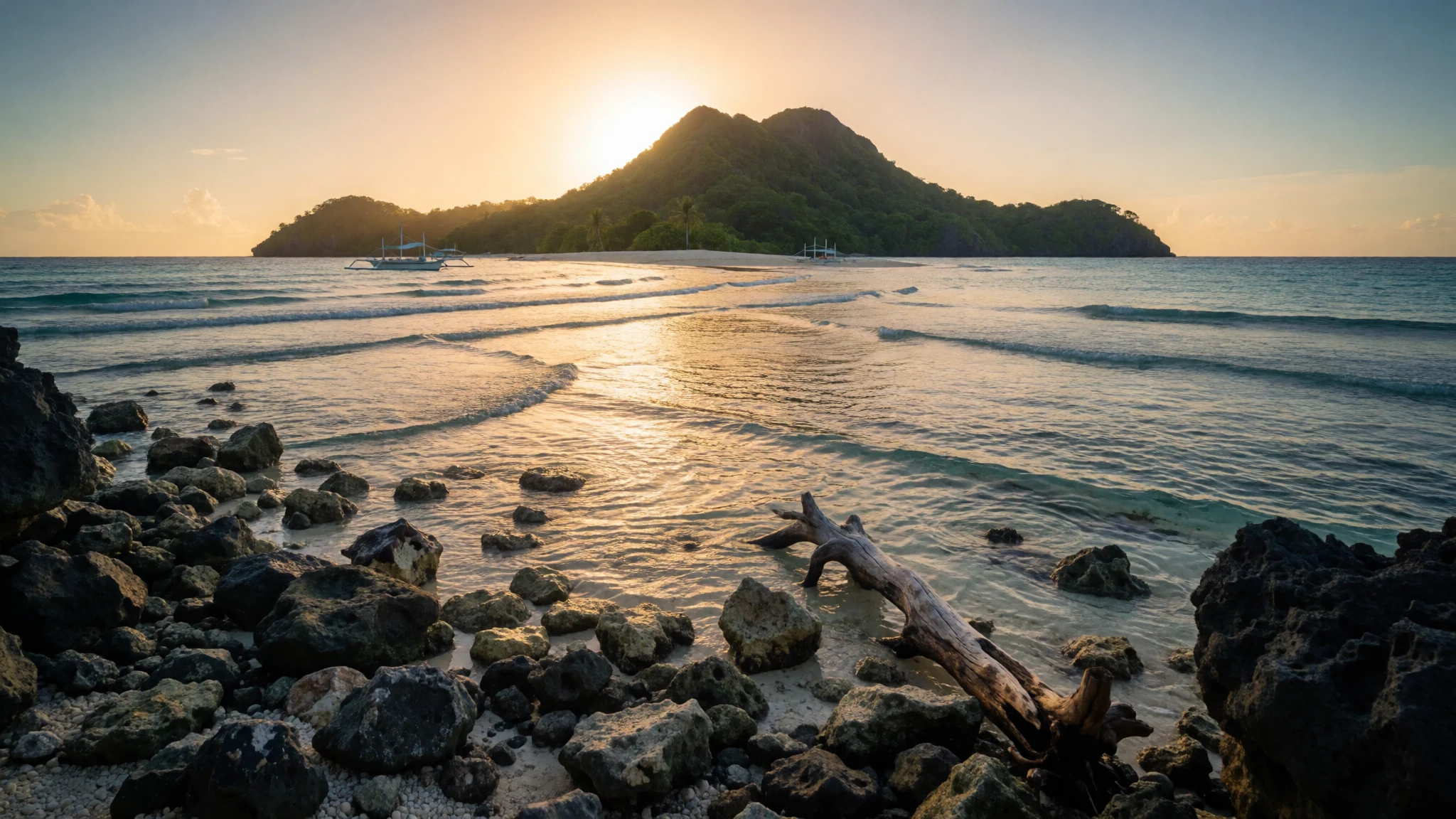
Apo Island is a small Philippine volcano ringed by a community-protected reef, where turtles and coral lie a short swim from the beach.
The place
Apo Island is a small volcanic island off the southeastern tip of Negros in the central Philippines, and it counts as one of the barangays of Dauin municipality. Its land area is about 74 hectares and its highest point reaches 94 metres. Around 823 people live here, and the name comes from a Visayan word for an elder or respected ancestor. The island lies roughly 7 kilometres from the Negros coast and some 30 kilometres south of Dumaguete, the provincial capital, so it feels close to the mainland yet properly separate once the boat pulls away. There is no town to speak of: a village, a ranger station, a lighthouse, two small resorts that each run a dive centre, and a great deal of reef. The sea around the island is a protected marine reserve under national protected-area law, overseen by a local management board, and that protection is the reason most visitors come. Coral, fish and turtles sit close to the shore, so even a short swim from the beach shows plenty. Days here follow the water. Boats leave from Malatapay on the mainland, about half an hour away over open sea, and the swell decides how comfortable the crossing is. Rough weather can cancel trips, shade is limited, and midday sun on the water is strong. Menus are short and the pace is slow, which suits people who want the reef more than nightlife. Day visitors arrive from Dumaguete and from resorts along the nearby coast, while those who stay overnight have the island to themselves at the quieter ends of the day.
Its story
Apo Island is known less for what happened to it than for what its residents chose to do. The island has long been home to a fishing community, and the sea has been its main source of food and income. Over time, the people here came to see that the reef was not a bottomless supply, and that fish stocks recover when part of the water is left alone. The result was a sanctuary organised by the community itself, with help from outside scientists, rather than one imposed from a distant office. Rules about where fishing is allowed became part of island life, and residents took on the work of watching over them. The approach drew attention far beyond the Visayas, and the island is now often cited when people discuss community-run marine protection. Later, national law and a formal management board gave the reserve a legal footing. Tourism followed, first with divers and then with snorkellers and day-trippers, and today the island lives on a mix of fishing, visitor income and conservation fees. That arrangement is not without strain. Boats, footfall and sunscreen all touch the reef, and the community has to balance welcoming guests with guarding what they came to see. The name, meaning an elder worthy of respect, suits a place whose best-known lesson is about patience and restraint.
What to see
- The sanctuary reefs — Waters around the island
The reef is the main draw, and diving here usually means drifting along coral slopes with turtles, schooling fish and sometimes a large giant trevally passing through. More than 650 fish species have been documented and coral species are estimated at over 400. Dive centres on the island and in nearby coastal towns run trips for different experience levels.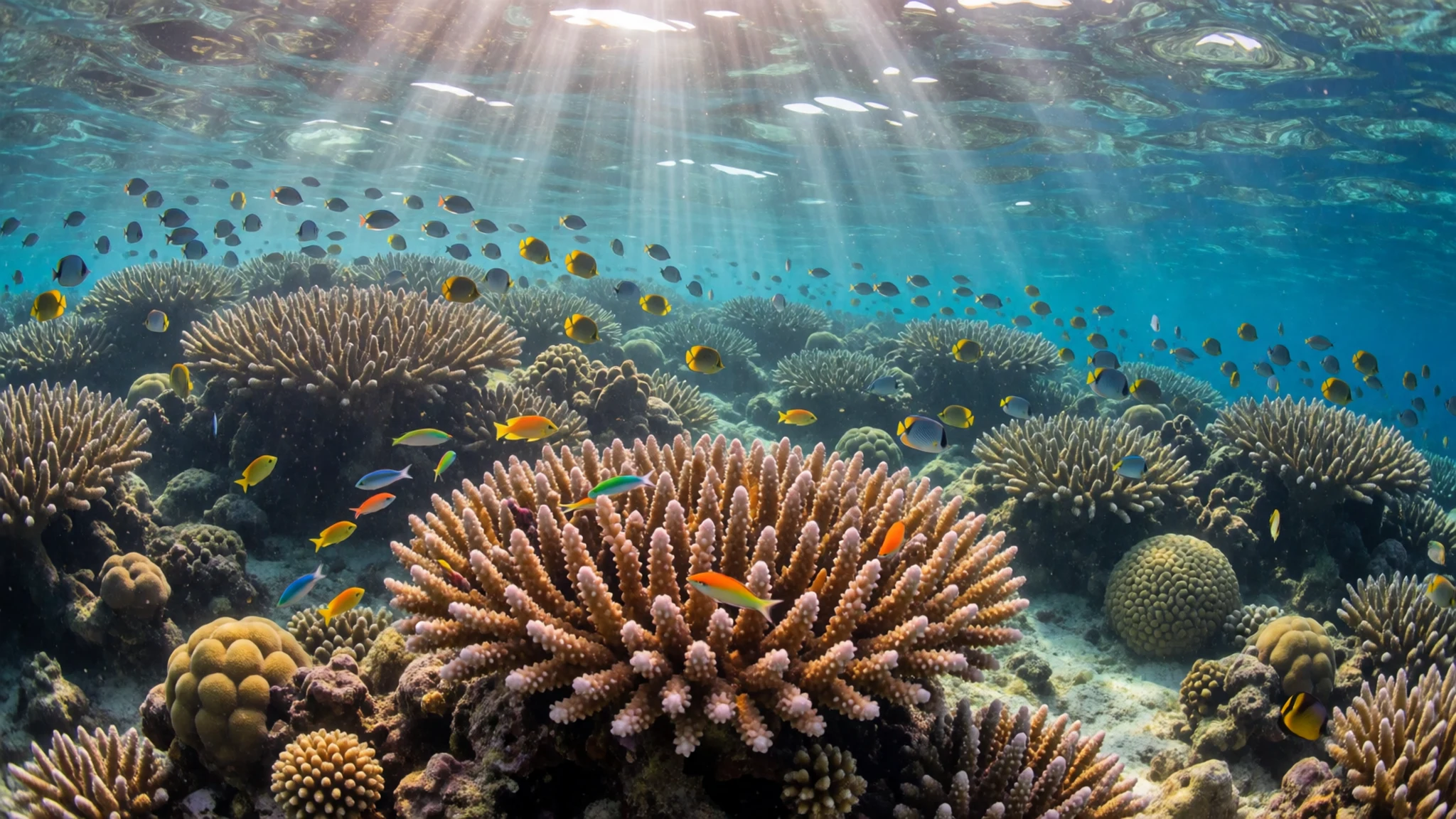
- Snorkelling off the beach — Western shore near the landing
Snorkelling here needs no boat, because corals grow close to the shoreline and a short swim puts the reef just below. Turtles are regularly seen in the shallows. The rocky coast beside the coral is why water shoes and a rash vest are worth bringing, and why fins should stay well clear of the reef.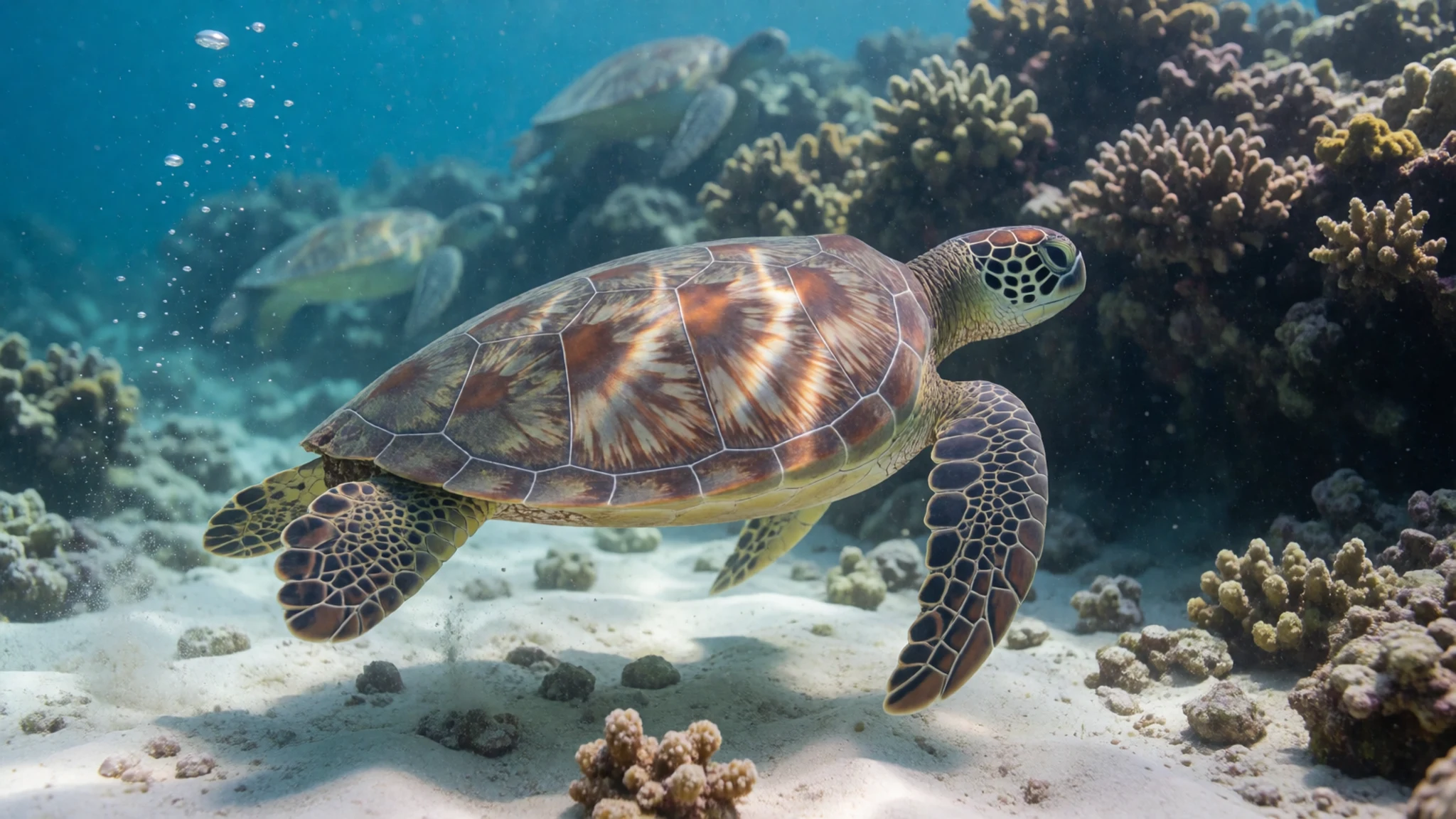
- Rock formations by the boat landing — Western side of the island
Dark volcanic rock breaks up the shoreline beside the boat landing, giving the island a rougher face than many beach islands. It is worth a few minutes on arrival to look at the pale coral against the stone and to watch boats come and go. Footing can be slippery, so sandals with grip help.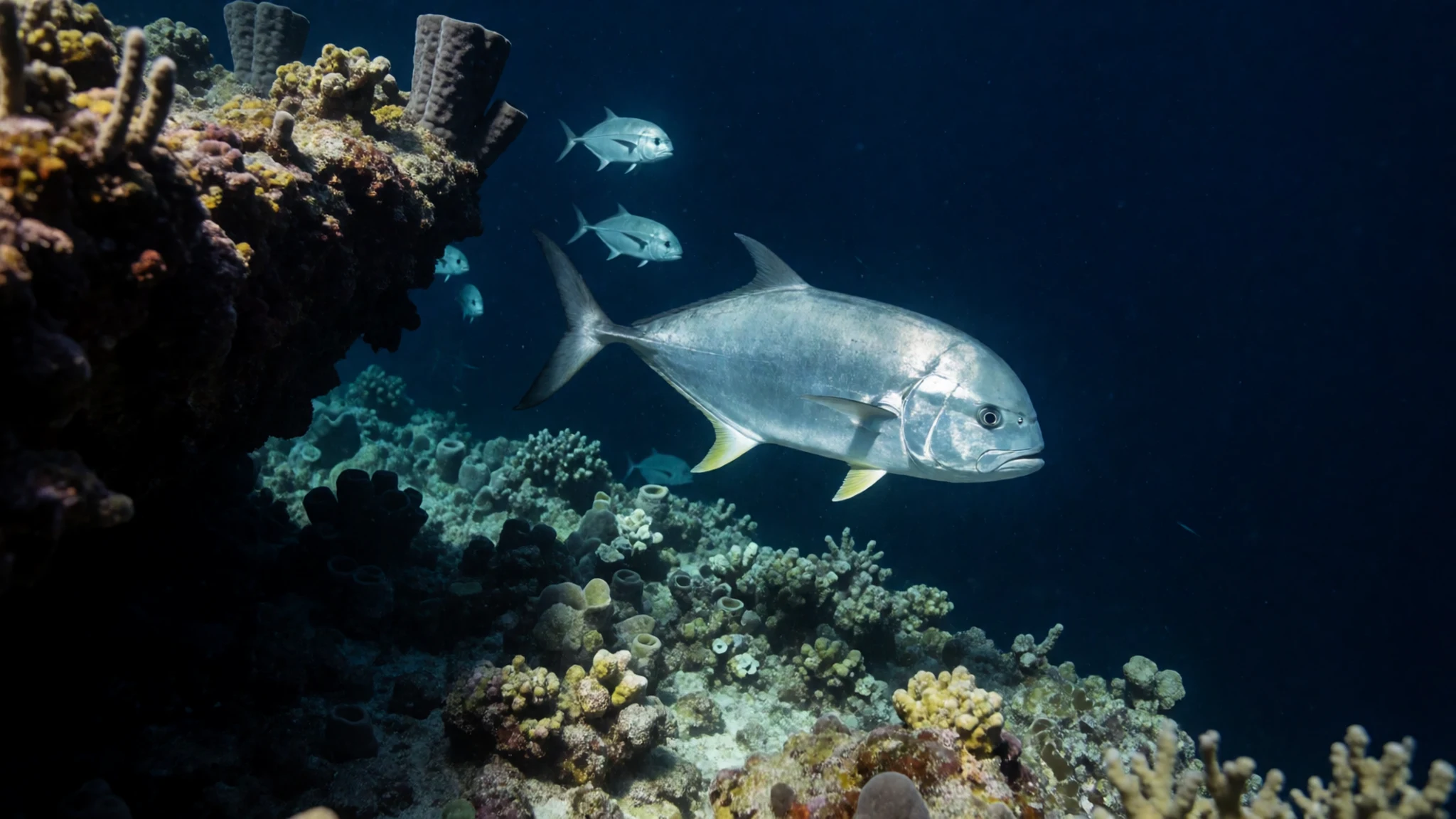
- Lighthouse and ranger station — Island interior
The island has a lighthouse and a ranger station, both part of what keeps the reserve working. Walking up towards them gives a view across to Negros and a sense of how small the island is, about 1.5 kilometres from north to south. The paths are modest, so sturdy sandals are enough, but an early start avoids the heat.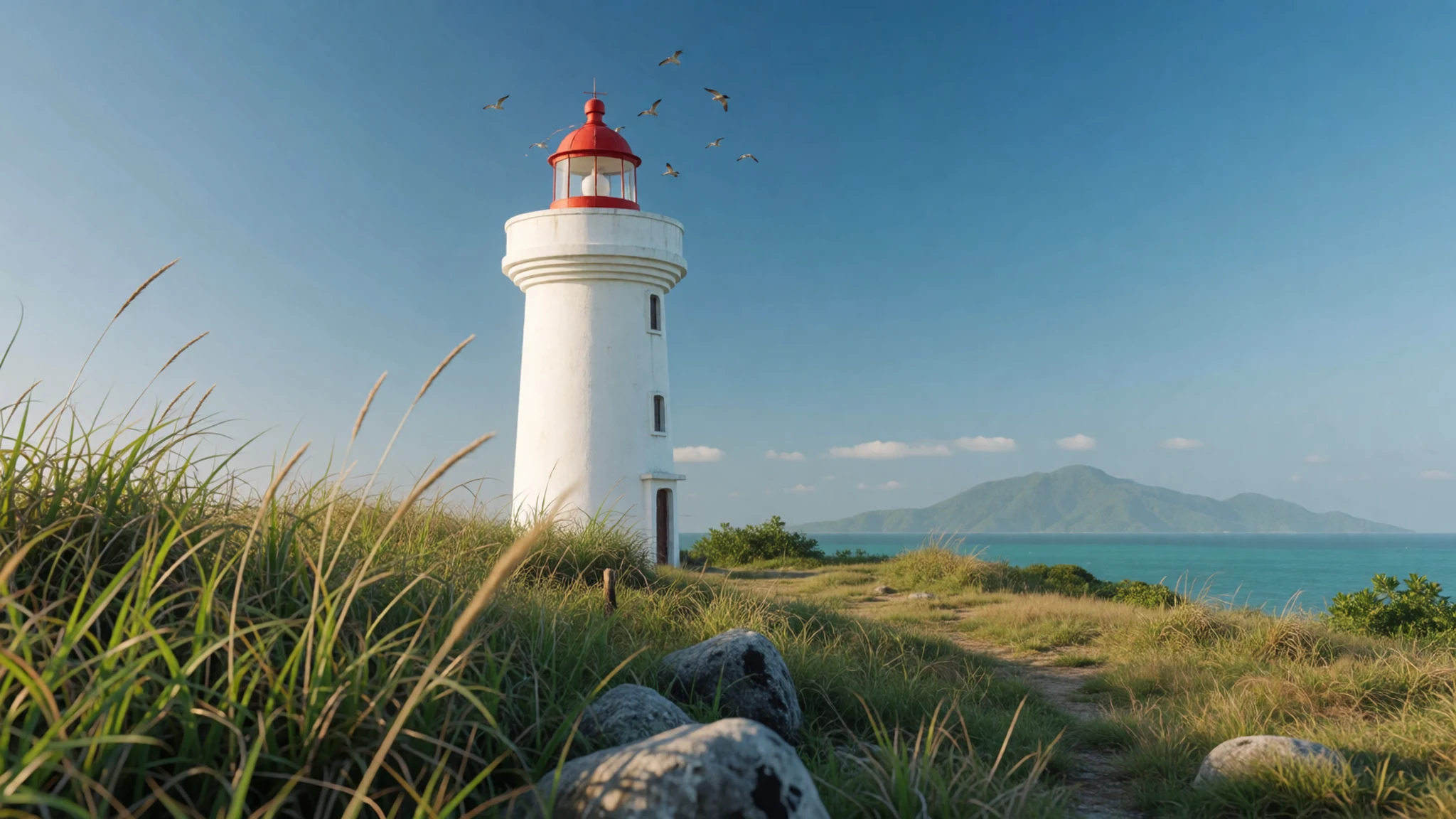
- The island village — Western shore
The village is where the island community lives, and a walk through it is a good counterweight to a day in the water. Expect boats pulled up on the shore, small shops and chances to talk with residents about fishing and the reserve. With only about 823 residents, visitors are noticed, so greet people and ask before taking photographs.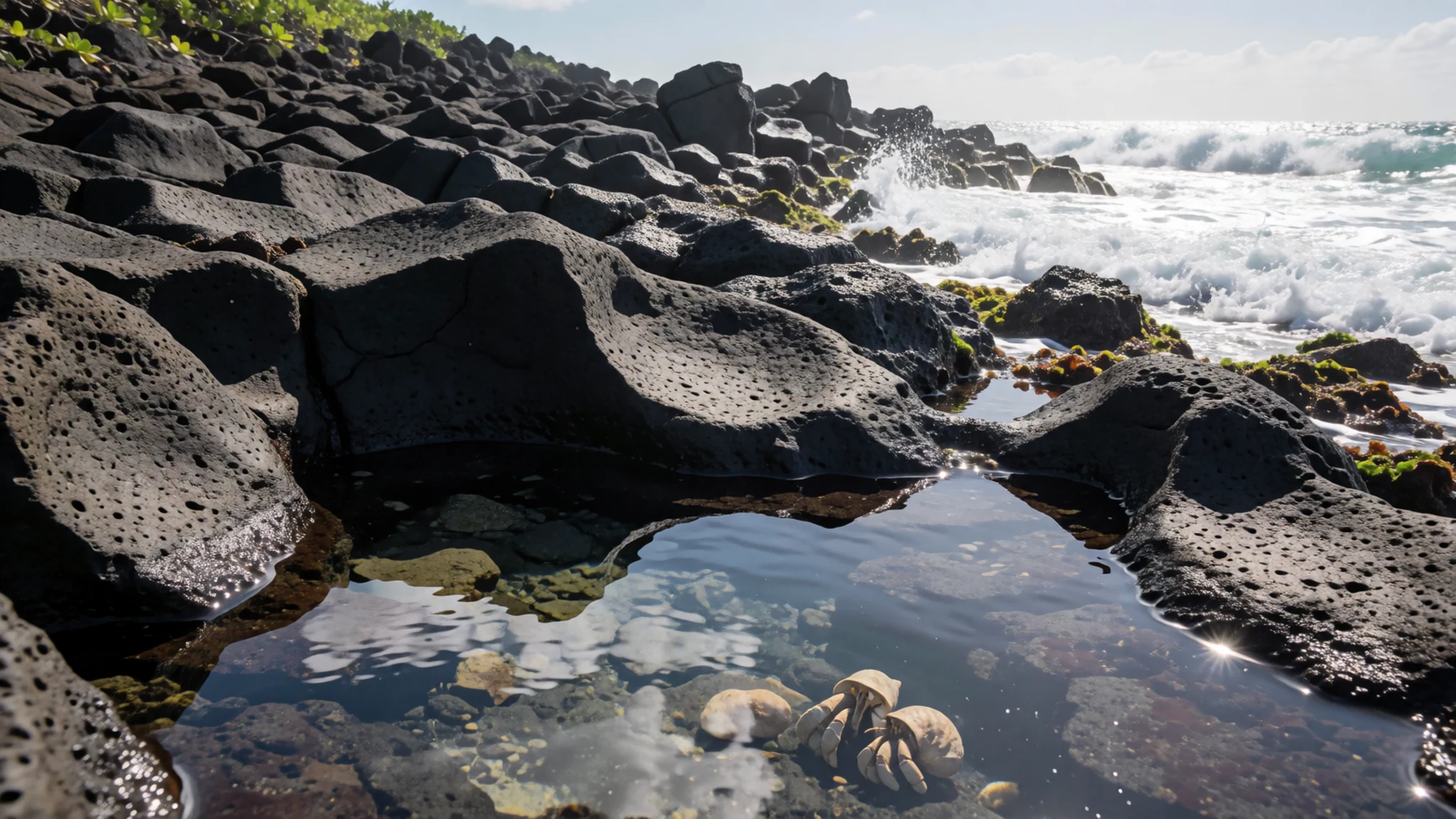
Culture
Apo Island is a Visayan fishing community, and daily life still revolves around the boats, the tides and the weather. Most residents speak Cebuano or a close Visayan variety, with English widely understood by those who work with visitors. The strongest cultural thread is the island's relationship with its reef. Residents helped set up and defend a sanctuary, and many families have a stake in how visitors behave around it, from boat crews and guides to people who run the small resorts and the ranger station. Conservation is therefore not an abstract idea here; it is a household matter. Expect the pace to be unhurried, with plans bending around swell, wind and the arrival of boats. Evenings are quiet, with early nights the norm and little in the way of entertainment beyond conversation, food and the sound of the sea. Catholic faith is common across this part of the Philippines, and the courtesy of greeting people, smiling and asking before photographing goes a long way in a community where everyone knows everyone. Visitors who stay overnight tend to find that the dive masters and resort staff double as guides to island life, and listening to them is the easiest way to learn what matters locally. Do not touch or chase turtles, stand on coral or take anything from the reef, and follow the ranger's and your guide's instructions on where to swim and anchor.
What to wear
Apo Island has no distinctive island costume of its own, so traditional dress here means the wider Visayan and Filipino repertoire. The barong tagalog, a light embroidered shirt often made of piña (pineapple fibre) or similar sheer fabric, and the baro't saya, a blouse and wrap skirt, appear at weddings, fiestas and formal occasions on the mainland. Woven Visayan cloth, such as the handloom hablon made elsewhere in the region, may also show up in scarves and bags. On the island itself, everyday clothing is practical and sea-ready: shorts, cotton T-shirts, rash vests, flip-flops and wide-brimmed hats. Fishers wear whatever dries quickly and resists salt. Visitors should dress for sun, spray and rough shorelines. A long-sleeved rash vest protects shoulders and back while snorkelling, and reef-safe sunscreen is kinder to the coral than ordinary lotions. Water shoes help on the rocky landing and shore, and a hat plus sunglasses are useful on the boat, where saltwater spray is almost certain. A light cover-up or T-shirt and shorts are sensible when walking through the village, as swimwear alone can look careless in a small community. Pack a dry bag for phones and documents, and bring a light layer for the crossing back, when wet clothes and wind can feel cooler than expected.
What to eat
- Grilled or fried fish with rice — The restaurants at the island's two resorts
Fresh fish, grilled or fried and served with steamed rice, is the staple of island meals. The catch depends on the day and the weather, and menus are short but dependable. It is a plain, satisfying plate after a morning in the water.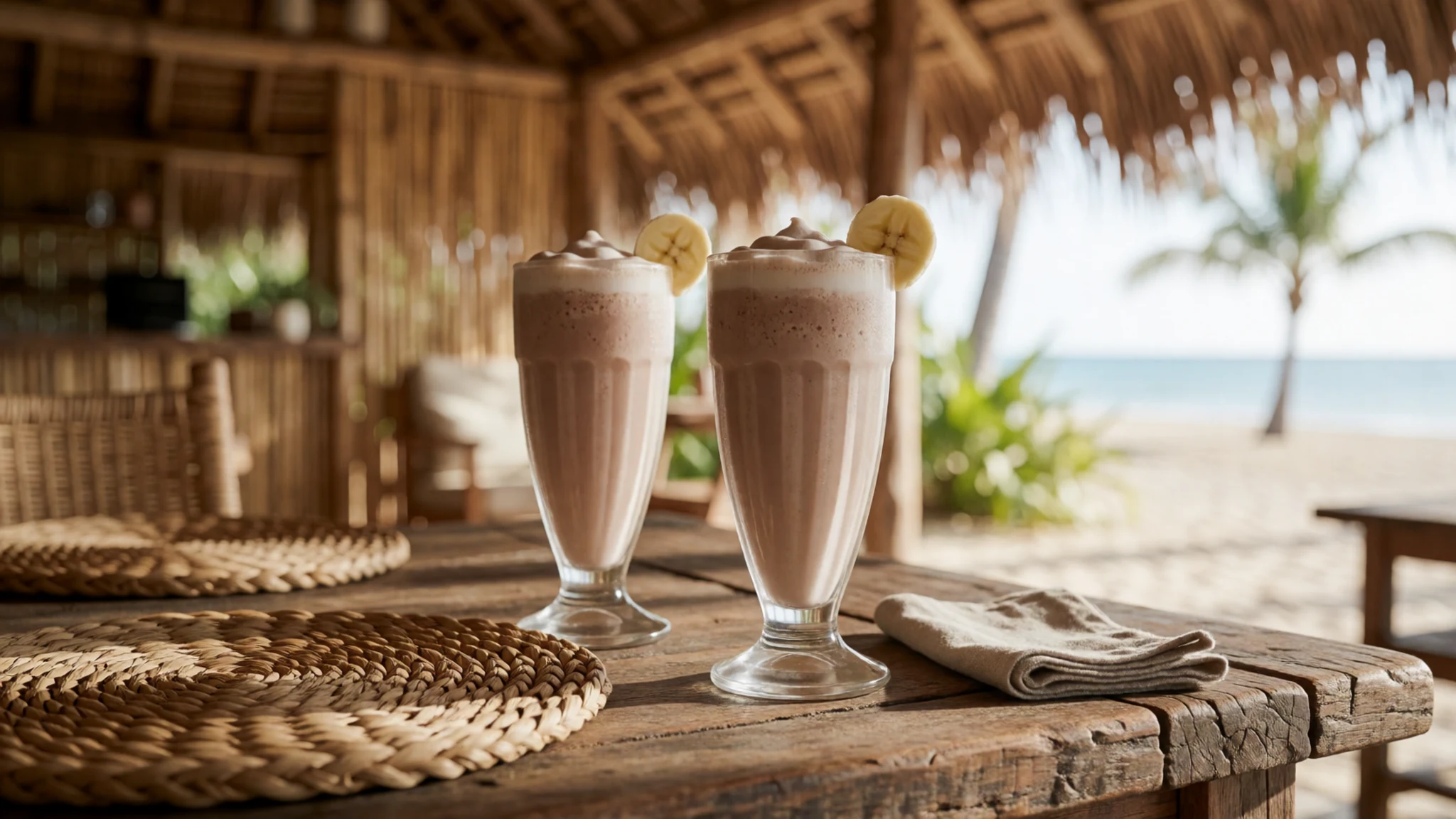
- Kinilaw — Resort restaurants and family kitchens, when the catch allows
Kinilaw is raw fish cured in vinegar or citrus with onion, ginger and chilli, a Visayan classic. It is only as good as the day's fish, so it is worth asking whether it is available and how fresh the catch is.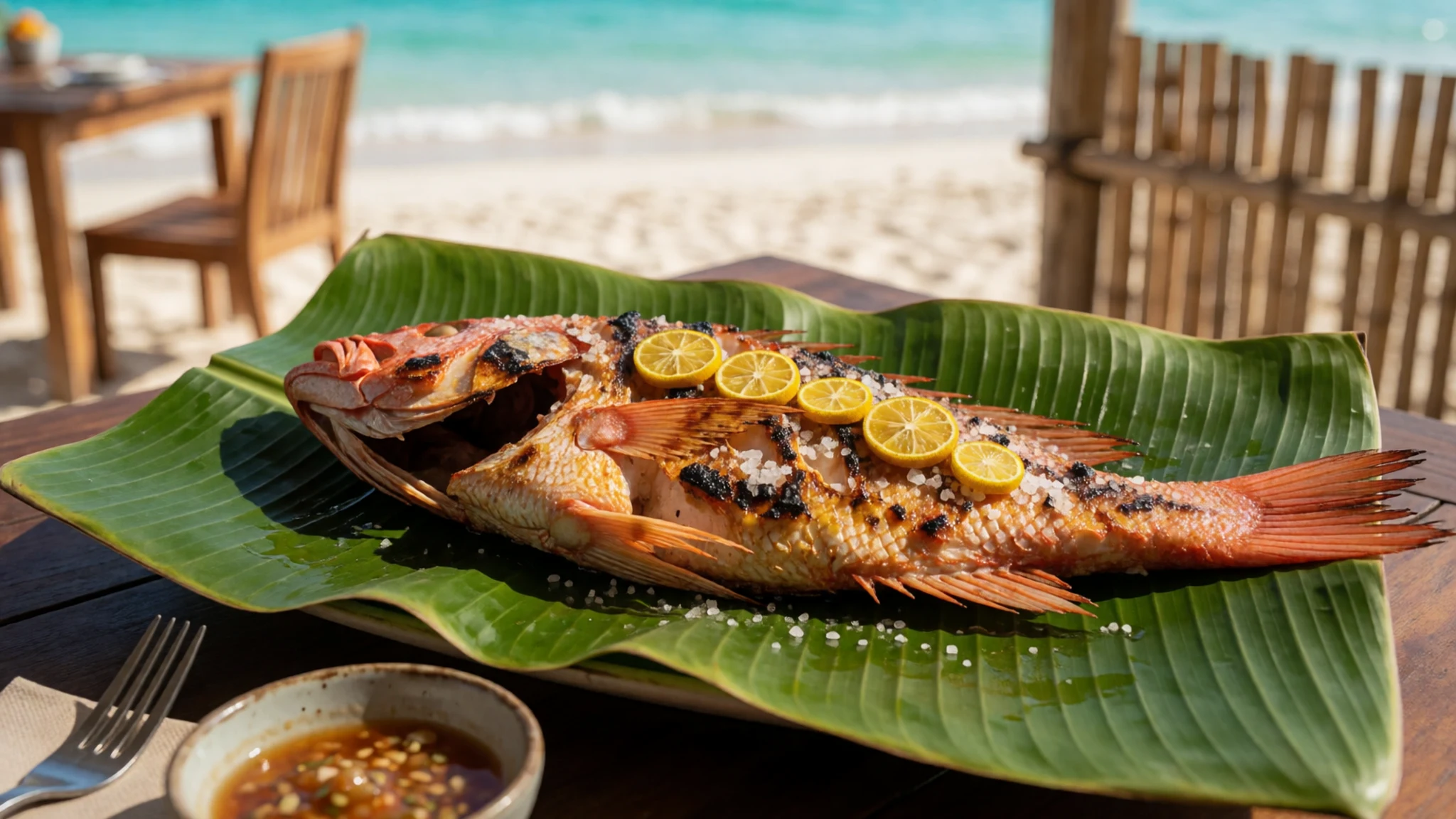
- Sinigang — Island restaurants and mainland eateries in Dumaguete
Sinigang is a sour, comforting soup, usually built on tamarind and filled with fish or pork and vegetables. It is a common choice when the weather is rough or the evening is cool, and a good way to taste everyday Filipino home cooking. - Banana and chocolate shakes — The lodge restaurants on the island
Thick banana and chocolate shakes are a popular treat among divers between dives and after dinner. They are simple, cold and filling, and a pleasant counterweight to a short menu and a long day in salt water. - Suman and market snacks — The Wednesday market at Malatapay, on the mainland
Malatapay market, held on Wednesdays near the boat departure point, is a good place to try suman, sticky rice steamed in leaves, fresh coconut and local fruit. Buying snacks before the crossing is a handy way to cover a long day on the water.
Plan it
Best time. March to May is generally the drier part of the year, with calmer seas for the crossing and good visibility underwater. The wetter months, roughly June to November, bring a greater chance of rough water and cancelled boats, so build in slack if travelling then.
How long. 1–2
Getting there. Fly to Dumaguete, the region's main transport hub, then take a jeepney or arranged transfer south to Malatapay in Zamboanguita. The last leg is a boat ride of about 30 minutes in an outrigger with an outboard motor over open water. Dive shops, resorts and travel agents in Dumaguete, Zamboanguita and Dauin can arrange the whole trip.
Budget. mid
Tips
- Arrange the boat in advance through a resort, dive shop or travel agent, and check current rates directly because prices change.
- Carry enough cash for the conservation fee, snacks and tips, as card payments are unlikely to work on the island.
- Wear sunglasses and keep valuables in a dry bag, as the crossing is likely to be splashy.
- If staying overnight, book early, because only two resorts operate on the island and menus are limited.
- Go on a Wednesday if you want to see the Malatapay market before boarding.
Etiquette
- Do not touch turtles, stand on coral or collect anything from the reef.
- Follow the instructions of rangers, boat crews and dive guides on where to swim and anchor.
- Ask before photographing residents and dress modestly in the village.
Nearby
Sources
- Wikidata Q618753 (CC0)
- Wikipedia: Apo Island (CC BY-SA 4.0)
- Wikivoyage: Apo Island (CC BY-SA 4.0)
- Photo: Apo Island east, TheCoffee (CC BY 3.0)
- Photo: Apo Island rocks, TheCoffee (CC BY 3.0)
- Photo: Apo Island scuba diving, Wellbeach Dive Resort (CC BY-SA 4.0)
- Photo: Apo Island - Negros, jackylim (CC BY 3.0)
- Photo: Apo island, jackylim (CC BY 3.0)
- Photo: Apo Island of Apo Reef Natural Park, macoy.mejia (CC BY-SA 4.0)
- Photo: Apo Island Over-Under, Pacificklaus (CC BY-SA 4.0)
- Photo: Apo Island WV Banner, Missvain / TheCoffee (CC BY 3.0)


Wildlife
- Green sea turtle (animal)
A green sea turtle is a big, gentle sea reptile that carries its house on its back and eats nothing but seagrass. Its name comes from the green fat under its shell, not the shell itself, which is olive to black. Turtles make their home in the seas off Apo Island, and the island is well known for them. Keep a respectful distance, glide quietly, go with a guide, and never feed or chase them.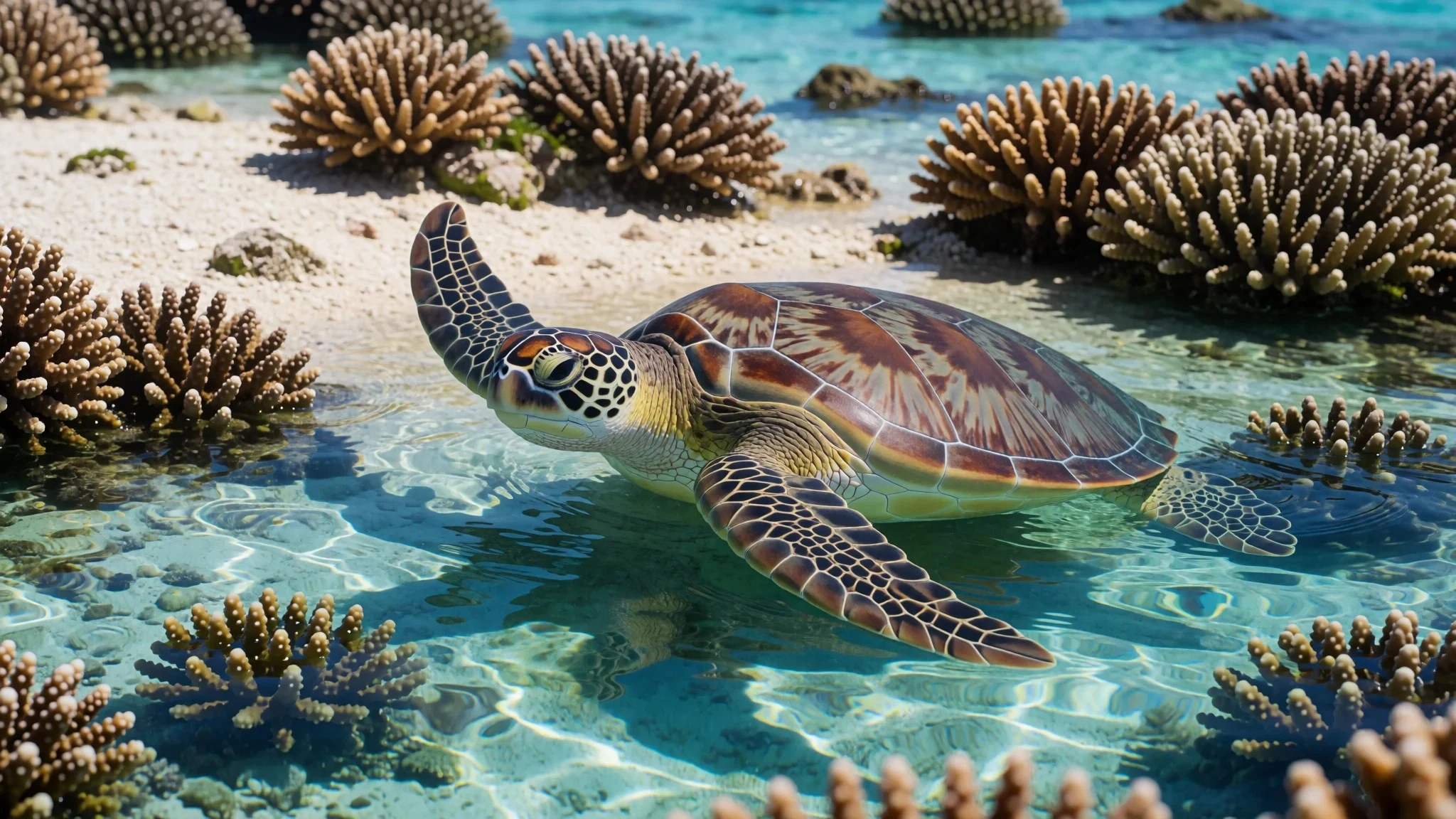
- Giant trevally (animal)
The giant trevally is the biggest fish in the jack family, a bit like the heavyweight champion of the jackfish. It roams warm Indo-Pacific seas, from South Africa to Hawaii, and keen divers at Apo Island should watch for it. Stay calm and give it plenty of space, breathe slowly, dive with a guide, and never feed it, so it stays wild.