Baler
Baler, Philippines
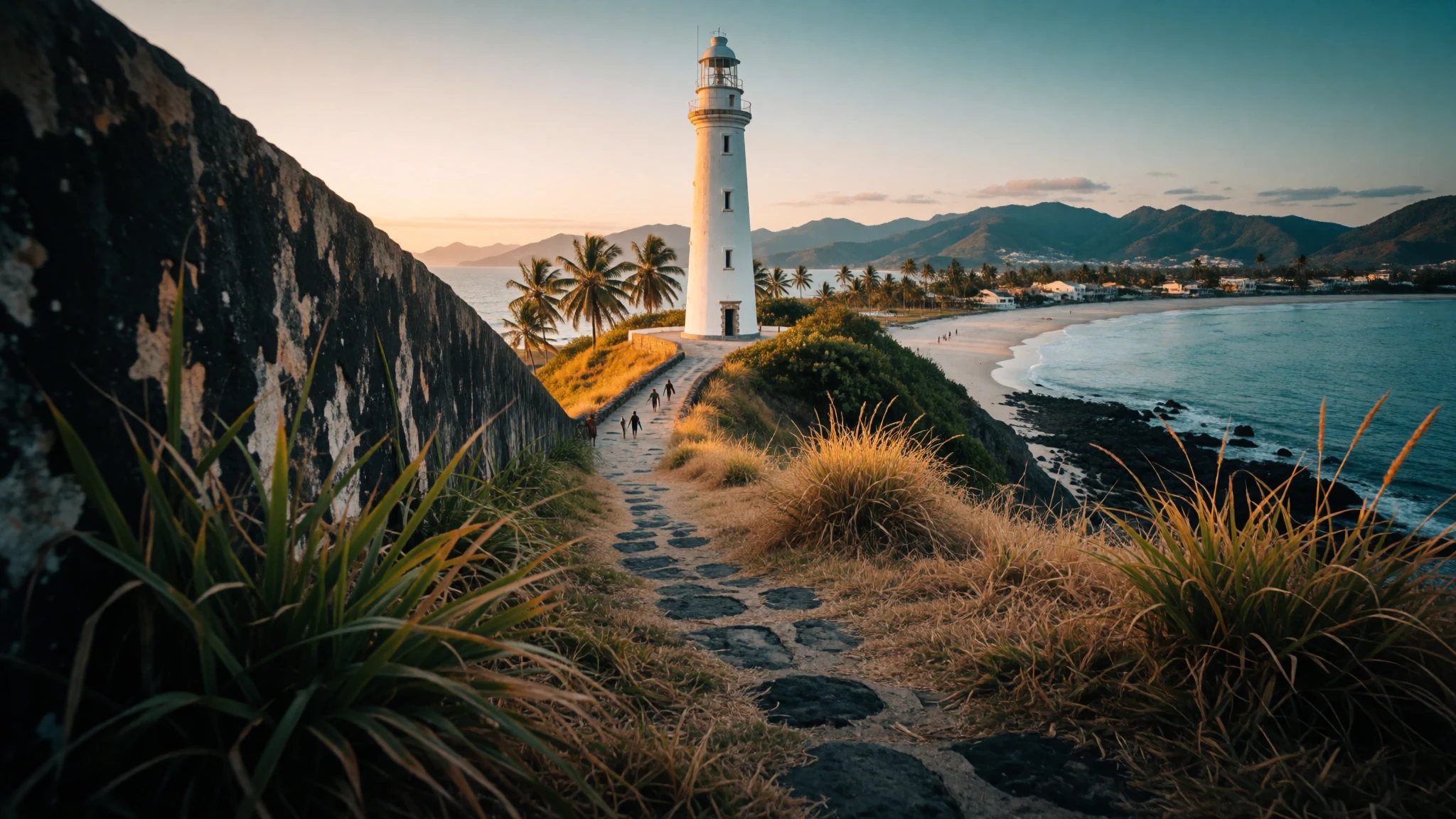
Baler is a small Pacific-facing town in Aurora, Philippines, where surf, a famous siege and a slow coastal rhythm sit within walking distance of each other.
The place
Baler is the capital of Aurora province, on the Pacific side of Luzon in the Philippines, and home to 44,684 people. The town sits about 118 m above sea level on a broad plain at the southern end of Baler Bay, with the Sierra Madre behind it and open ocean in front. That position explains most of what happens here: swell rolls in from the Philippine Sea, typhoons sometimes follow, and the mountains kept the town fairly isolated until the roads improved.
Reaching Baler from Manila means a long drive over a mountain pass, by bus or private vehicle, so the journey is measured in hours and the road is part of the experience. Once there, the centre, the Poblacion, is flat and easy. It holds a municipal hall, a church, a small museum, a few streets of eateries, surf shops and guesthouses. The beaches, coves and rock formations lie east and north of the centre, reached by tricycle, motorbike or a long coastal walk.
The municipality is divided into 13 barangays, and the surf scene gathers around the Sabang end of the bay. Baler is also known as the birthplace of Manuel L. Quezon, the second president of the Philippines, and a house tied to his wife's family still stands in town. Expect humid heat for much of the year, sudden rain, and a relaxed pace. This is a place for sea, sunsets and local history rather than nightlife or shopping, and weekends and holidays bring Manila crowds to the main beaches.
Its story
Baler was founded in 1609 by seven Franciscan missionaries led by Fray Blas Palomino. It became a formal pueblo in 1658 under the Augustinians and Recollects, and the Franciscans took charge again in 1703 because there were too few priests to go round.
The town's most dramatic natural episode came on 27 December 1735. A storm drove a huge wave, remembered by its Spanish name tromba marina, over the old settlement at Sabang. Survivors swam to Ermita Hill, and the people who lived through it rebuilt on higher ground in what is now the Poblacion, leaving the wrecked site to be called Kinagunasan, the place of devastation. A mural of the wave hangs in the town museum.
Baler's wider fame comes from a very different event. In June 1898, with Spanish rule collapsing across the archipelago, a garrison of 54 Spanish soldiers under Captain Enrique de las Morenas y Fossi turned the church of San Luis Obispo de Tolosa into a fortified barracks. When the captain died in November that year, Lieutenant Saturnino Martín Cerezo took command. The soldiers stayed inside into 1899, which is why Baler is remembered as the last place the Spanish held in the Philippines.
That story still shapes the town. Spain and the Philippines mark it every year as a friendship day, and the church, the museum and the old plaza are the places where the siege is told and retold.
What to see
- Baler Church (San Luis Obispo de Tolosa) — Poblacion
Baler Church stands in the Poblacion and is tied to the siege, when Spanish soldiers used an earlier church on this spot as their barracks. It is still a working parish church, so the best visits are quiet ones outside service times, with a few minutes spent reading the local history.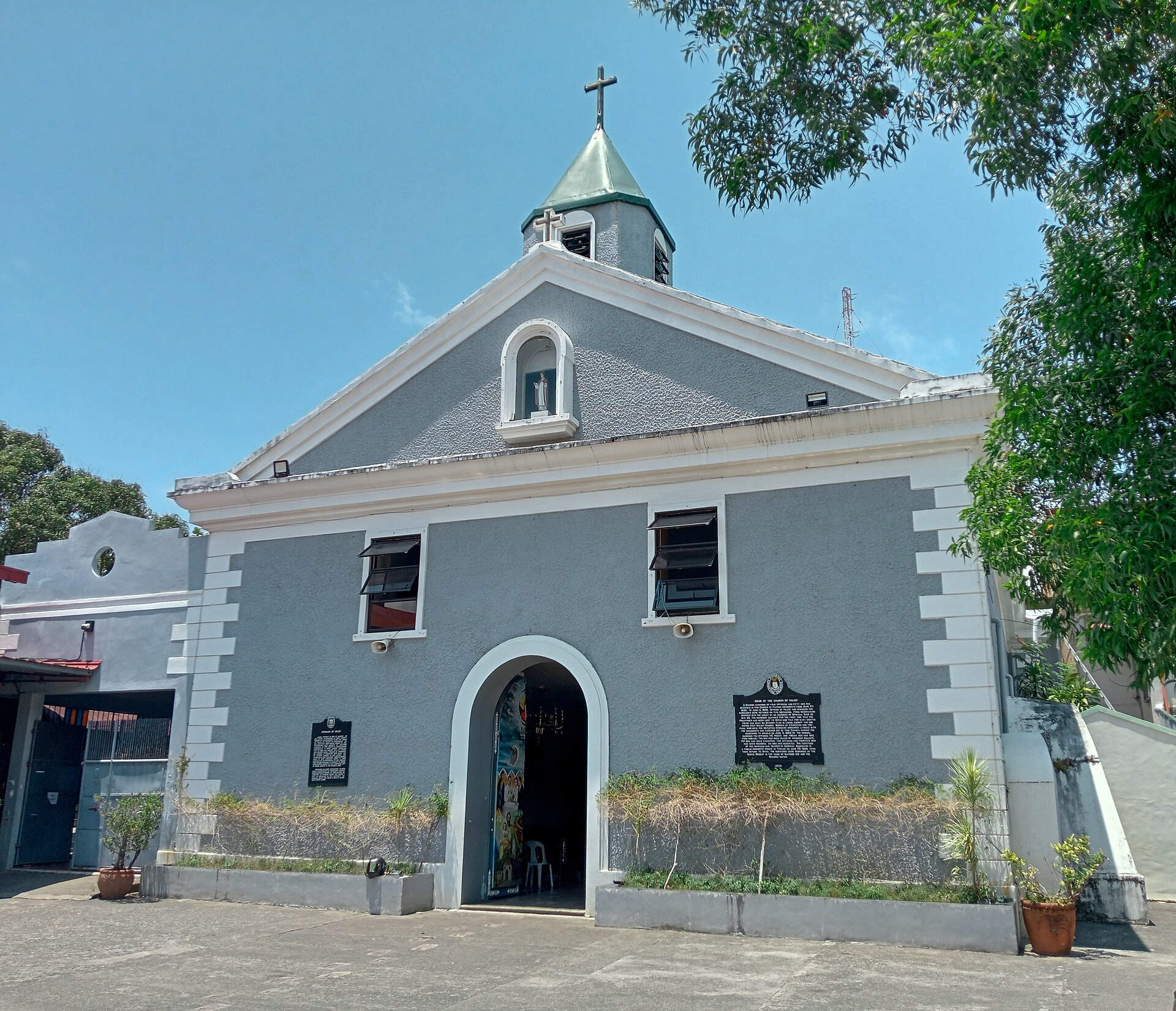
- Museo de Baler — Poblacion
The town museum gathers artefacts, paintings, memorabilia and ethnic exhibits from across Aurora. Its mural of the 1735 wave is the clearest way to picture what happened to the old settlement, and it makes a sensible first stop before heading out to the coast. - Doña Aurora Aragon-Quezon House — Poblacion
This modest house museum belonged to the family of Aurora Quezon, who became First Lady of the Philippines. It is small and quickly seen, but it gives a domestic, human scale to the national history that Baler is proud of. Pair it with the museum on foot. - Ermita Hill — East of the Poblacion
Ermita Hill is where survivors of the 1735 wave are said to have swum to safety. It is a short trip from the centre and a useful way to understand why the town moved inland. The outlook over the bay is pleasant in the cooler, clearer hours of the day. - Cemento Beach — East of the Poblacion
Cemento is a rocky, fairly secluded beach with an easy-going mood and a regular crowd of surfers. It is better for watching waves and sitting on the rocks than for relaxed swimming, and the sea can turn rough quickly, so take advice from locals before going in. - Diguisit Beach and Baler Lighthouse — Northeast coast
Diguisit is a pebbly coral beach scattered with unusual boulders, popular for photographs. Further along the coast, the lighthouse looks back over Baler and the bay. Going together makes a good half-day by tricycle; take water and a hat, as shade is limited.
Culture
Baler's cultural life blends Spanish-era history, Catholic tradition and a surf culture that arrived much more recently. Every 30 June the town marks Philippine–Spanish Friendship Day, recalling the end of the siege and the ties that grew between the two countries afterwards. The rites that began here are now observed in other parts of the Philippines and in parts of Spain. A branch of the National Museum of the Philippines opened in Baler in 2026, adding a national-level institution to the local museum.
Surfing is the other defining strand. Baler is recognised in law as the birthplace of Philippine surfing. The American surfer Steve Scott helped popularise the town after visiting in 1972, and the film Apocalypse Now, shot nearby in 1979, brought more attention. Cast members surfed between takes, and the break they used became known as Charlie's Point. Cemento and Sabang are the other well-known surf spots, and many residents now earn their living from lessons, board hire, guesthouses and food stalls.
Day to day, people speak Tagalog and Ilocano, and many place names and family names are Spanish in origin. Fiestas, church services and family gatherings still set the social calendar, and warmth towards visitors is common. In the church and at the museums, cover your shoulders and knees, and ask before photographing surfers, families or anyone who has not noticed your camera.
What to wear
In Baler, as elsewhere in the Philippines, the traditional formal dress is the barong tagalog for men, a lightweight, embroidered shirt worn untucked, often made from piña (pineapple fibre) or jusi, a sheer silk-like cloth. Women's formal dress is the baro't saya or the terno, with its distinctive raised sleeves. These are worn at weddings, fiestas, commemorations such as Friendship Day, and civic occasions rather than everyday life.
Day to day, Baler dresses for heat, sea and rain. Locals wear T-shirts, shorts, cotton dresses and flip-flops, and the town's many surfers live in board shorts, rash vests and sun-faded caps. Smarter clothes appear for church on Sundays and for school and office days, but the overall mood is casual and practical.
For a visitor, light cotton or quick-drying fabrics work best, along with a hat, sunglasses and plenty of sunscreen. A rash vest is useful for surf lessons and for sun protection on the beach. Sandals are fine in town, but reef shoes or sturdy sandals help on rocky beaches and on wet coral. Swimwear belongs on the beach, so put a shirt or sarong over it in town. For the church, museums or any official building, carry something that covers shoulders and knees. A light rain jacket is worth packing, as showers and storms can arrive quickly.
What to eat
- Grilled fish and seafood (ihaw-ihaw) — Grill and seafood eateries near the Poblacion
Whole fish, squid and prawns cooked over charcoal and served with rice and a sour-salty dipping sauce. This is the natural meal after a day by the sea, and the freshest catch usually appears at the grill-and-seafood eateries around the Poblacion. - Tapsilog — Small breakfast eateries in the Poblacion
A classic Filipino breakfast of marinated, thinly sliced beef (tapa), garlic fried rice and a fried egg. It is cheap, filling and ideal before an early surf session, and it is served at small breakfast eateries throughout the centre. - Kinilaw — Seafood eateries and beachside stalls
Raw fish cured in vinegar or citrus with onion, ginger and chilli, similar in spirit to ceviche. It is best eaten where the fish is clearly fresh, so ask where the catch came from and choose busy places with a quick turnover. - Sinigang — Home-style eateries in the Poblacion
A sour, tamarind-based soup with fish or pork and vegetables, comforting on wet or windy days. Each cook has a slightly different balance of sourness and spice, and it is usually shared with plenty of rice. - Filipino-Chinese seafood dishes — Family restaurants in and around the Poblacion
Baler has Chinese-Filipino restaurants serving seafood with garlic, ginger, noodles and fried rice, usually ordered to share. They suit groups and are a good change from grilled fish if the group wants a variety of plates. - Halo-halo — Snack stalls and cafés along the main streets
A shaved-ice dessert layered with sweet beans, fruit, jelly and milk, often topped with ice cream. It is a welcome relief in the humid afternoons after the beaches and is sold at nearly every snack stall and café.
Plan it
Best time. November to April is the usual window, with the swell and cooler weather for surfing at the start of that period and calmer, hotter beach days towards the end. Typhoons can strike on this coast, so watch forecasts closely, because local authorities may order evacuations when a strong signal is raised.
How long. 2–3
Getting there. Fly to Manila, then take a long-distance bus or drive to Baler over the mountain pass; the road is about 230 km via the Maharlika Highway, or about 268 km via the CLLEX expressway. Allow a full travelling day. Within town and to the beaches, tricycles are the standard last leg.
Budget. mid
Tips
- Check the weather forecast before booking, and stay flexible: typhoon warnings can close beaches and force guesthouses to turn guests away
- Book surf lessons and rooms ahead for weekends and holidays, when visitors from Manila fill the beaches
- Carry cash for small eateries, tricycles and beach stalls, as cards are not accepted everywhere
- Start sightseeing early, before the heat builds, and carry drinking water and sun protection
- Check the official municipal website (http://www.baler-aurora.gov.ph/) for local notices before travelling
Etiquette
- Do not go surfing or swimming when typhoon warnings are raised, and follow instructions from local authorities
- Dress modestly in the church and museums, and keep your voice down during services
- Ask before photographing people, especially children, families and surfers
Nearby
Sources
- Wikidata Q53081 (CC0)
- Wikipedia: Baler, Aurora (rev 1385628224) (CC BY-SA 4.0)
- Wikivoyage: Baler (rev 5427577) (CC BY-SA 4.0)
- Downtown, Brgy. 2, Poblacion, Baler, Aurora — Ramon FVelasquez (CC BY 3.0)
- Dicasalarin Cove (Baler) — Kennnpogi (CC BY-SA 4.0)
- Baler Municipal Hall, Baler, Aurora, April 2023 — Ralff Nestor Nacor (CC BY-SA 4.0)
- Suclayin, Poblacion, Baler, Aurora, Philippines — miguel jaime Valcarc… (CC BY 3.0)
- Municipality Flag of Baler, Aurora — It's me Angelo (CC0 1.0)
- Municipality Seal of Baler, Aurora Province — It's me Angelo (CC0 1.0)
- Las tropas del teniente coronel Tecsón en Baler (mayo de 1899) — M. Arias Rodríguez (Public domain)
- Baler Church, Aurora, April 2023 — Ralff Nestor Nacor (CC BY-SA 4.0)


