Boracay
Boracay, Philippines
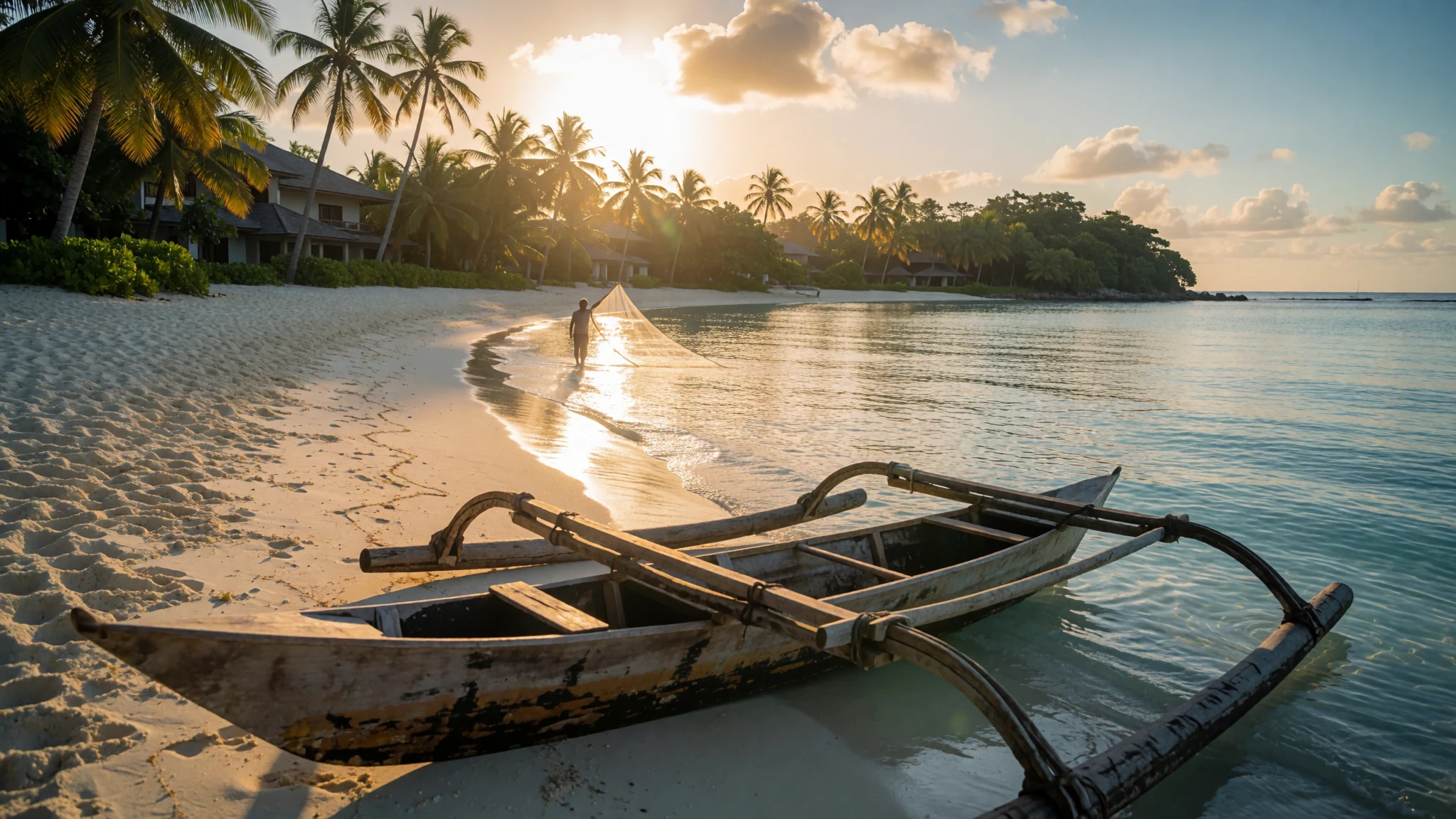
Boracay offers legendary powdery white sand beaches and tropical relaxation just off the northwest coast of Panay Island.
The place
Boracay is a resort island situated in the Western Visayas region of the Philippines, lying a short distance off the northwest coast of Panay Island. Covering a modest land area, the island falls under the jurisdiction of three barangays within the municipality of Malay in Aklan province. The permanent community numbers around thirty-seven thousand residents, sharing the narrow terrain with countless travellers drawn to its celebrated coastline. Originally home to indigenous groups who cultivated rice and raised livestock, the island underwent profound transformation as commercial tourism expanded over recent decades, turning it into one of Southeast Asia's most prominent leisure destinations. International travel publications have repeatedly recognised the resort island among the finest island escapes globally, praising its azure waters and fine coral sands. This intense popularity eventually necessitated state intervention, leading to a temporary closure for major infrastructure overhauls, particularly regarding wastewater management and environmental protection. Today, stringent regulations govern visitor numbers and commercial activity, aiming to preserve the delicate coastal ecosystem while welcoming those seeking tropical tranquillity, water sports, and vibrant sunsets along the shore.
Its story
Boracay holds a long history of human settlement that stretches far back before Spanish colonial forces arrived in the archipelago during the sixteenth century. Early chroniclers documented indigenous communities cultivating the land and raising livestock, while archaeological evidence points to the island's strategic position at the crossroads of ancient maritime trade routes. During the pre-colonial era, these waters witnessed interactions and rivalries among early Philippine port-kingdoms and maritime polities, linking local inhabitants to wider networks of exchange across the region. Regional chronicles and oral histories often preserved memories of maritime expeditions and traditional seafaring voyages connected to nearby Visayan centres of power. Following Iberian contact, the island experienced shifting administrative oversight, gradually transitioning through periods of agrarian use and small-scale fishing before tourism fundamentally reshaped its economy and demographics in the twentieth century. The ancient presence of indigenous communities, including the Ati and Tumandok peoples, remains an essential thread in the island's heritage, underscoring a complex past that predates modern resort developments by many generations.
What to see
- White Beach — Western coast
White Beach is the primary draw for most visitors, featuring fine sand and lively coastal energy, though navigating its busy paths requires patience and environmental regulations must be strictly respected at all times.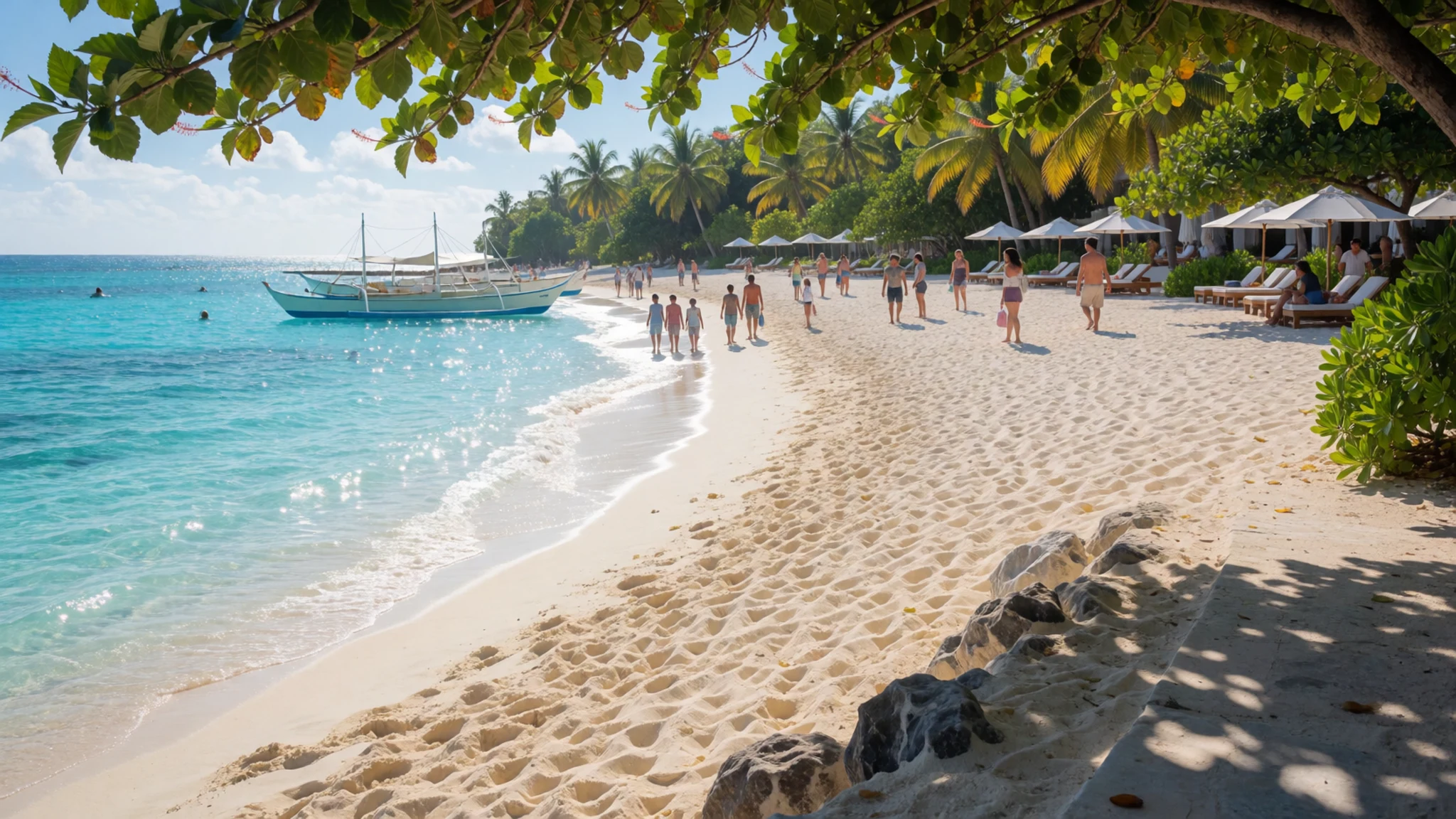
- Puka Beach — Northern tip
Puka Beach provides a quieter alternative along the northern tip, offering an unspoiled landscape of coarser white sand mixed with crushed puka shells, backed by lush greenery and a much more peaceful shoreline atmosphere.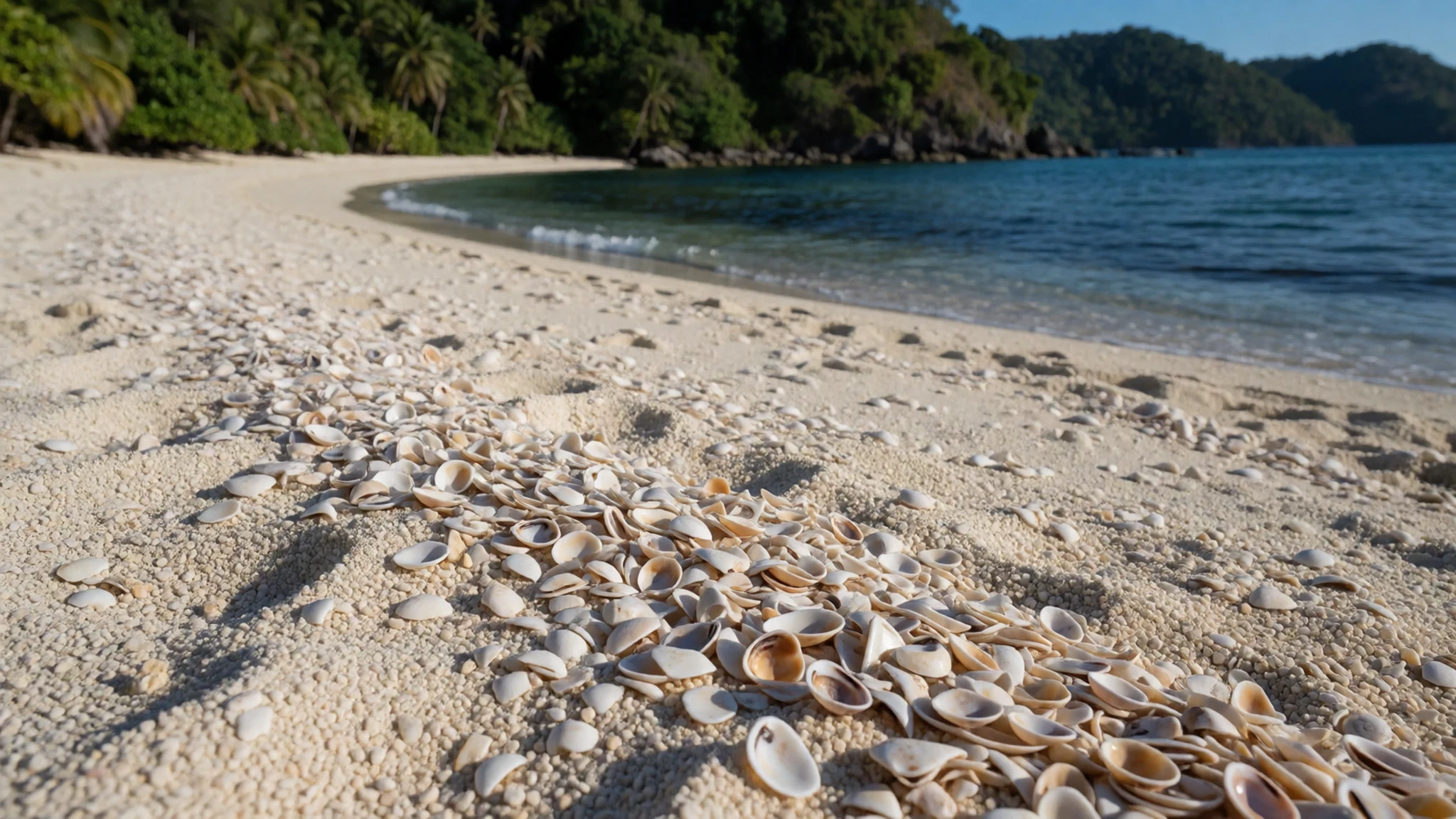
- Baling Hai Beach — Northwest coast
Baling Hai Beach is a secluded little cove tucked north of Diniwid Beach, ideal for swimming and snorkelling away from the crowds, complemented by spectacular vantage points from the clifftop dining area.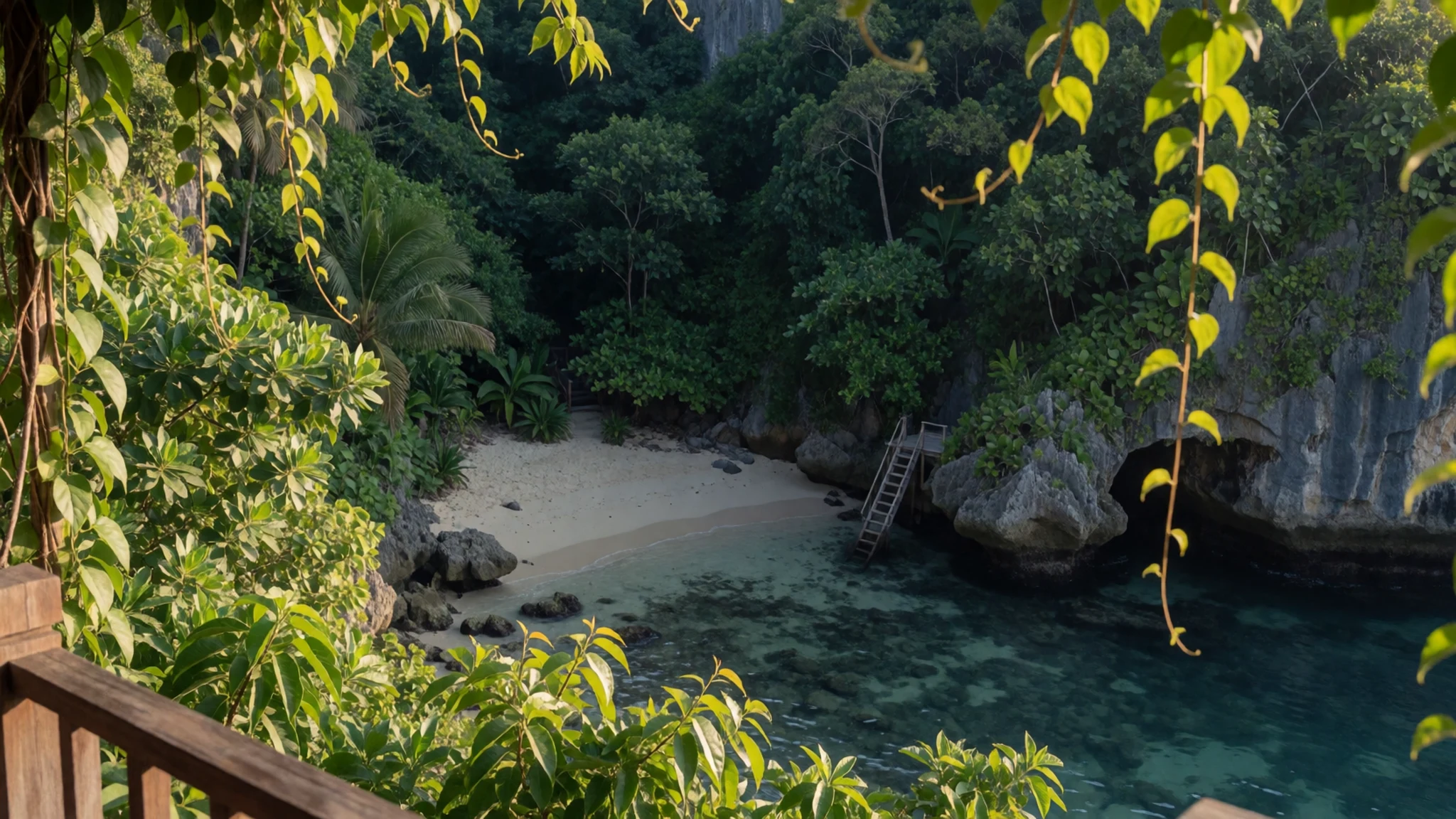
- Bulabog Beach — Eastern coast
Bulabog Beach serves as the island's primary windsurfing and kiteboarding hub, where visitors gather during the windy season to watch athletes launch high jumps and master tricks across the choppy waters.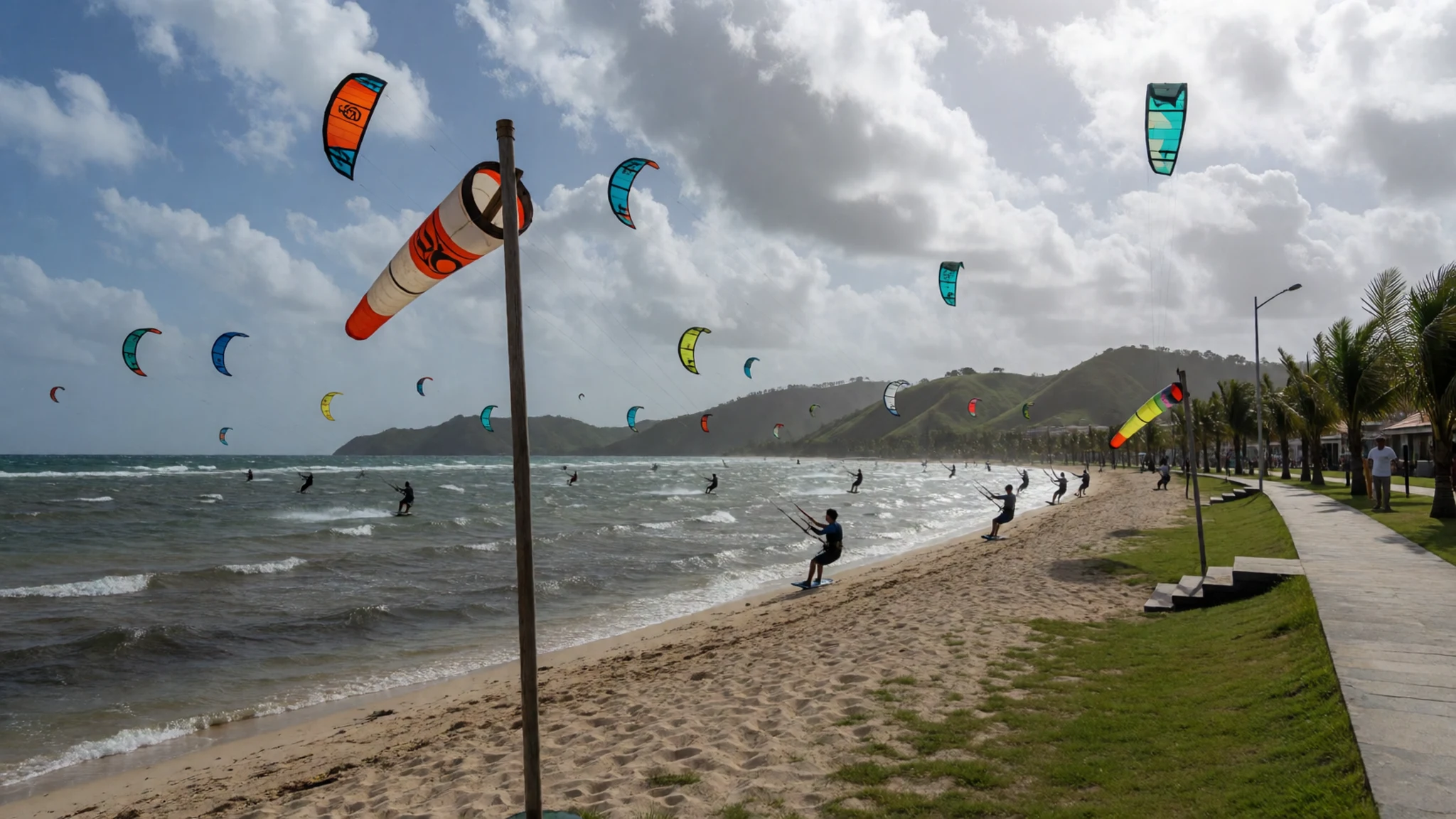
Culture
The cultural fabric of Boracay is rooted in its original Ati inhabitants who spoke the Inati language, though generations of migration have introduced Aklanon, Hiligaynon, Kinaray-a, and other Visayan tongues alongside Filipino and English. While tourism dominates the modern economy, traditional celebrations continue to connect the region to its heritage, most notably through festive gatherings and regional observances such as the Ati-Atihan celebrations held across January on nearby Panay and in smaller local manifestations on the island itself. Visitors frequently encounter a blend of indigenous customs and contemporary beach culture shaped by international influences. Respect local environmental regulations and dispose of all waste responsibly to help protect the island's fragile marine ecosystem.
What to wear
Boracay style reflects a casual, tropical aesthetic suited for warm coastal weather and sandy terrain. Traditional textiles and indigenous attire from the region's historical communities are rarely worn in daily life outside of specific cultural festivals and ceremonial events. Today, residents and locals working in the tourism sector typically wear lightweight, breathable cotton clothing, shorts, and sandals or flip-flops to cope with the tropical humidity. Travellers generally dress in lightweight resort wear, swimwear cover-ups, and comfortable walking shoes or sandals. When moving away from the immediate beach areas into local residential neighbourhoods or municipal spaces, visitors should observe modest standards by wearing a shirt or sarong over swimwear out of respect for local community norms.
What to eat
- Kolai Mangyan Fudhaus — Main road area
A popular local cafe serving traditional Filipino cuisine known for excellent value and comforting home-style dishes.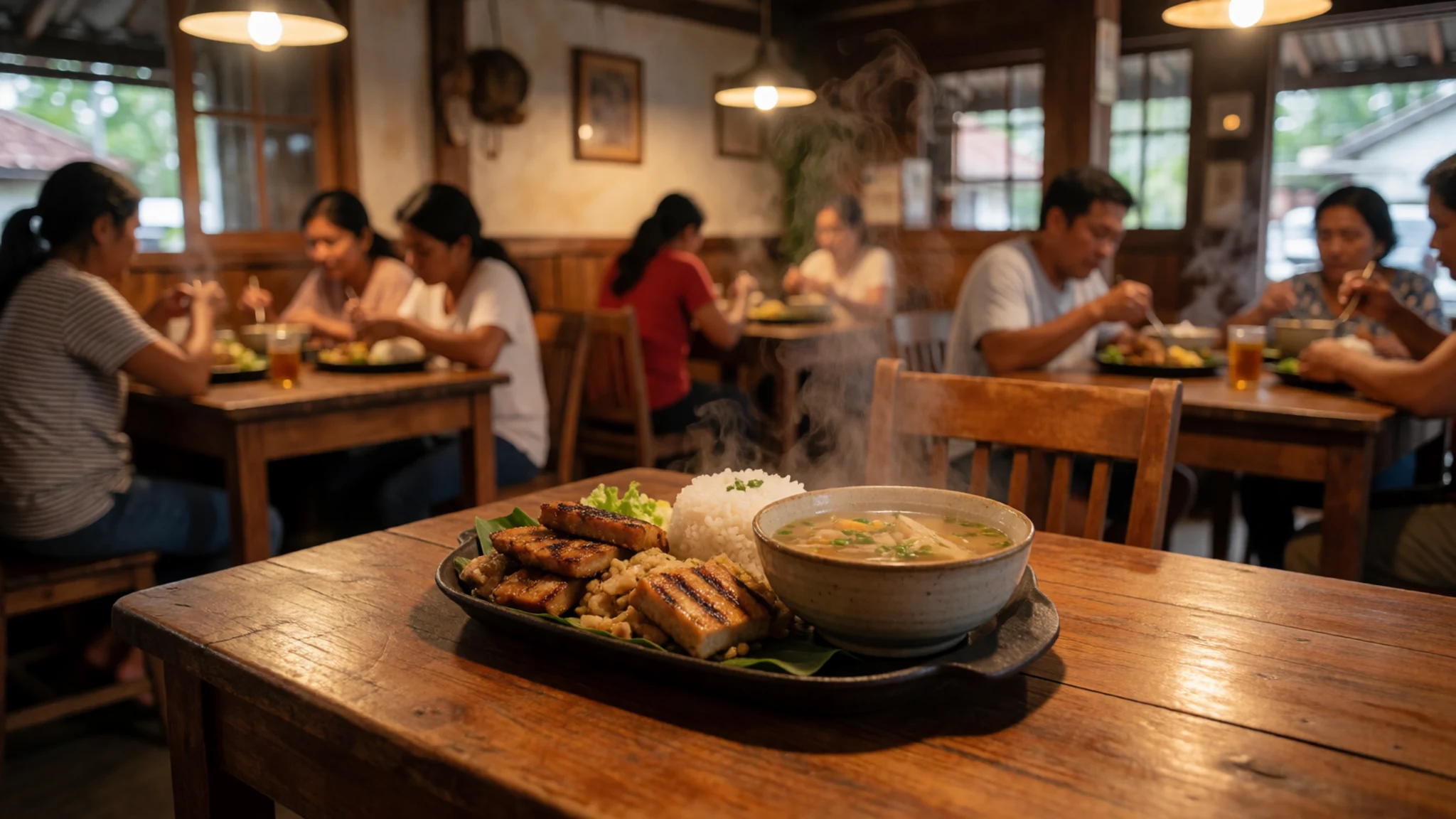
- Andok's — Various locations across the island
A well-known regional chain offering rotisserie chicken, fried chicken, and classic Filipino comfort dishes across multiple island locations.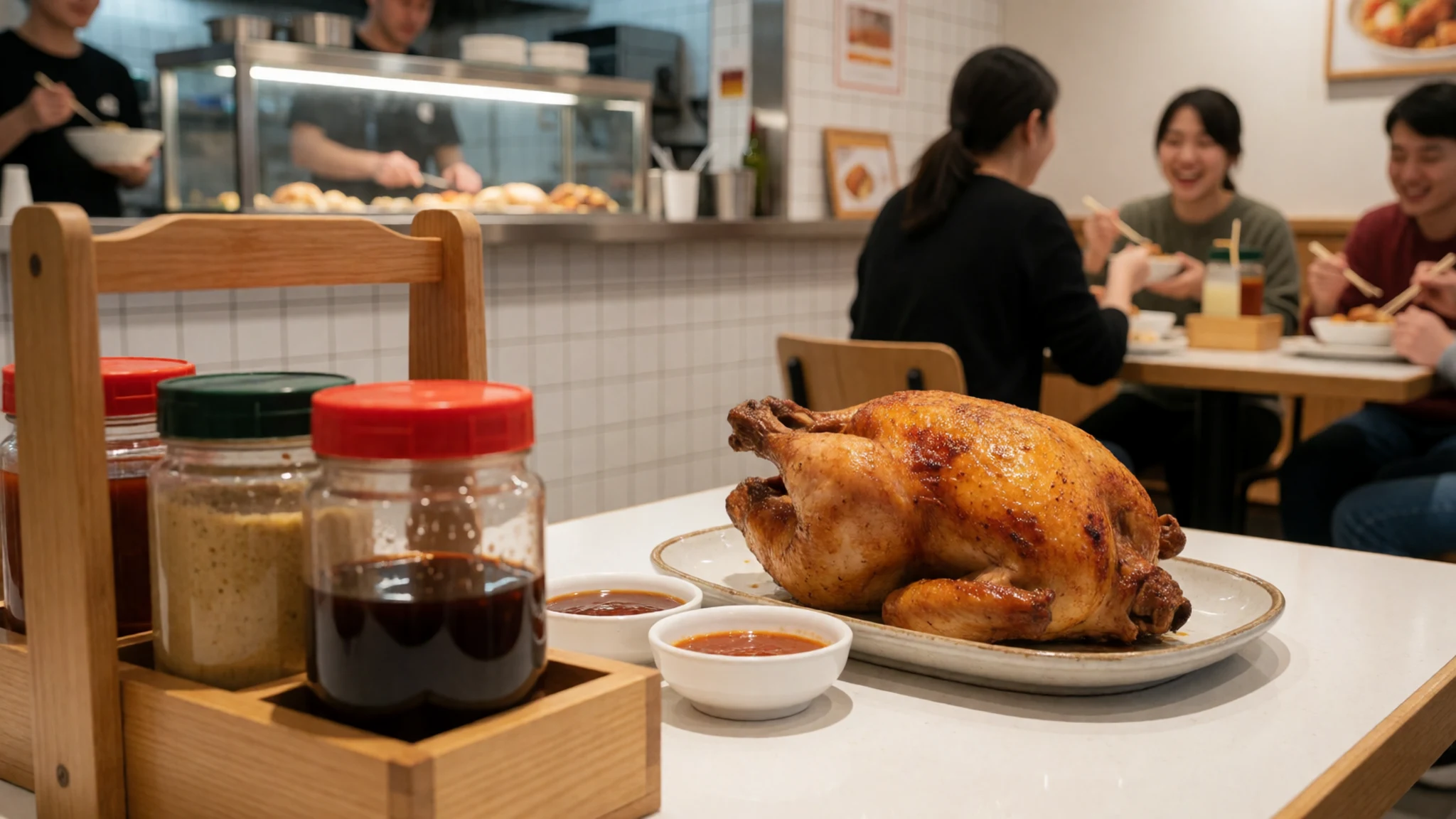
- D'Talipapa Market — Central Boracay
A bustling fresh seafood market where patrons purchase raw catch and take it to surrounding stalls that prepare and cook the meal to order. - Smoke — Station 2 area
A modest neighbourhood eatery serving hearty local dishes, meat plates, seafood, and breakfast items at accessible prices.
Plan it
Best time. January to April offers the most reliable dry weather and pleasant beach conditions, while the monsoon months bring stronger winds and heavier rainfall.
How long. 3–4
Getting there. Fly into Caticlan or Kalibo airport on the mainland, take an e-trike to the Caticlan jetty port, and board an outrigger banca across to the island ports.
Budget. mid
Tips
- Book accredited hotels in advance to comply with environmental entry rules
- Carry cash for small shops, tricycle fares, and market stalls
- Protect coral reefs by using reef-safe sunscreen
Etiquette
- Always remove footwear when entering local homes or traditional cultural spaces
- Observe quiet hours and local waste segregation rules in all public areas
Nearby
Sources
- Wikidata Q855235 (CC0)
- Wikipedia (CC BY-SA 4.0)
- Wikivoyage (CC BY-SA 4.0)