Bantayan
Bantayan, Philippines
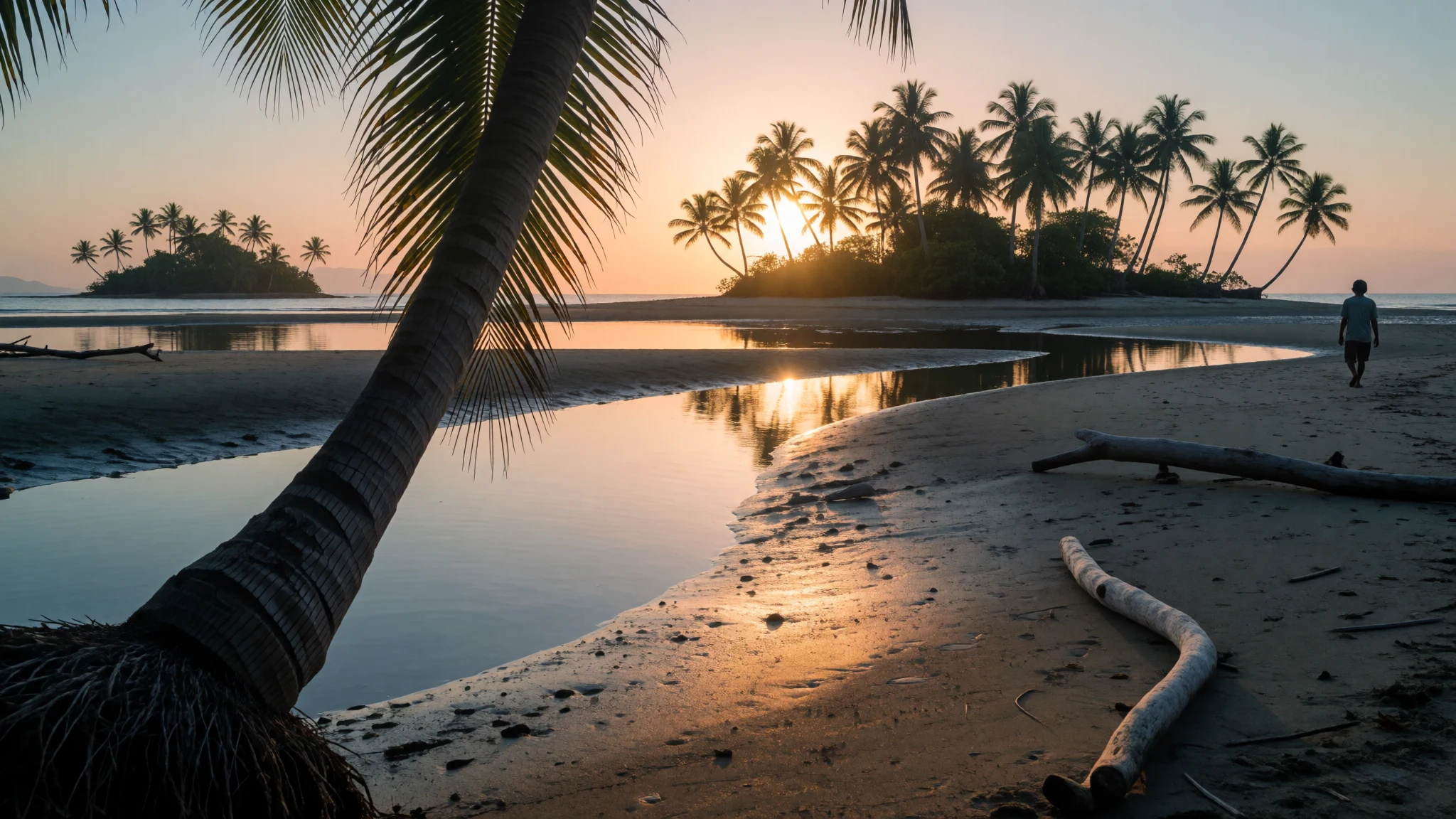
Bantayan is a flat, coconut-covered island off northern Cebu where quiet shores, small islets and easy ferries make a relaxed beach week.
The place
Bantayan is an island in the Visayan Sea, west of the northern tip of Cebu. About 120,000 people live here, spread across three municipalities: Bantayan town in the middle, Madridejos in the north, and Santa Fe in the south-east, which is where most visitors arrive and where tourism is concentrated. The land is low and flat, and coconut palms cover most of it. The only real rise is a modest hill of 26 m in barangay Atop-atop, so the island is easy to cross by tricycle or motorbike, with sea views at almost every turn. Off the south-western corner lies a scatter of small islets, some uninhabited, a few close enough to reach on foot at low tide. They sit beside busy shipping lanes, so ferries and cargo ships pass along the horizon. Daily life runs on fishing, dried and salted fish, copra, palm toddy and above all poultry; egg farms line the main roads and supply markets far beyond the island. That working side is worth noticing, because Bantayan is a place where people live and trade, not only a beach stop. Expect heat, strong sun and a pace that slows by mid-afternoon. Weekends and holiday periods fill Santa Fe's beaches and ferries, while midweek is calmer. Nightlife is modest, centred on a few bars and eateries in Santa Fe and Bantayan town.
Its story
Bantayan's early history is thin on paper. Nobody can say with confidence when the first settlers arrived or where they came from; accounts handed down on the island point variously to Panay, Cebu, Leyte and Bohol. The evidence that survives is cultural rather than documentary: the mix of dialects people speak, old traditions of weaving and dance, the style of local building, and the Spanish-derived family names that cluster in particular places and echo those other islands. Folklore describes the earliest islanders as shy, rarely travelling far from home and wearing little in a warm climate. Fish, game, wild fruit and tubers such as ba-ay, hagmang, bailacog and kiot were plentiful, so people cleared modest plots for corn and sweet potato and left much of the land shaded under heavy foliage. Written records become fuller only with the arrival of the Spanish, and much that is told about earlier times is best treated as tradition rather than fact. The island's later economy grew from that same sea and soil. Bantayan became a fishing ground for Cebu and Negros, sending salted and dried fish out by boat, while chicken and egg farming grew from backyard flocks into a large industry. Copra making and palm-toddy gathering added more work. Today the island's position near the middle of the Philippine archipelago, beside shipping routes, keeps it tied to Cebu, Iloilo and beyond.
What to see
- Virgin Island — Off Ba'igad beach, west coast
Virgin Island, also known as Hilantagaan Dyot or Silion, is a small islet off Bantayan's western shore, seen across shallow water from Ba'igad beach. Local boatmen run trips out to it, and tides change how it looks, so ask about conditions first. Bring a hat, as shade is scarce and weekends bring crowds.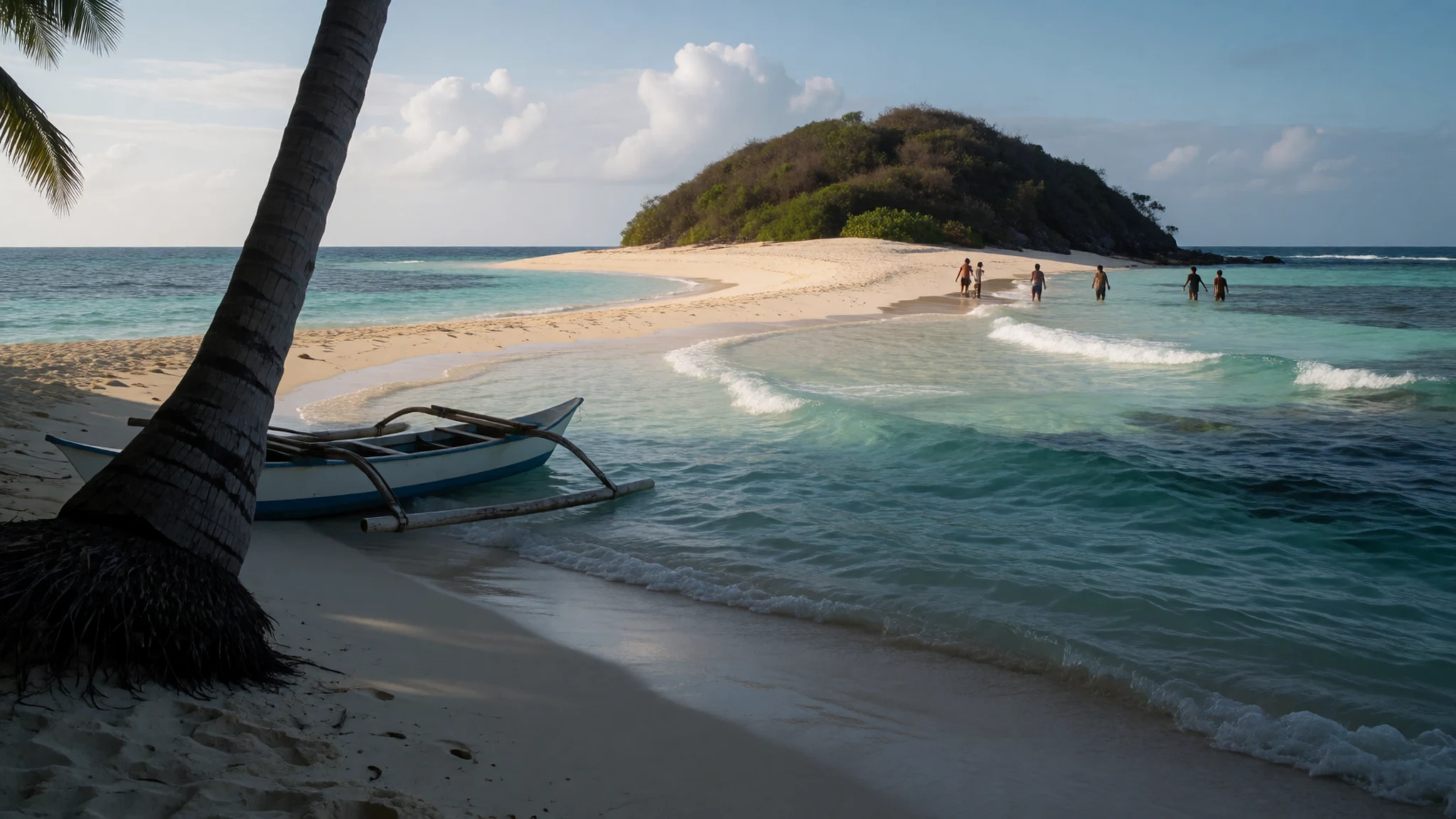
- Ogtong Cave — Santa Fe, inland from the beaches
Ogtong Cave is a small cave with a natural pool, set in the Santa Fe countryside away from the sand. It makes a cool break in a hot day and fits neatly into a tricycle or motorbike loop. Footing is uneven, so wear sandals with grip; there may be a small fee, so check on arrival.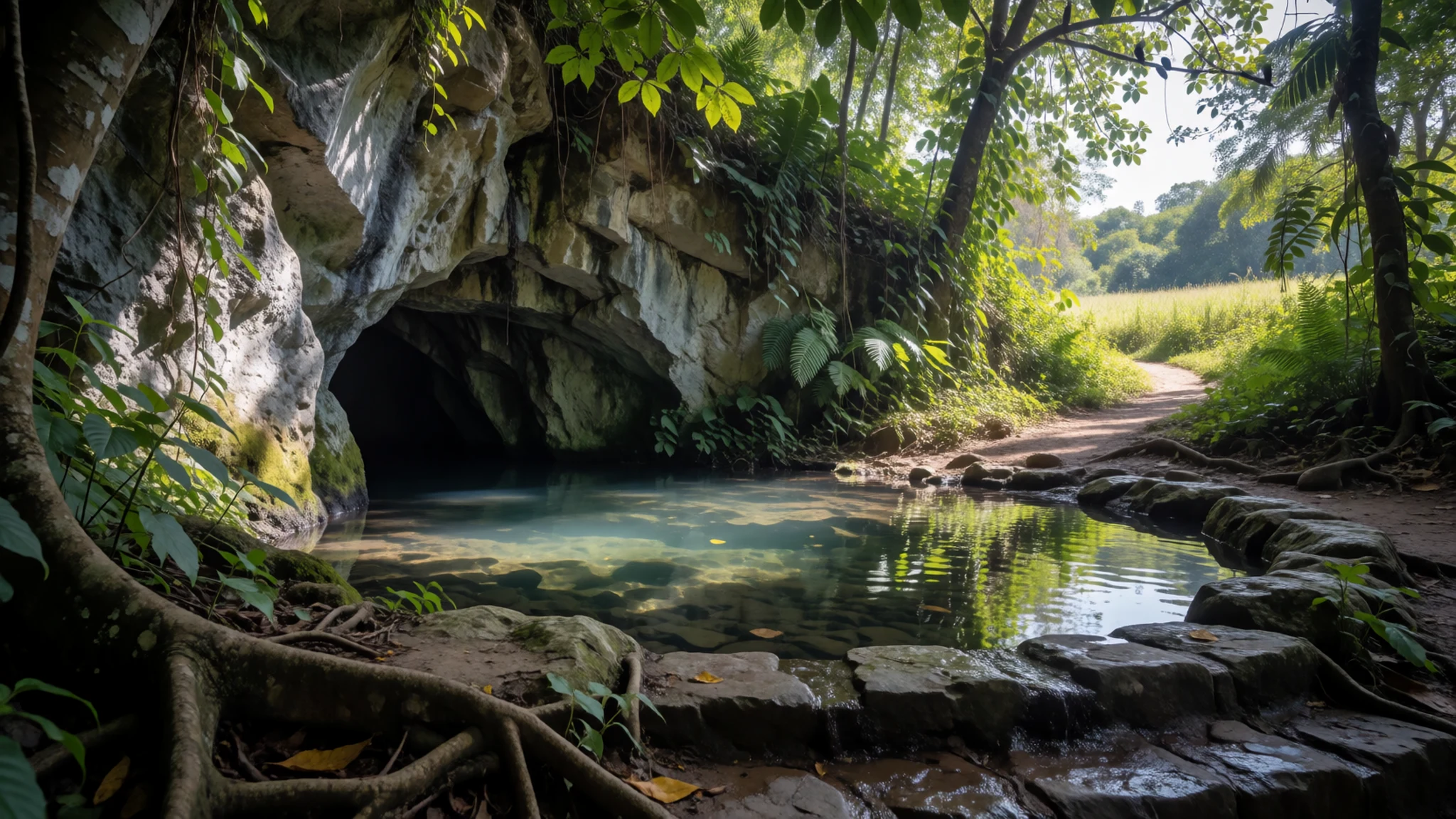
- Paradise Beach — Santa Fe
Paradise Beach is a popular swimming beach on the Santa Fe side, where most of the island's tourism is based. Small eateries and simple places to stay sit close by. Midday sun is fierce and shade is limited, so mornings and late afternoons suit better, and weekends are busiest.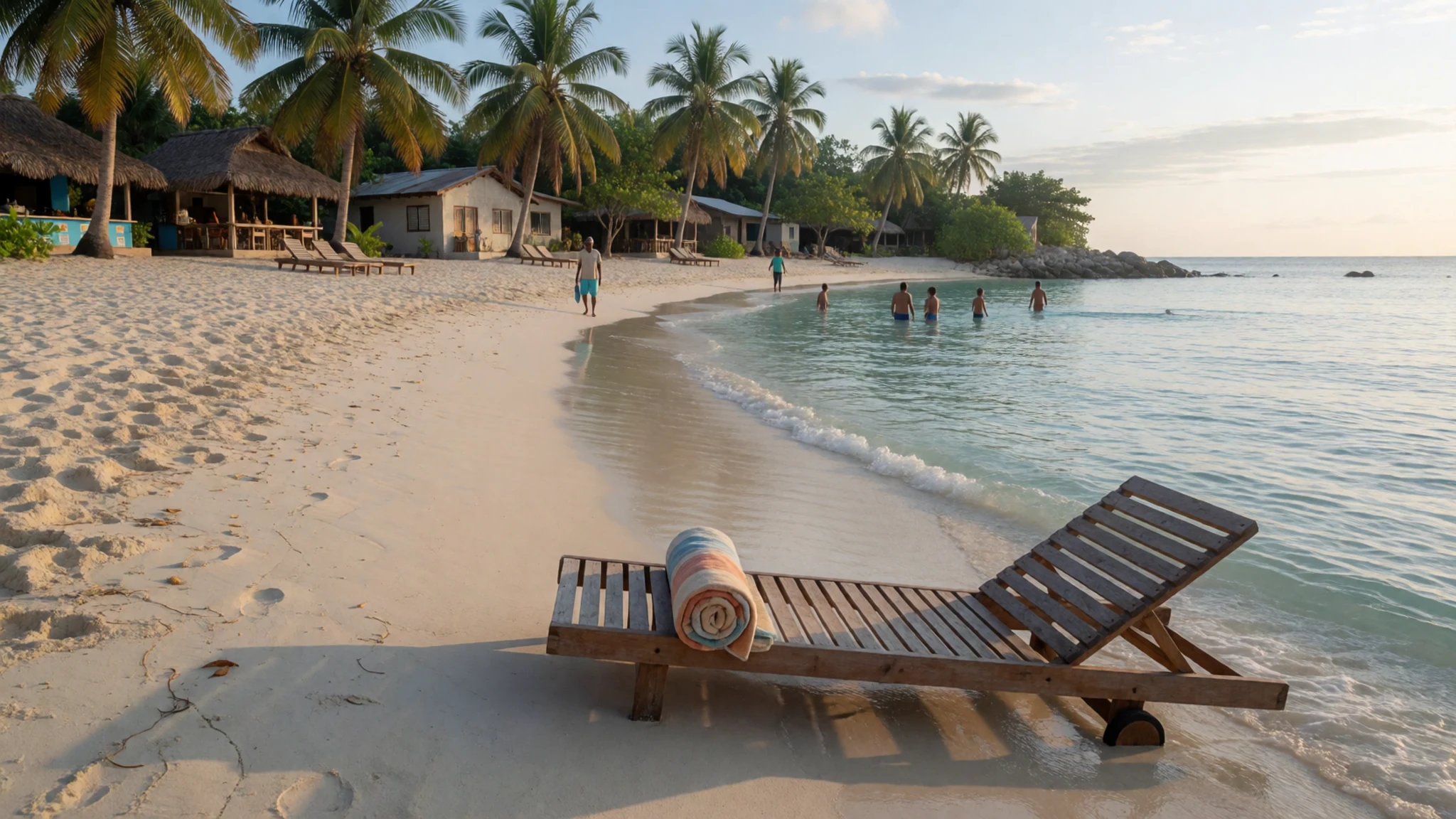
- Bantayan Church — Bantayan town
Bantayan Church is the parish church in the island's central town and a focus of Catholic life, especially around fiestas and Holy Week. It makes a natural start for a walk through the town centre and the public market. Visit outside service times, dress modestly, and keep your voice low inside.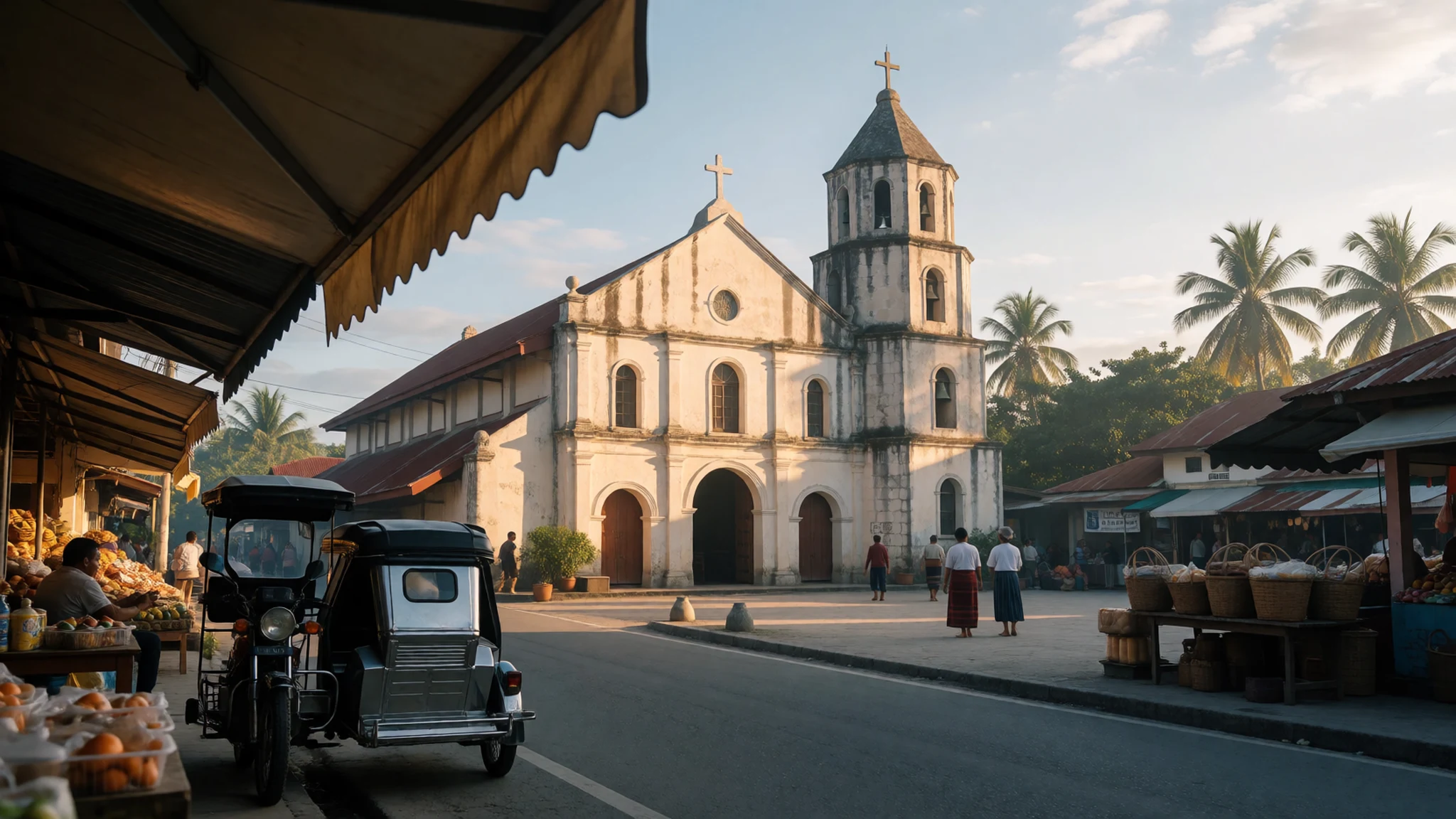
- Bantigue shore — Barangay Bantigue, west of Bantayan town
Bantigue shore faces west across the water towards Hilutungan and the scattered islets, which makes it a good place for sunset. The shoreline is quieter than Santa Fe's beaches. Check the tide before wandering out along the flats, and carry water, since there is little shade.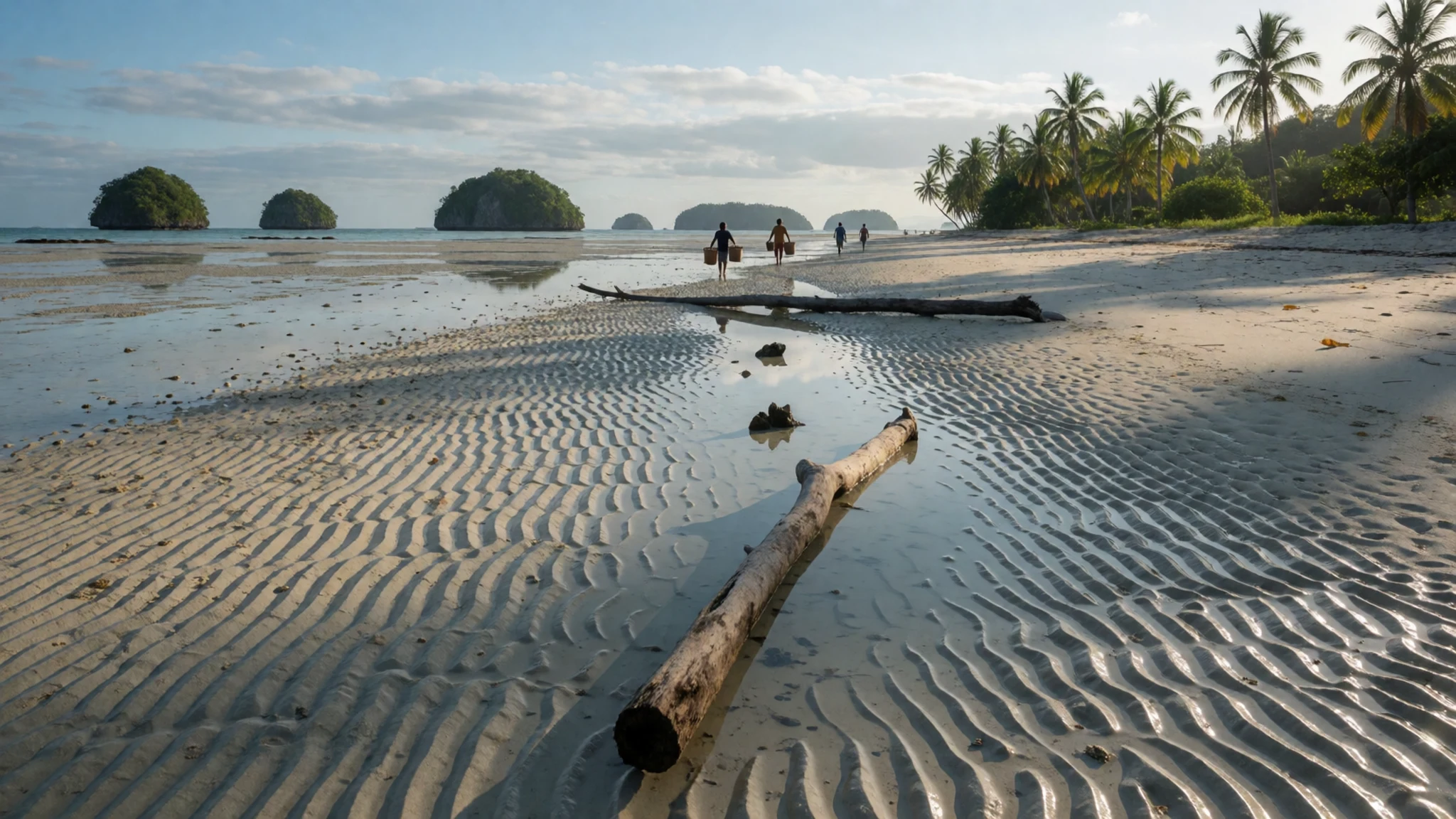
Culture
Bantayan's culture is Visayan and strongly Catholic, shaped by Spanish rule and by the sea. Parish churches anchor each municipality, and the yearly calendar turns on fiestas, Holy Week observances and Christmas, when towns fill with music, processions and family gatherings. The island's mixed dialects and Spanish-derived surnames hint at settlement from Panay, Cebu, Leyte and Bohol, and older traditions of weaving and dance survive in local memory and festivals. Work still sets the rhythm of the day: boats go out early, fish is dried in the sun, and egg trucks and ferries carry produce to Cebu and beyond. Hospitality is easy and unhurried, and strangers are often greeted with a smile and a few friendly questions about where they are from. Visitors will notice that people from Europe have settled here and opened restaurants, so Santa Fe and Bantayan town feel mixed and outward-looking, while villages inland stay quiet and local. Karaoke is a favourite pastime, and evenings can be loud in places. Sunday is a family day, and church services draw crowds in the morning. Cover your shoulders and knees when you step into a church on Bantayan, and ask before photographing worshippers or anyone at home or at work.
What to wear
Bantayan has no single island costume, but its weaving traditions sit within the wider Filipino and Visayan dress culture. Traditionally, women wore the baro't saya, a blouse and long skirt, and men wore the barong, a light embroidered shirt, with fabrics such as abaca and pineapple fibre in finer pieces. These now appear mostly at fiestas, weddings, school events and church celebrations, often as dressed-up versions made from lighter modern cloth. Day to day, people on the island wear what suits heat and humidity: T-shirts, shorts, cotton dresses, flip-flops, and caps or scarves against the sun. Fishermen and farmers favour long sleeves and wide hats for protection. Town dress is casual but tidy, and swimwear is for the beach, not the market. Visitors should pack light cotton or linen, a hat, sunglasses and reef-safe sunscreen. Sandals with grip or water shoes help on rocky stretches, tidal flats and the path to the cave. Bring a shawl or a shirt with sleeves, plus knee-length shorts or a skirt, for church visits and village walks. A light rain jacket is useful in the wetter months, and a dry bag protects phones and cameras on boat trips.
What to eat
- Buwad (dried fish) — Public markets in Bantayan town and Santa Fe
Buwad is fish salted and dried in the sun, a product of the island's fishing trade. It is fried crisp and eaten with rice and vinegar for breakfast. Markets sell it in piles, and the smell is strong, so buy it sealed if travelling.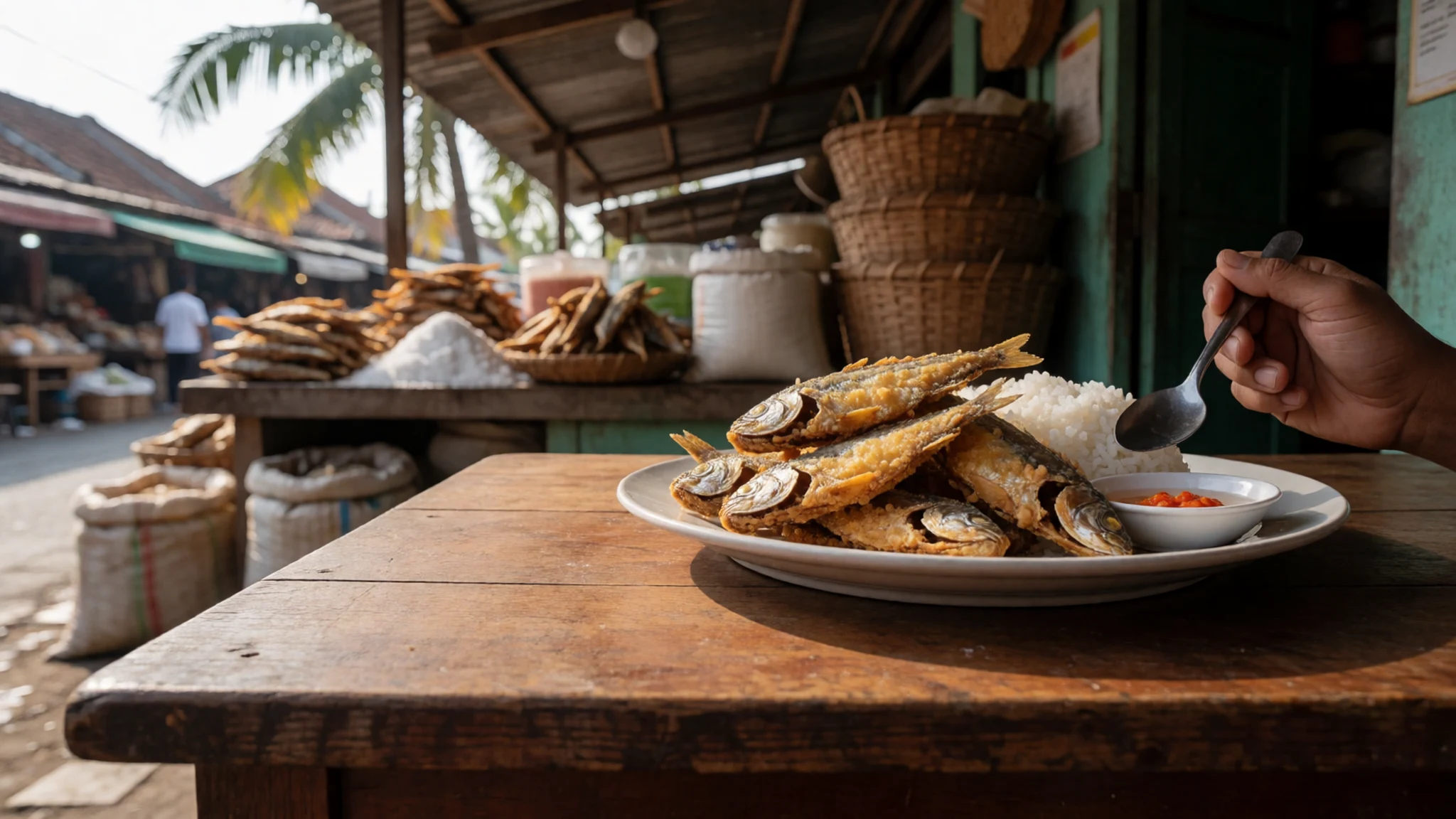
- Guinamos (salted fish) — Market stalls and roadside shops
Guinamos is a salty, fermented fish product, used as a seasoning with vegetables and plain rice. It is an acquired taste, strong and pungent. The island supplies it to Cebu and Negros, so market vendors can explain how locals use it.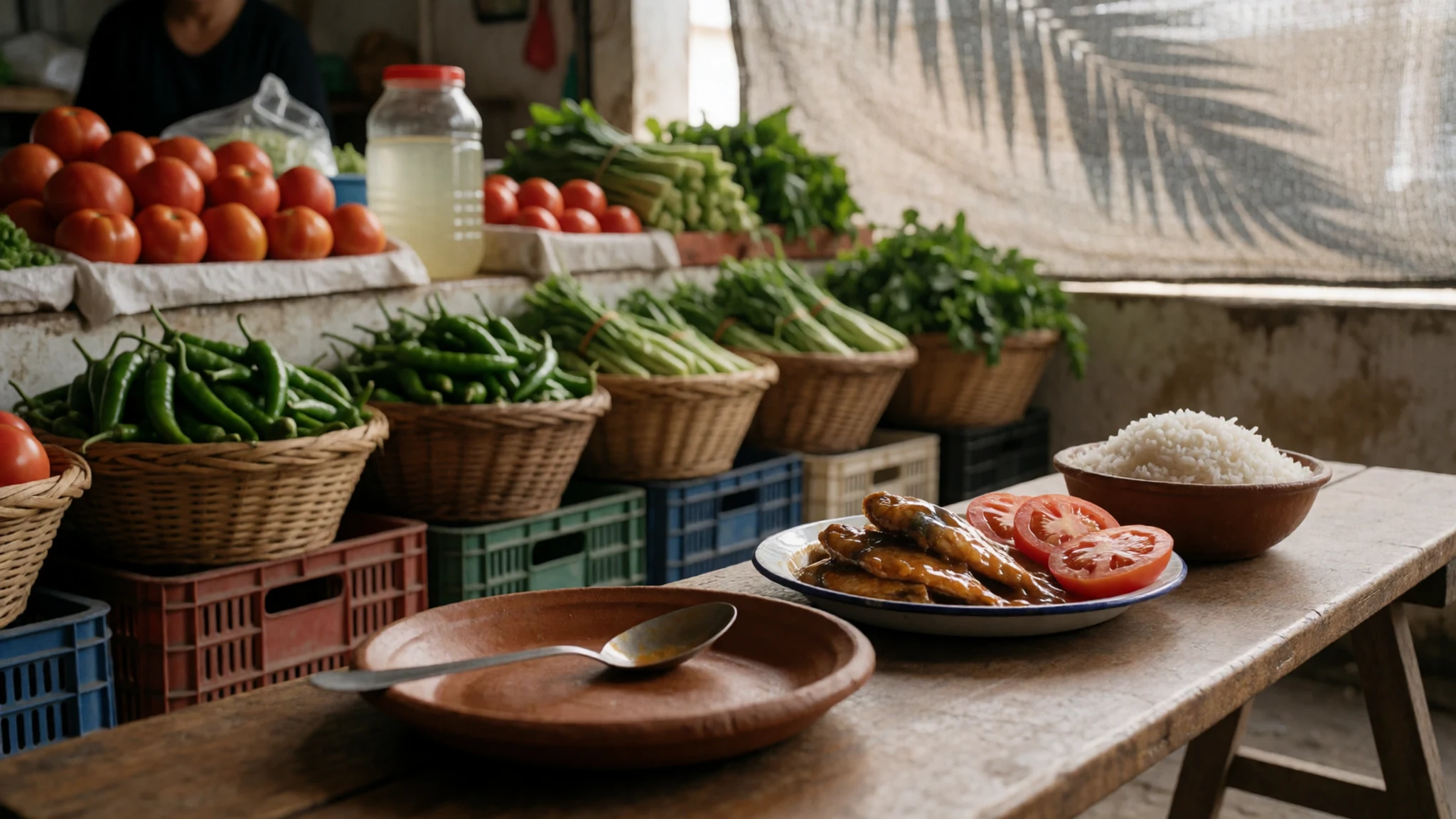
- Kinunot — Local eateries in Bantayan town
Kinunot is a Bicol dish of flaked fish, often shark or ray, cooked in coconut milk with leaves and chilli. Some eateries in Bantayan town serve it alongside other spicy Bicolano plates. Ask about heat levels before ordering if chilli is a concern. - Bicol express — Local eateries and mixed-cuisine restaurants
Bicol express is a pork stew simmered in coconut milk with plenty of chilli, rich and spicy, and eaten with rice. It appears on menus in town. Order a plate to share, and keep water or a mild vegetable side nearby. - Fresh island eggs and breakfast plates — Small eateries along the main roads
Bantayan produces eggs on a large scale, so breakfast plates with fried eggs, garlic rice and dried fish are easy to find. Egg farms sit near the main roads, and eateries nearby often serve very fresh eggs at modest prices.
Plan it
Best time. January to April, when the weather is usually drier and most comfortable, with May the hottest; the second half of the year is the wetter, typhoon-prone season, so sea crossings can be disrupted.
How long. 3–4
Getting there. Fly to Mactan-Cebu International Airport. The quickest route is a short flight on Air Juan to Bantayan airfield in Santa Fe; check the operator for current schedules. The usual route is by road from Cebu's northern bus terminal to Hagnaya port in San Remigio, then a ferry to Santa Fe on Bantayan. Two operators run the crossing, Super Shuttle Ferry and Island Shipping. Ferries also link Bantayan municipal port with Estancia in Iloilo and with Sagay.
Budget. low
Tips
- Book flights early for weekends and holidays, and check ferry operators for current schedules and weather cancellations
- Carry cash, as small eateries, markets and tricycle drivers rarely take cards
- Start island tours early, because midday heat is strong and shade is scarce
- Rent a motorbike or hire a tricycle for the day, as the island is flat and distances are short
- Bring water, sun protection and a dry bag for boat trips
Etiquette
- Dress modestly in churches and villages, and ask before photographing people
- Keep noise down at night near homes, especially away from the main bars
- Do not walk on reef or collect shells, and take litter back to the mainland bin
Nearby
Sources
- Wikidata Q806973 (CC0)
- Wikipedia: Bantayan Island (rev 1374773781) (CC BY-SA 4.0)
- Wikivoyage: Bantayan (rev 5339044) (CC BY-SA 4.0)
- Bantigue shore — John Martin PERRY (CC BY 3.0)
- Bantayan Island group showing its minor islands and islets — US Army Mapping Service (Public domain)
- Hilantagaan Island, Santa Fe seen from the south — Unbuttered Parsnip (CC BY-SA 4.0)
- Hilantagaan Dyot island, Bantayan, seen from W — Unbuttered Parsnip (CC BY-SA 4.0)
- Sunset over Hilotangan — Unbuttered Parsnip (CC BY 3.0)
- Polo polo island off Patao, Bantayan — Unbuttered Parsnip (CC BY 3.0)
- Orchids growing in Madridejos — Unbuttered Parsnip (CC BY 3.0)
- Coconuts on the palm — John Martin PERRY (CC BY 3.0)


