Öland
Öland, Sweden
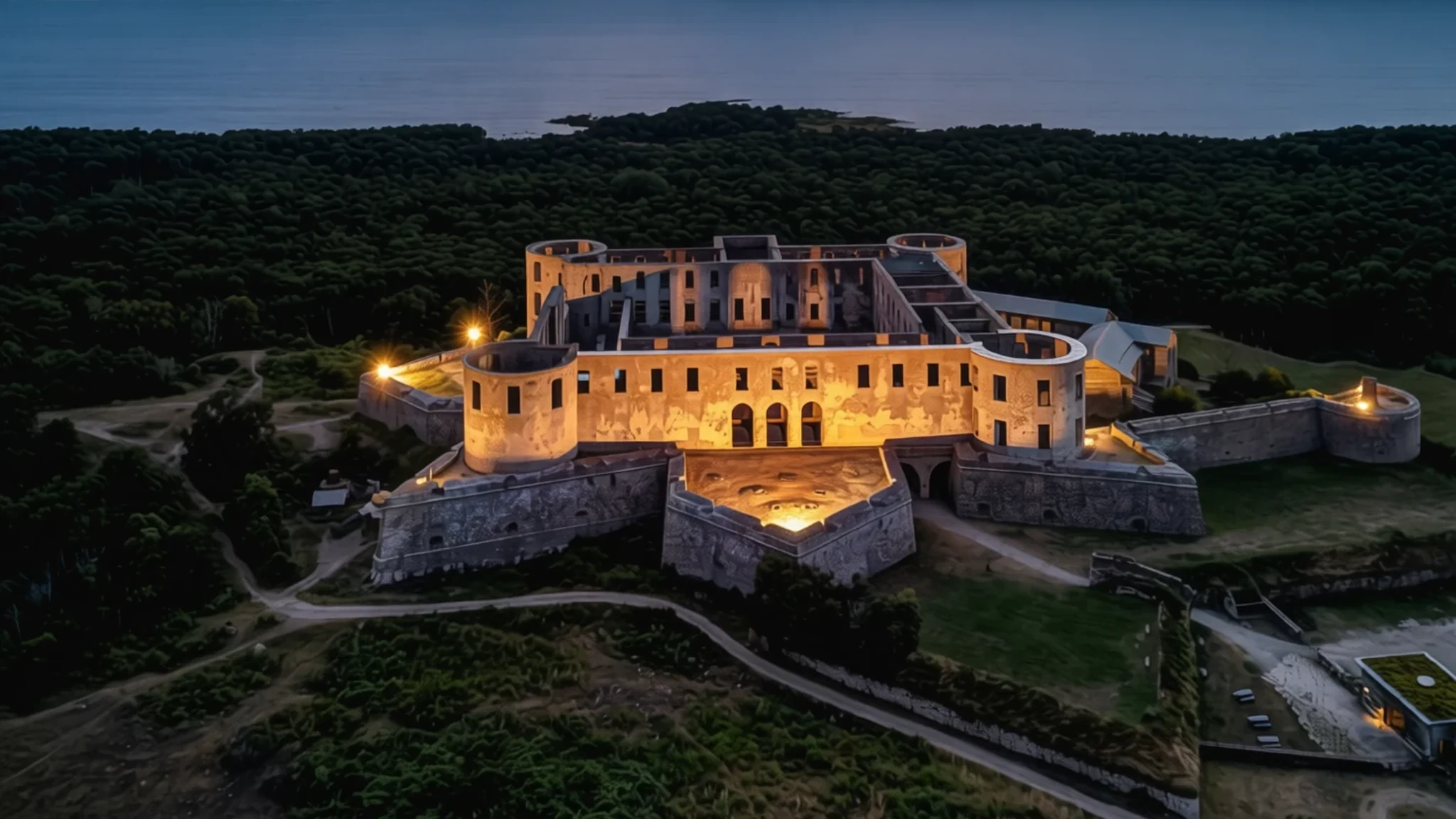
Öland combines vast limestone plains, ancient stone fortresses, historic wooden windmills, and quiet Baltic beaches off Sweden’s southern coast.
The place
Öland is Sweden’s second largest island, anchored in the Baltic Sea just off the Småland coast. Connected to the mainland by a long bridge across the Kalmar Strait, the island stretches as a narrow ribbon running north to south. Its geography varies significantly along this strip: pine forests and sandy beaches border the northern tip, while fertile agricultural plains and broad limestone plateaus dominate the central and southern reaches.
The island’s rhythm is rooted in farming and maritime life, supported by summer weather that is dry and sunny relative to mainland Scandinavia. Borgholm sits as the main northern town centre, anchored by coastal waters and historic castle ruins, while Mörbylånga serves the agricultural communities of the south. Scattered across the flat countryside are traditional timber farmsteads and old wooden windmills standing against the coastal breeze.
On the southern limestone plateau, thin soil rests over solid bedrock, creating an open landscape where hardy flora and wild orchids survive despite harsh seasonal winds. Coastal communities still maintain small fishing harbours, while rural roads connect quiet hamlets separated by stone walls. In the summer months, traffic across the bridge increases as travellers arrive to cycle along coastal tracks, explore ancient ruins, and experience the distinct light and sea air of the island.
Its story
Öland has been inhabited for thousands of years, with archaeological evidence tracing human activity back to early Stone Age hunter-gatherers who migrated from the mainland across low waters and ice passages. Over time, permanent farming communities established themselves across the island’s arable land, shaping the rural landscape that exists today.
During the Iron Age, residents constructed massive circular ringforts out of dry stone to guard against coastal raiders and regional conflicts. Nineteen of these fortified enclosures have been identified across the island, serving as defensive refuges, trading points, and communal strongholds. Archaeological excavations at sites like Eketorp have uncovered thousands of artifacts, shedding light on daily life, metalworking, and domestic animal husbandry during late antiquity and the early Middle Ages.
Early medieval records note the island’s position along Baltic maritime routes, where seafaring trade connected its coastal villages to Scandinavian networks. Visible traces of this long human presence remain prominent across the countryside. Iron Age and Viking burial grounds stand on high ridges, featuring stone ships and burial mounds. In later centuries, the island gained geopolitical significance, prompting royal fortification efforts along the coast. Though wars and fires destroyed major coastal strongholds over the ages, these stone ruins and ancient ringforts continue to define the island’s historic character.
What to see
- Borgholm Castle Ruins — Borgholm
Rising on the coast near Borgholm, this massive stone castle was reconstructed in the seventeenth century before being gutted by fire in the nineteenth century. Today, its grand shell features open-air courtyards, high stone walls, and sweeping views across the Kalmar Strait. Visitors can explore the cavernous interior halls and learn about its royal past.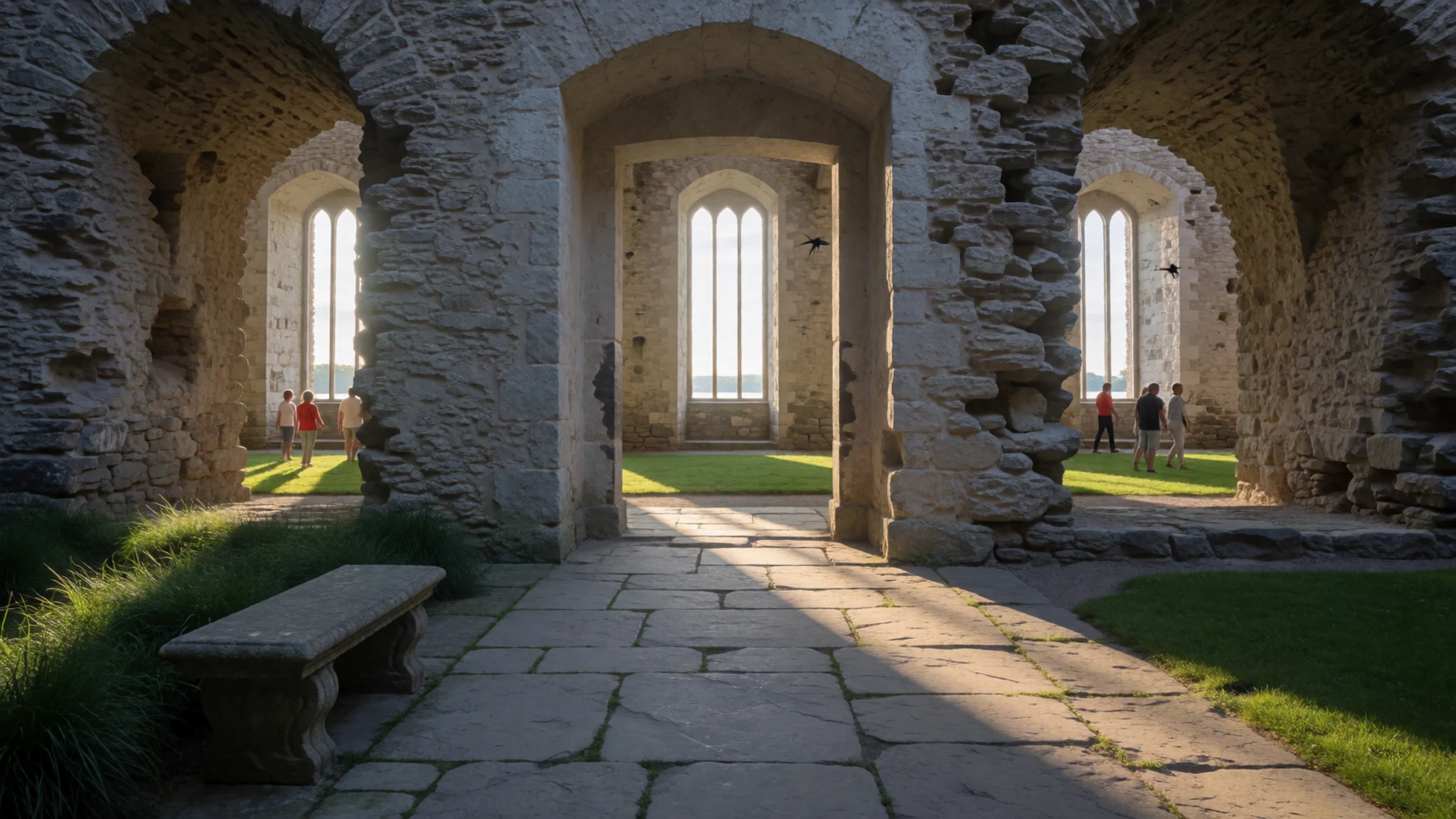
- Stora Alvaret — Southern Öland
This expansive limestone pavement dominates the southern part of the island. Thin soil over bedrock creates an unusual habitat where rare flora, orchids, and low shrubs thrive. Marked walking trails cross the open expanse, passing old stone walls, historic windmills, and prehistoric archaeological sites that show thousands of years of pastoral use.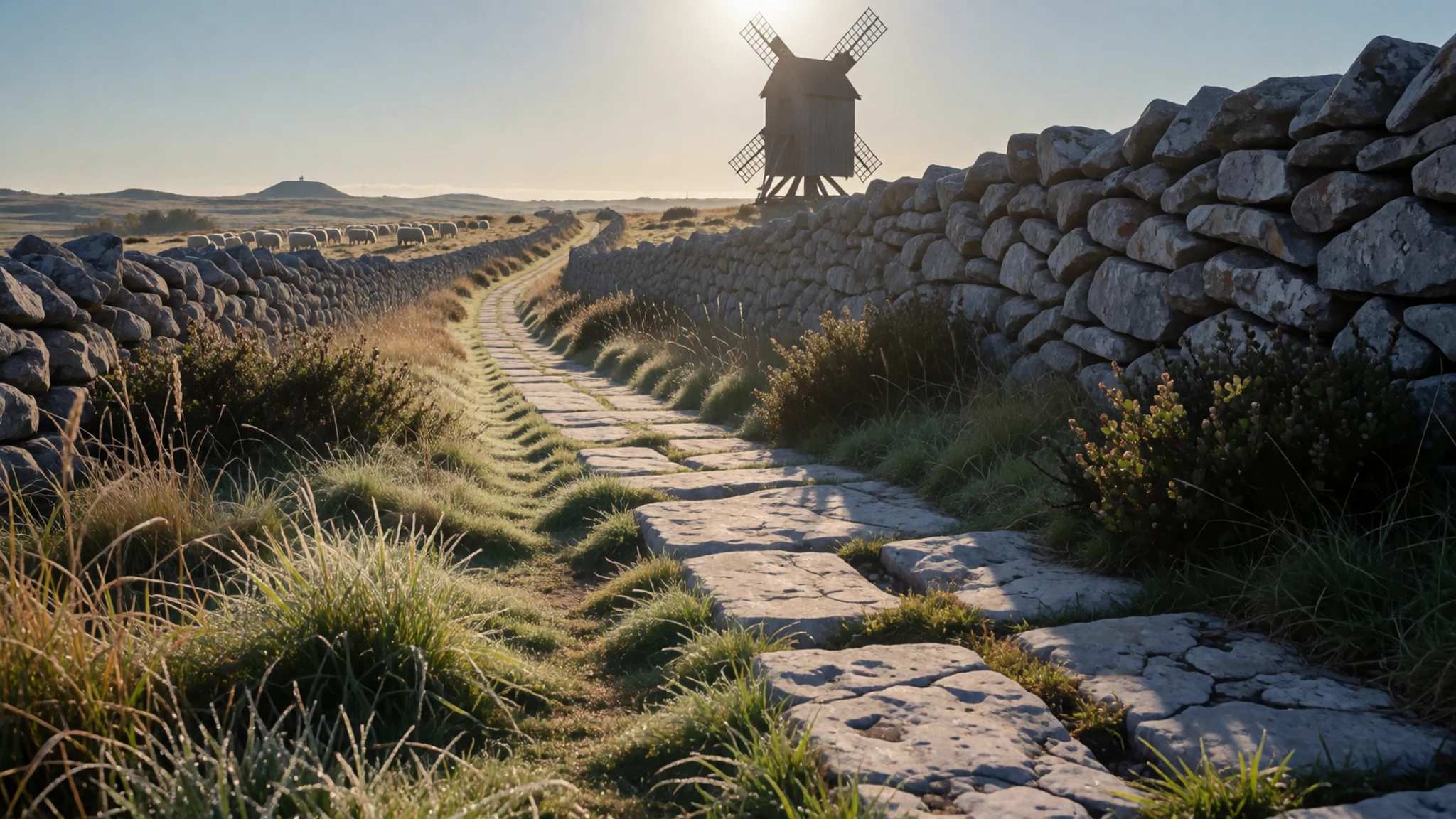
- Eketorp Ringfort — Southern Stora Alvaret
Located on the southern limestone plain, Eketorp is a completely excavated Iron Age ringfort. Reconstructed stone walls, timber dwellings, and livestock enclosures allow visitors to experience medieval island defence and agricultural life. Educational activities, crafts, and historical demonstrations bring the ancient fort alive during the summer months.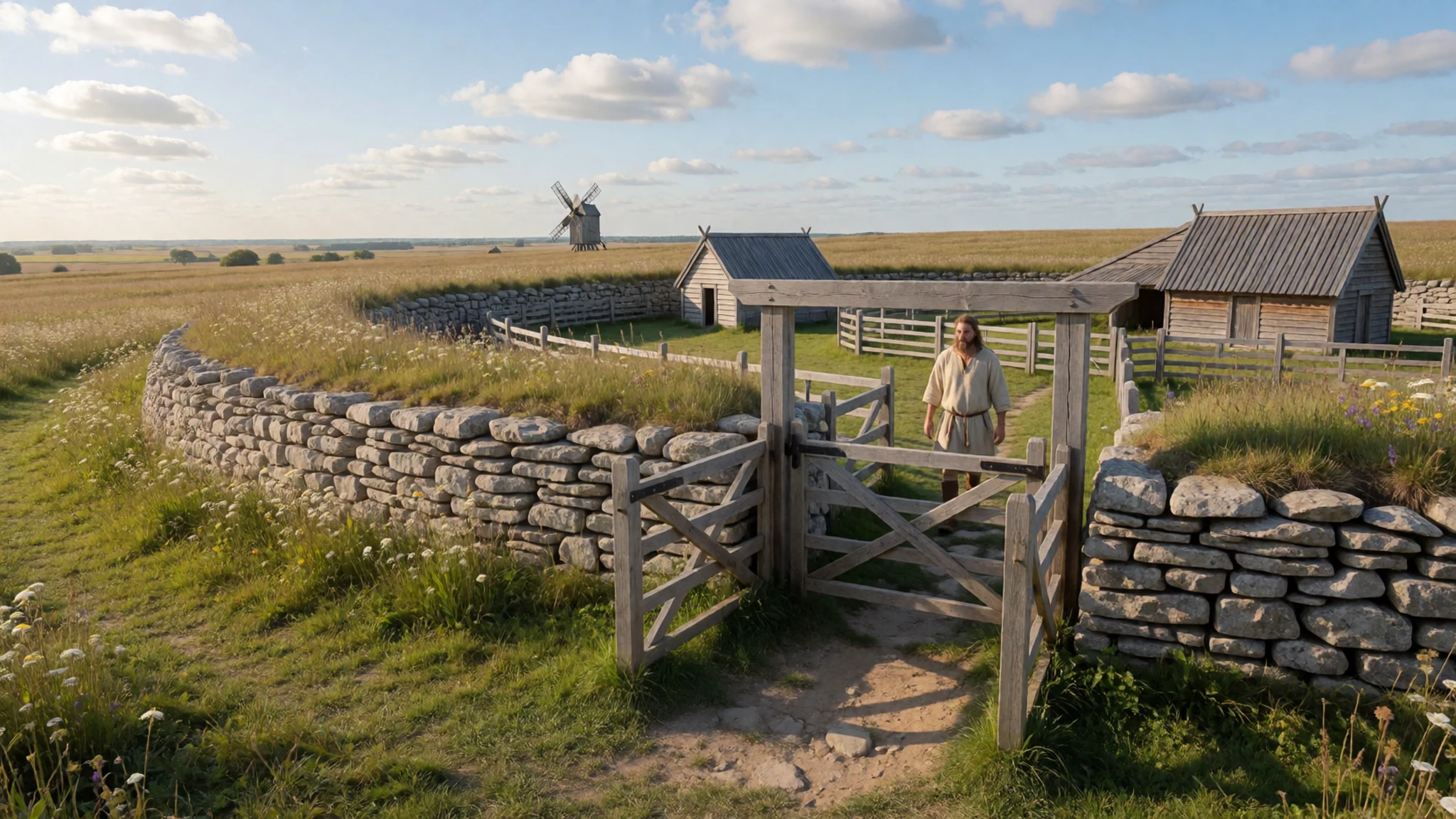
- Solliden Palace Gardens — Borgholm
Built as a summer residence for the Swedish royal family, Solliden is surrounded by manicured parklands and formal gardens. While the main residence remains private, visitors can stroll through Italian, English, and modern garden sections, admire vibrant flowerbeds, visit the pavilion cafe, and view seasonal art exhibitions on the estate grounds.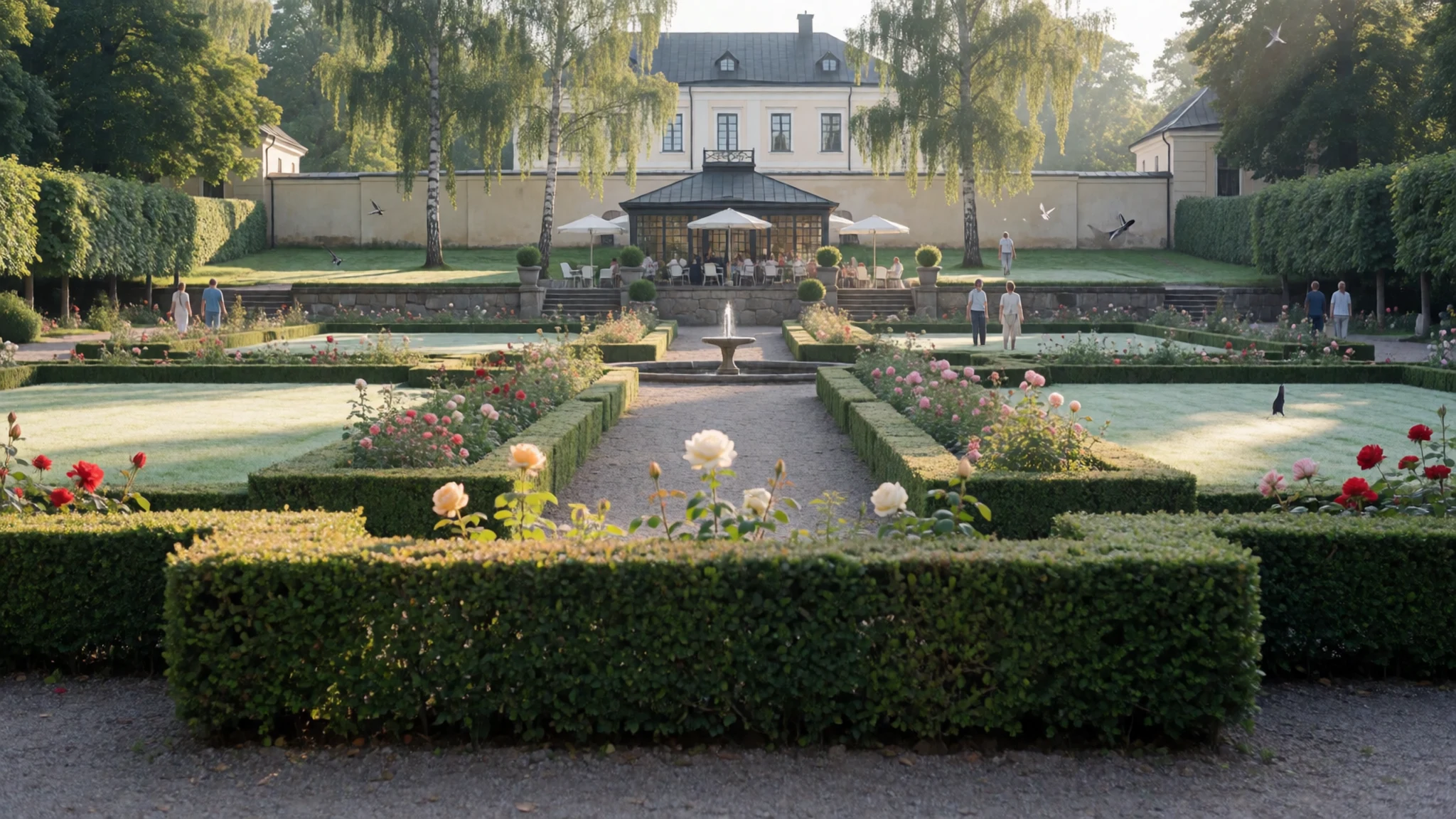
- Vida Museum & Konsthall — Halltorp
Situated on the coast near Halltorp, this modern art museum and gallery space highlights contemporary Swedish art, glass, and design. Large windows look out across the Kalmar Strait, creating a bright backdrop for permanent collections of glass art and rotating exhibitions featuring regional painter and sculptor retrospectives throughout the opening season.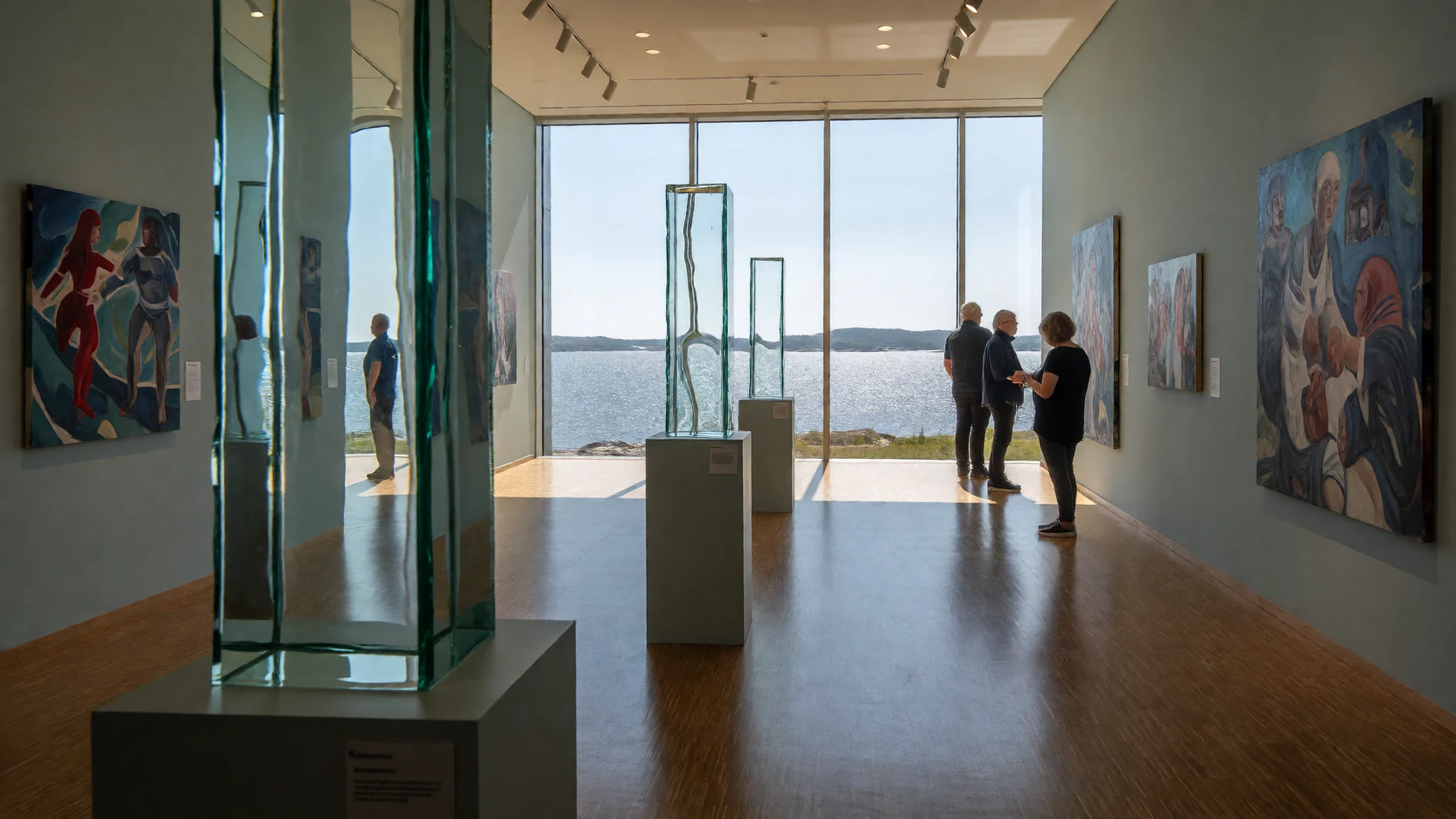
Culture
Öland’s cultural identity is tied to its agrarian traditions, maritime history, and unique island environment. For centuries, rural life centred on sheep grazing across the open limestone alvar, coastal fishing, and wind-powered grain milling. Wooden windmills dotting the fields remain cherished icons of island heritage, representing generations of self-sufficient farming.
Autumn brings one of the island’s defining celebrations, the annual harvest festival held every September. During this event, farmers, craftspeople, and food producers across the island open their farmsteads and village stalls to sell fresh produce, preserves, and traditional baked goods. Royal connections also influence seasonal rhythms, as the Swedish royal family spends part of the summer on the island, bringing extra energy to nearby Borgholm. Community life remains relaxed, focused on outdoor living, environmental preservation, and seasonal gatherings.
When exploring rural pastures and nature reserves, keep farm gates closed behind you and stay on designated paths to avoid disturbing grazing livestock and fragile alvar plants.
What to wear
Traditional dress on Öland reflects practical rural living and coastal woolworking traditions. Historical folk costumes featured thick hand-spun wool skirts, linen smocks, knitted waistcoats, and heavy woollen shawls designed to withstand cold Baltic winds. Dyed in muted indigo, red, and earth tones, these garments were crafted for durability during farm work and dressed up with embroidered aprons for church and seasonal festivities. Today, folk dress is worn primarily during Midsummer gatherings and regional cultural celebrations.
In daily life, residents dress in relaxed, functional Scandinavian casual wear. During sunny summer months, lightweight cotton shirts, linen trousers, and shorts are standard, while warm knitwear, wind jackets, and rain gear become essential as autumn approaches or when coastal breezes blow in off the sea.
For visitors, versatile layers are key to managing shifting island weather. Bring a windproof outerwear layer, sunglasses, and a rain jacket regardless of the season. Strong walking shoes or light hiking boots with sturdy soles are essential for navigating rough limestone pavement, gravel farm tracks, and uneven fortress grounds comfortably.
What to eat
- Kroppkakor — Roadside eateries and village restaurants
These hearty boiled potato dumplings are filled with spiced pork and onions. Served piping hot with melted butter, heavy cream, and lingonberry jam, they represent Öland’s classic comfort food and are served at traditional roadside eateries across the island.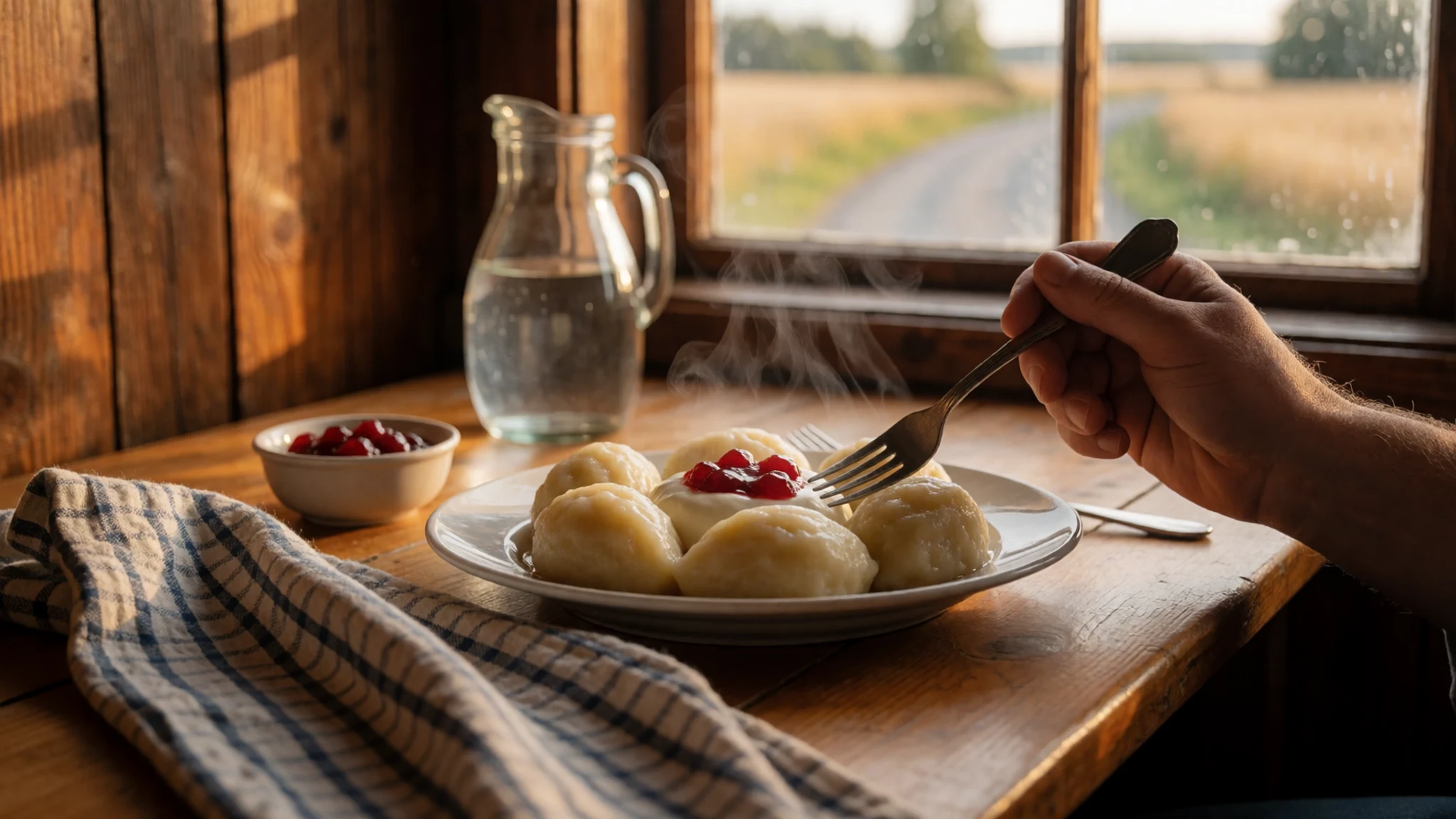
- Lufsa — Traditional island cafes and rural diners
A classic regional speciality, lufsa is a thick oven-baked cake made from finely grated potatoes, eggs, flour, and milk. Baked until golden brown, it is served hot with crispy fried salt-cured pork and sweet lingonberry jam in cozy island diners.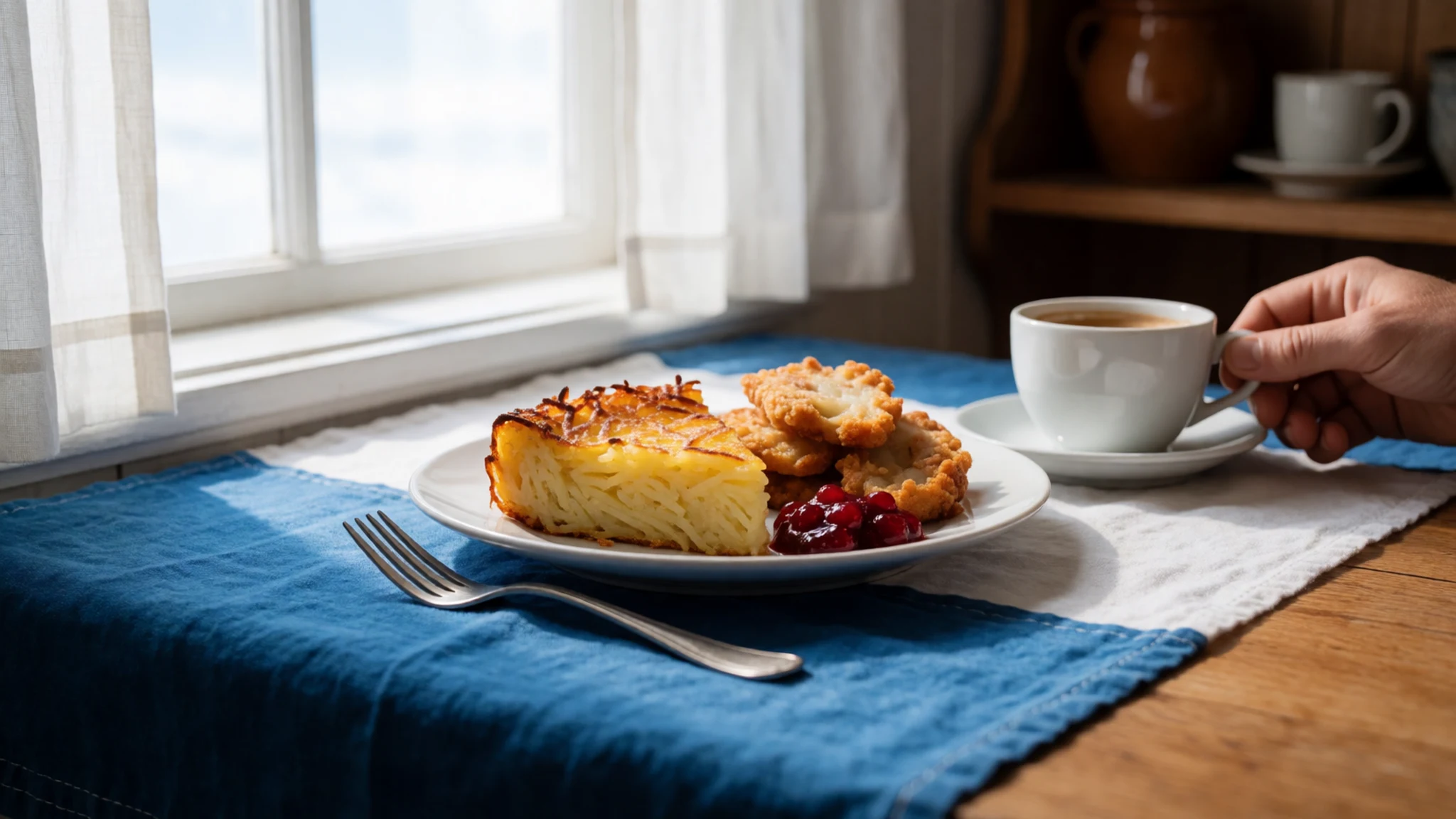
- Smoked Baltic Fish — Coastal smokehouses and harbour stalls
Freshly caught fish, including flounder and salmon, is hot-smoked over hardwood fires in coastal harbour towns. Sold at harbour fishmongers and casual waterside stalls, it is served with dill potatoes, crispbread, and remoulade sauce for a simple seaside lunch. - Roasted Öland Lamb — Rural farmsteads and country restaurants
Given the island’s extensive sheep farming on the alvar pastures, locally raised lamb is a staple menu item. Countryside restaurants serve slow-roasted joint or grilled chops paired with seasonal root vegetables, herbs, and garlic sauces. - Cardamom Buns & Island Pastries — Village bakeries and coastal cafes
Öland’s village bakeries produce fresh sourdough loaves, cinnamon rolls, and cardamom buns daily. Enjoyed during fika with coffee, these treats are sold at seasonal bakery cafes, courtyard gardens, and farm shops throughout the island.
Plan it
Best time. June to August offers the island’s warmest, sunniest weather for cycling, coastal walks, and sightseeing; September brings the vibrant harvest festival, while winter months are quiet and cold.
How long. 2–3
Getting there. Fly or take the train to Kalmar on the mainland. From Kalmar, cross the Öland Bridge by car or local bus, or take the seasonal passenger ferry to Färjestaden.
Budget. mid
Tips
- Reserve vehicle hire or bus tickets in advance during peak summer months
- Take the dedicated bike bus or summer ferry if travelling with a bicycle, as riding across the bridge is not permitted
- Check seasonal opening dates for museums, fortresses, and cafes if visiting outside July and August
- Carry light rain gear and windproof layers even on warm sunny days
Etiquette
- Keep farm gates closed when walking through livestock grazing pastures on the alvar
- Stick to established trails in nature reserves to protect sensitive limestone plants
- Observe quiet hours in peaceful harbour villages and camping areas
Nearby
Sources
- Wikidata Q239276 (CC0)
- Wikipedia (rev 1379768473) (CC BY-SA 4.0)
- Wikivoyage (rev 5423353) (CC BY-SA 4.0)
- Photo photos/01-resmo-kvarnar-vid-gynge-h-g-01.jpg (CC BY-SA 4.0)
- Photo photos/02-homrevet-northern-land-sweden.jpg (CC BY 3.0)
- Photo photos/03-olandeketorp.jpg (CC BY-SA 2.5)
- Photo photos/04-0728g-sslunda.jpg (CC BY-SA 4.0)
- Photo photos/05-0730h-nstorp.jpg (CC BY-SA 4.0)
- Photo photos/06-1008-land-dyestad.jpg (CC BY-SA 4.0)
- Photo photos/07-1009-land-hagelstad.jpg (CC BY-SA 4.0)
- Photo photos/08-1010-land-halltorps-hage.jpg (CC BY-SA 4.0)


