Fårö
Fårö, Sweden
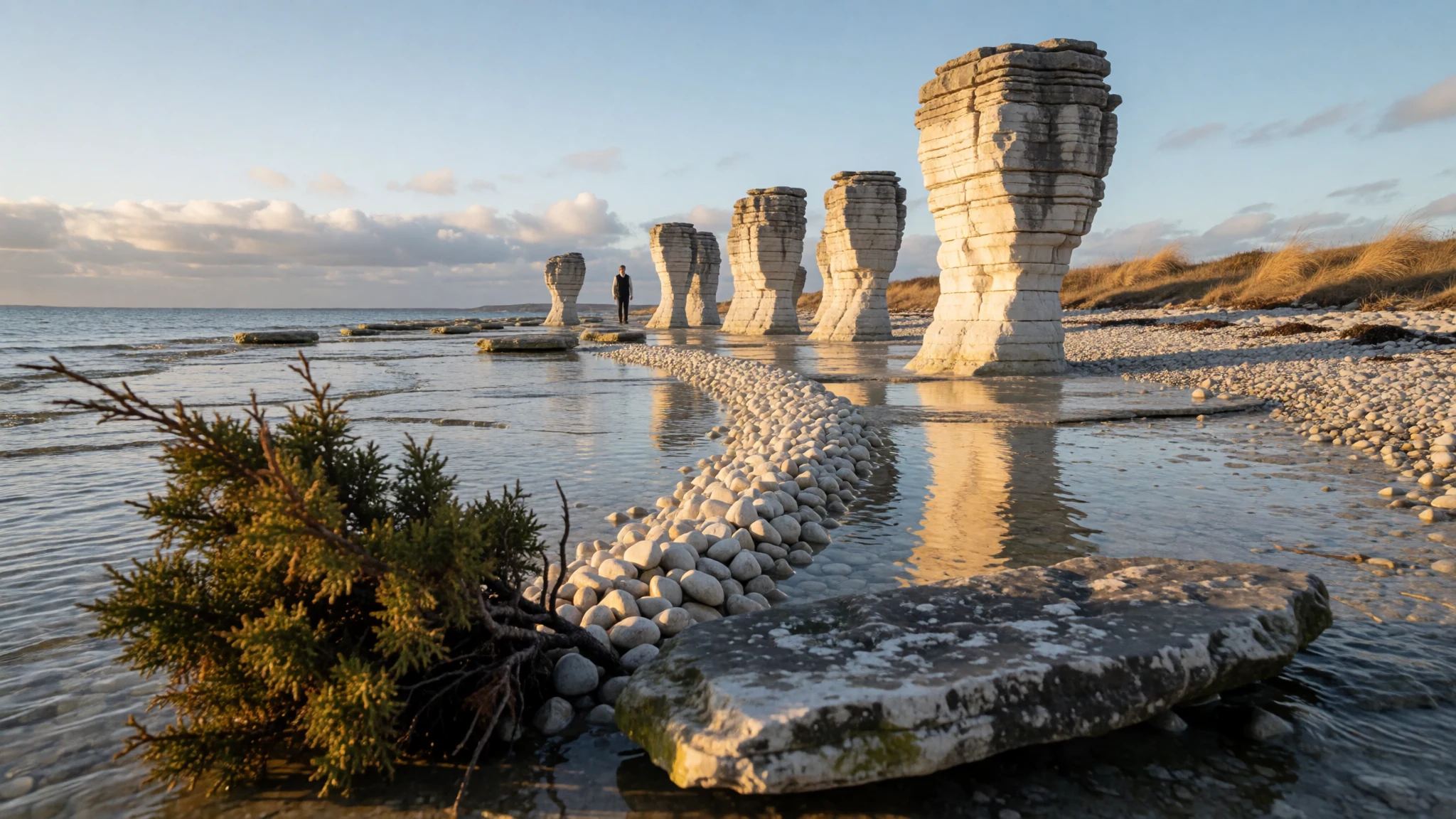
Fårö is a windswept Baltic island of sea-carved stone pillars, pale sand and Ingmar Bergman's quiet grave, reached by a short free ferry.
The place
Fårö lies in the Baltic Sea just north of Gotland, which itself sits off Sweden's south-eastern coast, and only a narrow strait divides the two. About 498 people live here, so the island reads as a scatter of farms, fishing harbours and pine-edged lanes rather than a town. Sheep are everywhere, though the name has nothing to do with them; it most likely comes from an old Norse word for a sea lane. The land is low and open, and the coast supplies the drama. Rauks, free-standing stone pillars and stacks left by erosion after the ice age, stand along the shoreline and are found only on Fårö and Gotland. Elsewhere there are pale sandy beaches on the east side, a medieval church, a lighthouse on the north-western tip and nature reserves where the ground is rough and the wind seldom drops. Islanders speak Fårömål, a local form of the Gutnish dialect. Fårö is a summer resort, and the character of the place changes with the calendar: from June to August the ferries run extra crossings, cabins fill and the beach cafés open, while outside those months much of the island shuts and the roads empty. There is no real centre, so a car or a bicycle is the sensible way to get around. Emergency vehicles are not based here and have to come by boat, which is worth remembering before scrambling over wet rocks.
Its story
Fårö owes its wider fame to a film-maker. Ingmar Bergman, the Swedish director, spent many summers on the island and shot a number of his films here, along with two documentaries, using its bare shorelines and empty fields as settings. He is buried in the churchyard of the medieval church, and visitors still walk quietly through to find the grave. Olof Palme, the Swedish prime minister, was another regular summer guest, which gave the island a reputation as a place where well-known Swedes went to be left alone. Older layers lie underneath. At Gamle hamn, the ground beside the rauks holds a burial field from the Viking era, a reminder that this coast served sea travellers long before holiday cabins arrived. The name itself probably points to a sea lane, and the island still faces the water, with fishing harbours on the west side and a lighthouse on the north-western tip. Language kept its own character too. Fårömål differs from mainland Swedish, and locals say Fåre where outsiders say Fårö. Even astronomy has noticed the place: an asteroid in the belt between Mars and Jupiter carries the island's name. Each September the community marks Fårönatta, when restaurants and bars stay open through the night, craft stands appear and the church holds a midnight Mass.
What to see
- Langhammars rauk field — North coast of Fårö
Langhammars, on the north coast of Fårö, is a shoreline of rauks, stone pillars and stacks standing singly against the Baltic. The walk between them is short but the ground is uneven, and rocks beside the water can be slippery. Go early or late for softer light and fewer people, and bring a windproof layer.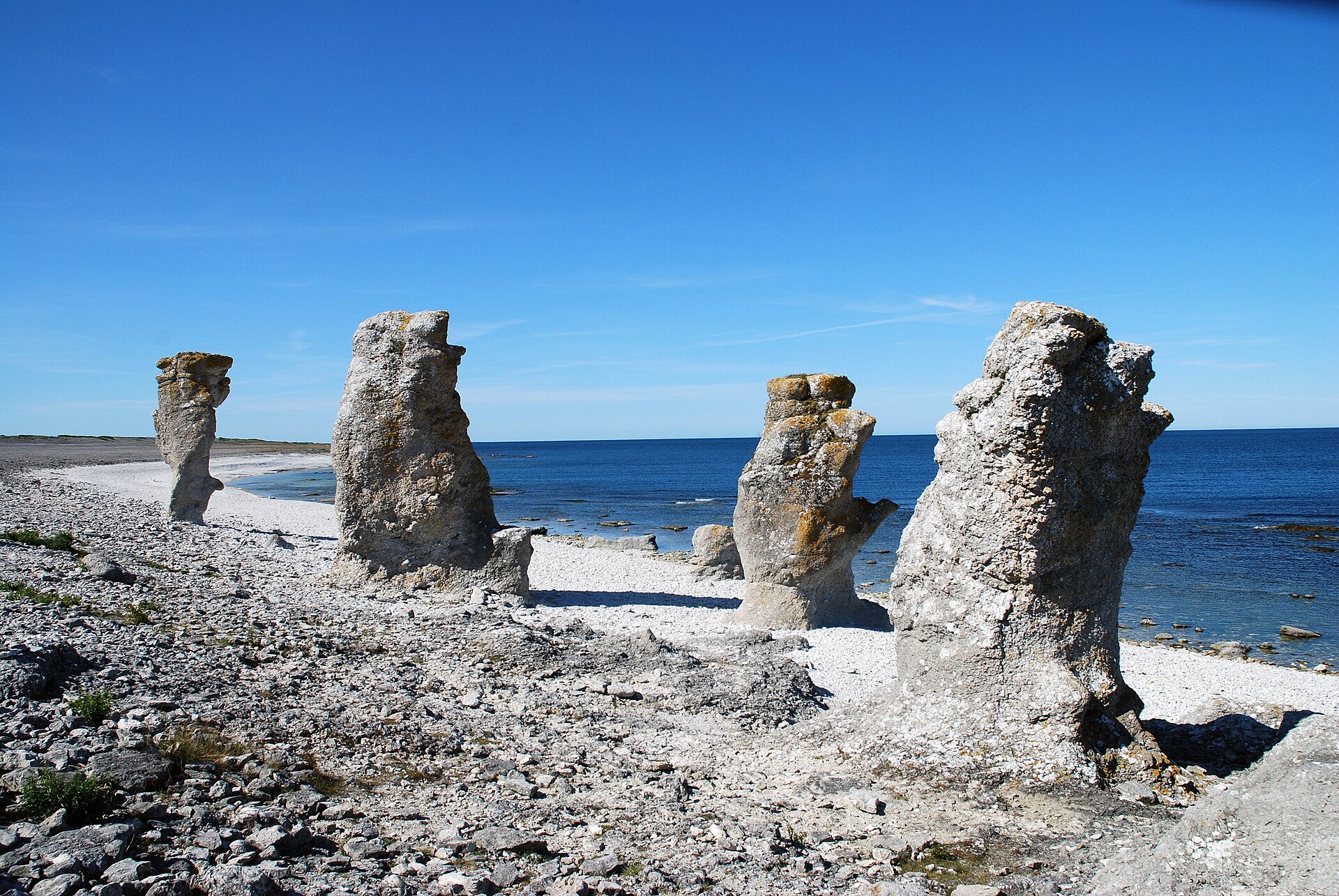
- Bjärge rauk field — North-west Fårö
Bjärge rauk field lies on the north-western side of Fårö, where rauks rise from low scrub and rocky ground. Their scale is easier to judge when someone stands beside them. It suits a slow walk on a calm day, with plenty of space between formations and few buildings in sight. - Gamle hamn — West coast of Fårö
Gamle hamn, on the western shore, combines a rauk field with a burial field from the Viking era, so one stretch of coast gives both natural formations and ancient history. The setting is quiet and the shoreline rocky. Wear shoes with a good grip, and expect little shelter if the weather turns.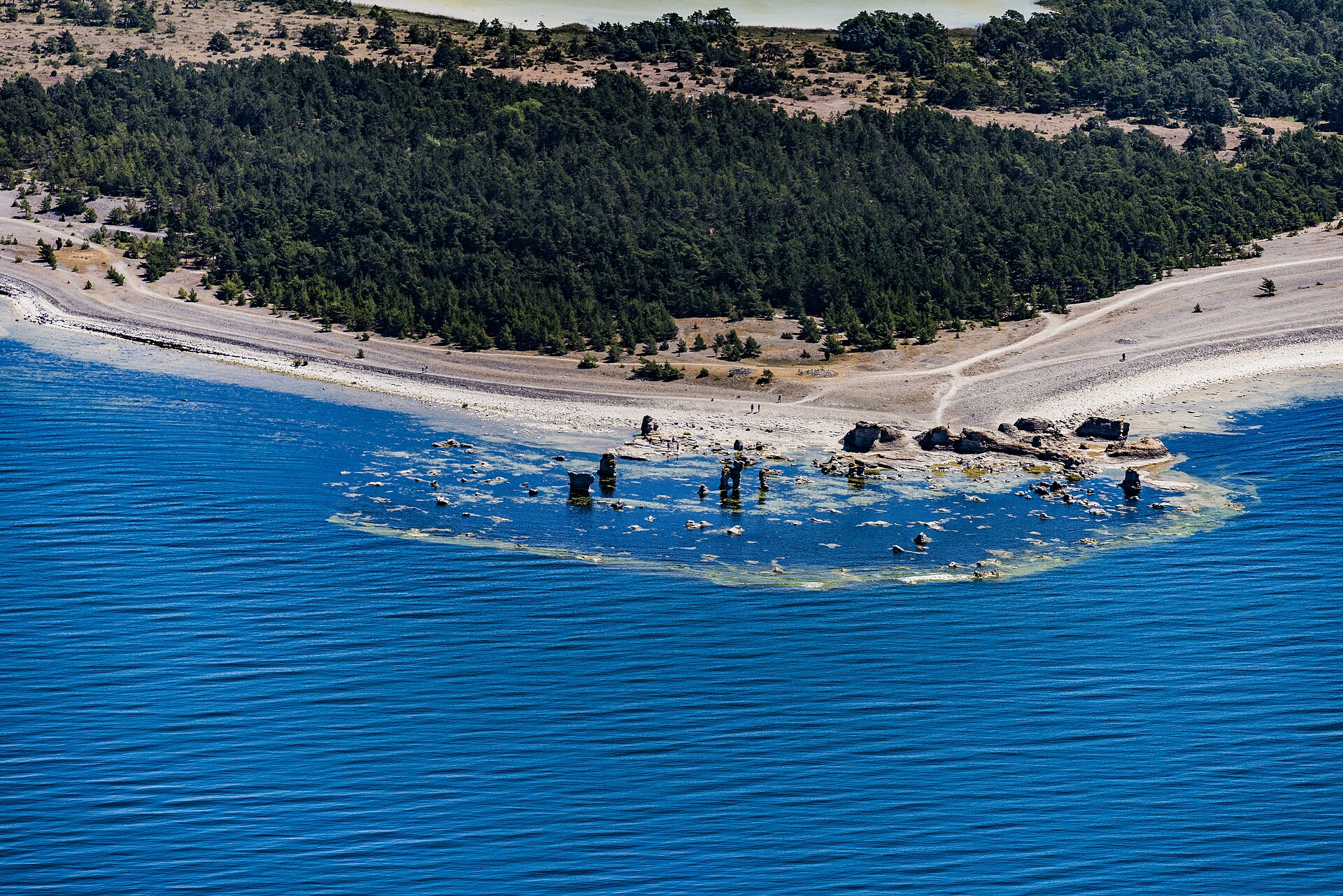
- Fårö Church — Central-southern Fårö
Fårö Church is medieval and has been added to over the centuries, so its look reflects several periods rather than one. It stands in a calm churchyard where Ingmar Bergman is buried. Treat it as a working parish church and a grave site, keep voices low, and check opening times locally before planning around it.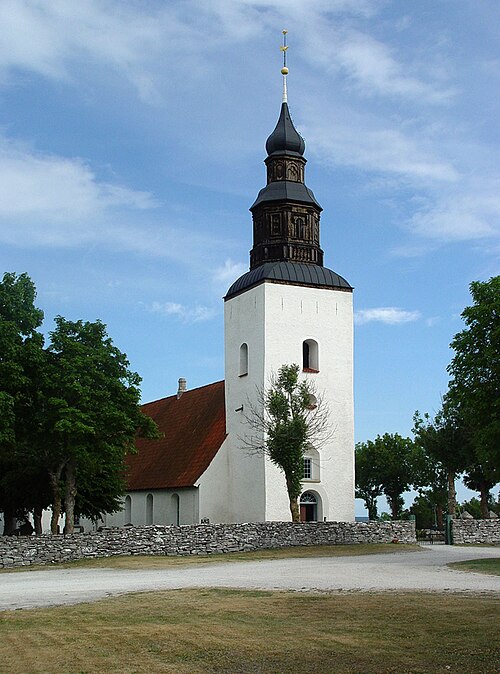
- Bergmancenter — Southern Fårö
The Bergmancenter is a museum and activity centre about the life and work of Ingmar Bergman, who spent many summers on Fårö. It suits a wet or windy day and gives context for the landscapes seen elsewhere on the island. Check the official site for opening dates, since the programme follows the summer season. - Sudersand beach — East coast of Fårö
Sudersand is a long sandy beach on the east coast, with pale sand and shallow water that suits families and water sports. Cafés and a small cinema stand close by in summer. It gets crowded in July and August, so arrive early or walk further along the shore for space.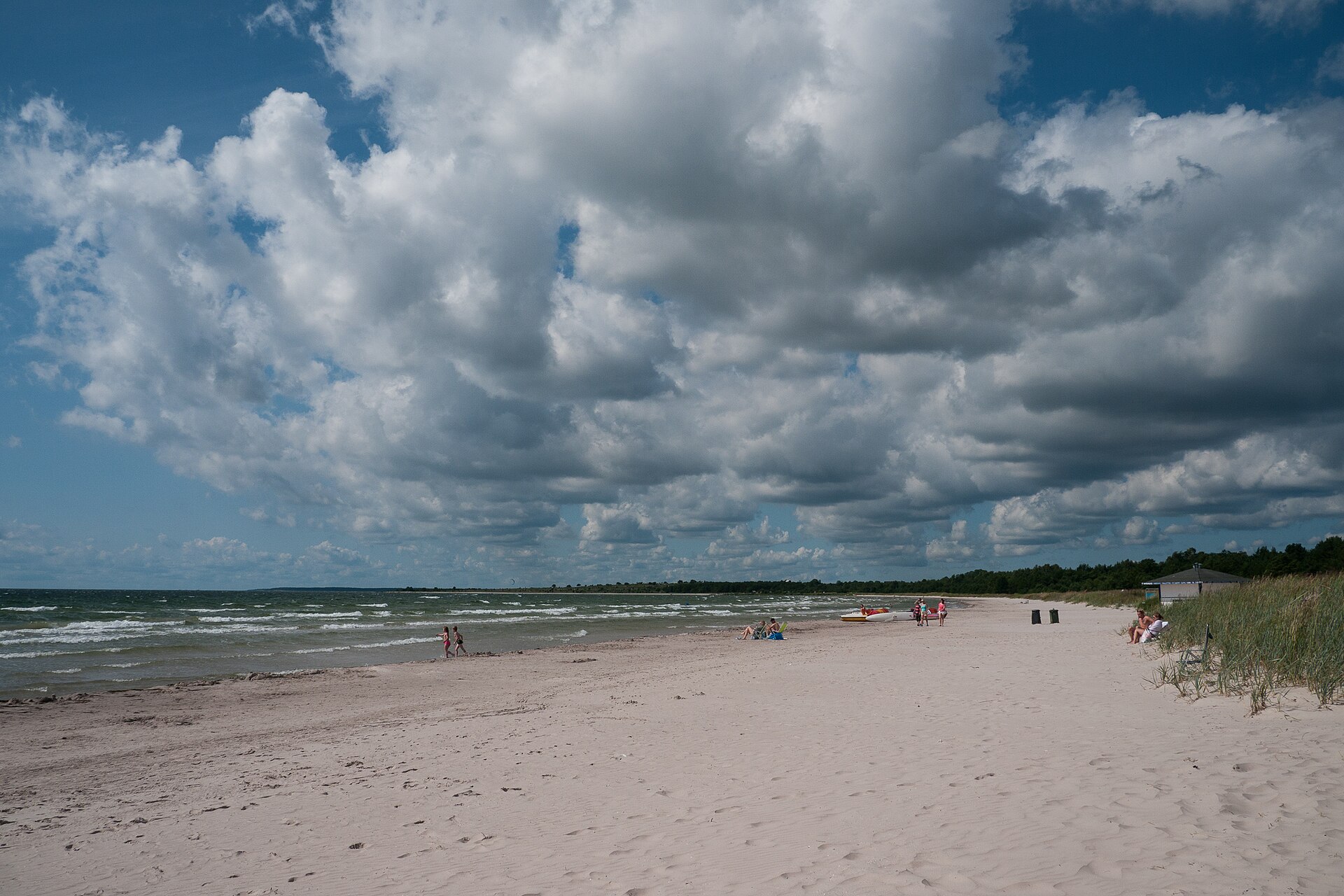
Culture
Fårö's culture is shaped by a small year-round community and a much larger summer one, and the two live side by side with some tact. Islanders keep their own dialect, Fårömål, and farming, sheep and fishing still sit behind the holiday image. Summer residents come for calm, and the island has long attracted film-makers and politicians who value being left alone. Ingmar Bergman is a prominent example, and film remains part of the local identity through the Bergmancenter and the small cinema near Sudersand. The church is central to community life and hosts a midnight Mass during Fårönatta, the September night when restaurants and bars stay open until morning and craft stands line the lanes. Ordinary Swedish habits apply: people queue patiently, speak softly in public and expect visitors to leave no trace in the countryside. English is widely understood, though a greeting in Swedish goes down well. Many houses and fields are private, and coastal paths can cross grazing land. Fårö suits unhurried travel, with long summer daylight, simple food and time spent outdoors rather than ticking off a list of sights. Keep to marked paths around the rauks and nature reserves, close any farm gate behind you, and treat the churchyard around Bergman's grave as a place of quiet, not a photo stop.
What to wear
Fårö has no distinctive costume that a visitor will meet day to day, but Sweden's regional folk dress, folkdräkt, has local versions across Gotland. These outfits are made mainly from wool and linen, and are worn at midsummer, weddings, church occasions and national celebrations rather than on ordinary days. Wool is the island's natural textile, given the sheep and the wind, and hand-knitted jumpers and socks are still common. What people wear now is practical and understated: jeans or linen trousers, wool or fleece layers, waterproof jackets, canvas shoes and trainers, with swimwear and loose shirts at the beach. Nobody dresses up for dinner, and smart clothes would look out of place at a pizzeria or a beach café. A visitor should pack for changeable Baltic weather even in summer. Bring a windproof and showerproof layer, a jumper for evenings, a sun hat and sunglasses for the open coast, and swimwear if the water tempts. Shoes matter most: choose sturdy trainers or walking shoes with a decent grip for the rocky shore and the uneven ground among the rauks, since wet stone is slippery. There is no strict modesty code, but shoulders and knees covered, and hats removed, show respect inside the church.
What to eat
- Wood-fired pizza — Pizzerias near Sudersand beach
Wood-fired pizza is a common island meal, baked in pizzerias close to Sudersand. Toppings vary, portions are generous, and in July the evening queue can be long. Order early, or take a pizza down to the beach and eat it while the light lasts. - Crêpes — A lunch crêperie in southern Fårö
A lunch crêperie on the island serves savoury and sweet crêpes, a light option after a morning on the rauk fields. Expect a small, seasonal place with outdoor seating when the weather allows, and a short walk between tables and the car. - Gotland lamb — À la carte restaurants near Sudersand
Sheep are everywhere on Fårö, and lamb appears on seasonal menus at island restaurants, often grilled or roasted with local vegetables. Ask what is on offer that week, since menus follow the season and the number of visitors, and small kitchens can run out. - Island-brewed beer — A restaurant with its own brewery, eastern Fårö
At least one restaurant on Fårö brews its own beer, which makes a cold glass after a windy day feel properly local. Pair it with simple pub-style food, or ask the staff which batch is freshest. Drivers should remember the island has no taxis to count on. - Fika: coffee and baking — Village cafés near Sudersand
Coffee with something baked, the Swedish fika, is a daily habit even on Fårö. Island cafés usually serve cinnamon buns, cakes and open sandwiches, and make a good stop between the beach and the rauk fields. Many close outside the summer season.
Plan it
Best time. June to August for the longest days, extra ferry crossings and open cafés and beach facilities; September is quieter and brings Fårönatta, the all-night island festival. Outside summer much of the island is closed and nightlife is very seasonal.
How long. 2–3
Getting there. Reach Gotland by air or sea, then take a bus from Visby to Fårösund. From Fårösund a free car ferry crosses the strait to Fårö in a few minutes, leaving roughly every half hour around the clock, with extra departures in summer. Overnight crossings must be pre-booked, so check the Swedish Transport Administration's website for the current booking details.
Budget. mid
Tips
- Book holiday cabins well ahead for July, when the island is at its fullest
- Buy fuel and supplies in Fårösund or Visby before crossing, as shops on the island are few
- Visit Sudersand and the rauk fields early in the morning or in the evening to avoid the crowds
- Wear shoes with a good grip, because rocky beaches and rauks are slippery when wet
- Carry a card and a little cash for small stalls and cafés
Etiquette
- Stay on marked paths in nature reserves and close farm gates behind you
- Keep voices low in the churchyard and around Ingmar Bergman's grave
- Do not climb on the rauks, which are fragile and wear away
Nearby
Sources
- Wikidata Q1004693 (CC0)
- Wikipedia: Fårö (CC BY-SA 4.0)
- Wikivoyage: Fårö (CC BY-SA 4.0)
- Photo: Langhammars, Gotland (allen watkin) (CC BY-SA 2.0)
- Photo: Fårö Church (Jürgen Howaldt) (CC BY 3.0)
- Photo: Fårö lighthouse (Axelode) (CC BY 3.0)
- Photo: Sudersand (neekoh.fi) (CC BY 2.5)
- Photo: Fårö Marpesholm (L.G.foto) (CC BY-SA 4.0)
- Photo: Fårö Marpesholm (L.G.foto) (CC BY-SA 4.0)
- Photo: Fårö Gamle hamn (L.G.foto) (CC BY-SA 4.0)
- Photo: Digerhuvud (L.G.foto) (CC BY-SA 4.0)


