Abisko National Park
Abisko National Park, Sweden
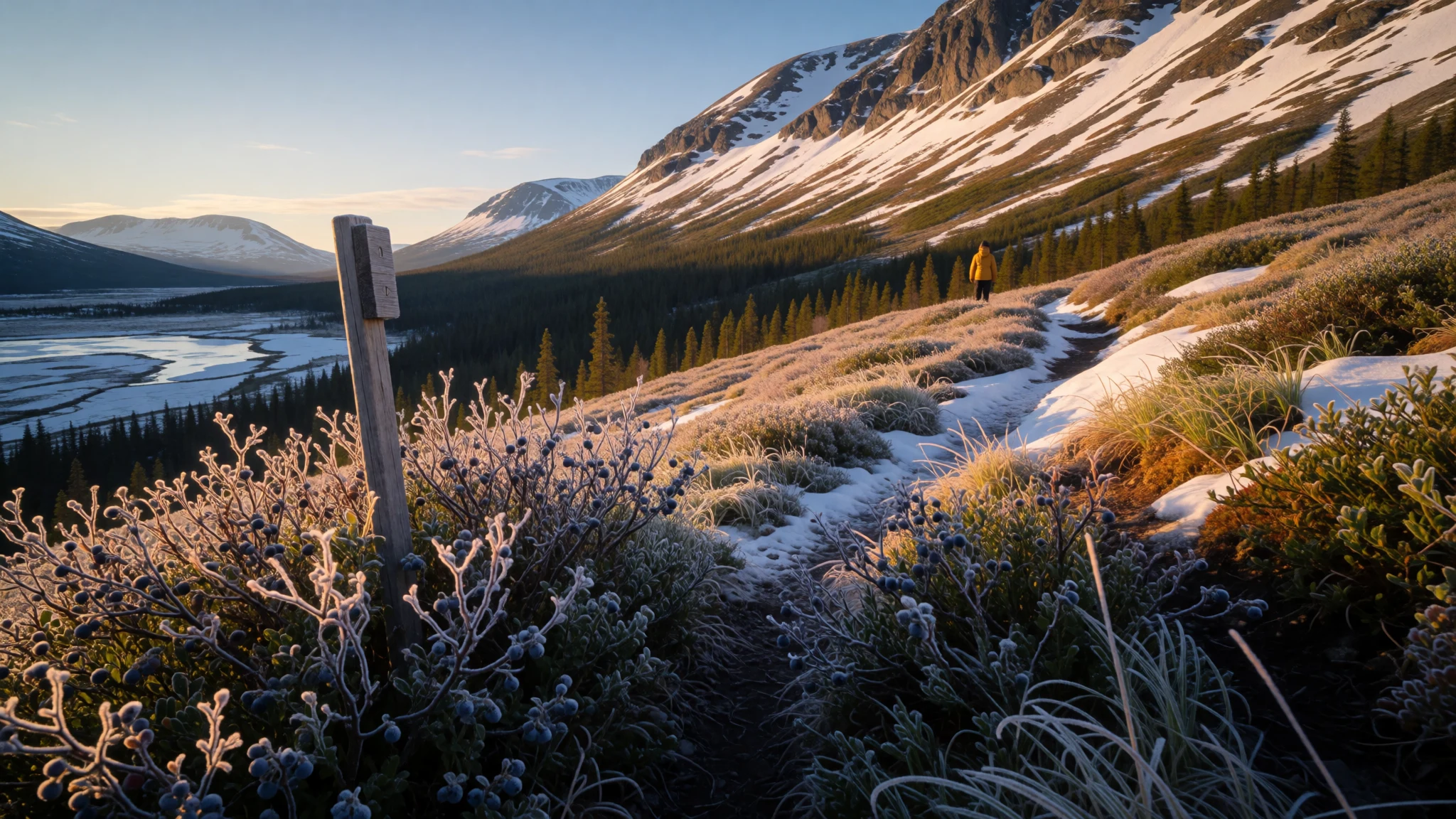
Abisko National Park is a high-latitude playground of valleys, lakes and winter skies, made for calm walking and northern lights.
The place
Abisko National Park (Abisko nationalpark) sits in northern Sweden’s Lapland, close to the Norwegian border, and it is the kind of place where the scenery feels close even when you’re moving slowly. The park starts at the shore of Torneträsk, one of Sweden’s largest lakes, and it stretches roughly 15 km to the south-west. At 512 m elevation, it’s not “high mountains” in the alpine sense, but the latitude brings its own challenges: cold that can bite, bright low winter sun, and long twilight in the darker months.
The best thing about Abisko is how the landscape reads across seasons. In the warmer part of the year, the area has a subarctic feel—green patches, open views, and weather that changes by the hour. In winter, the ground can be firm underfoot but the world feels sharper: snow patterns on slopes, frozen stillness around the lake edges, and dark skies that make aurora watching genuinely worthwhile when clouds behave.
Crowds tend to be practical rather than packed. The park is popular for northern lights and for classic walks, but it’s not the sort of destination where you’re fighting for a selfie spot all day; you can often find space just by timing hikes earlier and sticking to established routes.
Because permafrost is common here—and lower elevations can shift as conditions warm—Abisko can feel a little “in-between”, like nature is actively renegotiating the rules. That makes the visit more than scenery: it’s a front-row seat to how northern environments work.
Its story
Abisko National Park has a long scientific thread running through it, starting with how it was set up. The park was proposed and established in 1909 by a group of Swedish scientists. Their aim was straightforward: protect an area with northern fell nature in a natural state, and also create a reliable place for research.
That research angle matters when you’re visiting, because Abisko was not created only for recreation. An Abisko Scientific Research Station has been part of the story for well over a century. It began in 1903 in Vassijaure, then after a fire it moved to its present Abisko location in 1912, opening in 1913. Over time, the station became part of the Royal Swedish Academy of Sciences, and it’s used for biological, climate, ecological, environmental and geological work, including on-site laboratories and field research out in the wider area.
So even when the landscape is the star—lake shore, valley views, snowbound forests—the “why” of Abisko is research and conservation. It’s also why the park feels quietly managed rather than showy. Trails and access routes tend to make sense, and the area’s weather, permafrost and ecology aren’t just background—they’re part of the ongoing study.
This is also a place shaped by northern infrastructure. The wider Kiruna region is tied to mining and railways, and the rail link that runs north gives you one of the most direct ways into this part of Lapland. Abisko sits at the end of that story, where the industrial world thins out into wilderness walks and long-sky evenings.
What to see
- Björkliden & Lapporten viewpoints — Björkliden / Lapporten area
From Björkliden, you get big open lines over the national park towards Lapporten, a distinctive U-shaped valley cut through the mountains. It’s the sort of view that makes even a short walk feel worthwhile.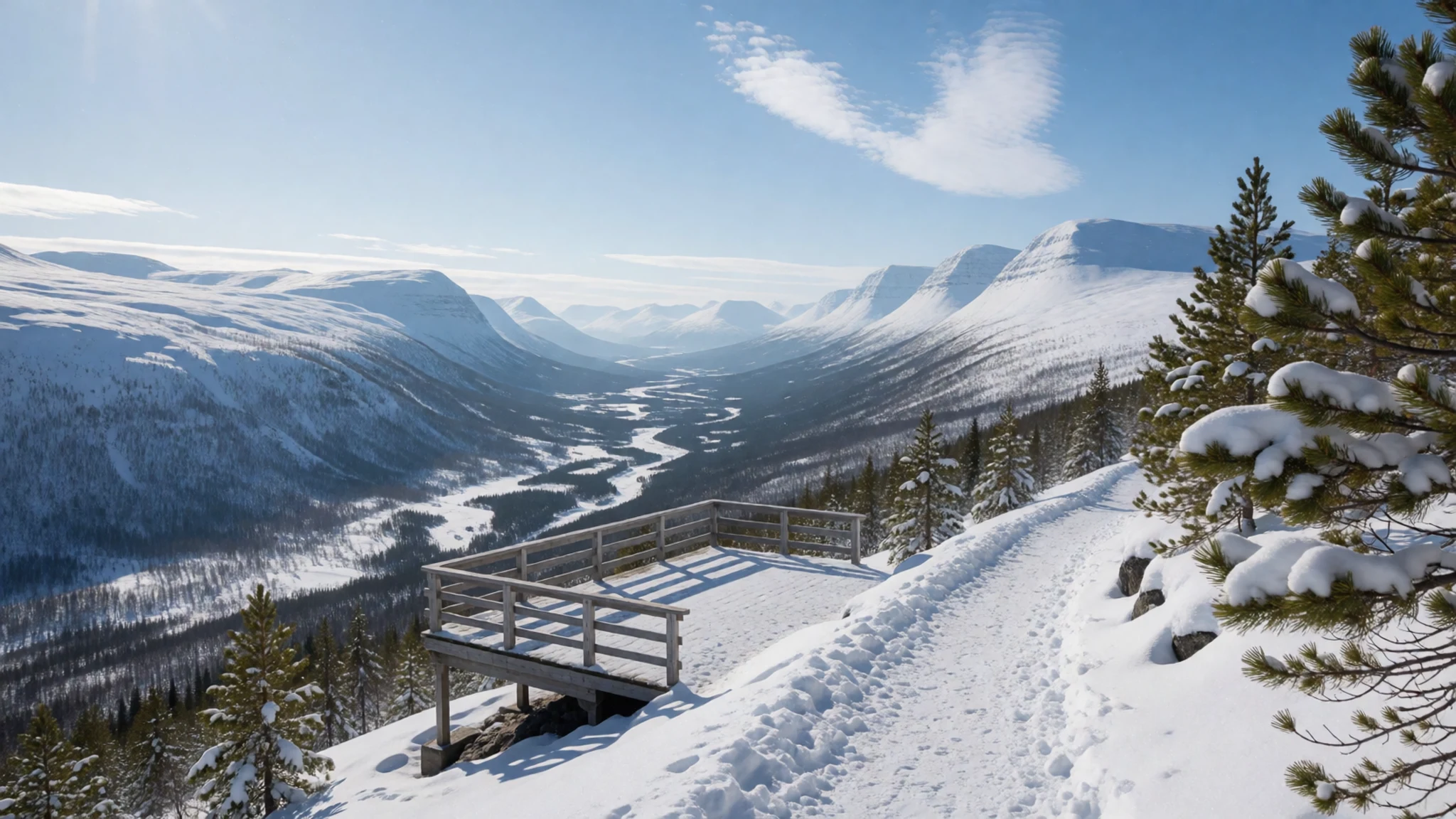
- Torneträsk lake-edge landscapes — Torneträsk shoreline
Abisko begins at Torneträsk’s shores, and the lake edges are where you feel the scale of the place. Light reflects across the water, with forest and slopes framing the horizon in both calm and blustery weather.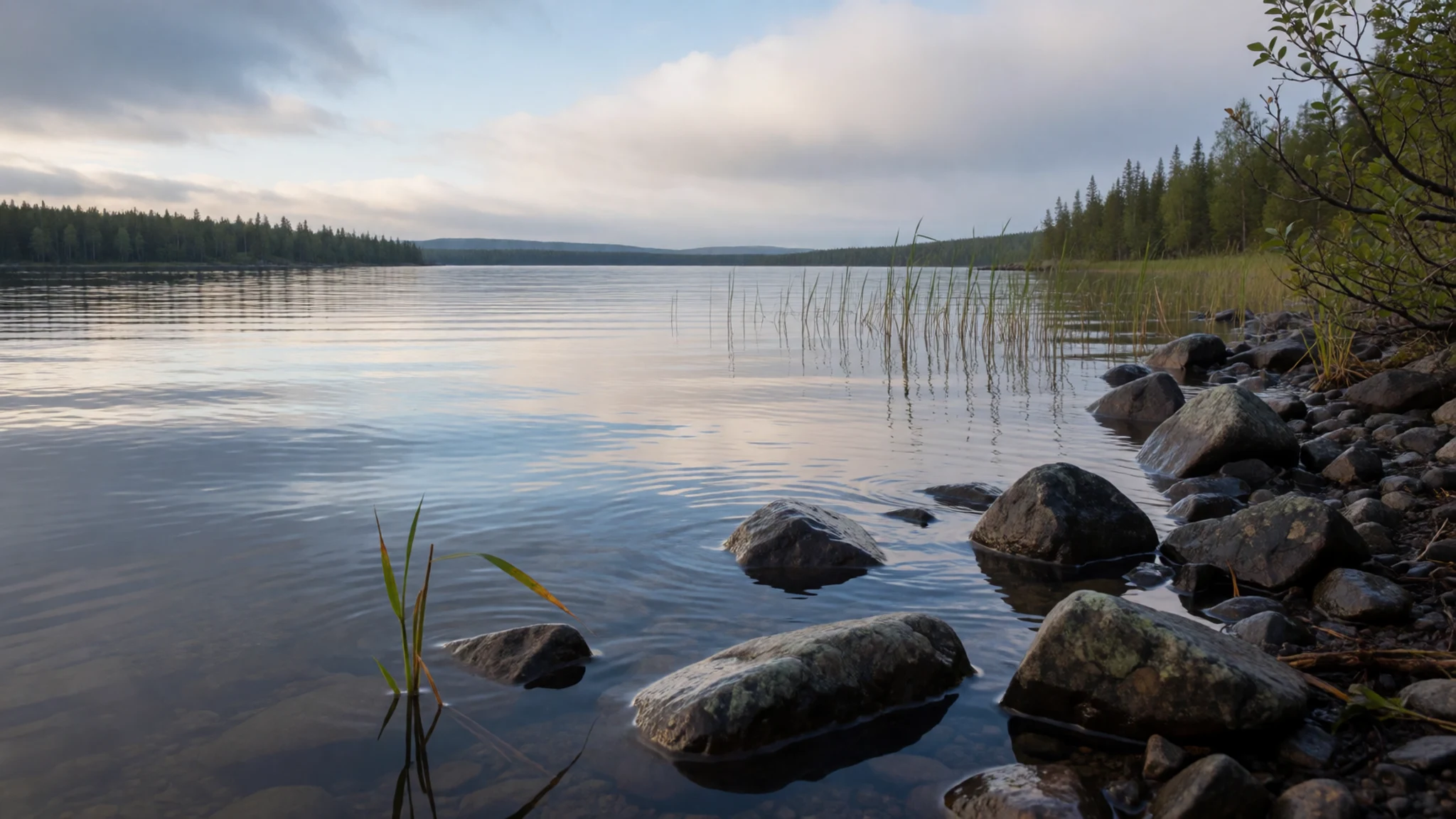
- Aurora nights near Abisko — Around Abisko village
Northern lights are regularly visible in the Kiruna area during winter, and getting out of city lights improves visibility. In Abisko, that often means a short walk into the nearest forest and patient looking.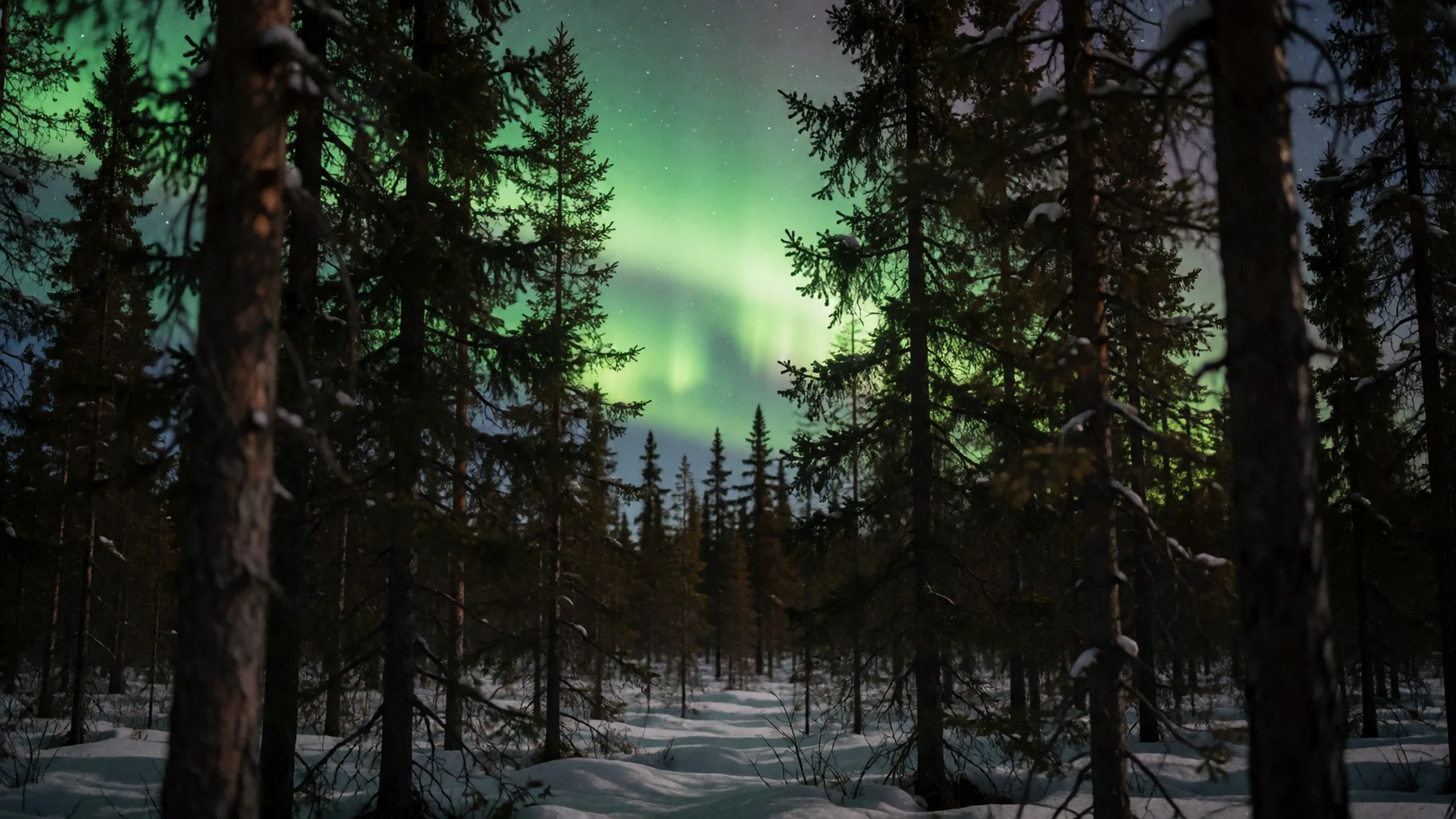
- Snowbound Abisko valley character — Abisko park interior
In winter, Abisko shifts into a sculpted landscape: snow layers on slopes, hard edges around the valley, and still air that makes the mountains feel close. It’s a place that reads as quiet and structural rather than “busy”.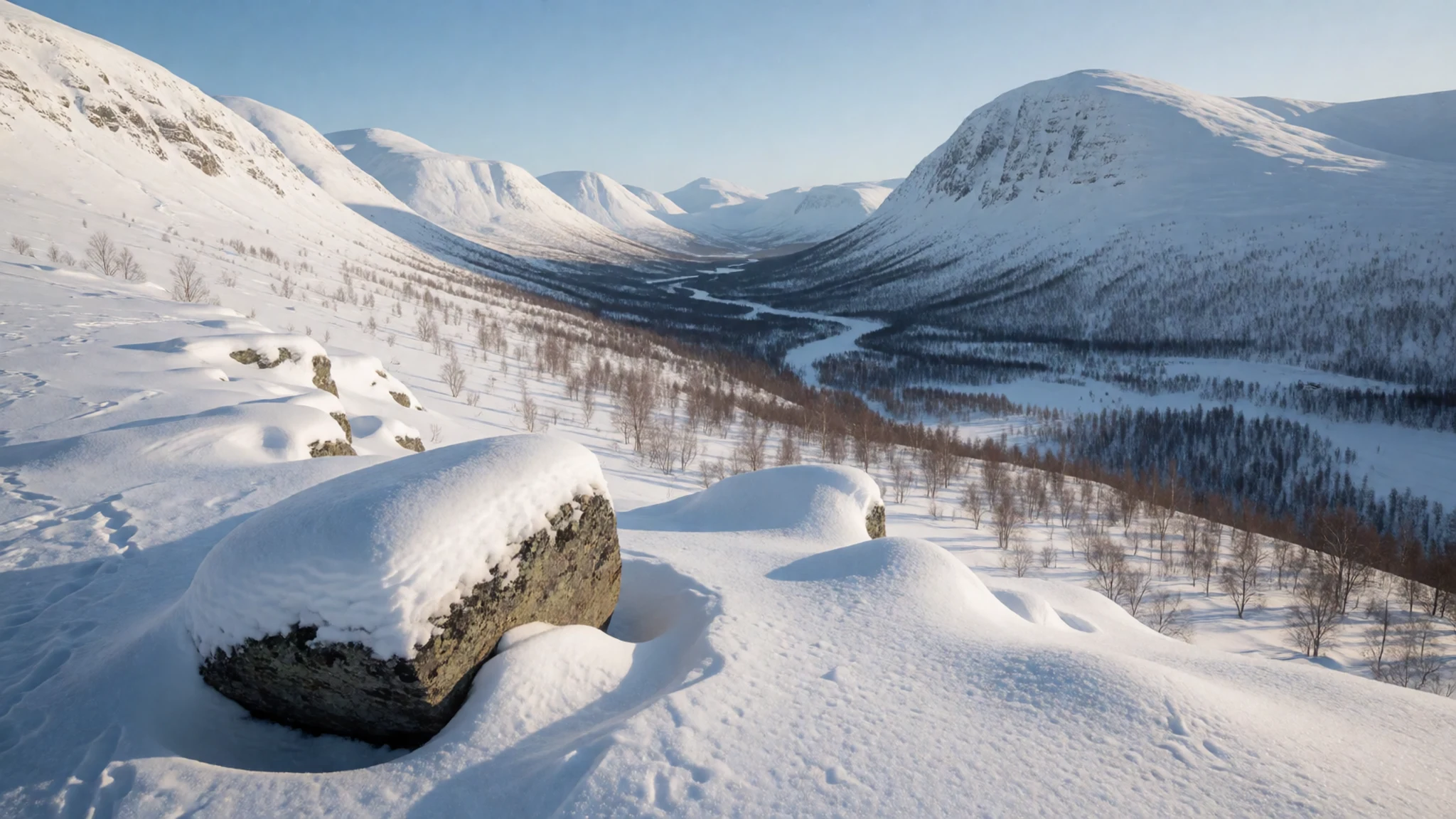
- Cold-adapted life & local detail — Valleys and forest edges
Abisko’s plant and insect life are shaped by northern conditions, and the park is studied for its ecology. When the weather allows, slow walking brings you to small, surprising details that don’t need long distances.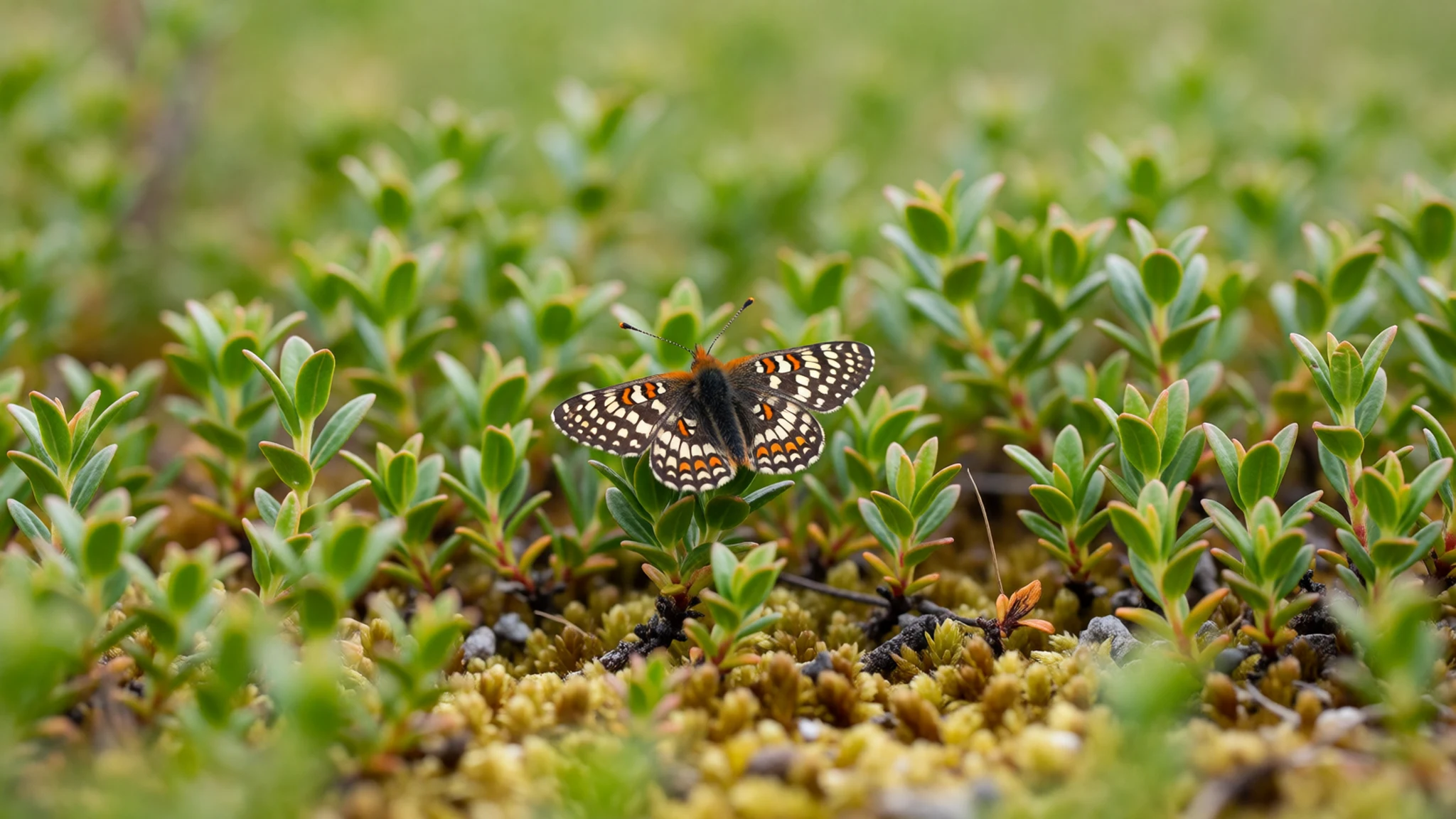
Culture
In Abisko National Park, the “culture” is less about museums and more about living with northern nature. The Kiruna municipality has been home to the Sami for a long time, and visiting this region is an invitation to be mindful of place, season and livelihood. The park is also deeply linked to science and conservation, with a research station that supports long-term study of the local environment.
In practical terms, that means you’ll often encounter rules that keep you safe and keep the landscape intact: stick to established routes, respect signage, and treat permafrost and cold conditions as the serious factors they are. In winter, darkness and weather turn small decisions—where you stop, whether you’ve packed layers, how you manage footing—into the difference between a relaxed walk and a stressful one.
When you’re out in the wider Kiruna area, northern lights and winter trails can make it tempting to linger close to others for photos. It helps to remember that other visitors are also trying to see the sky; give people a bit of space and keep light discipline when you can.
Visitor etiquette: keep to marked paths, watch your step on snow and ice, and minimise disturbance to wildlife and night sky observers.
What to wear
Abisko sits in Sweden’s far north, and the dress code is really about temperature management and weather-proofing. Traditional Sami clothing varies by group and region, but you’ll often see elements like decorative garments and textiles designed for cold conditions, including patterned wool and carefully made layers for warmth. Visitors sometimes encounter Sami-inspired craft stalls and seasonal events in the wider Kiruna area, but the park itself is where practical cold-weather clothing matters most.
What people wear now around Abisko is layered winter gear: insulated jackets, thermal tops, fleeces or wool mid-layers, and windproof outer trousers. You’ll also notice proper winter boots with grip, plus hats, gloves and neck protection—because wind chill can be the real enemy.
For a visitor, pack for the full range of northern weather: moisture-wicking base layers, a warm mid-layer, a hooded waterproof/windproof shell, and gloves that let you handle zips and camera controls. Sunglasses help in snowy glare, and bring socks you can change. If planning any winter walking, footwear grip matters more than looks—icy surfaces turn smooth soles into a slip risk fast.
What to eat
- Reindeer dishes (kebab, sandwiches or larger plates) — Kiruna town restaurants
Reindeer is a common local speciality, showing up as kebabs, sandwiches with reindeer meat, and more elaborate dishes depending on where you eat. You’ll typically find it in everyday town restaurants rather than only in one formal “signature” place.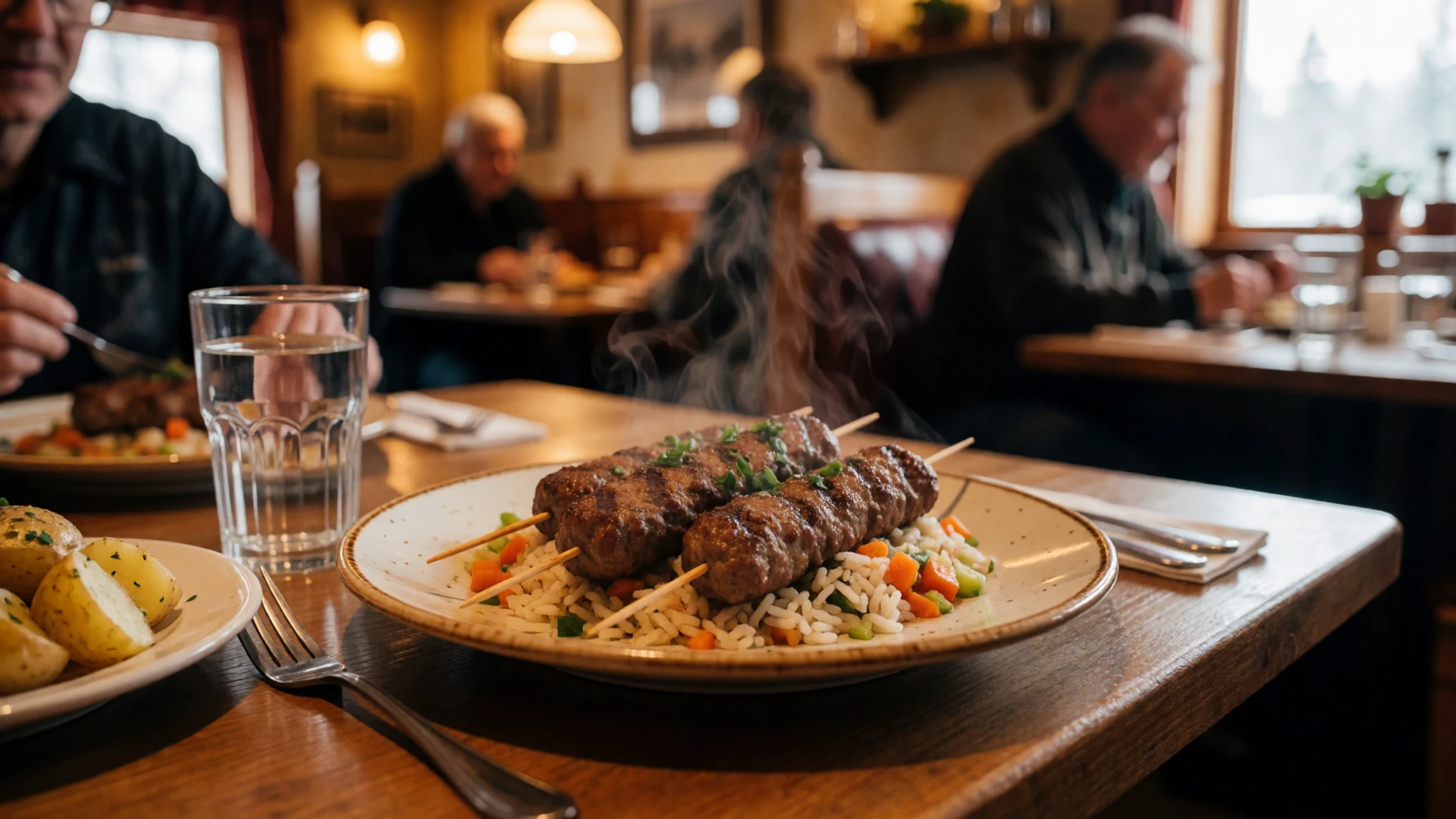
- Salmon preparations — Kiruna restaurants
Salmon appears in local menus alongside other northern proteins. In Kiruna, it often shows up as a main course served with seasonal sides, especially in restaurants that cater to visitors who are travelling long distances for the winter experience.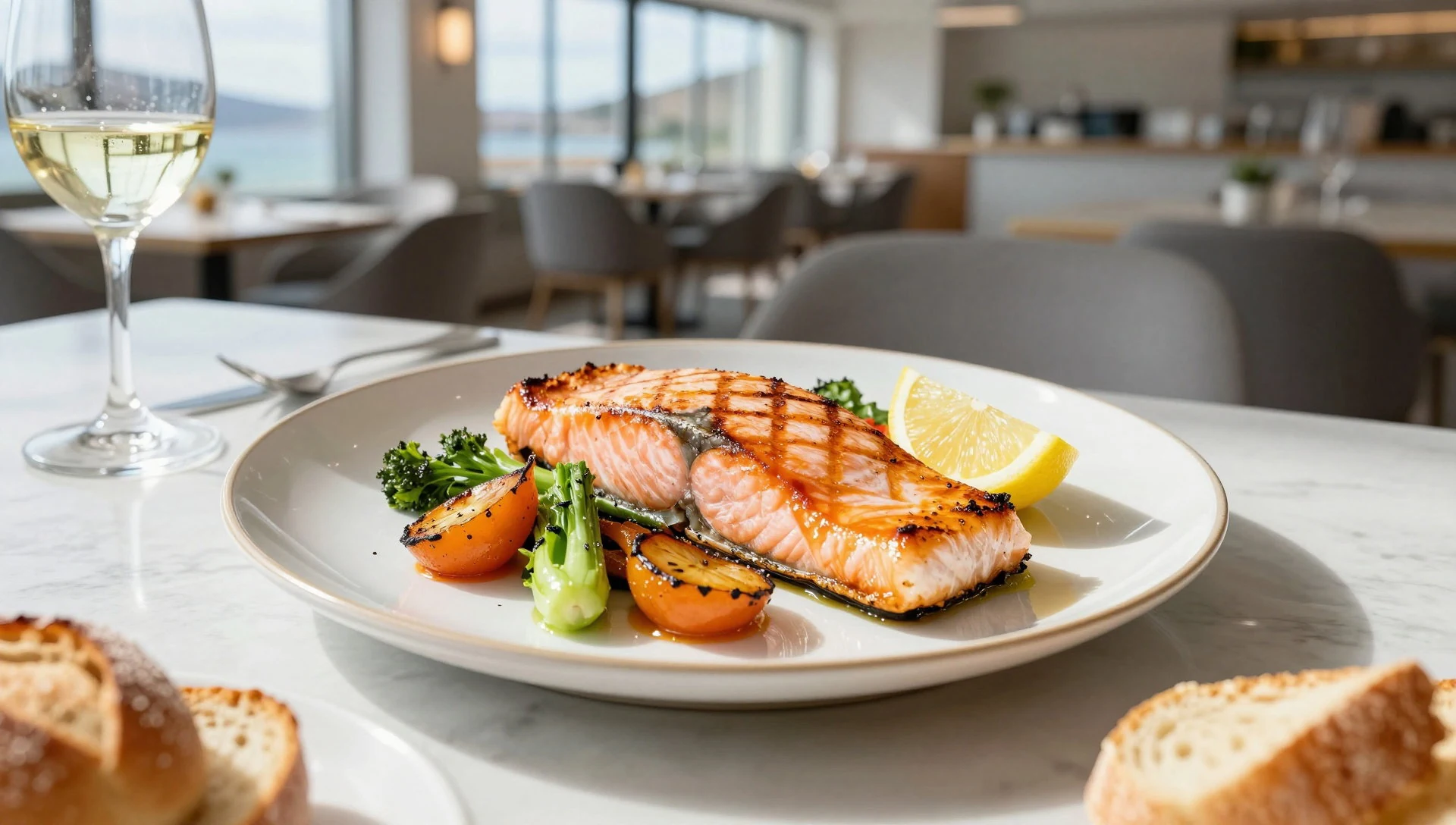
- Wild-meat dishes (seasonal game) — Kiruna town eateries
Seasonally, you may come across game-style dishes that use meat sourced “from the wild”. Availability can vary with time and supply, but the menus around Kiruna commonly reflect the wider northern hunting and foraging culture. - Moose and other “wild” seafood or fish options — Kiruna dining spots
Beyond reindeer and salmon, menus can include moose and other fish options that feel more seasonal than urban. It’s the sort of place where you can ask what’s currently on offer and expect answers to be practical, not fancy. - Nordic-style café meals in the town — Kiruna cafes and bars
When you’re tired from winter walks, simple café meals help more than overplanning. Think warm dishes and hearty plates you can find in Kiruna’s restaurant and bar scene, particularly when resort villages have fewer choices.
Plan it
Best time. October–November for autumn colour and March–April for late winter/early spring light; winter is long and dark, while June is rainy and August is generally hot for the region.
How long. 3–4
Getting there. Fly into Kiruna (Kiruna Airport has direct flights from Stockholm-Arlanda and Umeå). From the airport, you can use bus connections from the E10 highway area, or arrange a taxi/coach for the last leg depending on the day and season.
Budget. mid
Tips
- For northern lights, plan a flexible night window and move away from brighter areas when possible.
- Start day hikes early to make the most of calmer weather and softer light.
- If travelling in shoulder or winter, expect less frequent transport and plan extra buffer time.
- Pack for wet conditions in the rainy season and for wind chill in winter—layers matter more than one “warm” coat.
- Bring cash for small purchases where card facilities may be limited in remote areas.
Etiquette
- Stick to marked trails and respect route guidance in snowy conditions.
- Keep noise down in quiet forests, especially at night during aurora time.
- Let faster hikers pass and avoid blocking viewpoints, particularly around popular stops.
Nearby
Sources
- Wikidata Q953092 (CC0)
- Wikipedia (Abisko National Park) (CC BY-SA 4.0)
- Wikivoyage (Kiruna Municipality) (CC BY-SA 4.0)
- Photo photos/01-abiskoj-kka.jpg (CC BY-SA 2.0)
- Photo photos/02-lapporten-2.jpg (CC BY-SA 2.0)
- Photo photos/03-abisko-snow.jpg (CC BY-SA 2.5)
- Photo photos/04-aurora-near-abisko-sweden-2.jpg (CC BY-SA 1.0)
- Photo photos/05-lapporten.jpg (CC BY-SA 2.0)
- Photo photos/06-mhnt-euphydryas-iduna-iduna-abisko-ostras-su-de-female-dorsa.jpg (CC BY-SA 4.0)


