Gothenburg
Gothenburg, Sweden
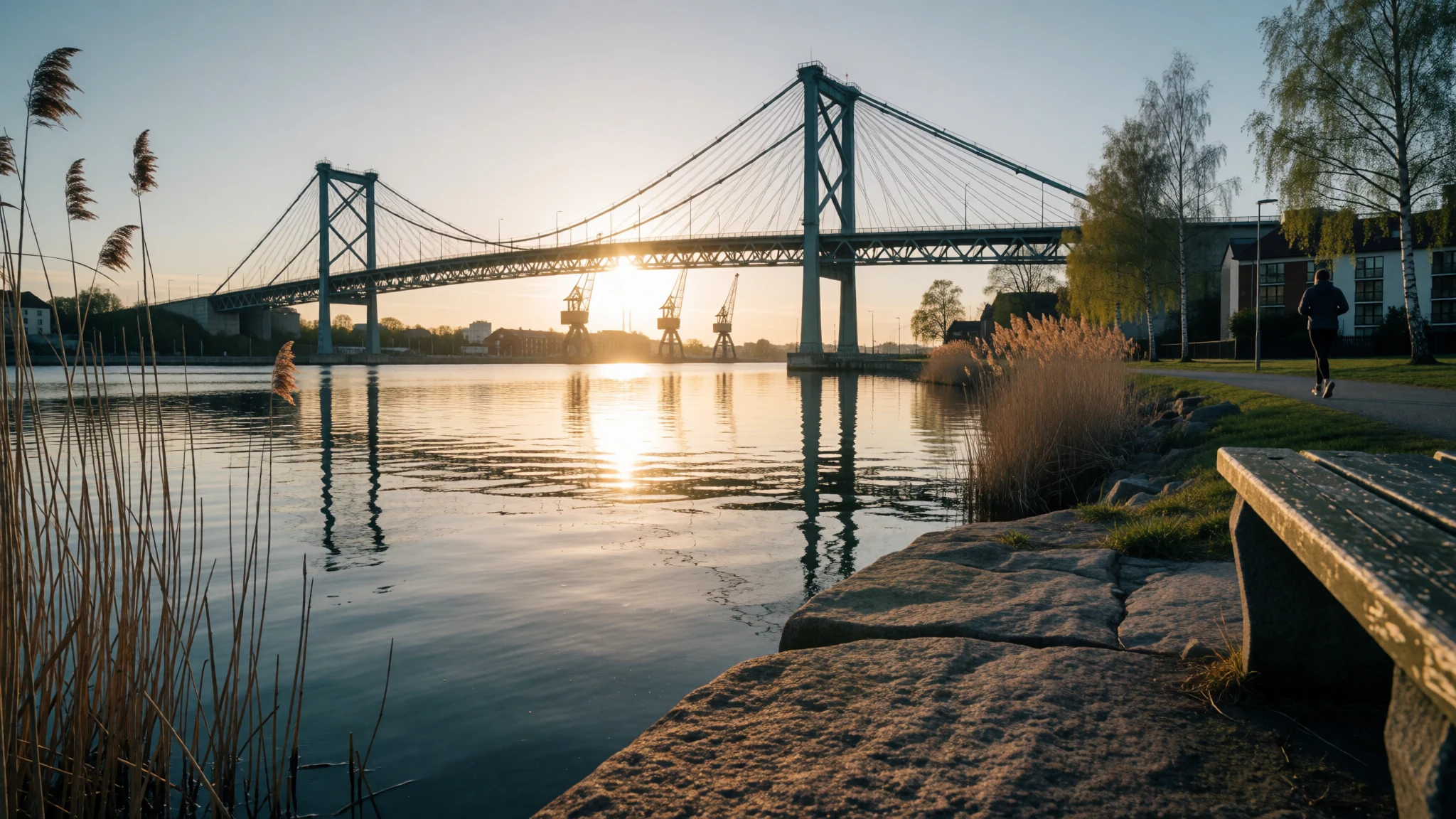
Gothenburg is Sweden's west-coast port city, a place of Dutch-style canals, wooden Haga houses, fish halls and a relaxed, student-fed café scene.
The place
Gothenburg sits on Sweden's west coast, where the Göta älv river reaches the Kattegat, and it is the country's second city after Stockholm. Roughly two-thirds of a million people live in the city itself, a mix of students, port and shipping workers, and engineers. The facts put it only 12 m above sea level, and it feels that way: a flat centre, water on several sides, trams running along broad avenues and canals bending around the old core. The port is the biggest in the Nordic countries, and the river is still the city's working spine, with cranes and ferries on one bank and new housing rising on the other. Two universities, Gothenburg and Chalmers, keep the cafés and bookshops busy, and the Volvo name is everywhere, since both the car maker and the truck, bus and marine engine group are headquartered on the island of Hisingen across the river. The mood is less formal than in the capital. People cycle in all weathers, wait politely at tram stops and treat the coffee break as a serious daily event. Summer evenings are long and the waterfront fills up; winter is dark, damp and quiet, and the cafés do their best work then. The centre is easy to cover on foot and by tram. Gothenburg is not a city of one great monument. Its pleasures are small and local: a fish hall, a district of wooden houses, a botanical garden, a museum paid for by merchant donations. That suits a short stay well.
Its story
Gothenburg exists because of geography and a king's persistence. In the early 1600s Sweden held only a thin strip of west coast, squeezed between Danish Halland to the south and Norwegian Bohuslän to the north, so a port opening onto the North Sea and the Atlantic mattered enormously. Earlier attempts to plant a town had failed. A church built in 1603 was destroyed by Danish forces in 1611, and a stone in Färjenäs Park, near the Älvsborg Bridge, now marks the spot. Gustavus Adolphus tried again, and the city received its charter in 1621. Dutch engineers were hired because they knew how to drain marshy ground and build on it, which explains a street and canal plan that echoes Amsterdam and, further afield, Dutch-built Batavia, today's Jakarta. Dutch merchants arrived with tax privileges, and Germans and Scots came too, so the early town was a trading colony as much as a Swedish one. Dutch councillors held political control for decades, and Swedes only took over in 1652, after the last Dutch member of the council died. Trade stayed the city's business, helped by the Swedish East India Company, and merchant wealth later paid for museums, hospitals and schools. Industry followed, and Volvo was founded here in 1927. Fires also shaped the centre, which is why several of its churches are rebuilt replacements.
What to see
- Gothenburg Cathedral — Old town
Gothenburg Cathedral stands in the old town and dates from 1815, but it is the third church on its site, the two before it lost to city fires. It is the seat of the diocese and a calm pause between busy shopping streets. Check for services before visiting.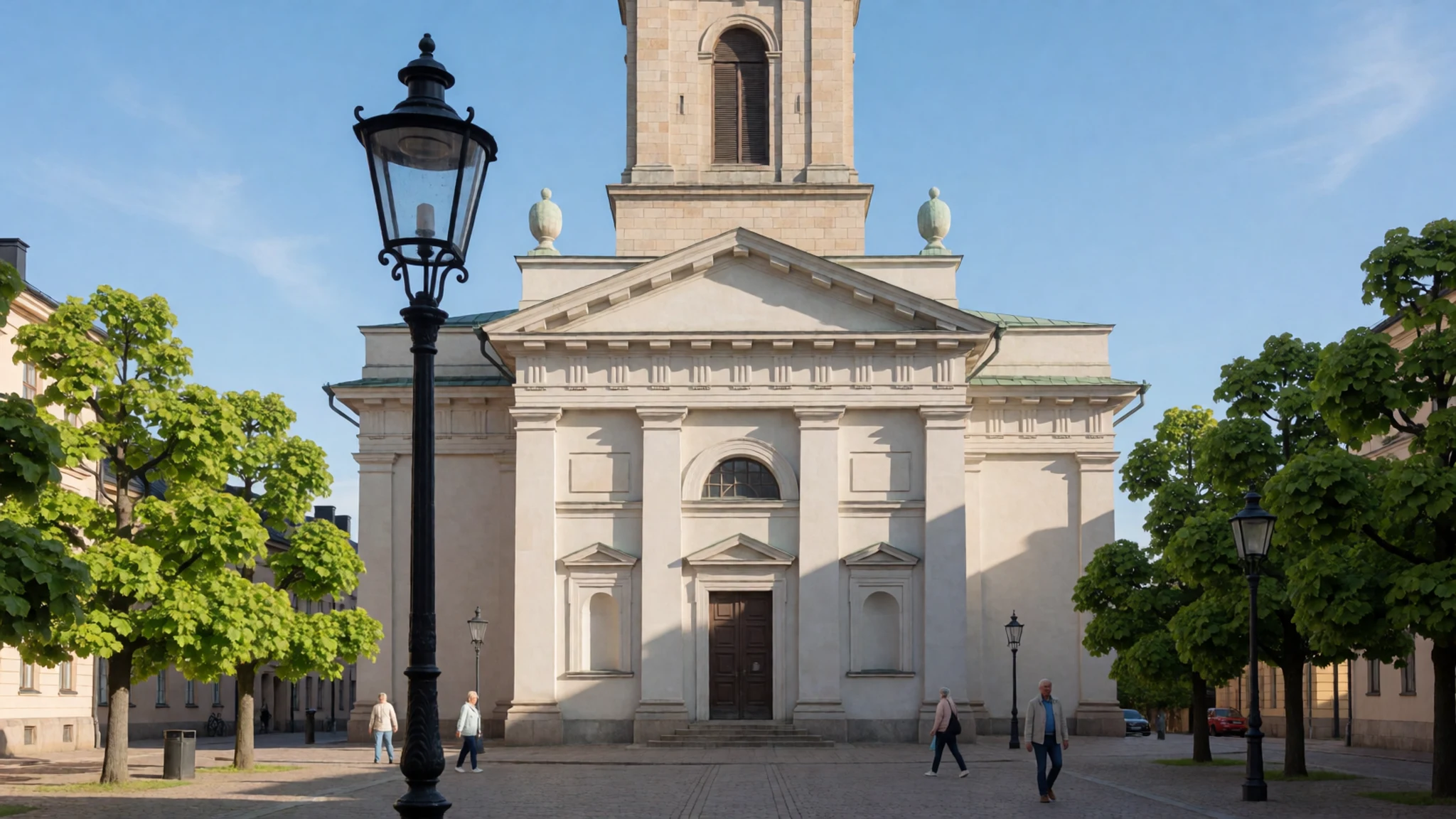
- Christinæ Church — Old town
Christinæ Church was built in 1748 for Gothenburg's German community, a reminder of how mixed the early city was. Like the cathedral, it is the third church on its plot, earlier buildings having burned. It is close to the cathedral, so the two pair well in a morning.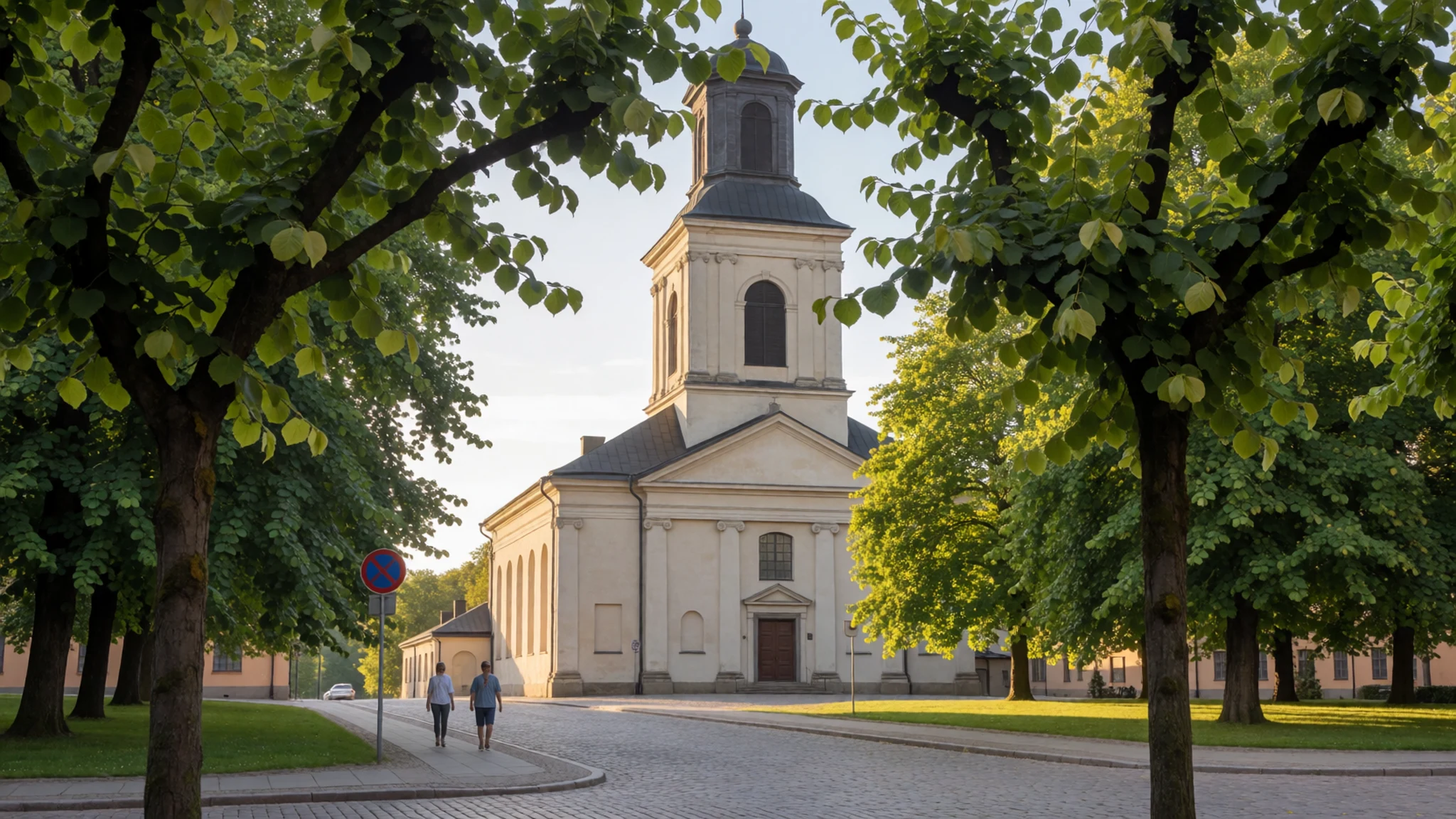
- Crown House — Old town
Crown House was built between 1643 and 1655 and briefly housed the Swedish Parliament. Today it is home to Göteborgs Musik, and the neighbouring buildings have become cafés and craft workshops. It makes a good coffee stop while following the story of the early merchant town.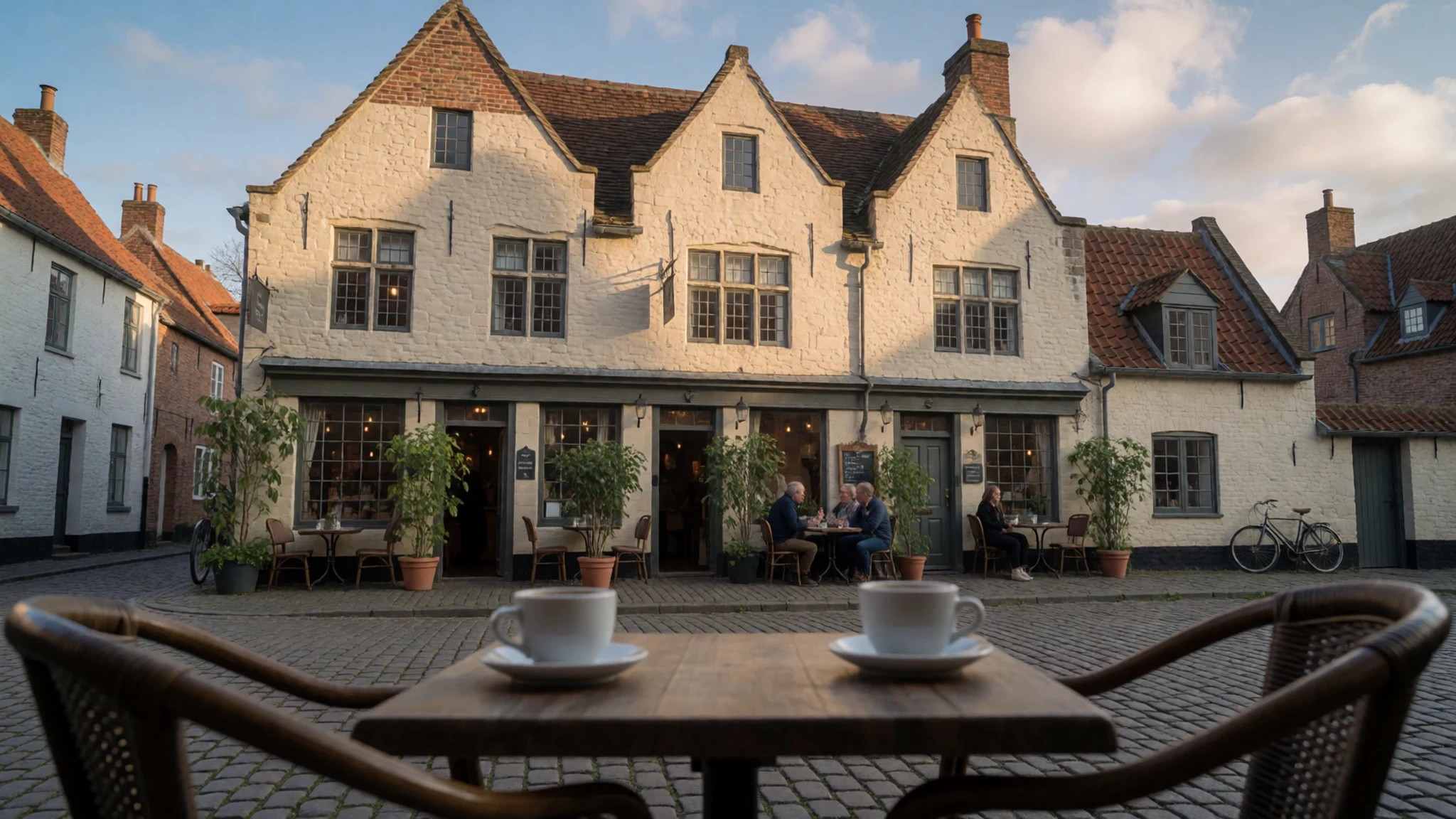
- Feskekôrka — Near the Rosenlund canal
Feskekôrka, the 'Fish Church', takes its name from a building shaped like a church and a local devotion to fish. It reopened after a major renovation in recent years. Go for the look of the hall and for the seafood; opening arrangements change, so check the official city site first.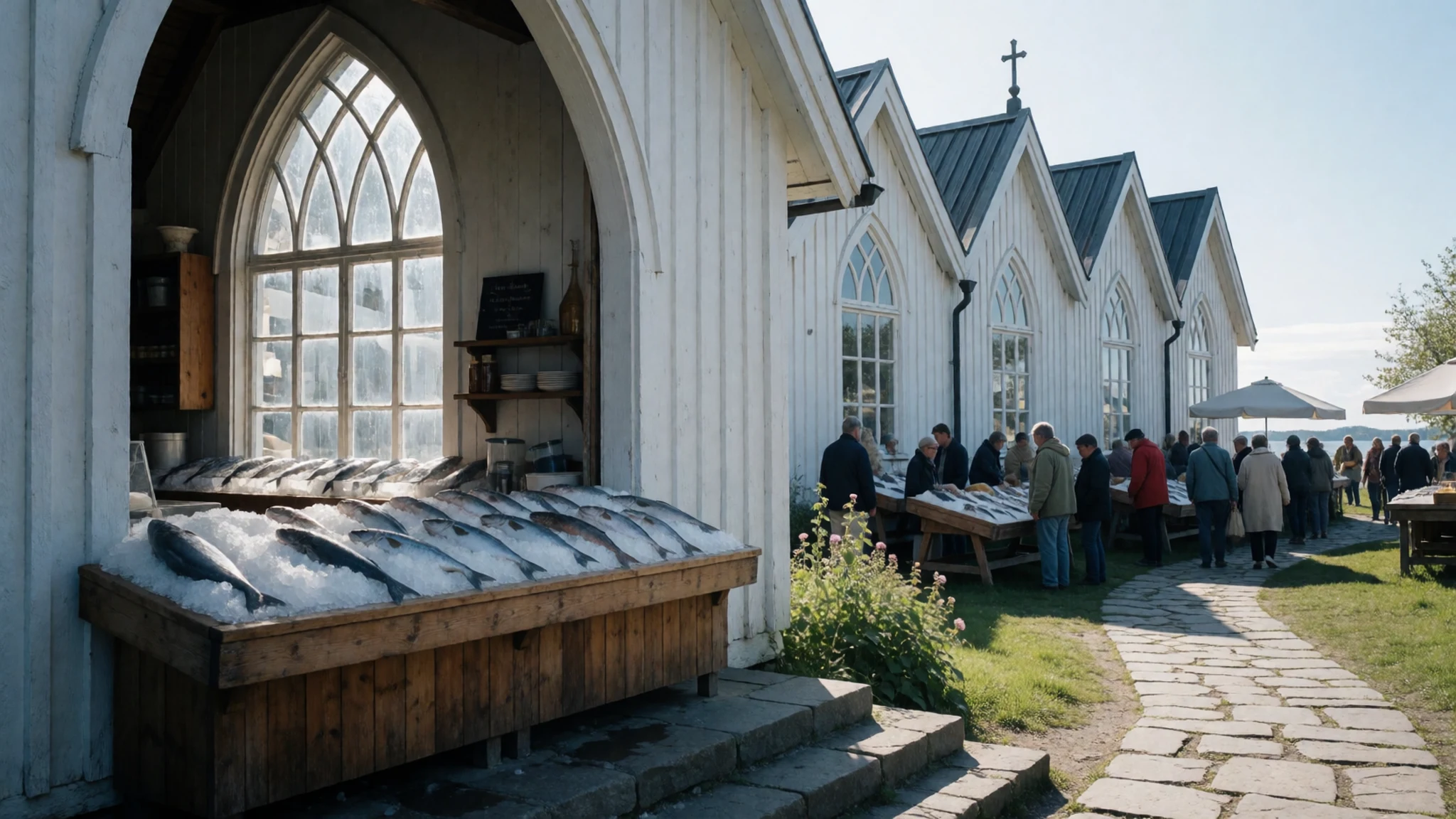
- Haga — Haga district
Haga is a district of nineteenth-century wooden houses just south-west of the centre, with cobbled lanes, cafés and small independent shops. It is best wandered slowly and early, before the cafés fill. Wear shoes with grip, since the stones are uneven and slippery after rain.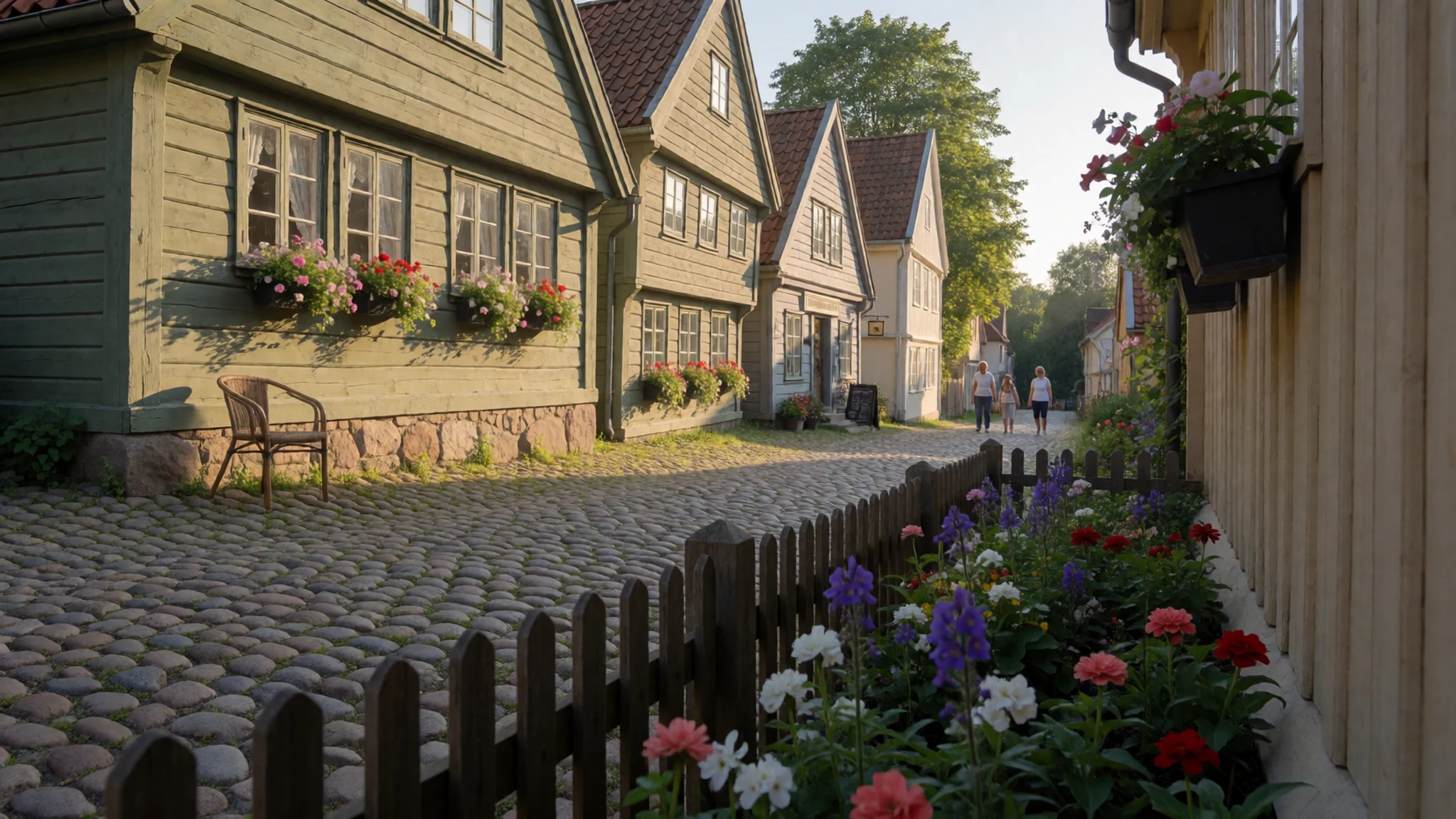
Culture
Gothenburg's culture grows out of the sea, trade and industry. Wealthy merchants and industrialists paid for many of its institutions, including the Röhsska Museum, and hospitals and the university were founded in the same spirit, so civic generosity is part of the city's character. Museums cover art, sea and navigation, natural history, science, the East India trade and world cultures, with the Museum of World Culture near Korsvägen. World of Volvo tells the story of the company since its founding here in 1927, and Universeum is a science centre popular with families. Aeroseum, an aircraft museum in a former underground air force base near the city airport, is a more unusual outing. Beyond the museums, the city has the easygoing, practical manner common in Sweden: queues are orderly, voices stay low on trams, and fika, the coffee-and-pastry break, is a social habit rather than a quick refuel. The harbour and the food halls shape conversation and the calendar as much as the galleries do, and students from both universities give the centre a youthful pulse in term time. Visitors should queue in turn at counters and tram stops, keep voices low on public transport, and never push past people who are waiting.
What to wear
Gothenburg's traditional dress is the Swedish folk costume (folkdräkt), made in regional versions from wool, linen and sometimes silk, with embroidered bodices, aprons, ribbons and metal fastenings. It appears mainly at Midsummer, weddings and National Day, and is more a family and heritage matter than a city habit. Everyday clothing in the city is plain and practical: dark or muted layers, good coats, wool knitwear, clean trainers and boots, with bright rain jackets and cycling gear common. Smart clothes are worn lightly, and a restaurant dinner rarely calls for more than neat casual wear. Students and office workers dress much alike, and fabric quality matters more than logos. For visitors, the weather decides. Pack a waterproof jacket and layers that work from a cool sea breeze to warm sunshine, plus a hat and gloves in the darker months. Shoes should be comfortable and grippy for the cobbled lanes of Haga, wet tram tracks and ferry decks. There are no strict modesty rules in the city, but covered shoulders and a quiet voice are polite inside the cathedral and Christinæ Church. Swimwear belongs on the shore and at the pool, not on the streets.
What to eat
- Fresh fish and shellfish — Feskekôrka fish hall, near the Rosenlund canal
Gothenburg's seafood tradition is best met at the fish hall known as Feskekôrka, where counters and eateries sell what the boats have landed. Expect prawns, shellfish and white fish, simply served. Visit around lunchtime and check opening arrangements first.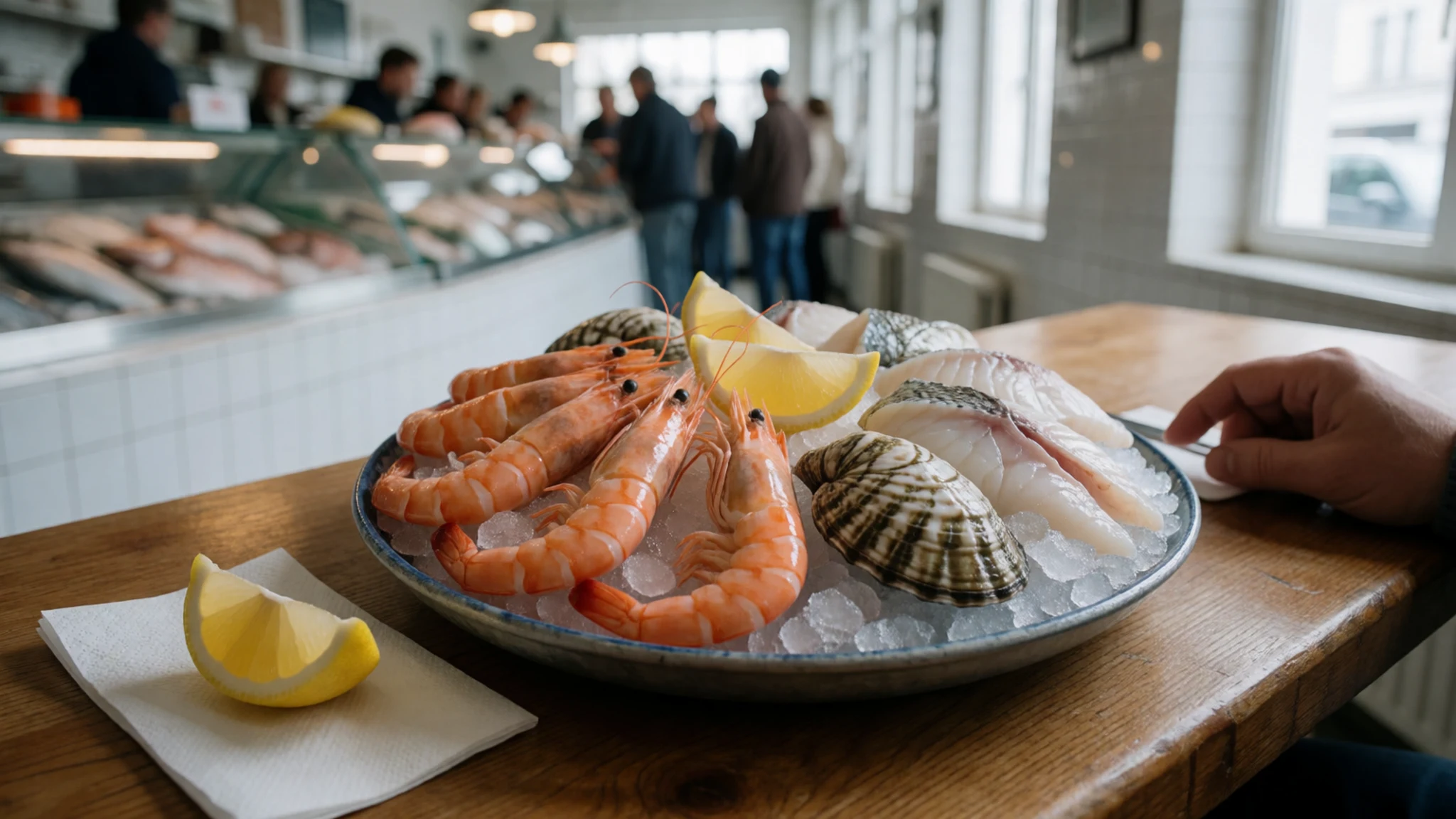
- Greek soup and home cooking — Saluhallen market hall, city centre
The central market hall, Saluhallen, hosts small stalls with surprising range, including a soup kitchen serving Greek dishes. A bowl of soup with bread is a warming, sensible lunch on a damp day and a good way to see locals shopping.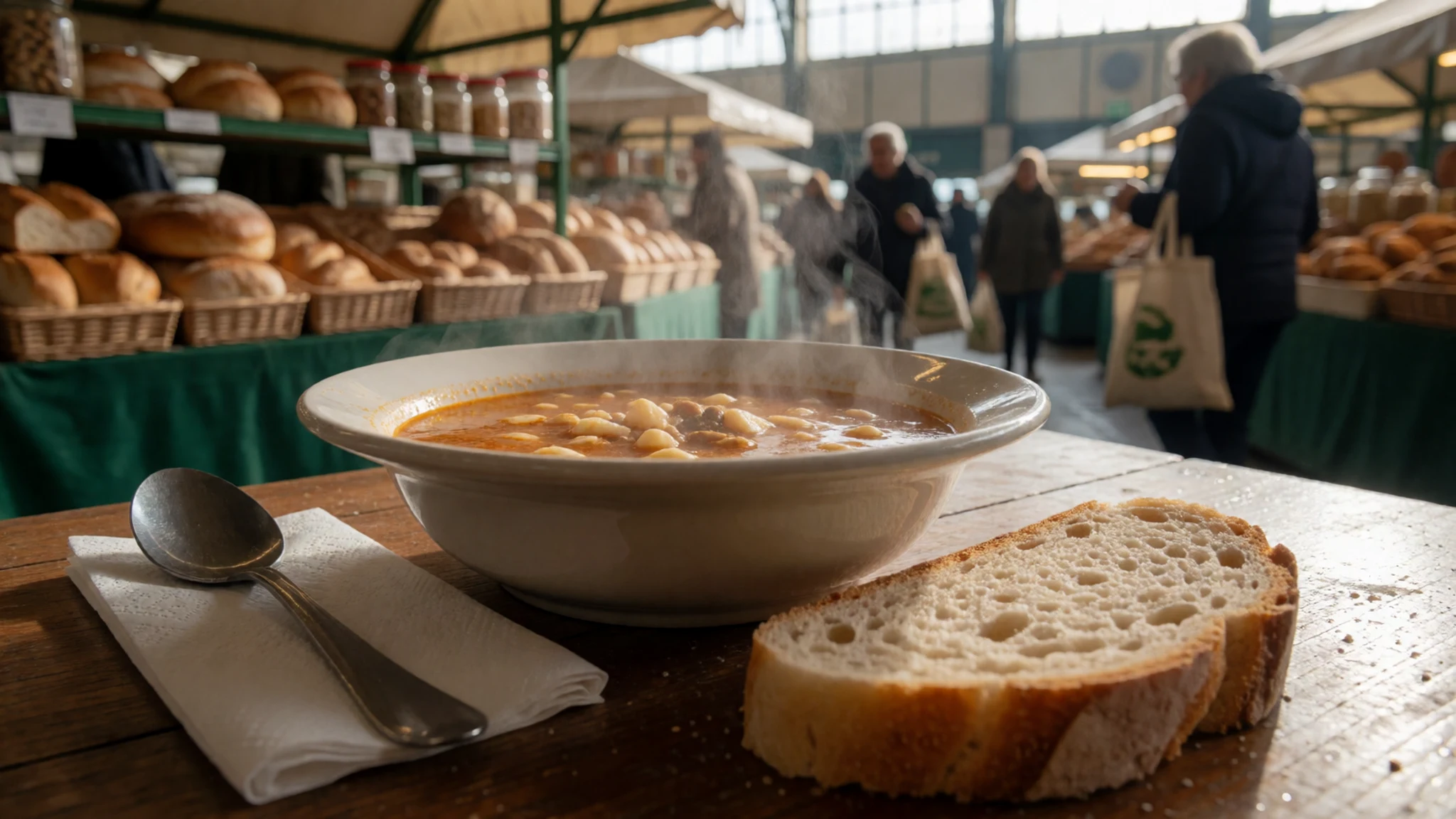
- Korv, Swedish sausage — Sausage restaurants in the old town
Korv simply means sausage, and Gothenburg has places devoted to it, with a long list of varieties served as a plate or in bread. It is cheap-and-cheerful food that suits a quick lunch between museums. - Station-side hot dog or burger — Outside Gothenburg Central Station
A hot dog or hamburger from a stand right in front of the central station is a long-running habit for commuters and late-night travellers. It is quick, filling and handy before or after a train. - Vegetarian buffet — Vegetarian restaurants and cafés in Majorna and Linné
The city has a good run of vegetarian eating, including buffets run by local communities and cafés. A self-serve plate of curries, salads and bread is a relaxed way to eat well without meat or fish.
Plan it
Best time. May to September, when the days are long, ferries and outdoor cafés are running and the waterfront is at its liveliest. Winter is dark, damp and quiet, though cafés and museums stay inviting.
How long. 2–3
Getting there. Landvetter Airport, mainly for flights from other European cities, with the Flygbussarna bus into the city; for other continents, connect through a larger hub. There are several flights a day from Stockholm, and the central station serves trains.
Budget. mid
Tips
- Pack a waterproof jacket in any season, because rain can arrive quickly
- Walk the centre and Haga, and use trams for longer distances
- Visit Feskekôrka and the market hall around lunchtime and check opening arrangements on the official site, goteborg.se
- Book any museum, theatre or concert you really want ahead in July and August
- Cards are widely accepted, but keep a charged phone for tickets and maps
Etiquette
- Queue in turn at counters and tram stops
- Keep voices low on public transport and in churches
- Do not photograph people at close range without asking
Nearby
Sources
- Wikidata Q25287 (CC0)
- Wikipedia: Gothenburg (rev 1384839535) (CC BY-SA 4.0)
- Wikivoyage: Gothenburg (rev 5418614) (CC BY-SA 4.0)
- Photo: Göteborg Sweden July 2016, Bengt Nyman (CC BY 2.5)
- Photo: Trädgårdsföreningen in Göteborg, Pasi Mammela / Jonipoon (CC0 1.0)
- Photo: Gustav II Adolfs torg, Göteborg, Moralist (CC BY 3.0)
- Photo: Göteborgs domkyrka, ArildV (CC BY 3.0)
- Photo: Göteborg, Skansen Lejonet, Fred PetterSonic Pettersson (CC BY 3.0)
- Photo: Feskekôrka in Göteborg Sverige, Pasi Mammela (CC BY-SA 4.0)
- Photo: Residential tower Karlatornet, ArildV (CC BY-SA 4.0)
- Photo: Gunnebo slott, ArildV (CC BY 3.0)


