Halmstad
Halmstad, Sweden
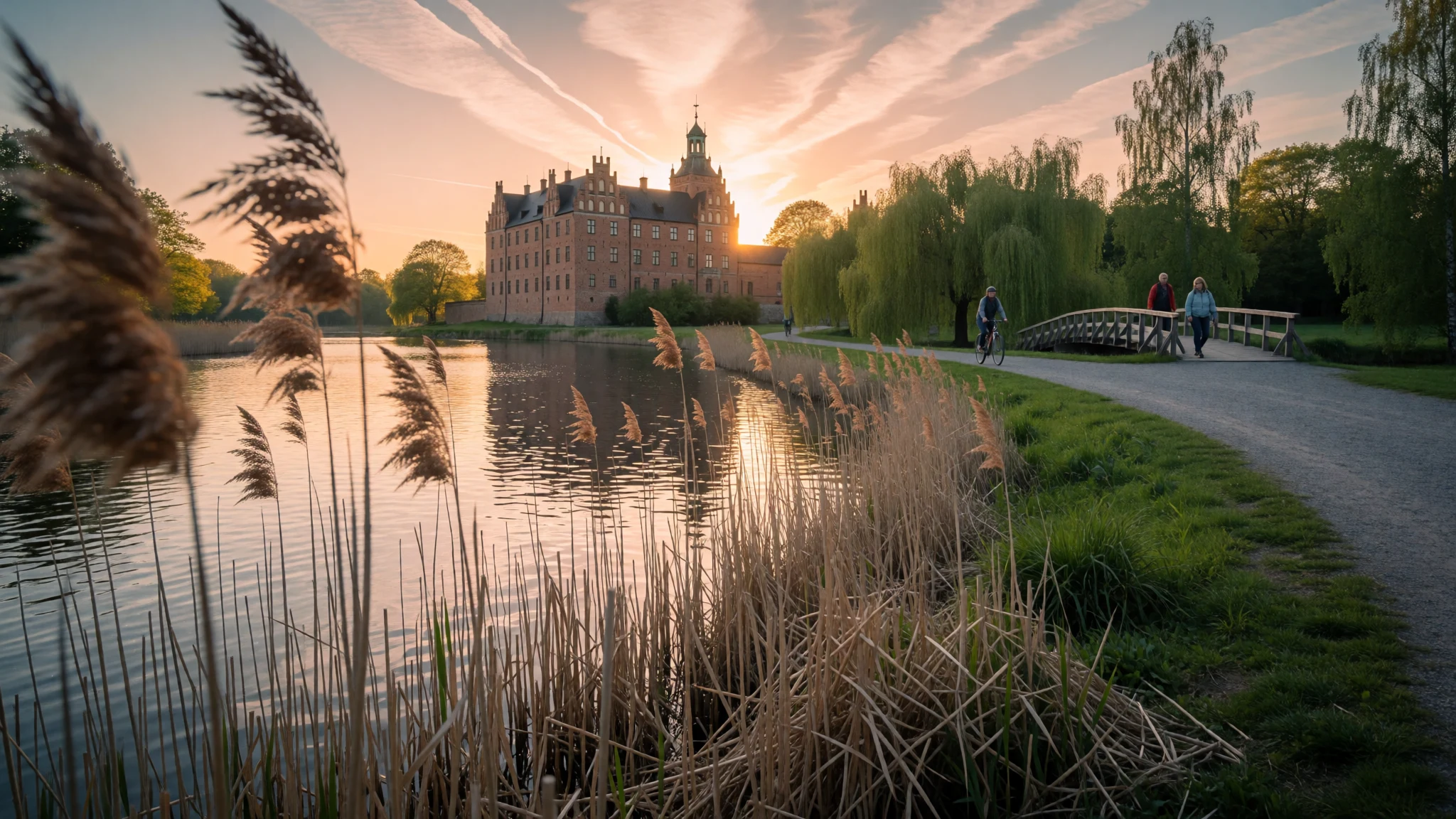
Halmstad pairs a calm river-mouth town of old gates and timber houses with some of the Swedish west coast's longest sandy beaches.
The place
Halmstad sits where the river Nissan reaches the sea, on the west coast of Sweden in the province of Halland. It is the county capital, and it works as a port, a university town and a seaside resort all at once. About 73,000 people live in the urban area, which makes it a place of human scale: a compact centre, a river walk, and open water within easy reach.
The city lies roughly midway between Gothenburg and Malmö, so it is a natural stop on the coastal rail line rather than a destination that needs a long detour. The land is flat, at about 11 metres above sea level, and that suits bicycles. Locals use them all year.
The centre is built around two squares, Stora Torg and Lilla Torg, with the castle just by the river and the church of St Nikolai close to the larger square. Streets are low-rise, and a few old timber-framed buildings survive among the newer shops. The mood is relaxed and unhurried, more weekend-away than sightseeing marathon.
The climate is oceanic: rainy at times, with warm summers and winters hovering near freezing. That shapes the visitor year. Summer fills the beaches and the golf courses, while the rest of the year the town goes quiet, which some travellers prefer. Outside July the pace is gentle, and the seafront and river paths are easy to have to yourself.
Its story
Halmstad was under the Danish crown when it received its first town charter in 1307, and it marked seven centuries of that charter in 2007. The earliest settlement stood upstream on the Nissan, and in the 1320s the town moved to where the centre is today. Two monasteries and, later, the church of St Nikolai were built there.
Because Halland sat on the border between Denmark and Sweden, it was fought over repeatedly. Halmstad was besieged and occupied more than once. In the Kalmar Union era, which ended in 1523, the town hosted the choosing of the union king. Later Christian IV of Denmark strengthened its defences, building a crescent-shaped fort that used the river as part of the barrier.
The year 1619 stands out. The Danish and Swedish kings met at the castle and spent a week celebrating the settling of a ransom, and then a fire destroyed the town that August. Sweden took Halland after the Treaty of Brömsebro in 1645, and the Treaty of Roskilde in 1658 made the change permanent. In 1734 the Riksdag ordered the fortifications pulled down; one of the four city gates, Norre Port, survives.
Industry arrived in the nineteenth century, starting with a factory in 1823 and followed by breweries. The harbour was rebuilt between 1837 and 1840, and more factories and foundries opened into the early twentieth century, shaping the working port the city remains.
What to see
- Halmstad Castle — Beside the Nissan, town centre
The castle was built under Christian IV of Denmark and stands by the river in the heart of town. It is a good place to start, since the water, the bridges and the salmon sculpture are all in view, and the old centre lies a few minutes' walk away.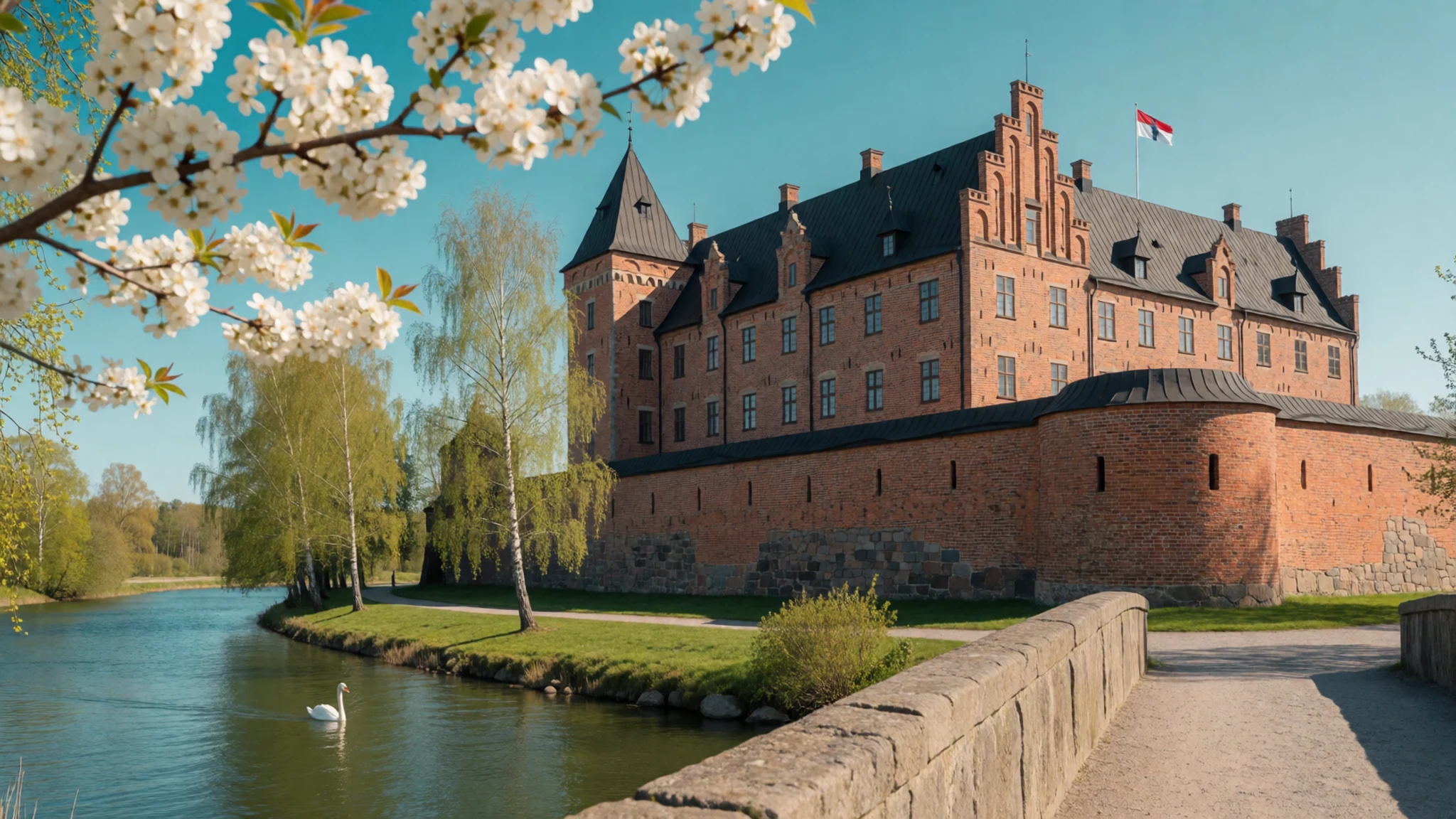
- Norre Port — Old town centre
Norre Port is the one surviving gate of the four that once pierced the town's defences. It is a short, easy stop, and it helps picture how the fortified town looked before the walls were demolished in the eighteenth century.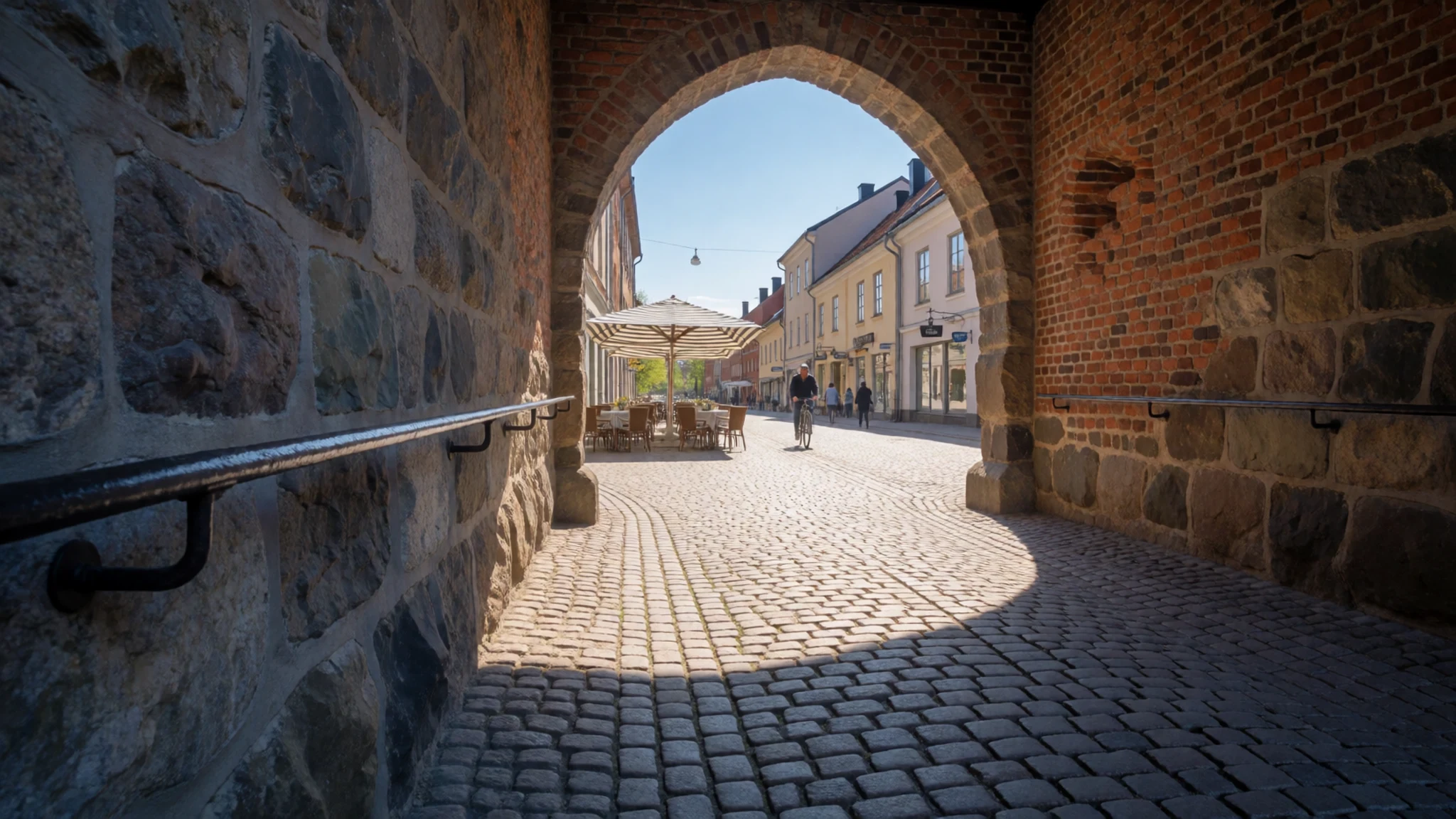
- Fattighuset and Lilla Torg — Lilla Torg, central Halmstad
Fattighuset is a historic building on the small square of Lilla Torg. It holds handicraft shops, a café and a sports museum, and the tourist office is under the same roof, so it works well as a first stop for maps and local advice.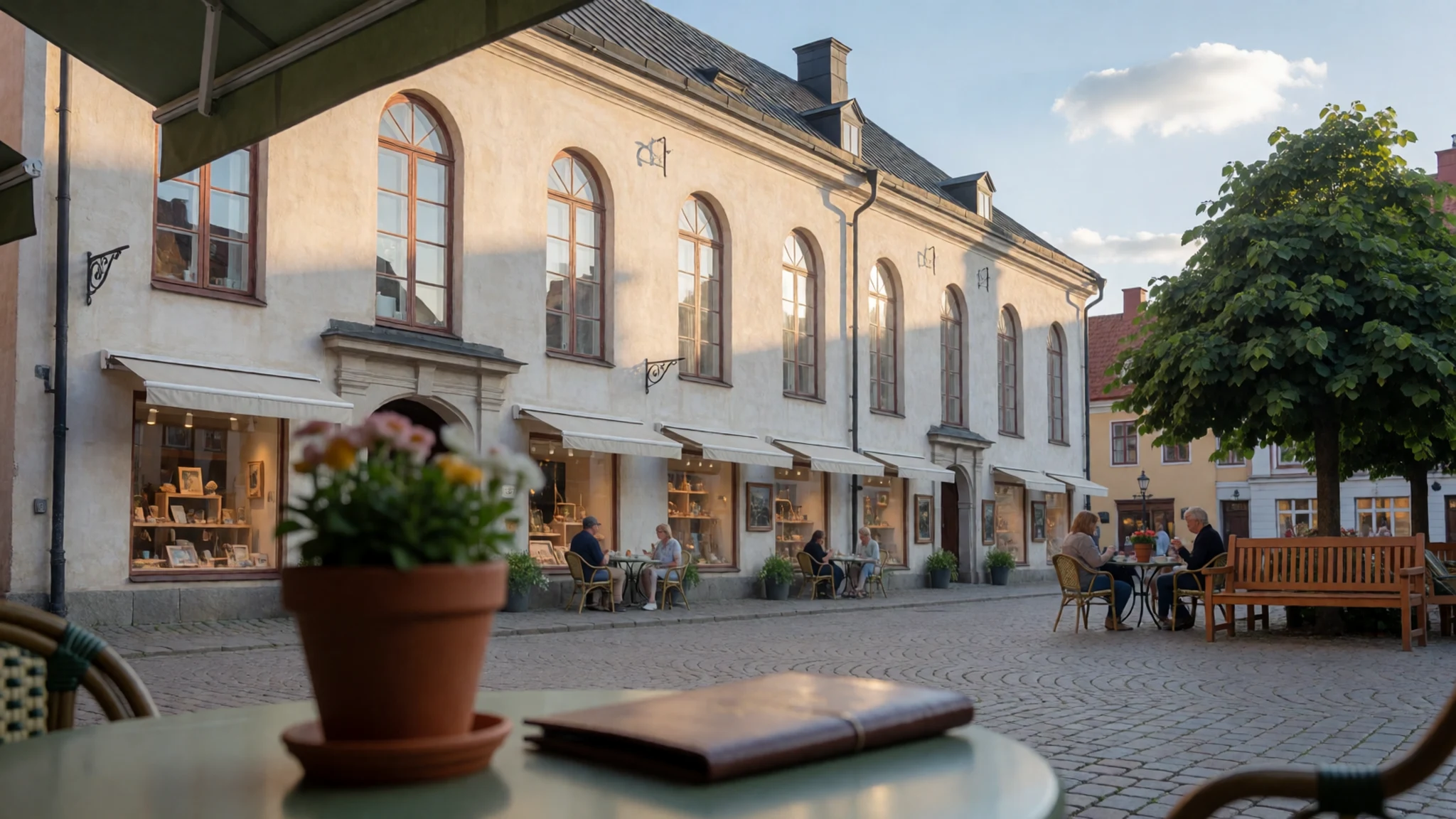
- St Nikolai church and the timber houses — Stora Torg area
The church stands by the main square, and the streets around it keep some old timber-framed buildings. Wander slowly here rather than hunting a single sight; the charm lies in the small scale, the varied rooflines and the quiet side streets.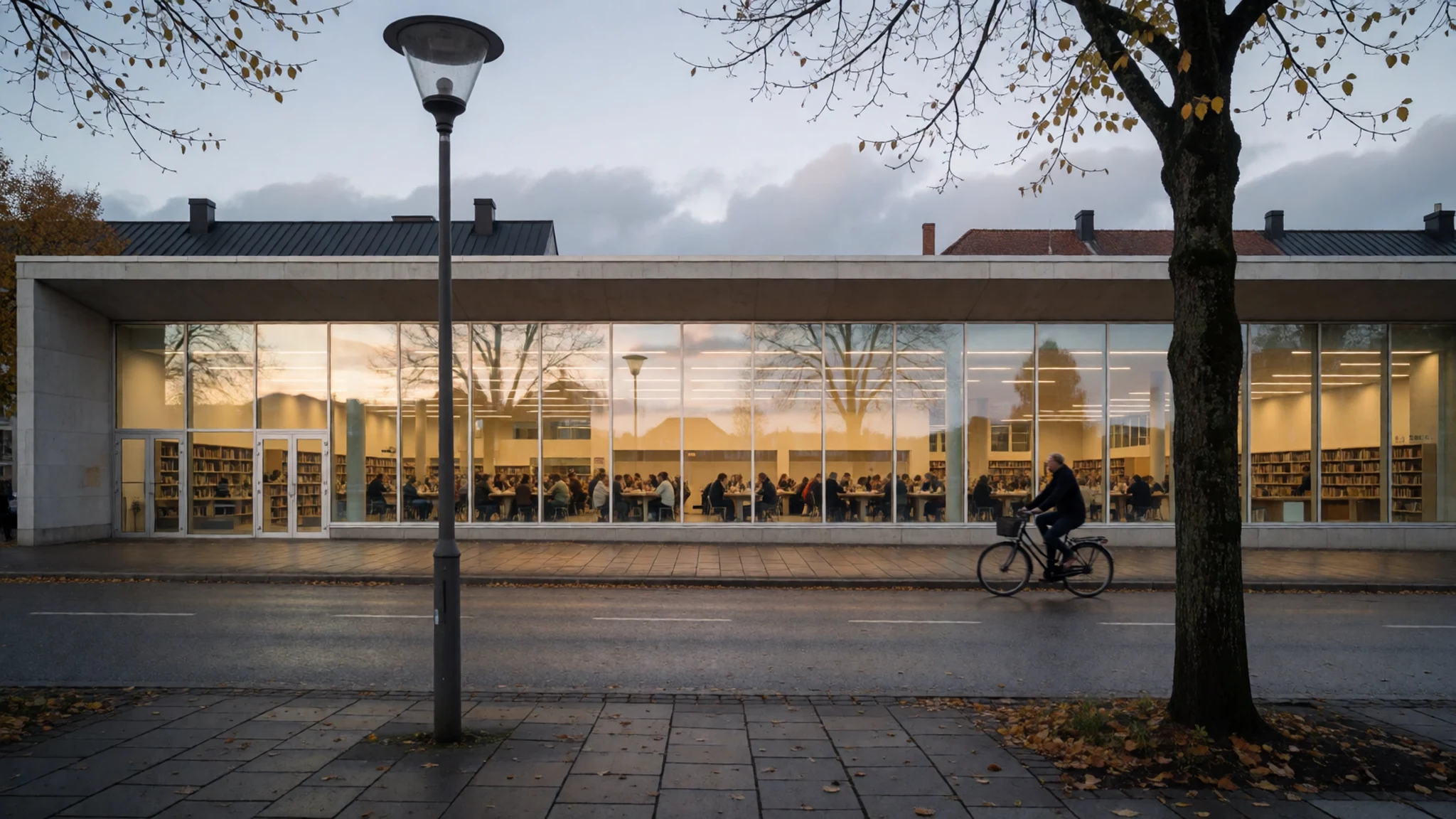
- Tylösand beach — West of the centre, on the coast
Tylösand is a sandy beach about 7 km long. In July, in fine weather, it draws very large crowds and counts among Sweden's busiest beaches. Come on a weekday, or outside high summer, for space, long walks and a calmer waterfront.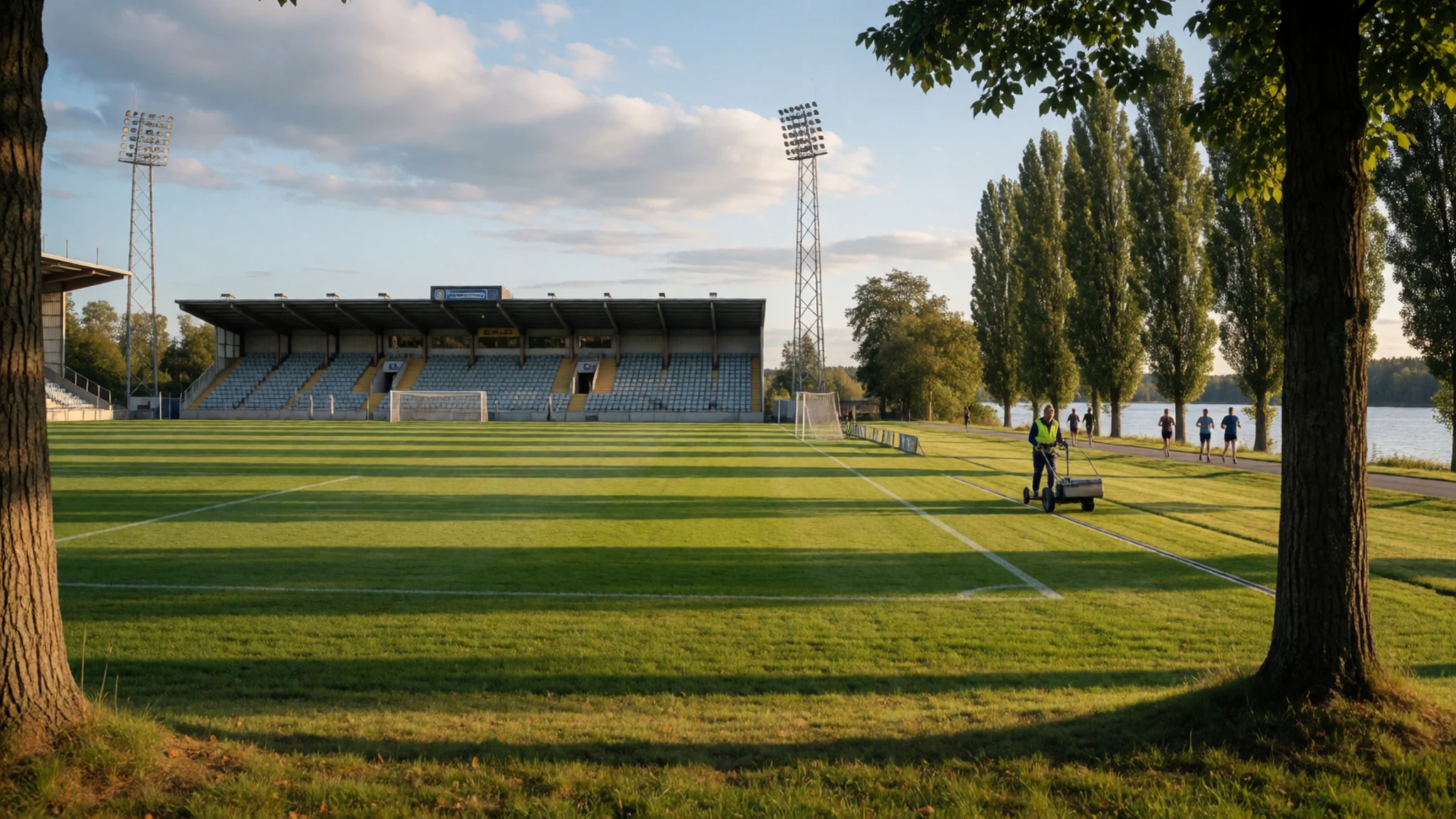
- Örjans Vall football ground — North edge of town, west bank of the river
The home of Halmstads BK, who play in the top division, holds 11,000. The season runs from April to November. Going to a match is a simple way to spend an evening among locals, and the ground is easy to reach from the centre.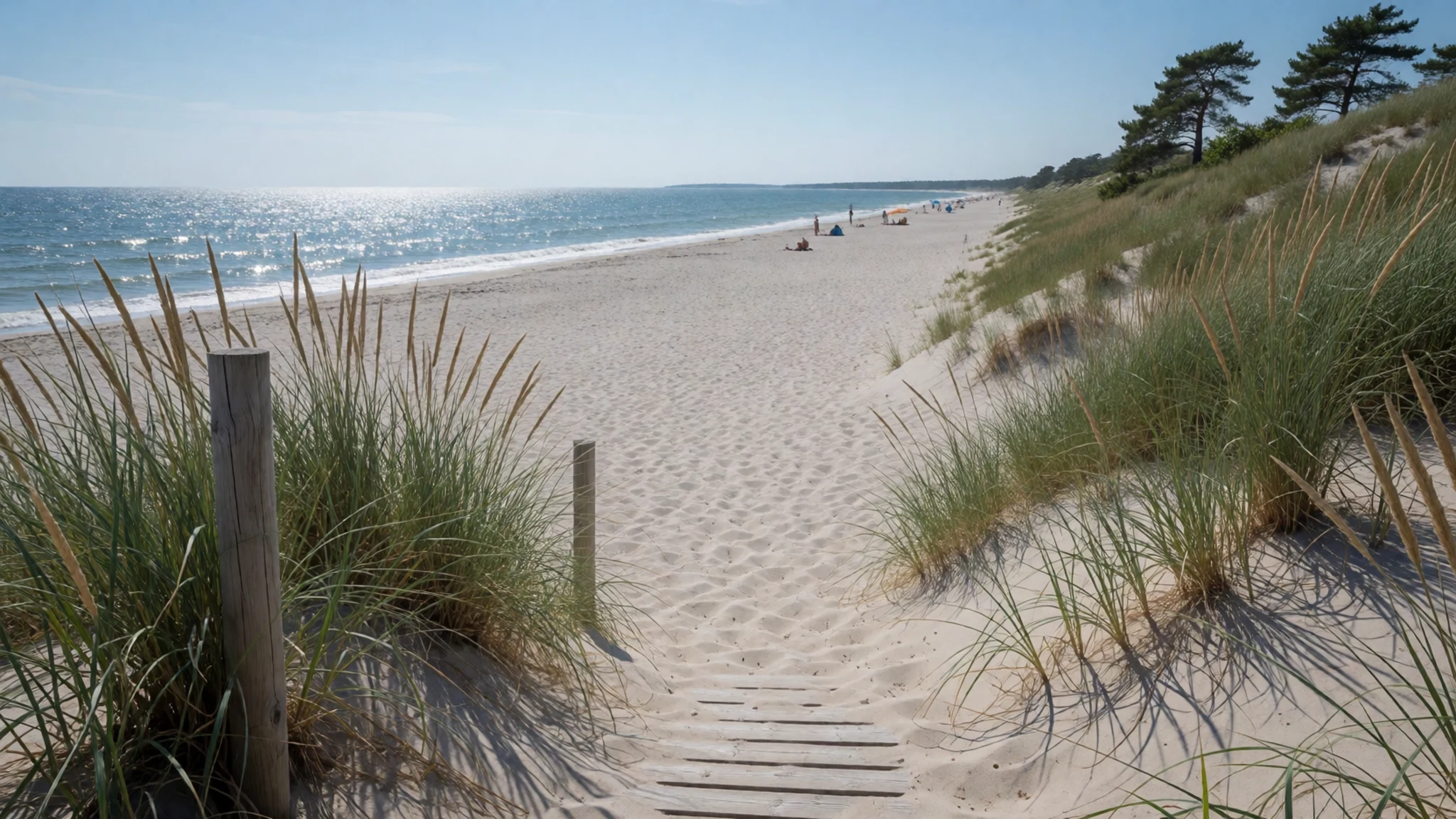
Culture
Halmstad has a quietly sporty, outdoor character. Golf is the local calling card, with twelve courses around the city, and football is followed closely, with the home club Halmstads BK playing in the top tier. Beach days, cycling and river walks fill the long summer evenings.
The town's identity comes from its position between Denmark and Sweden. It was Danish for centuries, and its castle, gate and street layout still carry that border history. Swedish habits shape daily life: coffee breaks, called fika, are a social fixture, queues are orderly, and people tend to be reserved at first but helpful when asked. English is widely spoken.
Public life is practical and low-key. Free local magazines about nightlife and events are published in Swedish only, so a few basic phrases help. Summer brings outdoor concerts, matches and beach gatherings, while winter is a more indoor, candlelit season of cafés and home gatherings.
Visitors will notice a strong respect for shared space and quiet, particularly on public transport and in residential streets after dark. Nature is treated carefully, and rubbish is sorted and returned.
On beaches and in shared spaces, keep noise low, take your litter with you, and wait your turn in queues rather than pushing ahead.
What to wear
Halmstad has no single everyday traditional costume. Like much of Sweden, regional folk dress exists, built from wool, linen and embroidered cloth, and it appears at midsummer, weddings and heritage events rather than on ordinary streets. Pieces are often tied to a parish and worn with pride on such occasions.
Day to day, people dress simply and practically: dark jeans, knitwear, rain jackets and clean trainers, with a Scandinavian taste for muted colours and good tailoring. In summer, beach and golf clothing is common near the coast, and cycling is part of the wardrobe, so layers and waterproofs are normal.
For visitors, the climate decides. Summers are warm but can turn cool and wet, and winters sit around freezing, so bring a light waterproof jacket in every season and a warm layer in the evening. Wind off the sea can bite, even in July. Comfortable walking shoes suit the flat streets and river paths, and sandals or flip-flops will do on the sand.
There are no special dress rules for churches or public places, though covering shoulders and knees is a polite habit when entering a church. Smart casual is fine in almost every restaurant, and nobody expects formal wear.
What to eat
- Fresh seafood — Waterside restaurants at Tylösand and the harbour
Being on the coast, Halmstad serves fish and shellfish: prawns, mussels and grilled or fried fish, often with potatoes and a sauce. Waterside places at the beach are popular on summer evenings, and a table with a sea view is worth booking ahead.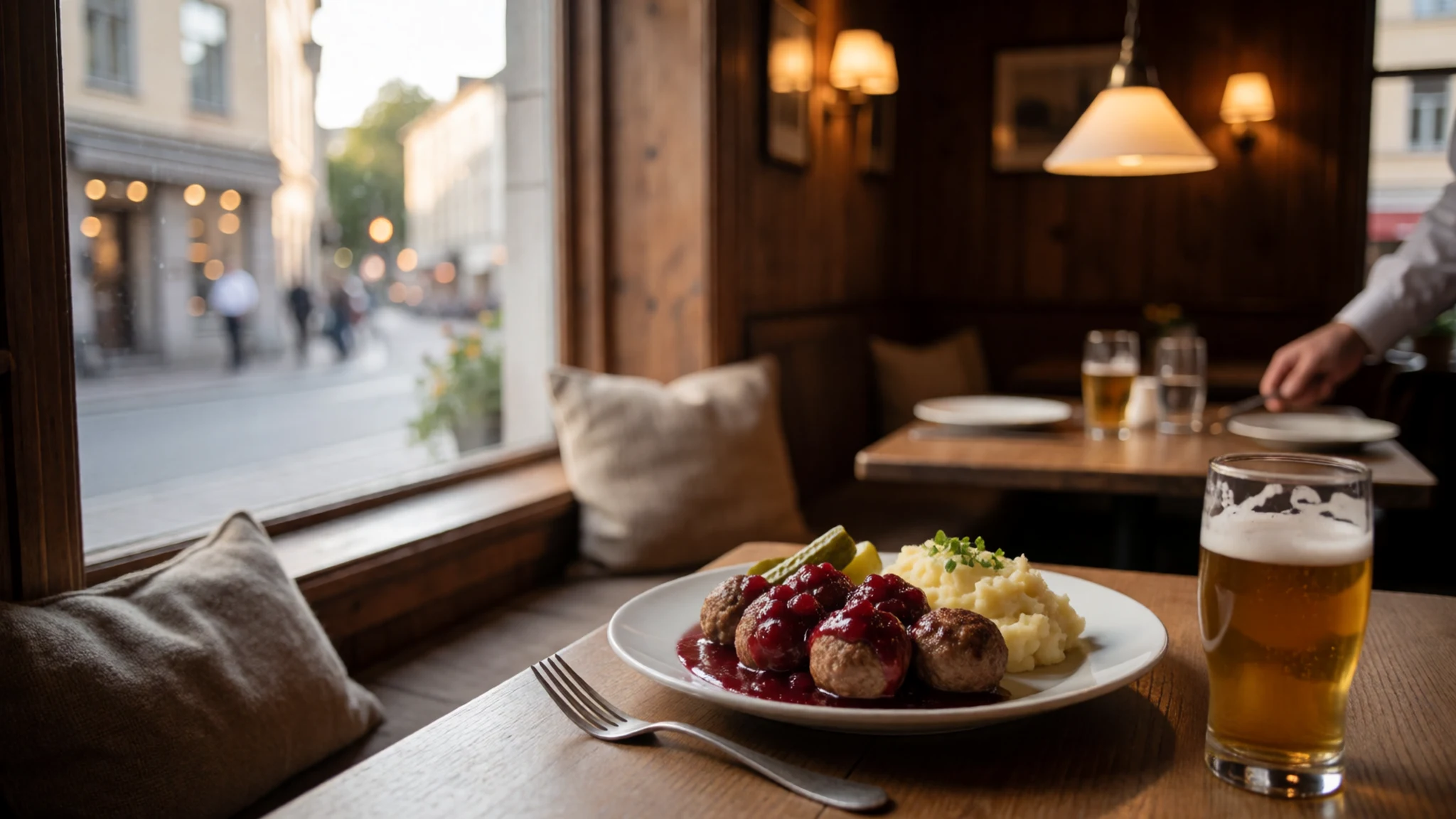
- Halland salmon — Restaurants and cafés near the Nissan river
The river's salmon link is part of the city's identity, shown even in its riverside sculpture. Look for smoked, cured or baked salmon on menus, often served with dill, boiled potatoes and a light sauce.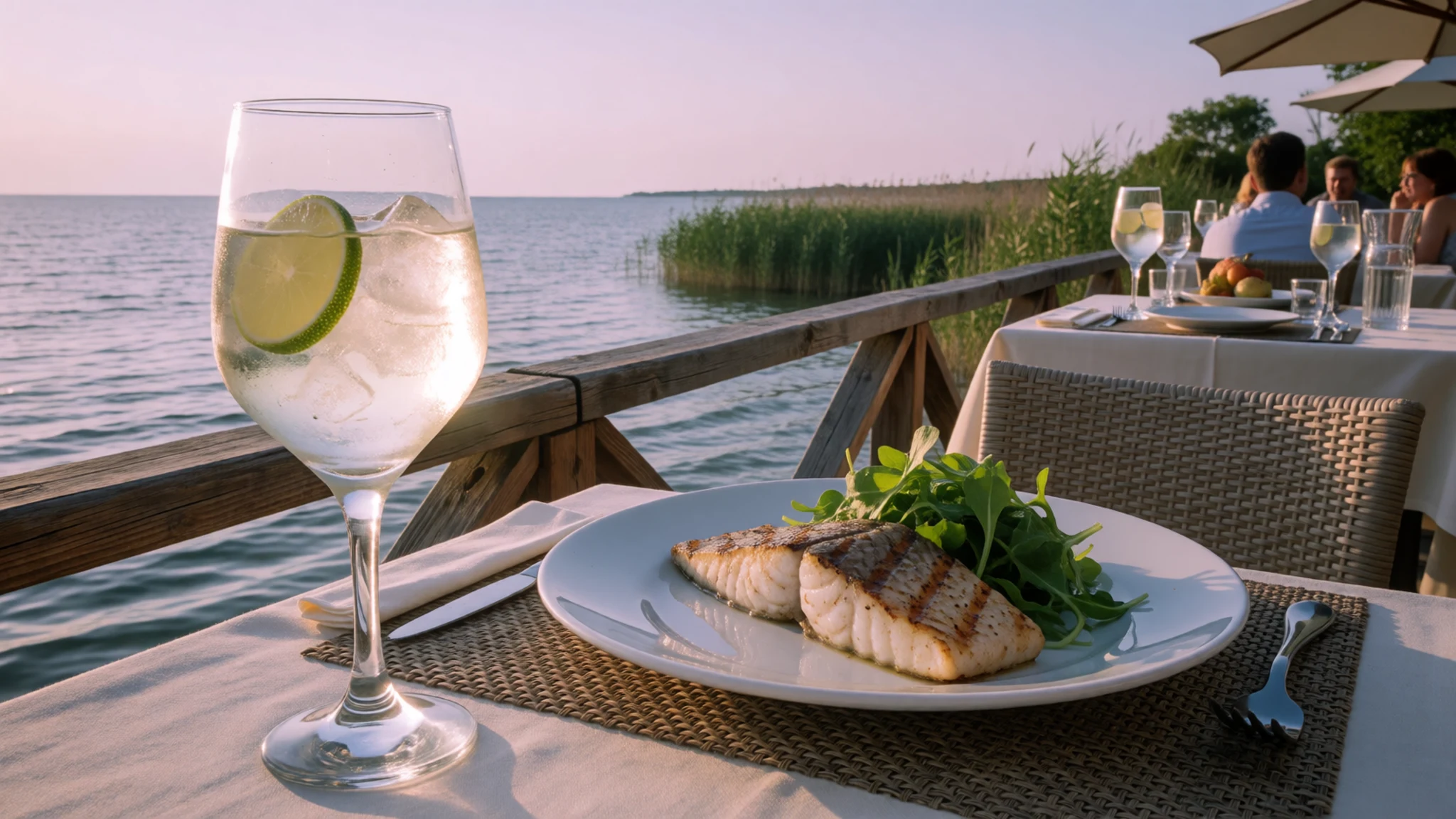
- Fika with a cinnamon bun — Any café around Stora Torg and Lilla Torg
A coffee-and-pastry break is a daily ritual in Sweden. Cinnamon buns, cardamom buns and layered cakes are on offer in cafés around the squares. Order a bun with coffee and sit for a while as the locals do. - Husmanskost home cooking — Traditional Swedish restaurants in the centre
Husmanskost means plain, hearty Swedish home cooking. Expect meatballs with lingonberry jam and potatoes, or fish and root vegetables. It is filling, reliable and a good first taste of the national kitchen. - Local beer — Pubs and bars in the town centre
Halmstad has a brewing past, with breweries dating from the nineteenth century, and local beer still appears on bar menus. Ask for something regional. Alcohol is sold in licensed bars and in state shops, not ordinary supermarkets, for strong drinks.
Plan it
Best time. June to September, when summers are warm and the beaches and golf courses are at their best. July is the busiest month at Tylösand. Winters hover around freezing and the climate is rainy, so shoulder months are quieter but wetter.
How long. 2–3
Getting there. There are a few daily flights from Stockholm Arlanda. Malmö Sturup and Gothenburg-Landvetter airports are each within two hours by road or an easy train ride, and Copenhagen Airport is a longer trip. Trains run along the west coast between Gothenburg and Malmö, including fast SJ services and regional Öresundståg, and Halmstad central station is a short walk from the centre. FlixBus and VY also serve the town, and there is a daily Stena Line ferry from Grenå in Denmark.
Budget. mid
Tips
- Book beach-side tables and accommodation early for July
- Cycle: the town is flat and compact, and bikes suit the river paths
- Carry a light waterproof jacket in every season
- Pay by card almost everywhere; cash is rarely needed
- Check the official Halmstad website, https://www.halmstad.se, for events and opening times
Etiquette
- Queue patiently and keep noise low in shared spaces
- Take litter away from beaches and river paths
- Wait for the right moment to ask locals for help; English is widely understood
Nearby
Sources
- Wikidata Q26521 (CC0)
- Wikipedia: Halmstad (rev 1376079101) (CC BY-SA 4.0)
- Wikivoyage: Halmstad (rev 5403585) (CC BY-SA 4.0)
- Photo: Halmstad Nissan01, Boberger (CC BY 3.0)
- Photo: Halmstads Stadsbibliotek, Jacob Wodzynski (CC BY 2.5)
- Photo: Stadttor in Halmstad, Eduard47 (CC BY-SA 4.0)
- Photo: Halmstads central, Mathias Klang (CC BY 2.5)
- Photo: HBK-Gefle, Jonas Ericsson (CC BY 3.0)
- Photo 36215970314, Thomas Woodtli (CC BY-SA 2.0)
- Photo 36215970684, Thomas Woodtli (CC BY-SA 2.0)
- Photo 36215971174, Thomas Woodtli (CC BY-SA 2.0)


