Gripsholm Castle
Gripsholm Castle, Sweden
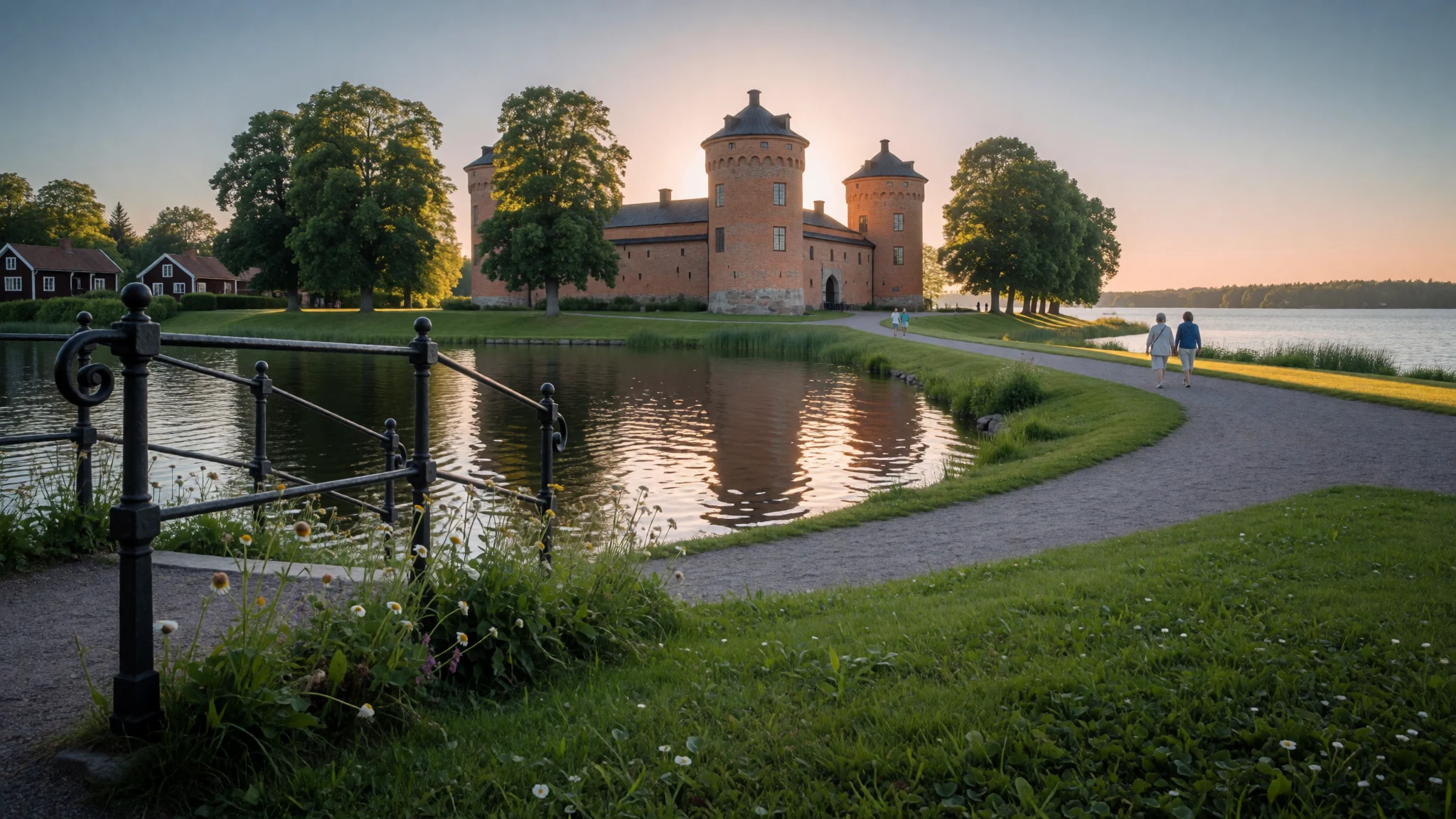
Gripsholm Castle is a royal fortress on Lake Mälaren, an easy trip from Stockholm, with portraits, an 18th-century theatre and a quiet lakeside town.
The place
Gripsholm Castle stands at the water's edge in Mariefred, a small town in Södermanland on the shore of Lake Mälaren, within Strängnäs municipality. Stockholm lies about 60 km to the east, so the castle works well as a half-day or full-day trip from the capital. The setting is calm: lawns and parkland run down to the lake, and the town's wooden houses and quiet lanes are a short walk away. The building is a compact fortress with rounded towers at its corners and thick outer walls, planned for defence first and comfort second, though later royal owners reworked many of the rooms inside.
Ownership explains much of its character. After the Vasa kings took it over, it stayed with the royal family, and it still counts among the Crown palaces even though it now operates as a museum. Visitors move between sturdy early chambers, painted and gilded interiors from later periods, and galleries of portraits that put faces to Swedish history. A small court theatre added in the 18th century is a favourite with many people.
The honest caveats are practical. Summer weekends bring coach parties and school groups, and the courtyard can feel busy by midday; weekday mornings are calmer. Interiors stay cool even in July, and stone stairs and uneven floors call for sensible shoes. Opening days change with the season, so the official site (https://www.royalpalaces.se/english/royal-palaces-and-sites/gripsholm-castle.html) should be checked before travelling.
Its story
Gripsholm Castle takes its name from Bo Jonsson Grip, the powerful nobleman who had a fortress raised on the site in the 1370s. The stronghold passed to the crown when Queen Margaret I bought it in 1404, and in 1472 the regent Sten Sture the Elder swapped other estates for it, making it his family's hereditary property. In 1498 he gave it to the Carthusian order, and for close to three decades it housed a monastery whose name, Pax Mariae, lives on in the town of Mariefred.
The Reformation ended that chapter. King Gustav I dissolved the monastery in 1526, cleared away the monastic buildings and the older fortress, and had a new castle built, with walls and round corner towers meant to withstand attack. Wikidata dates the castle to 1537.
Later centuries added drama and polish. The castle served as a prison for royal rivals: Catherine Jagiellon, a Polish princess, was held here with her husband, a royal prince, during a family quarrel over the crown. In the 18th century Gustav III, a king devoted to the stage, fitted out a private theatre inside the building, and it still survives. By then Gripsholm was valued less as a fortress than as a royal residence and, eventually, a museum of the nation's past.
What to see
- The castle and courtyard — Gripsholm Castle, Mariefred
Gripsholm Castle's exterior is the first thing to take in: heavy walls, round corner towers and a courtyard that shows how the Vasa-era fortress was laid out. Walk the outer edge for views across the water and lawns. The official site explains which rooms and tours are available on the day of a visit.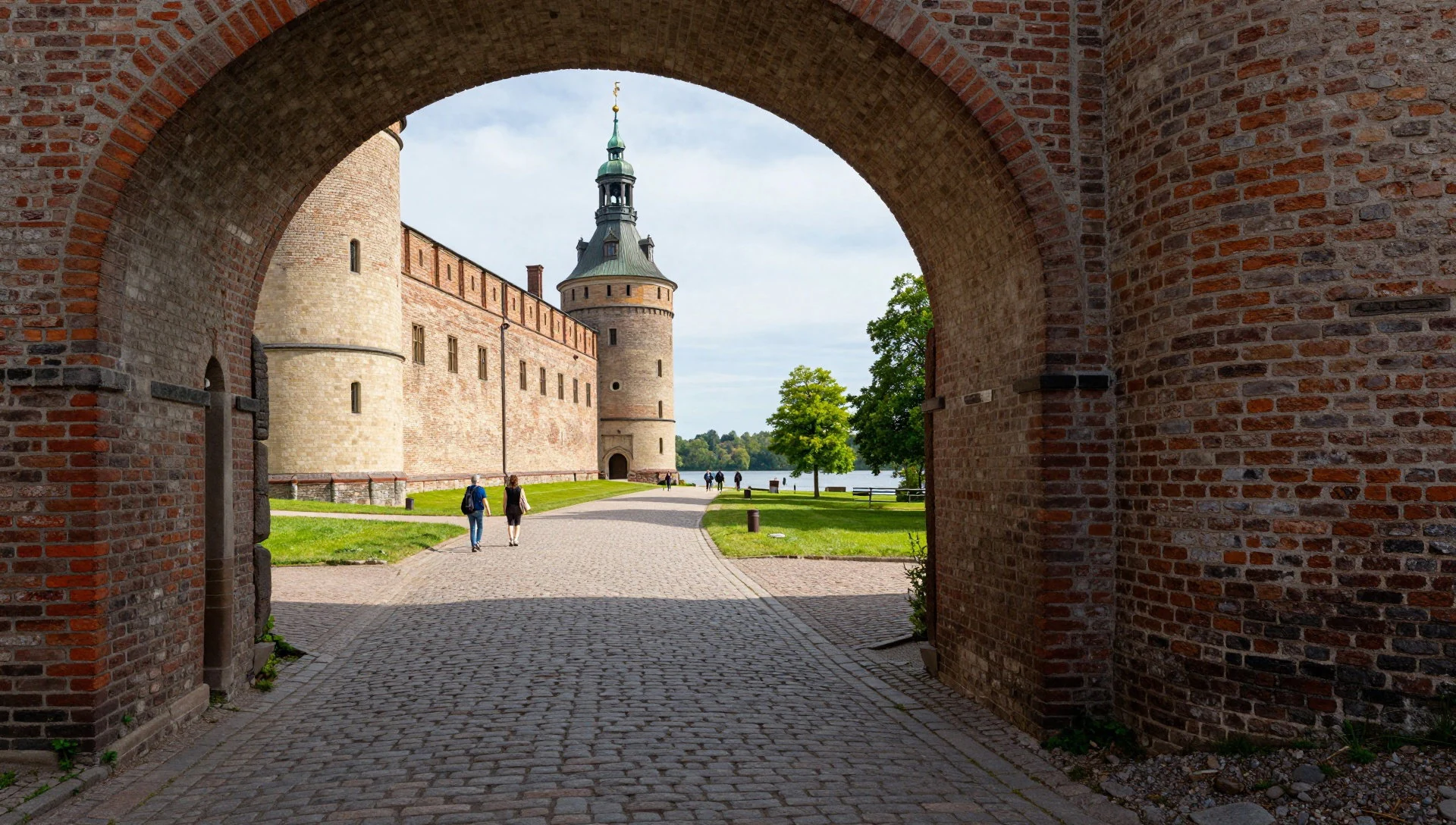
- Gustav III's Theatre — Inside Gripsholm Castle
Gustav III fitted out this small court theatre in the 18th century, and it sets the castle apart from plainer fortresses. Painted and gilded decoration recalls evenings of private performance for the royal family. It is a delicate space, so access can be limited; check the official site or ask at the entrance before planning around it.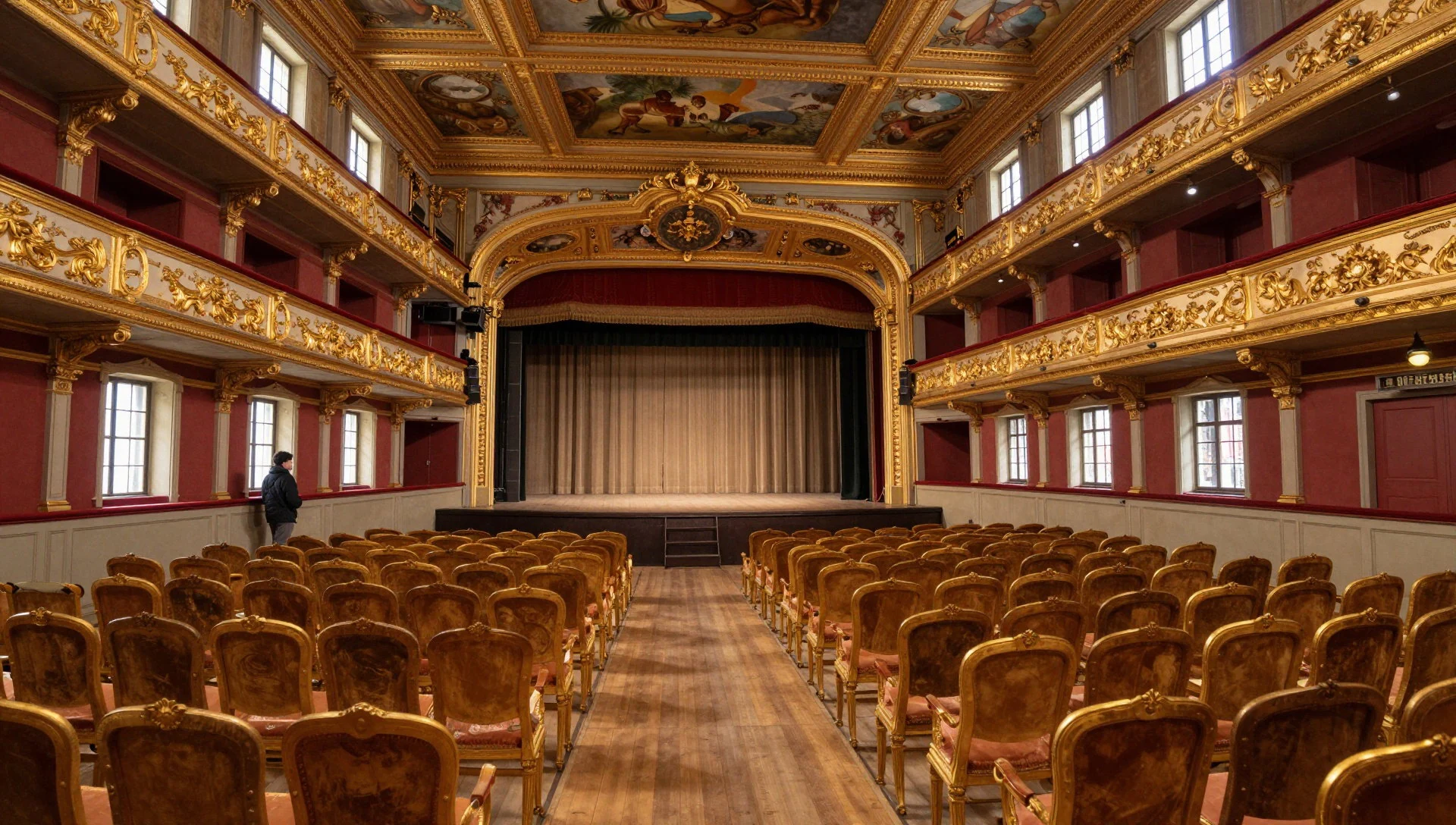
- The portrait galleries — Inside Gripsholm Castle
Rooms of portraits fill much of the castle, giving royals and nobles from several periods a face. Reading the labels alongside the paintings is a quick tour of Swedish dynastic history, and the galleries suit a rainy day. The painting shown here is a later portrait of Catherine Jagiellon, the princess once held at the castle.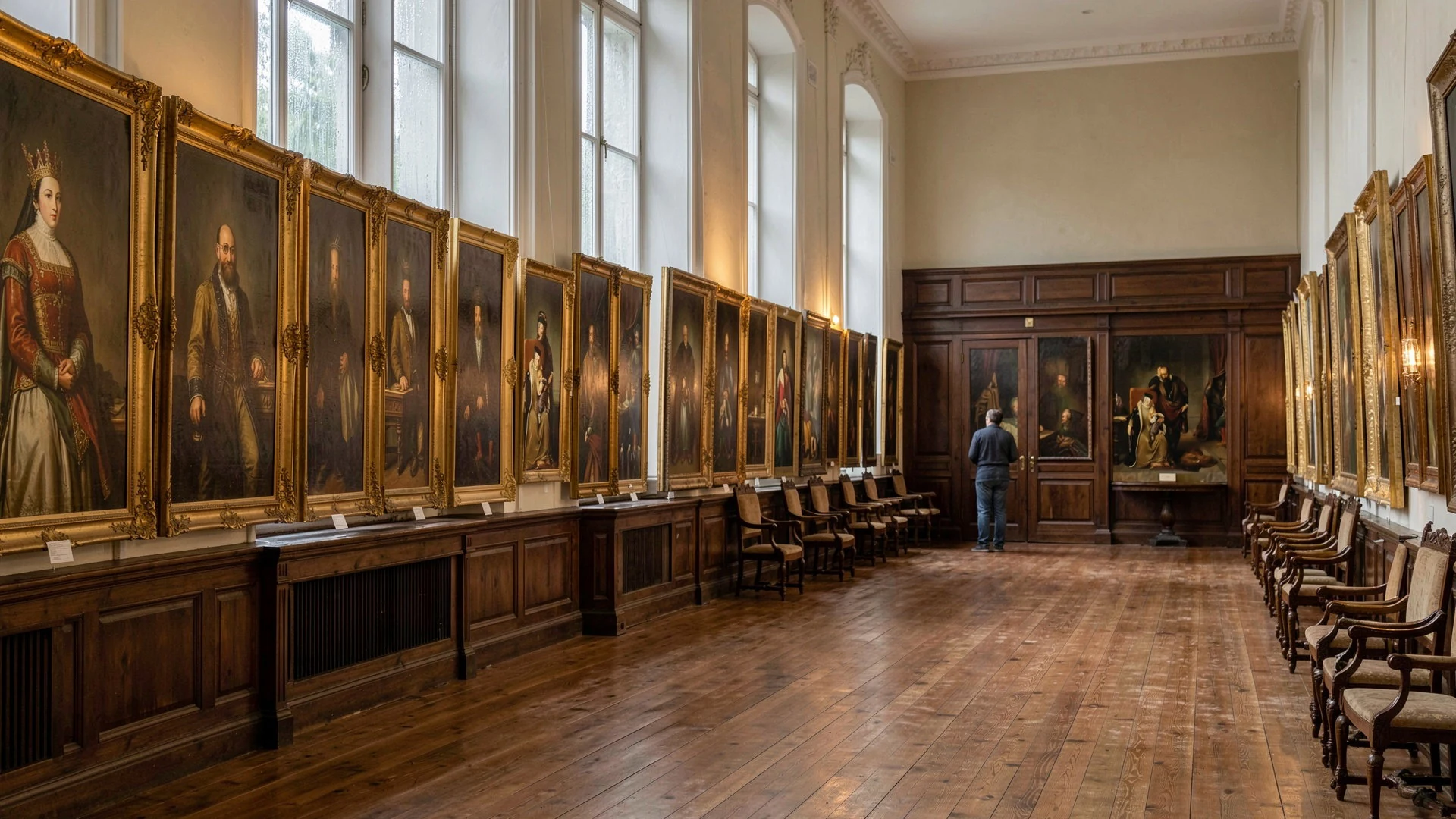
- The walk in from Mariefred — Between Mariefred and the castle
The approach on foot from Mariefred follows the shore and parkland, with the towers coming into view across the water. It is a relaxed stroll rather than a hike, and the flat path suits families. Dry summer days are best; in winter the ground can be icy or muddy.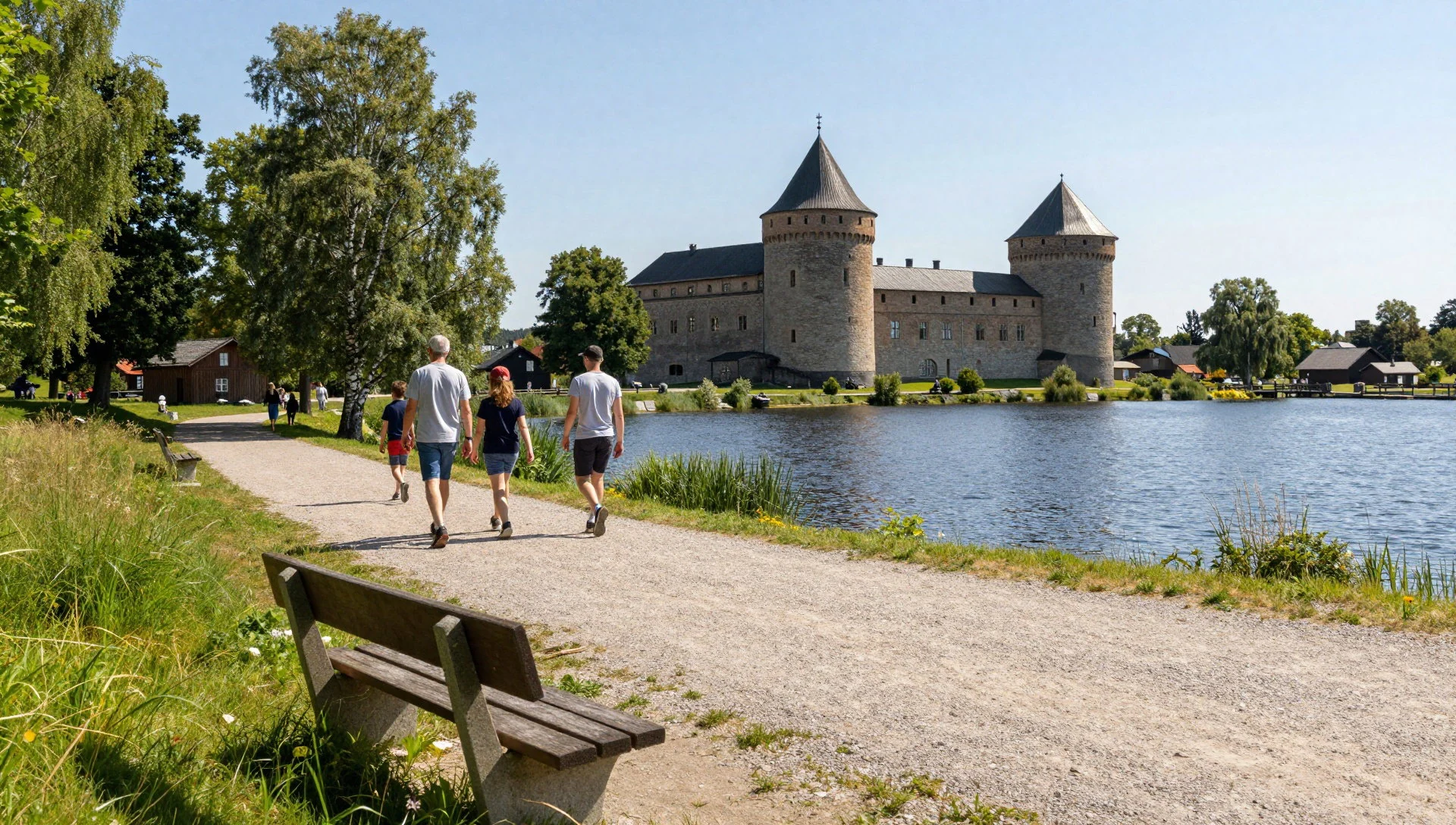
- Mariefred town — Mariefred town centre
The small town beside the castle repays an hour: wooden houses, narrow lanes, cafés near the harbour and, in summer, a heritage railway (check running days). The monastery's name survives here, and the unhurried pace is a useful counterweight to Stockholm.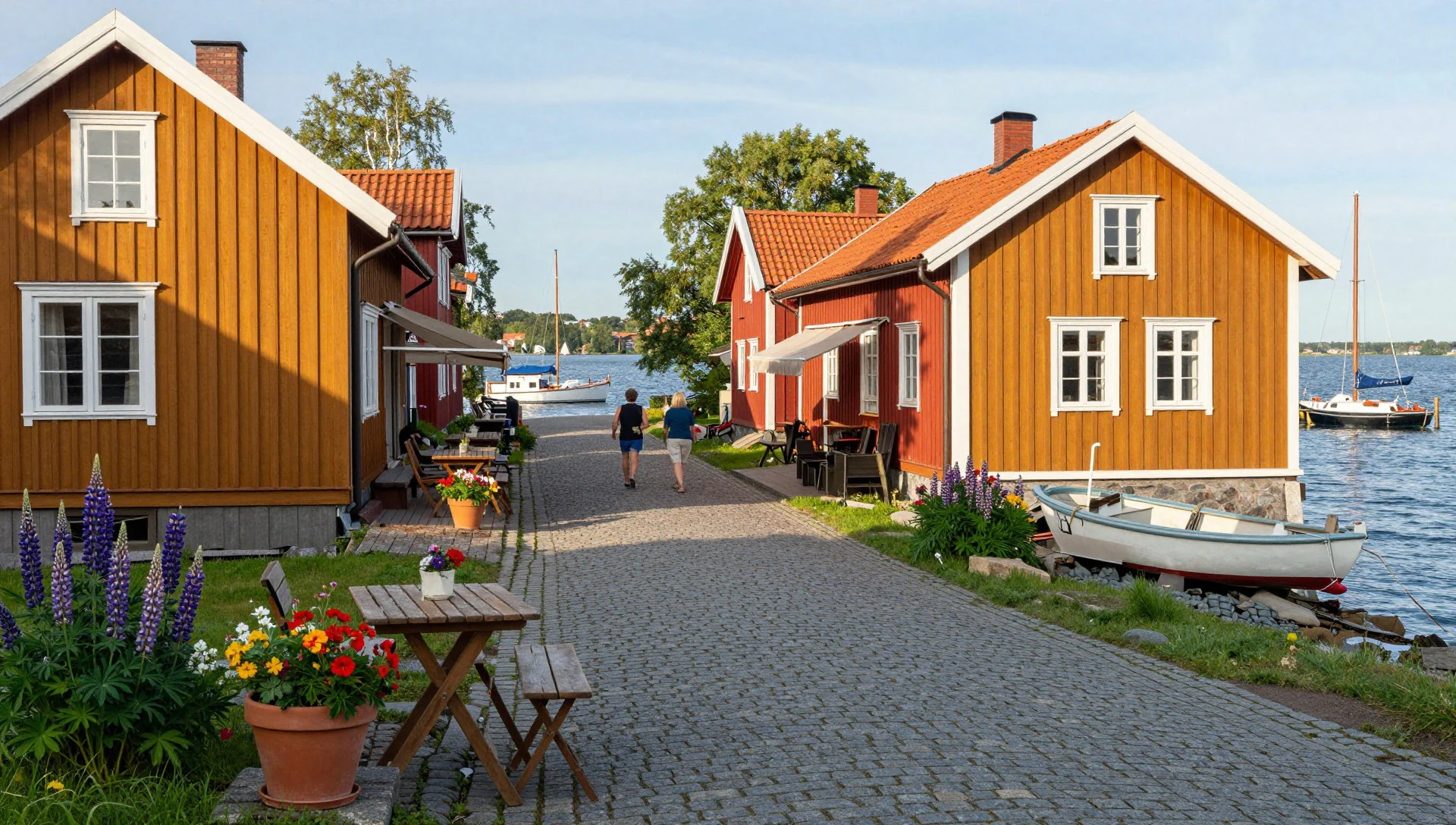
Culture
Gripsholm Castle sits in a country where royal pageantry coexists with strongly egalitarian habits. Most Swedes are liberal and relaxed about religion by international standards, and the monarchy is largely ceremonial, so the castle is treated as shared heritage rather than as a place of reverence. Politeness shows up as quiet: low voices, orderly queues and a dislike of pushing or boasting. In summer, Swedes spend long days outdoors, and Mariefred fills with people on boats, bicycles and picnic rugs.
A few customs are worth knowing. Coffee breaks, called fika, are close to a ritual: a cinnamon bun and a pause, often mid-morning or mid-afternoon, and cafés near the castle are usually busy then. Alcohol is treated with mixed feelings. Drinking ahead of work or a drive is firmly discouraged, yet celebrations such as Midsummer can be lively, and non-drinkers can simply decline politely. Drugs, including cannabis, are taken seriously by police and by most of the public.
The castle itself reflects the Vasa era and later royal tastes, with plain defensive rooms in the older parts and theatrical flourish in the 18th-century additions. Knowing that mix helps make sense of the exhibits. At Gripsholm, follow the museum's signs on photography and bags in the royal rooms, wait your turn in queues, and keep your voice low in the theatre and portrait galleries.
What to wear
Around Gripsholm Castle and Mariefred, traditional dress means the regional folkdräkt, a costume tied to a particular parish or province. Typical pieces include wool skirts or breeches, linen blouses and shirts, embroidered bodices, woven aprons and silk ribbons or scarves; wool and linen are the working fabrics, with silk, metal buttons and buckles for finer pieces. Folk costume is worn mainly on National Day, at Midsummer and at weddings or local festivals, when local versions can be seen in small towns. The castle's portraits also show earlier court fashion in velvet, silk and lace, a different tradition from rural dress.
Day to day, people in this part of Sweden dress simply and practically: dark or neutral colours, good outdoor jackets, jeans, clean trainers or leather boots, and layers that cope with changing weather. Smart-casual is enough for restaurants, and nobody dresses up for a castle visit.
Visitors should pack for the lake, not the ballroom. In summer, bring light cotton or linen, sunglasses and a thin waterproof; in winter, a warm coat, hat, gloves and boots with grip. Comfortable shoes with decent soles matter most, for gravel paths, cobbles and worn stone stairs. The museum has no formal dress code; ordinary casual clothes are fine, and swimwear is for the waterside only.
What to eat
- Köttbullar (meatballs) — Lunch menus at cafés and restaurants in Mariefred
Swedish meatballs arrive with potatoes, brown sauce and lingonberry jam, and are a dish many visitors look for. In Mariefred they usually appear as a lunch plate, often with pickled cucumber on the side.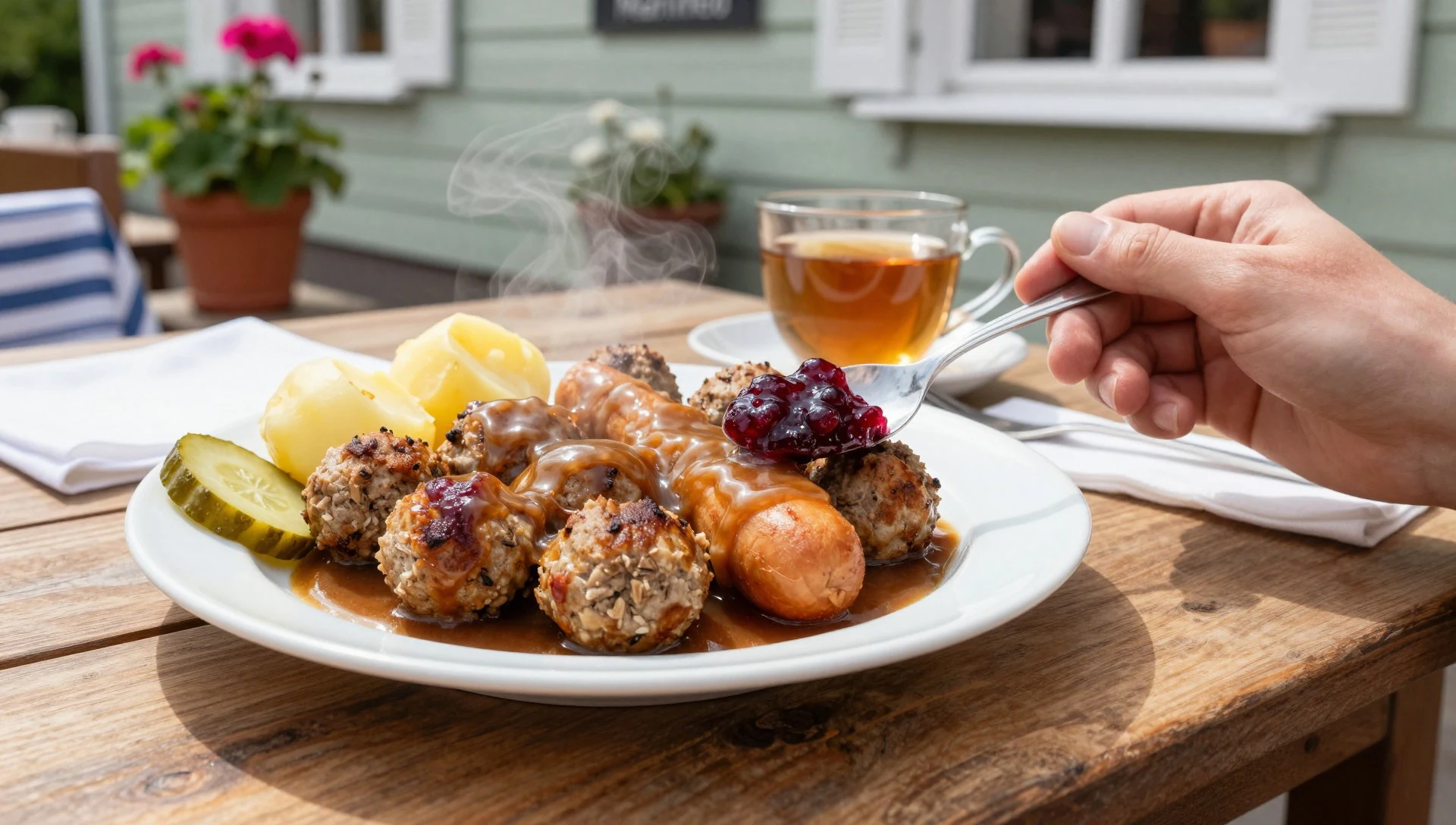
- Sill (pickled herring) — Waterfront restaurants in Mariefred, or any smörgåsbord in Stockholm
Pickled herring comes in several flavours, served with bread or boiled potatoes, and is a staple of summer lunches and holiday tables. The taste is sharp and sweet; a small sampler plate is a fair way to try it.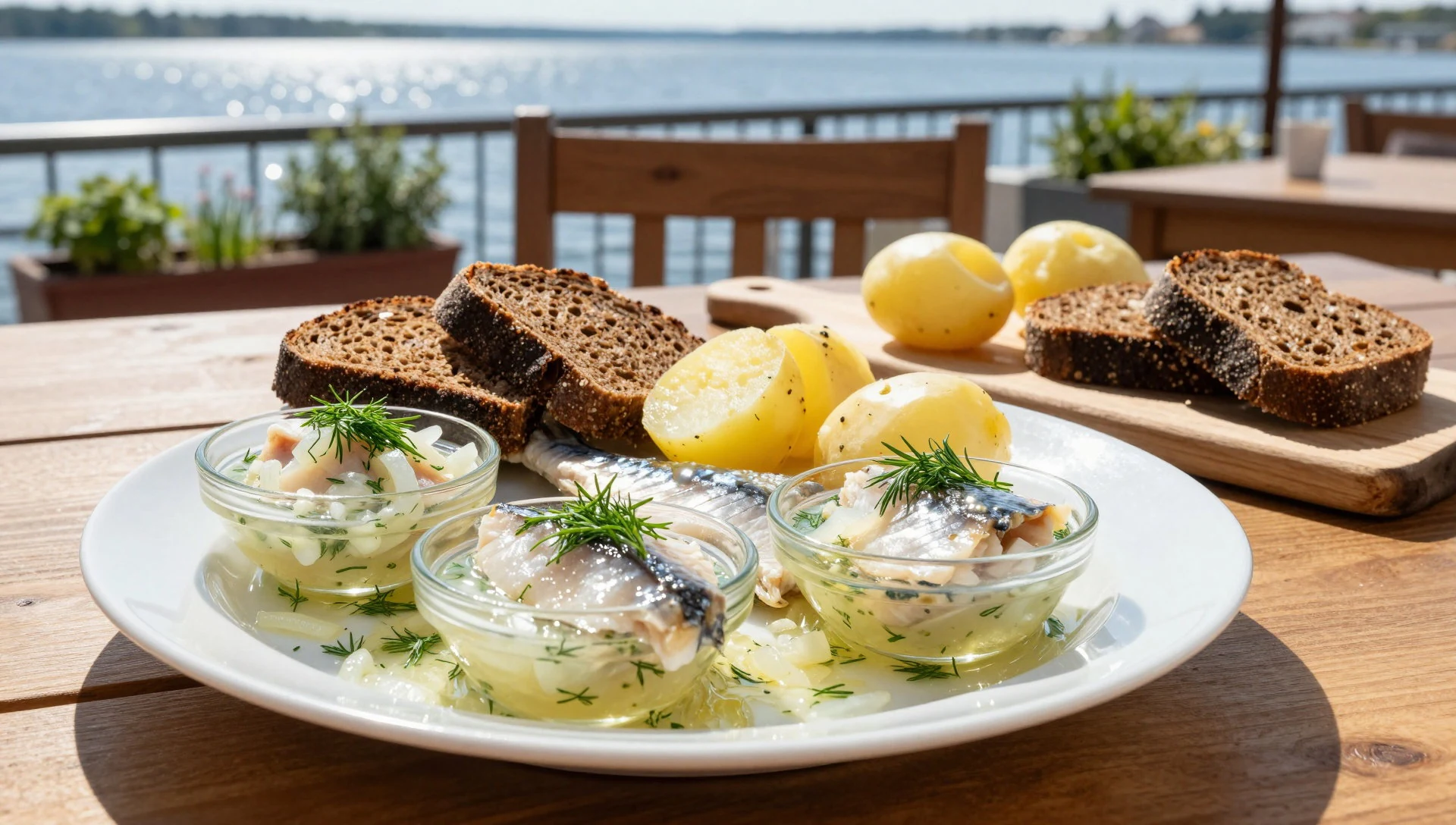
- Gravlax — Lunch menus in Mariefred; delis and market halls in Stockholm
Salmon cured with salt, sugar and dill, sliced thin and served with mustard sauce and bread or potatoes. It is milder than it sounds and is easy to find in summer, either as a starter or a light main course. - Pytt i panna — Pubs and everyday lunch restaurants
A hearty fry of diced meat, onion and potato, usually topped with a fried egg and served with pickled beetroot. It is everyday food, filling and good value, and suits a cold day after walking the castle grounds. - Kanelbulle (cinnamon bun) — Bakery-cafés in the centre of Mariefred
A soft, spiced cinnamon bun, the usual partner to coffee at fika. Cafés near the castle sell them fresh, and sharing a bun and a pot of coffee is a pleasant way to break up the visit.
Plan it
Best time. Late May to September, when days are long, the lake and grounds look their best and seasonal boats and trains tend to run; June to August is warmest and busiest. Winter is cold, dark and quiet, with more limited opening, so check the official site first.
How long. 1
Getting there. Fly to Stockholm Arlanda, then take a train into central Stockholm. From there a commuter train reaches Läggesta, with a bus on to Mariefred; the town is about 60 km west of the capital, so driving is also an option. In summer a steamship from central Stockholm and a heritage railway may run too, so check timetables.
Budget. mid
Tips
- Go on a weekday morning to avoid coach parties and school groups
- Check opening days and tour options on the official site (https://www.royalpalaces.se/english/royal-palaces-and-sites/gripsholm-castle.html) before leaving Stockholm
- Cards are widely accepted in Sweden, so large amounts of cash are rarely needed
- Bring a layer and sensible shoes: stone interiors stay cool and the grounds can be muddy
Etiquette
- Follow signs on photography and bags in the royal rooms
- Queue in order and keep voices low in the theatre and galleries
- Keep to paths in the grounds and take litter with you
Nearby
Sources
- Wikidata Q714783 (CC0)
- Wikipedia: Gripsholm Castle (rev 1372947874) (CC BY-SA 4.0)
- Wikivoyage: Sweden (rev 5427652) (CC BY-SA 4.0)
- Gripsholms slott, Mariefred — Xauxa (CC BY 3.0)
- Walk to the castle — Paulius Malinovskis (CC BY 2.5)
- Simmler Catherine Jagiellon.jpg — Józef Simmler (Public domain)
- Gustav III's Theatre in Gripsholm Castle — Arild Vågen (CC BY-SA 4.0)
- Gripsholm 1845 — Fritz von Dardel (Public domain)
- Castle Gripsholm — Ferdinand Richardt (Public domain)
- Gripsholm-Mariefred, KMB — Jan Norrman (CC BY 2.5)
- Gripsholms slott — L.G.foto (CC BY-SA 4.0)


