Nino Konis Santana National Park
Nino Konis Santana National Park, Timor-Leste
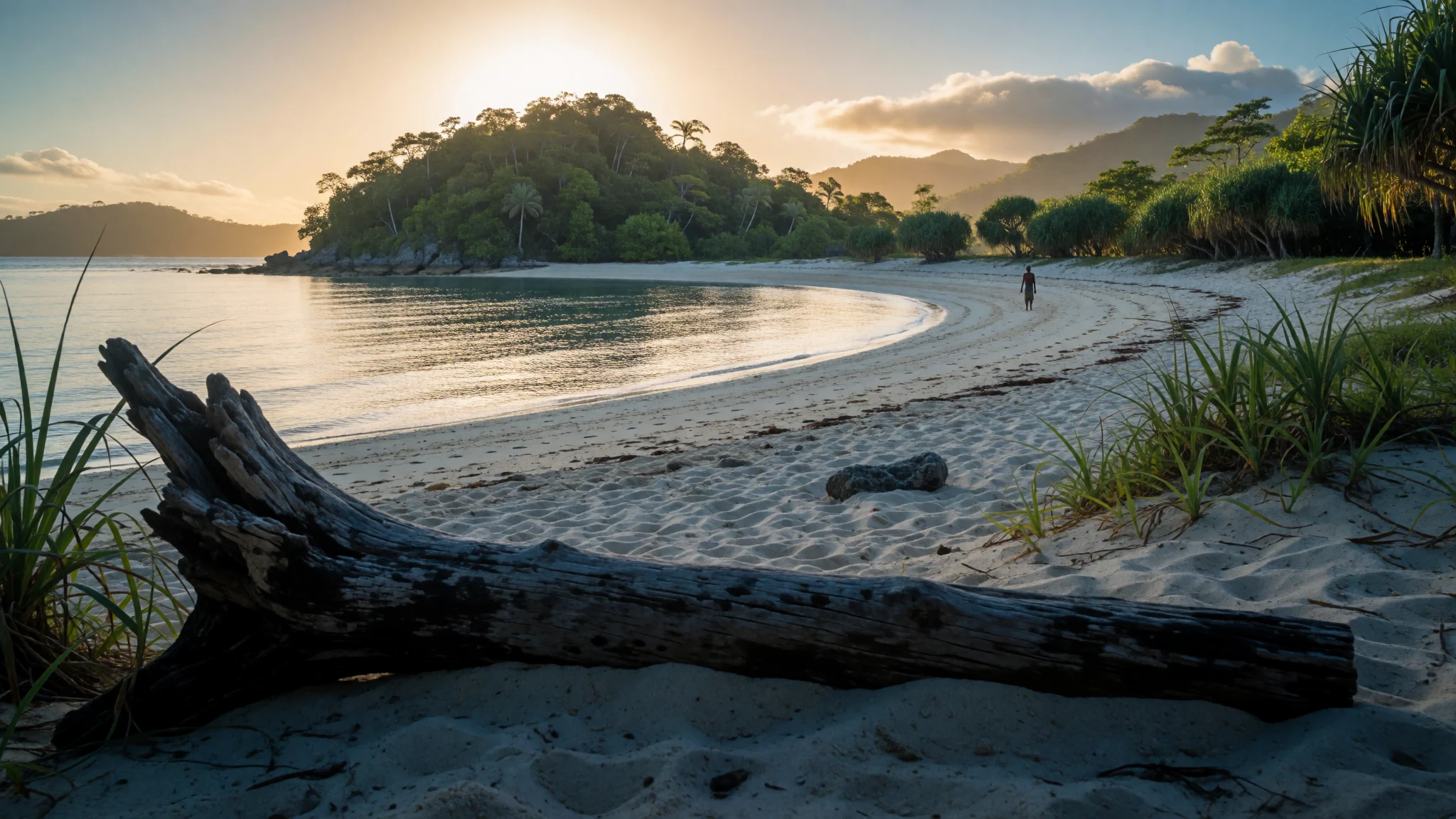
Nino Konis Santana National Park offers white beaches, lowland forest, coral reefs and living Fataluku villages at Timor-Leste's far eastern tip.
The place
Nino Konis Santana National Park occupies the eastern tip of Timor-Leste, and it was set up in 2007 as the country's first national park. It covers 1,236 square kilometres, split between about 68,000 hectares of land and 55,600 hectares of sea. The land is lowland tropical and monsoon forest, with limestone, coastal plains and a few lakes. The sea belongs to the Coral Triangle, a region famed among divers for its coral and reef fish. The park joins several areas that bird conservationists care about: Lore, Mount Paitchau, Lake Ira Lalaro and Jaco Island. Among the birds protected here are the yellow-crested cockatoo, the Timor green-pigeon, the Timor imperial-pigeon and the Timor sparrow. Several are rare, and some are listed as endangered or critically endangered. The park is named after Nino Konis Santana, an independence commander who was born in Tutuala, a village inside its boundary. People live within the park as well as around it, farming, fishing and keeping their ancestral lands, so a visit here is as much about villages and paths as about wildlife. Facilities are simple. Expect small eco-lodges, homestays and guides arranged locally, with long drives on rough roads from the capital, Dili. The pace is slow, the heat is real, and the reward is space: empty beaches, quiet forest and very few other visitors.
Its story
Protection of this corner of Timor came in stages. Part of it was first set aside as a conservation reserve while Indonesia ruled the country. After the vote for independence, the United Nations administration then in charge declared a protected wild area in 2000, joining the Tutuala beach to the forest behind it. That decision treated the five villages and their roughly 15,000 residents, with their ancestral customs, as part of the protected landscape rather than as something to be moved out. The area was classed under the IUCN as a Category V landscape and seascape, a label for places where people and nature are managed as one unit. The idea resembles the cultural landscapes recognised at some World Heritage sites. In 2007 the area became a full national park, the first in the country, and took the name of Nino Konis Santana, a former Falintil commander who was born at Tutuala. His name ties the park to the struggle for independence as well as to conservation. The story here is therefore not only of rare birds and reefs but of a young state choosing to protect land that local communities still use, and of those communities having a say in what happens next.
What to see
- Jaco Island — Tutuala, Lautém
Jaco Island lies just off the eastern tip, reached by a short boat ride from the shore near Tutuala. It is small, sandy and rimmed by clear water, good for snorkelling and for walking the coast. Visitors usually come for the day, and local custom treats the island with reverence.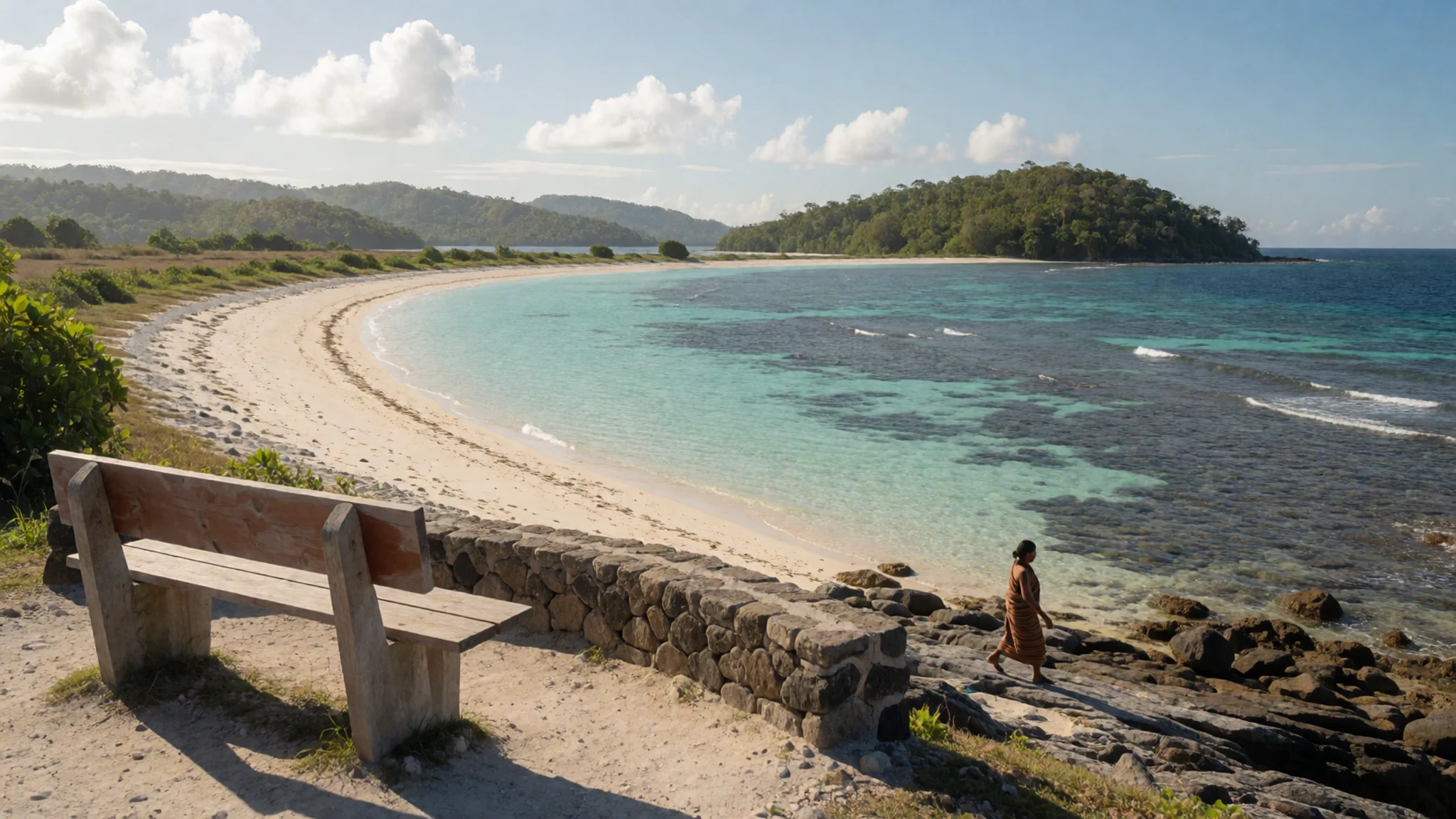
- Tutuala and Valu Beach — Tutuala
Tutuala is the village where Nino Konis Santana was born, set high above the sea. Nearby Valu Beach is a long strip of pale sand with turquoise water below the cliffs. It is a calm place to swim and to see how local families live beside the park.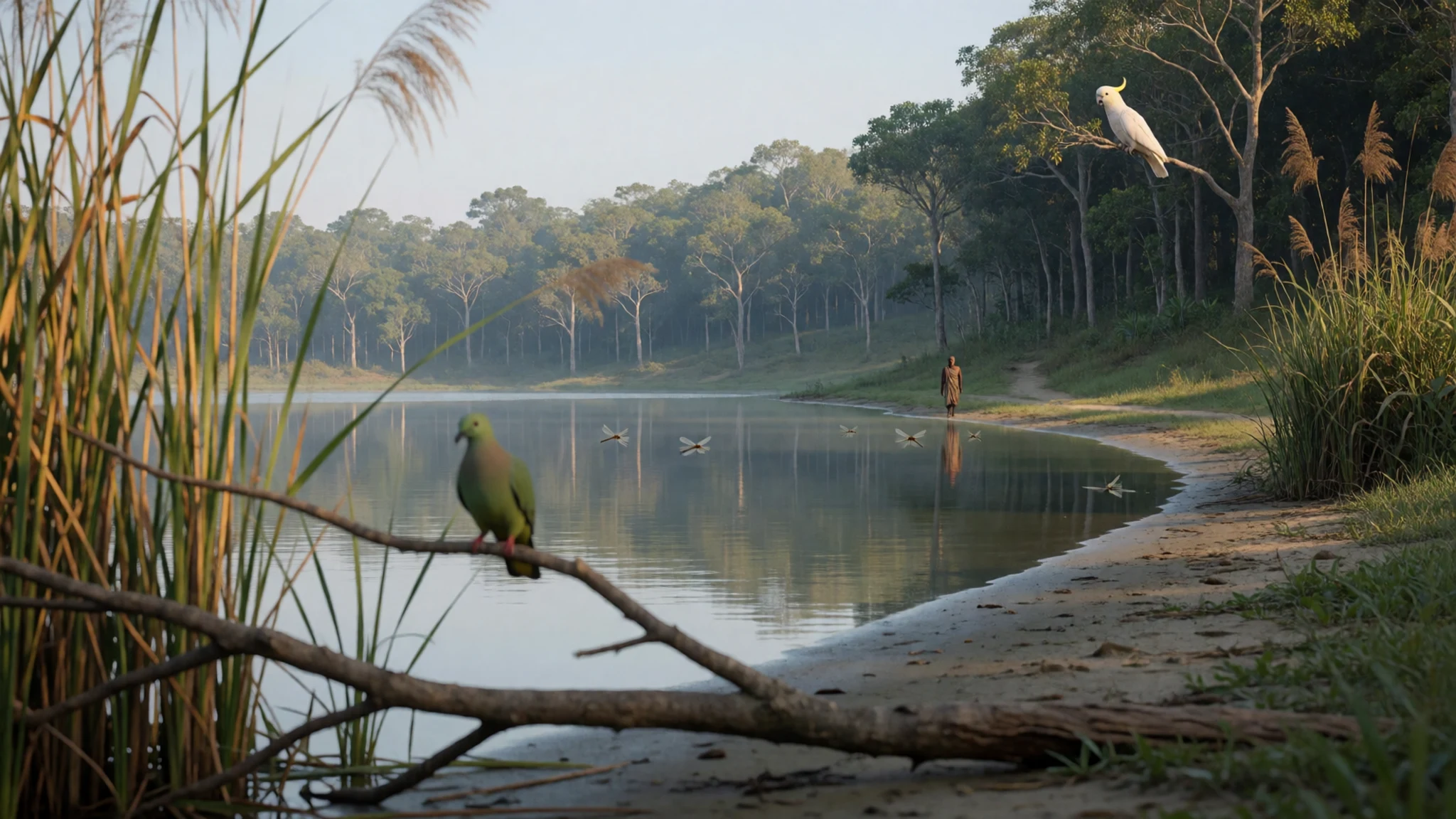
- Lake Ira Lalaro — Lautém interior
Lake Ira Lalaro is a large freshwater lake in the park's interior, with a seasonal floodplain that supports waterbirds and reptiles, including crocodiles. Reaching it takes planning, a local guide and patience on rough tracks. It rewards birdwatchers more than casual sightseers.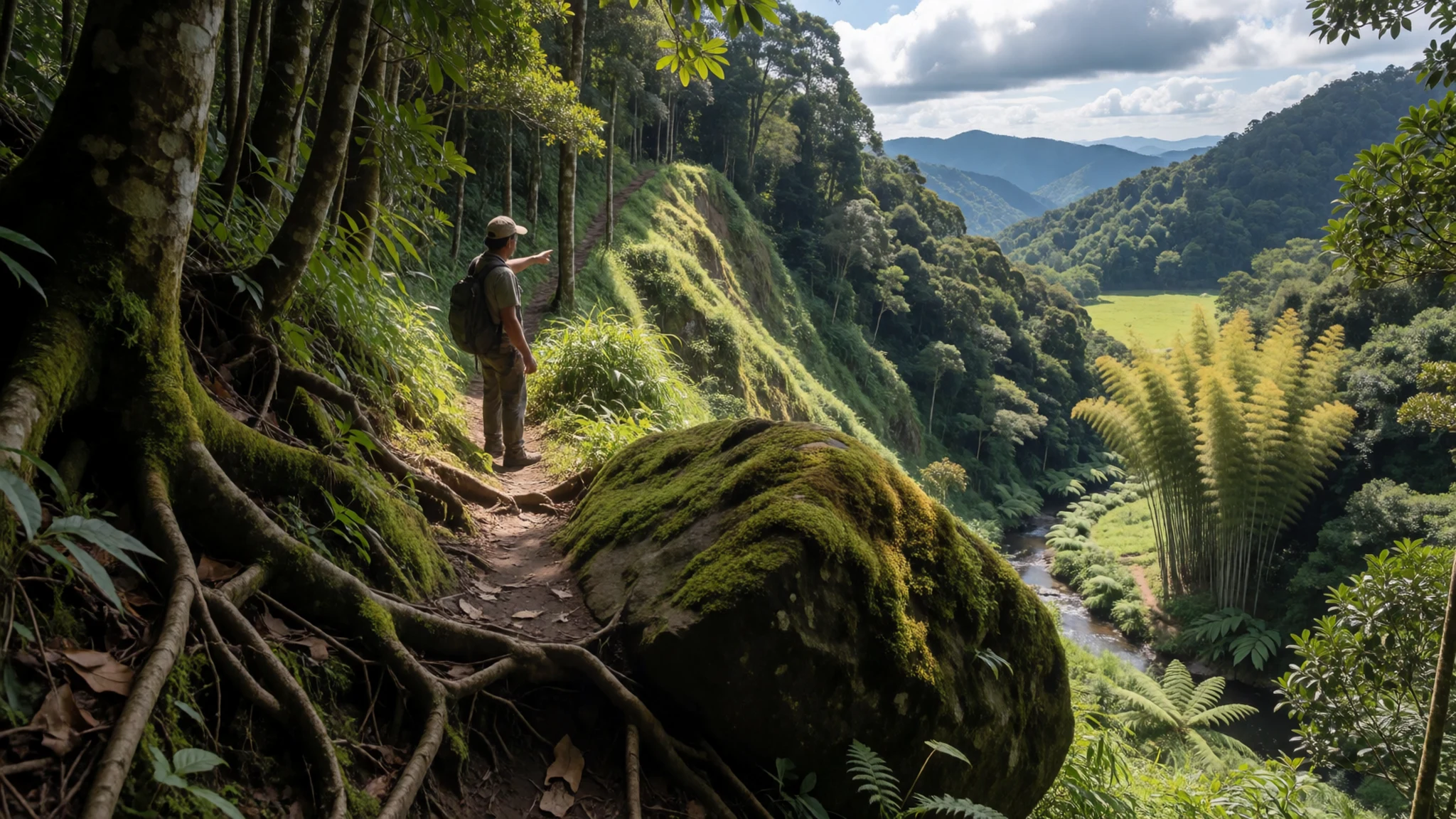
- Lore forest — Lore, Lautém
The forest around Lore holds some of the lowland tropical and monsoon woodland the park was created to protect. Birdwatchers come early for cockatoos and pigeons. Walking with a local guide helps with finding paths, spotting wildlife and showing respect for village land and sacred places.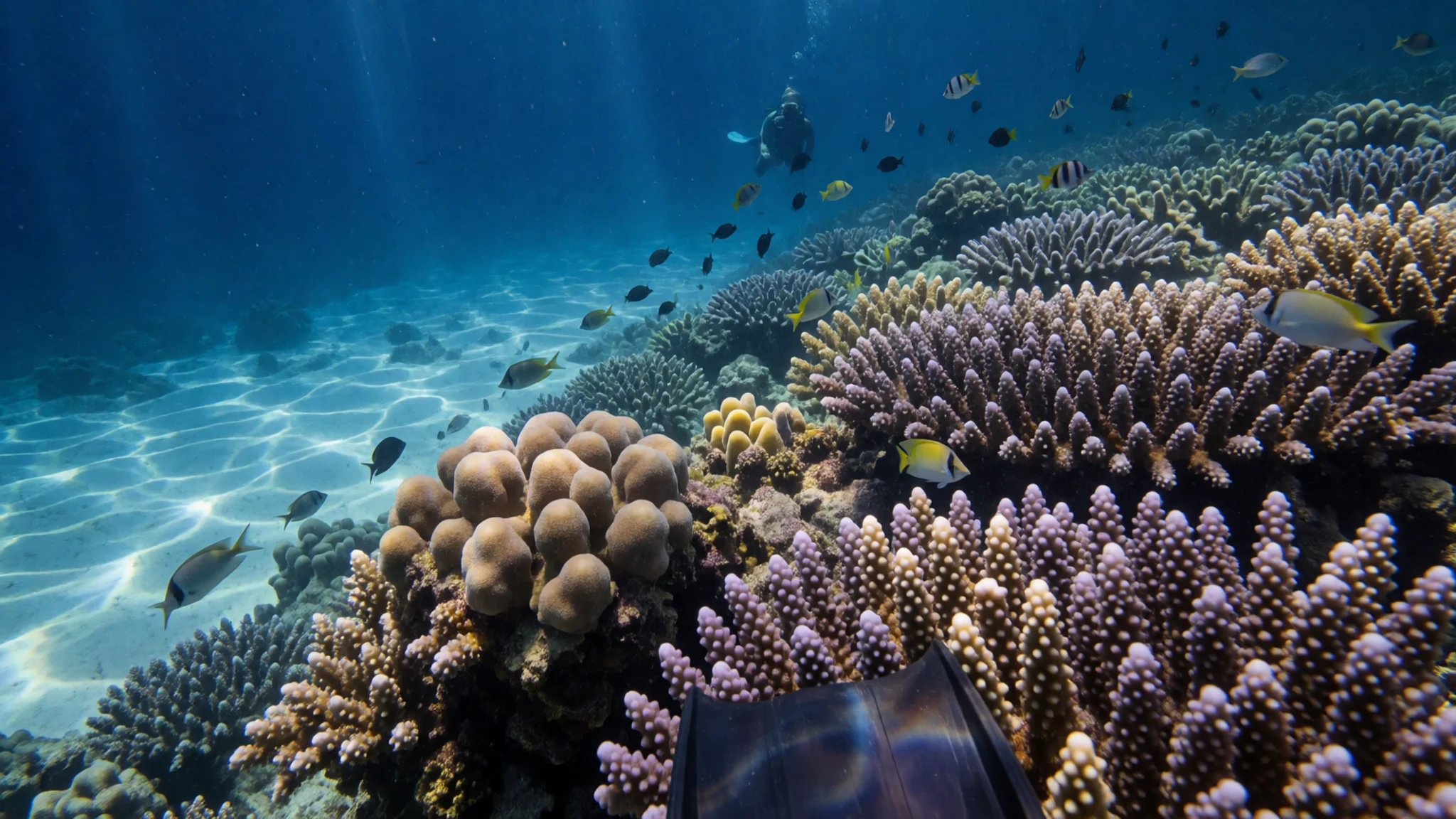
- Coral reefs off the coast — Coast near Tutuala
The park's marine area belongs to the Coral Triangle, and the reefs hold colourful fish and small creatures such as nudibranchs. Diving and snorkelling are arranged through local operators and lodges. Conditions vary with season and sea, so ask locally before booking boats.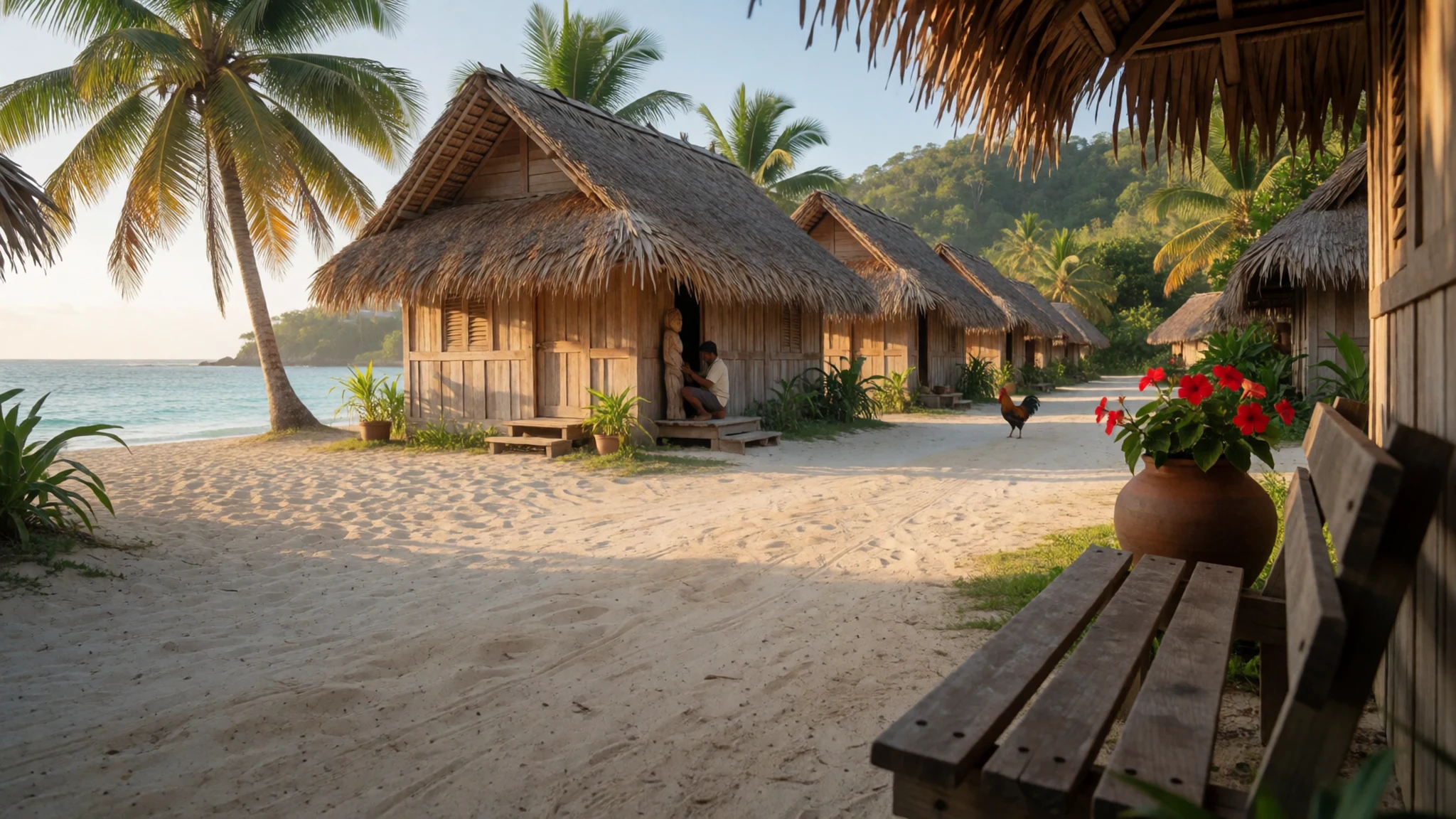
- Mount Paitchau — Lautém
Mount Paitchau is a limestone peak in the park's east, recognised as an important area for birds. The walk goes through dry forest and needs a local guide, sturdy shoes and plenty of water. Heat is the main difficulty, so start at first light and rest at midday.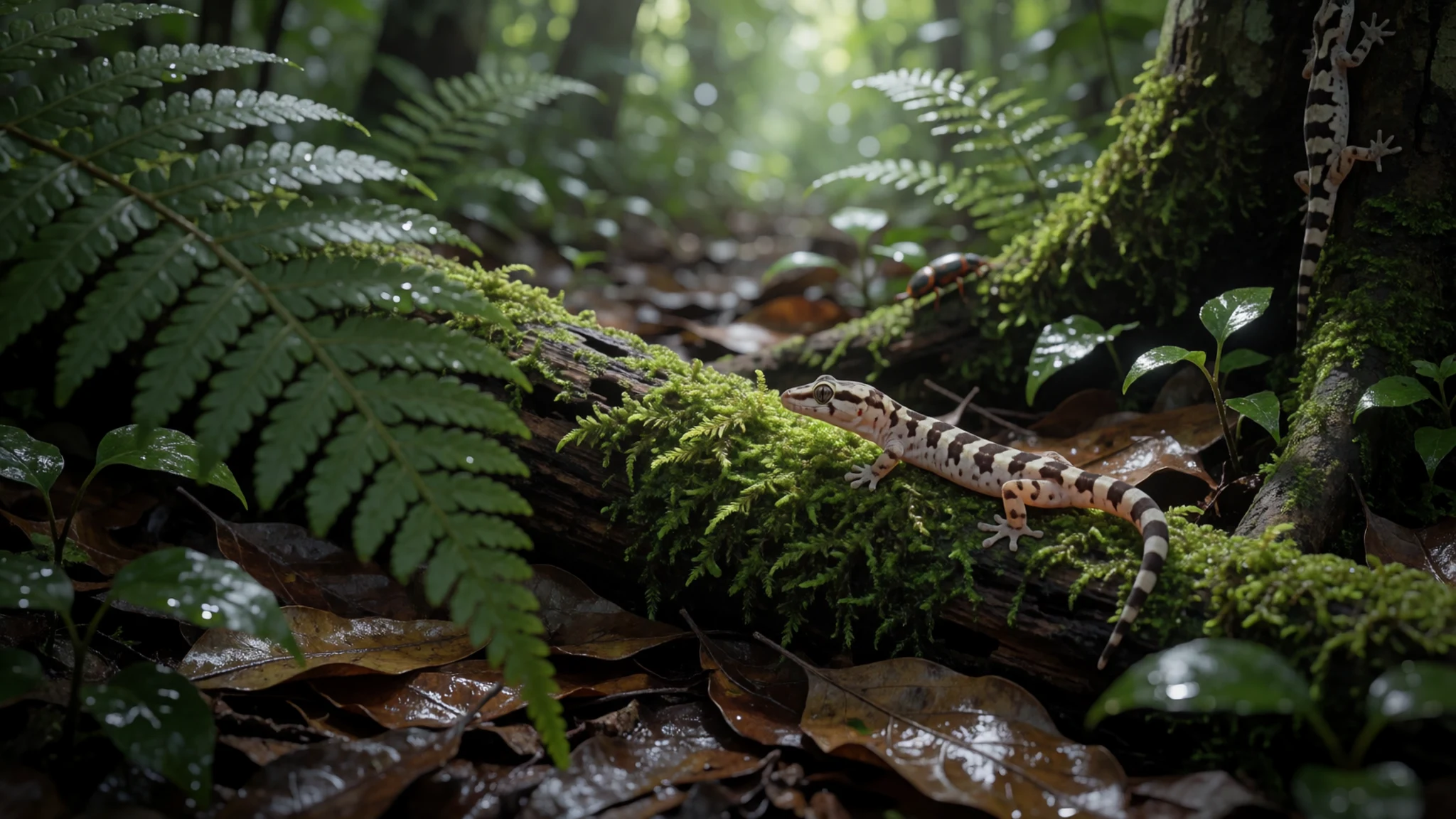
Culture
Nino Konis Santana National Park sits in Lautém, home to the Fataluku people, who have their own language and customs alongside Tetum and Portuguese. Their traditional houses, called lee teinu, are raised wooden buildings with steep roofs, and many families still farm, fish and keep ritual ties to particular places in the forest and on the coast. Some sites are sacred, and village leaders can tell visitors where one may or may not go. The wider country carries heavy memories of the Indonesian occupation, which may have killed up to 200,000 people, about one in five. Many families lost relatives, and the independence struggle is a source of deep pride. Nino Konis Santana himself is honoured as a hero. Speaking warmly of the occupation, or of the idea of Timor-Leste joining Indonesia, will not go down well, though relations between the two countries are friendly today. Some older people recall Portuguese rule with a degree of nostalgia, but politics is best left alone unless someone raises it first. Community-based tourism is encouraged here, which means money from guides, homestays and meals goes directly to villages. Ask before photographing people or houses, and always check with a village elder or your guide before entering any sacred place, forest grove or burial site.
What to wear
Nino Konis Santana National Park lies in Fataluku country, where traditional dress is mostly kept for ceremonies, weddings and funerals. The textile at the centre of it is tais, a hand-woven cloth, usually cotton with dyed patterns, worn as a wrapped skirt, sash or shawl. Patterns differ by region and family, and tais are also exchanged as gifts between families. Men may add ornaments and headwear for formal events, and women may wear beads or gold-coloured jewellery. In daily life, people dress simply for heat and work. Shorts, T-shirts, sarongs, rubber sandals and caps are common, with neat shirts and long skirts or trousers for church on Sundays, since most people are Catholic. Visitors should pack light, quick-drying clothes that cover shoulders and knees, especially in villages and at churches. A wide-brimmed hat, sunglasses and strong sun protection matter on the coast and trails. For forest walks, wear closed shoes with grip, long trousers against thorns and insects, and carry a light rain layer. Sandals suit beaches and boat landings. Swimwear is fine on empty beaches and on boats but should be covered with a sarong or shirt when walking through a village. A tais bought from a weaver makes a respectful souvenir.
What to eat
- Rice with fried fish — Village eateries and homestays near the coast
Rice is the staple of Timor-Leste, and fresh fried fish is a favourite beside it. In the park's coastal villages, the catch comes straight from local boats. Look for it in simple family-run eateries and homestay kitchens.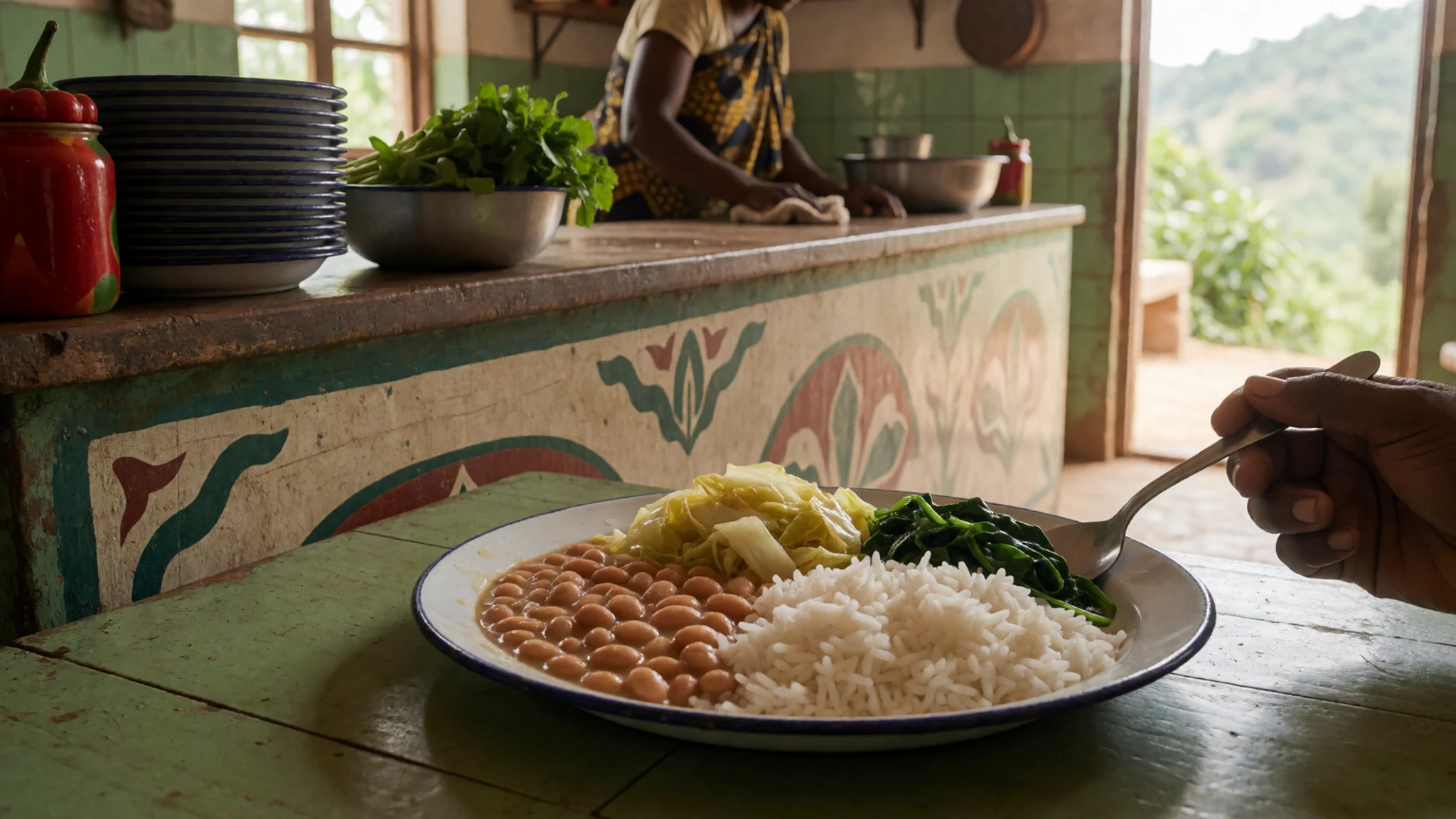
- Chicken curry — Homestays and roadside eateries in Lautém
Curries are a standard dish across the country, and chicken curry is a firm favourite, usually well spiced and served with rice. In the east it appears at homestays and small roadside eateries, often cooked for guests who ask ahead.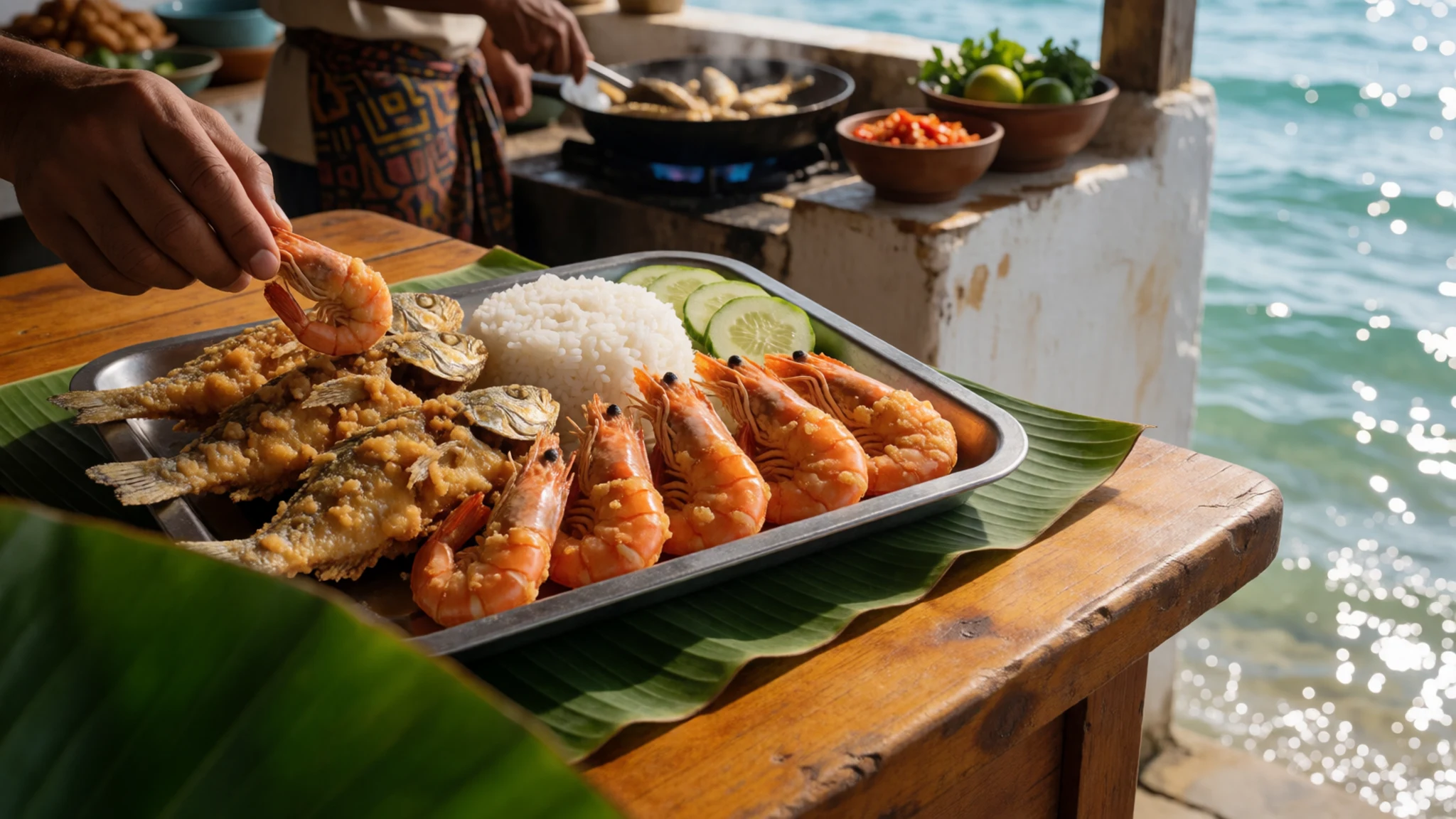
- Fried prawns — Coastal lodges and seaside eateries
Prawns are regarded as a delicacy in Timor-Leste. Near the coast they may be fried simply with garlic and chilli. Availability depends on the catch and season, so ask the host or lodge cook whether any are on offer that day. - Root vegetables and cassava — Village markets and family kitchens
Taro, cassava and sweet potato are widely grown and often boiled or fried beside fish or meat. They are filling food for walkers and appear on home tables and in village markets, along with maize, beans and leafy greens. - Sago and grain dishes — Home cooking in rural villages
Sago and other grains form the main dish for many meals in Timor-Leste, particularly where rice is scarce or in hungrier months. They are plain and filling, often served with vegetables, a spiced sauce or fish. - Tropical fruit — Roadside stalls and village markets
Mangoes, papayas, bananas, watermelons and coconuts are widely grown, and in season they are cheap, fresh and easy to find. Buy them from roadside stalls and village markets, and carry a few for long walks and boat days.
Plan it
Best time. May to October is the drier season, with easier roads, calmer seas for boat trips and better walking conditions. The wet season brings heavy rain, muddy tracks and rougher water, so check road conditions locally before going.
How long. 3–5
Getting there. Fly to Presidente Nicolau Lobato International Airport at Dili, then travel east by road to Lospalos, the main town of Lautém. From there, continue to Tutuala and the park by road, using a local driver or arranged transfer. The journey takes most of a day on rough roads.
Budget. mid
Tips
- Book lodges, homestays and guides ahead through local operators or tourism offices
- Carry enough cash, as cards and cash machines are scarce outside Dili
- Bring drinking water and purification, plus sun protection and insect repellent
- Start walks at dawn to avoid midday heat and see birds
- Check the official visa rules before travelling, as many visitors get a visa on arrival at Dili
Etiquette
- Ask before photographing people, houses or ceremonies
- Take a local guide and ask permission before entering sacred or forest sites
- Avoid raising politics about the occupation unless a local does first
Nearby
Sources
- Wikidata Q1534693 (CC0)
- Wikipedia: Nino Konis Santana National Park (CC BY-SA 4.0)
- Wikivoyage: Timor-Leste (CC BY-SA 4.0)
- Logo of Parque Nacional Nino Konis Santana (Public domain)
- Map of Nino Konis National Park (J. Patrick Fischer) (CC BY 3.0)
- Jaco Island, View From Valu Beach (Andidut) (CC BY 3.0)
- Trimeresurus insularis (Hinrich Kaiser) (CC BY 3.0)
- Asian house gecko (Mark O'Shea) (CC BY 3.0)
- Nembrotha kubaryana (Nhobgood) (CC BY 3.0)
- Krokodil im Parke Nasionál Nino Konis Santana (Public domain)
- Cyrtodactylus santana (Chan et al., ZooKeys 2023) (CC BY 4.0)


