Niigata
Niigata, Japan
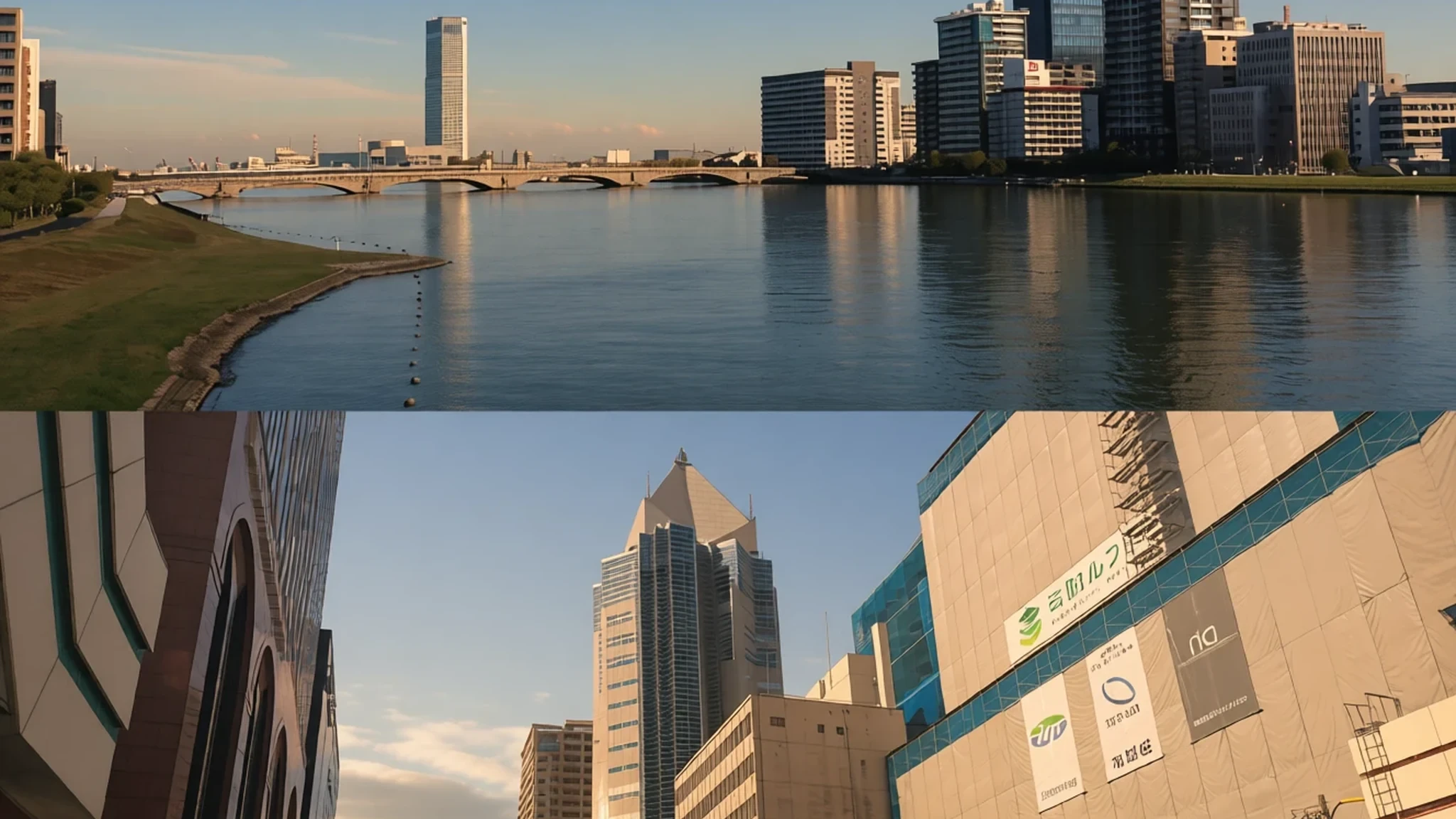
Niigata is a rice-and-sea port city where sake, fresh fish and a living geisha tradition sit beside the wide Shinano River.
The place
Niigata is the capital of Niigata Prefecture and a city of about 790,000 people on Japan's Sea of Japan coast. It sits on a flat, fertile plain facing Sado Island, in the Chūbu region, and it is the only city on Honshu's west coast with government-designated status. That status reflects its size: the municipal area is large, and it takes in farmland, wetlands and coastline as well as the urban core.
Two rivers shape everything here. The Shinano and the Agano both cross the city, and the Shinano in particular gives the centre its character: wide water, long bridges, and a skyline that opens out rather than closing in. Wetlands such as Fukushimagata lie inside the city limits, which surprises visitors expecting only concrete.
The centre divides roughly into two moods. Bandai, on the station side of the river, is the modern commercial district of shopping complexes, hotels and convention buildings. Furumachi, across the water, is the older entertainment quarter, with narrow lanes, tea houses and small bars.
Niigata is better known for its rice than for sightseeing, and that is part of its appeal. It is a working regional city, not a tourist set. Winters are grey and snowy, summers are warm and humid, and the best days to wander are the clear ones when the sea light is bright and the river is calm. Expect few foreign visitors and plenty of unhurried, local-feeling places to eat.
Its story
People have lived around Niigata since the Jōmon period, though much of today's land was then still under the sea. The Nihon Shoki records a fortress in the area in AD 647, and finds at the Furutsu Hachimanyama Site show early settlement. When rice farming arrived in the Yayoi period, the Echigo Plain began turning into farmland, and over the centuries it became one of Japan's leading rice regions. That is the root of Niigata's reputation as the country's rice capital.
The port itself took shape in the 16th century, at the mouth of the Shinano River. A second port town, Nuttari, grew at the mouth of the Agano. In 1598 Uesugi Kagekatsu was ordered by Toyotomi Hideyoshi to move to Aizu, and the two ports passed to neighbouring domains: Niigata to the Nagaoka Domain and Numatari to the Shibata Domain.
In the 17th century a network of canals was dug through the port's downtown. Meanwhile the two rivers slowly shifted course until both emptied into the sea at the same spot, which changed the shape of the harbour and the land around it. Trade made the port prosperous, and that wealth fed the entertainment culture that survives in Furumachi.
The city's modern administrative form dates from 1889, when it was formally founded as a municipality. Since then it has grown by absorbing surrounding towns and villages, which explains its enormous area and the mix of farmland and city within its borders.
What to see
- Bandai Bridge (Bandaibashi) — Central Niigata, over the Shinano River
Bandai Bridge crosses the Shinano River and is the city's best-known landmark. It was built in 1929 on the site of the first bridge across the river, and is a nationally designated Important Cultural Property. Walk across at dusk, when the arches and the river light make a good, easy first outing.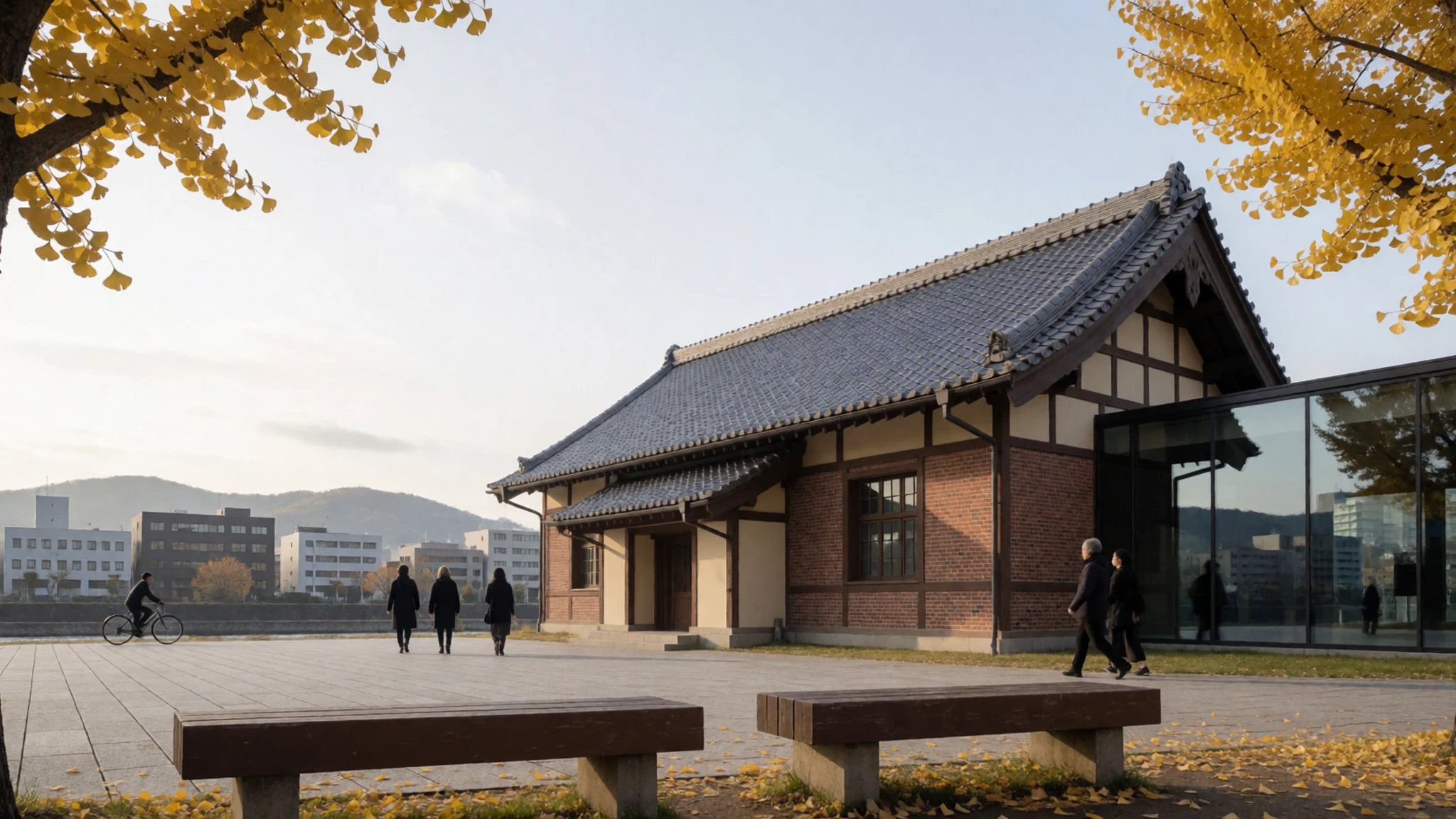
- Minatopia – Niigata City History Museum — Harbour area, near the river mouth
Minatopia covers the history and culture of Niigata as a port. It includes the old customs government building, which is worth seeing in its own right. Audio guides are available in English, Korean and Russian, which helps if you read no Japanese. Check the city website for opening details.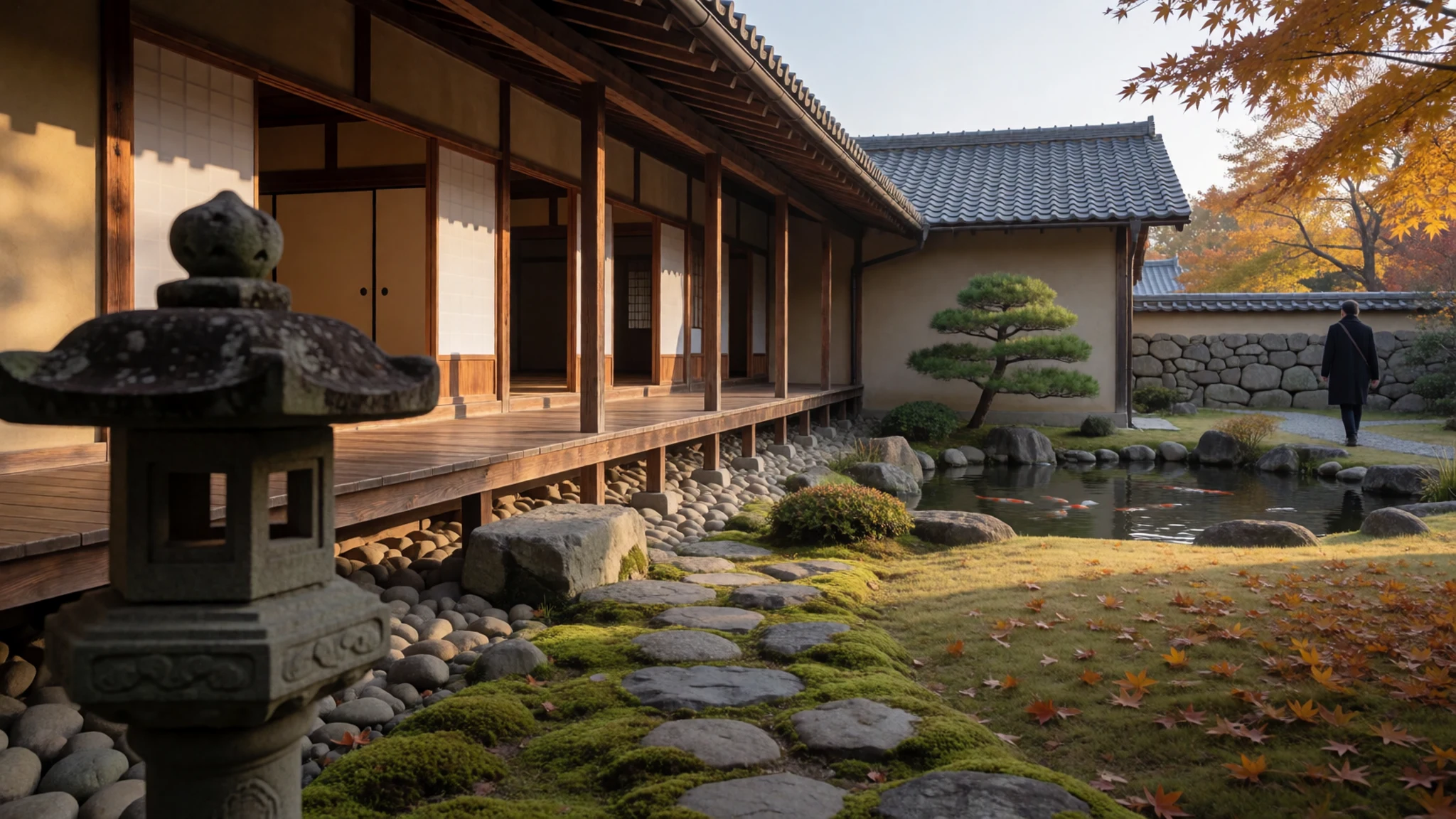
- Toki Messe observation deck — Bandaijima waterfront
Toki Messe is a modern convention complex, and the observation deck on its top floor gives a wide panorama over the city, the river and the plain. It is a good place to grasp how flat and open Niigata is. Go on a clear day, since winter cloud can hide the view.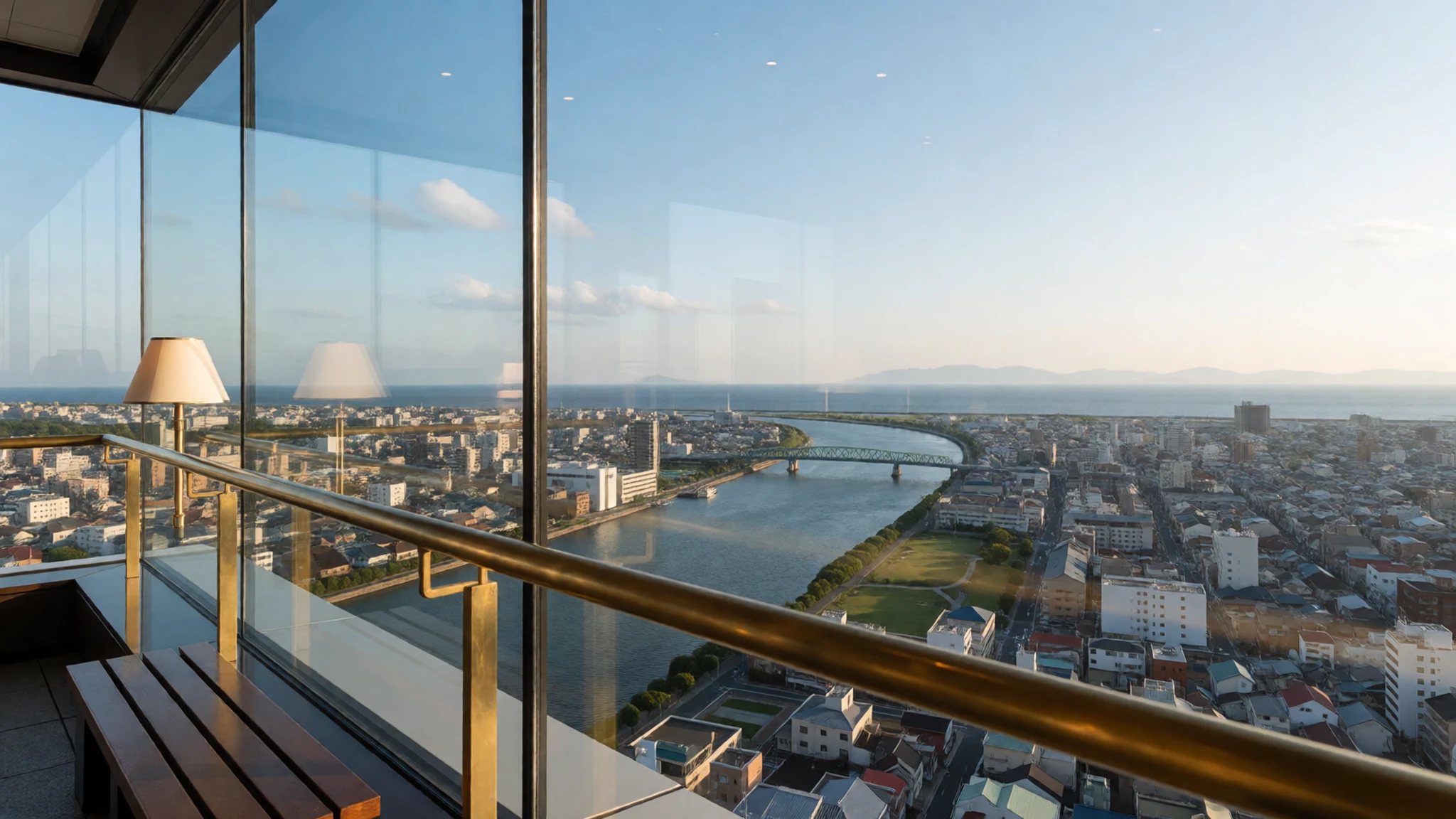
- Northern Culture Museum — South of the city centre
This museum occupies the house of a wealthy landowning family, built between 1885 and 1887. It is a cluster of buildings with gardens, and it holds paintings, sculpture and documents from the family's households. There are cafes and eateries on site. It lies south of the centre, so allow travel time.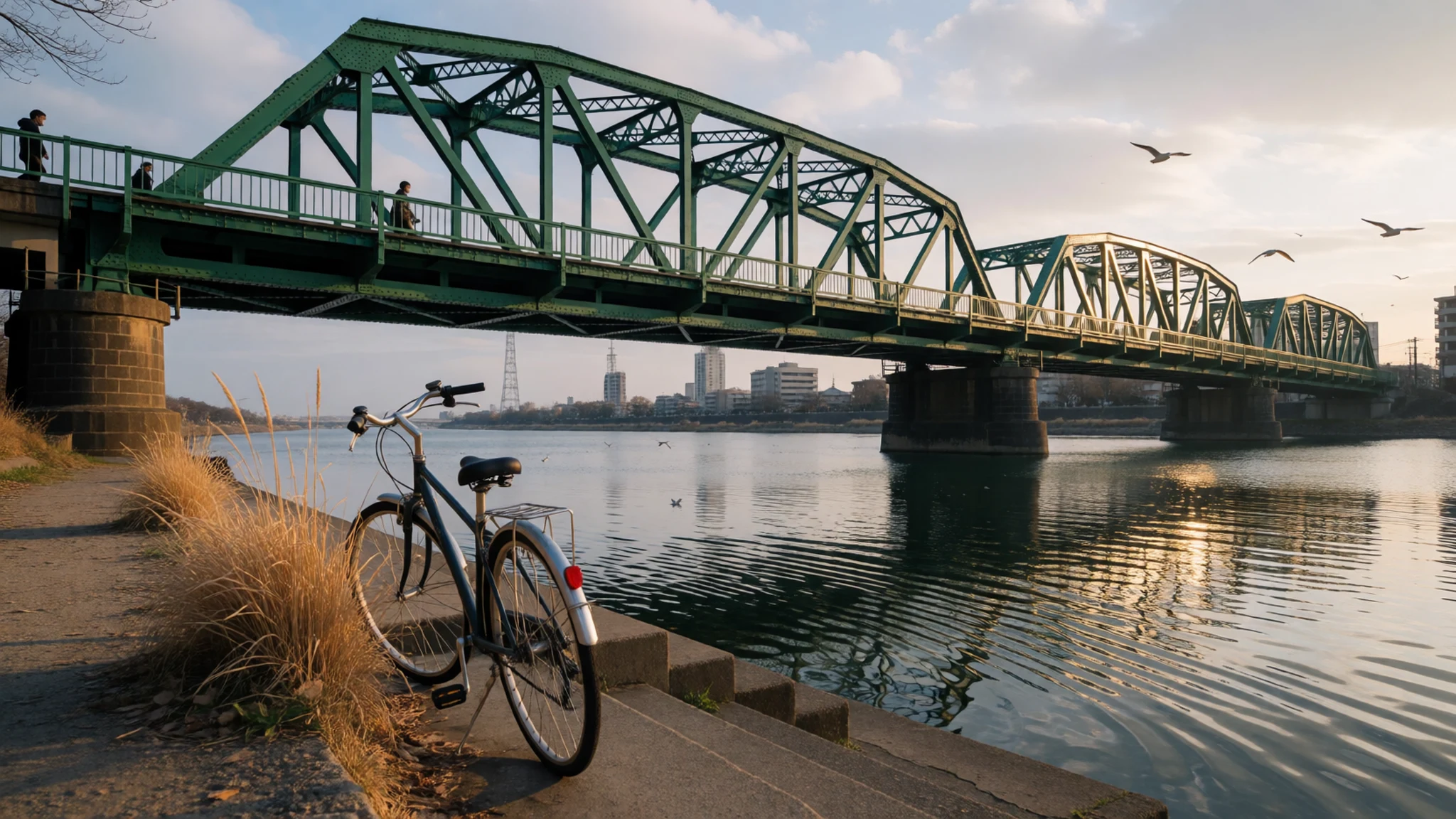
- Shinji Mizushima Manga Street — Central Niigata, near the station side
A short street in the central district lined with bronze statues of characters from Shinji Mizushima's baseball manga. It is playful and free to walk, and it ties into Niigata's wider manga culture, which also appears in the city's comic market and manga competition.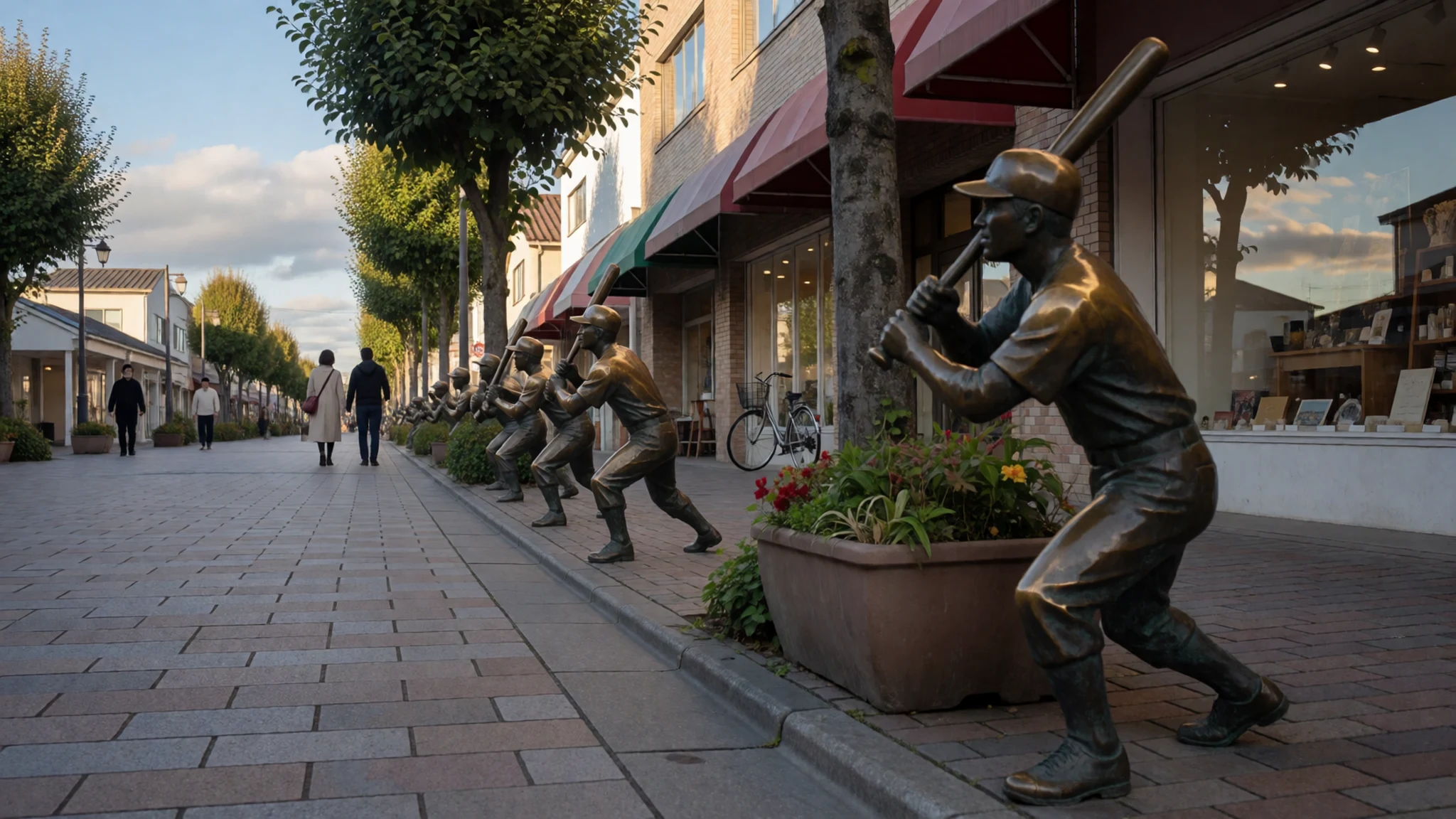
Culture
Niigata has had its own geisha tradition for over 200 years, dating to the Edo period. It grew out of the port's prosperity, when merchants and travellers needed places to be entertained. Local geisha are called geigi, and the tradition continues today. Most ochaya, the traditional tea houses where they perform, are in the Furumachi neighbourhood, with the Nabechaya among the best-known names.
Rice shapes daily life as much as the arts do. The prefecture is known across Japan for its rice and, by extension, for the sake and rice-based foods made from it, and local pride in the harvest is strong. Meals, gifts and seasonal customs often turn on it.
The festival calendar runs through the year. The Niigata Festival is held every August and is the main summer event. There is also the Kambara Festival and the Kurosaki Festival, while the Niigata Comic Market and the Niigata Manga Competition reflect the city's strong manga identity, which you can also see on the street statues in the centre.
Niigata is a courteous, quiet city, and people are patient with visitors who do not speak Japanese. A smile and a few polite phrases go a long way. Many small bars and eateries are tiny and regulars-only in feel, so a calm, respectful manner matters more than fluency.
When you are invited into a tea house or small bar, follow the staff's lead, keep your voice low, and ask before photographing any geigi or other guests.
What to wear
Niigata's traditional dress is the kimono, and the city's geigi still wear it for engagements in Furumachi. Kimono are made of silk, with obi sashes tied at the back, and are worn formally at tea-house performances, festivals and weddings. Prefecture-wide, Niigata is also associated with textile making, including fine woven cloth, though you will mostly see it in museums and shops rather than on the street.
Day to day, people dress as in most Japanese regional cities: neat, practical and understated. Office workers wear dark suits, younger people favour casual layers, and in winter everyone is in long coats, boots and scarves. In summer, light cotton and linen are common, and many people carry a small towel and a parasol against the humidity. During the August festival you may see yukata, light cotton summer kimono, worn by locals of all ages.
For a visitor, the key factor is weather. Winters are cold, damp and snowy, so bring a warm waterproof coat, a hat and shoes with good grip for wet pavements. Summers are warm and humid, so wear breathable fabrics and carry a light rain layer. Spring and autumn are comfortable with layers.
There is no strict dress code in the city. At shrines and temples, dress modestly with covered shoulders and knees, and wear shoes that are easy to slip off, since you will often remove them at doorways and in tea houses.
What to eat
- Niigata rice and Koshihikari — Any local eatery, rice shop or station food hall
Niigata is famous for its rice, and the Uonuma Koshihikari variety is often praised by locals. Eat it plain, in a set meal or as onigiri, and notice the texture and sweetness. It is the base of everything else here.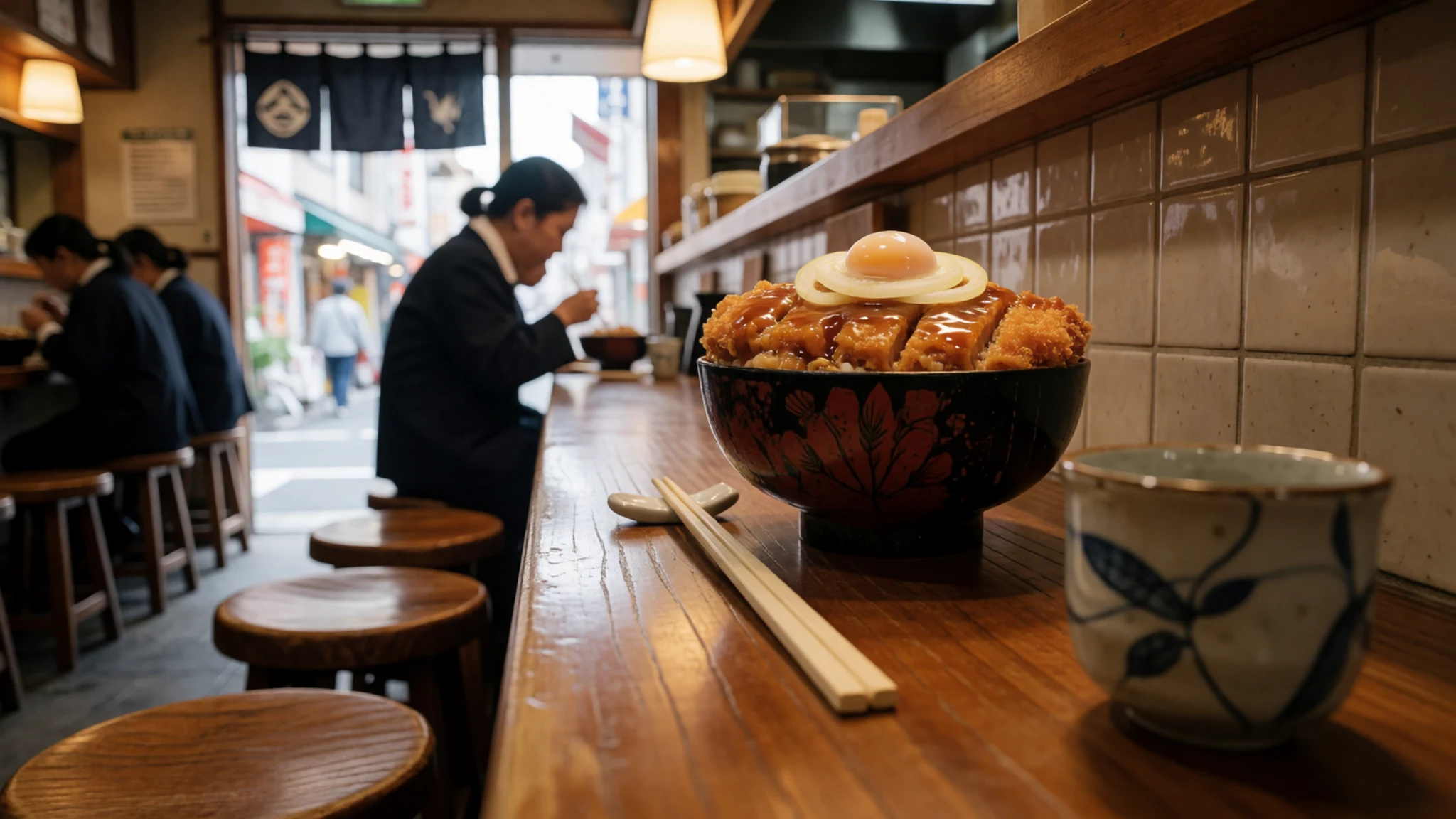
- Tare katsudon — Casual eateries in the central district
A Niigata take on katsudon: a crisp pork cutlet dipped in a sweet soy-based sauce and served over rice, rather than set in egg. It is filling, inexpensive and common at casual eateries around the centre.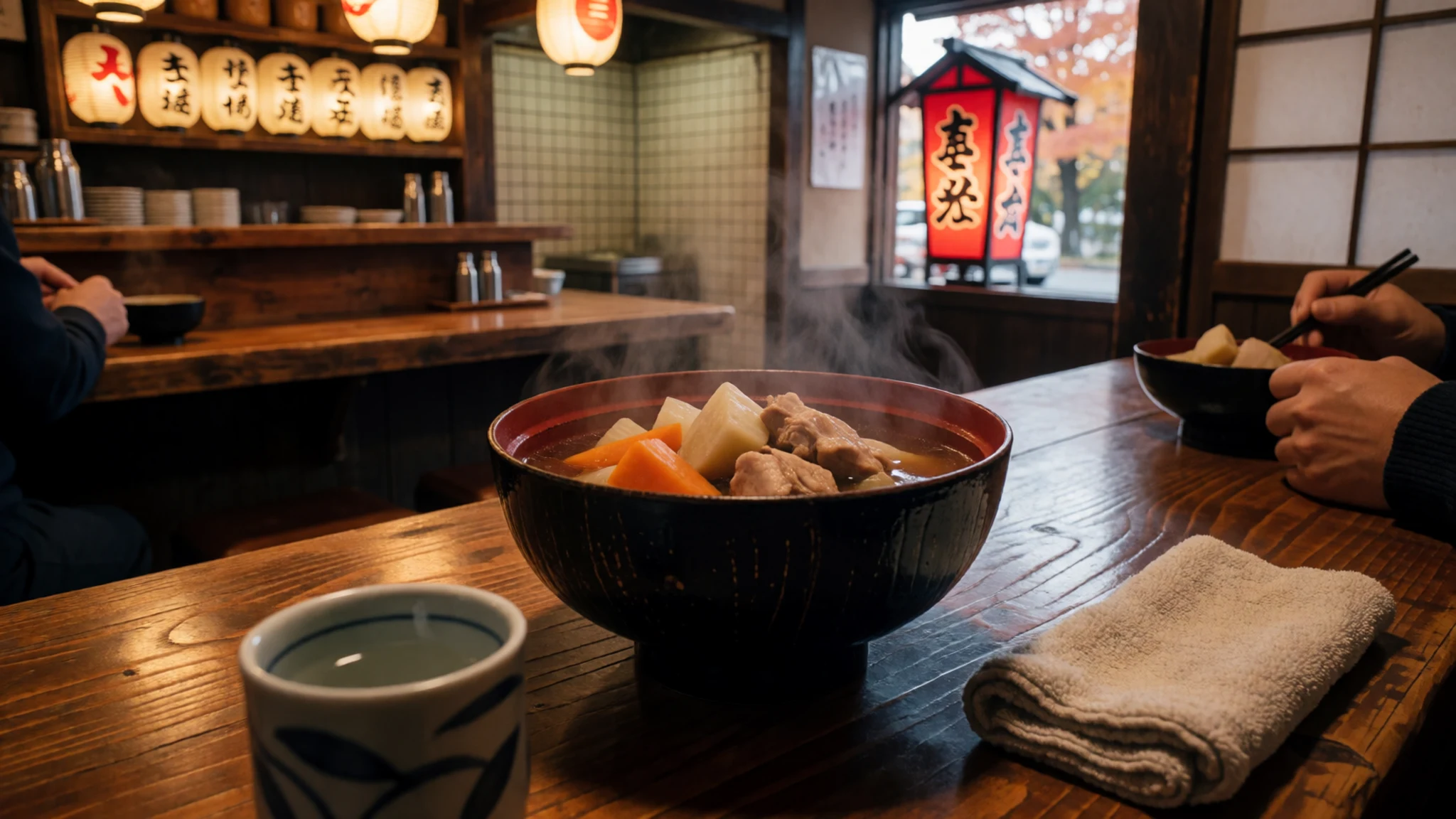
- Noppe stew — Traditional eateries and izakaya
A comforting local stew of root vegetables and other ingredients simmered in a mild, slightly thick broth. It is a home-style dish, often served at New Year and in winter, and is found at traditional eateries and izakaya. - Wappa-meshi — Seafood and regional-cuisine restaurants
Seafood and rice steamed together in a round bamboo-wood container, which gives the dish a gentle aroma. It reflects the city's coastal side, with fish and shellfish over rice. Try it at a seafood or regional-cuisine restaurant. - Sasa dango — Station shops, souvenir counters and sweet shops
A mochi rice dumpling flavoured with mugwort and filled with sweet red bean paste, then wrapped in bamboo leaves. Unwrap it slowly and enjoy the herbal scent. It is a popular souvenir and snack, and keeps its shape well for carrying. - Sushi and fresh fish — Sushi counters near the station and the harbour
Because the city faces the Sea of Japan, sushi here relies on very fresh local fish. Sitting at a counter is the best way to eat it, and the chef will often suggest seasonal choices. Ask politely and let them guide you.
Plan it
Best time. May–June and September–October, when the weather is mild and the days are clear. Summer is warm and humid, and winter brings cold, grey, snowy weather from the Sea of Japan.
How long. 2–3
Getting there. Niigata has its own airport and is also reached by Shinkansen from Tokyo. From Osaka or Kyoto it is about five hours with a change in Tokyo. From Kanazawa or Toyama, take the Shinkansen to Jōetsu-myōkō, then a limited express. Check the official site for current timetables.
Budget. mid
Tips
- Check the city website (https://www.city.niigata.lg.jp/) for museum opening details before you go
- Carry some cash for small eateries, bars and shops
- Go up Toki Messe on a clear day for the best view
- Pack a waterproof layer in any season, as rain and snow are common
- Visit Furumachi in the evening for the atmosphere of the old entertainment quarter
Etiquette
- Remove your shoes where there is a step up or slippers are provided
- Ask before photographing geigi or people in small bars
- Keep your voice low in tea houses and on trains
Nearby
Sources
- Wikidata Q179691 (CC0)
- Wikipedia: Niigata (city) (CC BY-SA 4.0)
- Wikivoyage: Niigata (CC BY-SA 4.0)
- Photo: Niigata from Bandaijima Building (皓月旗) (CC BY-SA 4.0)
- Photo: Bandaibashi Bridge (DAI-nk) (CC BY 3.0)
- Photo: Old Niigata Customs Government Building (663highland) (CC BY 3.0)
- Photo: Minatopia (Niigata City) (CC BY-SA 2.1 jp)
- Photo: Niigata Prefectural Government Memorial Hall (DAI-nk) (CC BY 3.0)
- Photo: Bandai City panorama (Agakambara) (CC BY-SA 4.0)
- Photo: Central city area panorama (DAI-nk) (CC BY 3.0)
- Photo: Next21 (Sengoku40) (CC BY 3.0)


