Mount Fuji
Mount Fuji, Japan
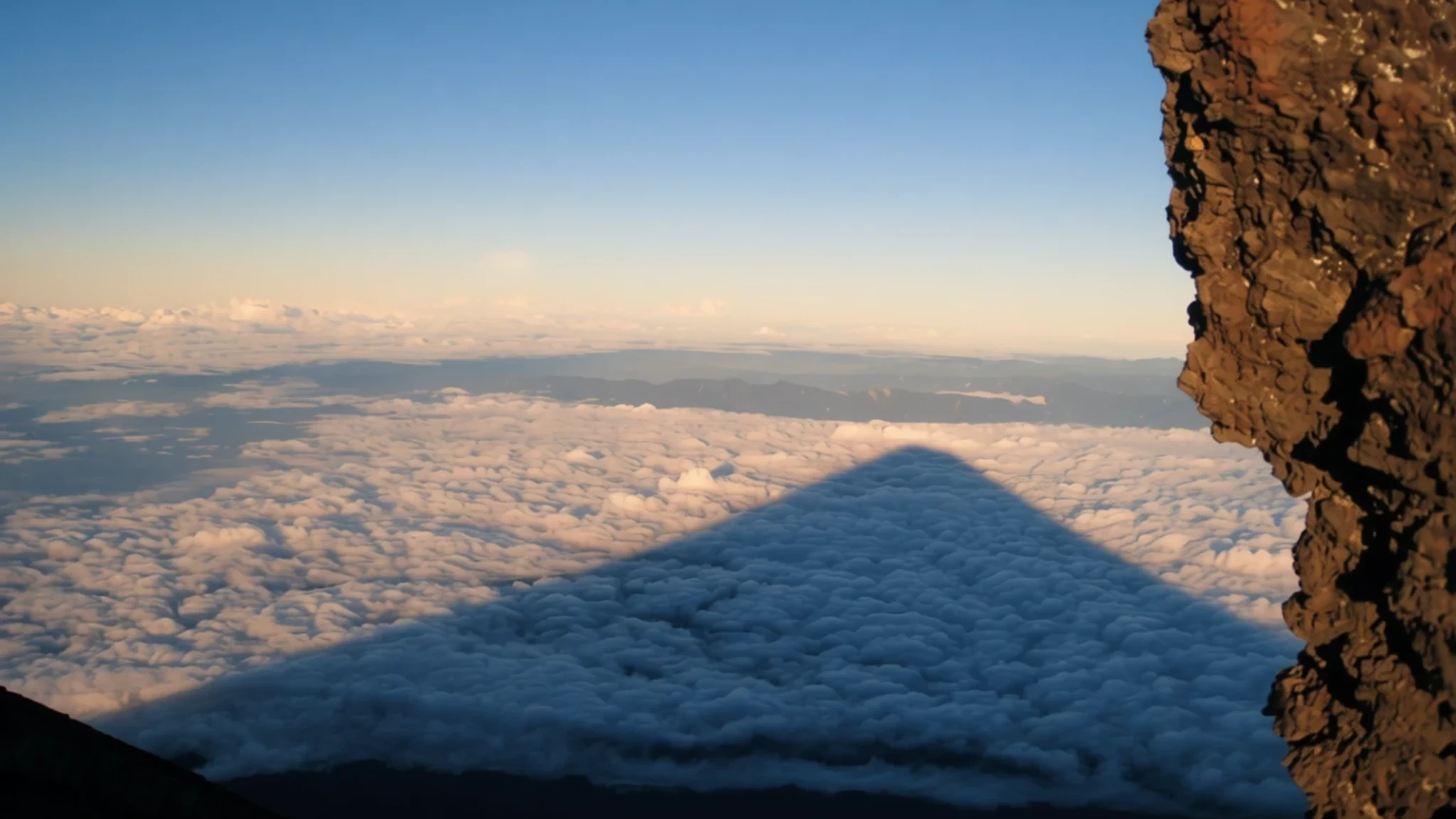
Mount Fuji is an iconic symmetrical stratovolcano that has inspired pilgrims, artists, and climbers for centuries across Japan.
The place
Mount Fuji stands as an active stratovolcano situated on the Japanese island of Honshu. Reaching a summit elevation of 3,777 metres, it holds the title of the highest mountain in Japan and ranks among the most prominent island peaks on Earth. Positioned roughly 100 kilometres southwest of Tokyo, the peak emerges on clear days with an exceptionally symmetrical cone shape that remains cloaked in snow for several months of the year. The mountain spans Yamanashi and Shizuoka Prefectures and forms one of the nation's most treasured cultural symbols, deeply woven into the national identity.
Surrounding the base are forested slopes, volcanic plateaus, and a ring of tranquil water bodies known as the Fuji Five Lakes. The terrain varies from ancient lava tubes and rugged scrubland to the barren, windswept volcanic ash of the upper slopes. Because weather conditions change rapidly at high altitude, the peak is frequently wreathed in heavy clouds and mist, often hiding the summit from view even for travellers standing directly at its feet. This elusive nature adds to the reverence with which visitors and locals alike regard the mountain throughout the changing seasons.
Its story
Mount Fuji has occupied a central place in the cultural and spiritual life of Japan since ancient times, revered as a sacred sanctuary. In medieval centuries, it was celebrated as the principal mountain of the known world, drawing countless pilgrims to its hallowed slopes. Its summit was long regarded as sacred ground and remained forbidden to female visitors until a government edict in 1872 formally abolished such restrictions, following earlier pioneering ascents by determined women. Artists through the ages have captured its distinctive silhouette, most notably during the Edo period when travellers caught sight of its snowy crown while journeying along the busy Tōkaidō road.
Beyond spiritual pilgrimage and artistic inspiration, the lower reaches served practical and martial purposes. Ancient samurai utilised the remote terrain around the base for rigorous military training and equestrian archery contests held by early shōguns. Foreign exploration of the heights began in earnest during the nineteenth century, when international diplomats and travellers first recorded their arduous treks to the crater rim. Today, the mountain's enduring legacy is recognised globally, drawing modern hikers who follow in the footsteps of centuries of seekers.
What to see
- Gotemba — Southeastern base
Situated near the lower southeastern slopes of Mount Fuji, this district provides wide, unobstructed vistas of the volcanic cone on clear days. It serves as a popular staging ground for travellers approaching from the south and offers clear angles for photography away from the northern lake crowds.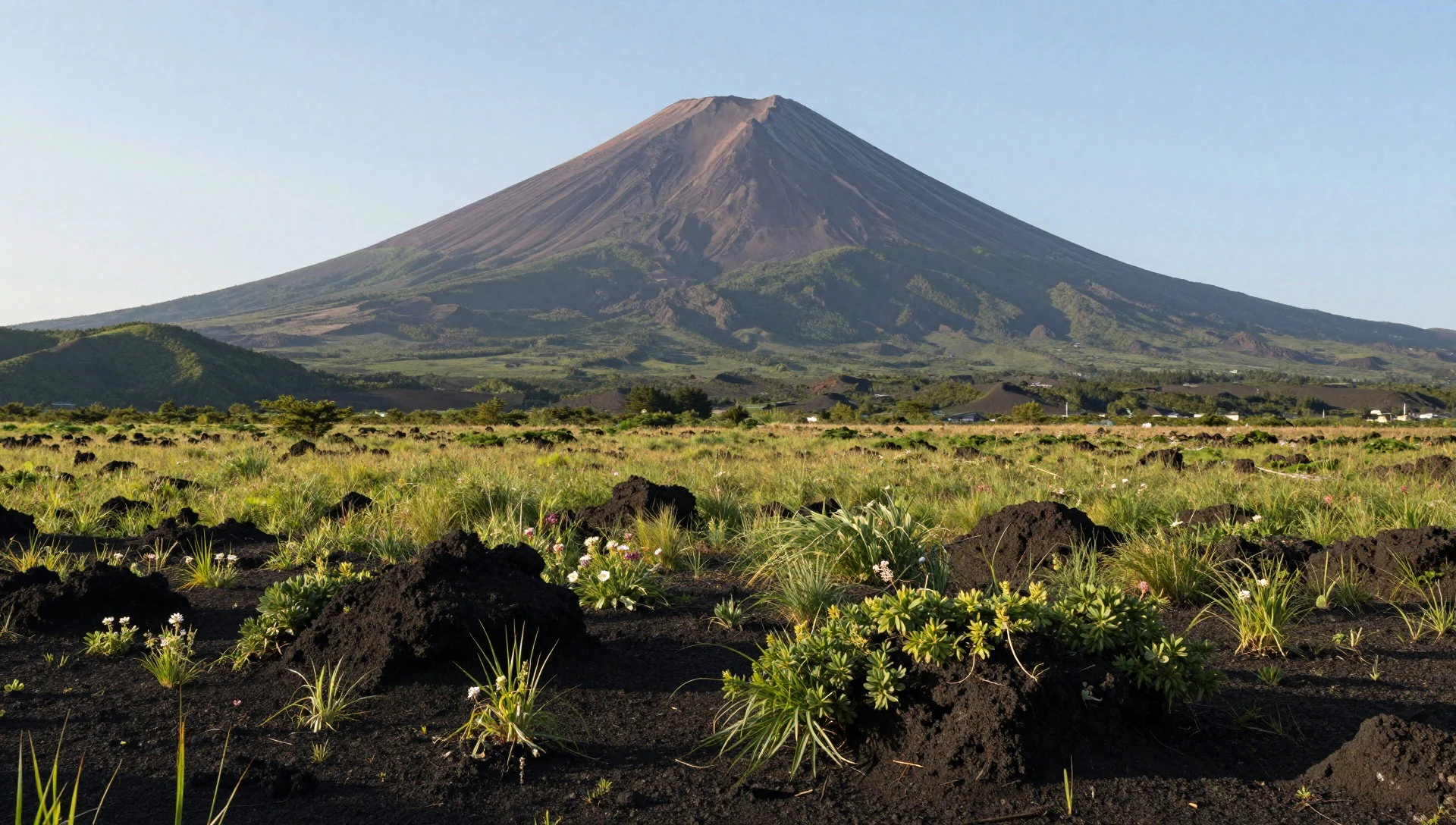
- Fujinomiya — Southwestern base
Located along the southwestern approach, this city is easily reached by train from Nagoya or Kyoto via Shizuoka. It houses important historical shrines associated with mountain worship and provides a traditional starting point for climbers tackling the southern routes up the volcano.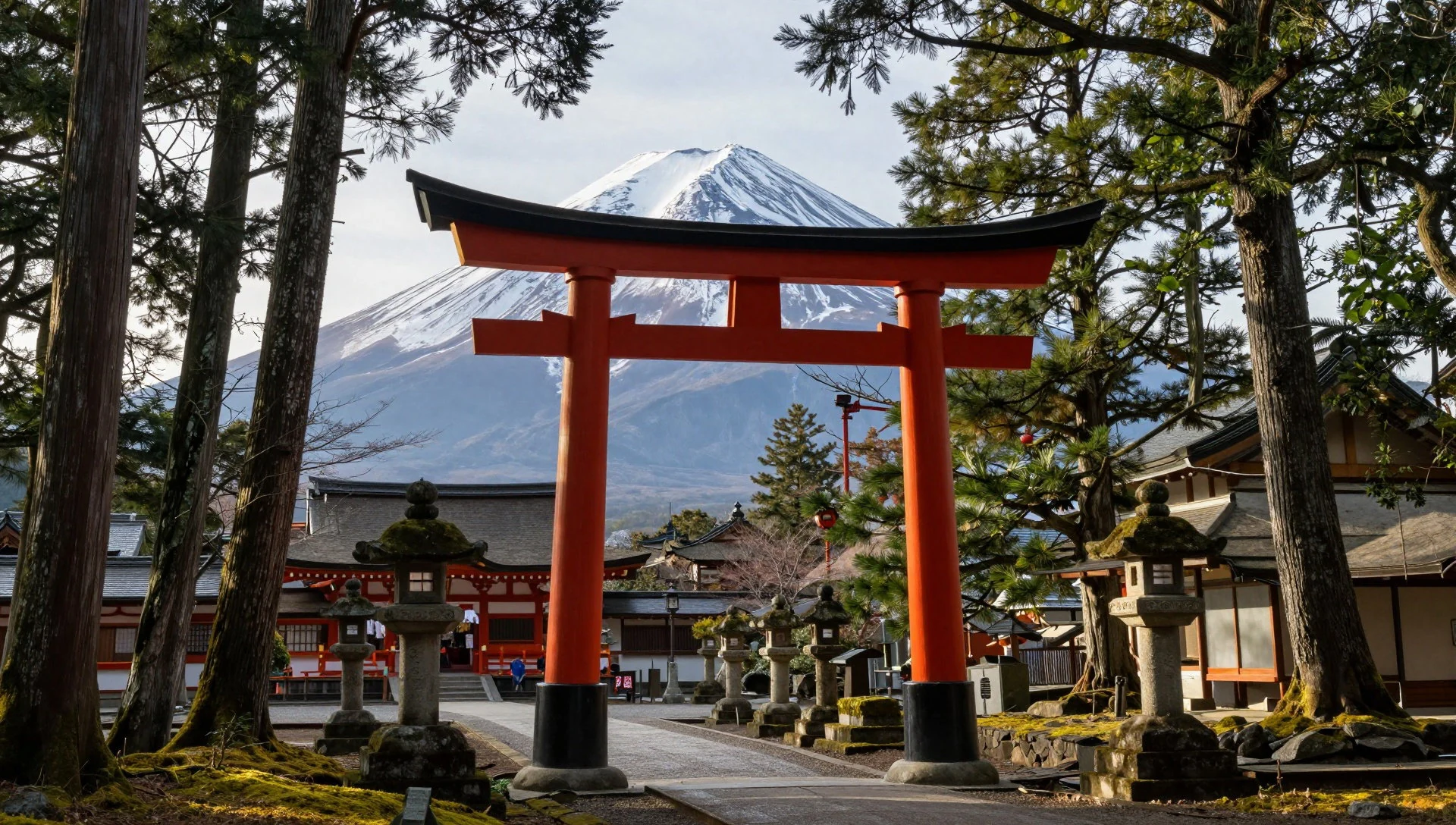
- Lake Shōji — Fuji Five Lakes
The smallest of the northern lakes, this serene body of water offers picturesque reflections of the mountain across undeveloped shorelines. Its quiet atmosphere makes it a favoured spot for landscape photographers seeking unobstructed views undisturbed by heavy commercial development.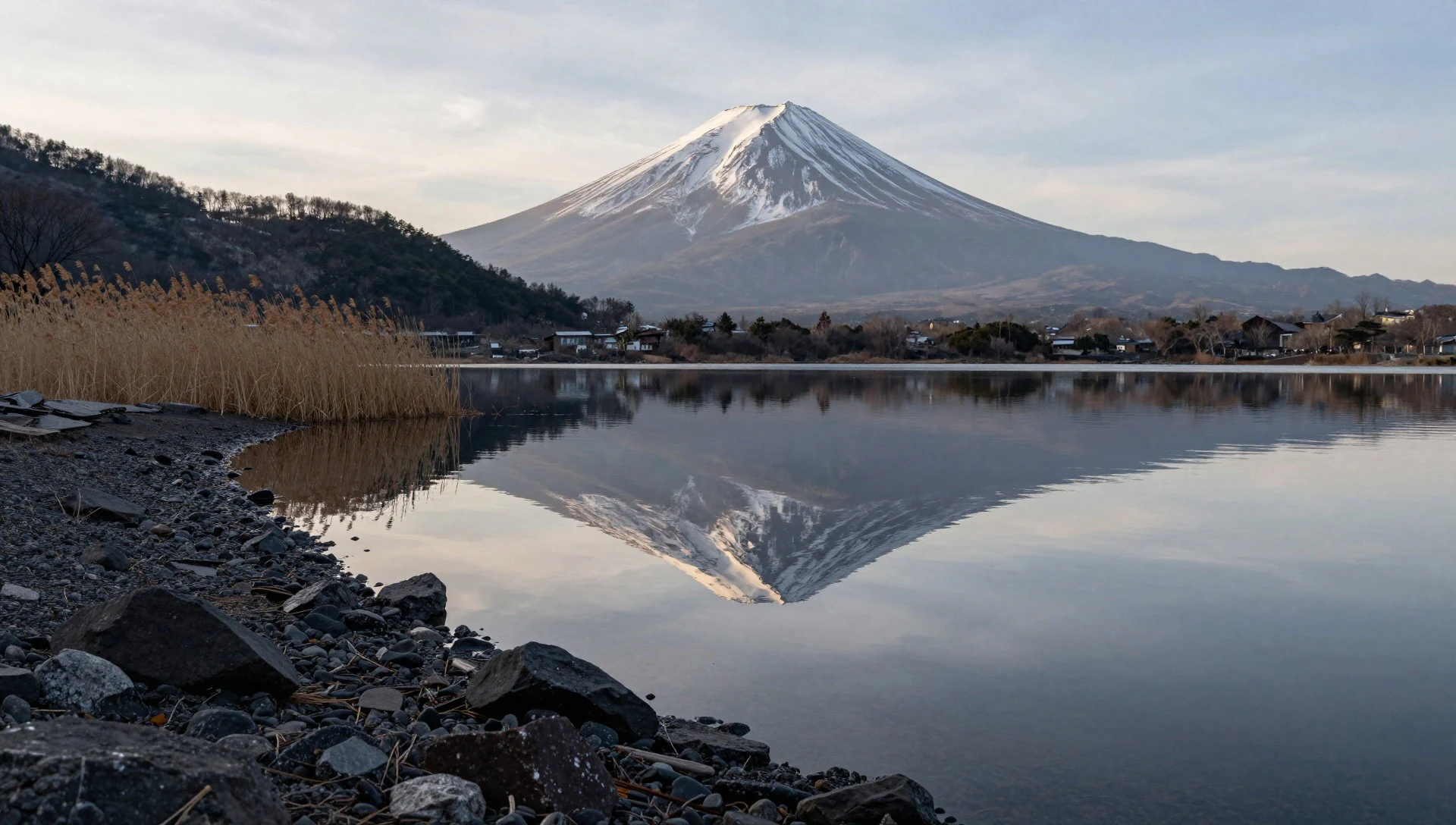
- Ōwakudani — Hakone region
Positioned in the nearby Hakone volcanic zone, this active valley features steaming sulfur vents and hot springs with dramatic foreground scenery framing the distant mountain. Cable cars transport visitors above the vents, offering sweeping panoramas when the weather remains clear.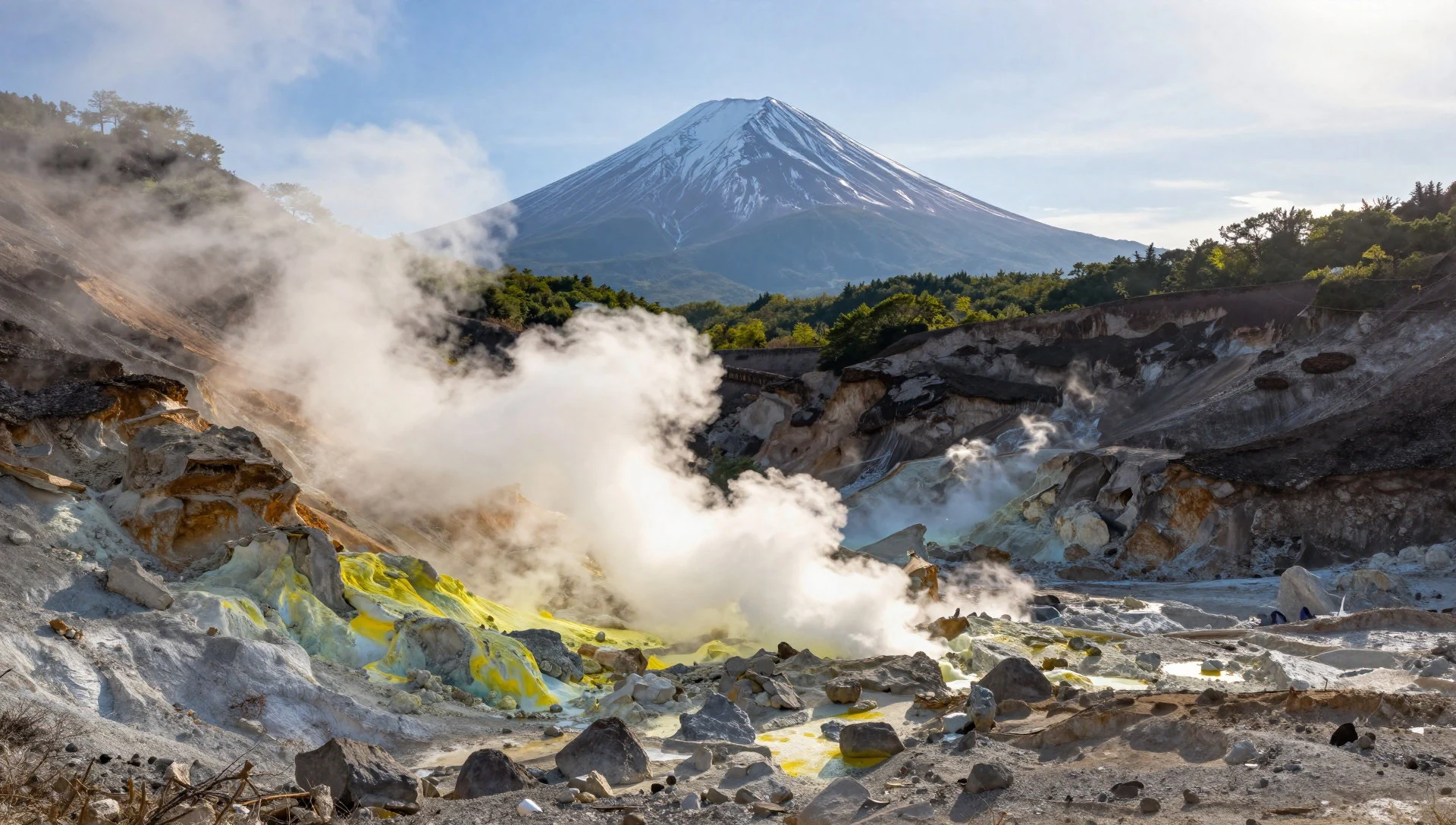
Culture
The cultural landscape around Mount Fuji is defined by Shinto reverence, Buddhist monastic traditions, and centuries of artistic devotion. Shrines such as Fujisan Hongū Sengen Taisha act as spiritual gateways where travelers traditionally offered prayers for safe passage before attempting the ascent. Local festivals celebrate the opening and closing of the climbing season with fire processions and ritual dances that date back hundreds of years. The mountain also heavily influenced Japanese poetry, woodblock printing, and landscape design, establishing an aesthetic standard based on natural symmetry and seasonal transition.
Always remove your shoes and step into provided slippers when entering temple buildings or traditional indoor spaces around the mountain shrines.
What to wear
Traditional attire in the mountain region historically reflected practical needs for trekking and rural mountain life, utilising durable cotton and hemp textiles dyed in indigo. Historic woodblock prints often depict pilgrims wearing white cotton robes, straw sandals, and conical hats while carrying wooden staves up the sacred paths. Modern locals and visitors wear contemporary outdoor apparel, durable layering jackets, and sturdy footwear suited for changing alpine weather. When exploring sacred shrines and temples, visitors should dress modestly with shoulders and knees covered, while climbers must pack professional windproof and waterproof layers capable of withstanding freezing summit temperatures.
What to eat
- Curry Rice — Mountain lodges and station huts
A warming staple served at mountain lodges and station outposts along the climbing routes. It provides essential carbohydrates and comforting nourishment for hikers tackling high-altitude paths, though ingredients must be hauled up by tractors, making prices higher near the top.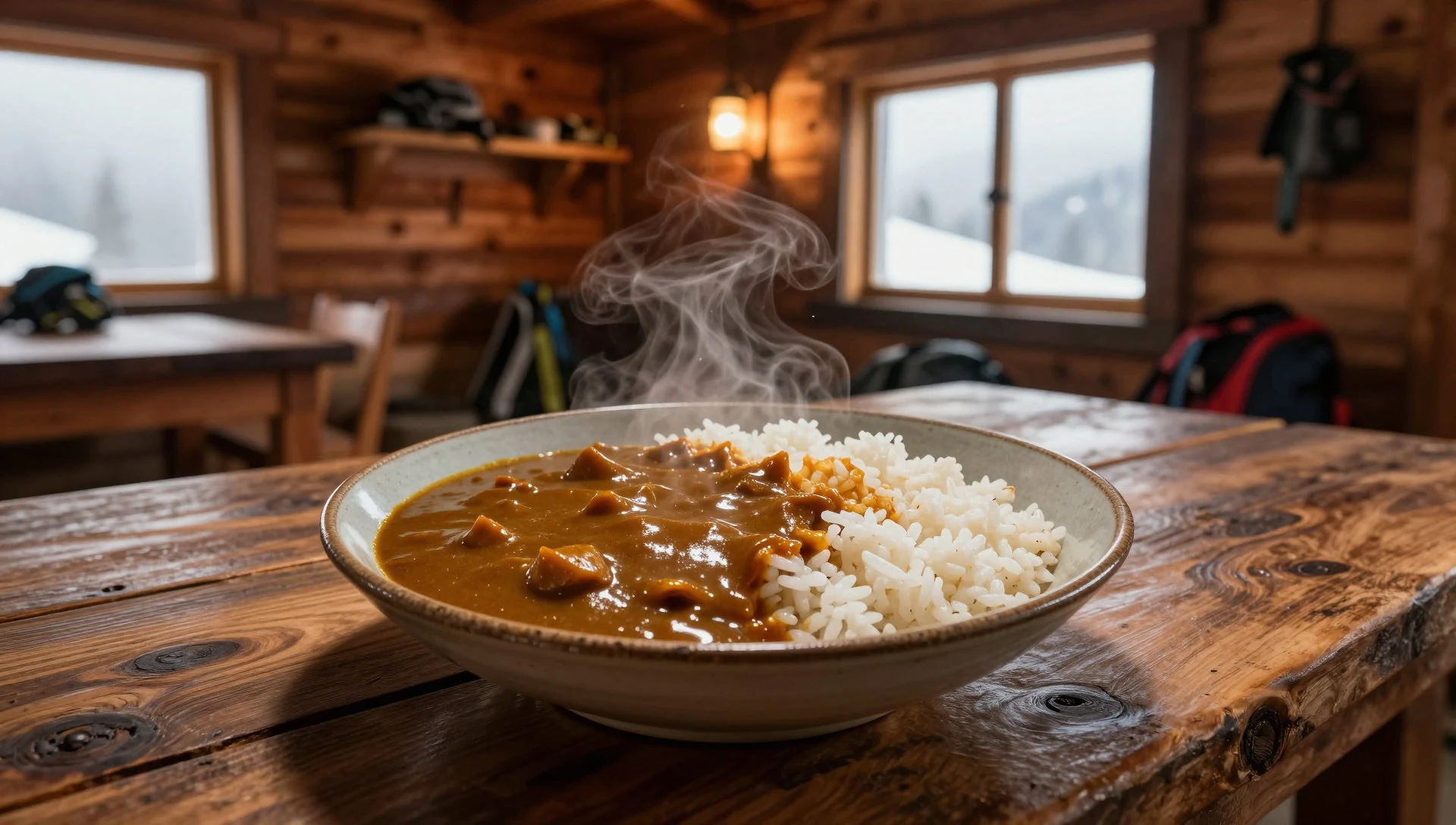
- Summit Noodles — Summit resting huts
Hot bowls of noodles enjoyed indoors at the high-altitude resting stations near the crater rim. Stopping inside for a hot broth offers welcome shelter from the freezing tundra winds without incurring extra resting fees.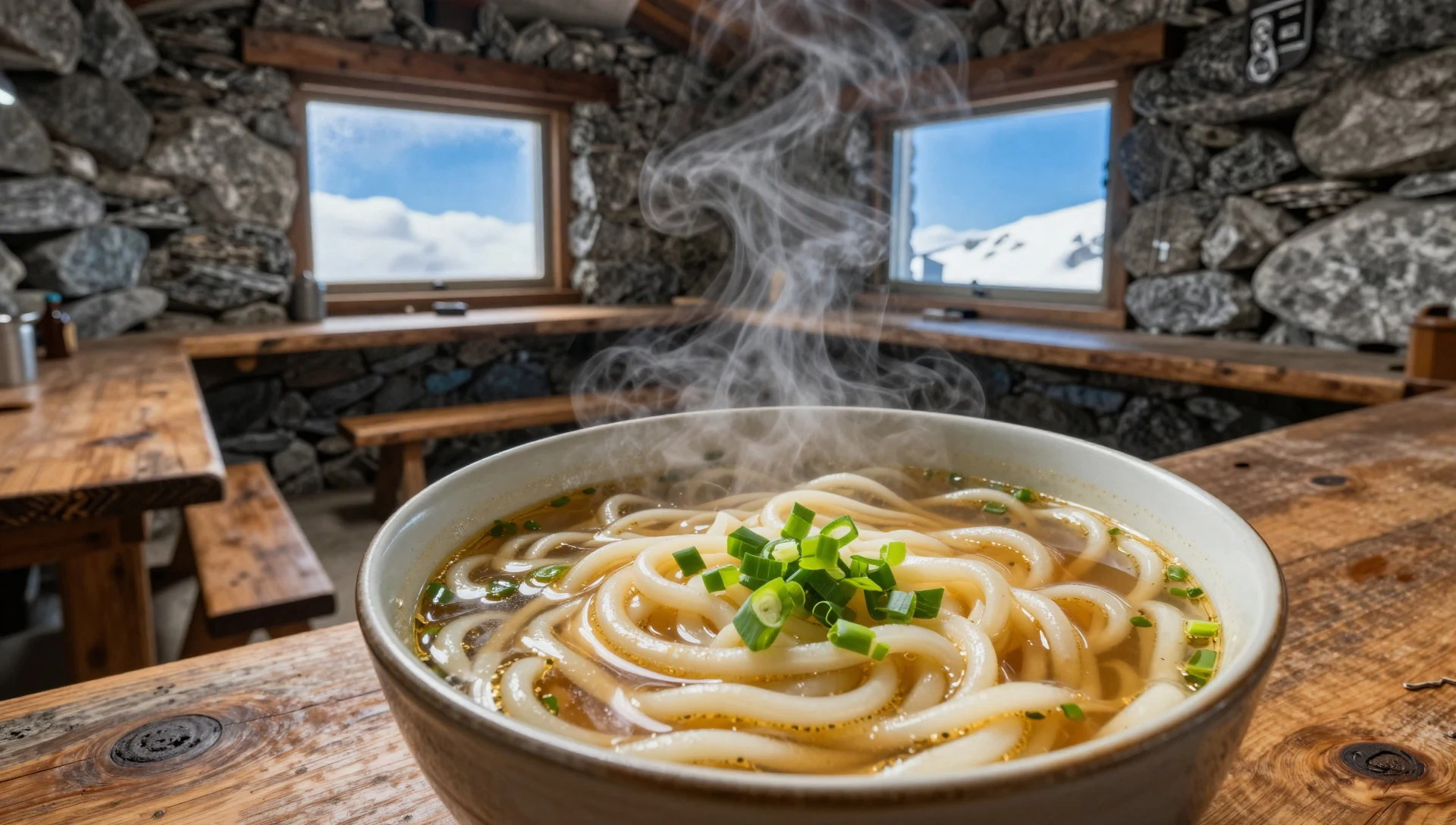
- Canned Corn Soup — Summit vending machines
Hot sweet corn soup dispensed from high-altitude vending machines near the peak. It provides a quick, piping-hot beverage to combat the severe cold encountered above the timberline. - Station Bento — Kawaguchiko 5th Station
Pre-packed boxed meals purchased at Kawaguchiko Fifth Station before starting the trek. Packing provisions here avoids steep mountain inflation and ensures reliable energy before embarking on the steeper gravel switchbacks.
Plan it
Best time. Early July through early September offers the official climbing season with accessible transport and open mountain huts; winter provides the clearest visibility for sightseeing from afar.
How long. 3–4
Getting there. Direct highway buses run from Tokyo's Shinjuku station to Kawaguchiko Fifth Station; regional trains provide access via Odakyu or Shizuoka connections.
Budget. mid
Tips
- Check local transport schedules carefully, as services are sharply reduced outside the early July to early September climbing season.
- Purchase food and heavy supplies before ascending, as prices increase significantly near the summit.
- Prepare for tundra conditions at the top, where summer nights can still feel bitterly cold and winds are strong.
- Start viewing excursions early in the morning before daytime clouds obscure the mountain cone.
Etiquette
- Carry all personal rubbish back down with you, as bins are scarce along the volcanic trails.
- Respect sacred boundaries around shrines and historical pilgrimage markers.
Nearby
Sources
- Wikidata Q39231 (CC0)
- Wikipedia (CC-BY-SA 4.0)
- Wikivoyage (CC-BY-SA 4.0)