Chiba
Chiba, Japan
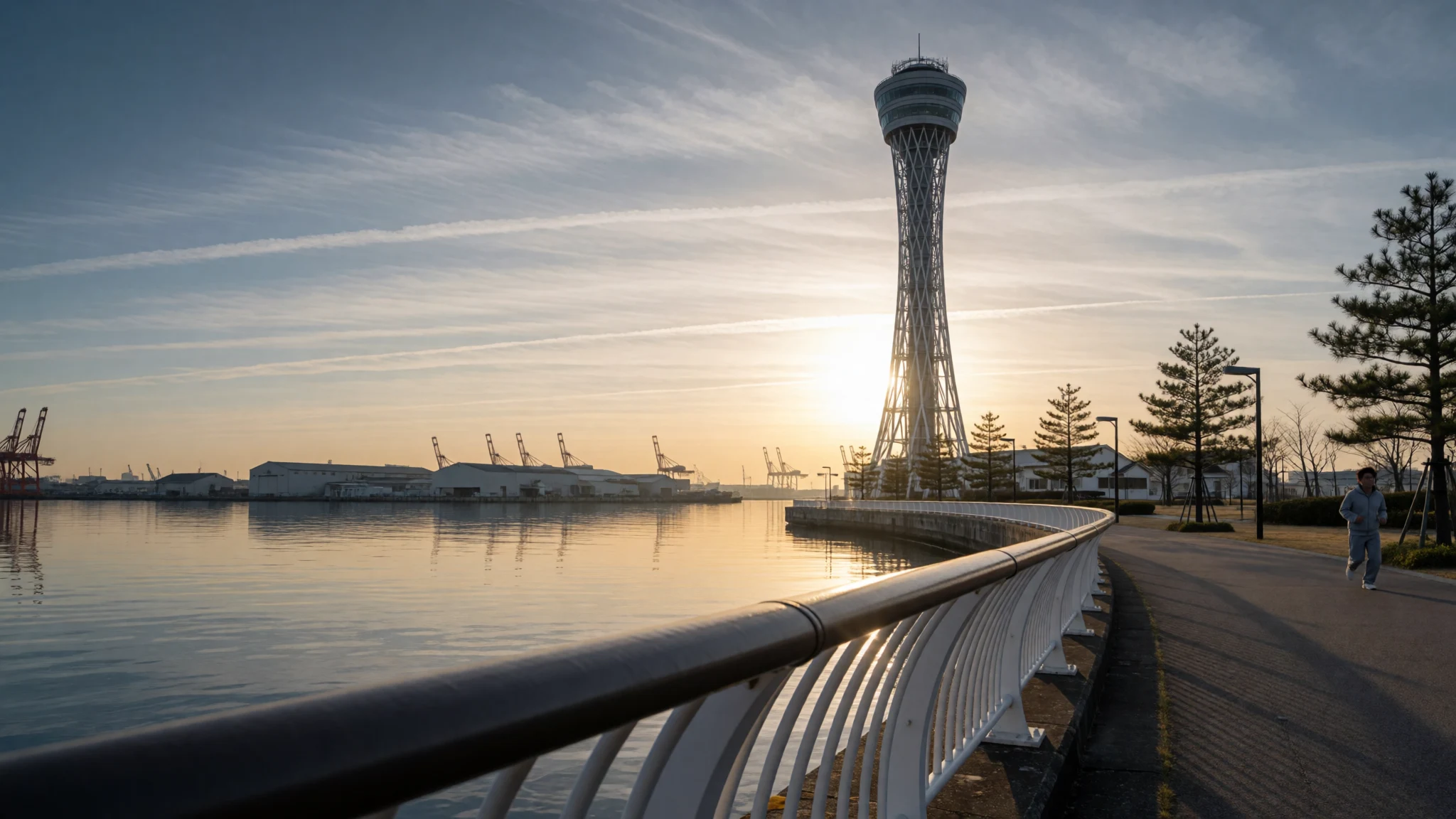
Chiba is a working port and commuter city on Tokyo Bay, with a suspended monorail, a baseball stadium and quiet parks.
The place
Chiba is the capital of Chiba Prefecture, on the northeastern shore of Tokyo Bay, about 40 km east of central Tokyo. About 975,000 people live here, so it is a big city by any measure, yet it rarely appears on first-time itineraries. That shapes its character: this is a place where people live and work rather than one staged for visitors. Much of it is residential, with factories and warehouses along the coast, because the port handles heavy cargo for the Kantō region. The city is really several centres joined by rail. Central Chiba, around the main station, holds the city hall and the prefectural offices, along with department stores, an underground mall and busy lunch streets. Makuhari, to the west, is a waterfront business district of glass towers, a large convention hall, shopping malls and a baseball stadium. Between them lie parks, a zoo and the old castle hill at Inohana. The Chiba Urban Monorail hangs below its track above the streets, which turns an ordinary commute into something close to a ride. Chiba became a city in 1921 and a government-designated city in 1992. The climate is humid and warm, with plenty of rain through the year, so spring and autumn suit walking best. It works well as a relaxed day out from Tokyo, or as a calmer base with fast trains to the capital and to Narita airport.
Its story
Chiba takes its name from a warrior family. In the late Heian period, a bushi named Taira Tsuneshige moved into Shimōsa Province, was posted to Chiba District, and began calling himself Chiba Tsuneshige (千葉常重). He used the land around today's city as a base from which to rule Shimōsa and Kazusa provinces, and he became a military force in the Kantō. His son Chiba Tsunetane (千葉常胤), who lived from 1118 to 1201, backed Minamoto no Yoritomo when Yoritomo set up the Kamakura shogunate. Around the family residence and its temples grew a castle town, which prospered while the Chiba clan held power. That hold weakened through the Nanboku-chō and Muromachi periods, when wars across the Kantō wore the clan down. Inohana Castle was razed in 1516. The tower on the hill today is a reconstruction from 1967 and houses the city's folk museum, so it records the story rather than surviving from it. The modern city is a much newer creation. Chiba was founded as a city in 1921, developed around its port and railways on Tokyo Bay, and in 1992 became a government-designated city. Much of what a visitor sees now, from the Makuhari towers to the factories along the shore, belongs to that later chapter.
What to see
- Chiba Port Tower — Chiba Minato, harbour area
Chiba Port Tower stands near the docks, a short walk from Chiba Minato station on the monorail and the Keiyo line. Its observation deck, at 112 m, looks over the harbour, the cargo yards and the bay. Late afternoon gives softer light and cooler air. It is a stop of an hour or so, easily paired with a waterfront stroll.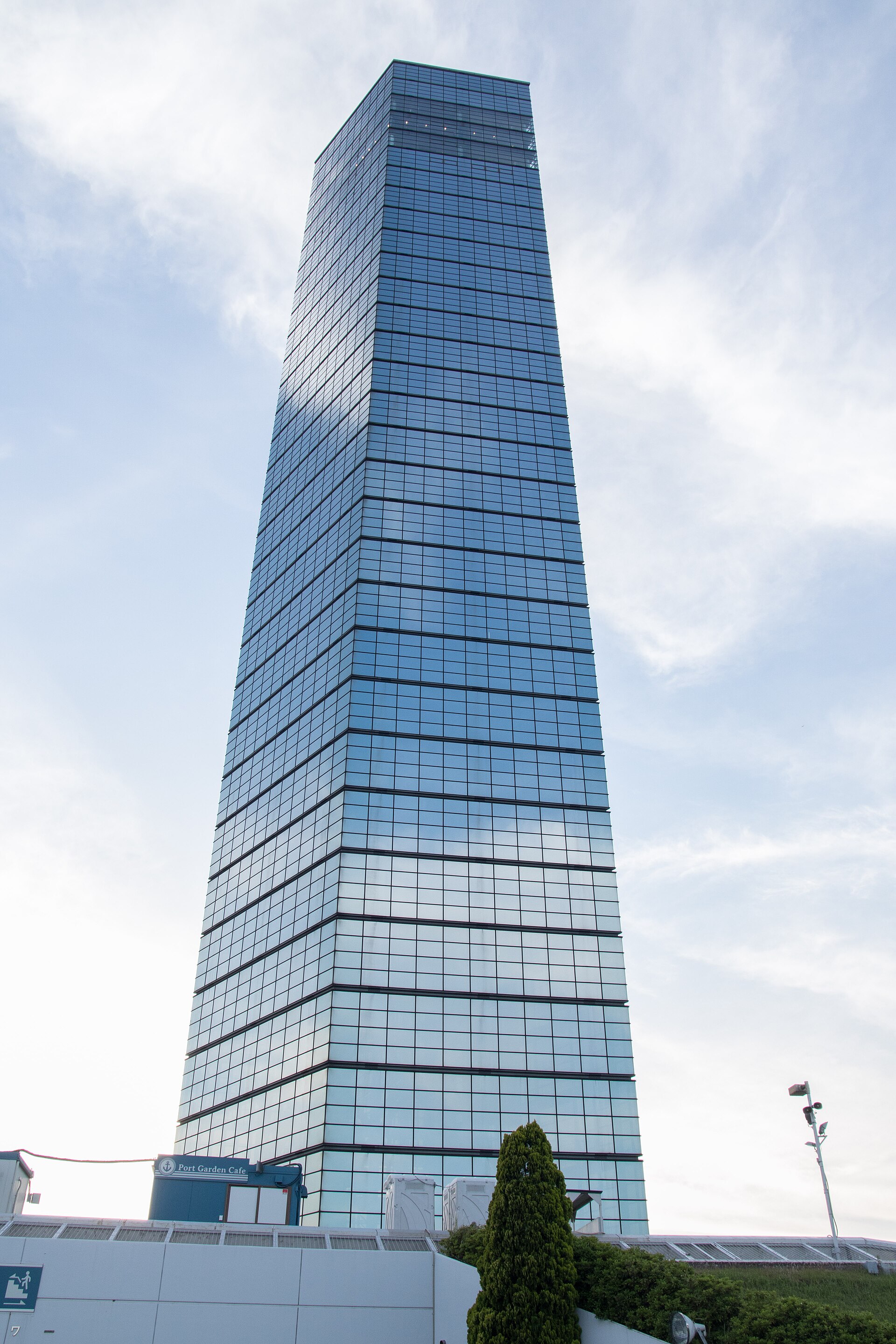
- Inohana Castle and the folk museum — Inohana, Central Chiba
Inohana Castle is a tower on the hill that once belonged to the Chiba clan's world. The building is a 1967 reconstruction and holds the city's folk museum, which is the place to connect the warrior-family story with the modern city. Check the official city website before going, as opening arrangements can change.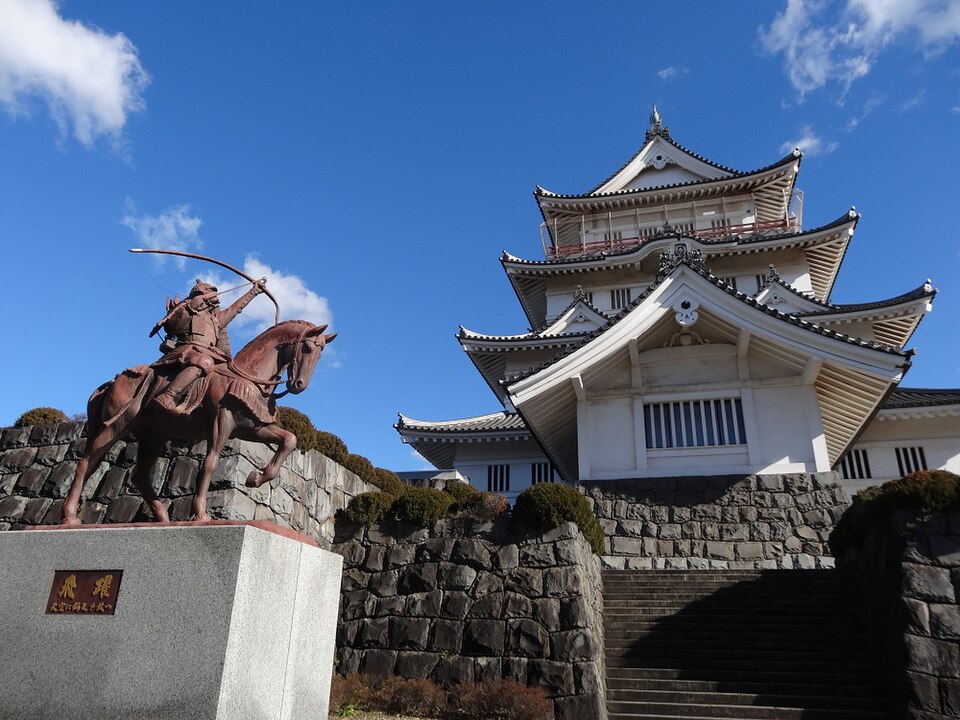
- Makuhari Messe — Makuhari waterfront
Makuhari Messe is the convention complex at the heart of the Makuhari waterfront district, and its halls host trade fairs and large events through the year. Most visitors come for a specific show, so check the calendar: event days mean full trains and long queues, while quiet days leave the surrounding plazas almost empty.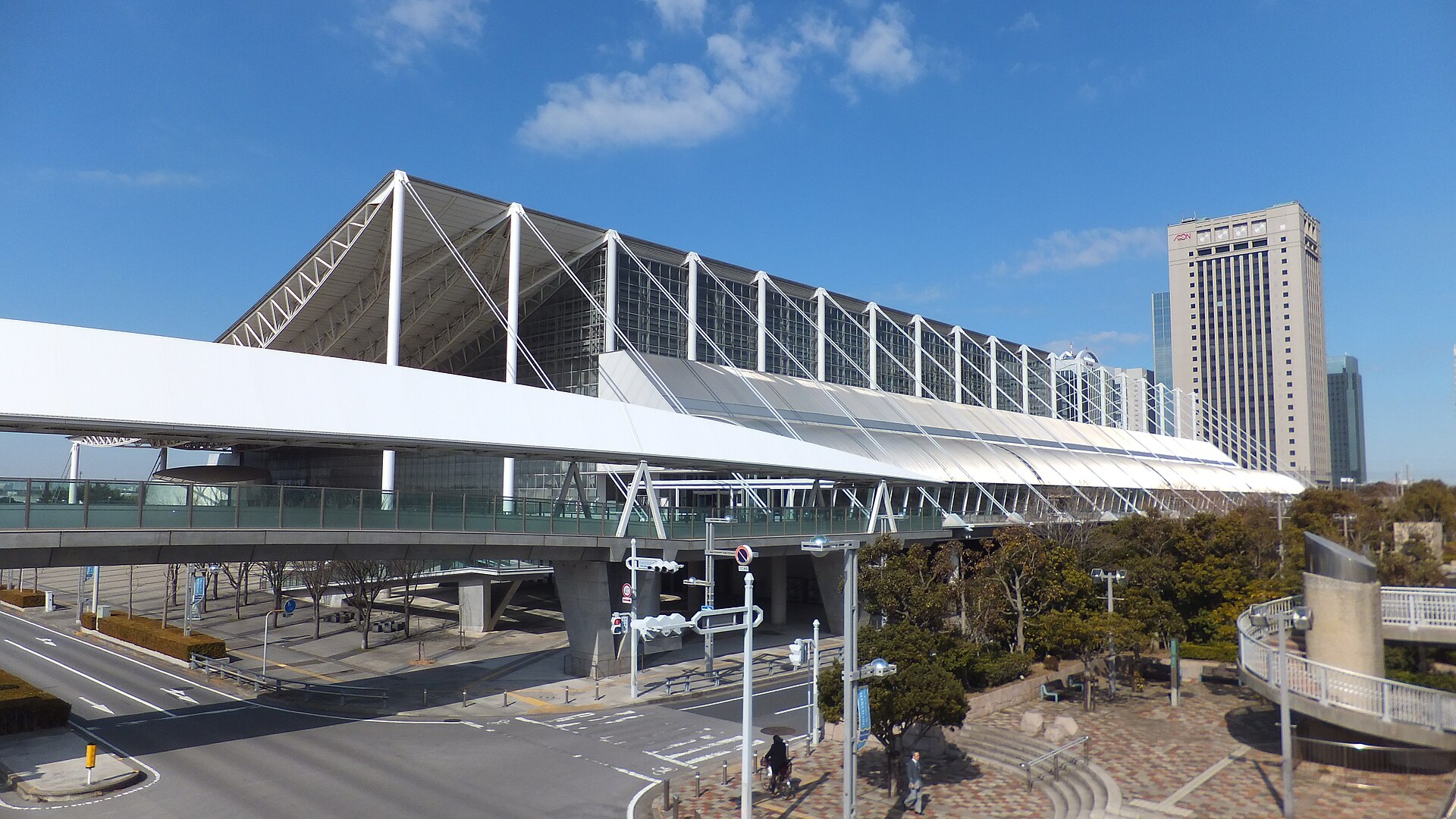
- Chiba Marine Stadium — Makuhari waterfront
Chiba Marine Stadium is home ground of the Chiba Lotte Marines baseball team, with about 30,000 seats. Match days are loud, organised and friendly, with chanting sections and fans in team colours. It also stages concerts, including the Summer Sonic Festival in August. Buy tickets through official channels and expect crowded trains afterwards.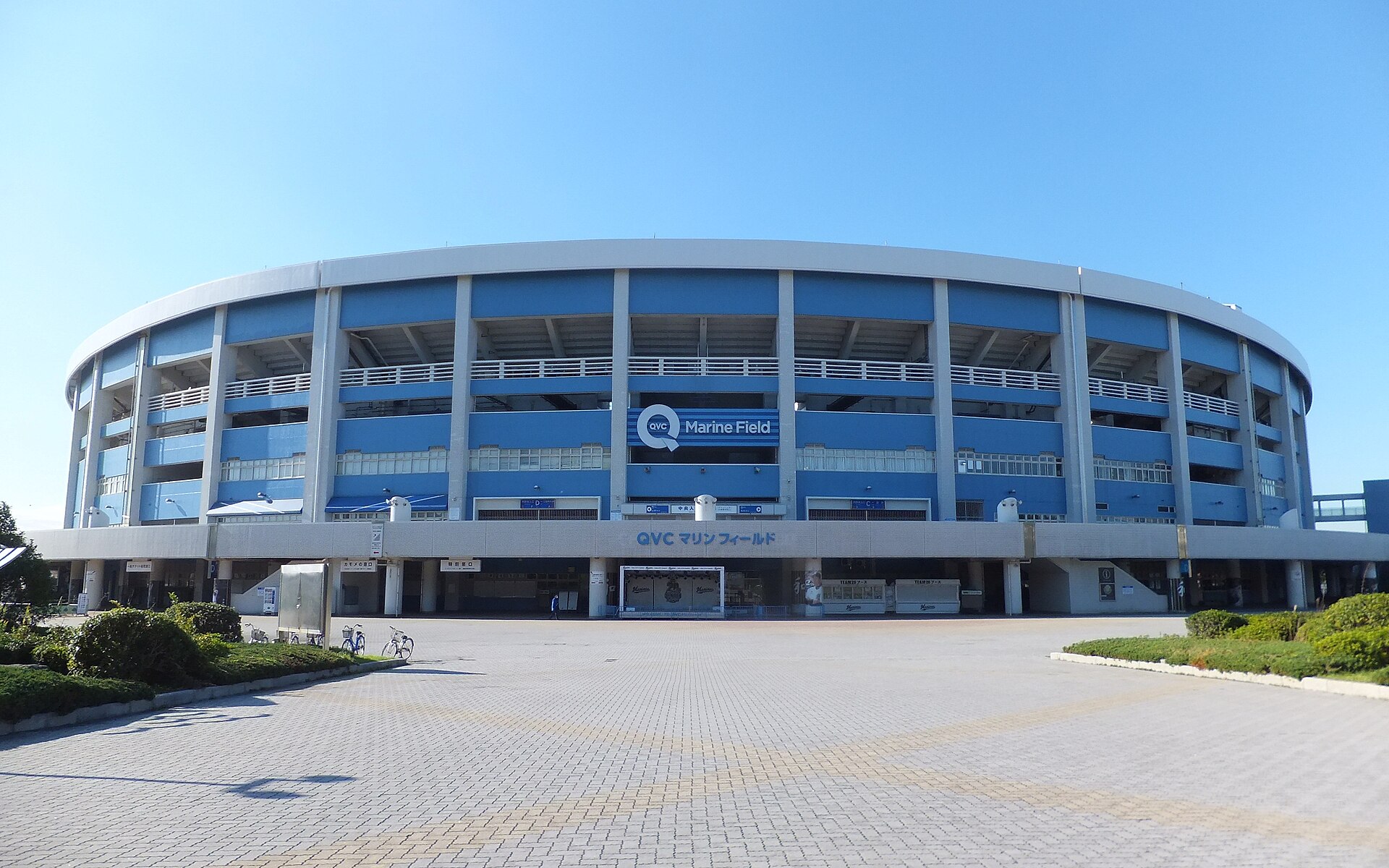
- Aoba no Mori Park — Central Chiba
Aoba no Mori Park is a modest city park, nothing dramatic, but a useful pause from the concrete. It is at its best in cherry blossom season, usually around late March to early April, when families settle under the trees for picnics. On weekdays it is calm and good for a slow walk between more urban stops. - Chiba Urban Monorail — Central Chiba
The Chiba Urban Monorail is a suspended line, with trains hanging beneath the track and giving a view over streets and rooftops that a normal train would not. Some carriages carry anime wraps. Treat it as both transport and sightseeing: ride a few stops from the main station towards the harbour side.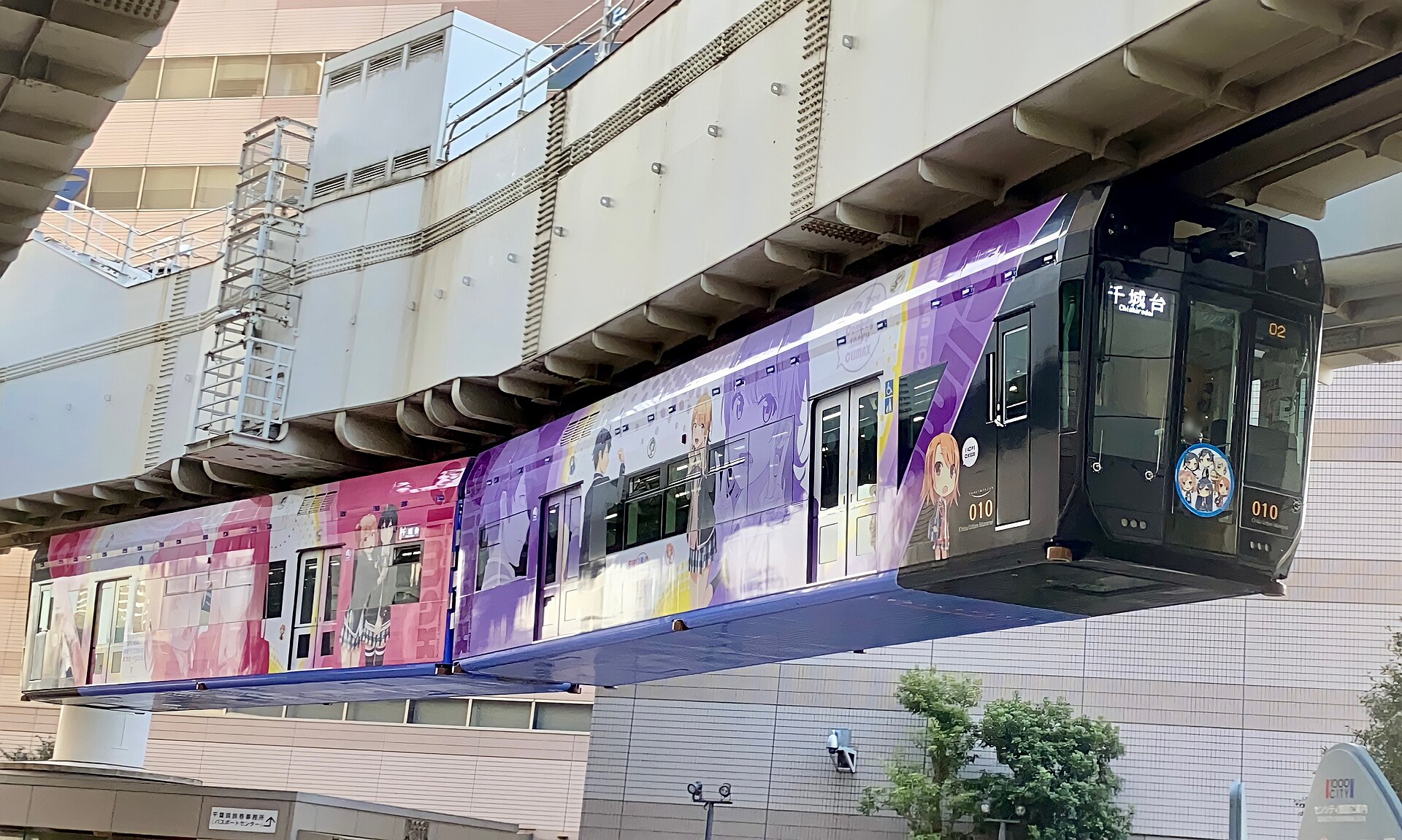
Culture
Chiba has the everyday culture of a large commuter city, shaped more by suburban routines than by tourist heritage. Baseball is the most visible shared passion, and match days at the Marines' stadium bring crowds in team shirts, organised chanting and a good deal of snacking. In August the same waterfront fills with music fans for the Summer Sonic Festival. Weekends are for family outings, and the city's parks, among them Chiba Park, Aoba no Mori Park and Showa no Mori Park, are used for walks, picnics and cherry blossom viewing in spring. Chiba Zoological Park draws local families, especially to see its red panda Futa, who became a minor celebrity by standing upright. The Kasori Shell Midden is a reminder that people lived on this coast long before any castle or port. Modern pop culture is also part of the picture: the monorail carries anime wrapping, and fans of the writer William Gibson sometimes arrive curious about the Tokyo and Chiba sprawl in his novel Neuromancer. Daily life runs on punctual trains and polite quiet, and that sets the tone for visitors. On the monorail and commuter trains, keep phone calls and loud conversation for the platform, and move to the priority seats only if you need them.
What to wear
Traditional dress in Chiba is the same as elsewhere in the Tokyo region. The kimono, usually of silk and worn for weddings, graduations and formal tea gatherings, is the most formal garment. The yukata is a lighter, unlined cotton robe worn at summer festivals and fireworks nights, and happi, short cotton coats printed with a neighbourhood or shop name, appear at local shrine festivals. Indigo-dyed cotton remains a familiar textile in these garments. In daily life, most people wear plain, tidy clothes: dark suits and shirts for office workers in the Makuhari towers, casual layers for weekends, and school uniforms on the trains. On baseball days, replica Marines shirts are everywhere. A visitor should dress for the weather and for walking. Summers are hot and humid, so breathable cotton or linen and a small towel suit best, and a light rain jacket helps through the wet months. Winters are cool to mild, so a medium coat and layers are enough. Comfortable shoes matter, as stations and malls involve long walks, and slip-on pairs are easier if you visit a shrine or a restaurant with a raised floor. Shoulders and knees need not be covered in the city, but modest, neat clothes are appropriate at a shrine or temple.
What to eat
- Sushi — The underground station mall, Central Chiba
Sushi is easy to find near Chiba's main station, where the underground mall beneath the station area has counters and sit-down restaurants. It is a sensible way to enjoy fish from Tokyo Bay's wider region at a measured pace. Weekday lunch tends to be calmer than weekends. - Bento boxes — Bento shops in the station building and nearby streets
Bento are boxed meals of rice with fish, meat and pickles, sold at shops in and around the station building. They are a practical lunch for a park bench or a train seat, and they show how ordinary Japanese food works for commuters. - Izakaya small plates — Izakaya near Chiba Station and the Central Chiba entertainment streets
Izakaya are casual pubs serving grilled skewers, fried chicken, salads and rice dishes alongside drinks. The chains are reliable rather than adventurous, and some sit on upper floors with views over the city. Share several plates and order in rounds. - Hamburg steak and steak plates — Family restaurants in suburban districts such as Oyumino
Japanese-style hamburg steak, a thick minced-beef patty with sauce, is a favourite at casual Western-style restaurants. Suburban areas such as Oyumino have steak and hamburger places with a deliberately American-Western feel, popular with local families. - Pasta and station-building lunches — Restaurant floors of the Chiba Station building
Japanese-style pasta, with ingredients such as mushrooms, cod roe or seafood, turns up in the restaurant floors of the station building. These floors also have sweets, set-lunch counters and rice-and-meat bowls. Sundays are crowded, though tables usually turn over quickly.
Plan it
Best time. Late March to early April for cherry blossom, and October to November for cooler, drier days; summers are hot and humid and rain falls through the year, though winter is somewhat drier.
How long. 1–2
Getting there. Narita International Airport (NRT) links to Chiba by JR Narita Line: rapid trains take about 48 minutes, and the hourly N'EX limited express about 29 minutes. From Haneda, a limousine bus takes about an hour, depending on traffic. From Tokyo Station, the JR Sōbu Rapid Line reaches Chiba station in about 40 minutes. For the last leg, use the monorail, local trains or taxis.
Budget. mid
Tips
- Avoid the evening rush on the Sōbu line if you can, or consider a reserved seat on the limited express.
- Check the Makuhari Messe and stadium event calendars before booking, as event days fill trains and queues.
- Carry a rechargeable transit card, plus some cash for small eateries.
- Drink water often in summer, since the heat and humidity are strong.
- Check the city's official site (https://www.city.chiba.jp/) for museum hours and ticket details.
Etiquette
- Keep your voice low and calls short on trains and the monorail.
- Queue in marked lines on platforms and let passengers off before boarding.
- Take rubbish with you, as public bins are scarce.
Nearby
Sources
- Wikidata Q170616 (CC0)
- Wikipedia: Chiba (city), rev 1382771699 (CC BY-SA 4.0)
- Wikivoyage: Chiba, rev 5259289 (CC BY-SA 4.0)
- Chiba City montage.jpg — User:Xser21 and others (CC BY-SA 4.0)
- 幕張新都心の遠景 — Xser21 (CC BY-SA 4.0)
- 千葉市郷土博物館 — 1688 (CC BY-SA 4.0)
- 幕張メッセ 国際展示場棟9~11ホール — 掬茶 (CC BY 3.0)
- 千葉ロッテマリーンズ の本拠地 QVCマリンフィールド — 掬茶 (CC BY 3.0)
- Chiba Port Tower, Chiba City — Σ64 (CC BY 4.0)
- 千葉都市モノレール 25編成 — ja:User:江戸前鰻 (CC BY 4.0)
- Chiba Station May 2005-2.jpg — Unknown author (CC BY-SA 2.5)


