Tokyo
Tokyo, Japan
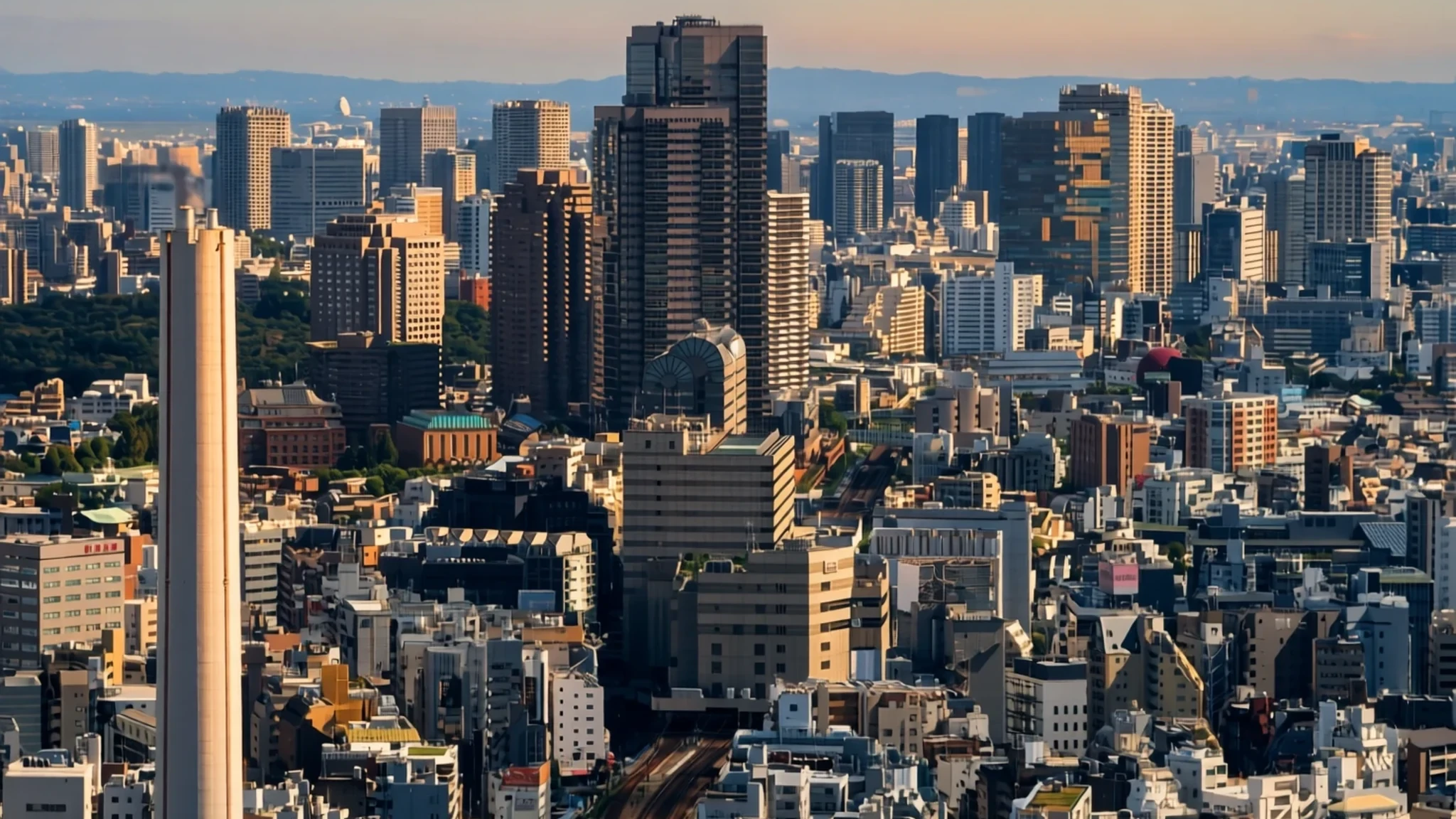
Tokyo pairs hyper-modern skyscrapers and neon-lit streets with quiet temple gardens, offering an unmatched urban rhythm.
The place
Tokyo sits at the head of Tokyo Bay on Honshu, anchoring the Kantō region as the capital and most populous urban centre of Japan. Home to a population exceeding 14 million people within its municipal boundaries, the metropolis covers a vast coastal and inland expanse with terrain averaging about 40 metres above sea level. Founded administratively in 1889, the city grew from its historic roots as the fortified stronghold of Edo, which was renamed Tokyo when the imperial court relocated from Kyoto in 1868. Today, the Tokyo Metropolitan Government administers twenty-three central special wards alongside western commuter suburbs and distant island chains.
At the core of the capital, Chiyoda ward holds the administrative and symbolic heart of the nation, housing the Japanese government offices, the National Diet Building, and the sprawling wooded grounds of the Tokyo Imperial Palace. Nearby, Shinjuku functions as a towering commercial and transit hub, characterised by dense clusters of high-rise towers and the bustling Yamanote railway loop. Across the city, neon corridors give way to quiet residential lanes, neighbourhood bathhouses, and centuries-old wooden shrines tucked between gleaming steel developments. The urban sprawl stretches seamlessly into neighbouring prefectures, creating one of the most densely interconnected metropolitan regions on the planet. Despite its immense scale, Tokyo maintains a remarkable sense of order, cleanliness, and public safety, where commuter trains run with split-second precision and pedestrians navigate crowded scramble intersections with quiet discipline.
Its story
The ground beneath modern Tokyo has sustained human settlement since ancient times, with numerous Palaeolithic sites discovered across the metropolitan area. During the subsequent Jomon period, rising sea levels driven by Holocene glacial retreats pushed the waters of Tokyo Bay right up to the edge of the present-day Imperial Palace grounds, leaving shell mounds that still mark the ancient coastline. Agriculture arrived during the Yayoi period, introducing wet-rice cultivation and distinctive pottery styles first excavated in Bunkyo ward. By the Heian period, the strategic lowlands around the bay formed part of Musashi Province, where local warlords recognised the defensive potential of the marshy estuaries.
In the late twelfth century, the Edo clan constructed the first modest fortifications on the site. A major turning point arrived in 1457 when the strategist Ōta Dōkan built Edo Castle to secure the surrounding region against rival clans. Political prominence arrived in 1603 when Tokugawa Ieyasu chose the fortress as the seat of his shogunate. Under shogunal rule, the modest fishing settlement expanded rapidly into a sprawling castle town. By the mid-eighteenth century, the population of Edo had surpassed one million residents, making it one of the largest urban centres in the world. When the Meiji Restoration dismantled feudal governance in 1868, the imperial family moved east from Kyoto, renaming the settlement Tokyo, or the Eastern Capital, and cementing its status as the nation's political and cultural epicentre.
What to see
- Tokyo Imperial Palace — Chiyoda
Surrounded by stone walls and wide moats fed by Tokyo Bay, the palace grounds occupy the historic site of Edo Castle in Chiyoda. Visitors can walk the outer gardens, view the classic Seimon Ishibashi bridge, and catch glimpses of the wooded imperial residence behind traditional pine groves.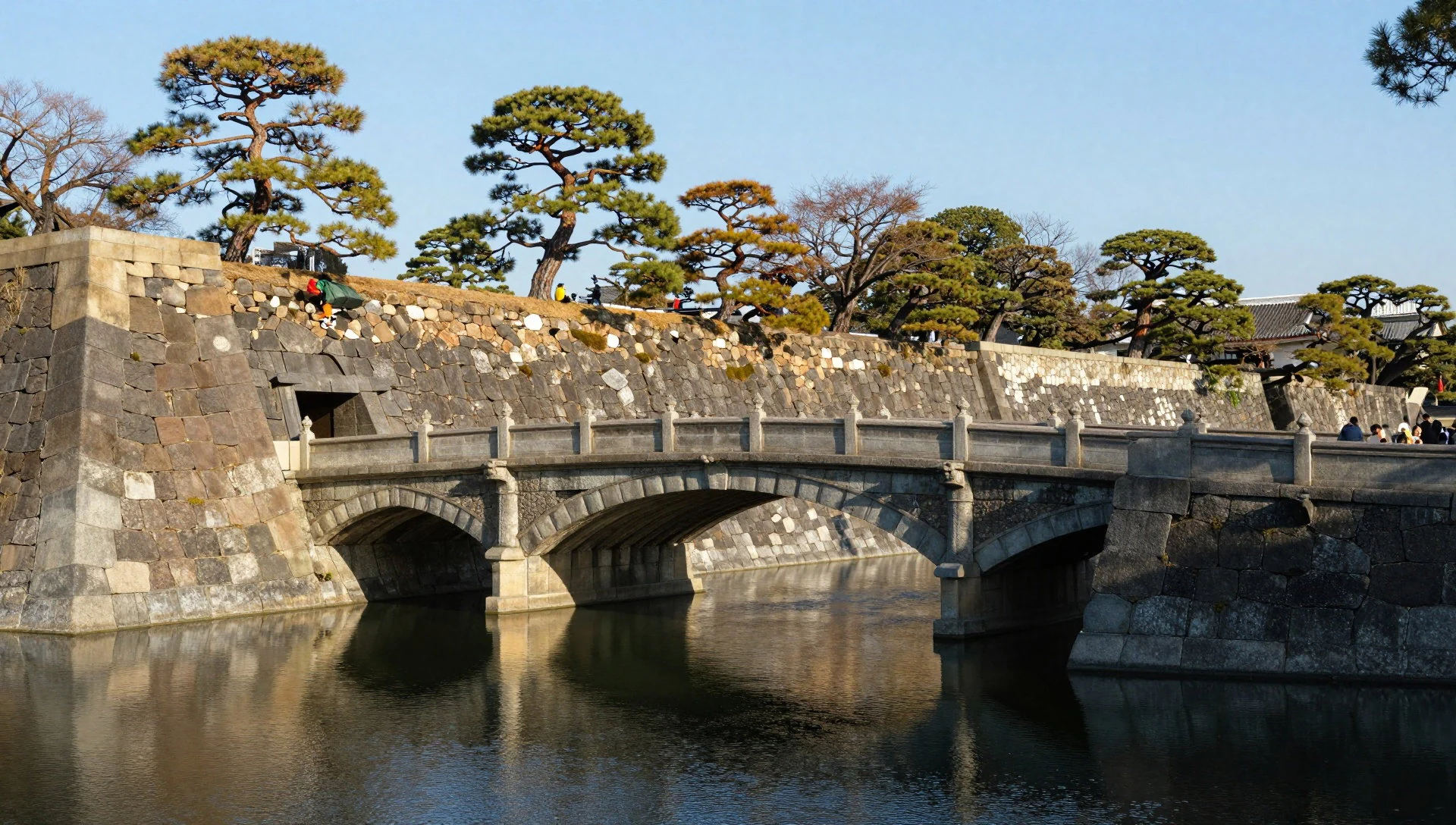
- Shibuya Scramble Crossing — Shibuya
Located directly outside Shibuya Station, this legendary intersection is one of the busiest pedestrian crossings in the world. Hundreds of people cross from every direction simultaneously during each green light, surrounded by towering commercial facades and flashing electronic billboards.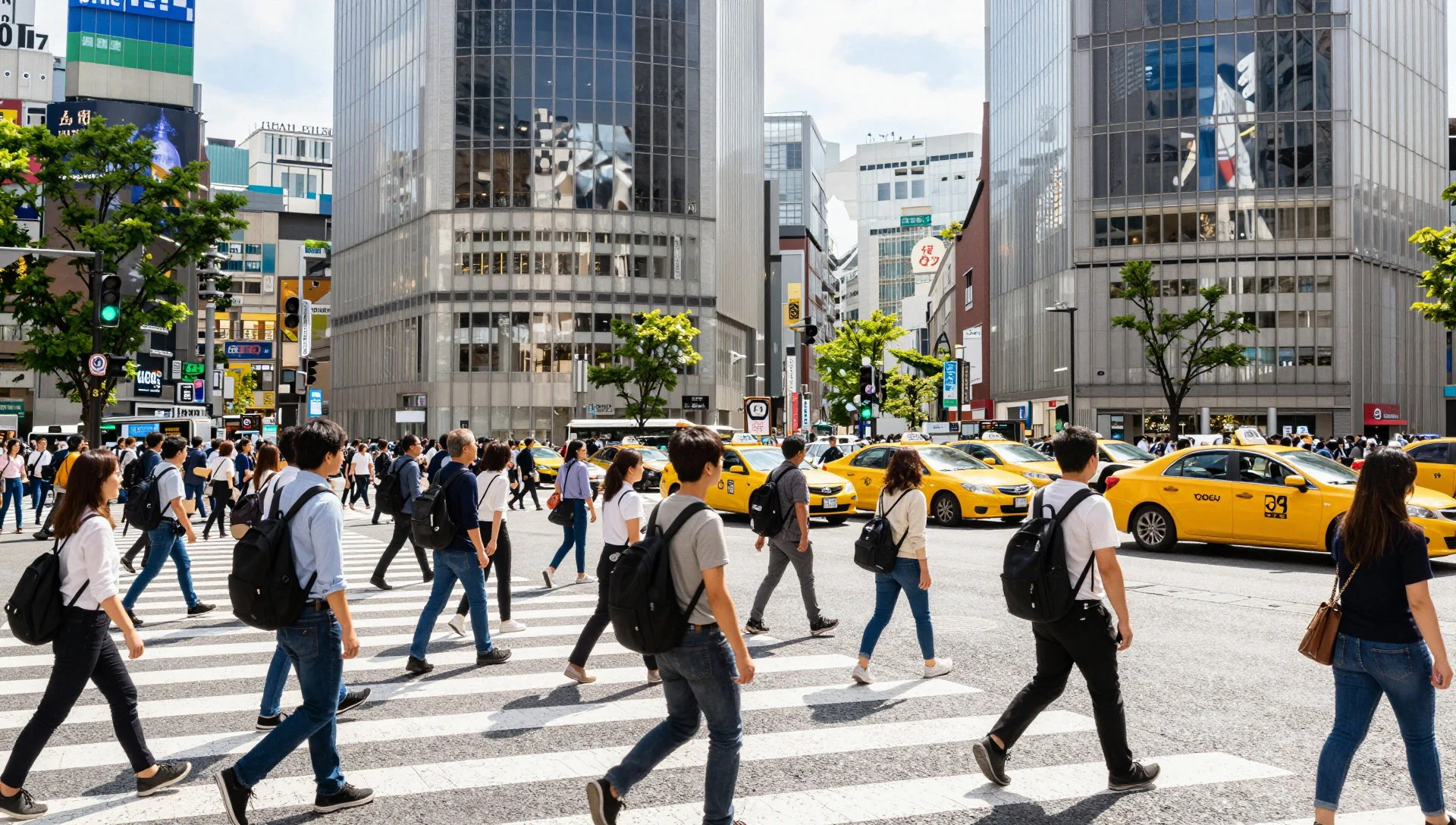
- Shinjuku Skyscrapers — Shinjuku
The western district of Shinjuku rises in a dense forest of glass and steel towers, housing major corporate offices and municipal headquarters. On clear days, public observation decks in buildings such as the Tokyo Metropolitan Government Office offer panoramic vistas stretching across the urban sprawl toward Mount Fuji.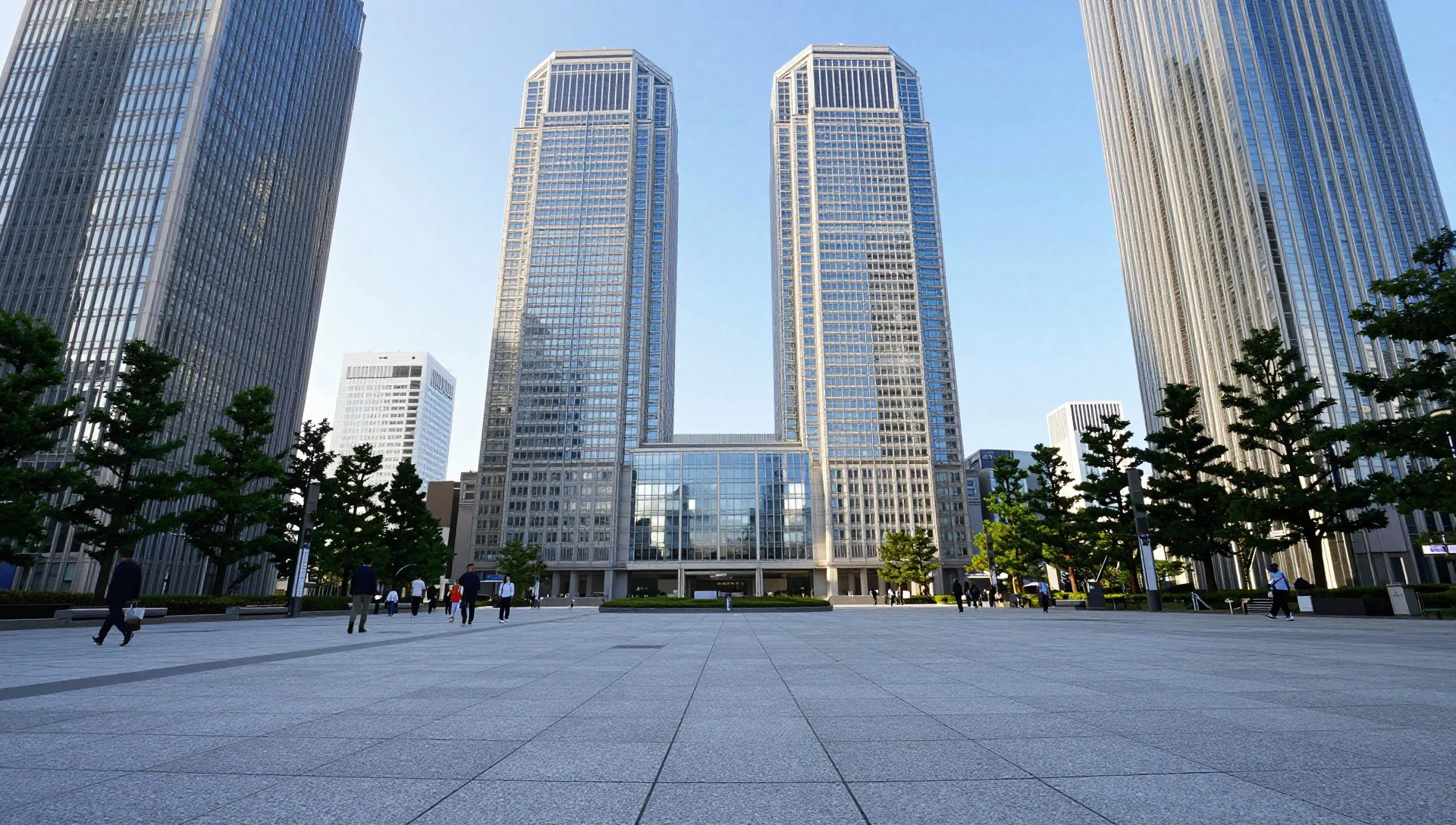
- Tokyo Skytree — Sumida
Rising high above the Sumida riverbanks, this monumental broadcasting tower dominates the eastern skyline. Its lattice exterior incorporates traditional architectural aesthetics, and observation galleries provide sweeping views across the entire Kantō plain on clear days.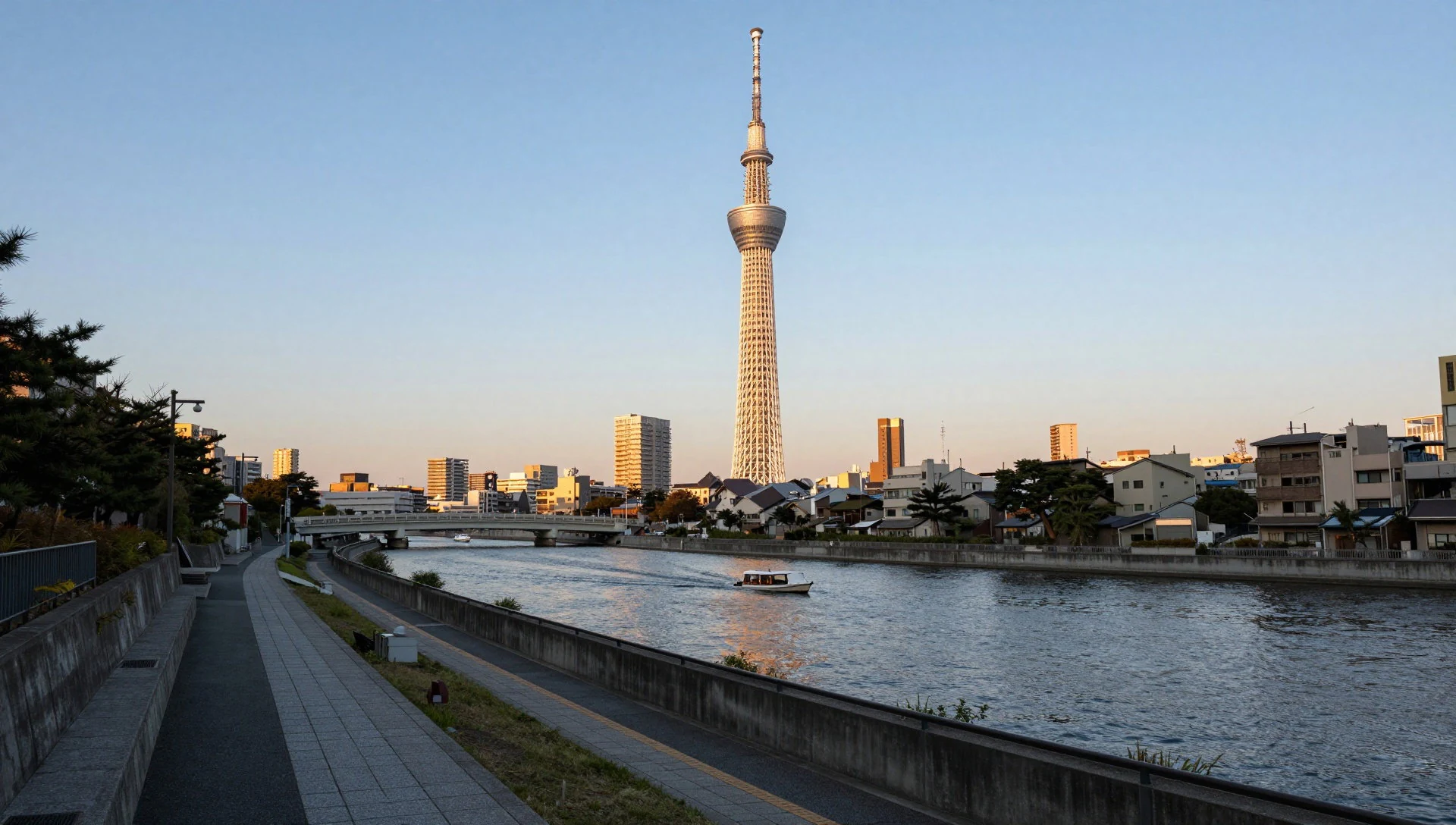
- Rainbow Bridge — Minato / Odaiba
Spanning northern Tokyo Bay, this suspension bridge connects the mainland to the futuristic island development of Odaiba. Illuminated pedestrian walkways and lower-deck transit lines offer striking views of the waterfront skyline and passing maritime traffic.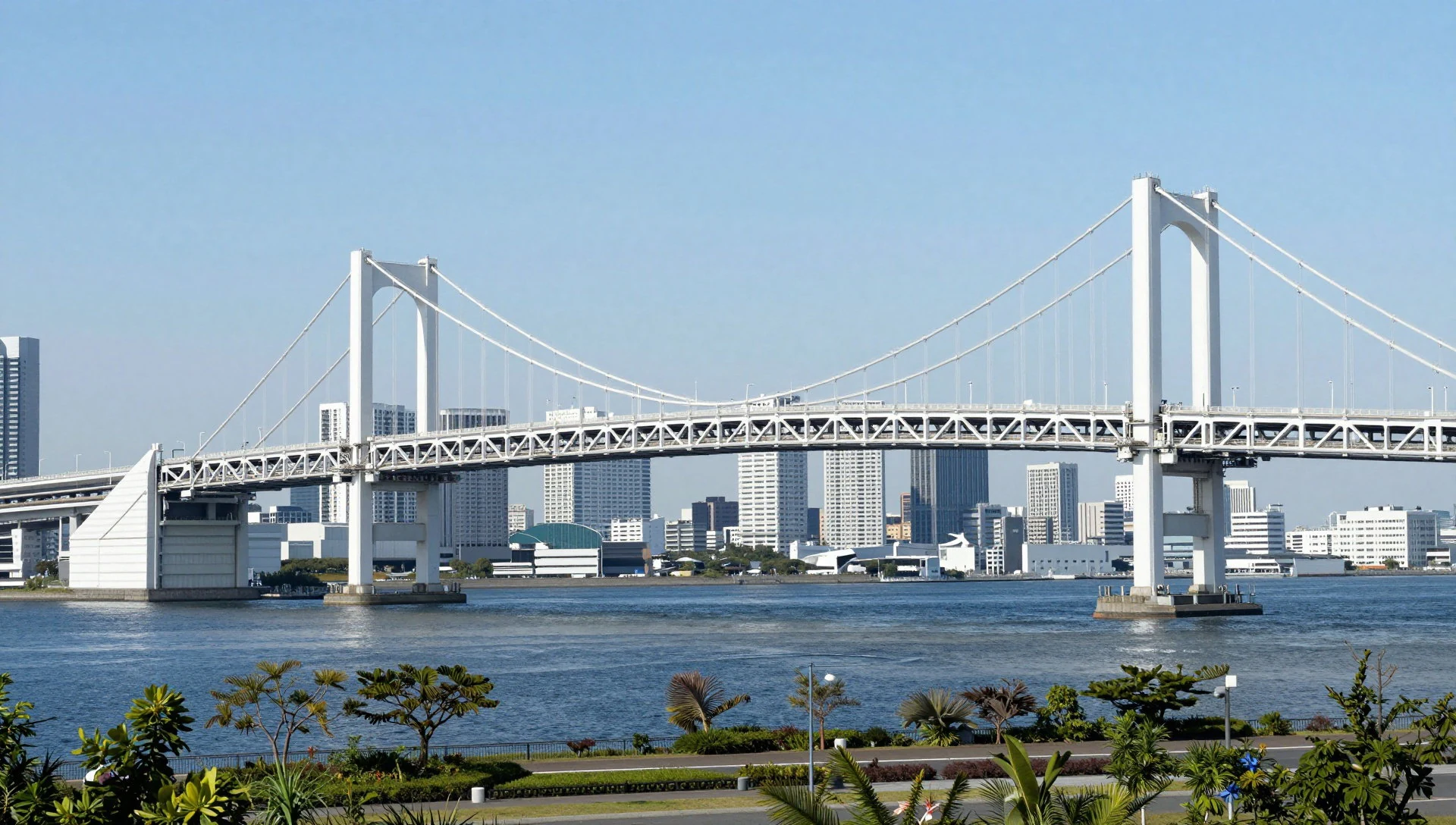
Culture
Tokyo sustains a vibrant cultural landscape that balances deep historic traditions with relentless contemporary innovation. The city's extensive institutional network includes world-class facilities such as the Tokyo National Museum in Ueno Park, which preserves the nation's largest collection of traditional Japanese art and archaeological artifacts. Nearby, the National Museum of Western Art showcases a modernist building designed by Le Corbusier, while Ueno Zoo houses popular giant pandas alongside tranquil park ponds. Beyond institutional galleries, neighbourhood culture thrives in local craft workshops, traditional music halls, and seasonal festivals where communities gather in festival attire to carry portable shrines through the streets. Public interactions are governed by a strong shared consciousness of mutual respect, quiet decorum in shared spaces, and meticulous attention to cleanliness. Always remove your footwear when entering traditional tatami rooms, temples, or private homes where slippers are provided at the entrance.
What to wear
Traditional Japanese dress, particularly the silk kimono and lightweight cotton yukata, remains visible during summer festivals, wedding ceremonies, and visits to historic districts, showcasing intricate dyeing techniques and seasonal textile motifs. In daily life, Tokyo has earned a global reputation as a fashion capital where hyper-stylised street trends in neighbourhoods like Harajuku coexist with immaculate corporate tailoring in Marunouchi and minimalist everyday wear worn by commuters. For travellers, dressing in Tokyo requires comfortable, slip-on footwear since shoes must be removed frequently at temples, traditional restaurants, and inns. Layering is essential to adapt between chilled indoor air conditioning and the outdoor climate, while modest, neat clothing is appreciated when visiting sacred shrines and historic neighbourhoods.
What to eat
- Edomae Sushi — 築地 (Tsukiji Outer Market)
Classic Tokyo-style sushi featuring fresh seafood sourced from local coastal waters, lightly cured or marinated, and pressed over seasoned vinegared rice. Enjoy this delicacy at counter-seating sushi bars found across the central commercial districts and historic market streets.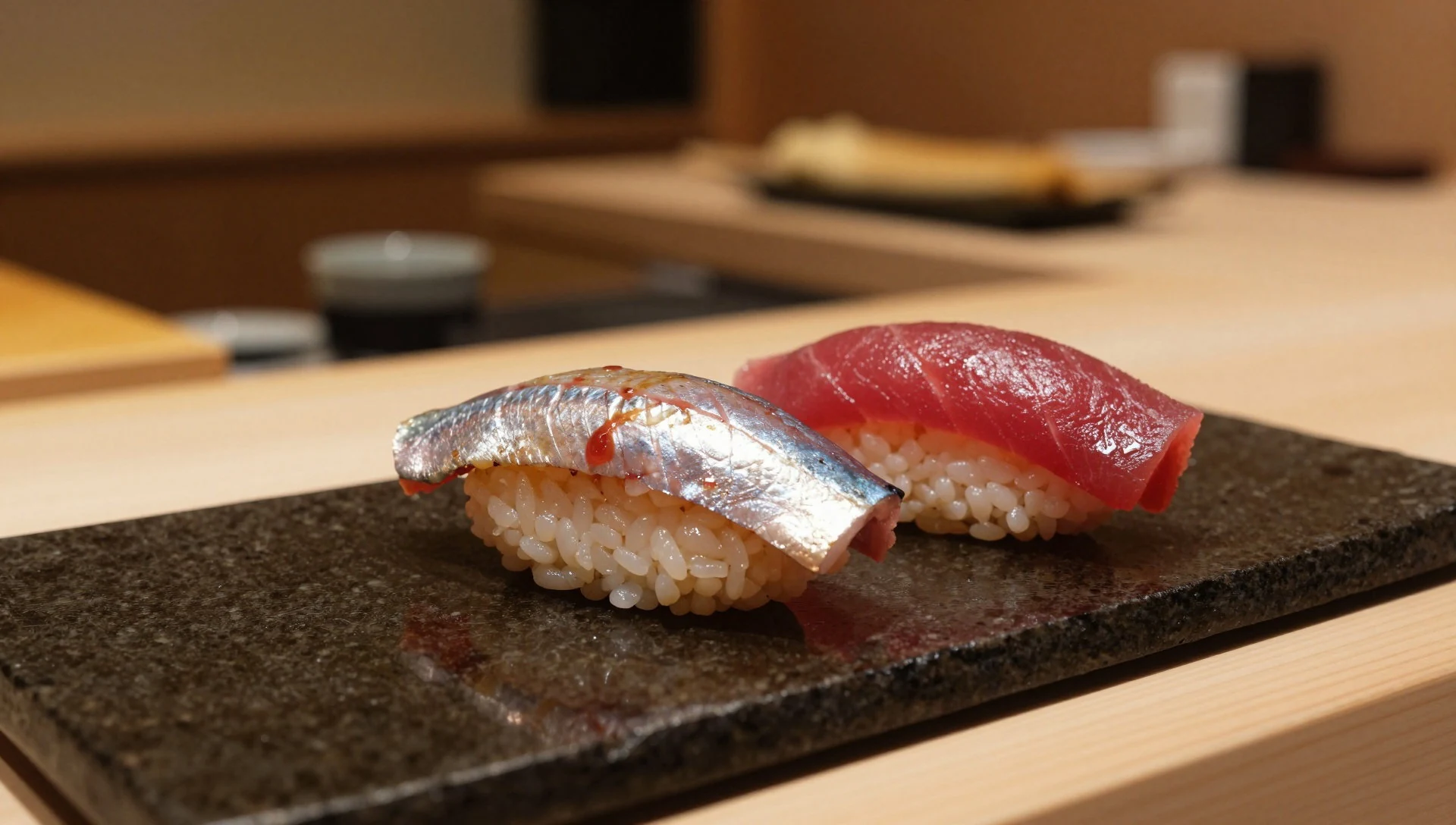
- Tokyo Ramen — Shinjuku and station alleyways
Rich wheat noodles served in a savory, simmered broth flavoured with soy sauce, miso, or pork bone, topped with tender slices of braised pork, nori, and bamboo shoots. Look for compact noodle shops tucked underneath railway arches and busy alleyways.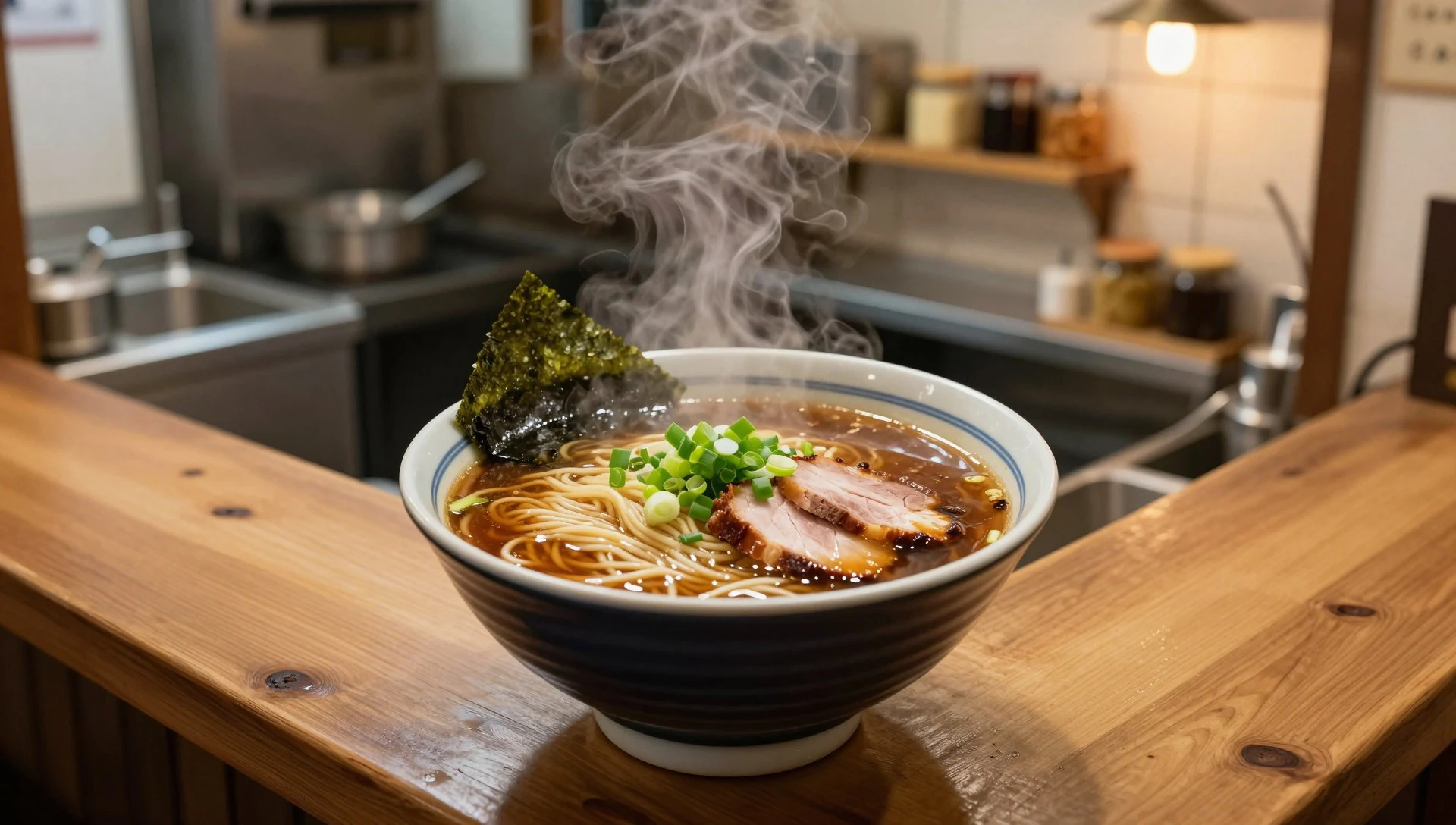
- Tempura — Asakusa historic district
Fresh seafood and seasonal vegetables coated in a light, crisp batter and deep-fried to perfection in pure sesame oil. Traditional tempura counters serve the dishes hot alongside grated daikon and tentsuyu dipping sauce.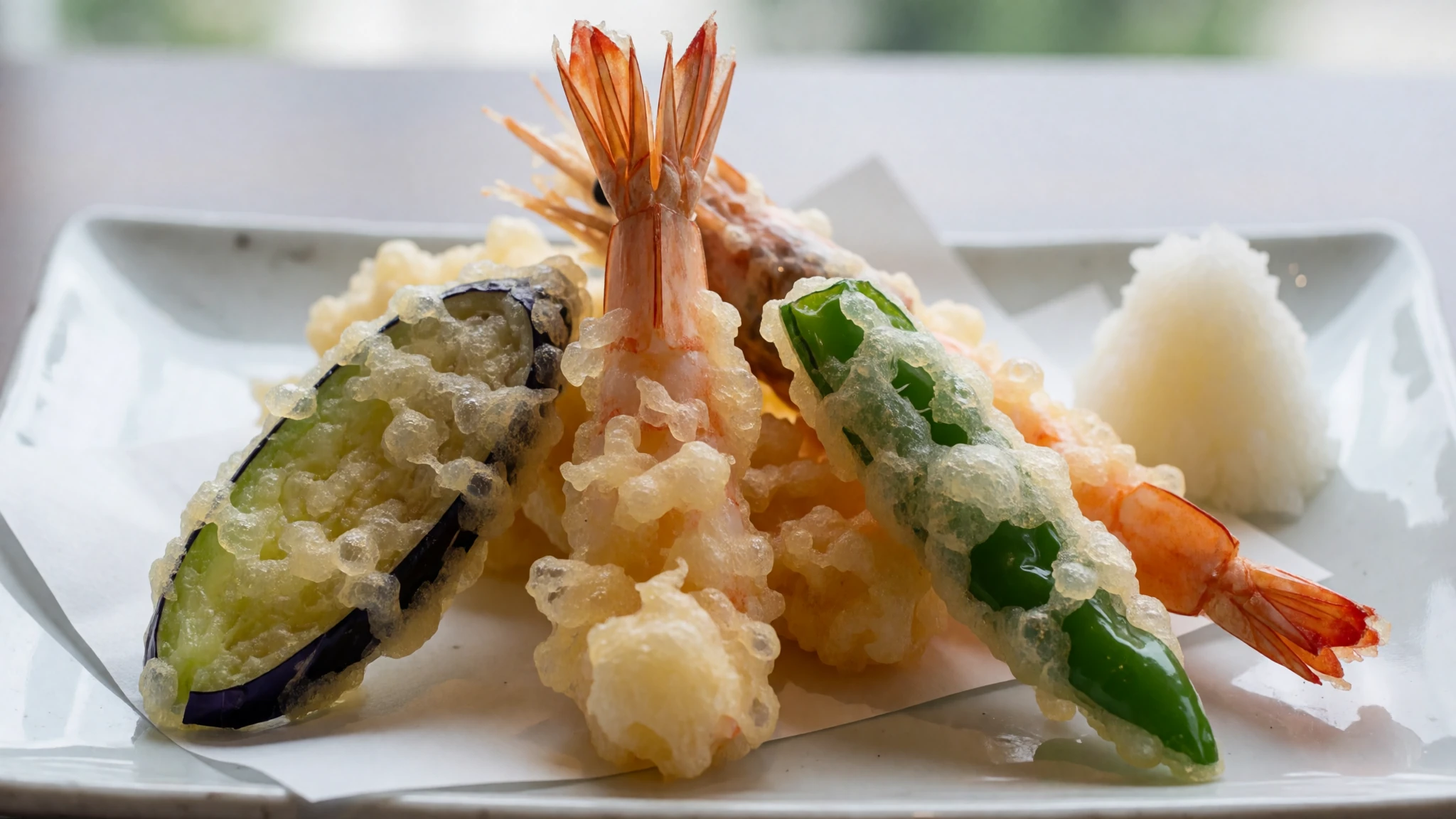
- Monjayaki — 月島 (Tsukishima Monja Street)
A runny, pan-fried batter speciality unique to Tokyo, mixed with finely chopped cabbage, seafood, and meat, cooked directly on a tabletop iron griddle using small spatulas. Experience this local comfort food in the traditional dining lanes of Tsukishima.
Plan it
Best time. March to April for cherry blossoms and October to November for autumn foliage; June brings the rainy season and August is exceptionally hot and humid.
How long. 3–4
Getting there. Fly into Narita or Haneda International Airport, then take express rail services directly into central Tokyo stations within 15 to 60 minutes.
Budget. mid
Tips
- Carry cash, as smaller neighbourhood shrines and traditional eateries often do not accept cards
- Ride the Yamanote railway line to easily connect major city hubs
- Purchase an IC transit card for seamless travel on subways and buses
- Drink tap water, which is treated to high safety standards across the metropolis
Etiquette
- Remove shoes whenever you encounter a raised entryway and waiting slippers
- Keep mobile phone conversations quiet on all public trains and buses
Nearby
Sources
- Wikidata Q1490 (CC0)
- Wikipedia (CC BY-SA 4.0)
- Wikivoyage (CC BY-SA 4.0)
- Photo 01 (CC BY 3.0)
- Photo 03 (CC BY 3.0)
- Photo 04 (CC BY-SA 2.0)
- Photo 05 (CC BY-SA 2.0)
- Photo 07 (CC BY-SA 4.0)


