Awaji Island
Awaji Island, Japan
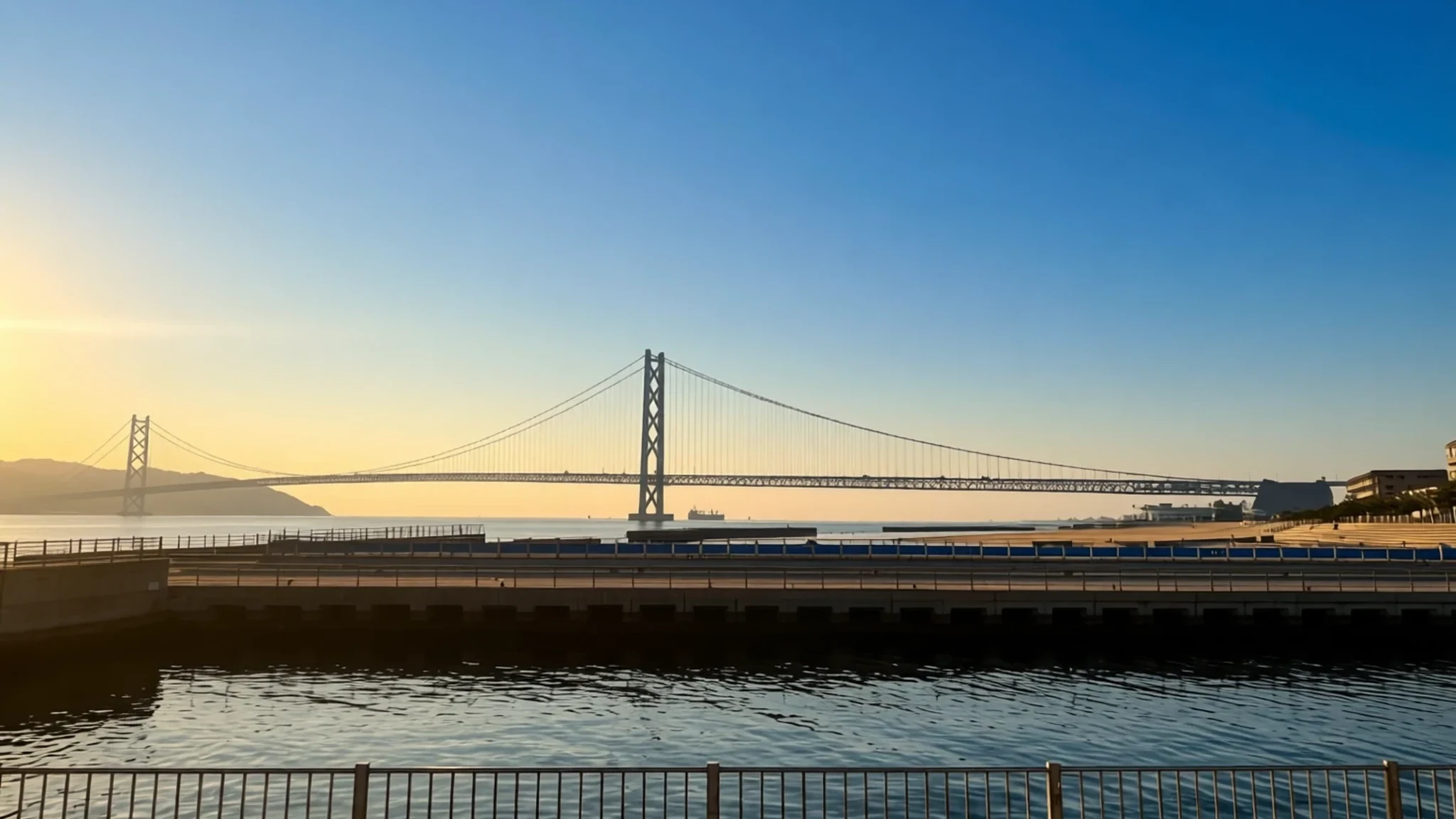
Awaji Island is a quiet Seto Inland Sea island of bridges, whirlpools, onions and Tadao Ando buildings, an easy escape from Kobe and Osaka.
The place
Awaji Island (淡路島, Awaji-shima) sits in Hyōgo Prefecture, in the eastern Seto Inland Sea, with Honshū to one side and Shikoku to the other. About 157,000 people live here, and the island rises to 606 m at its highest point. It is the biggest island in the inland sea, with an area of 592.17 square kilometres.
Two narrow channels define it. The Akashi Strait on the north-east separates it from the Kobe side of Honshū, and the Naruto Strait on the south-west separates it from Shikoku. Since 1998 the Akashi Kaikyo Bridge has tied the northern tip to Kobe, and an expressway runs the length of the island towards Shikoku. That link has changed daily life: unlike many rural areas of Japan, the population is slowly creeping up rather than falling.
The island is divided into three municipalities: Awaji, Sumoto and Minamiawaji. Sumoto is the largest town and has the main bus connections. The north is more thinly settled and has the beaches that Kansai families use for summer weekends. Hot springs are scattered about, with Sumoto and Iwaya, beside the northern bridge, the best known.
The feel is farmland and fishing ports rather than resort strips. Onion fields, small harbours, ryokan and minshuku (family guesthouses) make up much of the scenery, with a few ambitious modern buildings dropped in. It works well as a slow overnight or short break rather than a checklist trip.
Its story
Awaji Island has a place in Japan's creation story. In the Shinto account recorded in the Kojiki and Nihon Shoki, the deities Izanagi and Izanami gave birth to the islands of Japan, and Awaji came first. Even the name is debated: some scholars read it as the road to Awa, the old province across the strait, while others link awa to millet, through a tale of the small deity Sukunabikona climbing a millet stalk here.
From the 7th to the 19th century Awaji was a province in its own right. Its best-known art form is Awaji Ningyō Jōruri, a puppet theatre more than 500 years old and now an Intangible Cultural Heritage of Japan. The puppets grew out of religious ritual, and the plays are performed daily at a hall in Minamiawaji.
Craft followed. In the 1830s a local potter named Minpei began making the glazed pottery now called Awaji ware, or Minpei ware.
The modern chapter is darker. In 1995 the Great Hanshin earthquake had its epicentre on the island, killing over 5,500 people across the region and devastating the northern part, which felt shaking of JMA intensity 7. The cause was the Nojima Fault, designated a national natural monument in 1998 and an IUGS geological heritage site in 2022. Today part of the fault is preserved in a memorial park, and the island's recovery includes the new architecture of Tadao Ando.
What to see
- Akashi Kaikyo Bridge — Northern tip, near Iwaya
The suspension bridge that joins Awaji to Kobe was completed in 1998 and has a main span of 1,991 m. From the island side it towers over the small town of Iwaya. A national park nearby gives open ground for viewing, and the ferry from Akashi offers a lower-level look at it.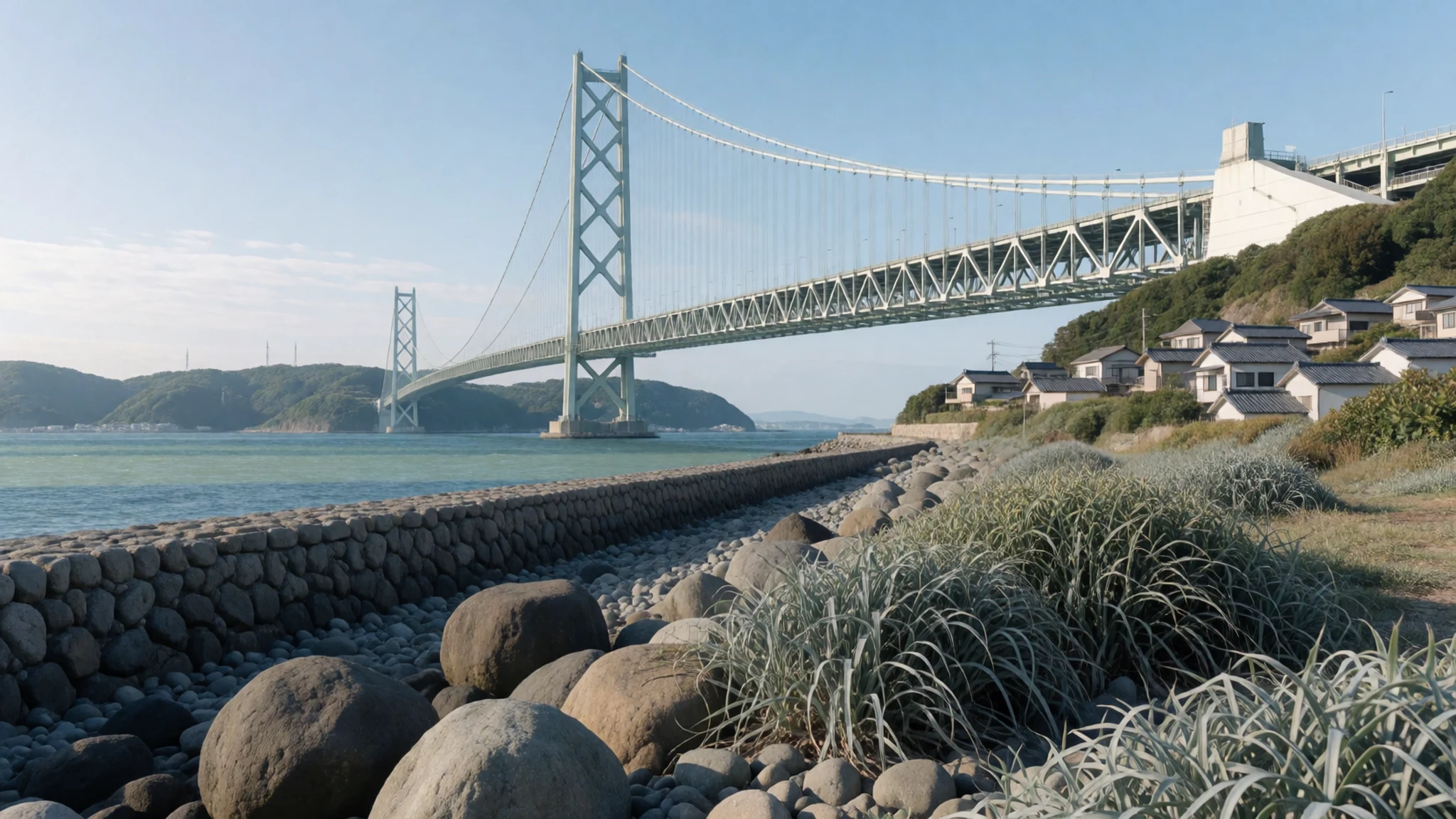
- Naruto whirlpools — Southern tip, Naruto Strait
Tidal water forced through the Naruto Strait forms spinning whirlpools between Awaji and Tokushima. They can be seen from a rest area near the Onaruto Bridge on the expressway, or from a boat. Timing depends on the tides, so check cruise operators before planning around it.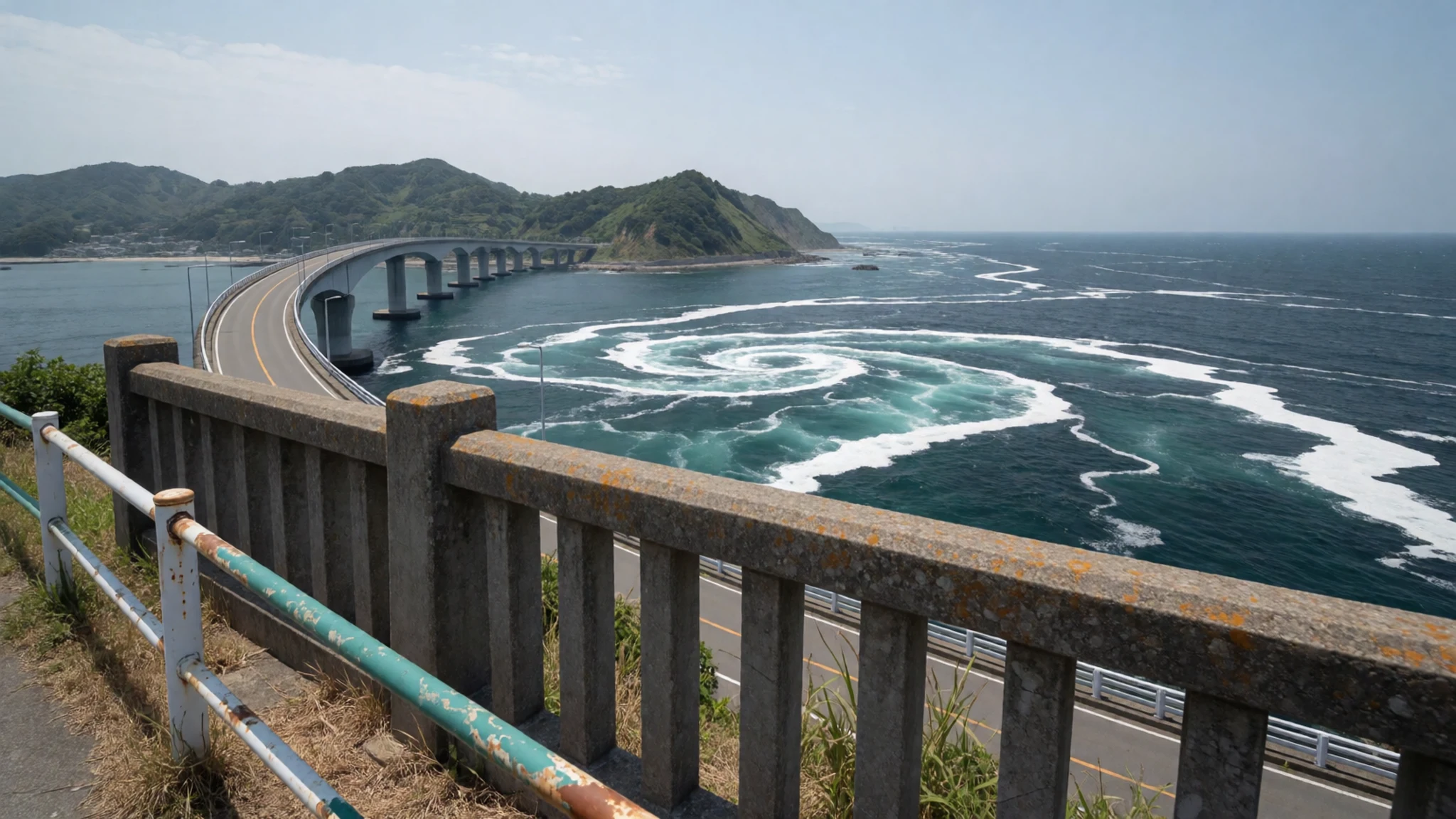
- Sumoto Castle — Sumoto
A ruined hilltop castle above Sumoto, with a keep rebuilt in 1928. The walk up is a real climb, so wear proper shoes and avoid the hottest part of summer. The reward is a wide view over the town and the inland sea.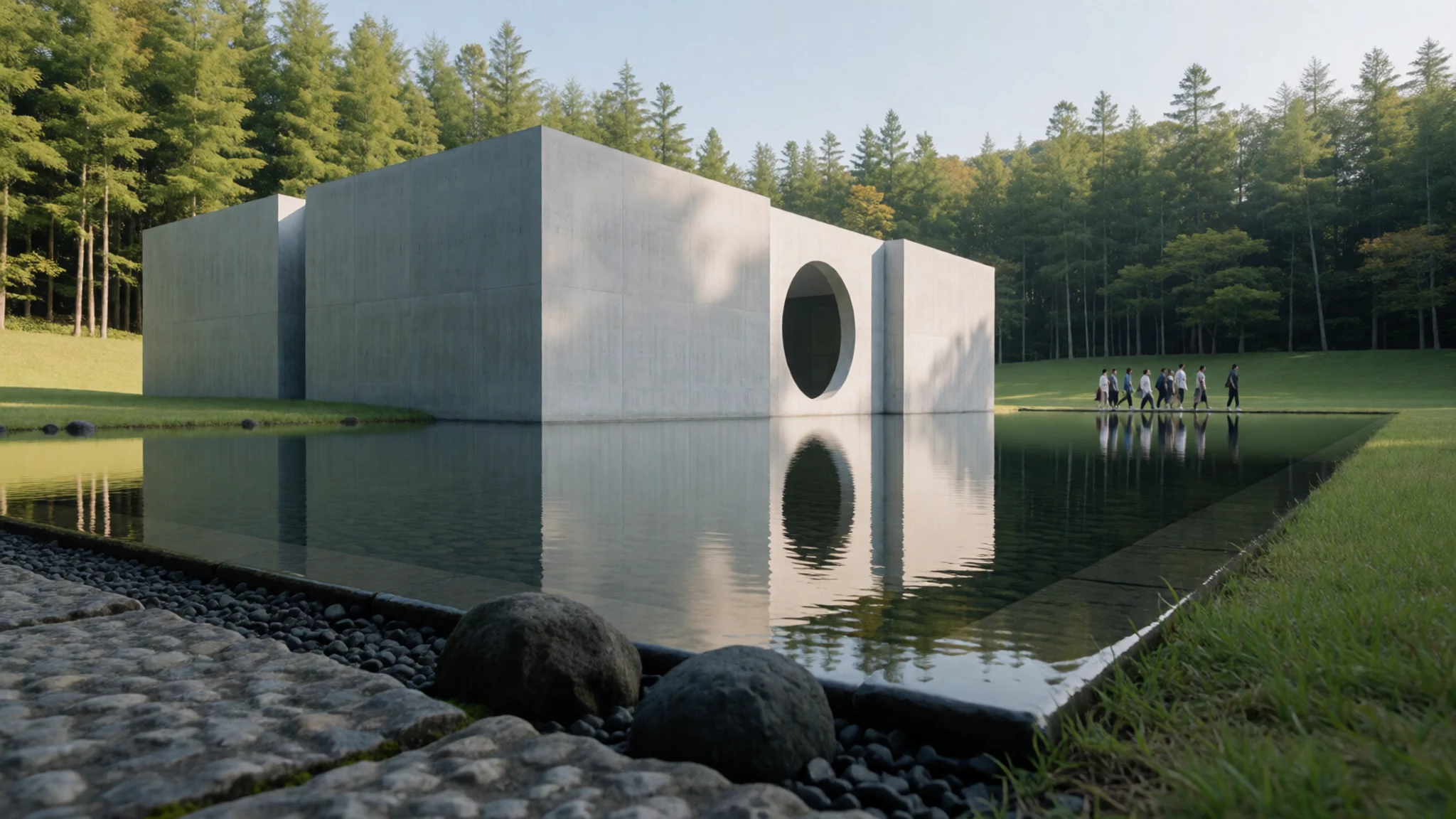
- Water Temple (Hompuku-ji) — Awaji City, north-west hills
Tadao Ando redesigned this Buddhist temple so that visitors descend through a pool of lotus plants to reach the hall below. It is quiet, minimalist and very photogenic. Ando's Awaji Yumebutai complex stands close by and can be combined in one visit.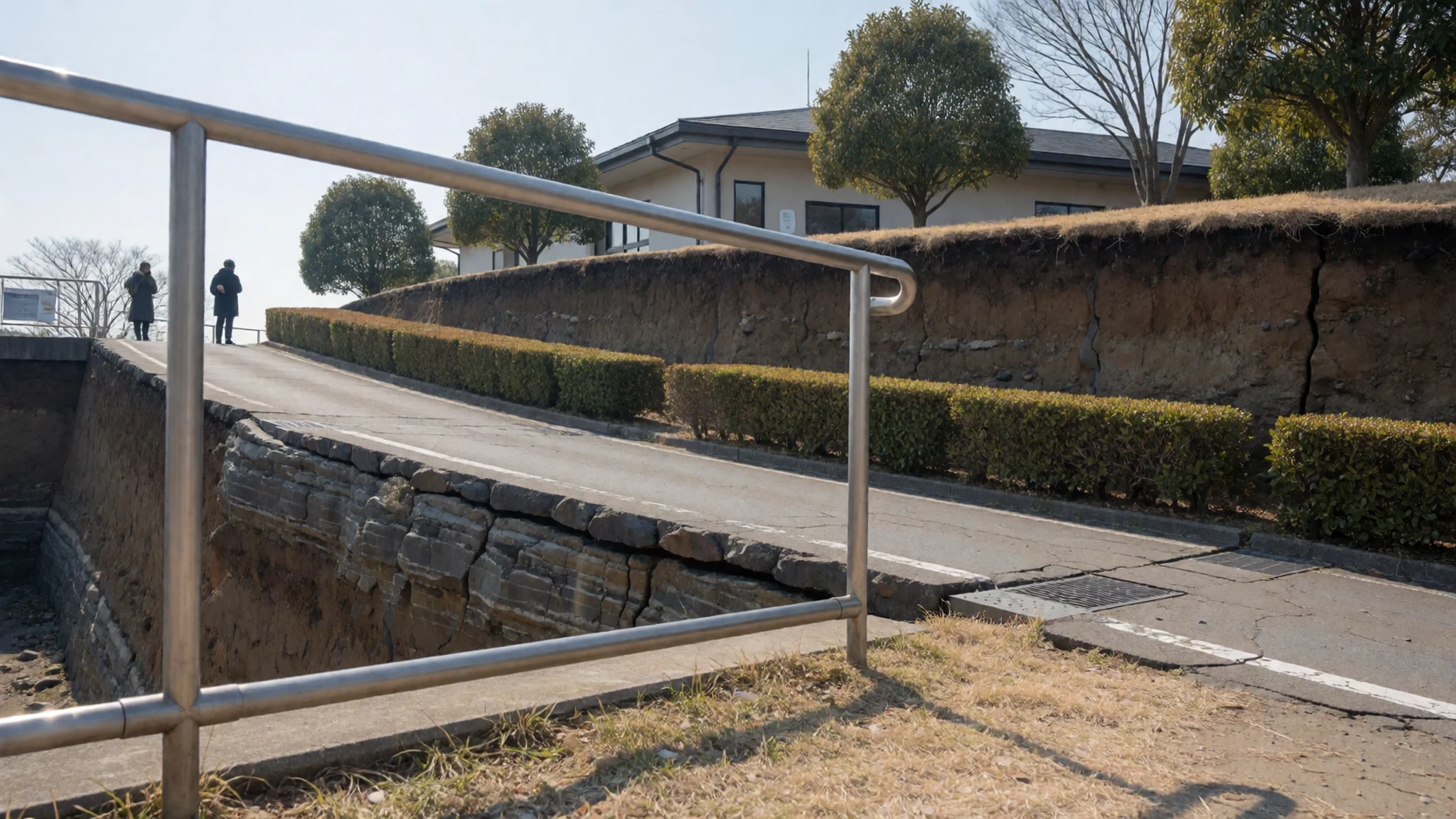
- Nojima Fault Preservation Museum — Hokudan, Awaji City
Within the Hokudancho Earthquake Memorial Park, a section of the fault that caused the 1995 earthquake has been kept in place. It shows how the ground shifted across roads and hedges. It is sobering and informative, and gives the island's recent history real weight.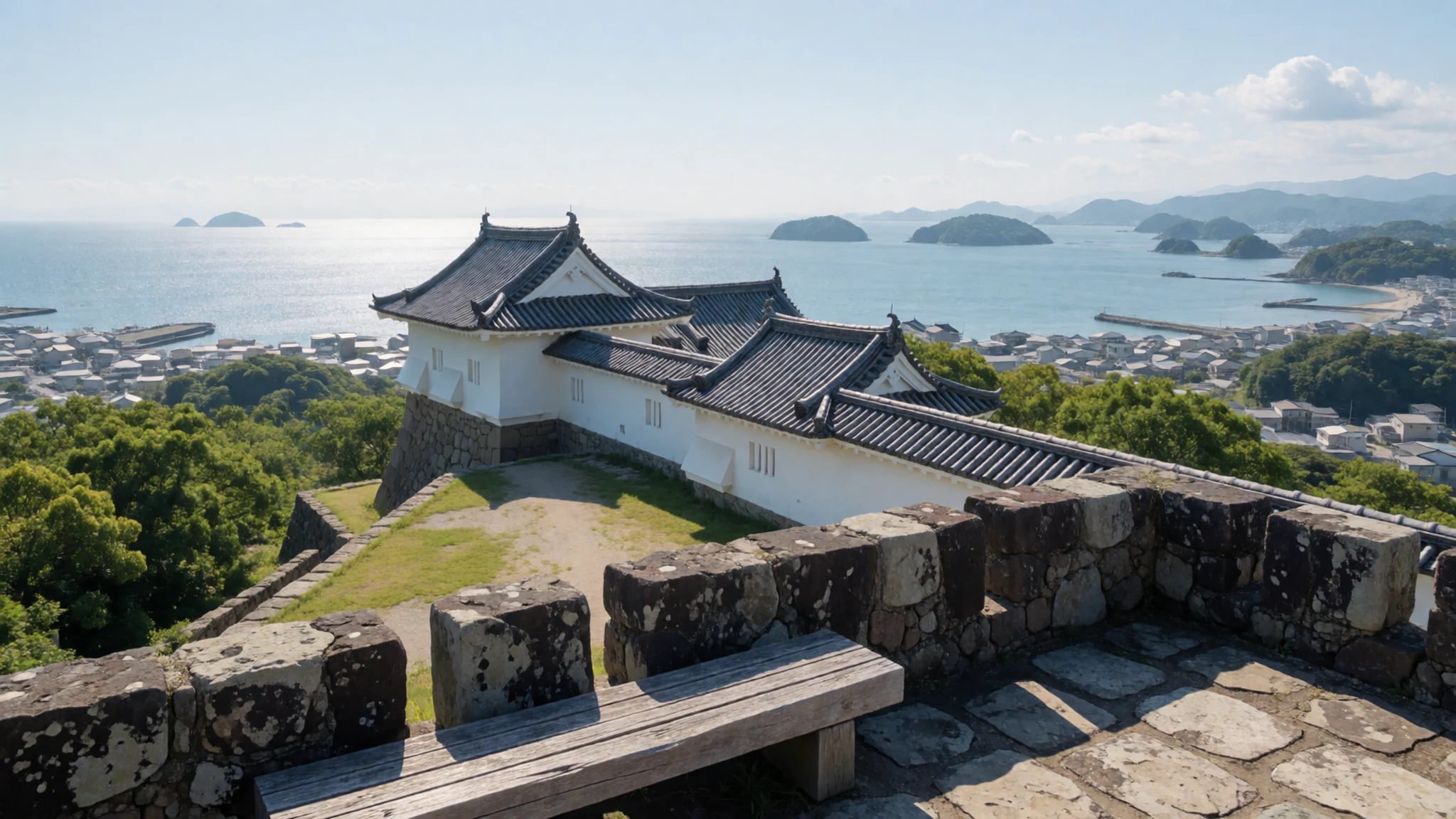
- Kiseki no Hoshi Botanical Museum — Northern Awaji
A botanical museum in the north of the island, useful as a gentler stop after the fault museum and the temple. Check the official site for opening arrangements and seasonal displays before going, as plans on the island can depend on weather.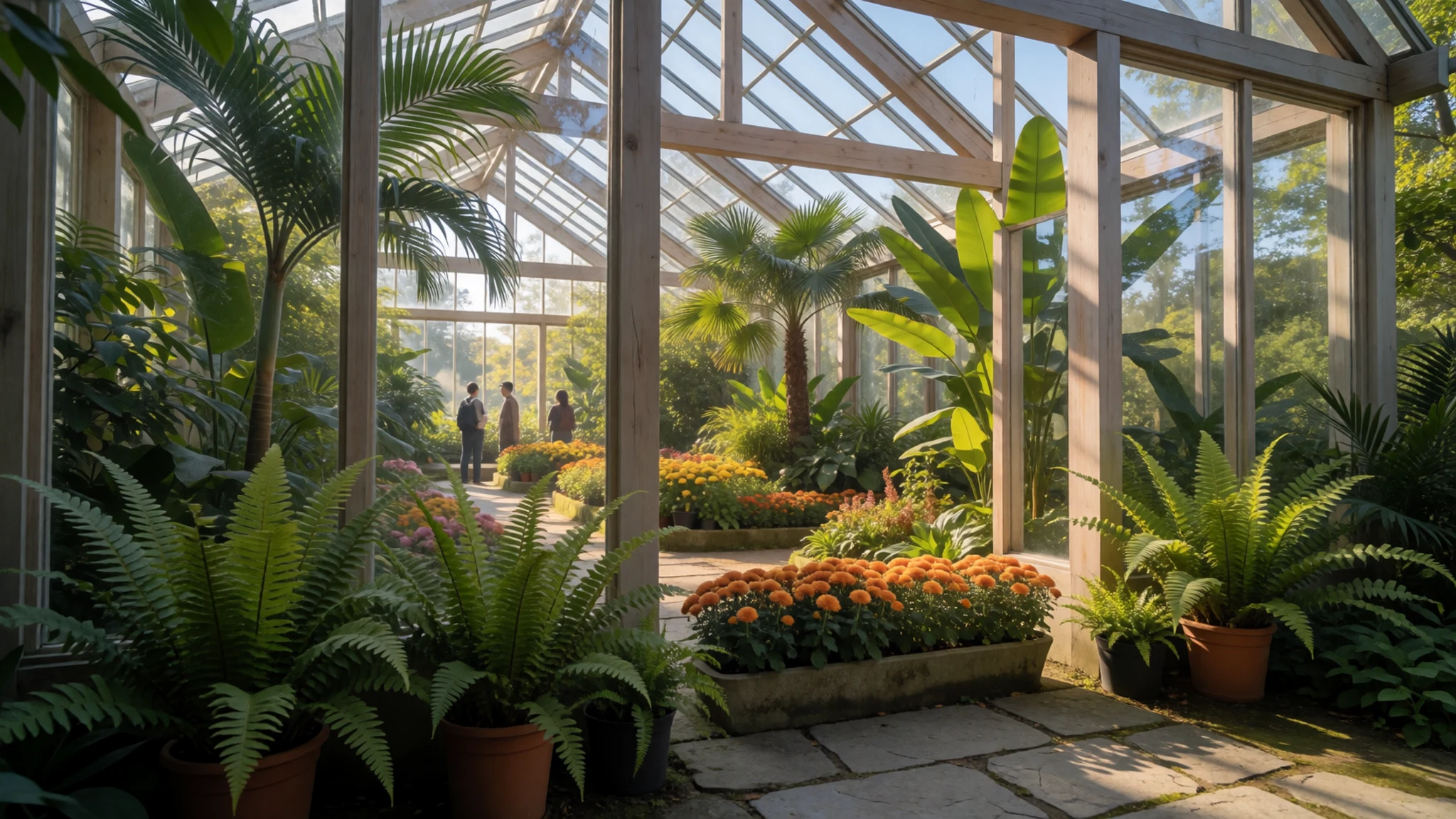
Culture
Awaji Island's culture is rooted in myth, ritual and craft. The creation stories of the Kojiki give the island its sense of importance, and shrines across it keep that link alive. Seasonal festivals and village shrines are part of ordinary life rather than staged events, so visits to them feel local and low-key.
Puppet theatre is the signature performance. Awaji Ningyō Jōruri combines chanted narration, shamisen music and large puppets handled by several operators, and it began in religious ritual before becoming popular drama. Performances take place daily at the puppet hall in Minamiawaji, and even without Japanese you can follow the emotion and the skill of the handlers.
Craft traditions sit alongside it. Awaji ware pottery dates to the 1830s, and small workshops, including a natural indigo studio, offer a way to see local making at close hand. Tadao Ando's temple and complex add a contemporary layer, in which Buddhist practice and modern concrete design sit together.
The 1995 earthquake is part of the island's identity too. Memorials and the preserved fault are treated as places of remembrance as well as attractions, and locals take them seriously.
In temples, shrines and memorial sites, keep your voice low, follow signs about photography, and remove your shoes wherever you see a raised floor or slippers waiting.
What to wear
Awaji Island has no dress of its own that visitors will meet in the street. Traditional Japanese clothing here is the same as elsewhere in the country: kimono in silk or cotton, and the lighter cotton yukata worn in summer to festivals and after a bath at an onsen inn. Puppet theatre uses elaborately dressed figures, and their costumes echo older kimono styles. Indigo dyeing is a craft you can try at a local workshop.
What people wear day to day is practical and casual. Farmers and fishing families wear work clothes, hats and boots, while younger people and weekenders from Kobe and Osaka dress in typical Japanese city casual wear. At ryokan you will often be given a yukata to wear around the building, which is perfectly normal.
For visitors, think in terms of climate and terrain. Summers are hot and humid, so lightweight cotton or linen, a hat and sun protection suit beach days and castle climbs. Spring and autumn are comfortable with a light layer in the evenings, and winter can be cold and breezy near the water, so bring a proper coat. Comfortable walking shoes matter for Sumoto Castle and for any coastal paths. Shoes are removed often, so wear socks without holes and shoes that slip on and off easily. Modest, neat clothing is expected at temples, though no special dress code applies.
What to eat
- Awaji onions — Farm stalls and markets across the island
The island's best-known crop, valued for its sweetness. They appear grilled, in soups, in tempura and as a side to meat. Look for them at roadside farm stalls, local markets and almost any casual eatery.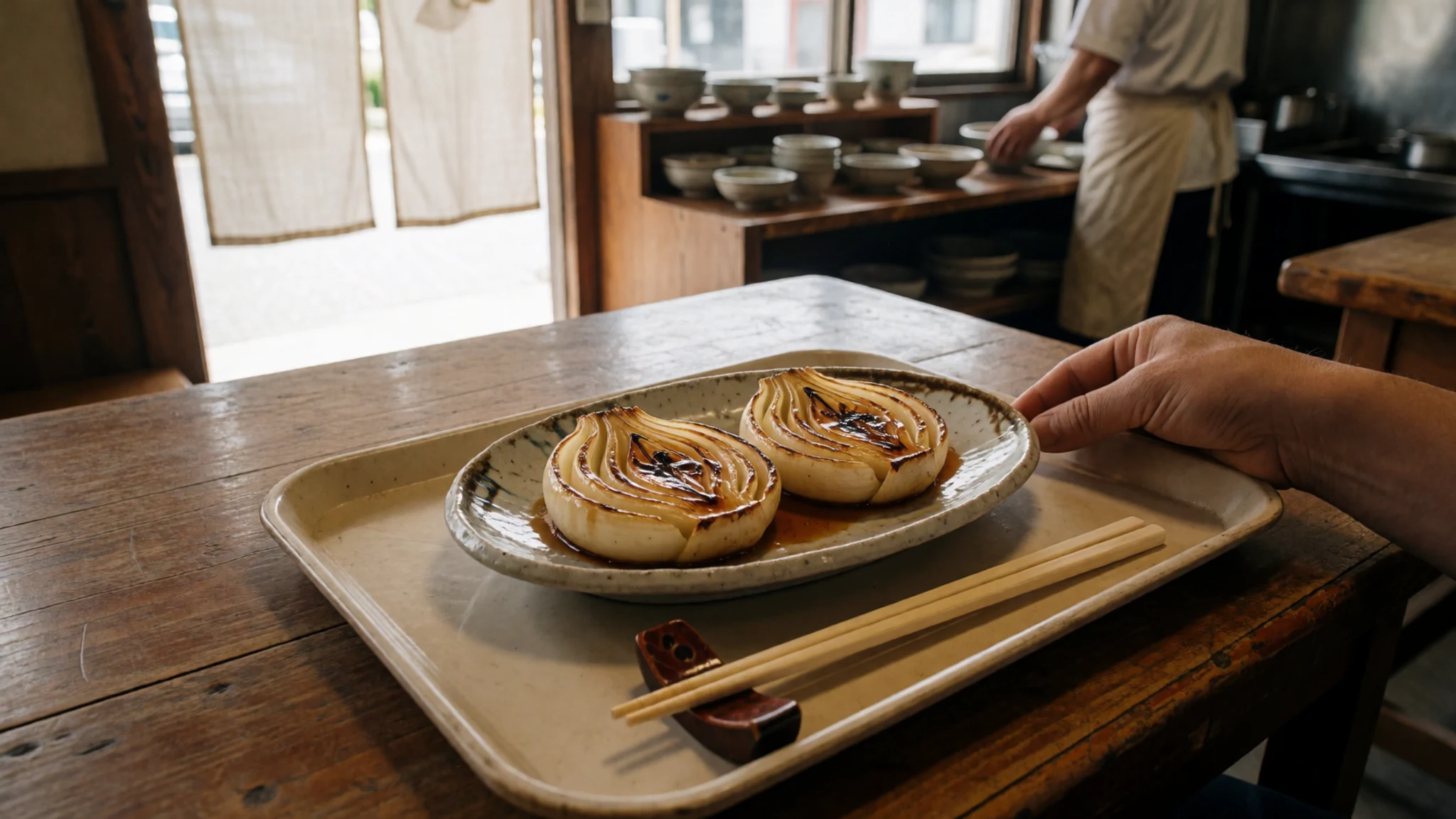
- Fresh seafood — Harbour towns such as Sumoto and Fukura
Fishing ports around the island supply sea bream, octopus, shellfish and small fish served as sashimi or grilled. Locals eat what is in season. Expect the best choice at harbour-side eateries and small seafood restaurants near the ports.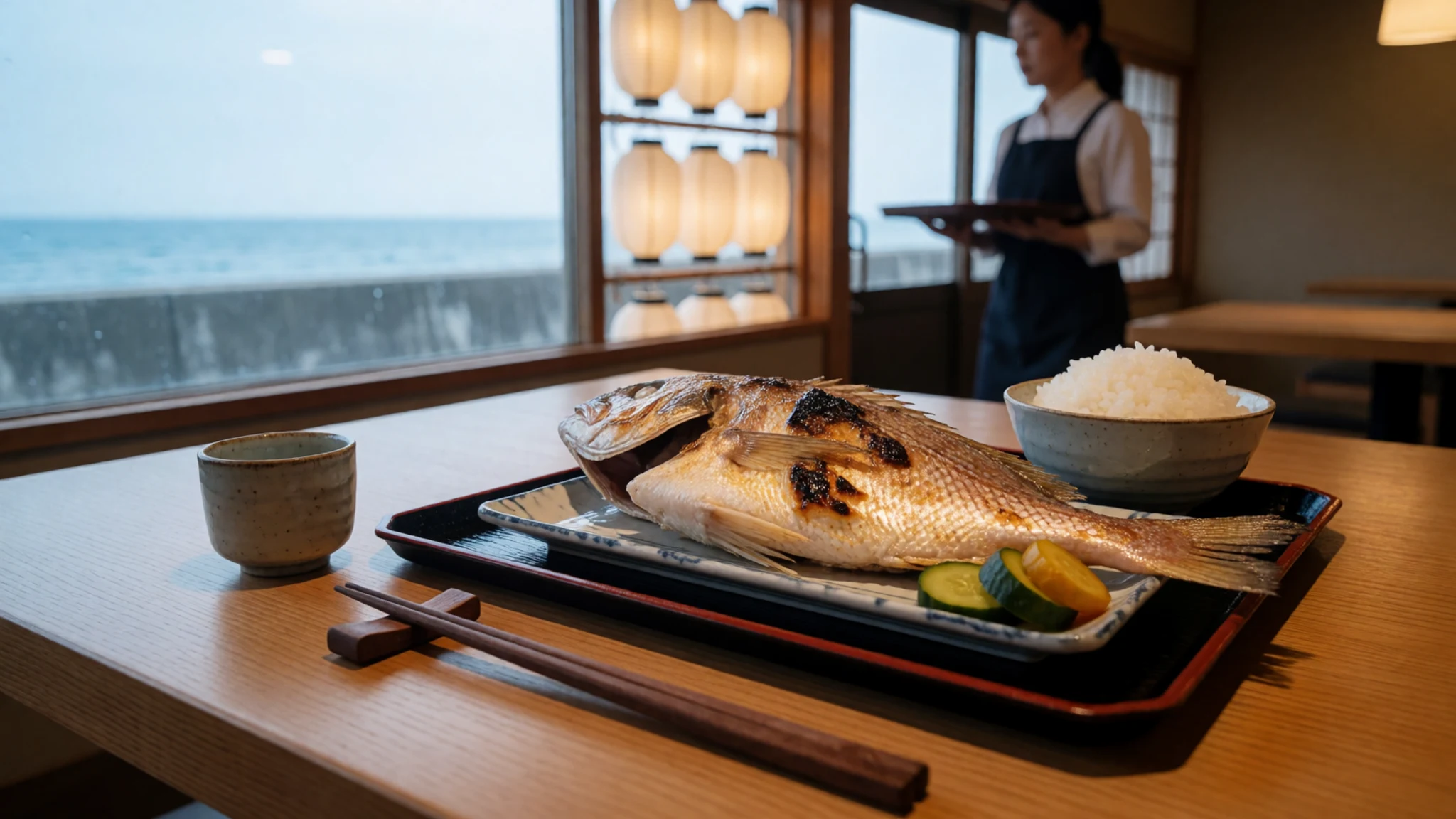
- Awaji beef — Grill restaurants in Sumoto
A local brand of beef, usually served as steak or in a grill-it-yourself set. It is a treat rather than an everyday meal and tends to be pricey, so check menus before sitting down. Specialist grill restaurants around Sumoto serve it.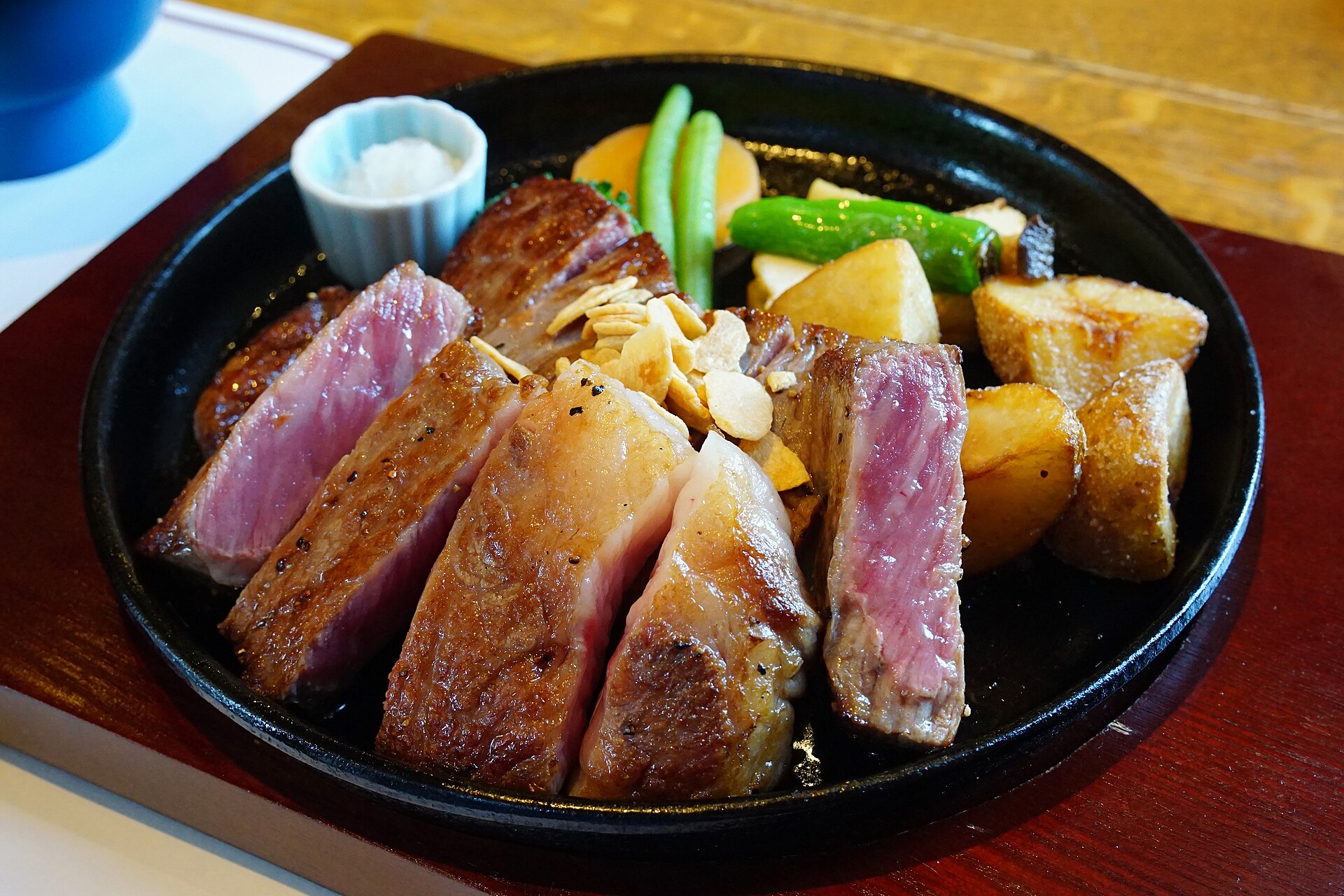
- Awaji cheese and dairy — Farm shops and roadside rest areas
The island's dairy farms produce cheese, milk and soft-serve ice cream, often combined with the local onions or sold as gifts. Farm shops and roadside stops are the easiest places to try them. - Onion-based snacks — Expressway rest areas and souvenir shops
Look for onion crisps, onion burgers, and onion sauces and dressings in bottles. They make easy edible souvenirs and are sold at service areas on the expressway and in town shops.
Plan it
Best time. April–May and October–November are the most comfortable, with mild weather for walking and island driving. Summer suits the beaches but is hot and humid, and weekends can be crowded with visitors from Kansai. Winter is quiet and cool.
How long. 2
Getting there. The nearest airports are Kobe and Kansai International. Highway buses run from Kobe Airport and from major stations such as Shin-Kobe, Sannomiya and Osaka to Sumoto, crossing the Akashi Kaikyo Bridge. There are no trains onto the island. A ferry runs from Akashi to Iwaya for the northern crossing. Buses are not covered by the Japan Rail Pass.
Budget. mid
Tips
- Buy bus tickets at station ticket offices or check the operators' websites for current fares and timetables
- A car makes the island far easier to explore, but expressway tolls are high and signs can be hard to read without Japanese
- Book ryokan, minshuku or campsites early for summer weekends
- Carry some cash for farm stalls, small harbours and rural eateries
- Check tide times and cruise schedules before planning a visit to the Naruto whirlpools
Etiquette
- Remove your shoes where there is a raised floor or slippers are provided
- Be quiet and respectful at memorial sites and temples
- Wash and rinse before entering an onsen, and follow the posted rules about towels and tattoos
Nearby
Sources
- Wikidata Q504373 (CC0)
- Wikipedia: Awaji Island (rev 1381130449) (CC BY-SA 4.0)
- Wikivoyage: Awaji Island (rev 5424279) (CC BY-SA 4.0)
- Photo: Awaji-island 1.png, Pinqui (Public domain)
- Photo: Sumoto Castle 02.JPG, Reggaeman (CC BY 3.0)
- Photo: The whirling current in Naruto.JPG, EMPe (Public domain)
- Photo: Westin Awaji Island Hotel 02.jpg (CC BY 3.0)
- Photo: AKNGP08s3200.jpg, 663highland (CC BY 3.0)
- Photo: Akashi Bridge.JPG, Tysto (CC BY-SA 2.0)
- Photo: Awaji beef at Sumoto, 663highland (CC BY 3.0)
- Photo: Hirota, Asturio Cantabrio (CC BY-SA 4.0)


