Daisetsuzan National Park
Daisetsuzan National Park, Japan
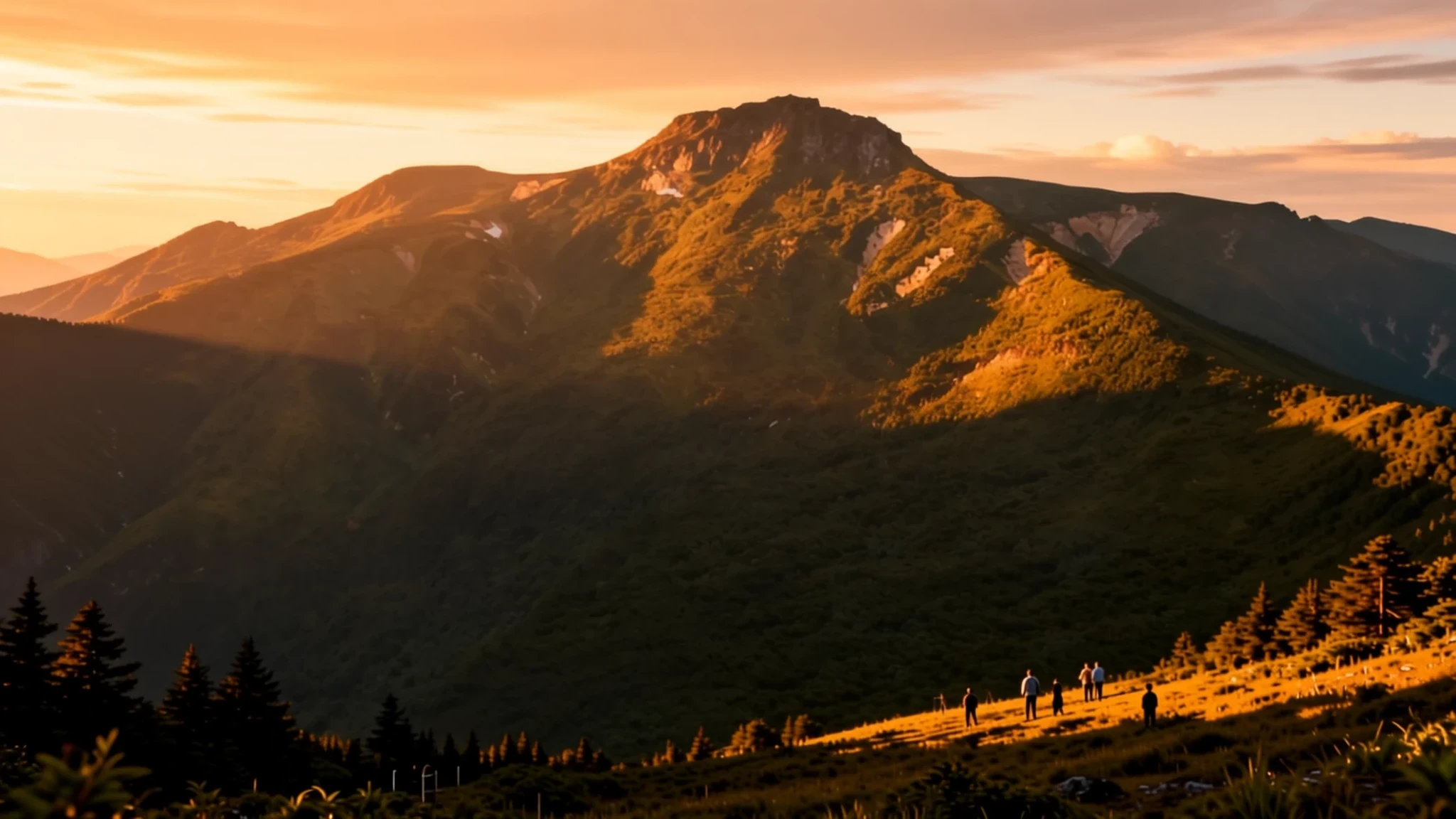
Japan's great volcanic heartland in Hokkaido, with sulphur springs, alpine ponds and some of the country's most rugged walking.
The place
Daisetsuzan National Park sits in the mountainous middle of Hokkaido, the northernmost of Japan's main islands. The park covers about 2,270 square kilometres, roughly the size of Kanagawa Prefecture, and it is built around a ring of volcanoes. Sixteen peaks rise above 2,000 metres, some with marked trails and some without, so the landscape suits both afternoon walkers and people who want to spend several days in the high ground.
The highest point is Asahi-dake, at 2,290 metres the tallest mountain on Hokkaido and the peak most people picture when they hear the name. Vegetation changes with altitude, and in the second half of September the slopes turn to a patchwork of red and gold that draws photographers and walkers alike. Small ponds sit in hollows across the high ground, and sulphur springs steam quietly beside the paths, a reminder that the mountains are still volcanic.
Two bases do most of the work for visitors. Sounkyo Onsen sits at the foot of Kurodake and has the widest choice of places to stay, along with a few restaurants and shops. Asahidake Onsen lies below Asahi-dake and makes a quieter base for high-mountain walks. The park has no railway line, so getting in usually means a bus or a car, and buses run less often outside the busy seasons.
The park suits people who like to earn their views. Day walkers can take a ropeway and a chairlift part of the way up, while multi-day hikers can circle the great caldera and come down another side. Expect cool mornings even in summer, and expect the weather to turn quickly.
Its story
Daisetsuzan National Park was designated in 1934, when Japan was building a network of protected landscapes across its islands. Its name is often read as 'great snowy mountains', a fitting description for a range where snow can linger on the high ridges into late spring. The Ainu name for the same high country, kamui-mintara, is usually rendered as 'playground of the gods'. Ainu people lived in Hokkaido long before the modern park boundaries were drawn, and their name for these mountains shows how they understood them: as a place of spirit and wonder rather than a resource to be measured.
The modern story is partly one of definition. People often mix up the park with the Daisetsuzan Mountains, the northernmost of its three volcanic groups and by far the most famous. The other two groups, the Tokachi and Shikaribetsu ranges, see far fewer visitors. The northern volcanoes, with Asahi-dake at their heart, draw most of the attention. Routes are arranged so that a walker can climb one peak, circle the vast Ohachi caldera and descend by another, a loop that has become a long-standing favourite among hikers willing to spend several days out.
Over the decades the park has grown into a mix of wilderness and resort life. Hot-spring hotels stand at the bases of the peaks, and ropeways now carry walkers much of the way up the mountain before the real effort begins. In 2024 a neighbouring national park, Hidakasanmyaku-Erimo-Tokachi, took over the title of Japan's largest, which changed how some people describe Daisetsuzan. Its size and its long history of protection remain its core claim.
What to see
- Sounkyo Onsen — Sounkyo, northern side of the park
The main base for the park's northern side, a hot-spring resort at the foot of Kurodake with the widest choice of rooms and a handful of shops, including a Seicomart and a 7-Eleven. It suits anyone driving or staying several nights, because many walks and viewpoints start from here. Evenings are quiet, and a soak in the onsen is a good way to recover after a long day on the trail.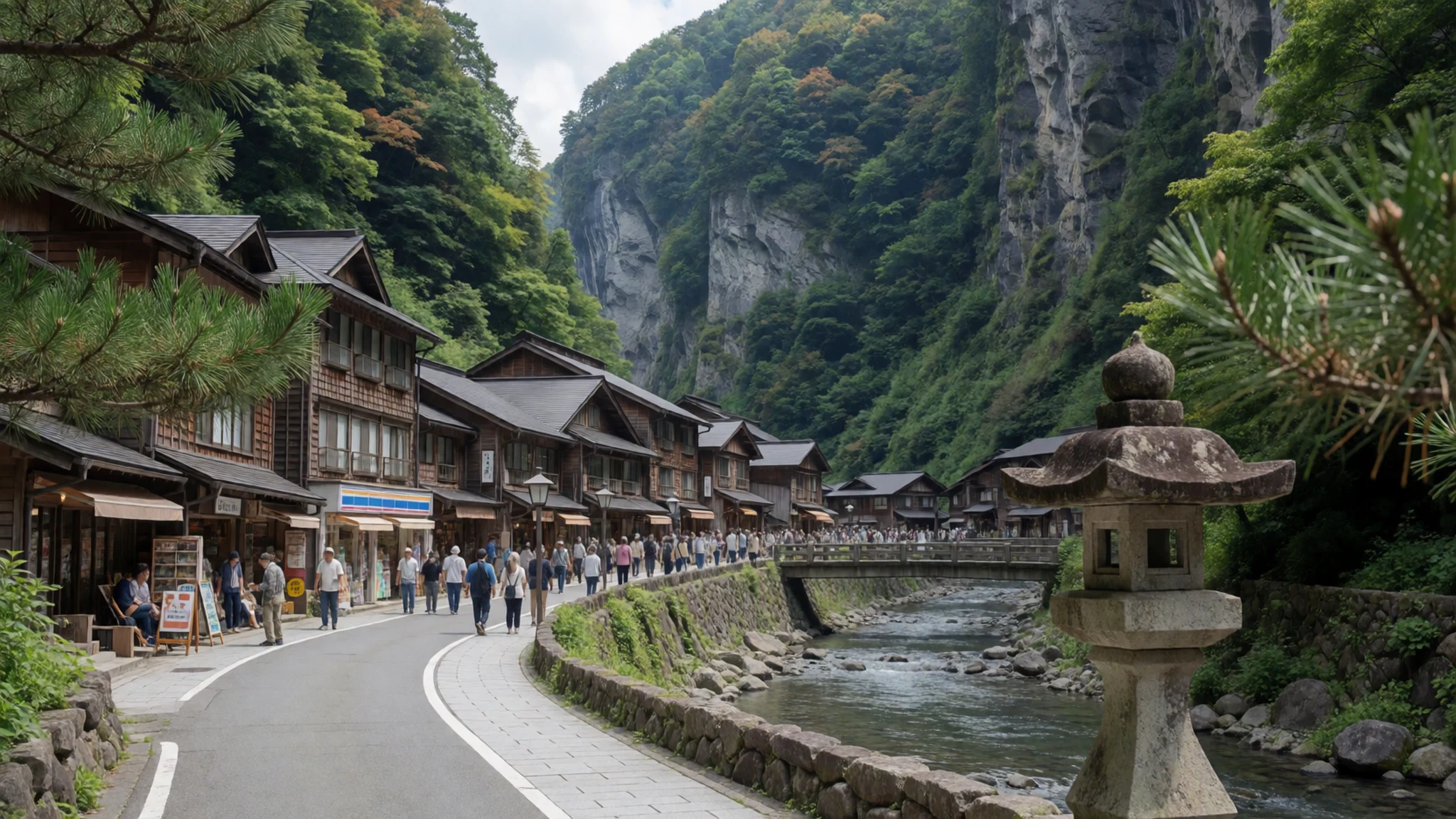
- Kurodake — Above Sounkyo, northern side
The most accessible of the Daisetsu peaks, reached by ropeway and chairlift from Sounkyo. From the top station, the summit is one to two hours on foot, so it suits walkers who want high views without a full day's climb. The ridges look their best in clear weather, so check the forecast and the cable car times on the official site before you set out.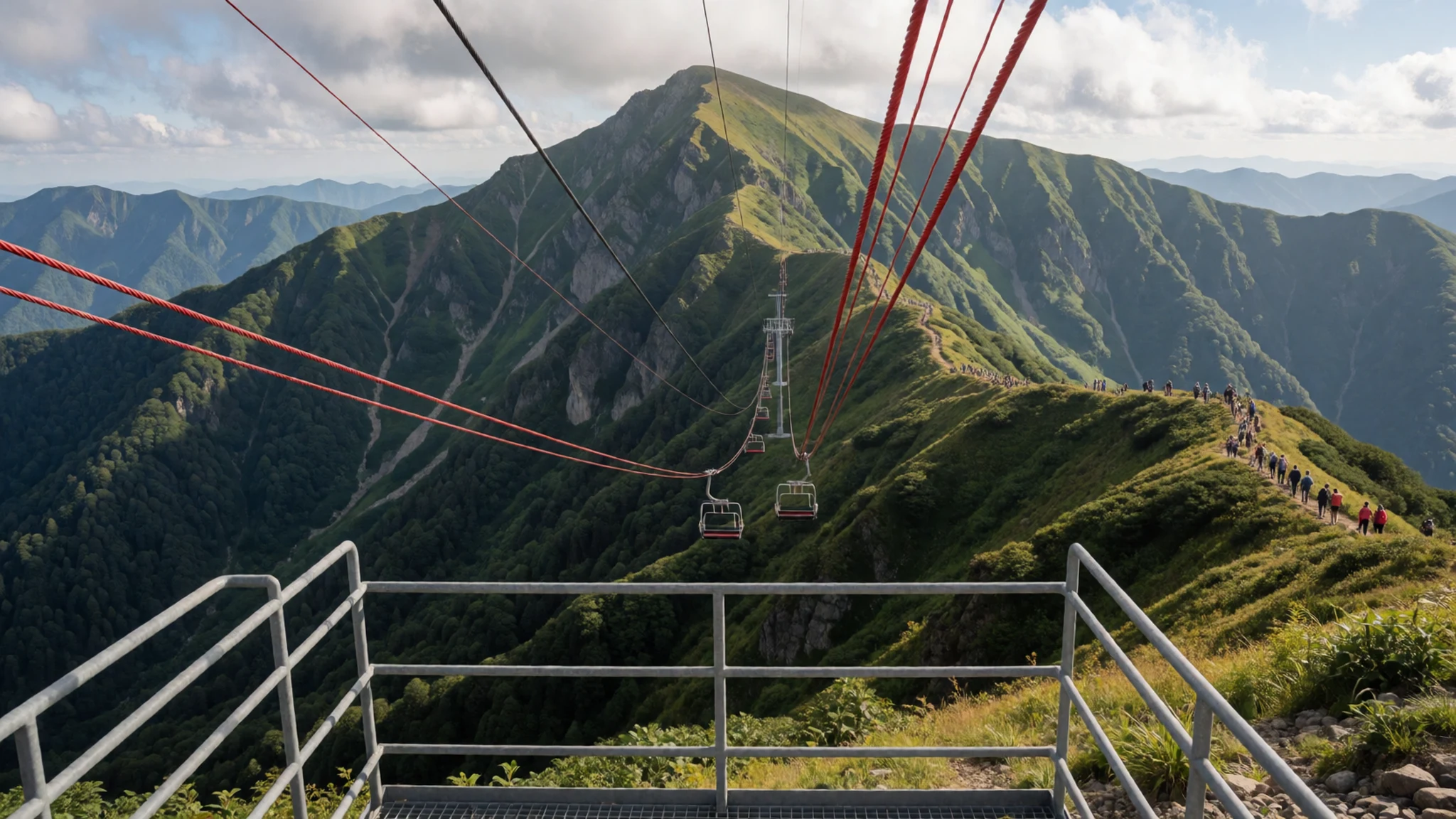
- Asahi-dake — Asahidake Onsen, northern group
At 2,290 metres the tallest mountain on Hokkaido, and the peak that gives the northern group its character. Buses from Asahikawa run to the Asahidake Ropeway, which shortens the climb considerably. The summit route is steep and exposed, and conditions change quickly, so carry warm layers even on a clear morning. Early starts bring better light and quieter paths.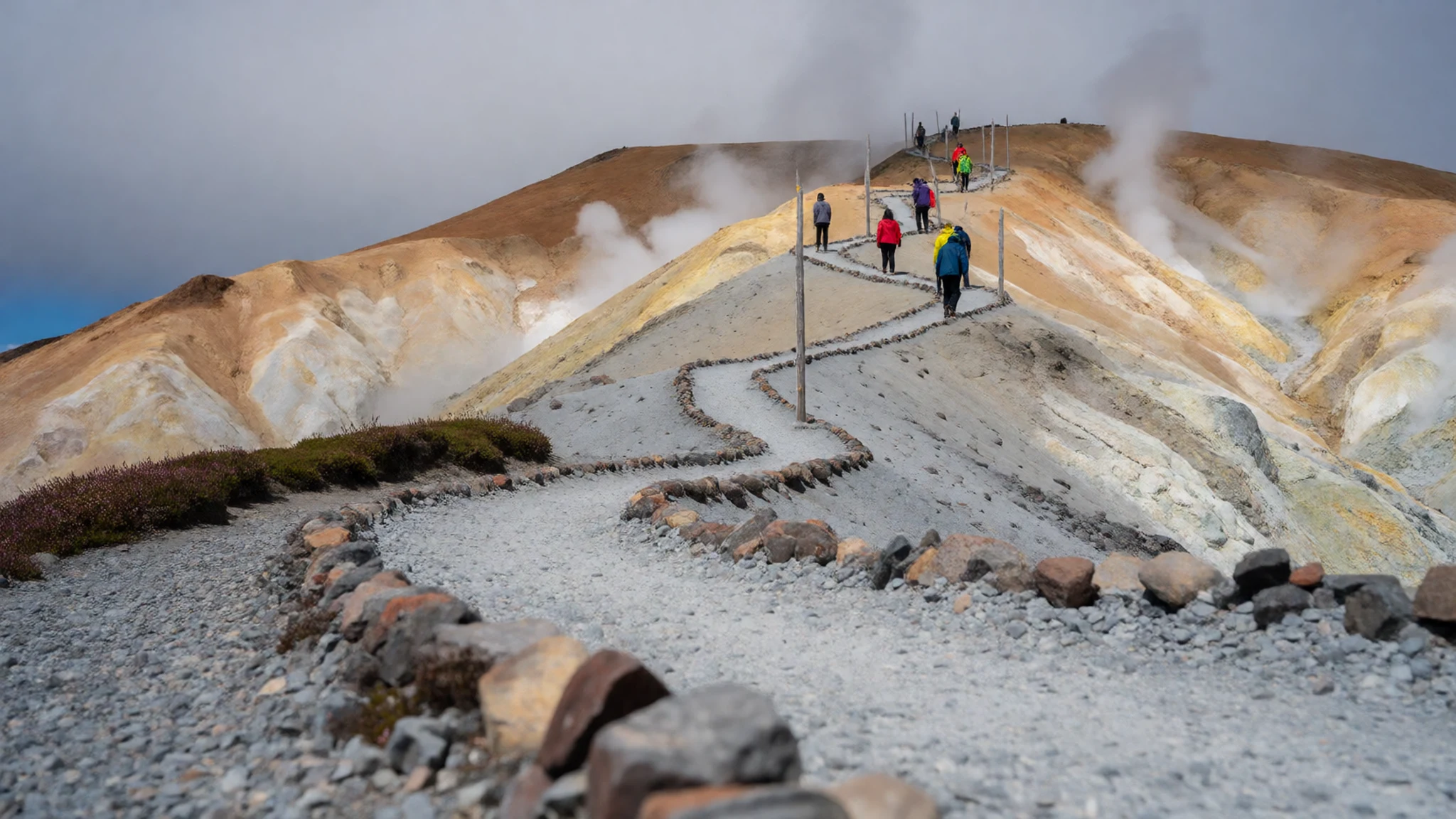
- Ginsendai — Central park, above the Ohachi caldera
Popular for autumn colour and wide views across the Daisetsuzan peaks. The approach is a walk of about three hours to Aka-dake, at 2,078 metres, followed by a gentler section to the viewpoint. Public transport does not reach the trailhead, so plan to drive or join an organised tour, and bring a windproof layer, because the ridge is exposed.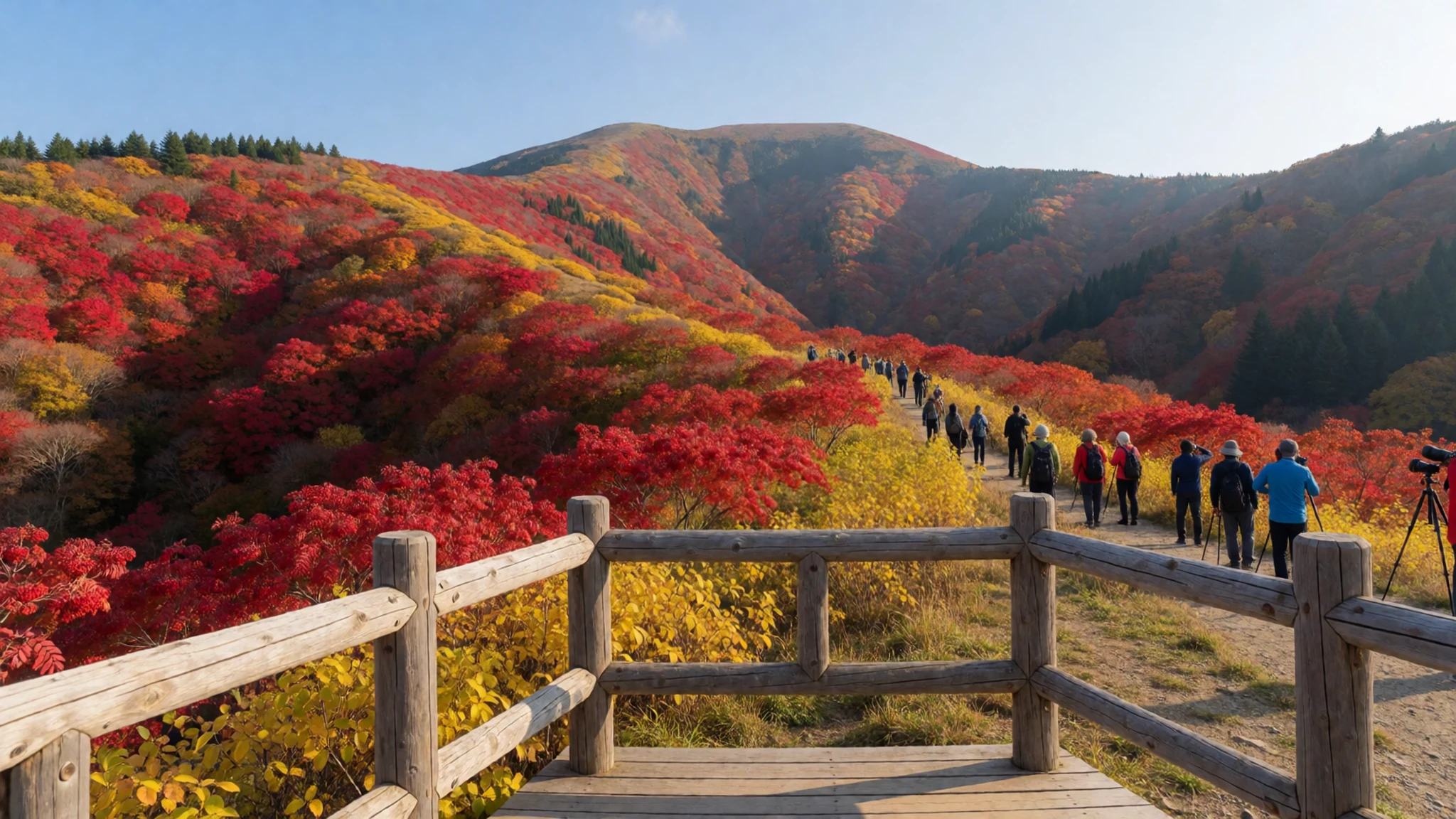
- Daisetsu Kogen Onsen — Central park, eastern side
A nature area built around an onsen hotel and a network of trails. The five-hour circular walk crosses open ground and small wetlands, while the path to Midori-dake starts here and takes two to four hours to the summit. Buses to this area mainly run in peak season, so check the timetable before you rely on one.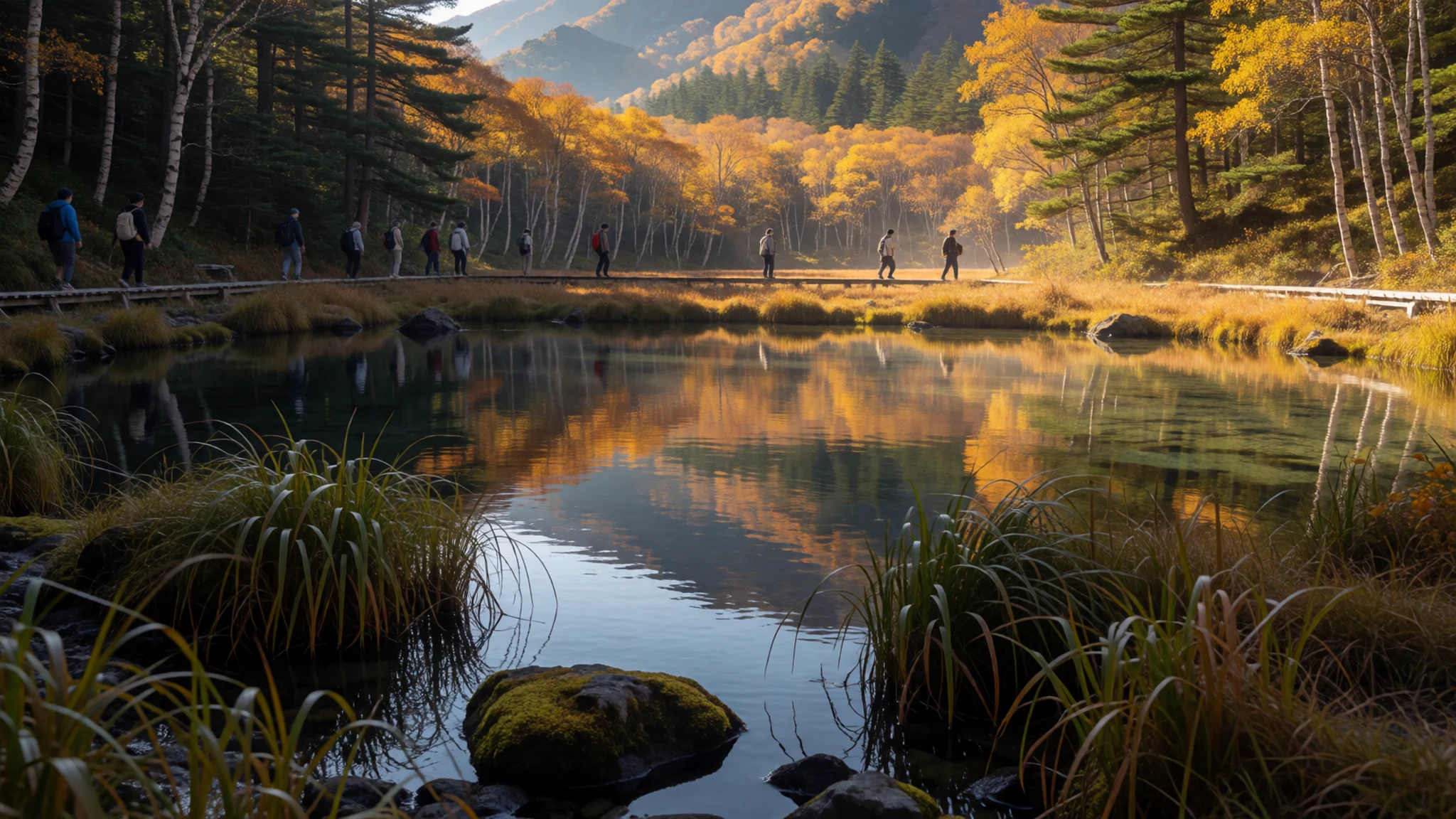
Culture
Onsen bathing is part of everyday life across Hokkaido, and a few habits matter. Most bath houses separate men and women, and bathers wash thoroughly at the seated stations before entering the shared pool, which is kept for soaking rather than scrubbing. Tattoos can still lead to a bather being turned away from some public baths, so ask at reception if you are unsure, and many hotels offer a private bath as an alternative.
The landscape also carries a deep Ainu heritage. Ainu communities have lived in Hokkaido for centuries, and their name for these mountains describes them as a place of gods. Visitors who learn a little of that history and treat sacred ground with care are welcome, and many of the park's signs explain the land's meanings in Japanese and English.
On the trails, walkers are generally quiet and courteous. People coming uphill are given the right of way, groups step aside at viewpoints, and voices drop near wildlife. Photographs of animals and wildflowers are welcome, but never crowd a creature or leave the path for a closer view.
Food scraps and litter are a real problem in the mountains. Pack out everything you carry, and keep food out of sight in the forest, because scraps left lying about draw bears.
What to wear
Daisetsuzan National Park lies in Hokkaido, where the older clothing traditions belong to the Ainu. Ainu women wove attush, a cloth made from fibres of elm bark, and decorated garments with bold embroidered borders, usually in dark blue or black with curling and angular motifs stitched in white and red thread. These clothes were worn for ceremonies and everyday work alike, and today they appear mainly at cultural festivals, museums and craft demonstrations rather than on the street.
What people wear now is practical and much like anywhere else in Japan. Locals on the mountain trails or driving between onsen towns tend toward layered outdoor jackets, trousers and sturdy boots, while in the onsen hotels guests move about in yukata or hotel robes. In winter the same coats and boots serve for skiing and snowy walks.
For a visitor, layers are the sensible choice. Mountain weather can change within an hour, so bring a waterproof shell, a warm mid-layer and a hat, even in summer. Boots with good grip matter more than style on rocky paths and wet boardwalks. At the onsen, pack a small towel and a light robe, and dress modestly for the dining room. The mountains set the dress code, so keep clothes practical.
What to eat
- Ramen — Ramen shops in Sounkyo Onsen
Hokkaido is known for rich, warm bowls of noodles, and the ramen shops in Sounkyo are the easiest place to try one after a long walk. Expect a simple menu, a counter and quick service. Order, sit down and eat while the broth is hot.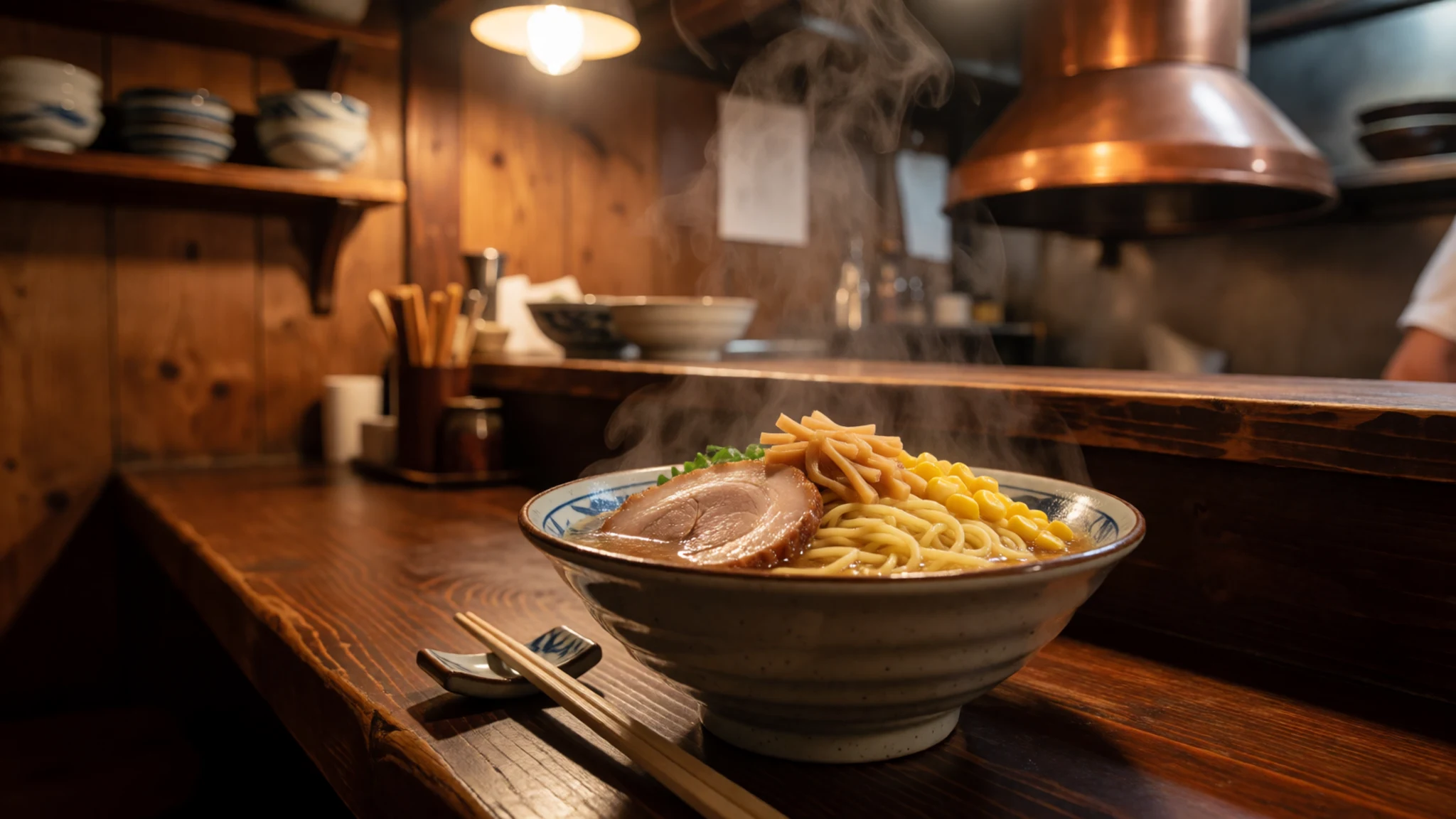
- Curry rice — Curry shops along the main street of Sounkyo
Curry is a common lunch in the area, and Sounkyo has several curry shops. The sauce is usually mild and thick, served over rice with pickles on the side. It makes a filling meal before a climb.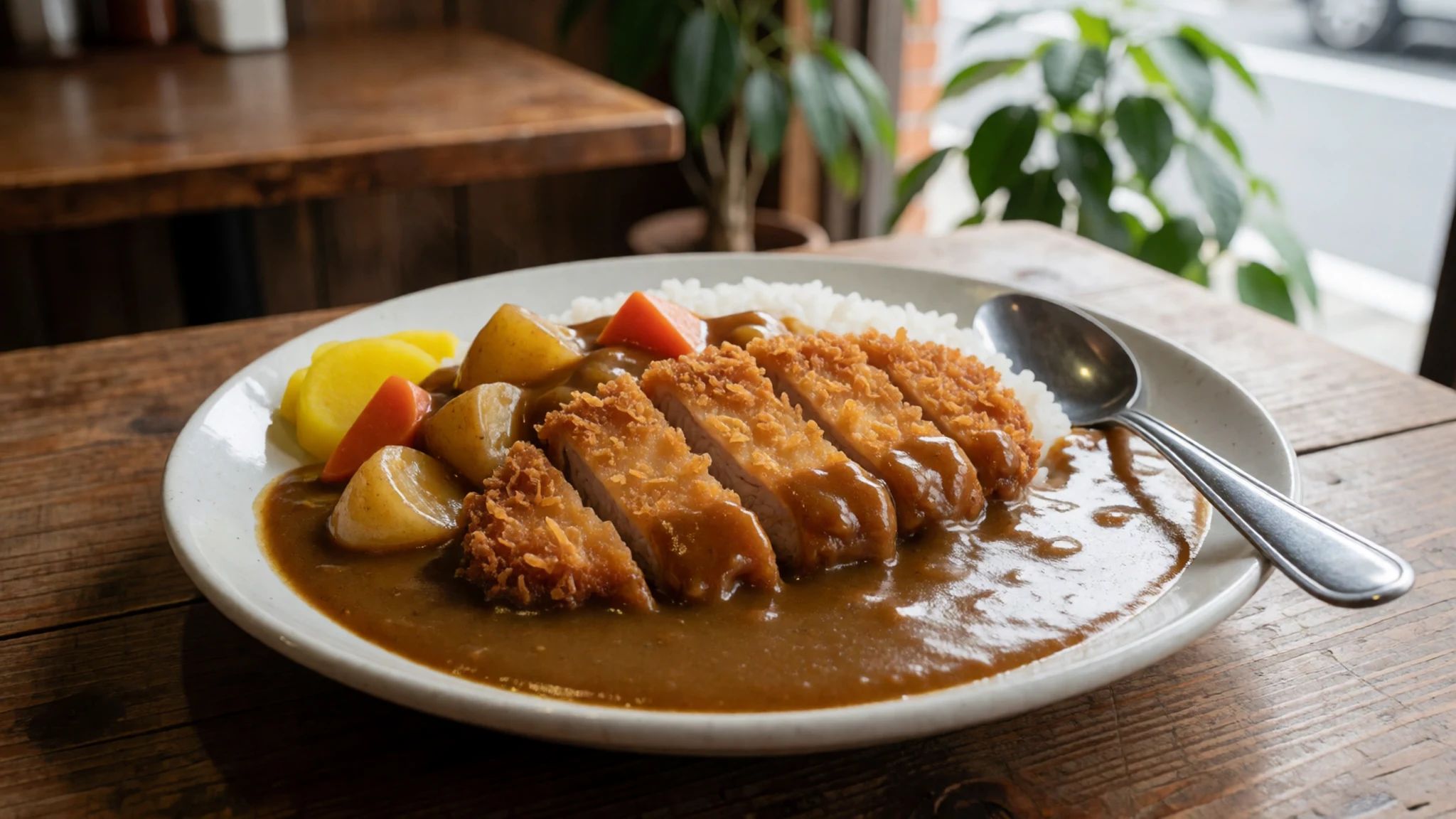
- Convenience-store bento — Convenience stores in Sounkyo Onsen
The Seicomart and 7-Eleven in Sounkyo sell ready-made bento boxes, the simplest way to pack lunch for a trail. Choose a rice box with grilled fish or chicken, plus water. Take the empty box back down with you rather than leaving it at a viewpoint. - Summit snacks — Eateries at the upper ropeway stations
Small eateries and snack bars operate at the top of the Asahidake and Kurodake ropeways. They are good for a warm drink or quick bite when the wind picks up at the top. Opening times shift with the season and weather, so check locally before counting on them. - Hotel dinner — Onsen hotels across the park
Hotels in the park usually include a set dinner and breakfast with the room. Ask about meal times when you book, because mountain kitchens can close early. Mention any dietary needs at the same time, so the kitchen has time to prepare.
Plan it
Best time. Late September for autumn leaves on the high ground, with early October still good on the lower slopes. July and August bring flowers and walking weather, though it can be wet and cool at altitude. Winter is for skiing and snowy walks, and buses run less often outside peak periods.
How long. 3–4
Getting there. There is no train line inside the park. Reach Asahikawa by air or rail, then take the bus from in front of Asahikawa Station to the Asahidake Ropeway or to Sounkyo Onsen. The nearest rail stations are Asahikawa, Furano and Rubeshibe, and Kami-Furano station serves the trailheads for Tokachi-dake and Furano-dake.
Budget. mid
Tips
- Check the official park site (daisetsuzan.or.jp) for seasonal bus timetables and trail closures before you plan each day.
- Buses are limited outside peak periods, so a hire car gives more freedom to reach the eastern and southern trailheads.
- Start early on Asahi-dake and Kurodake, because cloud often builds in the afternoon.
- Stock up on food and water before you reach the trailhead, since the paths have no kiosks.
- Ask your onsen whether it runs a shuttle from Asahikawa Station or offers a discount on the bus.
Etiquette
- Take all rubbish home, and never leave food out where bears can find it.
- Keep to marked trails, and step aside for walkers coming down.
- Wash thoroughly at the seated stations before entering an onsen bath.
Nearby
Sources
- Wikidata Q1157659 (CC0)
- Wikipedia: Daisetsuzan National Park (CC BY-SA 4.0)
- Wikivoyage: Daisetsuzan National Park (CC BY-SA 4.0)
- Photo: Asahi-dake and Sugatami Pond (663highland) (CC BY 3.0)
- Photo: Mount Asahi from Sugatami Pond (Koda6029) (CC BY-SA 4.0)
- Photo: Asahidake Onsen hiking route (Geomr) (CC BY-SA 2.5)
- Photo: August 2009, animals in Taisetsuzan -17781 (Syced) (CC0 1.0)
- Photo: August 2009, animals in Taisetsuzan -19174 (Syced) (CC0 1.0)
- Photo: August 2009, animals in Taisetsuzan -27208 (Syced) (CC0 1.0)
- Photo: August 2009, animals in Taisetsuzan -49012 (Syced) (CC0 1.0)
- Photo: August 2009, animals in Taisetsuzan -49330 (Syced) (CC0 1.0)


