Byodo-in
Byodo-in, Japan
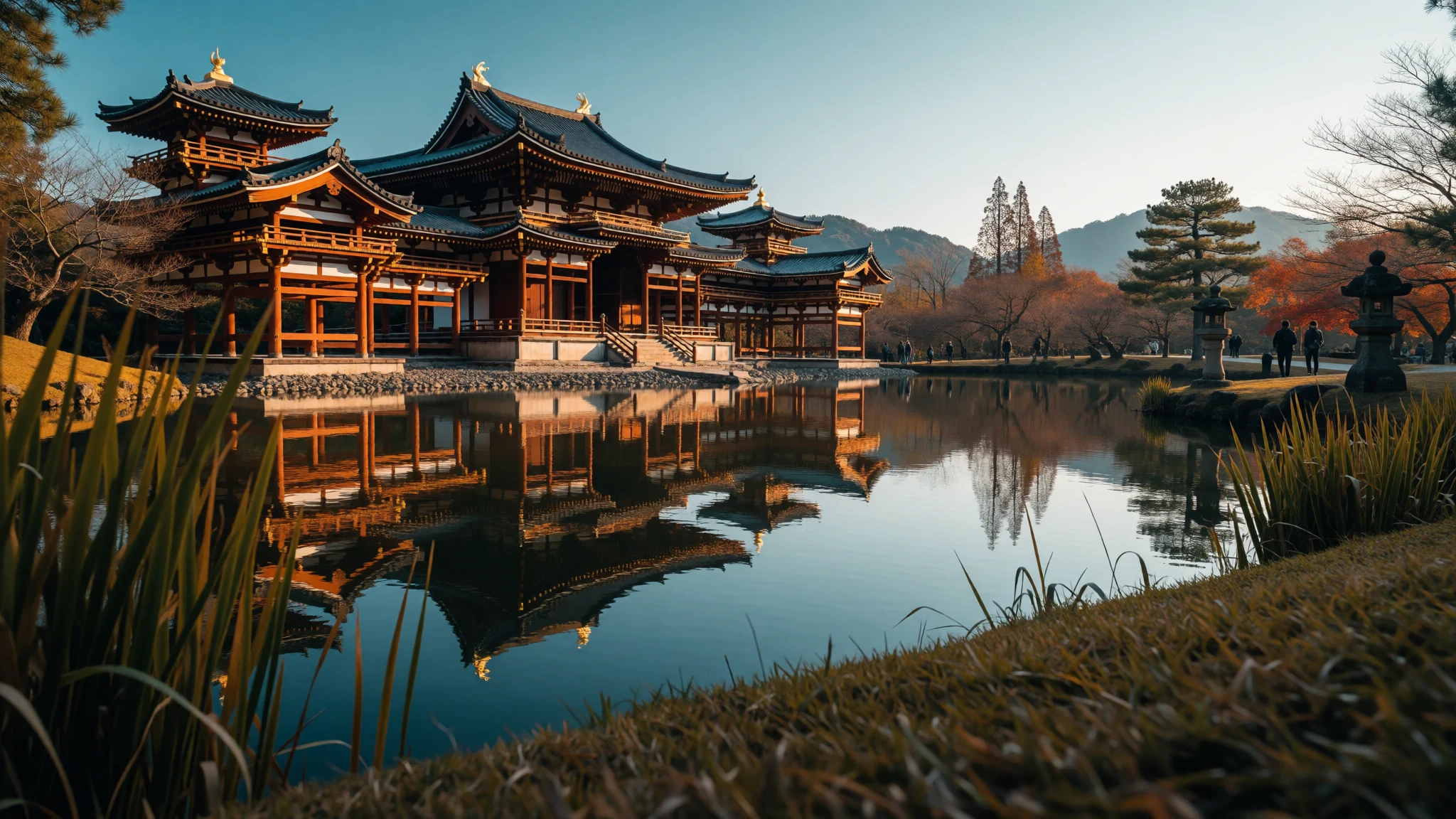
Byōdō-in in Uji is a Heian-period temple whose Phoenix Hall seems to float on its pond, an easy half-day from Kyoto or Nara.
The place
Byōdō-in (平等院, "Temple of Equality") stands in Uji, a small riverside city in Kyoto Prefecture, Japan, roughly between the old capitals of Nara and Kyoto. The temple belongs jointly to the Pure Land (Jōdo-shū) and Tendai traditions. Its centrepiece is the Phoenix Hall, a timber pavilion with a central block and long wings, set at the edge of a pond so that it appears to float on its own reflection. Most visitors gather around that pond, and on a busy day the best viewpoints are shared with many people holding phones. Uji itself repays an extra hour or two. Renge, the main shopping street, runs towards the temple gate and is lined with tea merchants, sweet shops and cafés, some of them family businesses that have traded for generations. The town has been associated with green tea for centuries, and the river walk with its bridge is especially pleasant in cherry blossom season and in autumn colour. Uji also matters to readers of The Tale of Genji, whose closing chapters are set here, and statues and small displays around town nod to the novel. The ground is flat and the sights cluster close together, so the temple works well on foot as part of a slow day out from Kyoto or Nara. Byōdō-in forms part of a UNESCO World Heritage listing, which explains the steady flow of school groups and tour parties, though the grounds rarely feel as hectic as central Kyoto.
Its story
Byōdō-in began in 998 as a country villa belonging to Minamoto no Shigenobu, a courtier who served as Minister of the Left. After his death the property was bought from his widow by Fujiwara no Michinaga, a towering figure of the Fujiwara clan. His son, Fujiwara no Yorimichi, turned the villa into a Buddhist temple in 1052, a date that carried real weight at the time. Many people believed that year opened Mappō, the final age of Buddhist teaching, when the Dharma was expected to decline. That anxiety fed devotion, and aristocrats turned towards Pure Land belief, which promised rebirth in the paradise of Amida Buddha. In 1053 the Amida hall, now known as the Phoenix Hall, was completed. Inside sits a seated Amida statue 2.4 m tall, made by the sculptor Jōchō. The temple later grew into a larger complex, but not without loss. In 1336 the warrior Kusunoki Masashige, fighting the Ashikaga army, set fire to the area, and most of the buildings burned; only a few survived. Further halls and sub-temples were added in the following centuries, so the site became a compound rather than a single pavilion. The Phoenix Hall itself received a full renovation in 1670, during which its front doors were replaced. That long chain of repair is why the hall still reads clearly as a Heian-period design.
What to see
- The Phoenix Hall (Amida-dō) — Byōdō-in grounds, Uji
The Phoenix Hall is the reason to come: a graceful timber pavilion with wings, mirrored in the pond. Walk the full loop of the pond for different angles, then check the official site about interior visits, which may be limited and timed. Mornings and weekdays are calmer.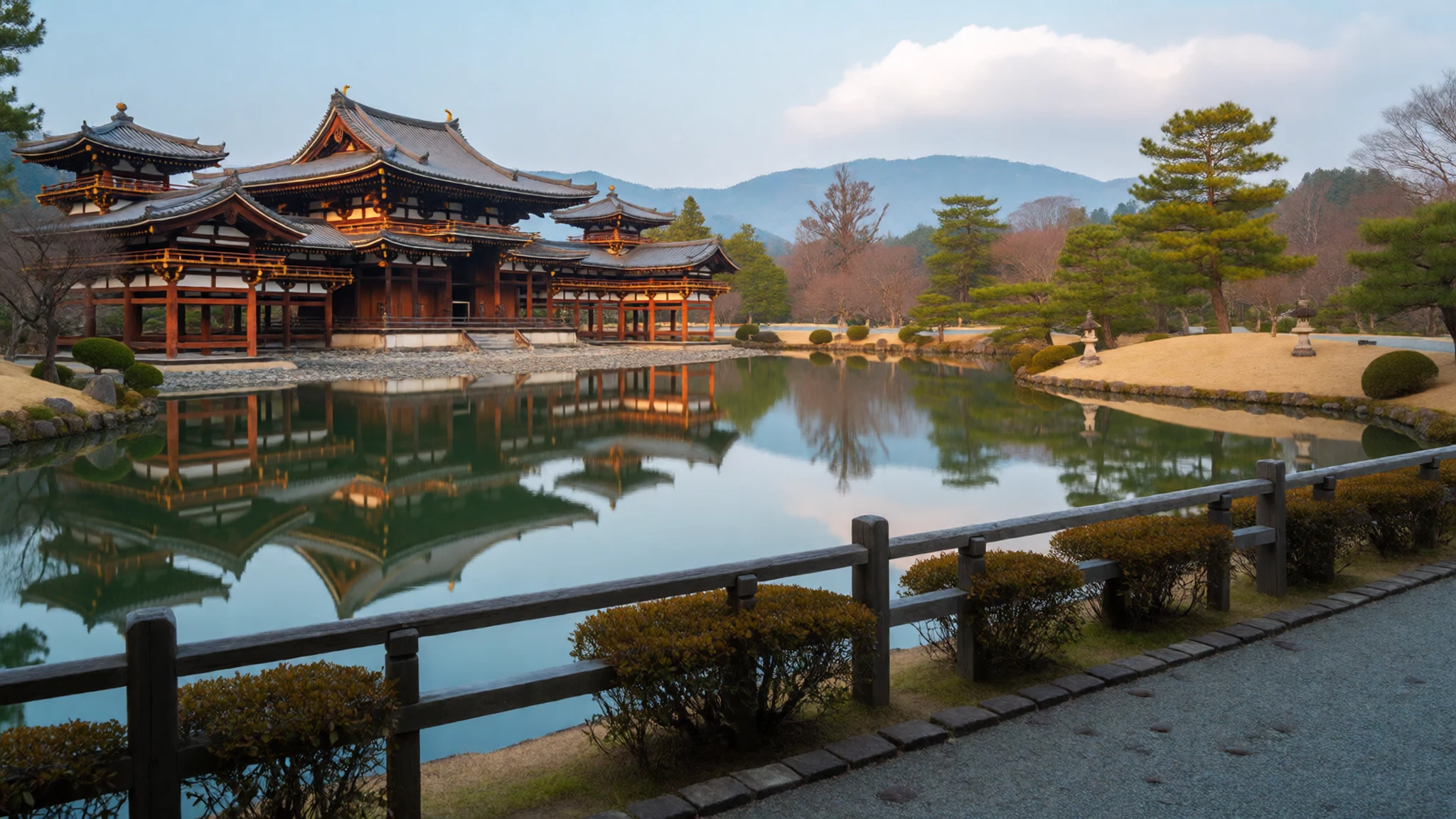
- The golden phoenixes on the roof — Roof of the Phoenix Hall
A pair of golden phoenix figures perch on the ridge of the main hall, one at each end. They are easiest to appreciate from across the pond, where binoculars or a camera zoom help. The bird motif gives the hall its popular name and is echoed in the temple's decoration.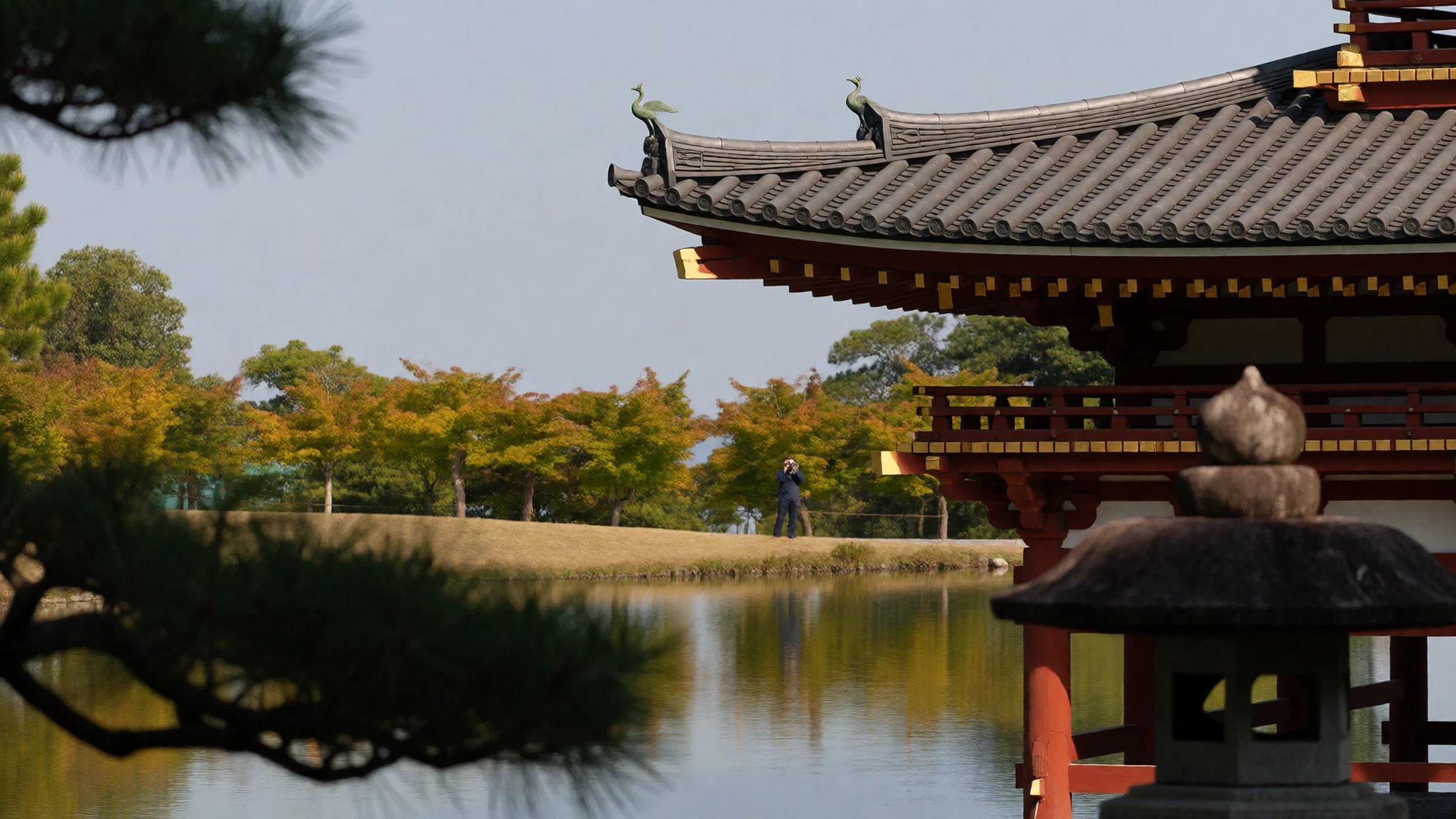
- Ujigami Shrine — Right bank of the Uji River
Ujigami Shrine is a modest Shinto shrine a short walk upriver from the temple, and it is part of the same World Heritage listing. It is far quieter than Byōdō-in, set among trees, and makes a good counterpoint to the temple's grandeur.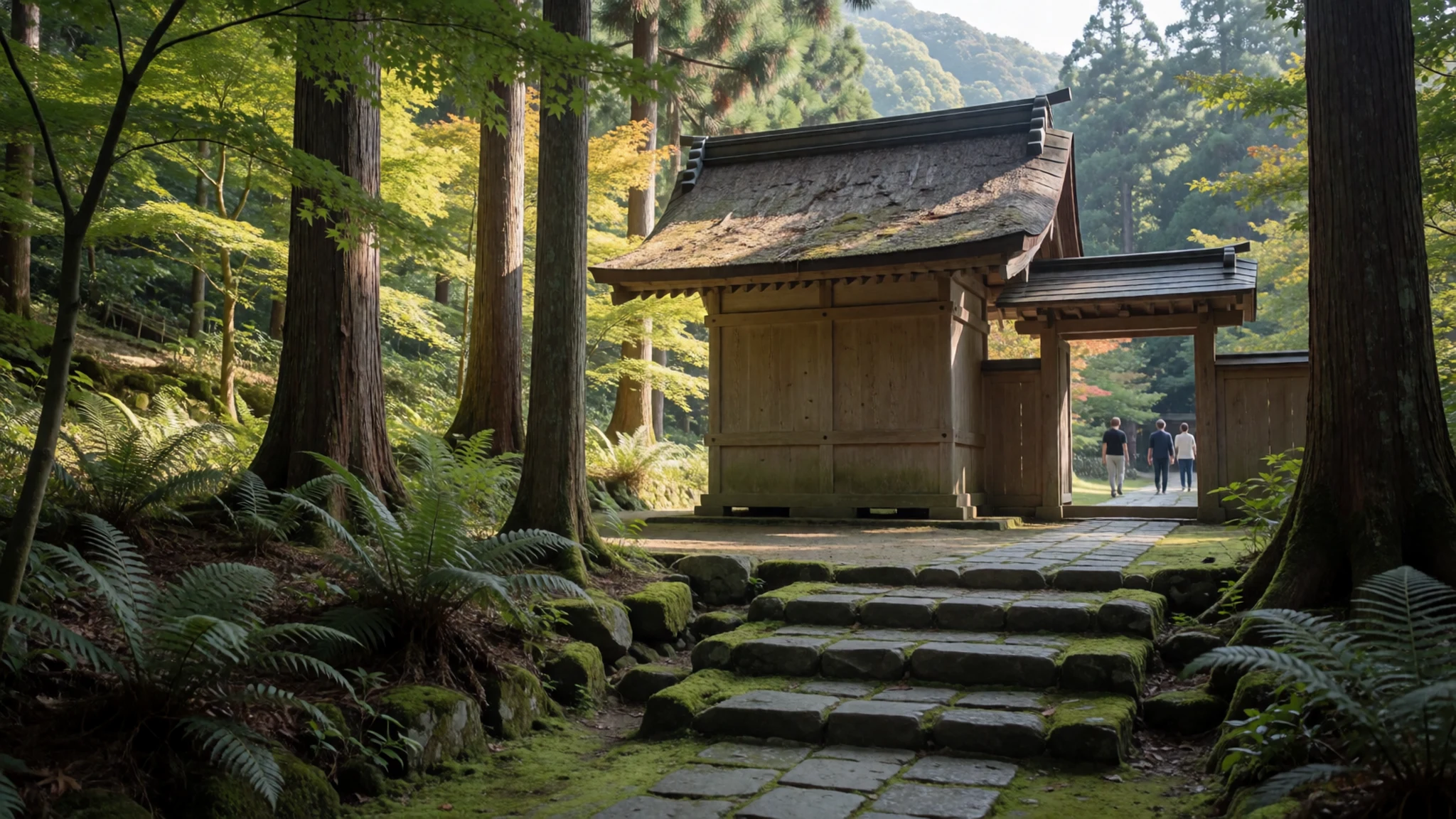
- Uji Shrine — Next to Ujigami Shrine
Uji Shrine stands right beside Ujigami Shrine, and the two were once a single complex. Visiting both takes little time and shows how Shinto and Buddhist sites sit side by side in the town. Expect few other visitors, and a gentle, woodland atmosphere.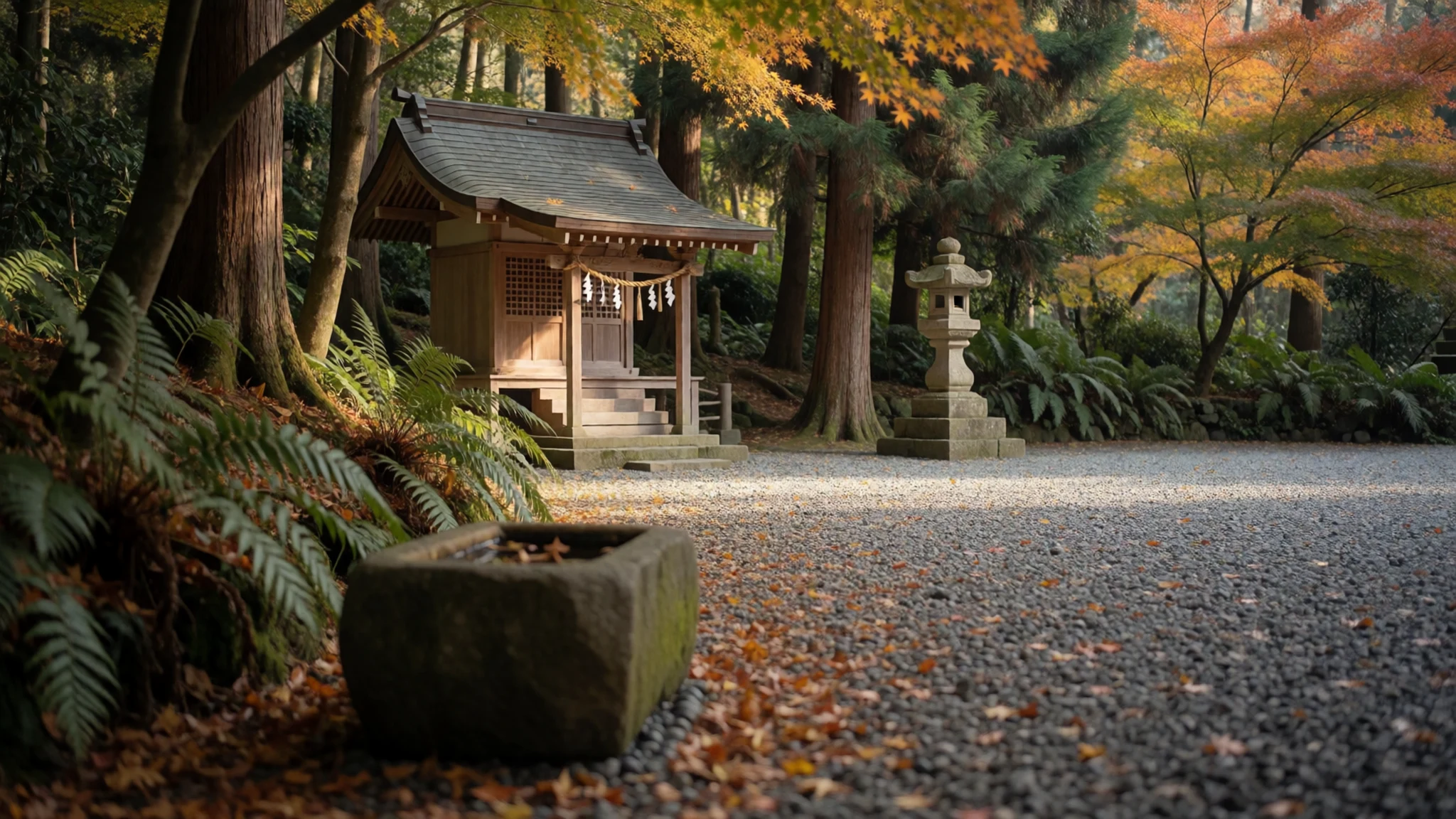
- Kōshō-ji Temple — Upriver from the main temple
Kōshō-ji is a Zen temple reached by a long, tree-lined approach rising from the river. The walk is the main attraction, and it is especially lovely in autumn when the maples turn. Allow time for a slow stroll, and keep voices low in the grounds.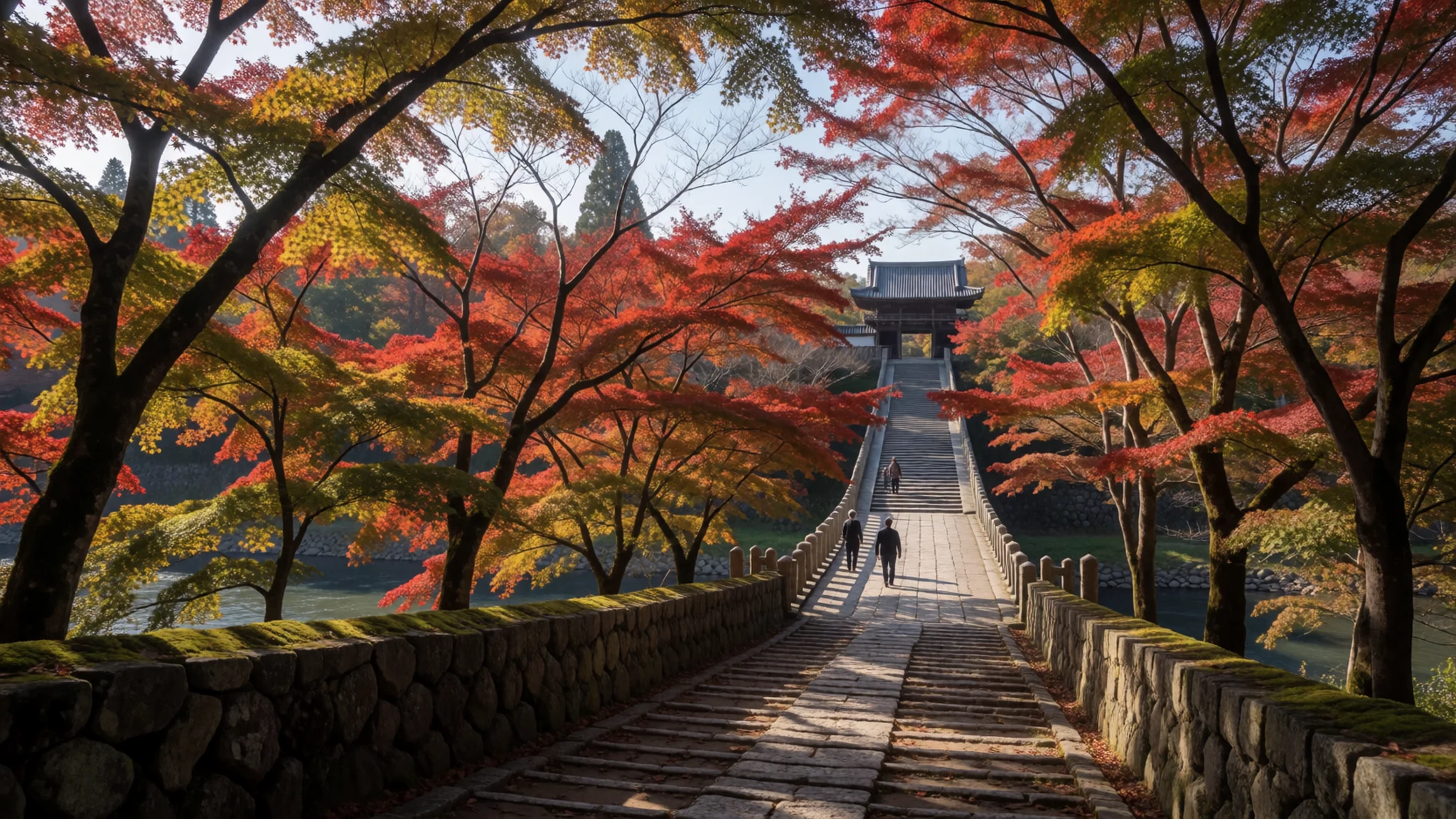
Culture
Byōdō-in shows how Heian aristocrats mixed religion, art and anxiety. Pure Land Buddhism offered a path to rebirth in Amida's paradise, and the Phoenix Hall was designed as an image of that paradise on earth: a palace on a pond, with Amida seated at its heart. The hall is both a place of worship and a statement of the Fujiwara family's taste and power. Today the temple is run as a living Buddhist site as well as a heritage attraction, so you will see offerings, incense and visitors pausing in prayer alongside the photographers. Uji adds a second layer of culture through tea. The town's growers and merchants have supplied powdered and leaf tea for centuries, and a tea shop visit is as much a part of the day as the temple itself. Literary pilgrims come for The Tale of Genji, whose last chapters unfold here, and the river and bridge are often described as settings from the story. Seasonal rhythm matters: cherry blossom in spring and maple colour in autumn bring crowds of Japanese visitors who treat the grounds as a place for quiet appreciation rather than loud sightseeing. At Byōdō-in, keep your voice low, follow the marked paths and ask before photographing other worshippers, and never touch the buildings or step past rope barriers.
What to wear
Around Byōdō-in in Uji, traditional dress means the kimono, cut from silk for formal wear and from cotton or linen blends for everyday and summer use. The lighter cotton yukata is worn in hot months, especially at summer festivals and fireworks. Obi sashes, wooden or lacquered geta sandals and padded tabi socks complete the outfit, and kimono is most often worn today for weddings, tea ceremonies, graduations and festivals. Everyday life looks very different. Local people dress in a practical, tidy way, with neat casual clothes in town and suits for work, and modest styles are the norm around temples and shrines. Some visitors hire kimono for the day in Kyoto and take them to Uji for photographs, which is a popular and welcome choice, though it makes the Phoenix Hall pond crowded at peak times. For a typical visit, dress for the season: breathable layers and a sun hat in the humid summer, a light jacket and scarf in spring and autumn, and warm layers in winter. Choose shoes that slip off easily, since you may need to remove them at some halls, and wear comfortable soles for gravel paths and the riverside walk. Covered shoulders and knees are a polite default at religious sites, and an umbrella is useful in the rainy season.
What to eat
- Cha-soba — Eateries along Renge, the shopping street to the temple gate
Cha-soba is soba noodle dough mixed with green tea, giving a pale green colour and a gentle grassy flavour. It is served cold with a dipping sauce or hot in broth, and is one of Uji's classic local specialities.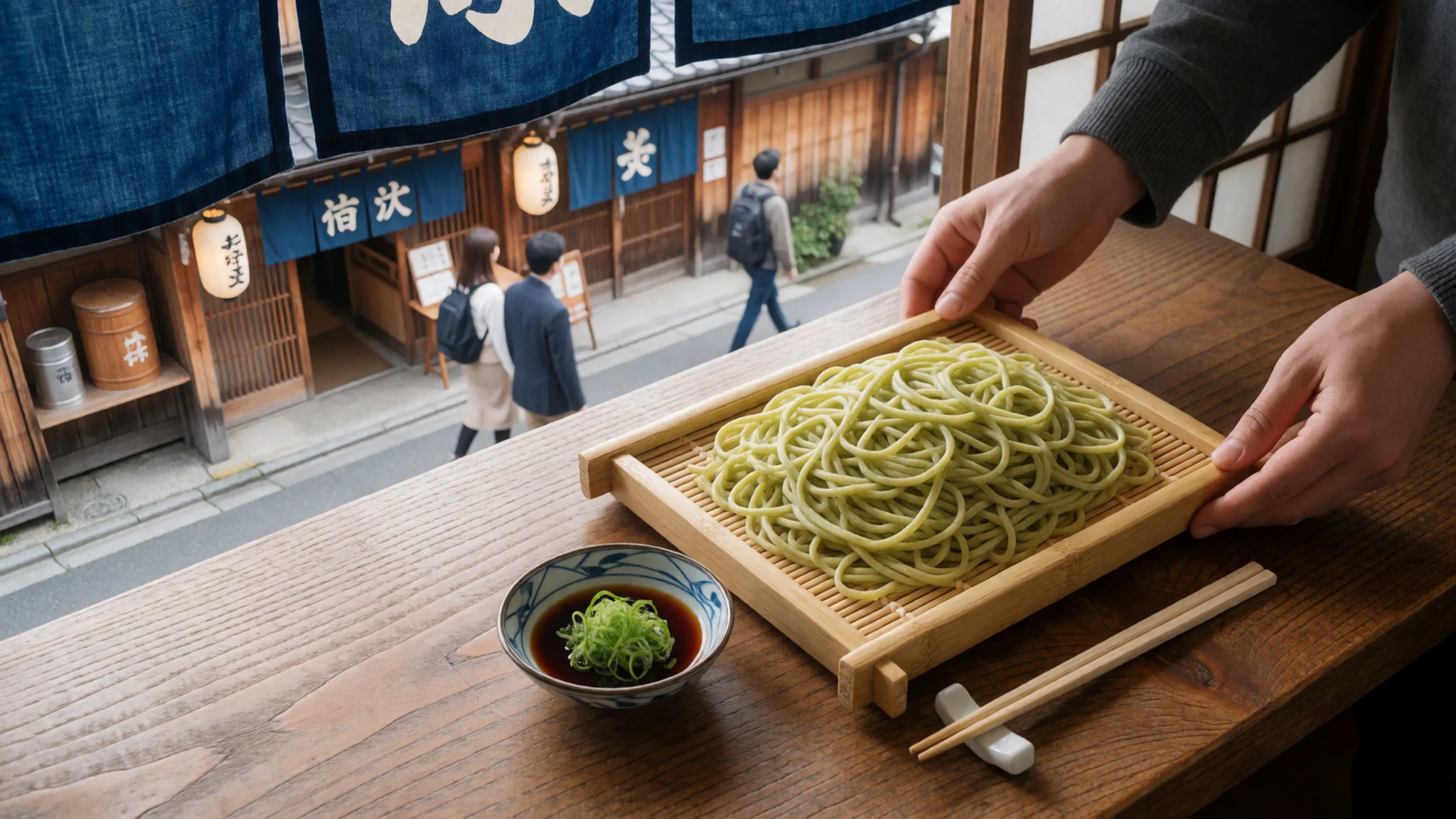
- Matcha desserts — Tea cafés near the river front and the main station
Matcha desserts range from soft-serve and parfaits to cakes and jellies, all built around bitter, vivid powdered tea balanced with sweet red bean or cream. They make a good break after the temple, particularly on warm days.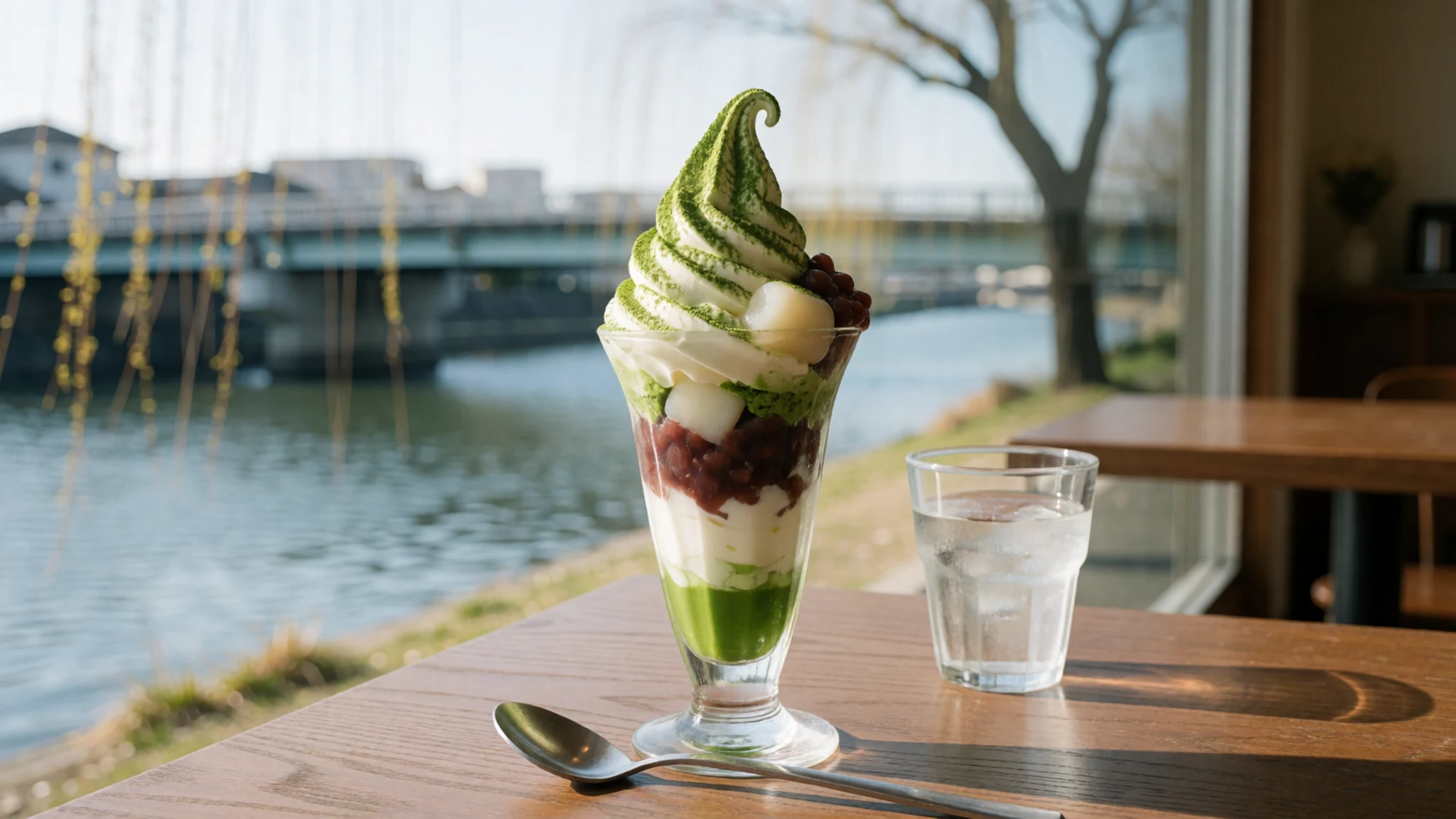
- Uji green tea — Tea merchants and tearooms on Renge street
A cup of Uji green tea is the simplest local pleasure. Tea shops pour sencha and other leaf teas, often with a small sweet, and staff will explain the differences if you ask. Many sell leaves to take home. - Champon noodles — Small noodle shops near the main railway station
Champon is a hearty noodle dish with vegetables, seafood or meat in a rich broth, popular as a cheap, filling lunch. It suits travellers who want something warmer and heavier than tea-flavoured snacks. - Kyoto-style set meals — Traditional restaurants in the streets around the temple and station
Kyoto-style cooking favours delicate seasonal vegetables, tofu and pickles, served as a small set of dishes with rice and soup. A lunch set is a gentle way to taste the regional style without a large bill.
Plan it
Best time. March–April for cherry blossom along the river, and late October–November for maple colour. These are also the busiest weeks. June brings the rainy season, July and August are hot and humid, and winter is cold but quiet.
How long. 1
Getting there. Fly into Kansai International Airport, then take trains towards Kyoto or Osaka. The JR Nara line runs to JR Uji station from both Kyoto and Nara, a short ride. The Keihan line to Uji station suits day trips from Osaka, with a change at Chushojima. The temple is a short walk from either station.
Budget. low
Tips
- Arrive early on weekdays; the pond is far calmer before the tour groups come.
- Check the official site (https://www.byodoin.or.jp/) for opening hours, entry fees and any timed access to the Phoenix Hall interior.
- Carry some cash for tea shops and small eateries, though larger places take cards.
- Spring blossom and autumn colour weekends are very crowded, so plan alternatives or go midweek.
- Combine the temple with a riverside walk and a tea tasting to fill a relaxed day.
Etiquette
- Keep your voice low and follow marked paths in the temple grounds.
- Remove shoes where there is a raised step and slippers or shelves are provided.
- Ask before photographing worshippers or staff.
Nearby
Sources
- Wikidata Q61094 (CC0)
- Wikipedia: Byōdō-in (CC BY-SA 4.0)
- Wikivoyage: Uji (CC BY-SA 4.0)
- Photo 01: Martin Falbisoner, Phoenix Hall, Byodo-in, November 2016 (CC BY-SA 4.0)
- Photo 02: 663highland, Byodo-in in Uji (CC BY 3.0)
- Photo 03: Fg2, Byodoin Phoenix Hall (Public domain)
- Photo 04: 663highland, Byodo-in Uji03bs2640 (CC BY 3.0)
- Photo 05: 663highland, Byodo-in Uji04bs2640 (CC BY 3.0)
- Photo 06: 663highland, Byodoin Uji Kyoto07s3s4592 (CC BY 3.0)
- Photo 07: 663highland, Byodoin Uji Kyoto09n4380 (CC BY 3.0)
- Photo 08: Dr.InSide, Phoenix statue, September 2014 (CC BY-SA 4.0)


