Kyoto
Kyoto, Japan
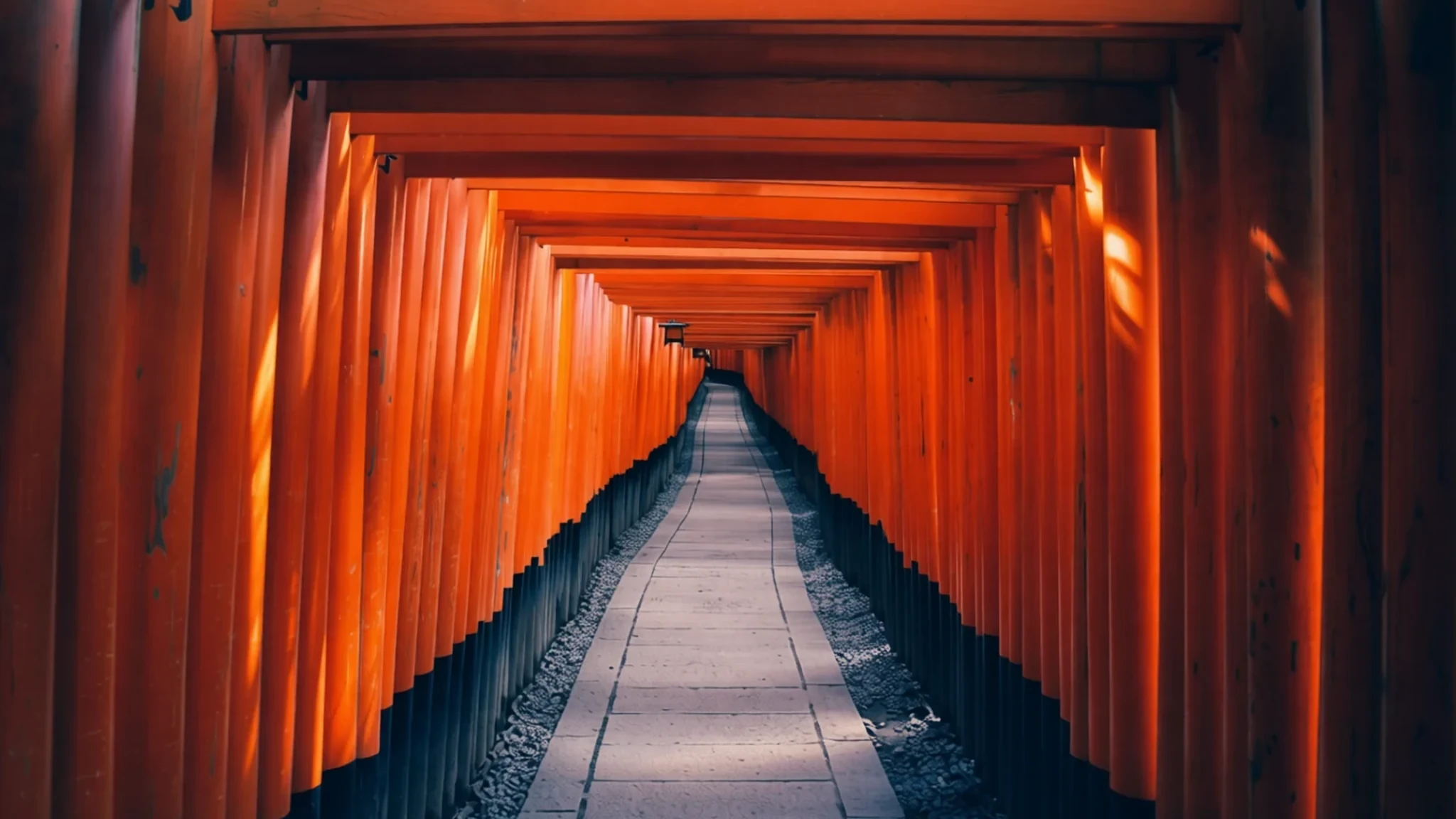
Kyoto combines serene ancient temples, quiet bamboo groves, and centuries of preserved imperial heritage in the scenic heart of western Honshu.
The place
Kyoto rests in a natural basin on Japan’s main island of Honshu, cradled by gentle wooded mountains on three sides. Home to nearly one and a half million residents, this former imperial seat feels distinctly different from the neon sprawl of modern Japanese metropolises. Its grid of central streets unfolds into quiet residential lanes, narrow canal paths lined with weeping willows, and peaceful temple grounds where gravel gardens are raked into disciplined waves each morning.
Divided by the clear waters of the Kamo River, Kyoto balances its deep historical roots with the cadence of daily life. Along the eastern hills of Higashiyama, steep stone alleyways lead past timber-framed townhouses toward ancient wooden temples that look out over the tiled roofs of the basin. Westward, bamboo groves and rivers frame Arashiyama, while central neighbourhoods house modern shopping avenues alongside traditional craft workshops producing silk, pottery, and lacquerware.
Despite the intense heat of midsummer and the winter chill that rolls down from the northern ridges, the city changes dramatically with the turn of the climate. Spring coats the riverbanks and temple precincts in pale pink cherry blossoms, while autumn transforms the maple trees into brilliant blazes of crimson and gold. Though quiet backstreets offer moments of solitary reflection, popular heritage sites draw large crowds throughout the year, making early mornings the best time to experience the tranquil rhythm that defines the city.
Its story
Kyoto traces its human history back to ancient times, with early settlements established long before the formal founding of the imperial city. Asian continental migrants contributed significantly to the region's early agriculture and craftsmanship. By the late eighth century, as religious institutions in the old capital of Nara began exerting immense influence over state governance, the imperial court sought a fresh sanctuary away from clerical interference.
In 794, Emperor Kanmu established a new capital at Heian-kyo, meaning the capital of peace and tranquillity. Designed on a grand grid pattern patterned after the historic Chinese capital of Chang'an, the city was aligned according to principles of traditional geomancy. For over eleven centuries, Kyoto remained the official seat of Japan’s emperors, serving as the political, artistic, and spiritual heartland of the archipelago until the imperial court finally transferred to Tokyo in 1869.
Throughout those eleven centuries, Kyoto endured repeated fires, civil wars, and devastating conflicts that destroyed vast quarters of timber buildings. Yet each time, local artisans and religious communities rebuilt their sanctuaries using traditional timber joinery and native cypress wood. Because the city escaped major destruction during the conflicts of the mid-twentieth century, its rich architectural legacy remained largely intact. Today, Kyoto's extraordinary network of preserved shrines, grand monastic complexes, and historic gardens stands as an enduring testament to more than a millennium of Japanese imperial culture and religious craft.
What to see
- Fushimi Inari Shrine — Fushimi
Dedicated to the Shinto deity of agriculture and business, Fushimi Inari Shrine is famous for the thousands of bright vermilion torii gates that line mountain trails behind the main shrine buildings. Walking beneath these densely packed wooden arches offers a surreal journey through cedar forests, passing small stone altars and carved fox messengers.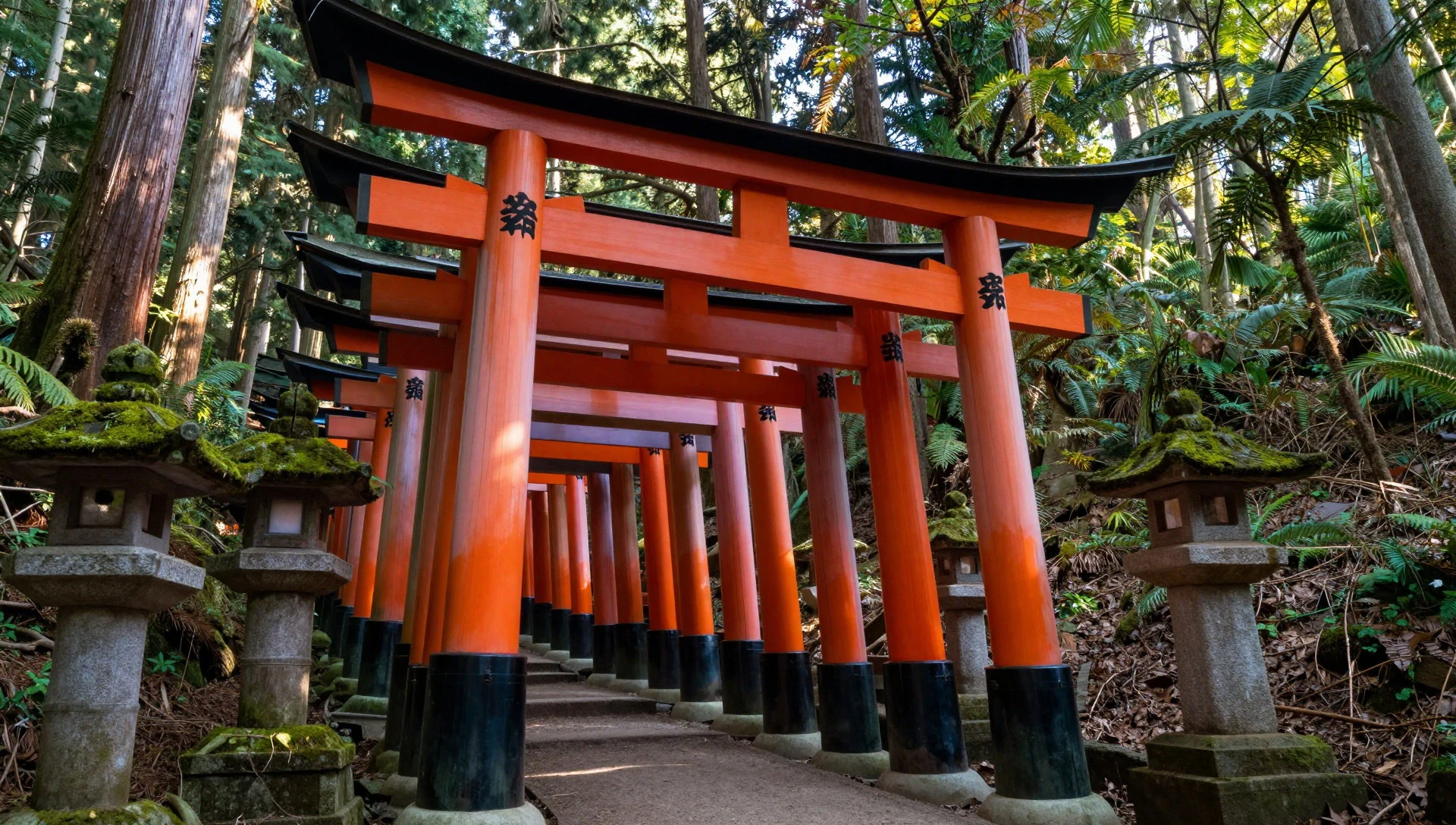
- Kiyomizu-dera — Higashiyama
Perched on the slopes of Mount Otowa, this ancient Buddhist temple features a massive wooden stage constructed entirely without nails. The elevated platform affords commanding views across eastern Kyoto and the surrounding valley, while the sacred Otowa Waterfall flows beneath, where pilgrims drink from three distinct streams associated with health, success, and longevity.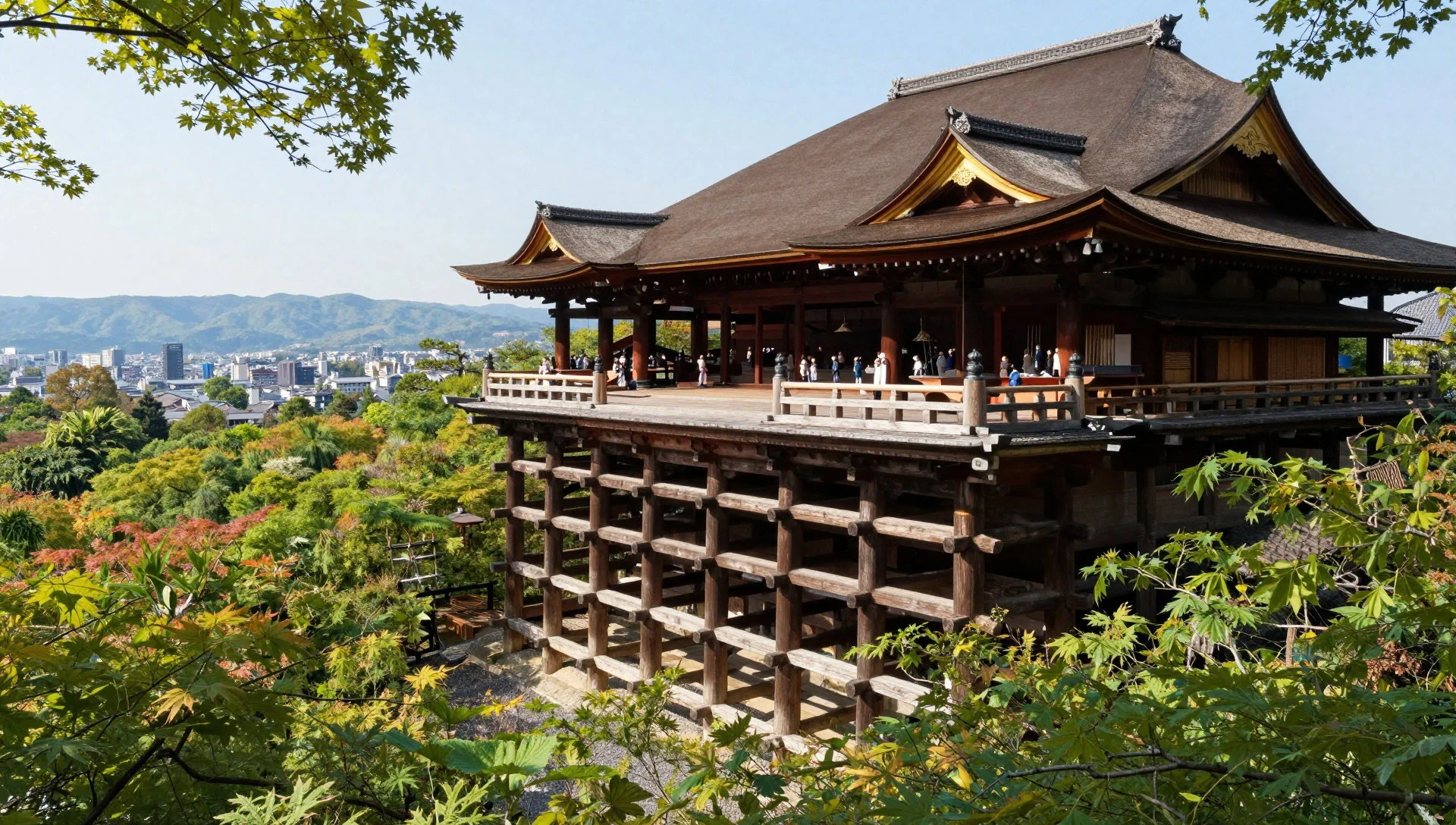
- Kinkaku-ji (Golden Pavilion) — Kita
Overlooking a peaceful mirror pond, this Zen temple's top two floors are entirely coated in shimmering gold leaf. Originally built as a shogun's retirement villa, the pavilion harmonises gracefully with its manicured pine gardens and rock formations, creating one of the most iconic landscapes in western Japan.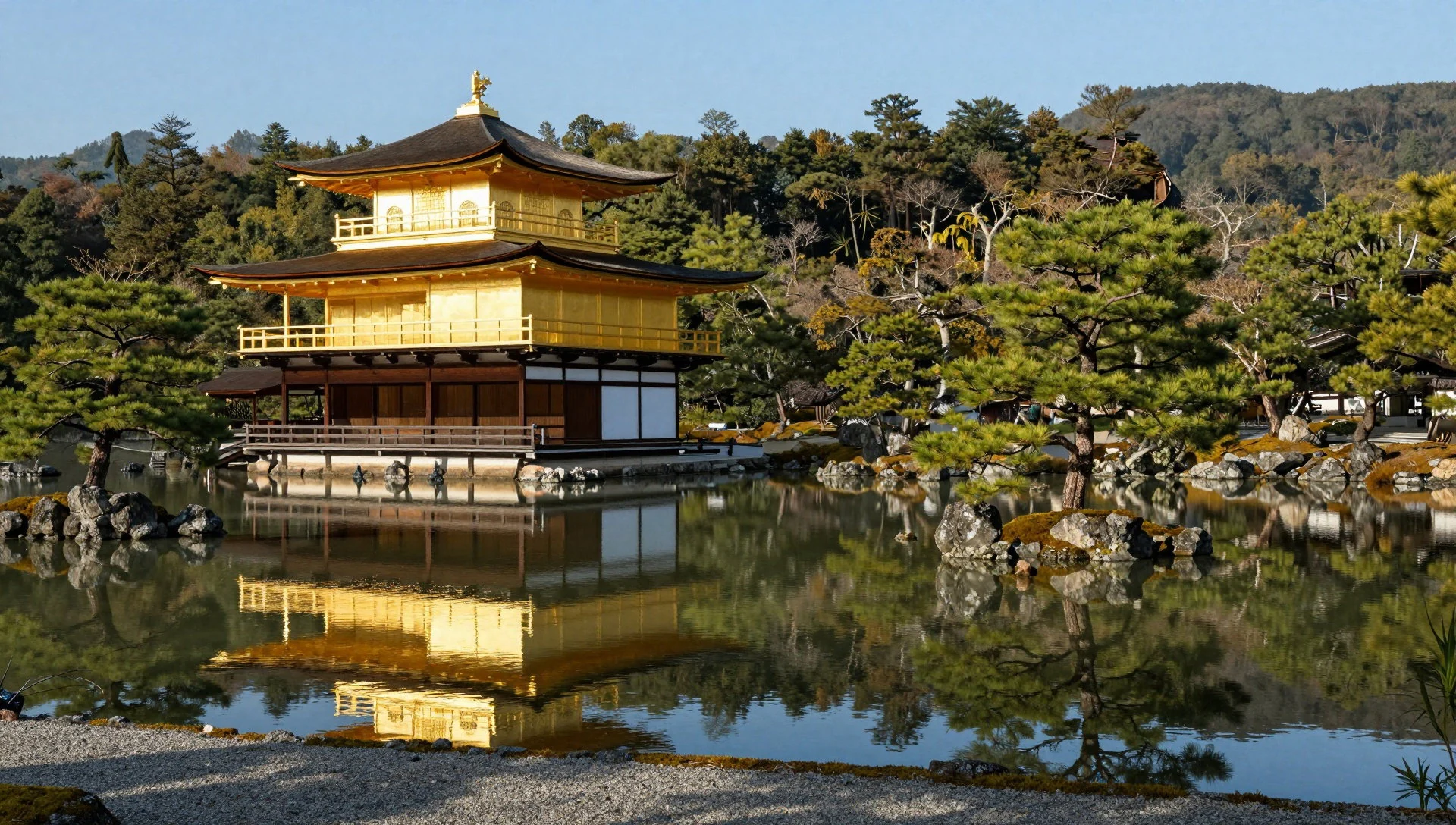
- Funaoka Onsen — Kita
Operating as one of Kyoto's oldest surviving public bathhouses, Funaoka Onsen provides a rare glimpse into classic twentieth-century bathing culture. The wooden interior features intricate carved panels depicting historic scenes, while visitors can enjoy outdoor thermal baths, herbal tubs, and traditional tiled soaking pools.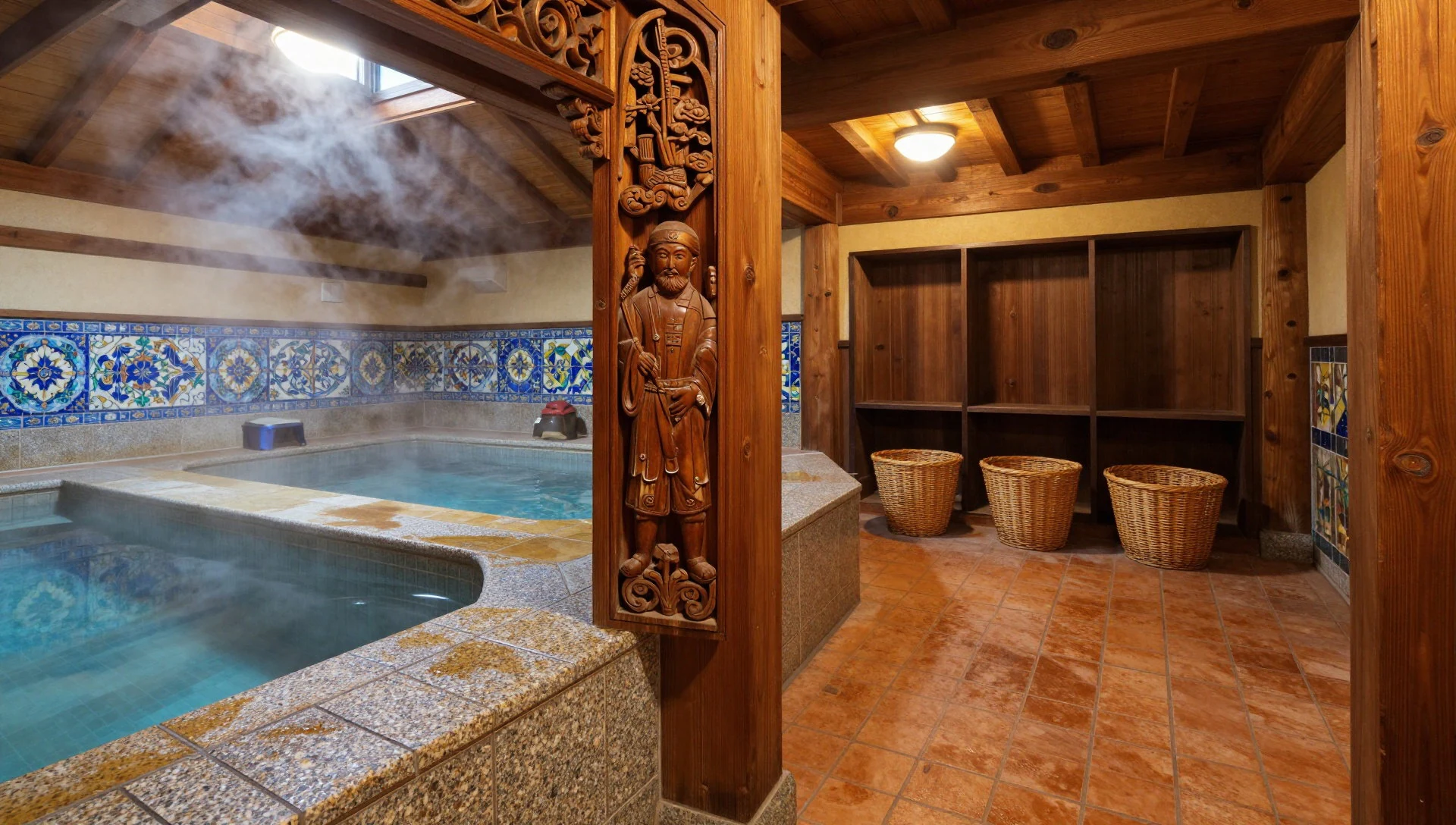
- Toei Kyoto Studio Park — Ukyo
Set within an active film studio used for shooting period cinema, this theme park brings feudal Japan to life. Visitors can stroll past realistic samurai streetscapes, watch live stunt performances, view traditional film sets, and occasionally glimpse actors in full historical costume filming television dramas.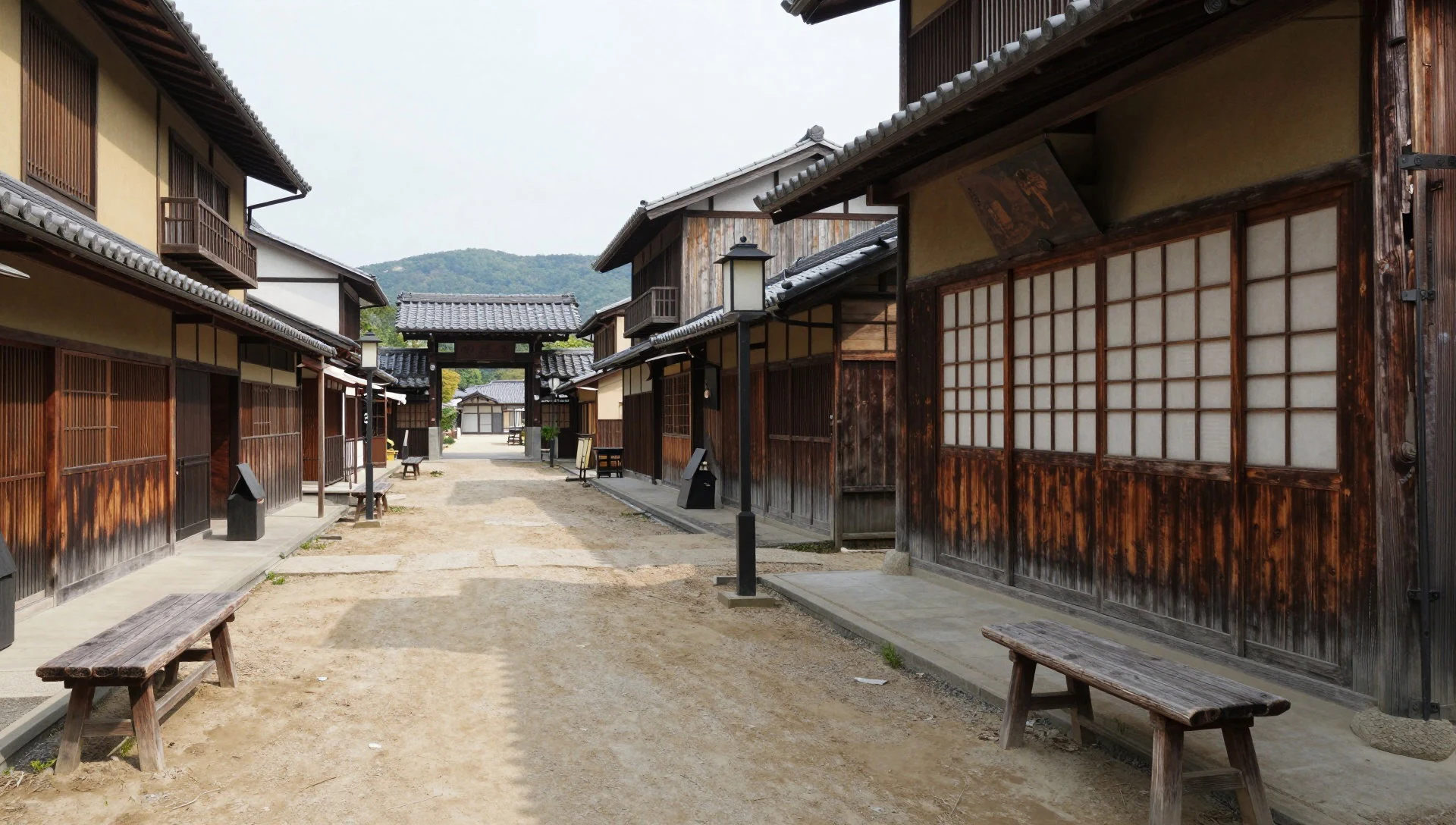
Culture
Kyoto remains the living heart of Japan’s traditional arts, preserving refined spiritual customs and artisanal practices that have endured for centuries. The city houses thousands of Buddhist temples and Shinto shrines, where morning prayers, incense offerings, and seasonal rituals mark the calendar. Tea ceremony, floral arrangement, classical theatre, and delicate garden design all trace their highest standards to Kyoto masters. In historical entertainment districts like Gion, geiko and maiko undergo rigorous training in traditional music, dance, and etiquette, maintaining an intricate world of hospitality behind discreet paper screens.
Local life moves with quiet consideration, valuing understated beauty and environmental harmony. Neighbourhood residents meticulously tend small doorstep gardens and maintain communal street cleanliness. Silence is treasured on public transport and within sacred compounds, reflecting a social code built around mutual respect and spatial mindfulness. When visiting temples and shrines, take off your shoes whenever you encounter a wooden step with slippers provided, and keep your voice lowered inside main prayer halls.
What to wear
Kyoto is famous as the historical centre of Japanese textile production, renowned for Yuzen silk dyeing and Nishijin woven brocades. Traditional garments like the formal silk kimono and light summer cotton yukata remain visible across the city, worn during tea ceremonies, weddings, summer festivals, and temple visits. Artisans craft these robes with meticulous attention to seasonal motifs, matching colours and embroidered patterns to spring blossoms or autumn leaves.
In daily life, modern Kyoto residents favour understated, practical attire. Smart casual clothing in muted neutral tones predominates in shops, offices, and cafes, with warm layered coats and knitted scarves essential during cold winter months. Lightweight, breathable fabrics and sun umbrellas are common during humid summer days.
For visitors, practical preparation is essential when exploring the city on foot. Choose modest, light clothing that covers shoulders and knees for temple and shrine visits, and opt for slip-on shoes or comfortable sneakers, as you will frequently remove footwear before entering wooden halls and tatami rooms. Pack breathable linens for hot summer afternoons and heavy layers if visiting in midwinter.
What to eat
- Kaiseki Ryori — Gion tea houses and traditional dining rooms
This refined multi-course meal showcases seasonal local produce through artistic presentation and subtle flavours. Served in traditional ryokan or quietly understated dining rooms in Gion, each small dish highlights fresh vegetables, delicate broths, and raw fish.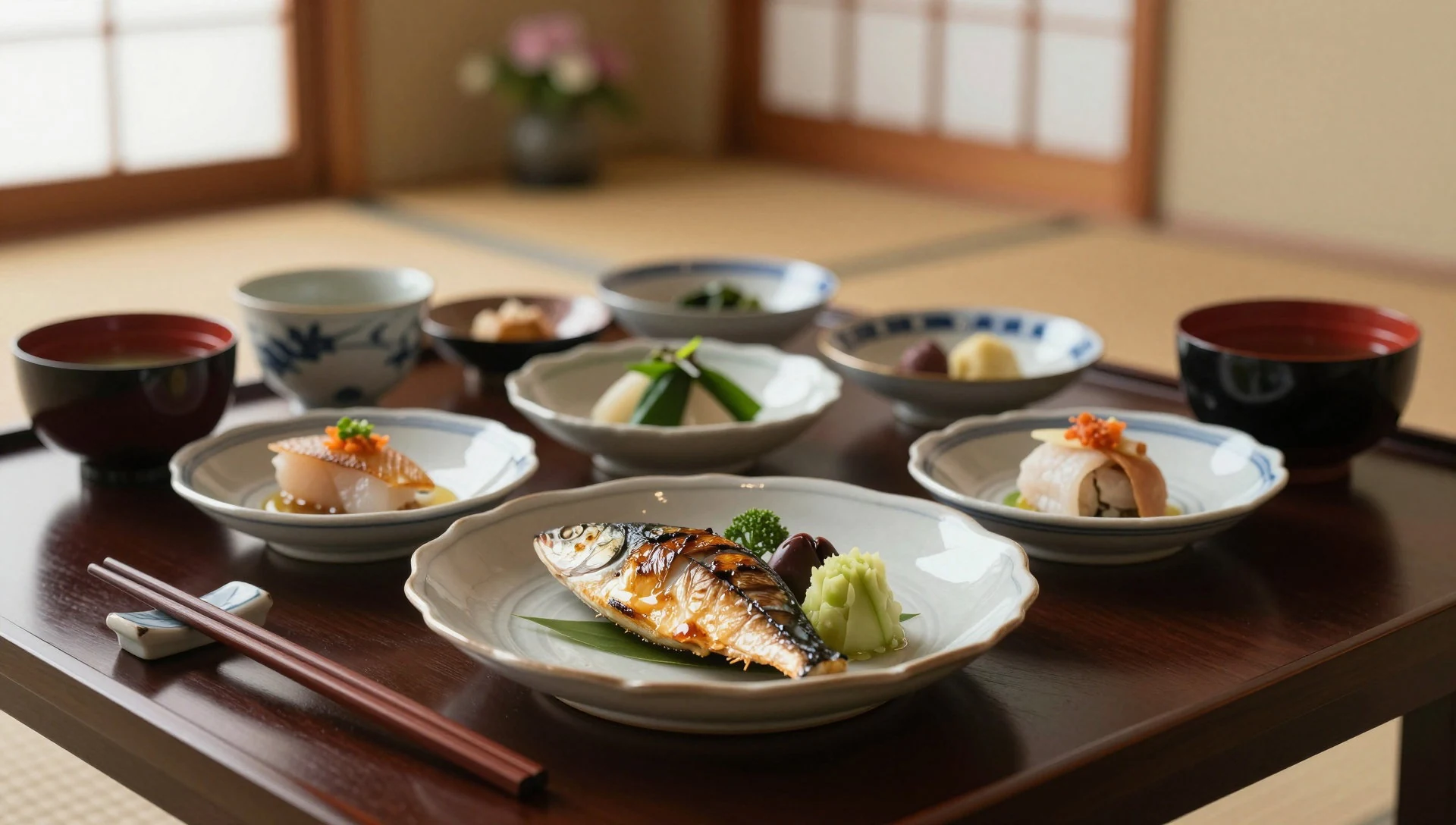
- Yudofu — Eateries near Nanzen-ji temple
A classic Kyoto winter comfort dish consisting of soft fresh tofu simmered gently in a light kelp broth at your table. Enjoyed in tranquil temple gardens around Nanzen-ji, it is eaten with ponzu dipping sauce, grated ginger, and chopped green onions.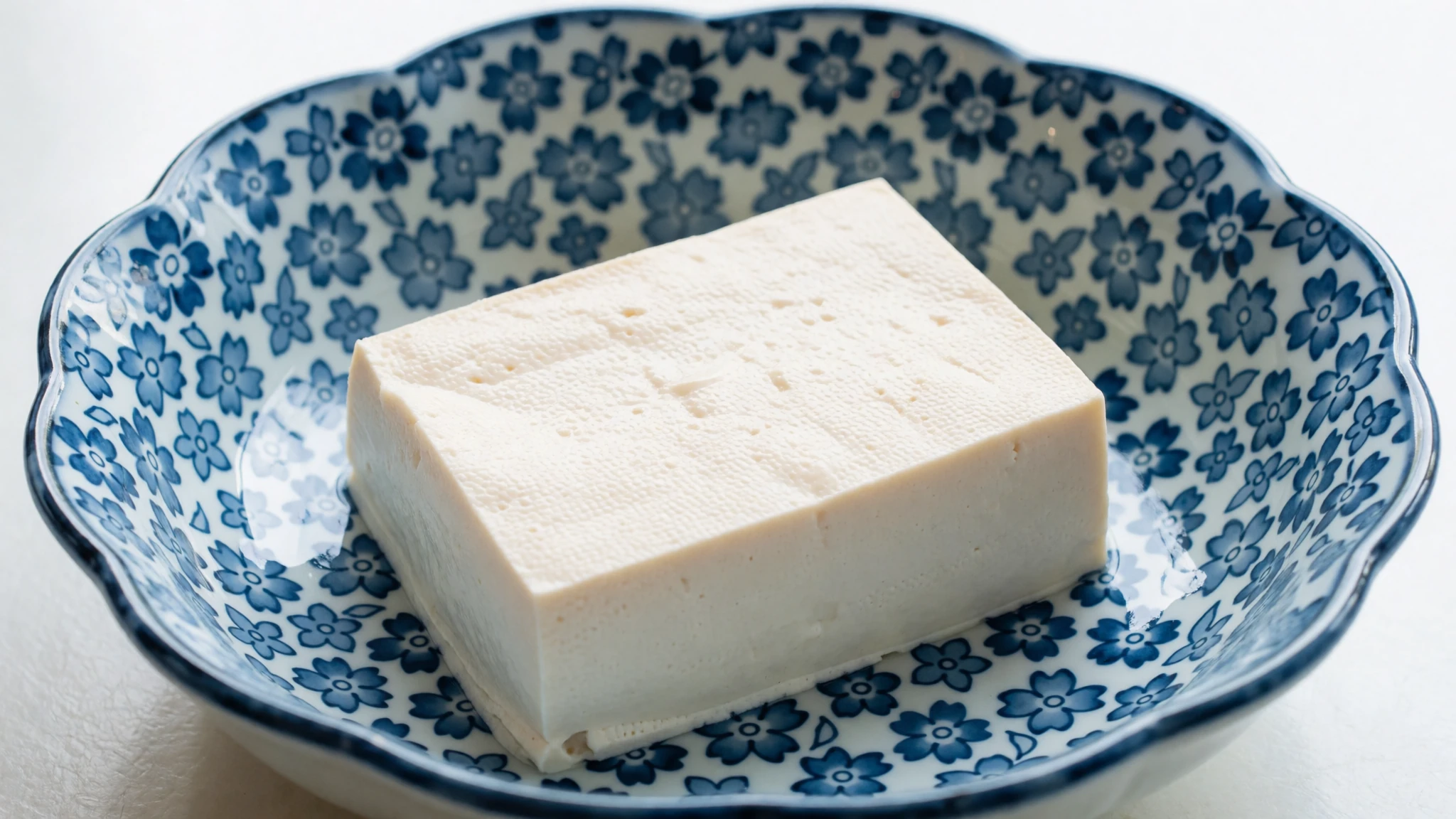
- Matcha Sweets — Tea stalls along Higashiyama stone lanes
Finely ground green tea features prominently in local confections, from bitter-sweet parfaits and soft-serve ice cream to delicate rice cakes. Sample these vibrant green treats at traditional tea stalls along the stone lanes of Higashiyama. - Kyoto-style Ramen — Restaurants around Kyoto Station
Unlike richer pork-bone broths found elsewhere, Kyoto ramen typically features a lighter chicken and soy sauce base topped with thin slices of roast pork and abundant local green onions. Try a steaming bowl in the eateries around Kyoto Station. - Kyo-tsukemono — Nishiki Market stalls
These traditional Kyoto pickled vegetables are preserved using salt, rice bran, or sake lees to highlight natural crunch and subtle acidity. Browse and taste dozens of varieties at stalls throughout Nishiki Market.
Plan it
Best time. March–April for cherry blossom, October–November for autumn maple foliage. The rainy season runs from mid-June to late July, when July is the wettest month, while August stays hot and humid.
How long. 3–4
Getting there. Fly into Kansai International Airport (KIX) near Osaka, then take the JR Haruka express train directly to Kyoto Station in about 75 minutes. High-speed Shinkansen bullet trains also connect Kyoto with Tokyo in around two and a half hours.
Budget. mid
Tips
- Visit major shrines and temples at dawn to beat peak tour groups
- Buy an IC transit card or day pass for city buses and subway lines
- Carry Japanese yen cash for small temple entry fees and market stalls
- Book traditional kaiseki dinners and popular accommodations well in advance
Etiquette
- Remove your shoes when stepping onto raised wooden floors or tatami mats
- Do not touch or block geiko and maiko walking through Gion
- Avoid eating or drinking while walking along public streets
Nearby
In a traveller's words
The house-master, who is a most polite man, procured me an invitation to the marriage of his niece, and I have just returned from it. From her limitless stores of apparel she chose what she considered a suitable dress for me—an under-dress of sage green silk crêpe, a kimono of soft, green, striped silk of a darker shade, with a fold of white crêpe, spangled with gold at the neck, and a girdle of sage green corded silk, with the family badge here and there upon it in gold.
— Isabella L. Bird, Unbeaten Tracks in Japan, 1880
Sources
- Wikidata Q34600 (CC0)
- Wikipedia (CC BY-SA 4.0)
- Wikivoyage (CC BY-SA 4.0)
- Photo 01 - Basile Morin (CC BY-SA 4.0)
- Photo 02 - Martin Falbisoner (CC BY-SA 4.0)
- Photo 03 - Zairon (CC BY-SA 4.0)
- Photo 04 - Ray in Manila (CC BY 2.5)
- Photo 05 - DXR (CC BY 3.0)
- Photo 06 - Reginald Pentinio (CC BY 2.5)
- Photo 07 - Zairon (CC BY-SA 4.0)
- Photo 08 - Luka Peternel (CC BY-SA 4.0)
- Isabella L. Bird, Unbeaten Tracks in Japan (1880) (Public domain)


