Necker Island
Necker Island, United Kingdom
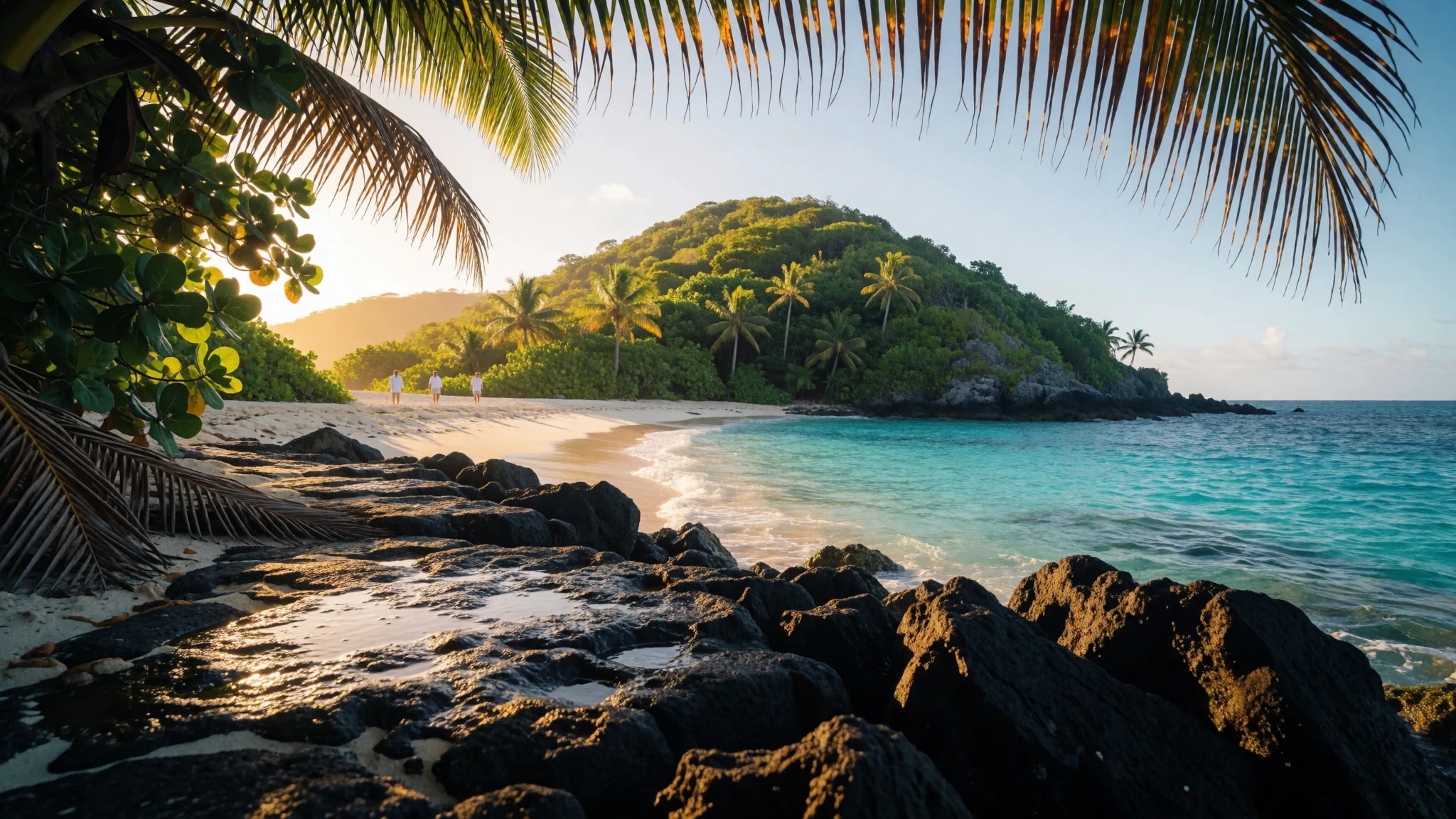
Necker Island is a private Caribbean island in the British Virgin Islands, where calm reef water and trade-wind breezes come with a famously exclusive guest list.
The place
Necker Island is a small private island in the British Virgin Islands, in the north-eastern Caribbean, lying just off the northern tip of Virgin Gorda. It belongs to Richard Branson and works as a rental resort, so it is not somewhere to turn up unannounced. Guests book in advance, usually as a group, and are collected by boat from Virgin Gorda. From the water the island reads as a low green hump with a ridge, small white beaches tucked into coves, and the main house standing on high ground to catch the breeze. The surrounding North Sound is sheltered by reefs and neighbouring cays, which keeps the water calm and clear for swimming, paddling and sailing. On land there are hillside paths, tennis courts and a scatter of guest houses, along with residents that surprise first-time visitors: lemurs, flamingos and tortoises, introduced as part of the owner's conservation ideas. The British Virgin Islands sit in the trade-wind belt, so the air is warm all year and the sea is swimmable in every month. The real seasonal question is hurricanes rather than cold. The practical point for most readers is that Necker suits a particular kind of trip, costly and private, while the wider islands around it are far easier to reach. The same reefs, anchorages and sunsets can be enjoyed from a chartered sailing boat or a guest house on Virgin Gorda at a fraction of the cost, and many travellers choose exactly that.
Its story
Necker Island began as an uninhabited, scrubby piece of land in a chain of islands whose story is older than any resort. The Virgin Islands were home to Indigenous peoples long before Europeans arrived, were named by Spanish sailors, and later passed between Dutch and English interests before settling as a British territory. Sugar, enslaved labour and then fishing and small farming shaped life on the larger islands, while little cays like Necker stayed quiet. That changed when Richard Branson, then known for his record label and an airline, bought the island and began turning it into a retreat. Early guests found a simple, rough-edged place, and it grew gradually into a luxury resort with a main house, villas and a reputation for hosting celebrities, business gatherings and charity events. In a late-summer storm lightning started a fire that destroyed the main house, and a replacement went up on the same site. Hurricane Irma later battered the northern Caribbean, and Necker was among the places damaged, followed by a long period of rebuilding. The island's story is therefore partly one of repeated recovery, which is a theme across the territory, where storms are a fact of life and reconstruction a familiar routine. Today Necker is also tied to the owner's public causes, including conservation work and gatherings on philanthropy and enterprise, which keep it in the news well beyond the travel pages.
What to see
- The Great House — Necker Island ridge
The Great House is the island's centrepiece, a large open-sided timber and stone building on the high point, rebuilt after the fire. Its terraces face the sea and the breeze, and the design leans on shade and airflow rather than closed rooms. Access is only for guests, so most people see it from photographs.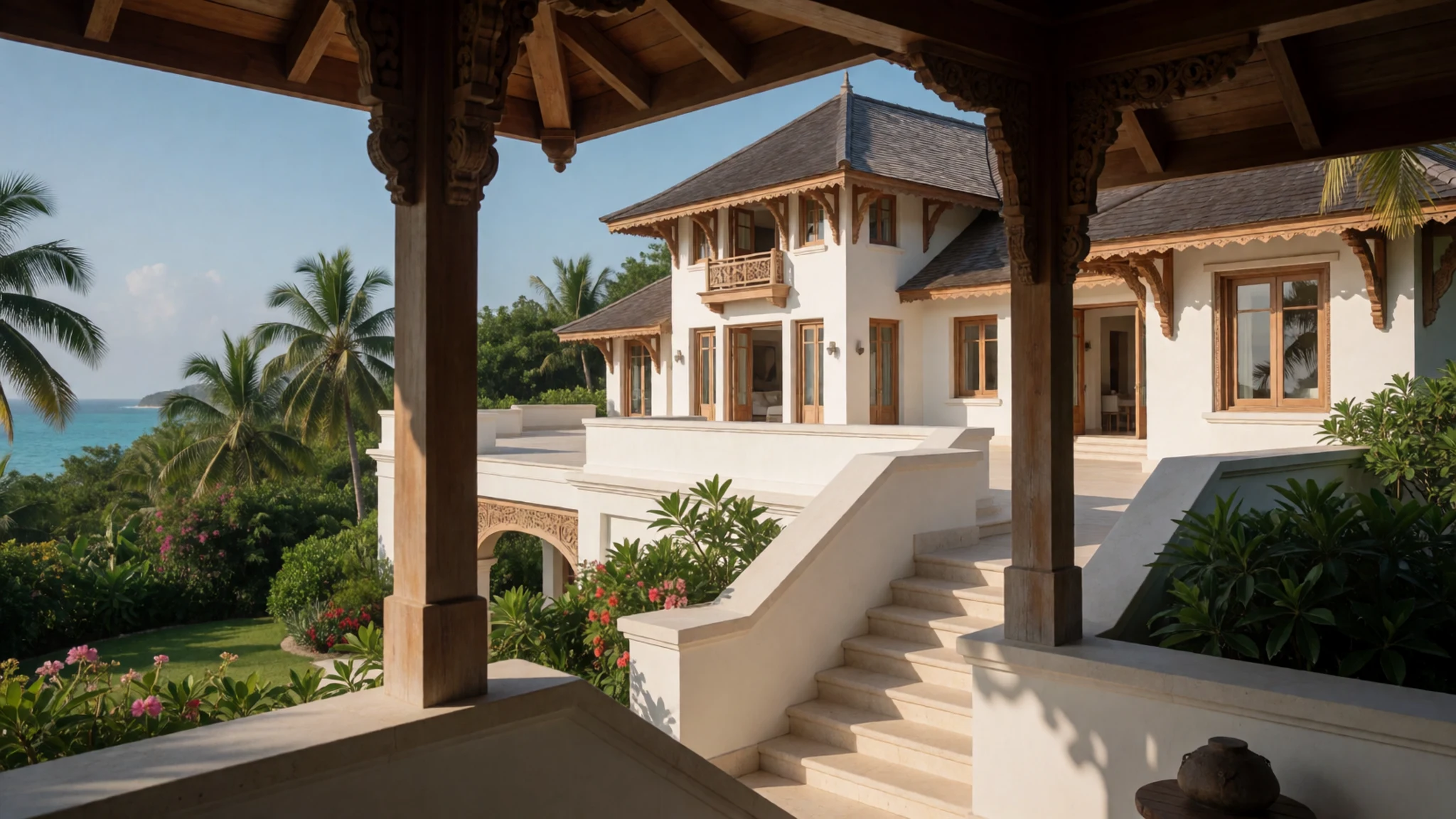
- Necker from the water — North Sound
The best view of Necker is from a boat or from the air, where its shape, reef edges and beach coves all make sense together. The island sits in a pale turquoise shelf with deeper blue beyond. Sailing trips in the North Sound pass close enough for a good look without landing.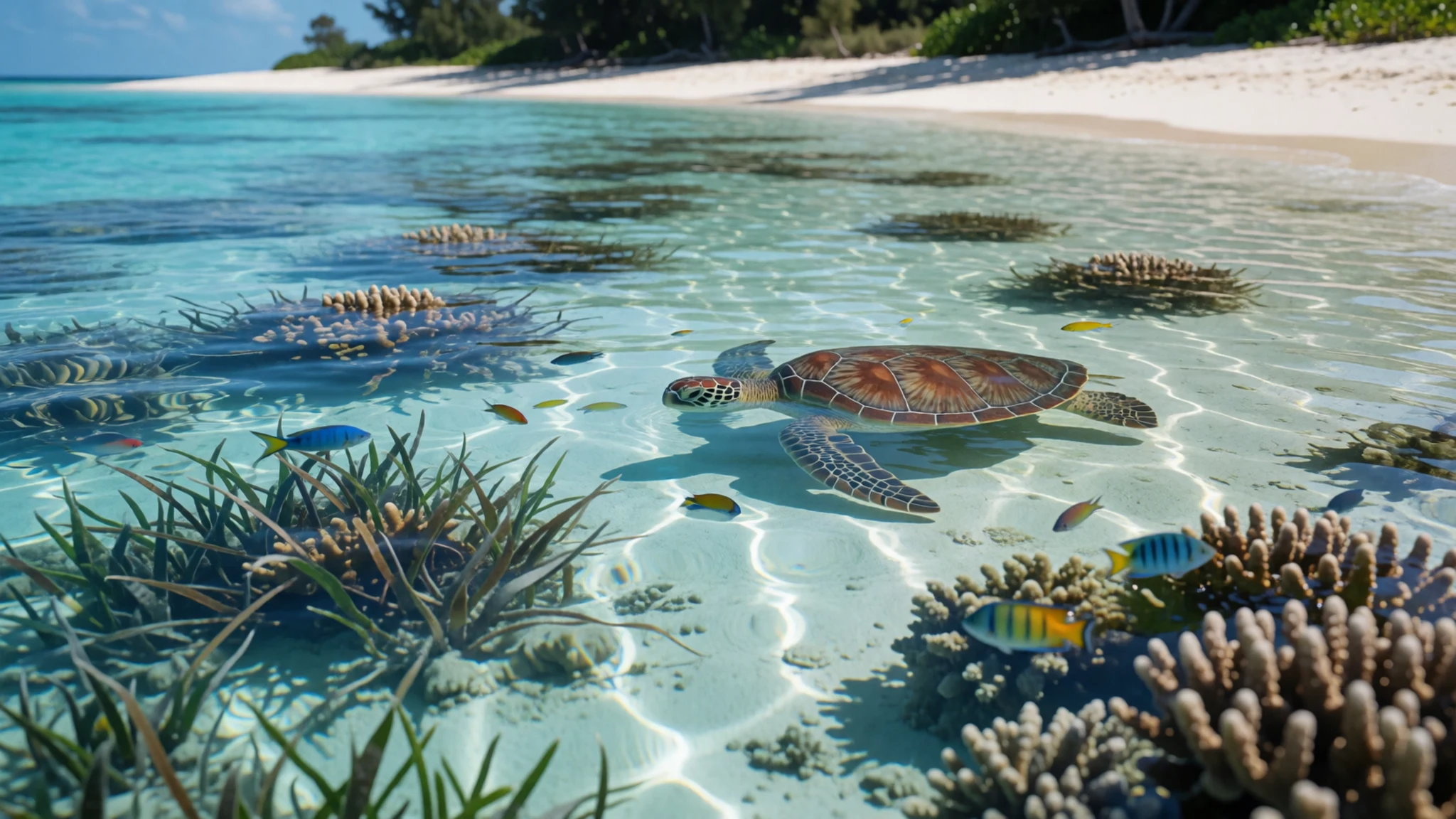
- Eustatia and Prickly Pear — North Sound cays
Eustatia Island and Prickly Pear Island are neighbours of Necker, part of the sheltered patchwork of cays around the North Sound. They are good for snorkelling, kayaking and quiet anchorages. From the water the cays line up with Virgin Gorda's hills behind, giving the clearest sense of how the sound is laid out.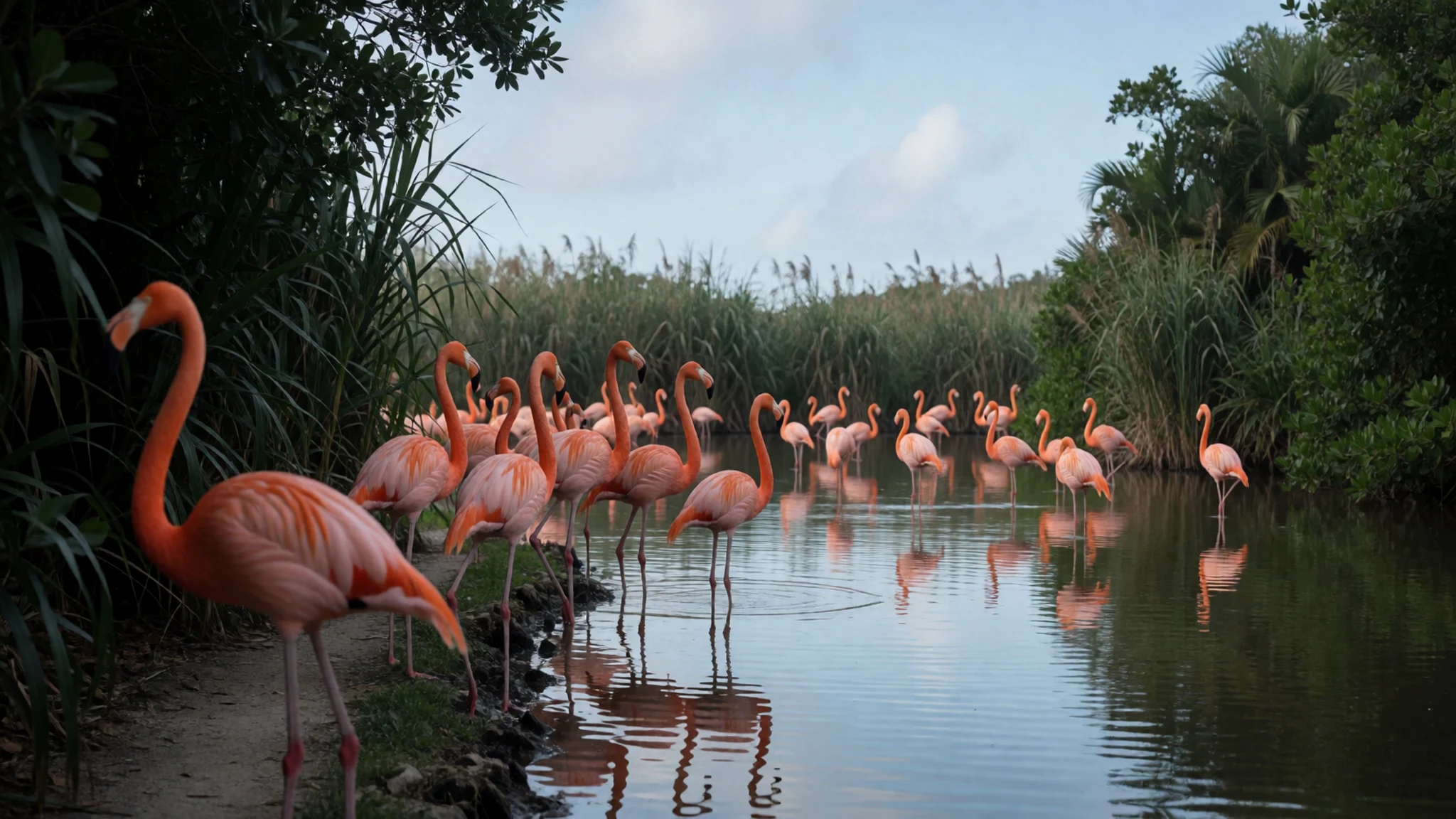
- The Baths — Virgin Gorda, south-west coast
The Baths on Virgin Gorda are a jumble of huge granite boulders on the shore, forming sea-filled pools and shaded passages. It is the most popular natural stop on the island and gets crowded by late morning. Arriving early, with water shoes and a mask, gives a calmer and cooler visit.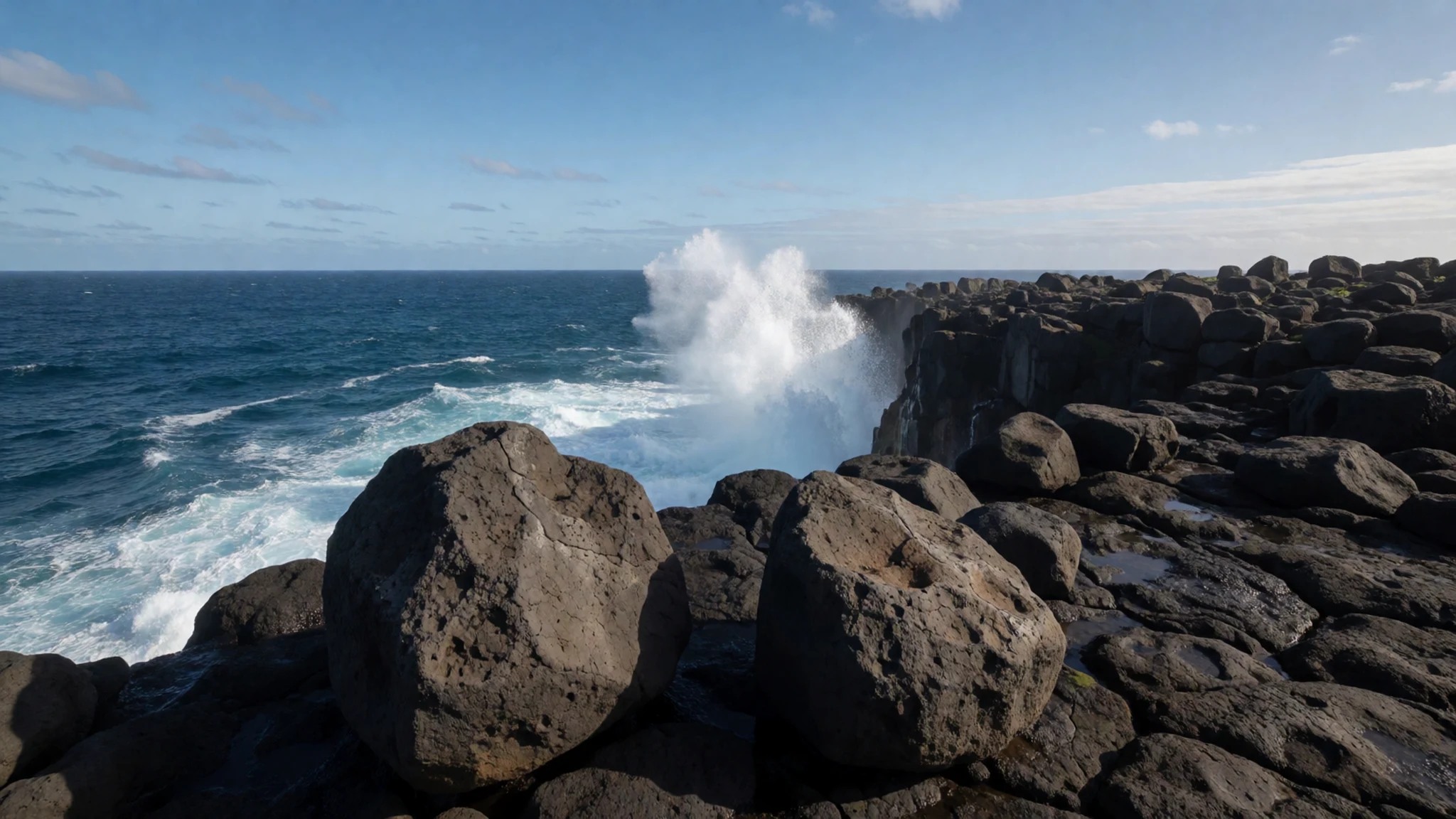
- Anegada — North of Virgin Gorda
Anegada is a flat coral island well north of the volcanic hills, with long pale beaches and a surrounding reef that has caught many ships over the centuries. It feels very different from Necker and Virgin Gorda, and it is a good day trip by ferry or charter for snorkelling and a slow beach lunch.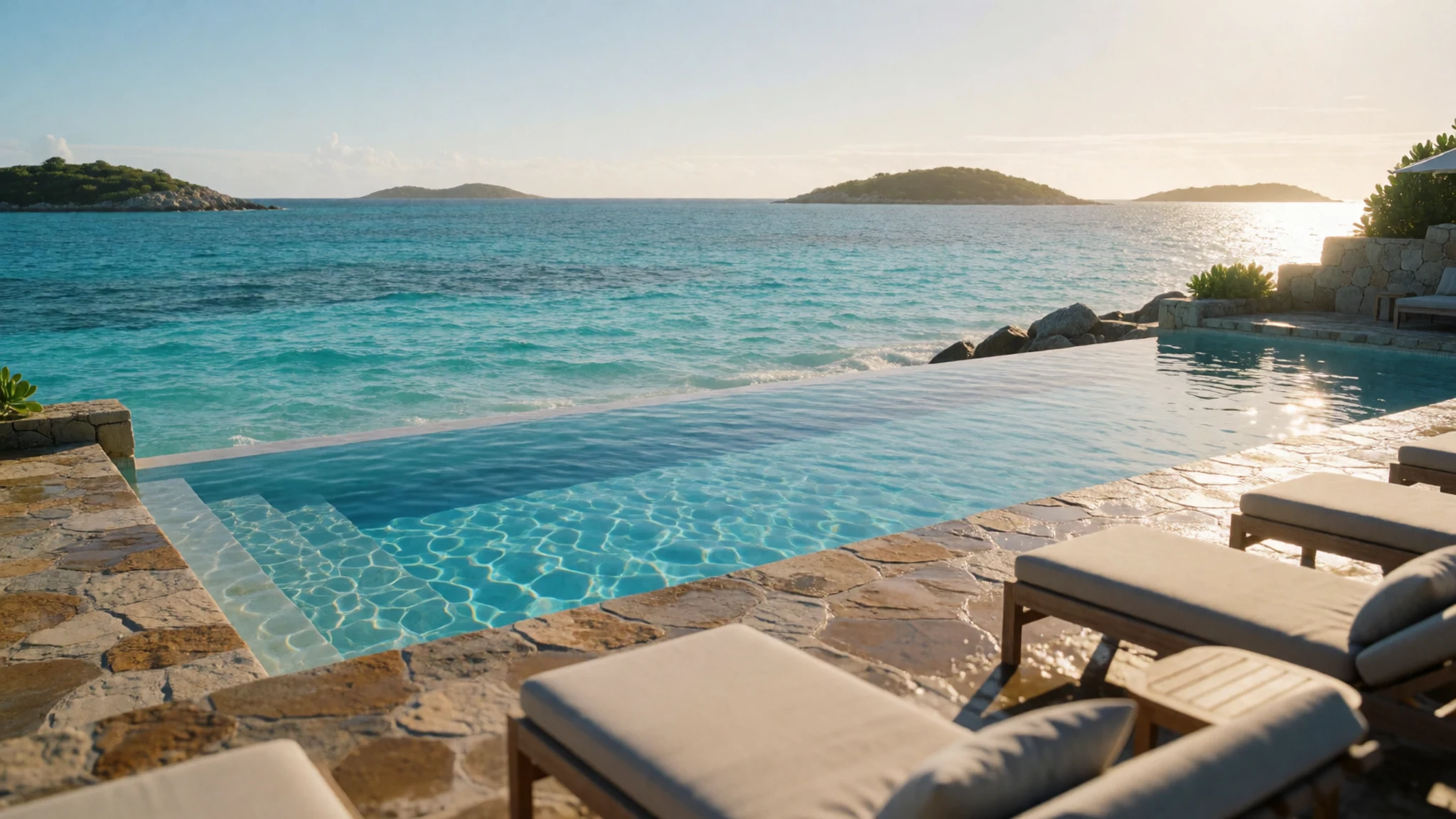
Culture
Necker Island sits within the culture of the British Virgin Islands, a British Overseas Territory where daily life blends Caribbean and British habits. English is the everyday language, driving is on the left, and Sunday still has a quiet rhythm on the larger islands. Boating is the local heartbeat: sailing charters, fishing boats and ferry hops between islands shape the working week as much as tourism does. Music is a mix of reggae, calypso and soca, and the fungi-and-pepperpot style of cooking owes a lot to West African and Caribbean traditions that grew from the island's history. Fungi music, a folk style played with scrapers, gourds and improvised instruments, is a distinctly Virgin Islands sound and turns up at festivals and community events. The territory's biggest celebration is the August festival, with parades, costumes and steel pans. Necker itself is a private world within that setting, with its own rules and a staff drawn largely from the surrounding islands. Many local people work in sailing, hospitality and the wider service economy, so how visitors behave matters. Politeness goes a long way: greetings come first, then questions or requests. Storms have left a legacy of practical resilience, and locals often have a brisk, humorous take on the weather. When walking around Tortola or Virgin Gorda towns, cover up away from the beach and always say good morning or good afternoon before asking for anything, as skipping the greeting is considered rude.
What to wear
Necker Island and the British Virgin Islands have no single national costume in daily use, but the Caribbean heritage shows in festival dress. At the August festival, and at school and community events, women may wear madras-style checked cotton head-ties and long skirts, while dancers and troupes wear bright, layered costumes with ribbons and sequins. Fungi bands often dress in simple white shirts with coloured sashes. These outfits come out for celebrations, not for the street. Day to day, people wear what suits a hot, humid climate: light cotton and linen shirts, shorts, sundresses and sandals, with sailing caps and sun hats on the water. Boat crews favour quick-dry polo shirts and boat shoes. At work in offices, banks and government buildings, smart-casual is normal. On Necker itself, the dress code is relaxed resort wear, with swimwear, kaftans and bare feet usual by day, and something a little neater for dinner. Visitors should pack breathable fabrics, a wide-brimmed hat, sunglasses and reef-safe sun cream, plus a light waterproof layer for passing showers. Water shoes help on rocky beaches and at places like The Baths. A cover-up or shirt is expected when walking through towns or entering shops and restaurants, and a light sweater is useful for breezy evenings on a boat. Heels are impractical on sandy paths and jetties, so flat sandals or deck shoes are far better.
What to eat
- Fresh grilled spiny lobster — beach restaurants on Anegada
Spiny lobster is a regional treat, usually grilled with garlic butter or Creole-style seasoning. Anegada is especially known for it, and beach shacks there cook it over open fires. The season is limited, so ask locally whether it is in season before planning a meal around it.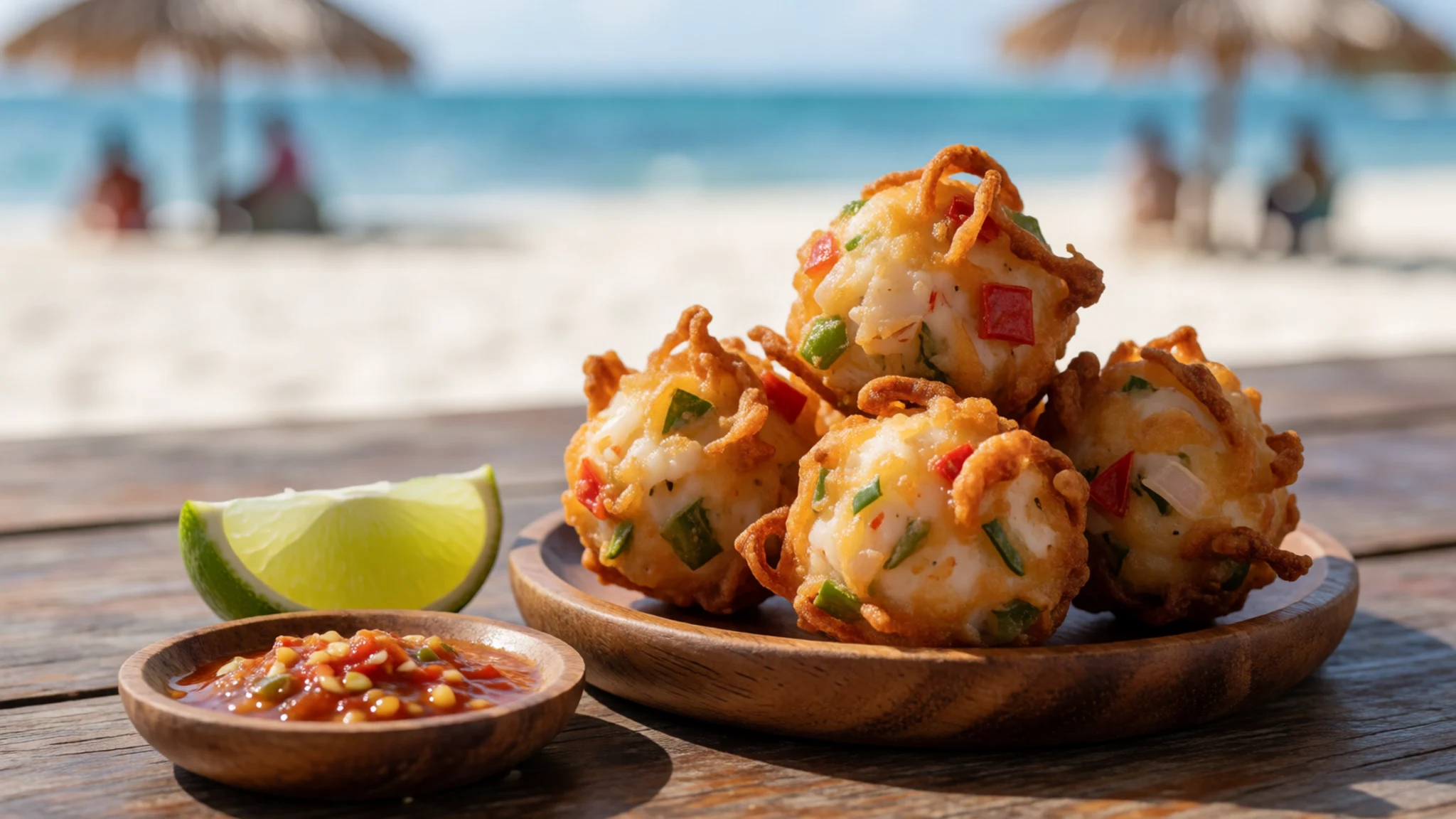
- Fish with rice and peas — local eateries in Road Town and Virgin Gorda
Catch of the day, often mahi-mahi, snapper or wahoo, comes grilled or fried with rice cooked in coconut milk with pigeon peas. It is the plain, filling meal of the islands and appears on most local menus, usually with plantain or salad on the side.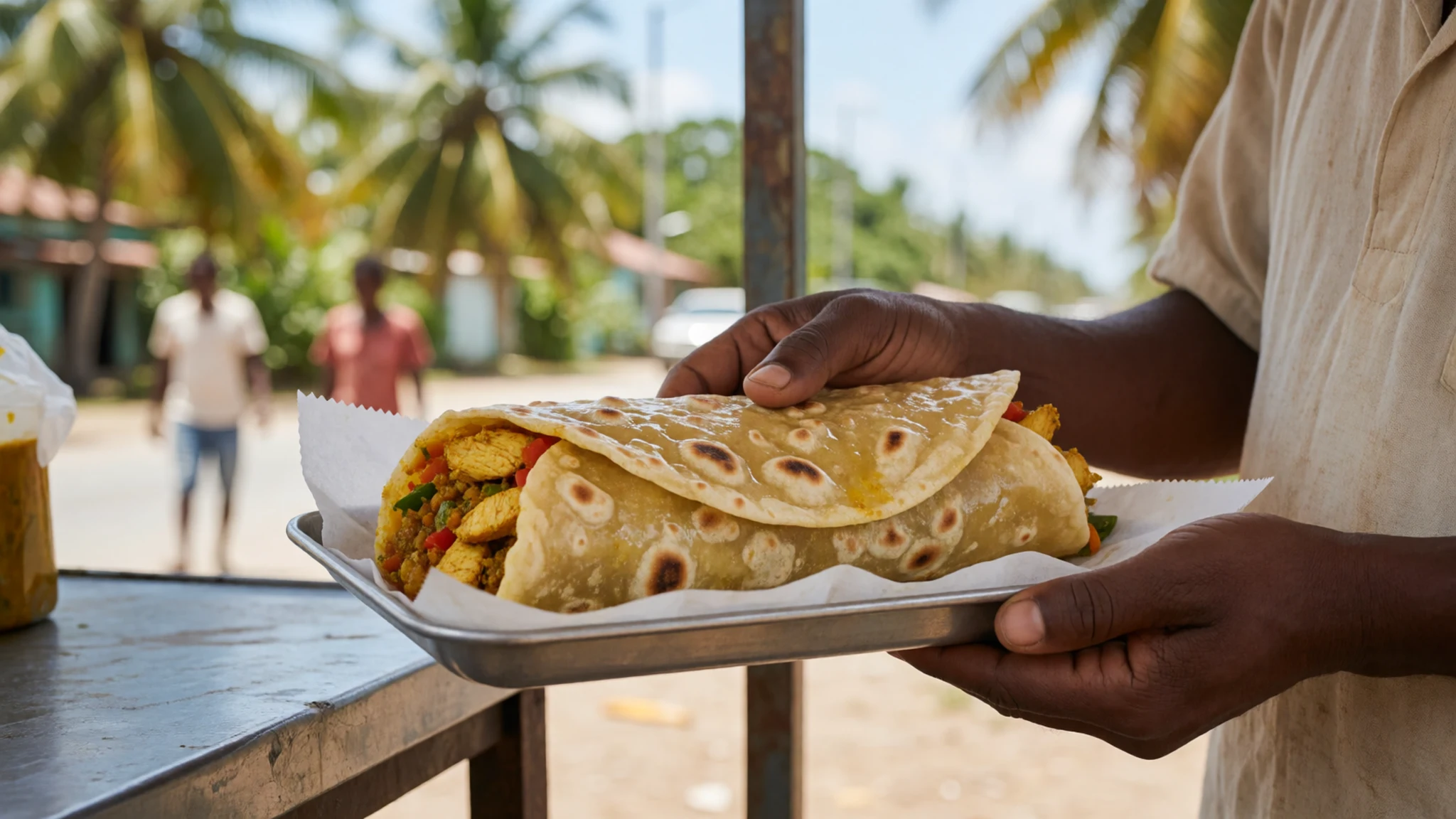
- Johnnycakes — roadside stalls and small bakeries
Johnnycakes are small fried dough rounds, crisp outside and soft inside, served at breakfast or alongside saltfish and stews. They are simple, filling and good value, and often sold from roadside stalls and small takeaways at the start of the day. - Callaloo soup — family-run local restaurants
Callaloo is a thick green soup made from leafy greens, often with okra, salt meat or crab and local seasoning. It shows the West African roots of Caribbean cooking and is typically served in small bowls as a starter or as part of a mixed plate. - Rum punch — beach bars and sailors' hangouts around the North Sound
Rum punch is the standard sunset drink, built from local or regional rum, citrus, sugar and spice, often with a grating of nutmeg. Strength varies widely between bars, so a first glass is best taken slowly, especially in the afternoon heat.
Plan it
Best time. December to April is the driest and breeziest stretch, with warm days and lower humidity. June to November is hurricane season, with higher humidity, heavier rain and a real chance of storm disruption, though prices and crowds drop.
How long. 3–5
Getting there. Fly to Terrance B. Lettsome International Airport on Beef Island, Tortola, or connect via San Juan or other Caribbean hubs. From Tortola, take a ferry or private boat to Virgin Gorda, then the resort's own boat to Necker, which guests arrange in advance.
Budget. high
Tips
- Book Necker well ahead, as it is rented as a whole island or by single rooms in set periods; check the official site for current terms
- Sailing charters and Virgin Gorda guest houses give a cheaper way to enjoy the same waters
- Arrive early at busy spots like The Baths to avoid midday crowds
- Carry some cash for small beach bars, taxis and ferries, as card machines can fail
- Pack reef-safe sun cream and drink plenty of water in the heat
Etiquette
- Greet people before asking for anything
- Do not touch or stand on coral, and never take shells or sea life from the reef
- Cover up away from the beach, especially in towns and restaurants
Nearby
Sources
- Wikidata (CC0)
- Wikipedia — Necker Island (CC BY-SA 4.0)
- Wikivoyage — British Virgin Islands (CC BY-SA 4.0)
Wildlife
- Flamingo (animal)
Often called the Caribbean flamingo, this is a large pink bird and the only flamingo that lives wild in North America. Its flock stays year-round in a sheltered, brackish wetland in the lowlands near the middle of Necker Island. Come quietly, stay well back so the birds are not unsettled, ask a guide to lead you, and never offer food. Calm, patient watchers always see the most.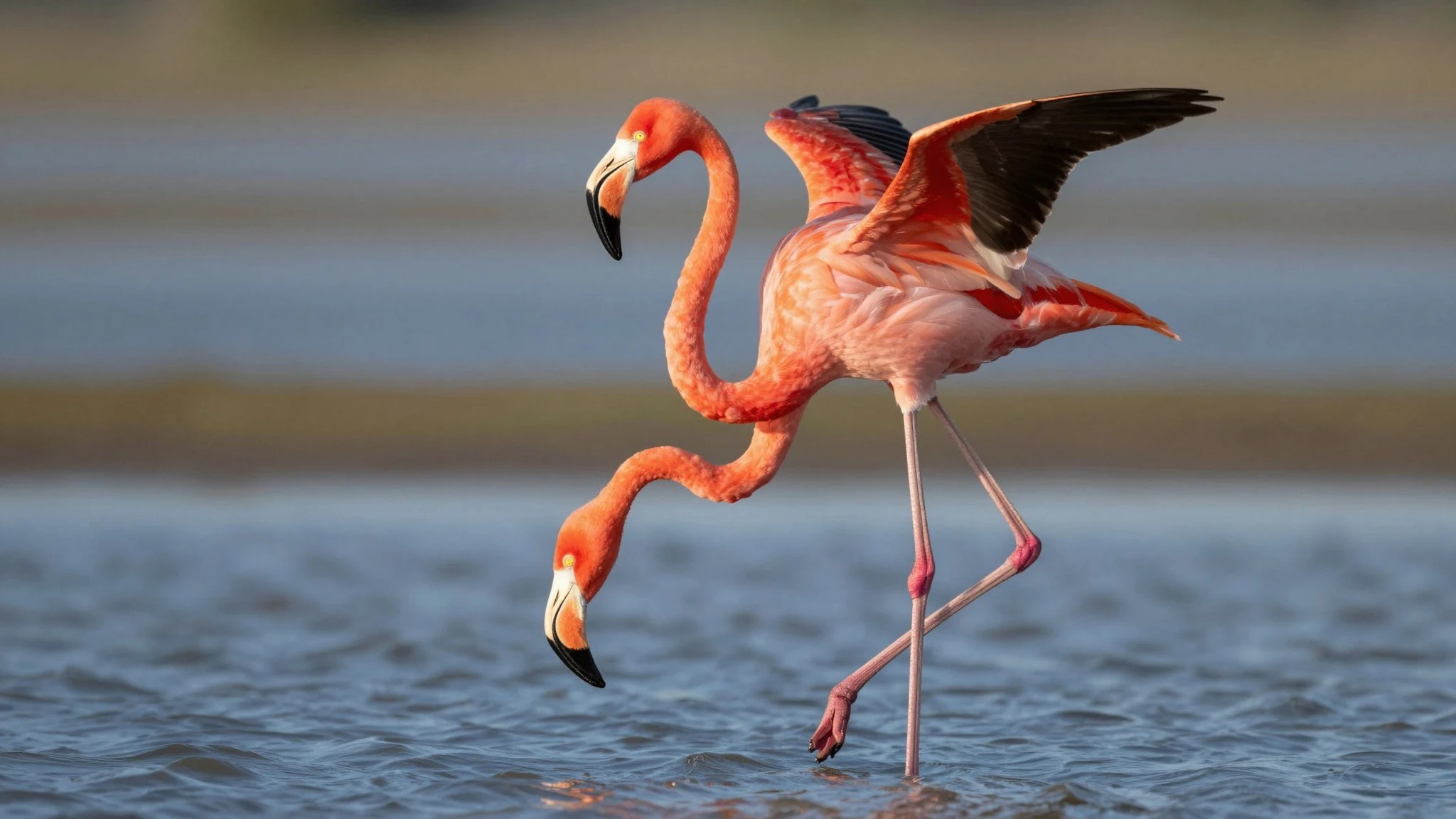
- Sea turtle (animal)
The green sea turtle is a big, gentle swimmer that eats seagrass, and it is named for the greenish fat under its shell, not for the shell itself, which is dark olive or blackish. Off Necker Island, look in the shallow water by the coast, where coral and seagrass meadows grow and turtles drift along feeding. Clear water makes them easy to spot. Keep a respectful distance, stay quiet and calm, go with a guide, and never feed or touch them.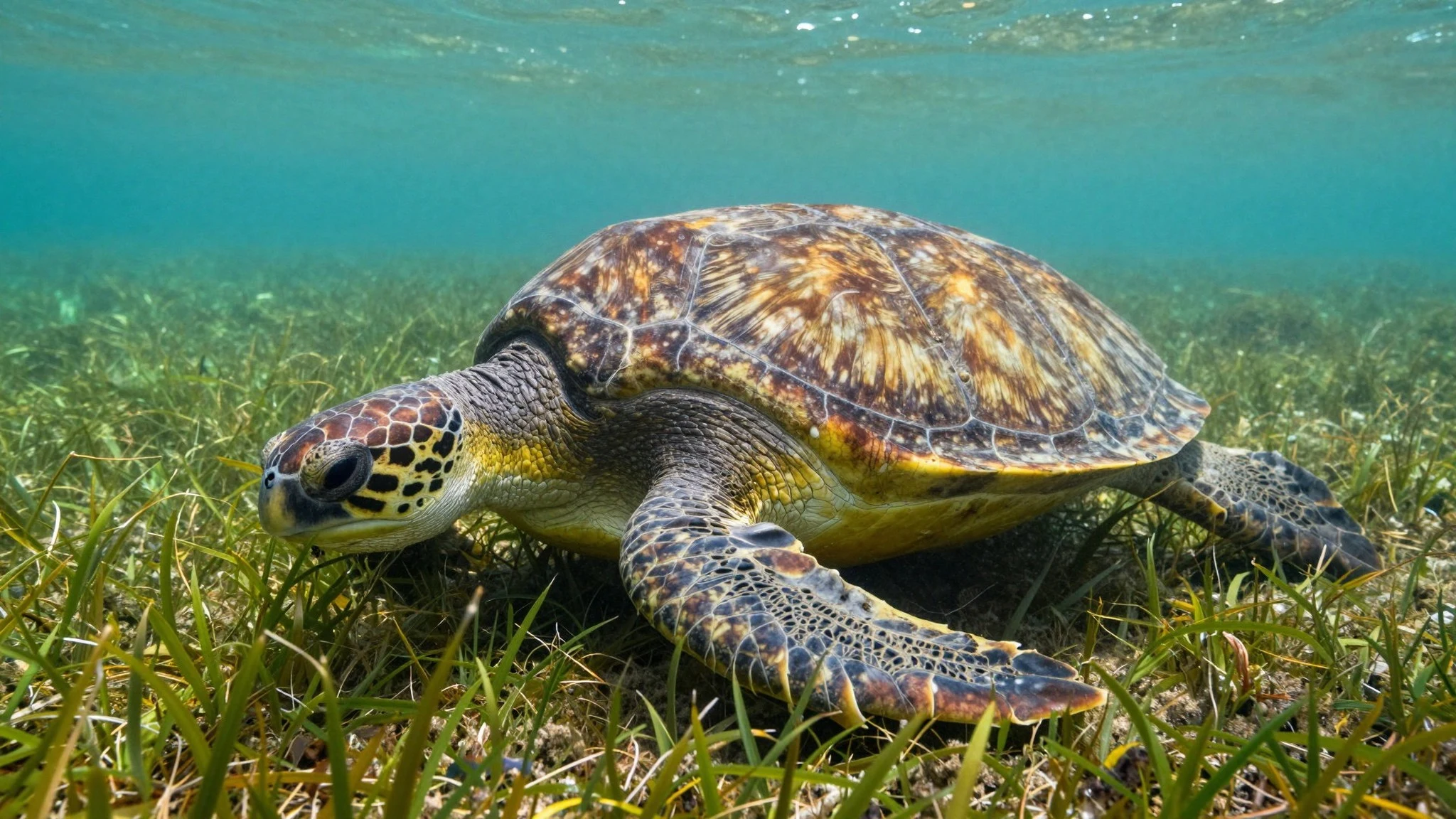
- Caribbean flamingo (bird)
Often called the Caribbean flamingo, this is a large pink bird and the only flamingo that lives wild in North America. Its flock stays year-round in a sheltered, brackish wetland in the lowlands near the middle of Necker Island. Come quietly, stay well back so the birds are not unsettled, ask a guide to lead you, and never offer food. Calm, patient watchers always see the most.