Nakasendo
Nakasendo, Japan
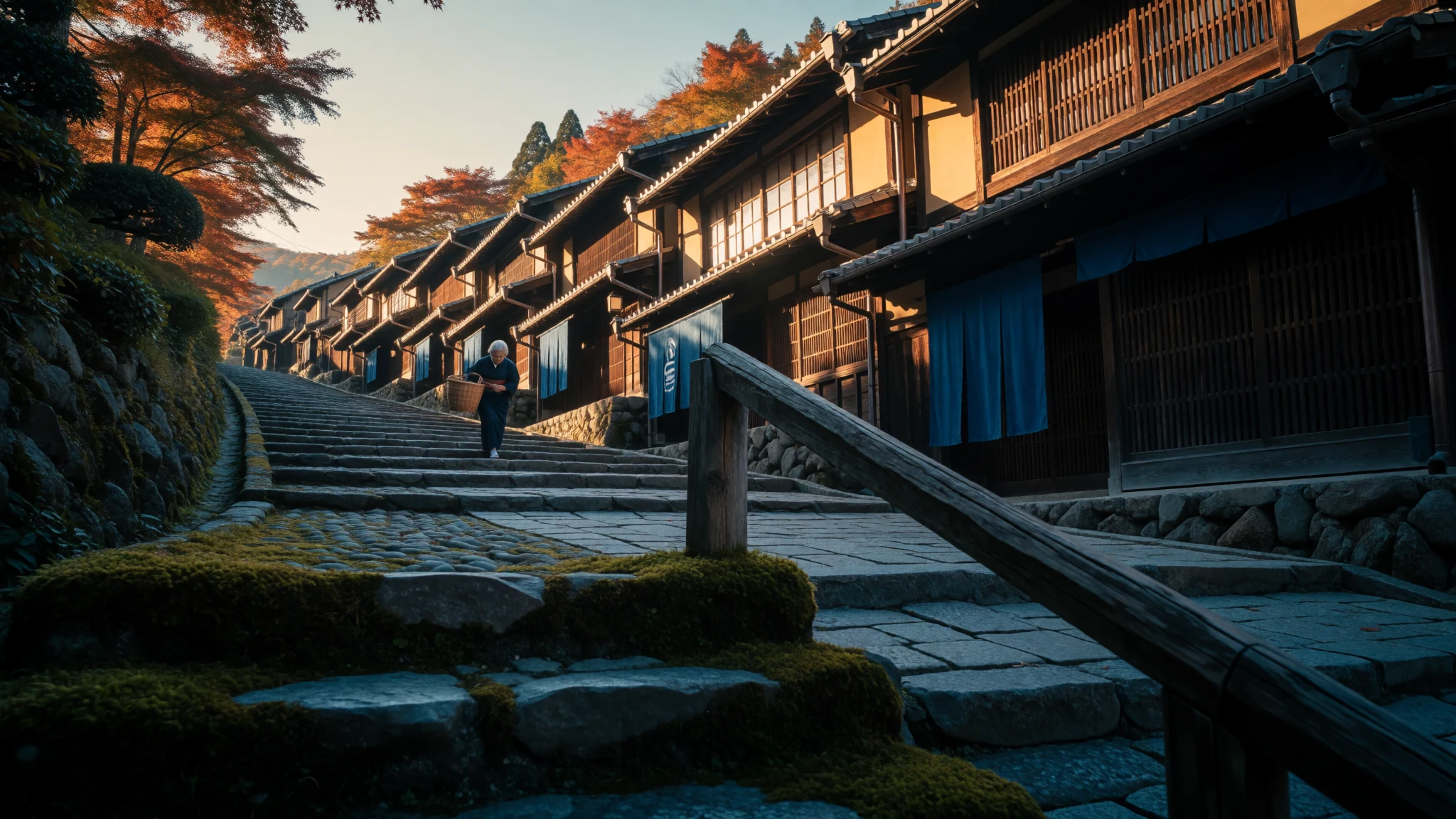
Nakasendo is the old mountain road from Edo to Kyoto, and a walk through Gifu's post towns shows how Japan once travelled.
The place
Nakasendo is the old inland road that tied Edo, today's Tokyo, to Kyoto, and its name means Central Mountain Route. The Nakasendo Mitake-kan, a library and museum in the town of Mitake in Gifu Prefecture, is the modern building that carries the road's name, and it makes a sensible first stop for anyone trying to understand the route. The road ran for about 534 km through the old provinces of Musashi, Kozuke, Shinano, Mino and Omi, crossing what are now Saitama, Gunma, Nagano, Gifu and Shiga prefectures. Along it stood 69 staging posts where walkers, officials and porters rested, ate and changed carriers. Gifu sits near the middle of Honshu, and its landscape splits in two. The north, once Hida Province, is Japan Alps country: steep valleys, hot springs, hiking and heavy winter snow. The south, once Mino Province, is gentler, with castle sites, old merchant towns and river plains. Mitake belongs to the southern half, where the old road threads through small towns rather than high passes. Most of the route today is ordinary roads, rail corridors and farmland, with a few stretches of stone-paved path and restored post towns kept for walkers. Magome and Tsumago are the post towns that most visitors head for. Crowds gather there in the main seasons, and the walking between them is easy enough for families. Elsewhere the road is quiet, and a day on it may mean more rice paddies and shuttered shopfronts than period scenery. That honesty is part of the appeal: this is a working region with history layered into it, not a theme park.
Its story
Nakasendo grew out of the Edo period's system of centrally run highways, built so that the shogunate could keep dependable links between its capital and the imperial city. It was one of two routes between Edo and Kyoto. The other, the Tokaido, hugged the coast, while Nakasendo went through the mountains, which is why its name means central mountain route and why it is also called Kisokaido, after the Kiso valley it follows. Inland travel had a practical advantage: walkers were spared wading across rivers, a hold-up that could be serious on the coastal road when the water ran high. So the mountain road drew a steady mix of traffic, from officials and feudal lords with their retinues to pilgrims, merchants and poets. The haiku master Matsuo Basho walked it. The printmaker Hiroshige also travelled it, and his series of views of the 69 stations was completed by Keisai Eisen, which is why the road is so familiar from Japanese woodblock prints. Post towns lived off this traffic through inns, porters and stables. When railways and later expressways took over the long-distance trade, many towns lost their purpose and some faded. Others turned their old streets into heritage attractions. In Mitake, the Nakasendo Mitake-kan now holds the town library and a museum, so the road's story is told in a building that locals use every day. Gunma Prefecture even gives the road a place on the 'na' card of its Jomo Karuta game, a small sign of how deeply it sits in regional memory.
What to see
- Nakasendo Mitake-kan — Mitake, Gifu Prefecture
The Mitake-kan is a civic building that houses the town library alongside a museum about the road. It is a calm, practical introduction before walking, with local history under one roof. Opening days vary, so check the official town website before travelling.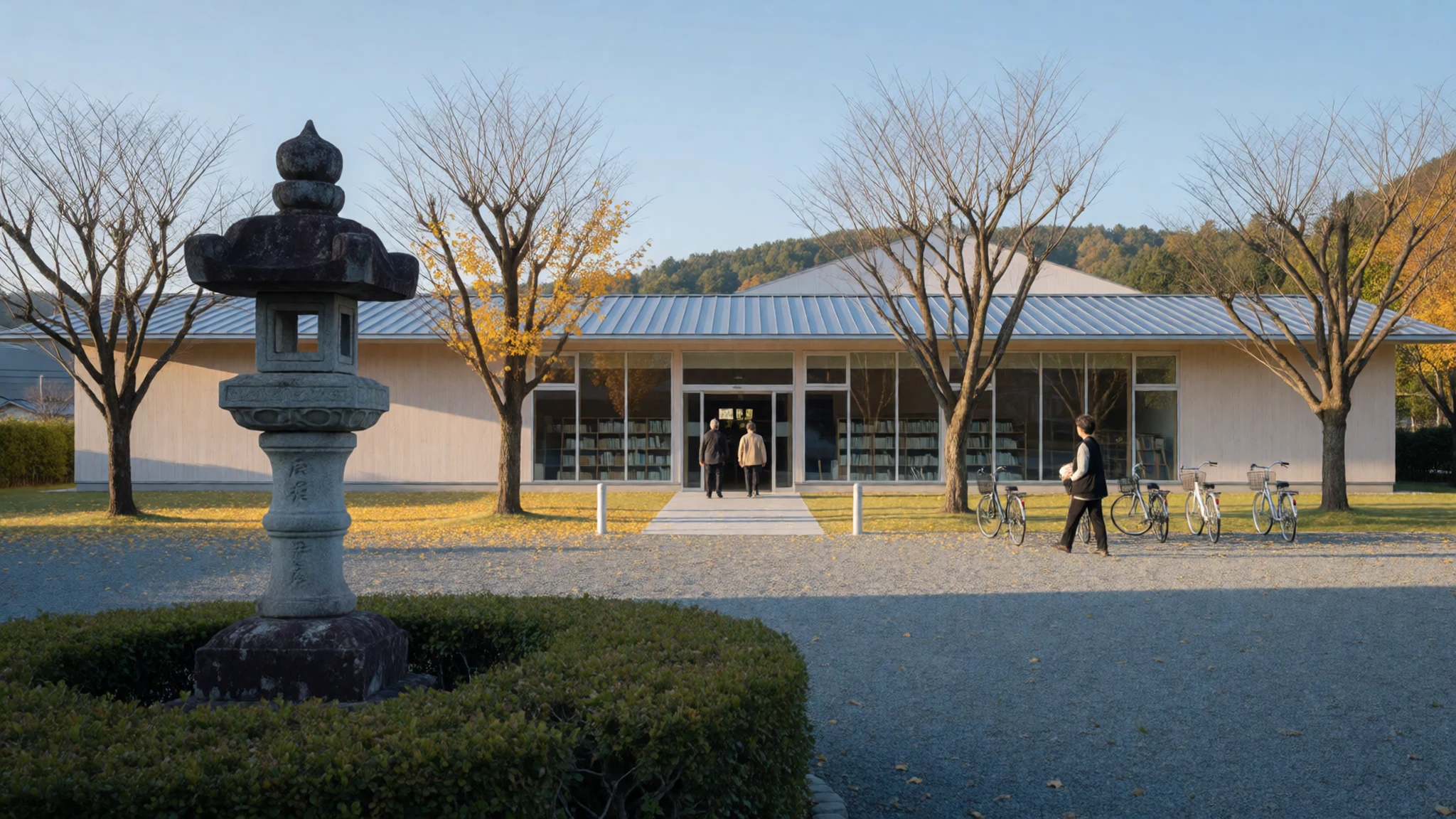
- Magome to Tsumago walk — Magome, Nagano–Gifu border area
Magome is a post town on a slope, with stone paving and old-style shopfronts. A walking path leads on to Tsumago through forest and hamlets, and can be continued further along the route. Spring and autumn bring the most walkers, so an early start keeps the path quieter.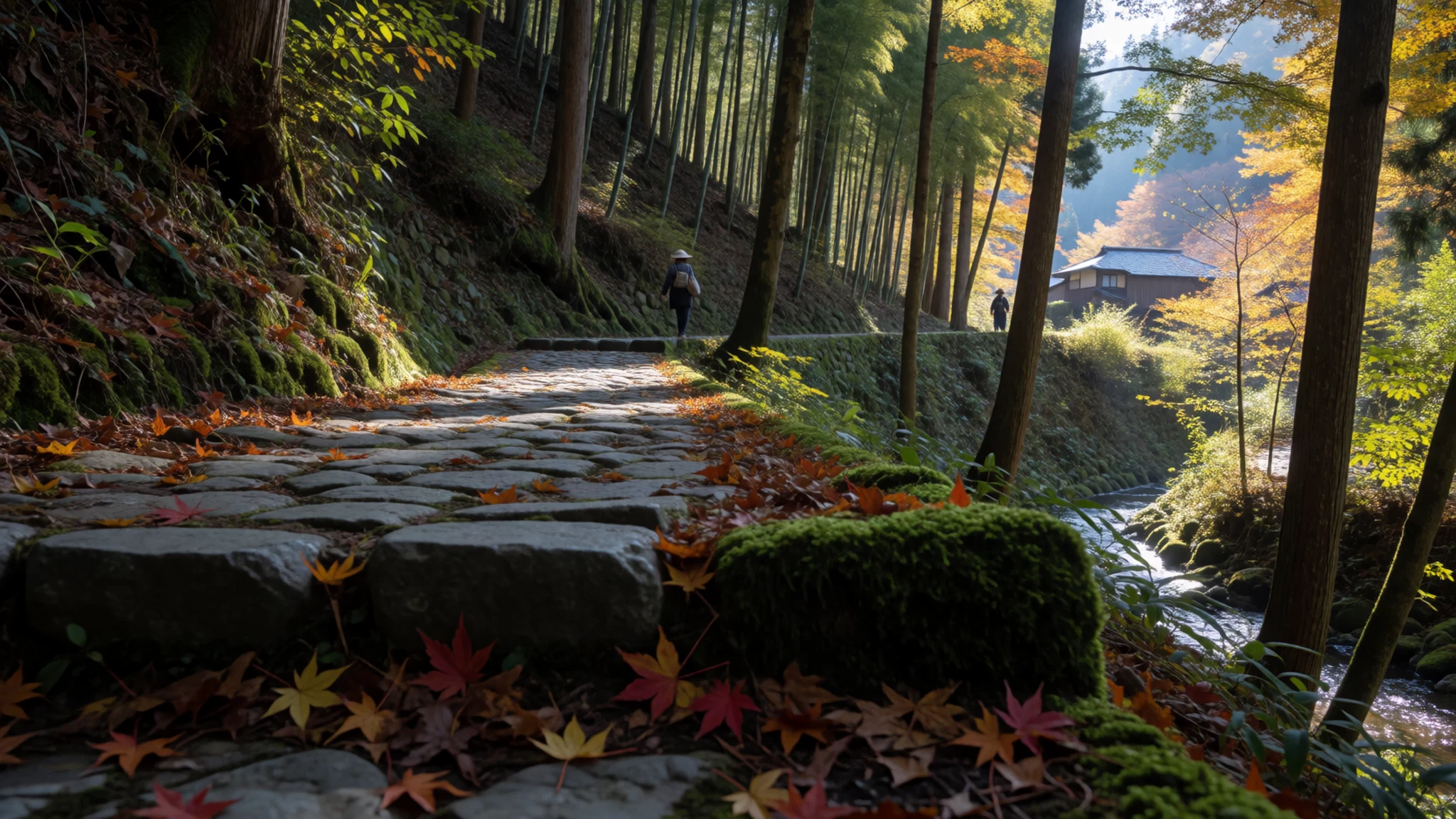
- Sekigahara battlefield — Sekigahara, western Gifu
Sekigahara is where armies fought a decisive battle that shaped the Edo period. The valley is now farmland dotted with markers, memorial stones and small museums. It rewards visitors who like to read the ground, since the story is clearer on foot than from a car.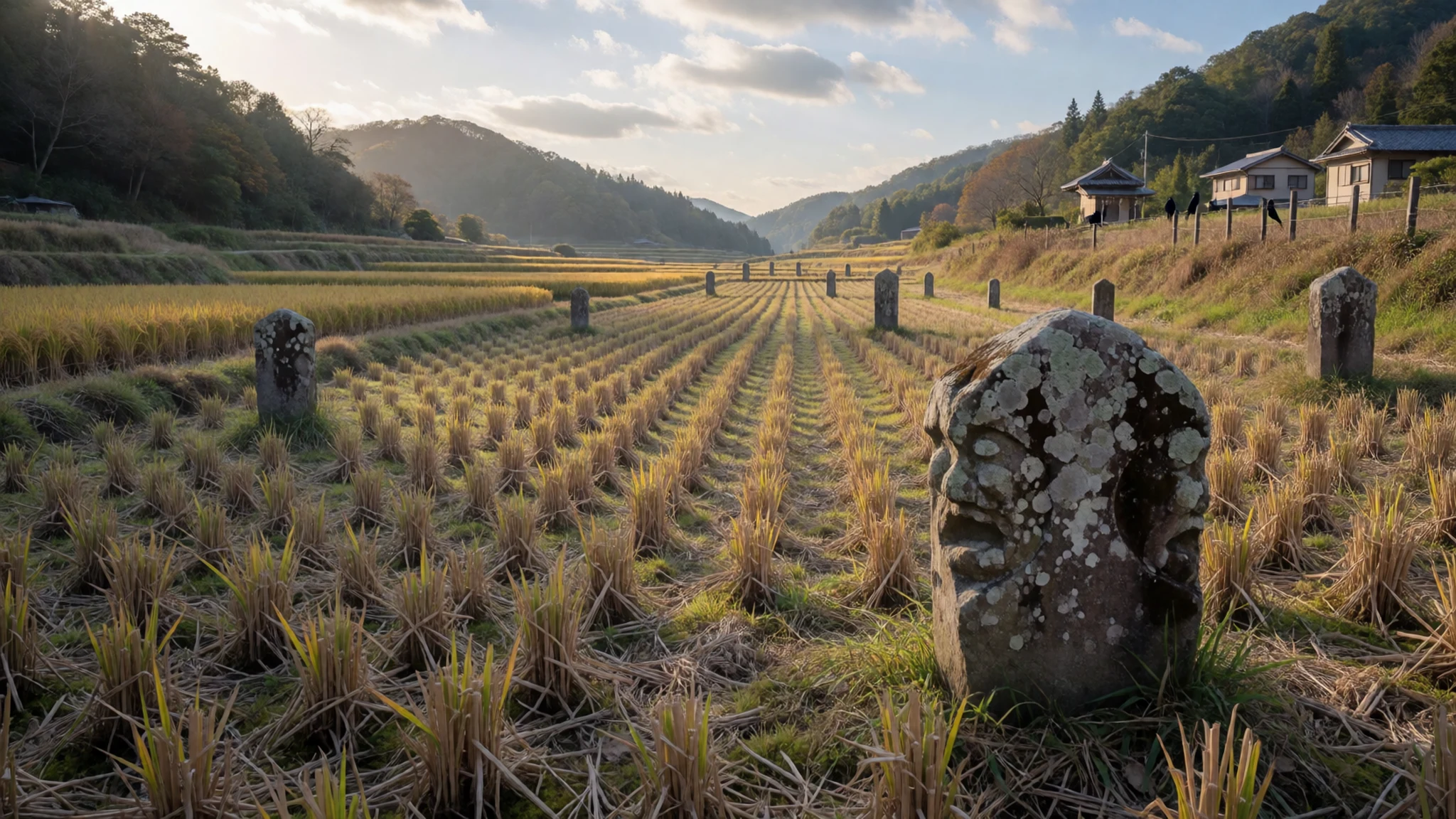
- Gifu Castle and the Nagara river — Gifu city
Gifu Castle stands on a hill above the city and is tied to the warlord Oda Nobunaga. Below it, the Nagara river hosts traditional cormorant fishing in the warmer season, watched from boats. Book the boat ahead through the local tourist office and check the season first.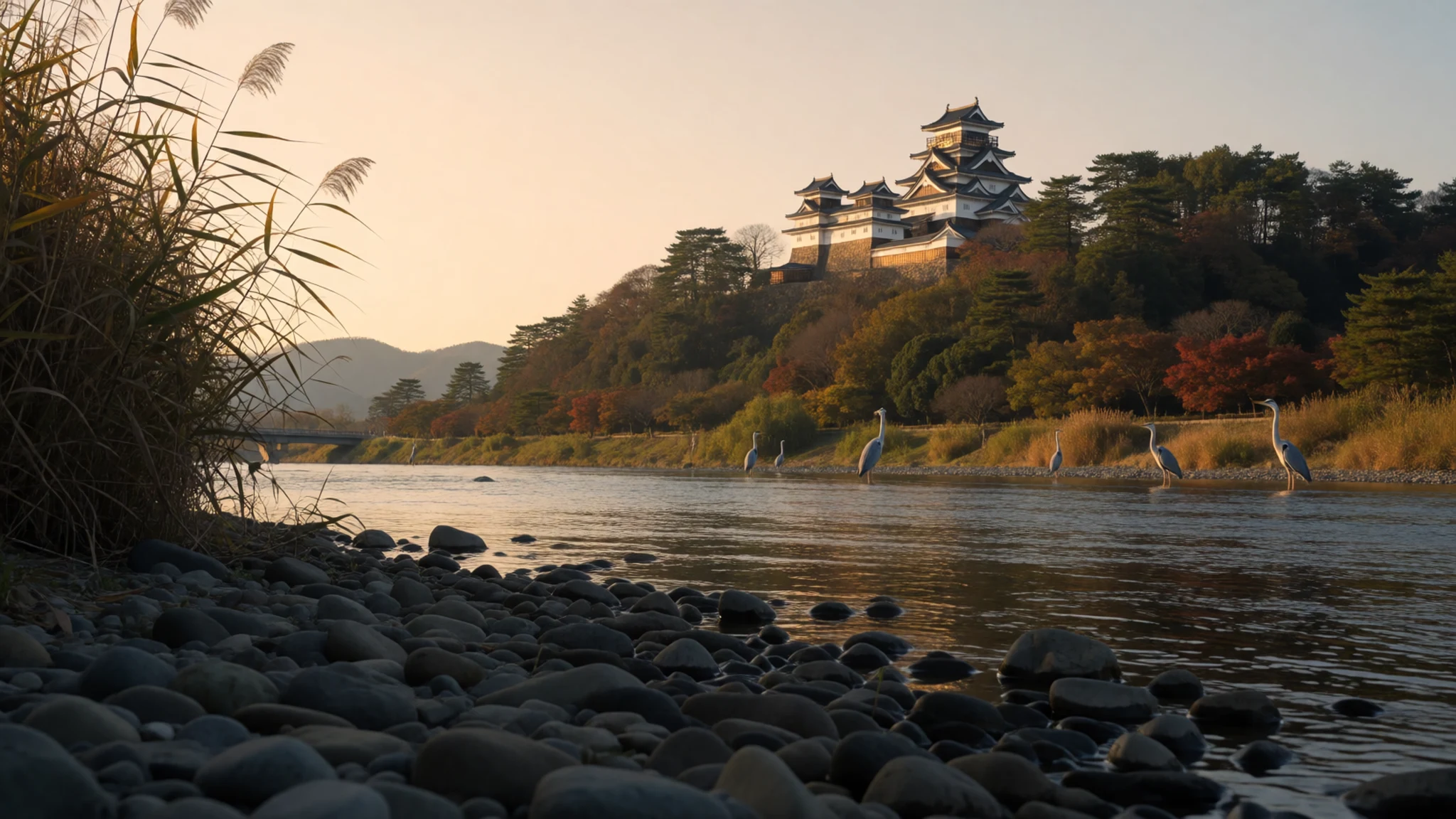
- Mino's old udatsu streets — Mino city
Mino is an old merchant town known for its udatsu, the small firewalls that rise above neighbouring roofs. The streets suit a slow wander, and the town is also associated with Mino-washi, handmade paper. Workshops let visitors try making a sheet themselves; confirm sessions in advance.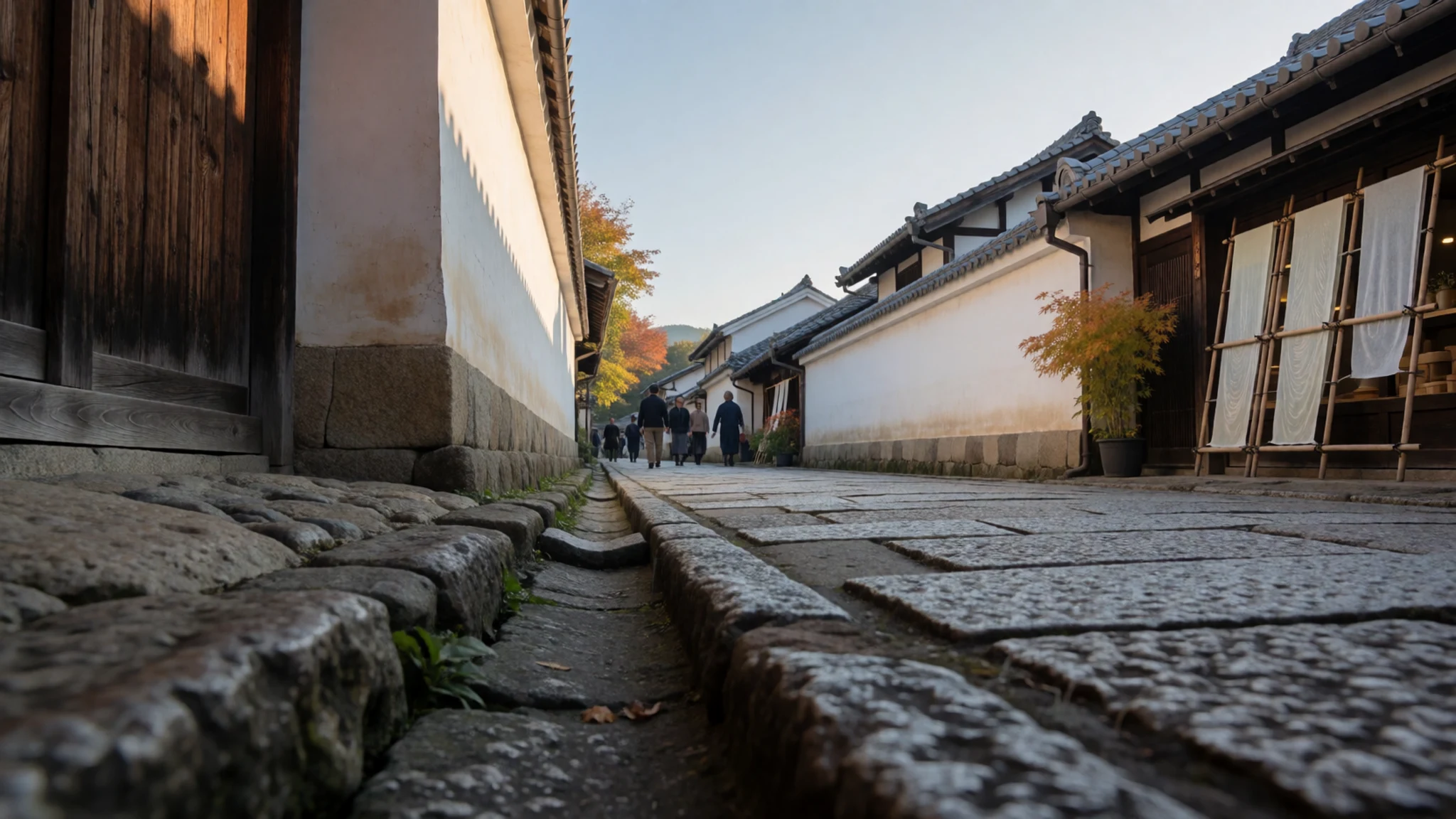
- Takayama old town — Takayama, northern Gifu
Takayama lies in the former Hida Province and keeps preserved streets of dark timber merchant houses. It is busy in peak seasons and pleasantly calm in the early morning. The town is also a base for Hida beef and for the nearby farmhouse villages of Shirakawa-go.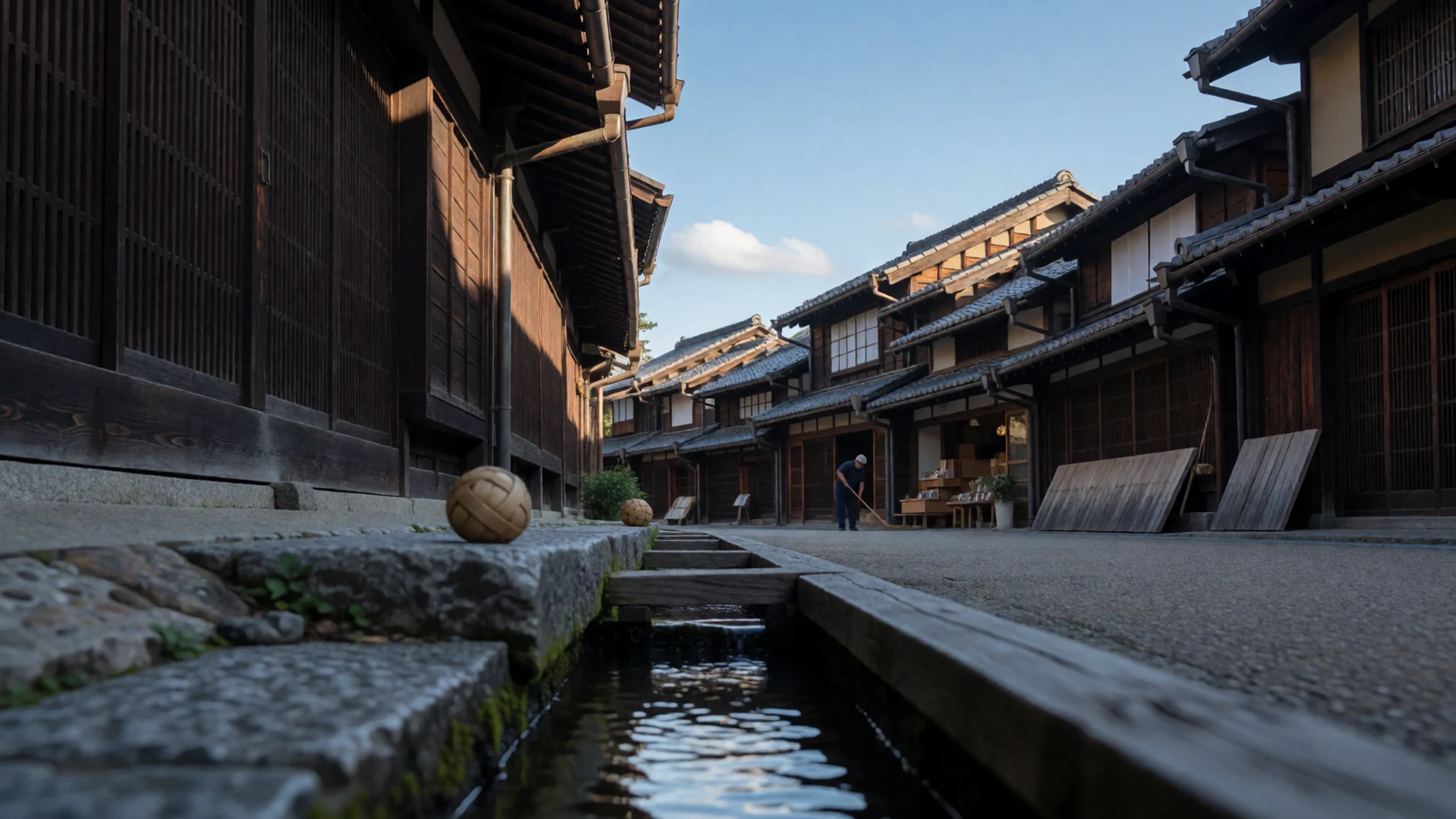
Culture
Nakasendo country in Gifu is shaped by the habits of a road. The post towns once existed to serve travellers, so hospitality, craft and local produce grew up side by side. Craft traditions survive in several towns: Mino is linked with handmade washi paper, Seki with sword-making, and Gujo with food replicas so lifelike that they fill restaurant windows across Japan. On the Nagara river near Gifu city, cormorant fishing is kept going as a seasonal spectacle with its own boats and boatmen. The mountain north has another character, built on snow, hot springs and farmhouse villages, and the prefecture likes to call itself the Heart of Japan. Local pride is visible in small things: a library that carries the road's name, preserved shopfronts, hand-painted signs and festivals tied to individual towns. Much of the heritage here is quiet rather than monumental, so it rewards patience. A museum label, a milestone by a field or a worn stone in a paved lane can carry as much meaning as a big sight. Many preserved streets are real neighbourhoods where people live and work, not open-air exhibits, and the old houses are still homes, shops and inns. Visitors who treat the area that way tend to find that conversation, a cup of tea or a recommendation for a local sweet comes easily. In the preserved post towns, remember that the houses are lived in, so keep to the marked path, speak quietly, and ask before photographing residents or going into private yards.
What to wear
Around Nakasendo in Gifu, traditional dress means the kimono, made in silk for formal wear and in cotton for everyday use, with the lighter cotton yukata worn in summer. Travellers on the Edo-period road dressed for walking, in short robes, cotton leg wraps, woven straw sandals and wide hats against sun and rain, and some post towns still show these in museum displays. Today kimono appear mostly at weddings, festivals and in hot-spring towns, where visitors sometimes hire them for a day. Everyday dress is the same as elsewhere in Japan: neat, practical and understated, with outdoor gear common in the mountain towns and plain layers in the cities. For a visitor, footwear matters most. Sturdy, broken-in walking shoes suit the stone and gravel of the old road, and a light waterproof jacket is worth carrying in any season. Spring and autumn mornings can be cool in the hills, so bring a layer you can remove, and in the northern mountains winter needs proper warm clothing and grip. In summer, light breathable clothes, a hat and sun protection help with the humid heat. Shrines, temples and inns are relaxed about dress, but covered shoulders and knees are respectful. Wear socks without holes, since shoes come off at many doors, and slip-on shoes save time.
What to eat
- Hoba miso — Inns and small eateries across Gifu, especially in the mountain towns
Hoba miso is bean paste grilled on a magnolia leaf over a small flame, then eaten with rice or used as a dip. It is simple, smoky and salty-sweet, and it is the dish most closely tied to Gifu.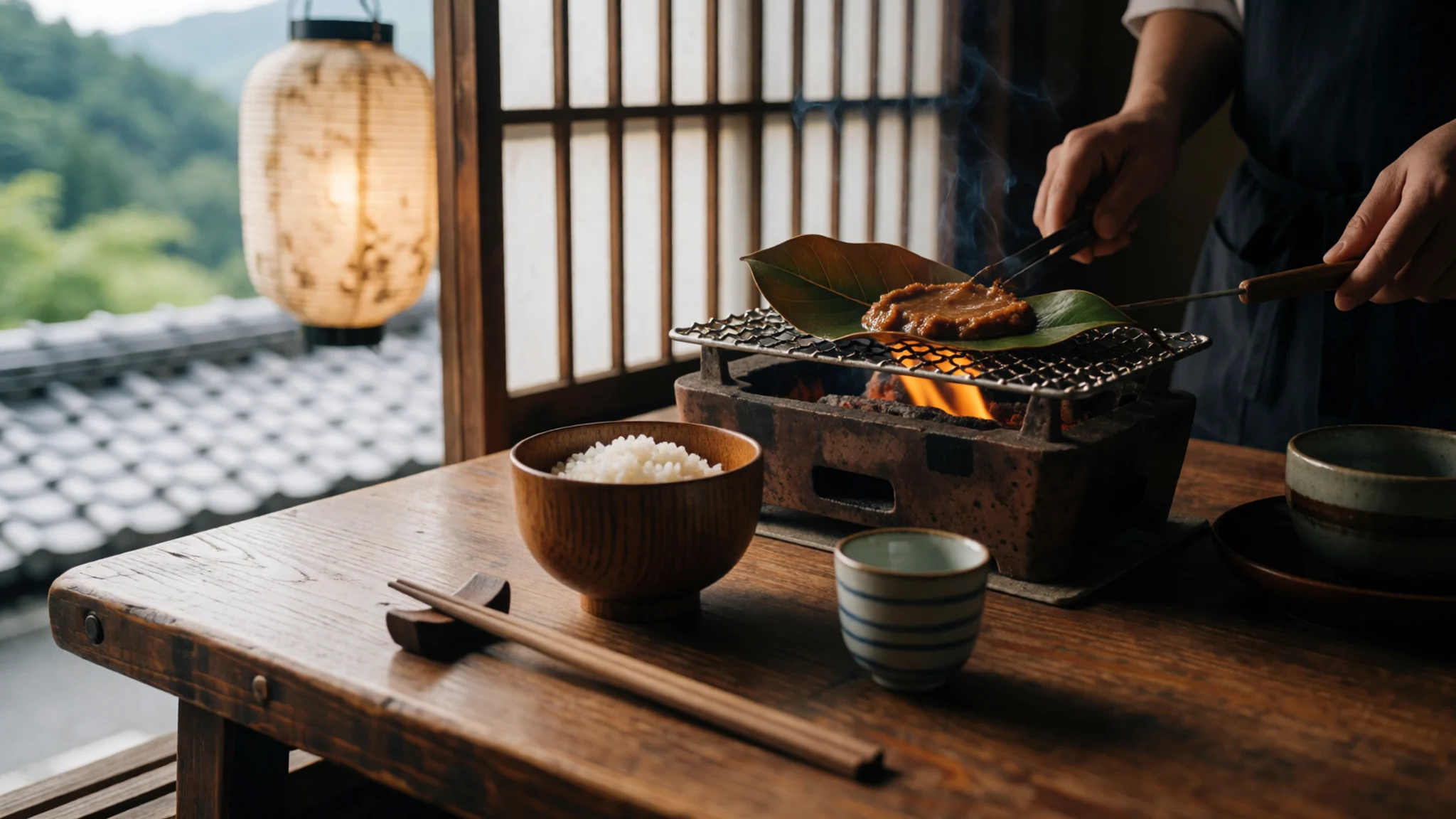
- Hida beef — Restaurants and grill houses in Takayama's old town
Hida beef comes from cattle raised in the northern mountains and is known for thick marbling. It is served as steak, thin-sliced for hotpot or on skewers, and is pricey. Takayama's old streets are the usual place to try it.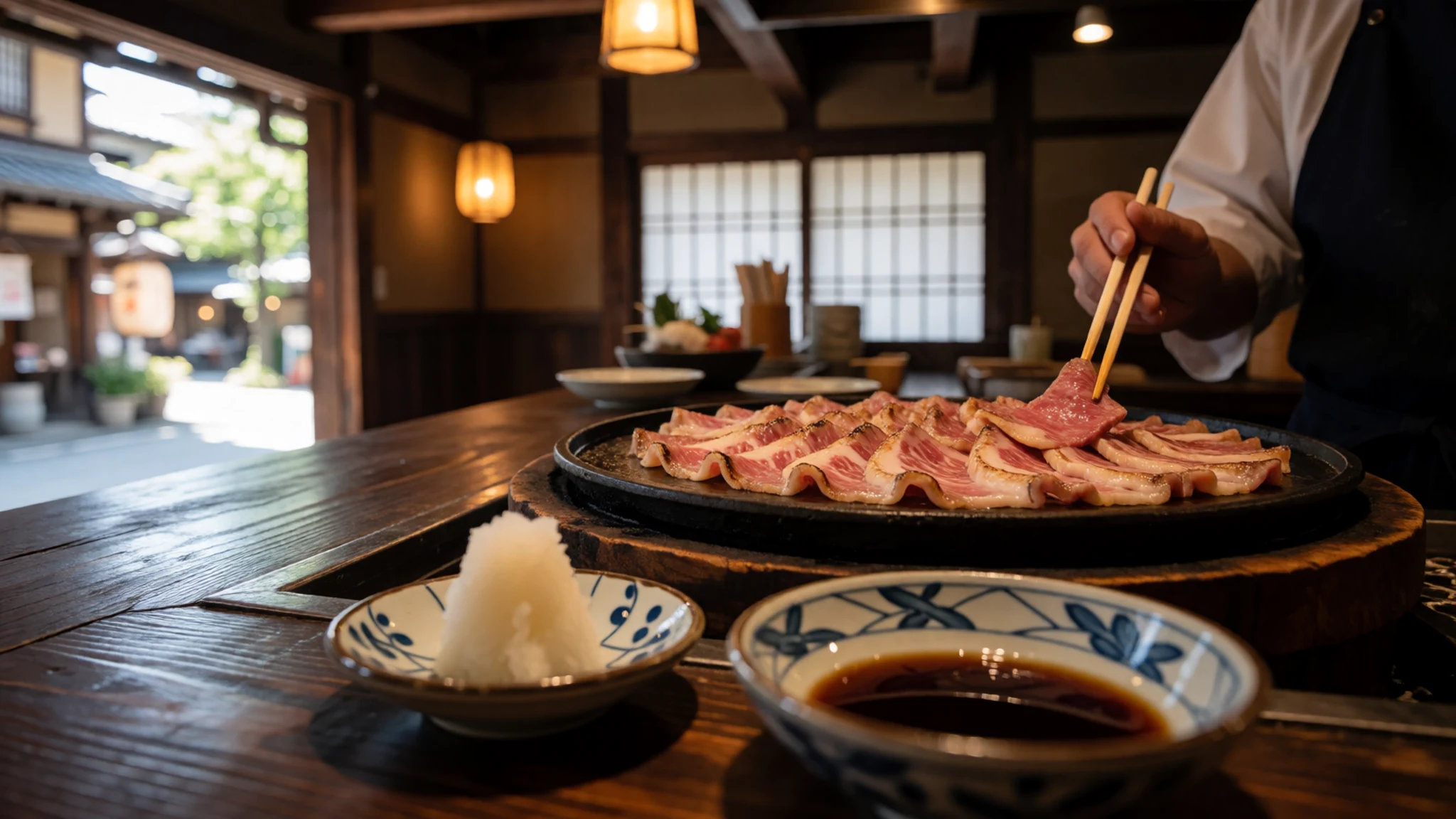
- Kurikinton — Confectioners in Mino and the Nakasendo post towns, in autumn
Kurikinton is a sweet made from steamed, mashed chestnuts and a little sugar, shaped back into a chestnut. It is a popular souvenir and best in autumn, when fresh chestnuts arrive. Shops often sell it in small boxes. - Mountain mushrooms and persimmons — Roadside stalls and morning markets in the hills, in autumn
The hills around Gifu are known for persimmons, chestnuts and mushrooms. In autumn, roadside stalls sell them fresh or dried, and inns cook them into rice, soup and pickles. They are the taste of the season along the route. - Local sake — Small breweries and sake shops in the post towns
Gifu has several small sake breweries, and the tiny Niki Shuzo makes the Tamanoi and Himuro labels. Sake shops in post towns often pour tasting measures. Pair a glass with hoba miso for a very regional evening.
Plan it
Best time. April–May and October–November. Spring and autumn are mild and good for walking, while the northern mountains get heavy snow in winter and summer can be hot and humid.
How long. 2–3
Getting there. Fly to Chubu Centrair International Airport and take the Meitetsu Line towards Gifu, or take the Tokaido Shinkansen to Nagoya and change to the JR Tokaido Main Line for Gifu. From Gifu, local trains and buses reach smaller towns such as Mitake; check the official Mitake town site for the Mitake-kan and local transport.
Budget. mid
Tips
- Start walks on the old road early, before the post towns fill with day visitors
- Carry some cash, as small shops, stalls and rural eateries may not take cards
- Check timetables for local buses and trains in advance, since services in the hills are infrequent
- Bring water and rain cover, because there are few shops between villages on walking stretches
- Check opening days for the Mitake-kan on the official town website before going
Etiquette
- Take off your shoes where you see a raised step or a row of slippers
- Ask before photographing residents, and stay out of private yards in the post towns
- Keep voices low in the preserved streets and carry your rubbish with you
Nearby
Sources
- Wikidata Q48747265 (CC0)
- Wikipedia: Nakasendo (rev 1362709936) (CC BY-SA 4.0)
- Wikivoyage: Gifu (prefecture) (rev 5245915) (CC BY-SA 4.0)
- Photo 01-nakasendo-mitake-kan-ac.jpg, Asturio Cantabrio (CC BY-SA 4.0)
- Photo 02-mitake-town-library-2019-12-ac-1.jpg, Asturio Cantabrio (CC BY-SA 4.0)
- Photo 03-mitake-town-library-2019-12-ac-10.jpg, Asturio Cantabrio (CC BY-SA 4.0)
- Photo 04-mitake-town-library-2019-12-ac-2.jpg, Asturio Cantabrio (CC BY-SA 4.0)
- Photo 05-mitake-town-library-2019-12-ac-3.jpg, Asturio Cantabrio (CC BY-SA 4.0)
- Photo 06-mitake-town-library-2019-12-ac-4.jpg, Asturio Cantabrio (CC BY-SA 4.0)
- Photo 07-mitake-town-library-2019-12-ac-5.jpg, Asturio Cantabrio (CC BY-SA 4.0)
- Photo 08-mitake-town-library-2019-12-ac-6.jpg, Asturio Cantabrio (CC BY-SA 4.0)


Wildlife
- Japanese cormorant (animal)
The Japanese cormorant, also called Temminck's cormorant, is a dark bird of eastern Asia's shores, rather like a feathered diver. On the Nakasendo, look to the Nagara river below the route, where in the warmer months people fish alongside these birds in an old custom, and visitors view it from boats. Stay in your boat, keep a respectful distance and speak softly. Going with a local guide helps you understand what you see. Never feed the birds.